
Reviewed · COOKING CLASSES
Cusco: Peruvian Cooking Class, Cocktails & Local Market Tour
Cusco’s best food lesson starts before you reach the kitchen. At San Pedro Market, you’ll see the potatoes, quinoa, cacao, fruit, cheese, bread, and other ingredients that give Peruvian cooking its character. Then you’ll use many of those ingredients in a small cooking studio with a chef who explains both the method and the story behind each dish.
I like the market visit because it gives the class a real sense of place, and I like the social setup: a maximum of 10 people, two cocktails, several dishes, and a shared meal at the end. The main consideration is that this is not a full hands-on restaurant kitchen session. Some preparation is done for you, and parts of the class involve assembling and plating rather than cooking every item from scratch.
Key points to know before booking
- San Pedro Market comes first: Meet at Door 1 and expect samples of local cheese, bread, chocolate, coffee, fruit, and other produce.
- Three Peruvian dishes are included: Prepare cebiche, causa limeña, and a quinoa tamal, then finish with picarones and honey.
- Two cocktails are part of the lesson: Pisco cocktails are included, with non-alcoholic versions available.
- The chef is central to the experience: Chef Jesus is named in the activity details, while sessions have also been led by Jorge and Eric.
- Dietary needs are handled: Vegetarian, vegan, gluten-free, sugar-free, and alcohol-free options are available.
- Allow four hours: The market tour, walk, cooking, drinks, and meal make this a substantial half-day activity.
San Pedro Market gives the class its local flavor
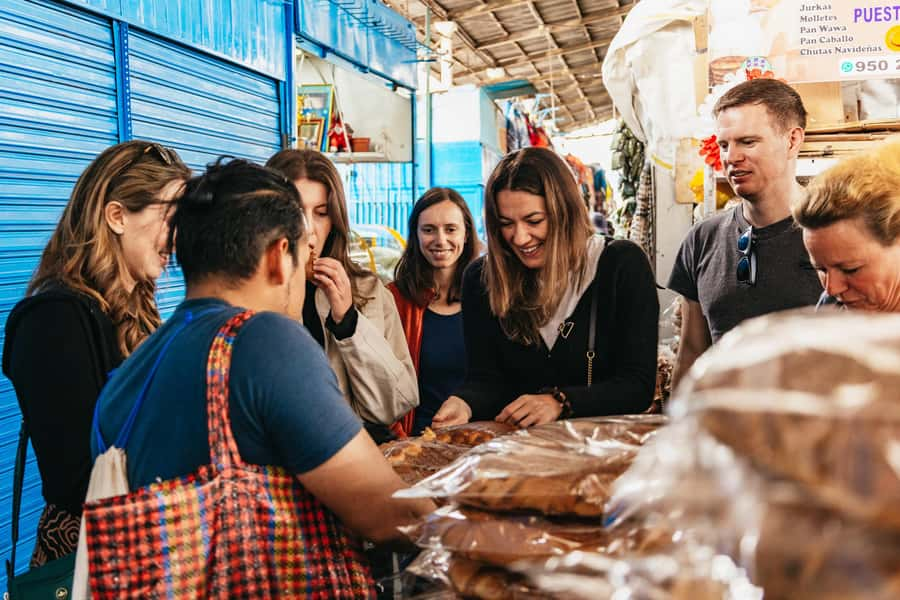
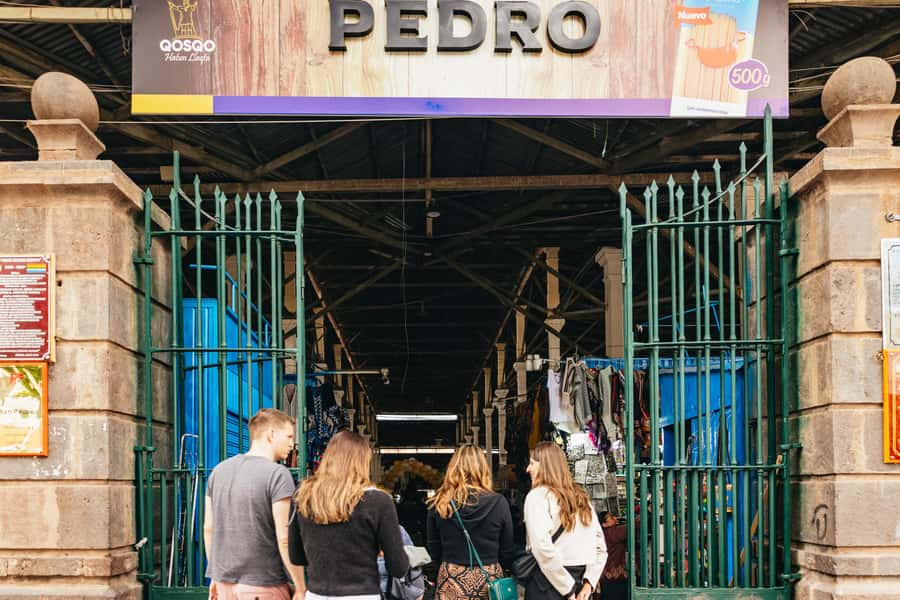
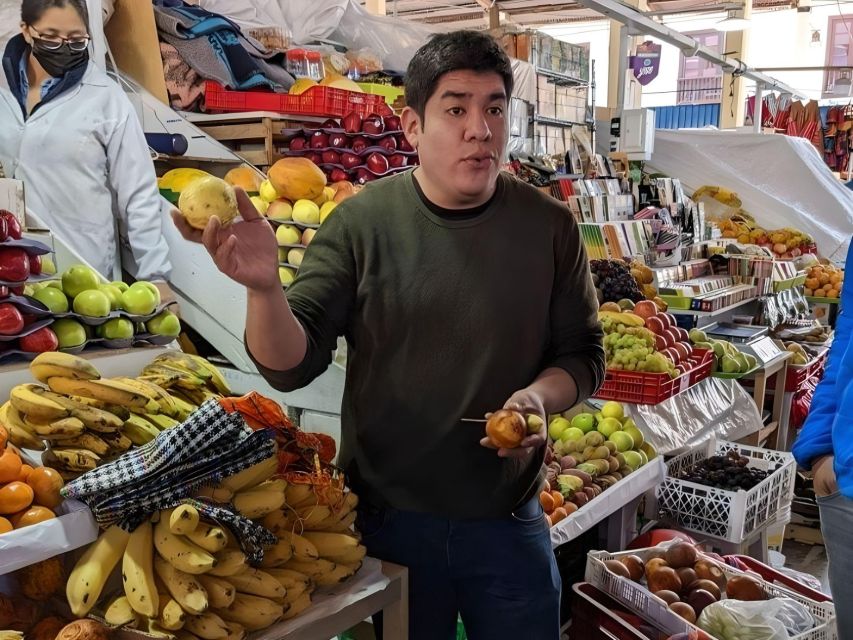
Meet at Door 1 of San Pedro Market, one of Cusco’s oldest markets. This is more than a quick photo stop. Your guide takes you through the market’s food sections and points out ingredients that can seem unfamiliar at first glance.
You’ll see several types of potatoes, quinoa, cacao, chocolate, local cheese, bread, fruit, and passion fruit. The market is also a useful place to connect Peru’s famous dishes with the ingredients behind them. Cebiche is not just a plate of fish with lime. Causa is not simply a colorful potato dish. Seeing the produce first helps you understand how these foods fit into daily cooking.
Sampling is part of the fun. Depending on the day’s offerings, you may try cheese, bread, chocolate, coffee, and fruit before you cook. This makes the market portion feel generous rather than like a quick introduction.
The guide may also buy ingredients at the market for use in the class. That link between market and kitchen is one of the strongest parts of the activity. You are not only hearing about Peruvian food in the abstract. You are seeing the raw materials and then working with them a short time later.
San Pedro can be crowded and sensory-heavy, so wear comfortable shoes and keep your belongings secure. The activity does not include transport, and the meeting point is specific: Door 1. Give yourself enough time to find the entrance without rushing.
One practical note: a market cleaning day can change the plan. On one such occasion, the group visited a local food market instead, bought the cooking ingredients there, and still received a full market-focused experience. The precise route may therefore vary, but the food-shopping element remains important.
More Cooking Classes in Peru
- Cooking class and market tour with a local chef
★ 5.0 · 186 reviews - Private Andean Cooking Class, Pachamanca
★ 5.0 · 54 reviews - Vegan Peruvian Cooking Class Cocktails and Local Market in Cusco
★ 5.0 · 46 reviews
The walk to the cooking studio is part of the transition
After the market, you take a short walk to a cooking studio in Cusco’s historic center. This keeps the activity compact and avoids losing time to a vehicle transfer.
The change in setting is useful. The market gives you noise, movement, and raw ingredients. The studio gives you a clean, modern space where the group can sit, follow instructions, and prepare food without the distractions of the market.
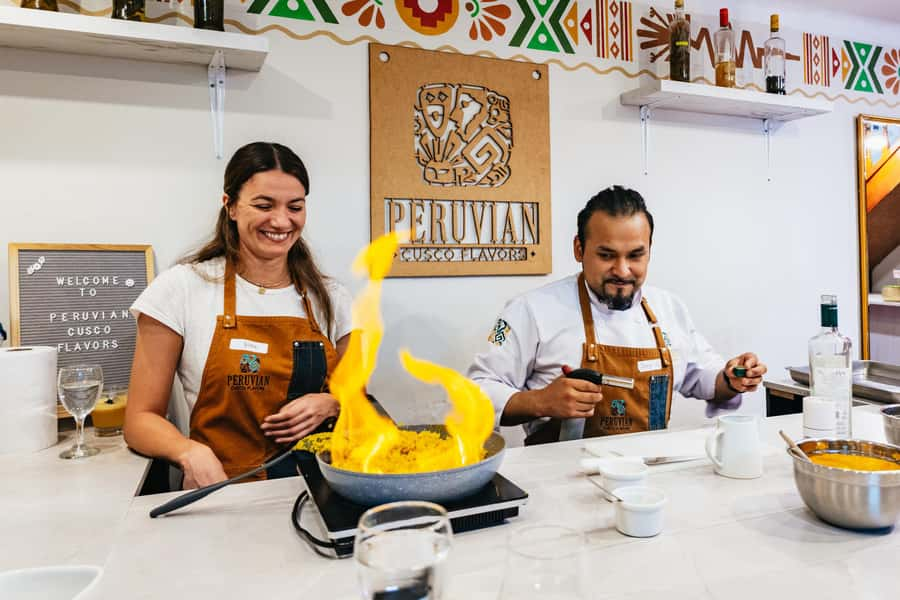
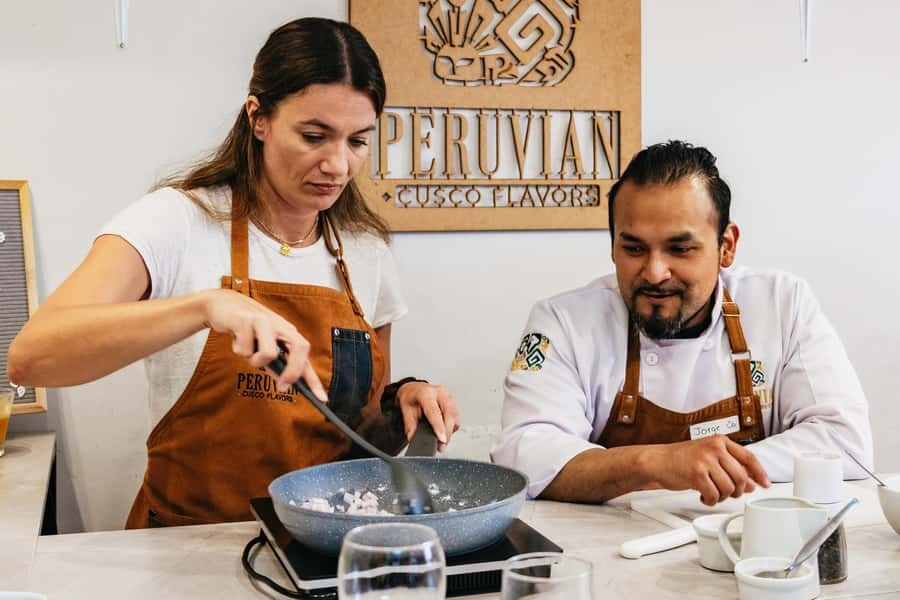
You’ll get set up, tie on an apron, and meet the chef. The group is limited to 10 people, which matters here. A cooking lesson can become frustrating when you cannot see the demonstration or get help with your plate. A small group gives you a better chance to follow the chef’s instructions and ask questions.
The class is conducted in English. The chef explains each step and adds background about the dishes and Peruvian food culture. The named instructors include Chef Jesus, Chef Jorge, and Chef Eric, depending on the session. The written information identifies Chef Jesus as the chef for the activity, while many dated sessions have also been led by Jorge and Eric.
The personalities of the chefs are part of the appeal. Jesus is praised for being friendly, entertaining, and clear. Jorge is described as warm and well prepared. Eric is repeatedly singled out for his enthusiasm, food knowledge, and easy teaching style. The exact chef cannot be guaranteed, but the experience is designed around direct instruction rather than a distant demonstration.
Two pisco cocktails make the lesson more social
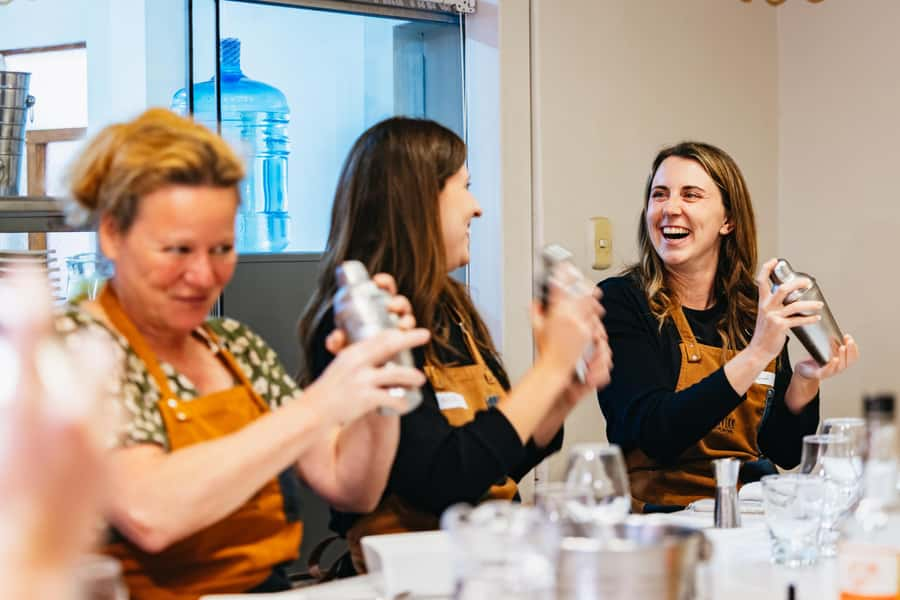
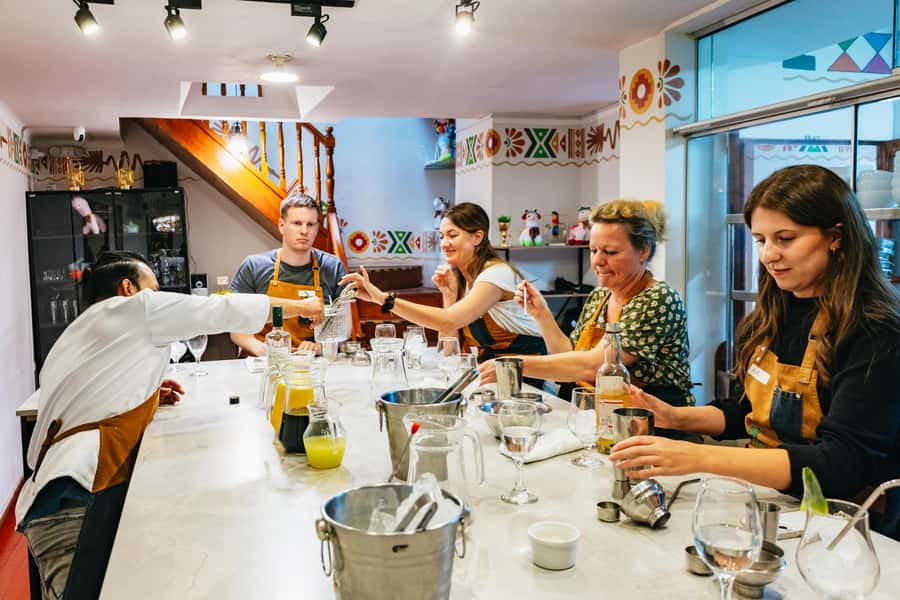
The first kitchen task is making a Peruvian cocktail. You prepare two cocktails during the class, and you can sip them while working.
Pisco is a useful introduction to Peru because it is tied closely to the country’s food and drink culture. Making the drinks yourself also gives the class an early, relaxed start. You are not waiting for the meal to appear. You are participating from the first stage.
The cocktail portion is not only for people who drink alcohol. Non-alcoholic recipes are available, and the activity can provide mocktails instead. This is helpful for anyone avoiding alcohol, including people adjusting to high altitude, taking medication, or simply choosing not to drink.
The drinks are included in the $67 price, along with the ingredients and food. That makes the cost easier to assess. You are paying for a market tour, a guided lesson, two drinks, several courses, dessert, and a four-hour group experience, not just for a single cooking demonstration.
Still, you should not book this expecting a cocktail masterclass. The drinks are one part of a broader Peruvian food lesson. Their main value is the social rhythm they add to the afternoon.
Cebiche shows why freshness and timing matter
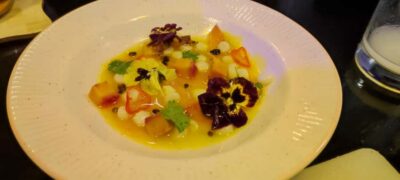
Cebiche is one of the central dishes in the class. The chef explains how to prepare it, and you work through the components before eating it as part of the meal.
This is a good dish for a cooking class because the method is simple enough to follow but still depends on balance. The fish, citrus, seasoning, and accompanying ingredients need to work together. The chef’s explanation helps you understand the process instead of treating cebiche as a restaurant-only dish.
The session is not described as a professional kitchen practicum. Some items are prepared in advance, and some of the work involves combining, shaping, and plating. That is worth knowing if you want to spend four hours chopping and cooking every component yourself.
I see this as a strength for most people. You get enough practical work to feel involved, but you are not spending the entire afternoon on repetitive preparation. It also leaves more time for the chef to discuss the cultural background of the dish and for you to sit down and eat.
More Shopping Tours in Peru
- Cusco City Sightseeing, San Pedro Market, Cathedral and Qorikancha Temple
★ 4.5 · 139 reviews - Pisac Indian Market and Ollantaytambo Fortress with Lunch
★ 4.5 · 395 reviews - Lima: Historic Center Street Food, Market, and Eateries Tour
★ 4.9 · 216 reviews - Market Tour, Tasting of 35 Fruits, and 4-Course Peruvian Cooking Class in Lima
★ 5.0 · 86 reviews
Causa limeña turns potatoes into the class centerpiece
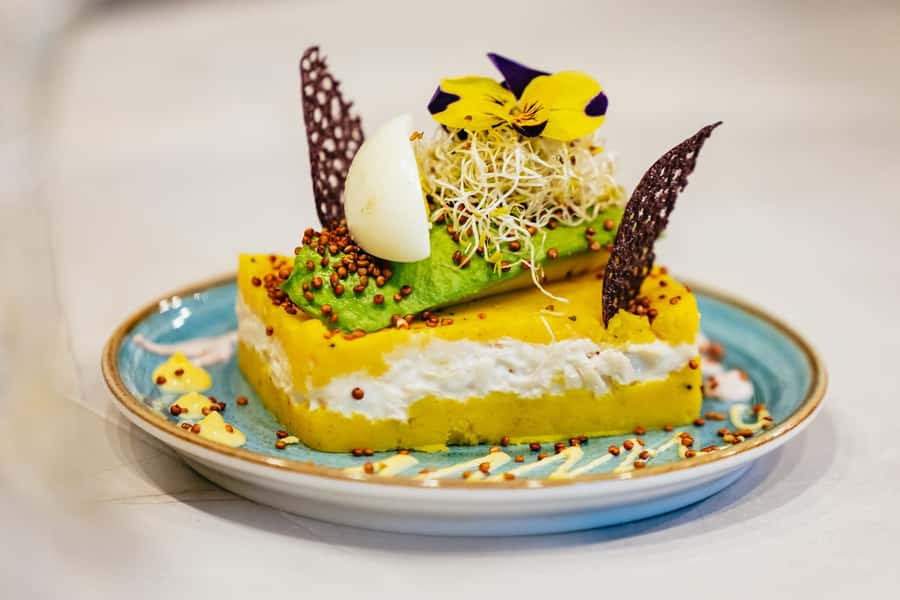
Causa limeña is a layered potato dish and one of the most enjoyable parts of the lesson for people who like presentation. You shape and assemble it with guidance from the chef, then learn how to plate it neatly.
Several participants have specifically described feeling like a chef while putting together the causa. That makes sense: the dish rewards careful layering and a little patience, even though it does not require advanced cooking technique.
The activity may use a chicken and potato version, while vegetarian and vegan alternatives are available. The exact filling can change based on dietary needs. This is one place where the class is more flexible than a fixed restaurant menu.
The chef also explains the history and influences behind the food. That context is useful because Peruvian cuisine draws on many traditions, and the class connects the dish to ingredients seen earlier in the market.
Quinoa tamal adds an Andean ingredient
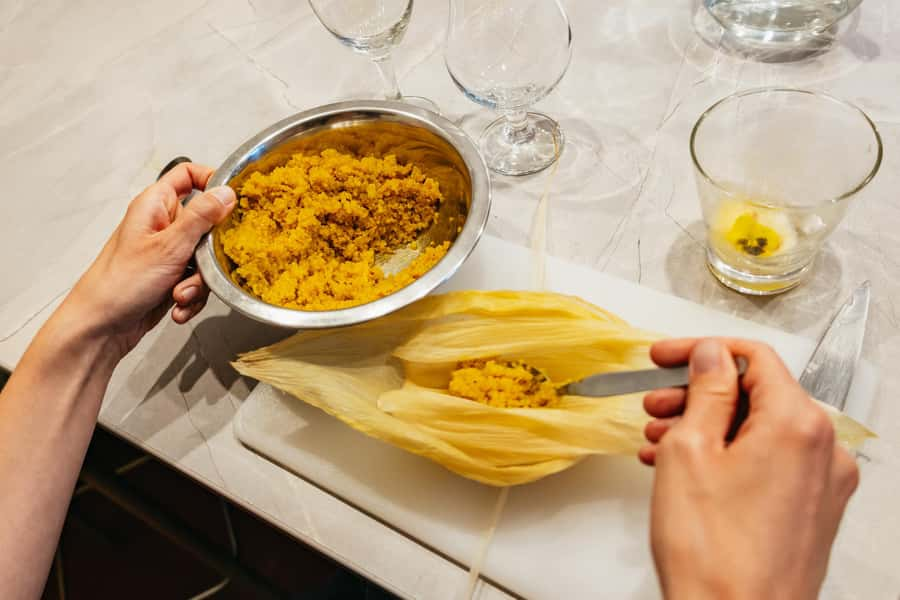
The third main dish is a quinoa tamal. Quinoa is strongly associated with the Andes, and seeing it used in a traditional preparation gives the class a clearer connection to Cusco than a generic international cooking lesson would provide.
The chef takes you through the preparation step by step. As with the other dishes, expect a blend of guided preparation and assembly. The point is to learn the ingredients, flavor combinations, and presentation, not to recreate every stage of a commercial kitchen operation.
Dietary adjustments are available for vegetarian, vegan, and gluten-free participants. You should still state your needs when booking and repeat them at the start of the activity. One participant experienced confusion about a gluten-free request, so clear communication is sensible even though the kitchen is accustomed to making changes.
Picarones bring a sweet finish
After the savory dishes, you finish with picarones served with honey. Picarones are a familiar Peruvian sweet, and they give the meal a proper ending rather than stopping after the main courses.
The dessert is listed as a tasting, so do not expect a separate pastry workshop. It is the final part of a meal that already includes three dishes and two drinks. A sugar-free option is available, and gluten-free needs can be accommodated.
Come hungry. The food adds up quickly, particularly when you include the samples at the market, the cocktails, the savory plates, and dessert. This is not a light snack between sightseeing stops.
What the four-hour schedule feels like
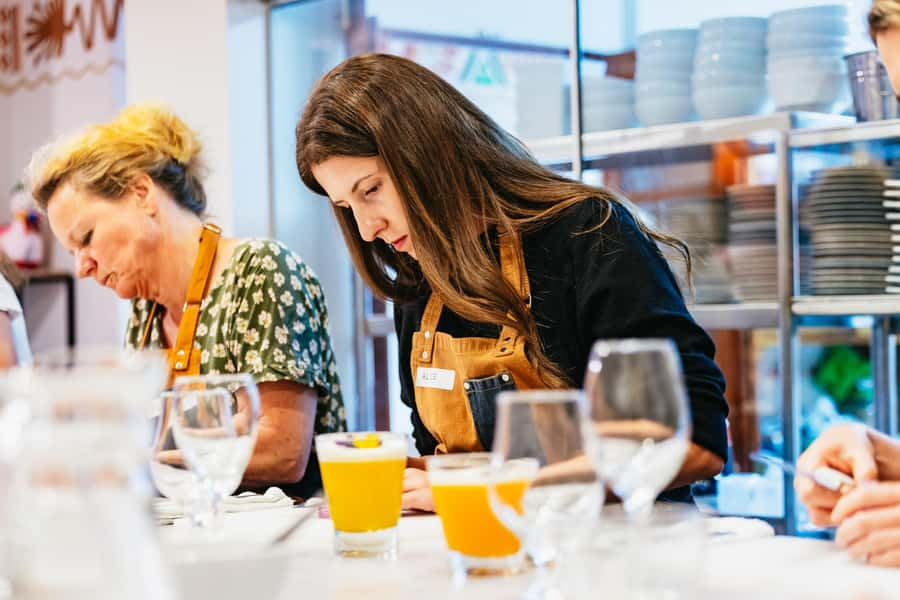
Four hours is a long block, but the activity has a clear rhythm:
- Meet at San Pedro Market and explore the food stalls.
- Taste local products and discuss Peruvian ingredients.
- Walk to the studio in the historic center.
- Make two cocktails, with alcohol-free options if needed.
- Prepare cebiche, causa limeña, and quinoa tamal.
- Sit down with the group to eat the food you made.
- Finish with picarones and honey.
The pace is likely to feel full rather than rushed. One person described it as a long afternoon but a very rewarding one. That is a fair expectation. You need to be comfortable giving up a substantial part of your day, but you also receive far more than a short market walk.
The group setting adds value. You cook toward a shared meal, trade stories at the table, and often get to know the other people in the class quickly. Food gives the group an easy common task, and the cocktails help keep the atmosphere informal.
This also makes the experience a good choice early in a Cusco visit. Several people used it while adjusting before the Inca Trail. It gives you a seated, social activity with no long drive, although you should still consider how alcohol and a large meal fit with your own adjustment to altitude.
Is $67 a fair price?
At $67 per person, the price is reasonable if you value interaction and food. You receive a four-hour activity, an English-speaking chef, a market tour, all ingredients, two cocktails, three prepared dishes, picarones, and water.
A restaurant meal would not give you the market visit or the instruction. A basic market tour would not give you the chance to prepare and eat the food. The combination is what makes the price work.
The value is strongest for people who want to take something home. Recipes are sent by email after the class, so you can try the dishes again. The methods are explained in a way that makes home cooking possible, rather than leaving you with only photographs and a pleasant memory.
The value is weaker if you want a very technical chef-training session. This is an approachable class for curious eaters and home cooks. It is not designed as an intensive course in knife skills, food safety, or professional kitchen work.
Who should book this Cusco cooking class?
I would choose this experience if you want a break from archaeological sites and mountain excursions, or if food is one of your main reasons for visiting Peru.
It suits:
- First-time visitors who want a guided introduction to Peruvian cuisine.
- Couples and friends looking for a social half-day activity.
- Solo visitors who enjoy meeting a small group around a shared meal.
- Home cooks who want recipes they can recreate later.
- Vegetarians, vegans, and people avoiding gluten, sugar, or alcohol.
- People spending an adjustment day in Cusco before a trek.
It is less suitable for children under 10, who are not allowed on the activity. It may also disappoint anyone expecting every dish to be cooked entirely from raw ingredients. The experience focuses on learning, tasting, assembling, and eating, with some preparation completed ahead of time.
Wear comfortable clothes and shoes. The market portion involves walking, and the class includes several hours of standing, sitting, handling food, and eating. English is the only listed language, so you should be comfortable following instruction in English.
Should you book it?
Yes, if you want a practical introduction to Cusco through food rather than another sightseeing route. The strongest parts are the connection between San Pedro Market and the studio, the chef-led stories behind the dishes, the flexible dietary options, and the generous amount of food and drink included.
I would book it near the beginning of a Cusco stay if you want early context for Peruvian ingredients, or near the end if you want recipes and memories to take home. Just allow the full four hours, arrive at Door 1 of San Pedro Market, communicate dietary needs clearly, and come hungry.
FAQ
How long does the Cusco cooking class last?
The activity lasts four hours, including the San Pedro Market tour, walk to the cooking studio, cocktails, cooking lesson, meal, and picarones tasting.
Where is the meeting point?
Meet at Door 1 of San Pedro Market in Cusco.
Which dishes will I prepare?
The class includes cebiche, causa limeña, and a quinoa tamal. You also finish with picarones served with honey.
Are cocktails included?
Yes. Two pisco cocktails are included. Non-alcoholic recipes and mocktail options are available.
Can the menu accommodate dietary restrictions?
Yes. Vegetarian, vegan, and gluten-free menus are available. Sugar-free picarones and alcohol-free drink options are also available.
Is the class offered in English?
Yes. The activity is conducted in English with a live English-speaking guide.
More Shopping Tours in Cusco
- Medellín Multi-sensory Tour in the market, +15 Exotic Fruits
★ 5.0 · 113 reviews - Buenos Aires: San Telmo and Market Guided Walking Tour
★ 4.8 · 102 reviews - Quito Old Town Tour: History, Market Visit & Ice Cream Tasting
★ 4.5 · 91 reviews - Belen Market and La Venecia Loretana Tour With A Local Guide
★ 5.0 · 85 reviews
More Cooking Classes in Cusco
- Buenos Aires: Empanadas and Alfajores Guided Cooking Class
★ 4.8 · 486 reviews - Buenos Aires: Empanada & Alfajor Cooking Lesson in Palermo
★ 4.6 · 186 reviews - Cooking class in Salvador, an authentic dinning experience
★ 5.0 · 132 reviews - 3h Cooking Class in Mendoza with 7 Recipes & Bottomless Drinks
★ 5.0 · 125 reviews
Just added around Cusco
- Rainbown mountain cusco 1 Day★ 4.5 · 72 reviews
- rainbow mountain full day★ 5.0 · 44 reviews
- Manu National Park Tour 4days/3night★ 5.0 · 69 reviews
- Tour to the HUMANTAY LAGOON from CUSCO★ 5.0 · 35 reviews
- Vegan Peruvian Cooking Class Cocktails and Local Market in Cusco★ 5.0 · 46 reviews
- Cusco Private Airport Transfer: Fast, Reliable Hotel Drop-Off★ 5.0 · 80 reviews
- 1 Day Tour to Palccoyo (Alternative Rainbow Mtn) from Cusco, Peru★ 5.0 · 53 reviews
- 5-Day: Salkantay Trek to Machupicchu and Humantay Lake★ 5.0 · 42 reviews
Cooking Classes, compared.
Cooking class and market tour with a local chef
Read our review →
Cooking class in Salvador, an authentic dinning experience
Read our review →
3h Cooking Class in Mendoza with 7 Recipes & Bottomless Drinks
Read our review →
BA: Empanadas and Alfajores Cooking Experience in Palermo
Read our review →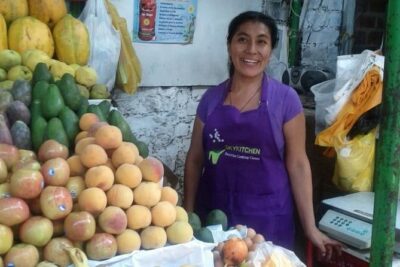
Market Tour, Tasting of 35 Fruits, and 4-Course Peruvian Cooking Class in Lima
Read our review →
4h Cooking Class in Salvador with 9 Recipes & Bottomless Drinks
Read our review →Browse the lists this tour appears in