
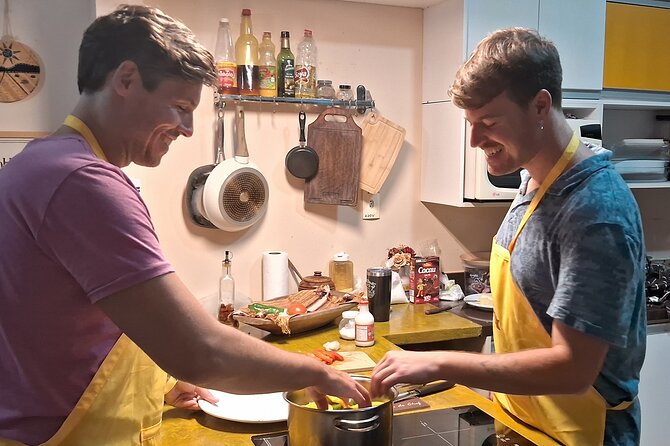
Reviewed · COOKING CLASSES
Cooking class in Salvador, an authentic dinning experience
The best part of this Salvador cooking class is that dinner is not just served to you. You help make it, starting with a caipirinha and moving through eight Brazilian recipes in Karla’s home kitchen. The meal gives you a useful introduction to Bahia’s ingredients, seafood traditions, sweets, and everyday side dishes.
I like the relaxed pace and the mix of cooking with conversation. I also like that the menu can be adjusted for vegetarian, vegan, and gluten-free diets, and that Karla has changed the seafood course for people who do not enjoy seafood. The main drawback is the location: you must make your own way to Stella Maris, and private transportation is not included.
Key points to know before booking
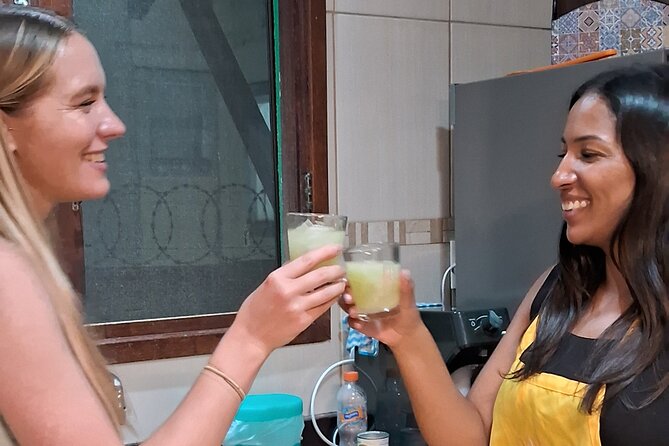
- Eight Brazilian recipes in one sitting: Prepare appetizers, a main course, side dishes, dessert, coffee, and a liqueur.
- Karla hosts in her home: This is a personal cooking session rather than a large culinary school class.
- Unlimited caipirinhas are included: You can make yours with a fruit of your choice, or choose a nonalcoholic version.
- Moqueca is the main event: Fish, prawns, or other seafood form the base, with rice, pirão, and farofa on the side.
- Dietary changes are possible: State vegetarian, vegan, gluten-free, or other needs when booking.
- Plan around Stella Maris: The class starts and ends at R. Eng. Adozindo Magalhães, 255, with no private transfer supplied.
A four-hour introduction to Bahia through food
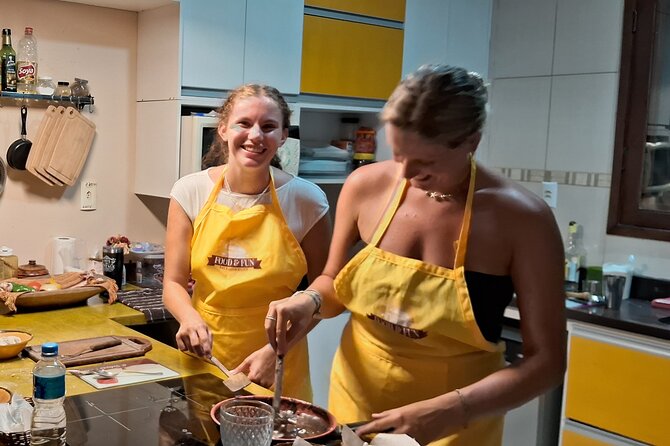
This class works because it treats cooking as a way to understand Salvador. You do not simply follow a recipe and leave with a full stomach. You hear about ingredients, where they come from, and how they fit into Brazilian food traditions while preparing the meal yourself.
The class lasts about four hours. That gives you enough time to make several dishes without turning the afternoon or evening into a rushed race between chopping boards. You will spend the session at Karla’s home in Stella Maris, a neighborhood with public transportation access.
The setup is private, so only your own group takes part. That matters if you want to ask plenty of questions, need menu changes, or prefer a quieter setting. It also makes the class a better fit for couples, families, and small groups than for someone seeking a large social event.
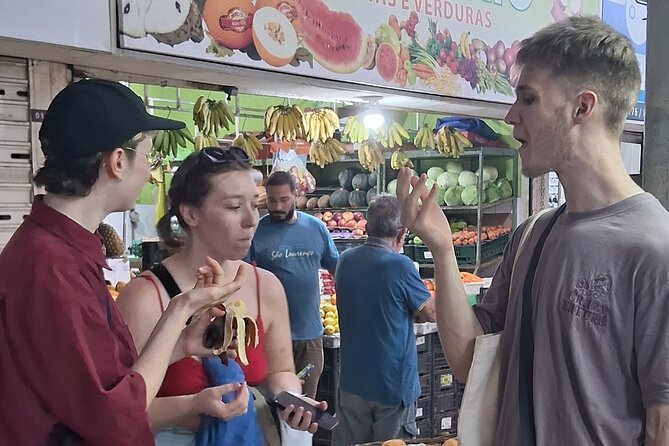
A few accounts of the experience included a market visit before cooking, with Karla explaining local foods, offering tastes of fruit and sweets, and even introducing cachaca. The cooking-only arrangement begins at her home, so confirm what your booking includes if the market visit is important to you.
More Cooking Classes in Salvador:
- 4h Cooking Class in Salvador with 9 Recipes & Bottomless Drinks
★ 5.0 · 73 reviews - Cusco: Peruvian Cooking Class, Cocktails & Local Market Tour
★ 4.9 · 512 reviews - Buenos Aires: Empanadas and Alfajores Guided Cooking Class
★ 4.8 · 486 reviews
Starting with caipirinha and pão de queijo
The first cooking task is a caipirinha made with the fruit you choose. This is a useful beginning because you get to make the drink yourself rather than receiving a fixed cocktail. If you do not drink alcohol, you can ask for a fruit cocktail without alcohol, along with Brazilian tea, guarana, sparkling water, or other included nonalcoholic options.
As you sip, you prepare pão de queijo, the small Brazilian cheese bread found in cafes across the country. The class uses this early course to explain ingredients and their origins. It is a simple dish, but it gives you a taste of how cheese and starch appear in everyday Brazilian cooking.
Alcoholic drinks are included, and you can make and drink unlimited caipirinhas during the class. That is a generous part of the price, but use a little judgment if you are driving afterward. Since private transportation is not provided, your return plans matter.
Small plates with local character
The appetizer section moves beyond the familiar cheese bread. You taste vegetables prepared in a simple style, with attention to the ingredients themselves and their role in Brazilian cooking. This is not a complicated restaurant tasting menu. The point is to show how ordinary produce can form part of a home meal.
You also prepare queijo coalho, a firm Brazilian cheese, with pineapple-pepper jelly. The sweet fruit and heat give the cheese a lively partner, and the combination helps explain why Brazilian cooking often places sweet, salty, and spicy flavors close together.
Another appetizer is camarão na tapioca, deep-fried shrimp with tapioca. Seafood plays a major role in Bahia, so this course gives you an early introduction to the flavors that return in the main dish. If you do not eat seafood, tell Karla when booking. The menu is not fixed beyond adjustment.
The appetizer stage also makes the class feel social. You are tasting as you cook, not waiting until the final plate arrives. That keeps the four hours moving and gives you time to talk about Salvador, food, and places to eat.
Brigadeiro comes before the main dish
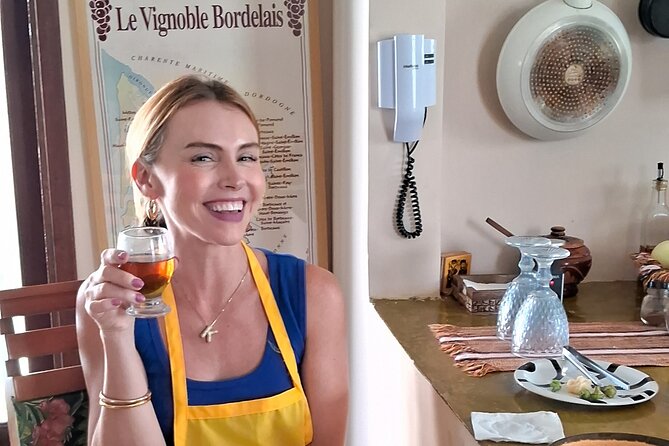
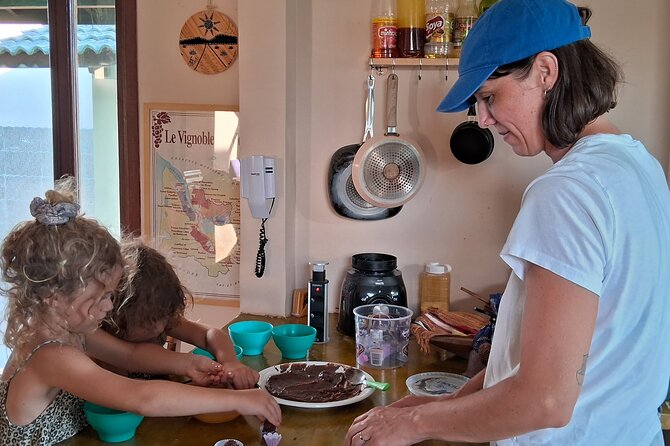
One clever part of the order is preparing the brigadeiro early. This traditional Brazilian sweet needs time to cool, so making it before the main course is practical rather than theatrical.
Brigadeiro is easy to make and common in Brazilian cafes. It is a useful recipe to take home because it does not require the same seafood or regional ingredients as moqueca. You can watch the texture change as it cooks, then let it rest while you work on dinner.
The dessert also gives the class a break from savory food. After the appetizers, you turn to something sweet, then return to the fish or prawns for the main course. That variety helps the class feel like a complete meal rather than one long demonstration.
A few more Salvador days worth comparing
- Tour to the Frades Islands and Itaparica, from Salvador – Ba
★ 4.0 · 130 reviews - From Salvador: Schooner Tour to Frades Islands and Itaparica
★ 3.9 · 98 reviews - Tour Praia do Forte and Guarajuba, Leaving Salvador-Bahia.
★ 4.5 · 97 reviews - Afro-Brazilian Roots Private City Tour in Salvador
★ 4.7 · 88 reviews
Making moqueca, Bahia’s signature main course
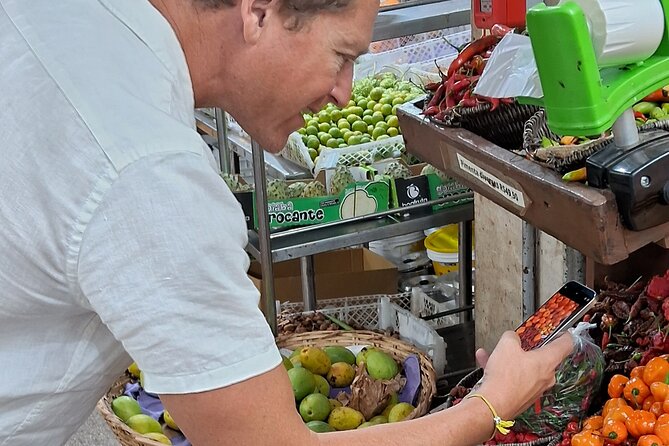
The central dish is moqueca, prepared with fish, prawns, or other seafood. You begin by marinating the seafood, then build the main course with Karla’s guidance. The experience is especially useful here because moqueca is not just a dish to order in Salvador. It is one of the clearest ways to connect Bahia’s coastal setting with its cooking.
The seafood is served with three important side dishes: Brazilian-style rice, pirão, and farofa. Each adds a different texture and purpose. Rice makes the meal familiar and filling. Pirão gives you a soft, savory accompaniment, while farofa adds a dry, crumbly contrast.
This is also the point where a seafood-free request matters most. One participant had the menu changed after explaining a dislike of seafood, so you should not assume that the advertised main course cannot be adapted. Give clear details when booking, rather than waiting until you arrive.
The class format means you take part in the preparation rather than watching Karla do everything. You will not leave with professional kitchen training, but you will understand the broad sequence of the meal and the role of each side dish. For many people, that practical knowledge is more useful than a polished cooking demonstration.
Conversation, Salvador tips, and the feel of a home kitchen
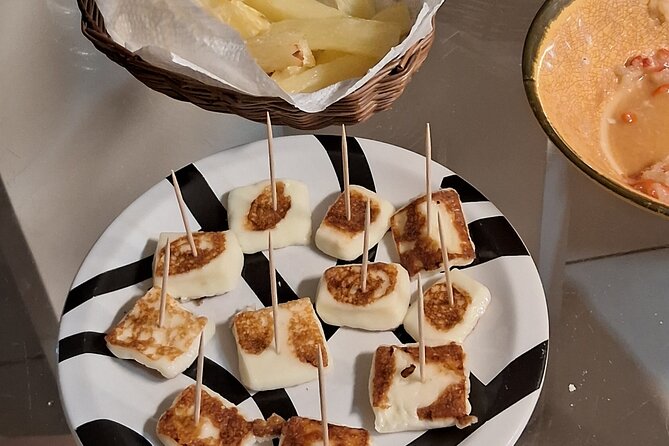
Karla is the host and chef, and communication before the class is part of the experience. English is available, and the relaxed setting allows time for questions about food, Salvador, and places to eat.
Past arrangements have included advice about restaurants in Salvador and São Paulo. That kind of local guidance can be valuable early in a trip, especially if you want to plan meals beyond the tourist center. Ask specific questions. A home cooking session is a good place to learn what to order and how a dish is normally served.
The home setting is comfortable for people who like conversation and hands-on work. It is less suited to anyone who wants a formal lesson with written instruction, strict technique training, or a professional kitchen atmosphere. The class is built around sharing a meal and making food together.
You may also meet other people if your arrangement includes more than your own party, though the activity is described as private and limited to your group. For a private booking, expect the focus to stay on your companions and Karla rather than on meeting a large number of new people.
Finishing with Bahian coffee and liqueur
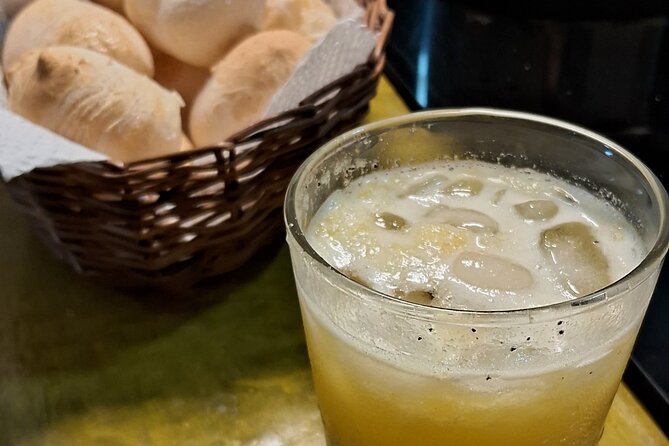
After dinner, the class ends with coffee from the Bahia region, followed by liqueur. Coffee is included along with tea and guarana, so you have nonalcoholic choices throughout the meal.
This final course gives the evening a natural close. You have prepared the food, eaten it together, and then slowed down over a regional drink. It is not an extra sightseeing stop, but it rounds out the experience as a full Brazilian meal.
Because the class lasts around four hours and includes several courses, do not schedule it beside another major evening activity. The meal itself is the event. Allow time for the cooking, conversation, and final coffee instead of treating it as a quick pre-dinner stop.
Is the $68.67 price good value?
At $68.67 per person, the cost is higher than buying a simple meal in Salvador. You are paying for more than food, though. The price includes a guided class, dinner, eight recipes, unlimited caipirinhas, nonalcoholic drinks, coffee, and the chance to cook in a private home setting.
The value is strongest if you enjoy eating and learning at the same time. You get several appetizers, a substantial seafood main course with three side dishes, and dessert. The included drinks add real value, especially if you plan to sample caipirinhas and regional coffee.
The price is less attractive if you only want a meal or if you already plan to take a formal cooking course elsewhere. This is a social, home-based activity. Its worth comes from the conversation, menu flexibility, and direct involvement rather than from advanced culinary instruction.
The average booking time is 17 days ahead, so it is wise to reserve before your Salvador dates fill up. You can cancel for a full refund up to 24 hours before the start time. Changes or cancellations inside that window are not accepted for a refund.
Who will enjoy this Salvador cooking class most?
I would choose this experience if you want a meal that connects directly to Brazilian food culture. It suits curious eaters, couples, families, and small private groups who enjoy doing the work themselves.
It is also a strong choice for anyone uneasy about seafood, provided you explain your needs in advance. The menu can accommodate vegetarian, vegan, and gluten-free diets, but clear information at booking gives Karla time to plan the substitutions.
You should think twice if you dislike drinking, do not enjoy long meals, or want a class centered on advanced knife skills and formal technique. The pace is social and friendly. Conversation is part of the design, not a side effect.
The Stella Maris meeting point is another practical factor. The class starts and finishes at R. Eng. Adozindo Magalhães, 255. Public transportation is nearby, but you must arrange your own way there and back.
Should you book this cooking class?
Book it if you want to understand Salvador through a meal rather than only through sights. Karla’s class combines hands-on cooking, local ingredients, adaptable recipes, drinks, and useful food advice in a four-hour home setting.
I especially recommend it for visitors who want to try moqueca, learn what goes with it, and leave with a better sense of Brazilian cafe and home cooking. The main caution is simple: plan your transport to Stella Maris and tell Karla about dietary needs before the class.
If those details suit you, $68.67 is a fair price for a private culinary experience that feeds you well and gives you something more lasting than a restaurant receipt.
FAQ
Where does the cooking class take place?
The cooking class takes place at R. Eng. Adozindo Magalhães, 255, in Stella Maris, Salvador, Bahia.
How long does the experience last?
The class lasts approximately four hours.
What dishes will I prepare?
You will prepare eight recipes, including caipirinha, pão de queijo, queijo coalho with pineapple-pepper jelly, camarão na tapioca, brigadeiro, moqueca, Brazilian-style rice, pirão, and farofa.
Is dinner included?
Yes. The experience includes the food you prepare, including appetizers, a main course, side dishes, and dessert.
Are drinks included?
Yes. Included drinks include caipirinhas, Brazilian tea, guarana, sparkling water, Brazilian coffee, and liqueur. A nonalcoholic fruit cocktail is available if preferred.
Can the menu accommodate dietary restrictions?
Yes. Vegetarian, vegan, and gluten-free diets can be accommodated. Indicate your needs when booking.
Is transportation included?
No. Private transportation is not included. The activity starts and ends at the meeting point in Stella Maris, which is near public transportation.
Is this a private activity?
Yes. Only your group participates in the private activity.
What is the cancellation policy?
You can cancel at least 24 hours before the start time for a full refund. Cancellations or changes made less than 24 hours before the start time are not accepted for a refund.
Just added around Salvador
- 3 DAYS OF CHARM! Booking from 2 people – Chapada Diamantina by Zentur★ 5.0 · 59 reviews
- 2 AMAZING DAYS! Booking from 2 people – Chapada Diamantina by Zentur★ 5.0 · 63 reviews
- Salvador: Walking Tour Through Pelourinho★ 5.0 · 49 reviews
- Salvador de Bahia African Culture Tour★ 4.5 · 60 reviews
- Salvador: Cultural Treasure – Samba de Roda.★ 4.9 · 51 reviews
- Salvador: Praia Do Forte and Guarajuba Beach Day Trip★ 4.1 · 56 reviews
- Salvador Historic Walking Tour – Pelourinho★ 4.8 · 62 reviews
- Quadricycle Private Tour Sapiranga – Praia do Forte by Emytour★ 5.0 · 72 reviews
Cooking Classes, compared.
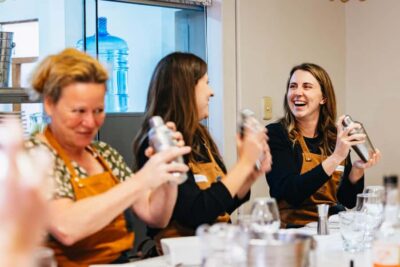
Cusco: Peruvian Cooking Class, Cocktails & Local Market Tour
Read our review →
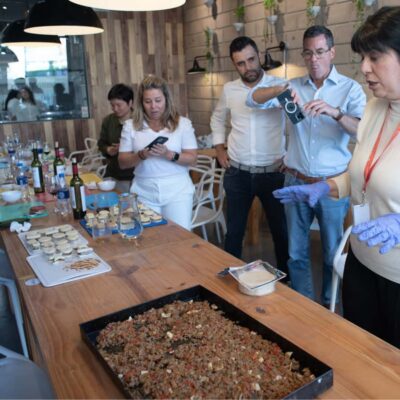
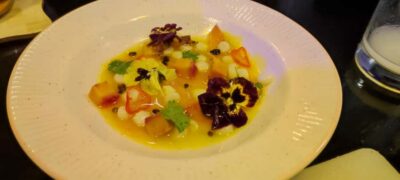
Cooking class and market tour with a local chef
Read our review →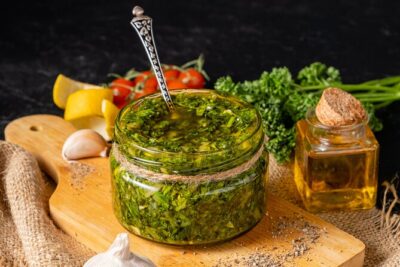
3h Cooking Class in Mendoza with 7 Recipes & Bottomless Drinks
Read our review →
BA: Empanadas and Alfajores Cooking Experience in Palermo
Read our review →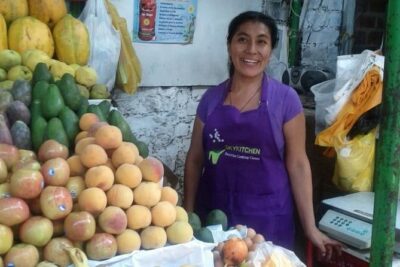
Market Tour, Tasting of 35 Fruits, and 4-Course Peruvian Cooking Class in Lima
Read our review →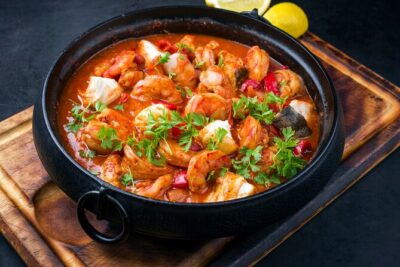
4h Cooking Class in Salvador with 9 Recipes & Bottomless Drinks
Read our review →Browse the lists this tour appears in