

Reviewed · COOKING CLASSES
BA: Empanadas and Alfajores Cooking Experience in Palermo
The best part of this Palermo cooking experience is that you learn two Argentine staples side by side with a local host: savory empanadas and sweet dulce de leche alfajores. I like the small groups, capped at 10, and the choice between beef and vegan lentil filling. I also like the cultural details, from empanada shapes to family kitchen customs.
The main point to keep in mind is that the hands-on cooking can vary. Some sessions involve chopping, stovetop cooking, rolling, filling, and baking, while others use prepared empanada shells and put more focus on assembly. Drinks can also vary, with mate, coffee, or tea included and wine sometimes offered instead.
Key points to know before booking
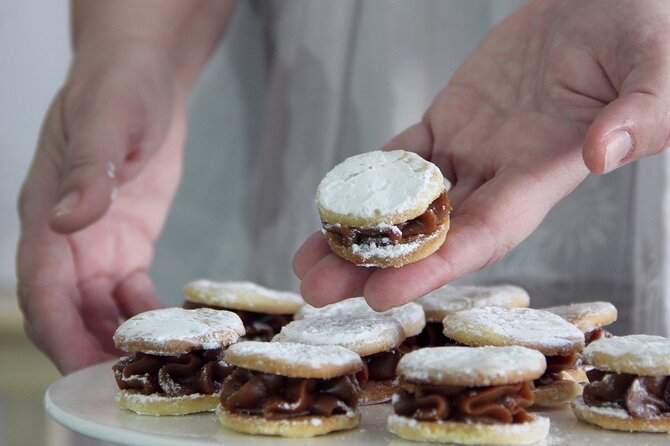
- Two classic Argentine foods: Prepare empanadas first, then assemble dulce de leche alfajores with coconut.
- Beef or vegan filling: The class can suit mixed groups, including vegetarians.
- Small-group setting: A maximum of 10 people makes it easier to ask questions and meet others.
- Family-friendly format: Children aged 10 and 13 have enjoyed the activity, though knife work requires adult help.
- Hosts vary: Past sessions have been led by Tomas, Thomas, Valentino, Carolina, and Cata.
- Recipes go home with you: Recipes are sent through WhatsApp, giving you a practical souvenir.
Making empanadas in Palermo
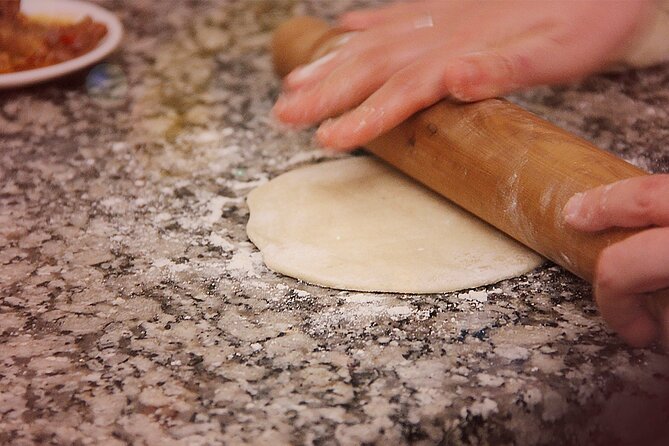
At Gorriti 4882, in Palermo, you meet your professional local host and settle into a cooking session lasting about two and a half hours. The activity takes place indoors and ends at the same address, so there is no complicated transfer between stops.
The class begins with empanadas, one of Argentina’s most familiar foods. You learn how to prepare the filling, which may be beef or a vegan lentil version, and then work with the dough or prepared shells, depending on the session. You may chop vegetables and meat, cook the filling briefly on the stovetop, and spoon it into the wrappers.
The folding lesson is more useful than it may sound. Argentine empanadas often have different crimping patterns, known as repulgues, and the shape can help identify the filling. One especially fun detail from the class is that beef and lentil empanadas may be folded differently. You are not simply making a snack. You are learning a small piece of Argentine food language.
If you have never folded empanadas, expect a little trial and error. Your first one may look more like a stuffed crescent than a bakery-perfect pastry. That is part of the appeal. The host can show you how to seal the edges, and you can compare your work with the rest of the group.
The level of participation is worth clarifying before you book. Some sessions have involved making nearly everything from scratch, while another session used premade shells and concentrated on chopping, filling, and shaping. If you want a serious pastry workshop, this may feel light. If you want a relaxed introduction that produces a meal, the format makes sense.
Once the empanadas are ready, they are cooked and served during the session. You get to eat what you made, rather than watching a chef prepare a dish that someone else serves. That simple difference gives the experience more value, especially if you want a useful skill to take home.
More Cooking Classes in Argentina
- Buenos Aires: Empanadas and Alfajores Guided Cooking Class
★ 4.8 · 486 reviews - Buenos Aires: Empanada & Alfajor Cooking Lesson in Palermo
★ 4.6 · 186 reviews - Argentinian Empanadas Cooking Experience in Palermo, Bs As
★ 4.8 · 50 reviews
Rolling, baking, and assembling alfajores
The second half turns to alfajores, Argentina’s famous sandwich cookies. You mix the ingredients, bake or work with the cookies according to the class setup, then fill them with creamy dulce de leche.
The cookies can be fragile, so use a light touch when spreading the filling. One practical tip is to avoid pressing hard as you assemble them. Finish the alfajores by rolling them in coconut, and you may also have the chance to make different shapes.
This part is shorter and less involved than a full pastry course, but it adds a good sweet finish to the meal. While fillings cool or cookies bake, the host can talk about Argentine food customs, family traditions, and the place these dishes hold in everyday life.
The combination works well. Empanadas give you a savory cooking task, while alfajores let you play with assembly and presentation. You also leave with two recipes rather than one, which makes the class more useful after your trip.
Mate, wine, and the cultural side of the class
Mate is Argentina’s best-known infusion, and it is included as part of the experience along with coffee or tea. Sharing mate gives the host an easy way to explain a familiar Argentine habit, not just hand you another drink.
The activity also includes cultural stories and some background on Argentine food and geography. Hosts such as Tomas, Thomas, Valentino, Carolina, and Cata have led different sessions, so the tone and depth of the conversation may vary. Past classes have included family stories about learning to cook beside a grandmother, as well as small traditions connected with protecting the filling from hungry children.
Wine has appeared in several sessions, and some people have enjoyed it with the food. Still, the listed inclusion is coffee and/or tea, with mate identified as the signature drink. If you specifically want mate, ask when booking. If you avoid alcohol, you can also confirm what nonalcoholic drinks will be available.
I like this cultural layer because it keeps the class from feeling like a generic cooking demonstration. You are not only learning how much filling to use. You are hearing why these foods matter in Argentine homes and how small habits are passed from one generation to the next.
How hands-on is the cooking?
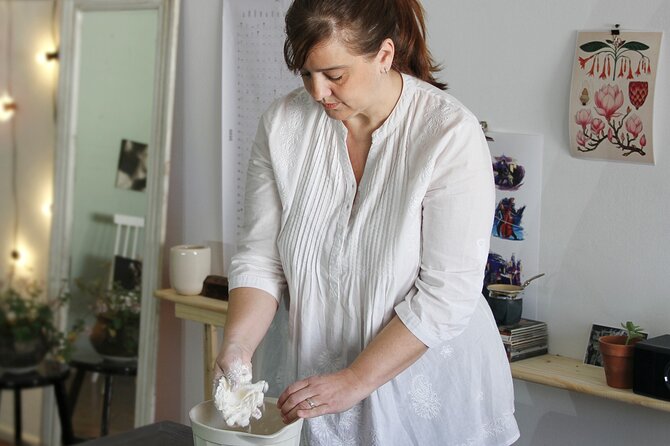
This is a beginner-friendly activity, not a professional culinary workshop. You should expect guidance at every stage, and the hosts have been praised for patience and clear instruction. You can usually help with chopping, preparing the filling, shaping the dough, filling the empanadas, and assembling the alfajores.
The exact balance of work and watching depends on the group and host. In one less favorable account, most of the cooking was done by one person, leaving others with little to do. That is a useful warning for anyone who wants every minute to be intensely hands-on.
A small group helps. With a maximum of 10 people, you have a better chance of getting direct help than you would in a large demonstration class. If you are booking with a family or mixed group, tell the host that everyone wants a turn at the key steps.
Knife use matters for families. Children have enjoyed the class, including children around 10 and 13, but chopping meat and vegetables with sharp knives requires close adult help. Younger children may get more from filling, folding, decorating, and tasting than from the preparation work.
The activity suits people who want a social afternoon and a meal more than people seeking technical instruction. You can ask for variations to the recipes, and the class is relaxed enough for conversation with other participants. Solo visitors can join comfortably, while couples and families have plenty to do together.
More Food Tours in Argentina
- Buenos Aires: 9-Course Argentine Meat Tasting at Fogón Asado
★ 4.9 · 826 reviews - Buenos Aires: Local Foodie Adventure with Sherpa Food Tours
★ 4.9 · 670 reviews - Buenos Aires: Wine Tasting and Lunch at Bodega Gamboa
★ 4.8 · 177 reviews - Buenos Aires Food Tour: Local Dishes, Steak, Empanada & More
★ 5.0 · 118 reviews
The food and what you take home
The final food is the test, and most sessions have produced satisfying empanadas and alfajores. Beef empanadas have been a popular choice, while the lentil option gives vegetarians a real alternative rather than a plate of side dishes.
The alfajores are sweet, soft, and rich from the dulce de leche. Coconut adds texture and gives the finished cookies a familiar Argentine look. Since you assemble them yourself, you can see why gentle handling matters.
Taste can depend on the host and recipe used. A small number of people have found the food plain or lacking flavor, and one person disliked the amount of sunflower oil used. This is worth noting if you are especially focused on healthy cooking or bold seasoning.
The most useful souvenir is the recipe set. Recipes are sent through WhatsApp at the end, so you can try the dishes at home instead of relying on memory. I would save them immediately, since a cooking class recipe is easy to lose among holiday photos and messages.
You may also leave with ideas for variations. Hosts have offered different empanada fillings and adjustments to the recipe, which helps if you want to make vegetarian, meat, or locally adapted versions after returning home.
Is $49 a fair price?
At $49 per person, the value depends on what you want from a cooking class. The price includes the empanada ingredients, alfajor ingredients, cooking tools, and a professional local host. It also includes mate, coffee, and/or tea, depending on what is served.
You are paying for more than the food. The class gives you a two-and-a-half-hour activity in Palermo, a shared meal, cultural conversation, and recipes you can use later. For a family, it can replace part of an afternoon of sightseeing with something everyone can do together.
The price is less attractive if you expect a long pastry lesson, a full meal with several courses, or individual instruction throughout. The use of prepared shells in some sessions also means the cooking work may be lighter than you expect.
I consider it good value for a first introduction to Argentine food, especially if you enjoy meeting people and learning by doing. It is less suited to an experienced cook who wants advanced technique, detailed food science, or a highly structured professional class.
Getting there and planning your time
The meeting point is Gorriti 4882 in Buenos Aires, in the Palermo area. It is near public transportation, but transportation to and from the activity is not included. Allow time to find the address and arrive ready to begin.
The activity lasts approximately 2 hours and 30 minutes and finishes back at the meeting point. That makes it easy to fit into a morning or afternoon, though you should avoid placing a tight appointment immediately afterward.
This experience is often reserved well ahead of time, with bookings averaging 37 days in advance. That does not guarantee it will sell out on your dates, but it is a good reason to reserve early if you have limited time in Buenos Aires or need a particular day.
Free cancellation is available when you cancel at least 24 hours before the start time. Cancellations or changes made within 24 hours are not accepted for a refund, so check your schedule before confirming.
Who will enjoy this Palermo cooking experience?
I would choose this class if you want a friendly introduction to Argentine food without spending a full day on a formal culinary course. It works particularly well for families, couples, solo visitors, and mixed groups where some people cook often and others rarely do.
It is also a good choice near the beginning of a Buenos Aires visit. The food background can help you understand empanada menus, dulce de leche treats, mate, and local dining habits for the rest of your stay.
Families should plan to help children with knives and hot surfaces. The class is family-friendly, but that does not mean every cooking task is safe for a child to handle alone.
Vegetarians should choose the vegan option in advance or confirm it when booking. The lentil filling has been used successfully in mixed groups, allowing meat eaters and vegetarians to cook together.
I would hesitate if your main goal is advanced technique. The recipes are designed for beginners, and the hands-on amount can change from one session to another. I would also confirm the drink arrangements if mate is important to you, since wine has been served in some sessions instead of the listed coffee or tea.
Should you book it?
Book this experience if you want to make, eat, and understand two everyday Argentine favorites in a small group. The strongest reasons are the beef and vegan choices, the chance to learn traditional folding patterns, the relaxed host-led format, and the recipes sent to your phone afterward.
Skip it if you want a demanding culinary course or guaranteed from-scratch pastry work at every stage. For most visitors, though, $49 buys a useful afternoon in Palermo, a shared meal, and skills you can repeat at home. I would especially recommend it for families and first-time visitors who want culture they can taste rather than simply photograph.
FAQ
Where does the cooking experience begin?
It begins at Gorriti 4882, C1414BJN, in Buenos Aires, Argentina.
Where does the activity end?
The activity ends back at the meeting point on Gorriti Street.
How long does the class last?
The experience lasts approximately 2 hours and 30 minutes.
How much does the experience cost?
The listed price is $49 per person.
How many people can join the class?
The activity has a maximum of 10 participants.
Can I choose a vegan empanada?
Yes. Meat and vegan options are available, and the vegan filling has included lentils.
Are ingredients and cooking tools included?
Yes. The price includes ingredients for the empanadas and alfajores, along with cooking tools.
What drinks are included?
Coffee and/or tea are included, with mate described as the main Argentine infusion. Wine has also been served in some sessions, so confirm the drinks available for your booking.
Is the class suitable for children?
Yes. The activity is presented as suitable for families, and children around ages 10 and 13 have enjoyed it. Children need adult help with chopping and other tasks involving sharp knives.
Can I cancel for a full refund?
Yes, if you cancel at least 24 hours before the experience start time. Cancellations or changes made less than 24 hours in advance are not accepted for a refund.
More Cooking Classes in Buenos Aires
- Private Argentine Cooking Class and Tango Lesson in Buenos Aires
★ 5.0 · 37 reviews - Premium Empanadas Cooking Class & Wine Tasting Experience
★ 4.9 · 35 reviews - Cusco: Peruvian Cooking Class, Cocktails & Local Market Tour
★ 4.9 · 512 reviews - Cooking class and market tour with a local chef
★ 5.0 · 186 reviews
More Food Tours in Buenos Aires
- San Telmo: Historical Guided Tour with Street Food & Drinks
★ 5.0 · 87 reviews - Food Tour in Buenos Aires City in Small Groups
★ 5.0 · 72 reviews - BA Flavors Food Tour in San Telmo and Boca With Local Guide
★ 5.0 · 67 reviews - Premium Argentinian Wines and Malbec Tasting Experience
★ 4.6 · 60 reviews
Just added around Buenos Aires
- Private Airport Transfer In or Out: Aeroparque (AEP)–Buenos Aires★ 5.0 · 73 reviews
- Sailing with Wine Tasting in Buenos Aires★ 5.0 · 50 reviews
- Traditional Argentine FoodTour with optional Michelin Experience★ 4.5 · 56 reviews
- Unique Tailored Tours – The Hummingbird Trip★ 5.0 · 69 reviews
- Experience The Essence of Buenos Aires in San Telmo★ 5.0 · 51 reviews
- Tigre Speedboat – The Delta s Captain – CITYSAILING TIGRE★ 5.0 · 75 reviews
- Private Airport Transfer in or out with english speaking driver.★ 4.5 · 69 reviews
- Tango Porteño Show with Optional Dinner in Buenos Aires★ 4.5 · 58 reviews
Cooking Classes, compared.
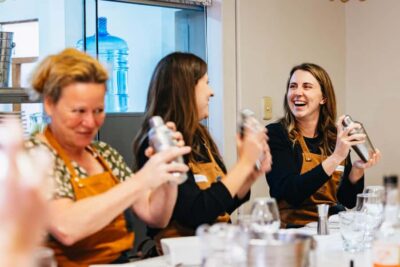
Cusco: Peruvian Cooking Class, Cocktails & Local Market Tour
Read our review →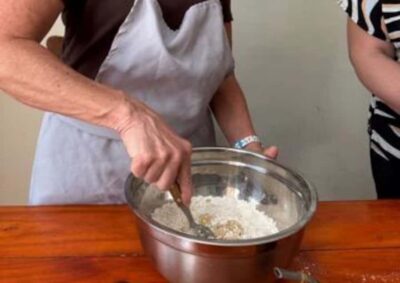
Cooking class and market tour with a local chef
Read our review →
Cooking class in Salvador, an authentic dinning experience
Read our review →
3h Cooking Class in Mendoza with 7 Recipes & Bottomless Drinks
Read our review →
Market Tour, Tasting of 35 Fruits, and 4-Course Peruvian Cooking Class in Lima
Read our review →
4h Cooking Class in Salvador with 9 Recipes & Bottomless Drinks
Read our review →Browse the lists this tour appears in