
Reviewed · COOKING CLASSES
4h Cooking Class in Salvador with 9 Recipes & Bottomless Drinks
The best part of this Salvador experience happens after you step through the front door: the kitchen becomes the place where you learn how Bahia eats. You prepare local dishes such as moqueca and farofa, then sit down with the people who helped make them.
I like the small setting, with no more than six people in the class, and I like that the bilingual hosts focus on useful cooking habits rather than stiff, cookbook-style steps. The homemade caipirinhas, full meal, digital recipes, and warm family setting add real value.
The main point to check is the hands-on format. The experience is advertised as practical cooking, but one account describes a night when the host did most of the cooking while the group sampled the food. If active kitchen time matters to you, confirm the plan when you book.
Key points at a glance
- Cook inside a real Salvador home: The setting gives the evening a personal, family-style feel that a restaurant class cannot easily copy.
- Learn dishes you can repeat: Moqueca, farofa, brigadeiro, appetizers, and dessert are paired with practical tips and a digital recipe booklet.
- Small groups keep it personal: The class is limited to six people, with up to eight participants listed for the overall activity.
- Drinks are part of the evening: Your meal includes unlimited drinks, including homemade caipirinhas.
- Hosts shape the experience: Karla and Rebeca are named hosts, with English-language support available through the bilingual team.
- Plan your own way there: Hotel pickup and drop-off are not included, and the meeting point is in Stella Maris.
Why a Salvador home kitchen changes the meal
Salvador has plenty of places to eat Bahian food, but a home kitchen gives you a different view of it. You are not simply served moqueca in a bowl and told that it is traditional. You see how ingredients come together, hear why certain choices matter, and learn the habits that make the dish feel local.
That setting also shapes the mood. The class takes place at Condomínio Sol Do Atlantico in Stella Maris, in the northern part of Salvador. The address is Al. Praia de Guaratuba, 218. You return to this same meeting point at the end, so you do not need to arrange a second pickup location.
The evening has a social rhythm. Cooking, talking, drinking, and eating happen together rather than in separate blocks. Families have welcomed people into their homes, and hosts such as Rebeca and Karla have been praised for making the atmosphere easy and relaxed. One particularly personal touch is the presence of the family dog, Fila, who has become part of the welcome for some groups.
This is a good choice if you want contact with everyday Brazilian life without committing to a formal cultural lecture. The trade-off is that a private home is not a cooking school with identical workstations and a perfectly fixed schedule. Expect warmth and flexibility, not a polished studio production.
More Cooking Classes in Salvador:
- Cooking class in Salvador, an authentic dinning experience
★ 5.0 · 132 reviews - Cusco: Peruvian Cooking Class, Cocktails & Local Market Tour
★ 4.9 · 512 reviews - Buenos Aires: Empanadas and Alfajores Guided Cooking Class
★ 4.8 · 486 reviews
What you actually cook in three and a half hours
The experience lasts about three hours and thirty minutes, though the title presents it as a four-hour class. That difference is small, but it is worth keeping in mind when planning your evening.
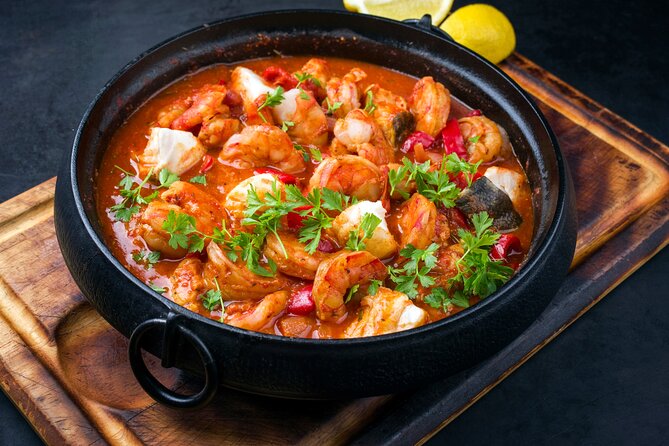
The cooking centers on traditional Bahian food. Moqueca is the headline dish for good reason. This Brazilian seafood preparation brings together local flavor, texture, and technique in one pot. You learn more than a list of ingredients. The host explains the practical decisions that affect the final result, including how local cooks approach the dish.
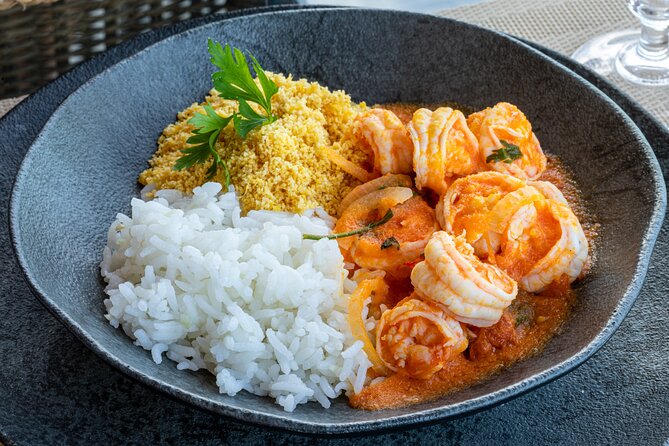
Farofa is another useful lesson because it is simple enough to recreate at home and closely tied to Brazilian meals. It shows how a side dish can add texture and character without requiring rare equipment or difficult methods.
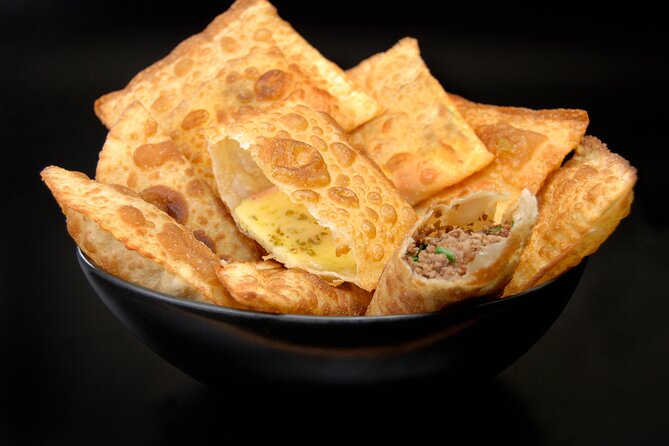
The full menu includes an appetizer, a main dish, and dessert. Brigadeiro has been singled out as a favorite part of the meal, and it gives you a sweet Brazilian recipe to take home alongside the savory dishes.
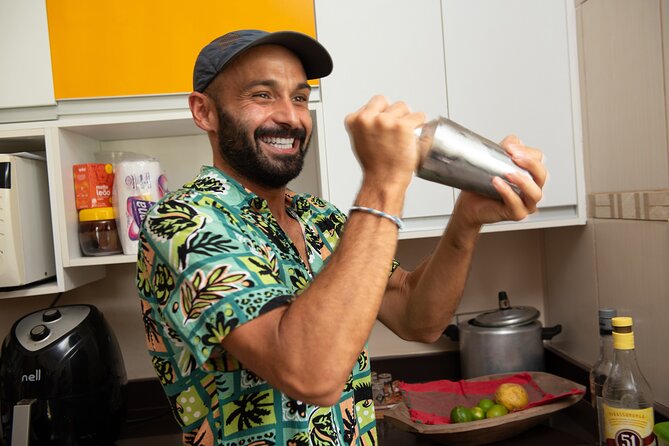
The class also covers drinks. Homemade caipirinhas are served, and unlimited drinks are included with the meal. That makes the event feel more like a relaxed evening with friends than a technical workshop. Drink service can be a plus, but remember that the class is not only about alcohol. You are paying for instruction, food, company, and the home setting as one package.
The ingredients are described as easy to find in many parts of the world. That matters if you want the lesson to travel beyond Salvador. You may need to adapt some products depending on where you live, but the recipes are intended to be practical rather than dependent on an impossible shopping list.
Learning from Karla, Rebeca, and the local team
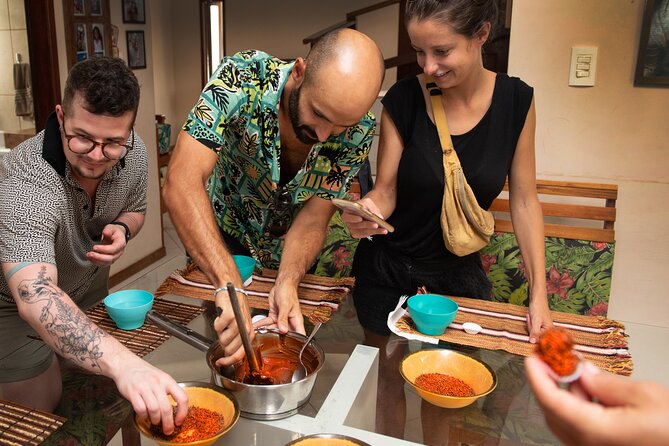
The hosts are central to the value of this activity. Karla is described as an enthusiastic chef who explains local ingredients, cooking methods, and the background of the food. She has also been flexible about food preferences, which is useful in a small group where everyone may not want exactly the same flavors.
Rebeca is noted for speaking excellent English and for explaining the dishes clearly. Some sessions have included a visit to a market or supermarket before going to the home. That market element is not presented as part of every booking, so you should not assume it is guaranteed, but it shows how the experience can connect ingredients with the finished meal.
The team is bilingual, which removes much of the worry about following instructions. You can ask why an ingredient is used, how to replace it, or what a dish means in local food culture. The best moments are likely to come from those informal questions rather than from memorizing a recipe.
There is also a cultural layer here. One account describes learning that Brazilian food carries more history and tradition than expected. That is exactly where a home meal can help. You taste the food while hearing the family’s own way of talking about it, rather than receiving only a short description from a menu.
Still, keep your expectations sensible. The experience promises hands-on cooking, but one account says the host prepared the food while the group tasted it. That may have been an early or unusual session, yet it points to a useful question: ask whether you will chop, stir, shape, or prepare specific dishes yourself. If you prefer watching and eating, this may not bother you. If you booked a practical lesson, clarify it first.
The meal, caipirinhas, and the social table
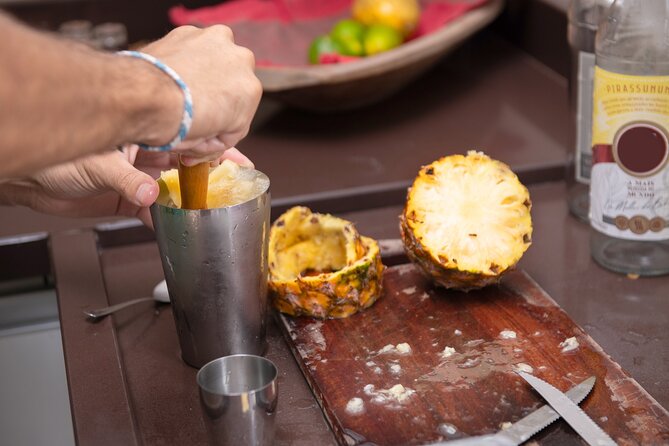
Once the food is ready, everyone eats together at the home. The meal includes an appetizer, main course, and dessert, so the $75 price is not only for a short demonstration. It covers ingredients, utensils, an apron, instruction, food, and unlimited drinks.
I see the shared table as one of the strongest reasons to choose this experience. You are not rushed out after the last step. The meal gives you time to talk with the host and the other people in the group, compare cooking results, and ask follow-up questions.
The caipirinha helps set a festive tone. It is a familiar Brazilian drink, but making or tasting one in a local home connects it to the food and the conversation. The phrase unlimited drinks should still be read in the context of an evening activity. Pace yourself, especially if you have a long ride back to your accommodation.
Music and conversation have been part of the atmosphere during some sessions. The result can feel closer to being welcomed into a family evening than attending a commercial cooking demonstration. That is a major plus for people who want a social experience in Salvador.
The same informality can be a minor drawback. The atmosphere may depend on the host, the mix of the group, and the pace of the evening. You will likely enjoy it most if you are comfortable with a little flexibility.
A few more Salvador days worth comparing
- Tour to the Frades Islands and Itaparica, from Salvador – Ba
★ 4.0 · 130 reviews - From Salvador: Schooner Tour to Frades Islands and Itaparica
★ 3.9 · 98 reviews - Tour Praia do Forte and Guarajuba, Leaving Salvador-Bahia.
★ 4.5 · 97 reviews - Afro-Brazilian Roots Private City Tour in Salvador
★ 4.7 · 88 reviews
What you take home beyond dinner
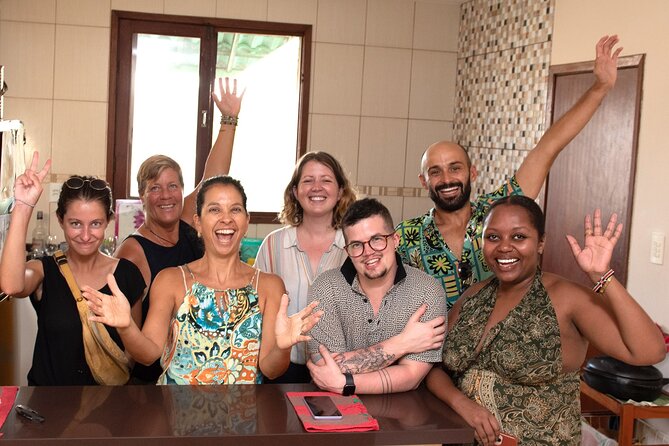
The digital recipe book is one of the most useful inclusions. Food memories fade quickly, but written instructions give you a chance to make moqueca, farofa, brigadeiro, or other dishes again after returning home.
You also receive a Salvador Food Guide for further eating ideas. The guide is helpful because it extends the experience beyond one meal. Use it to keep looking for Bahian flavors during the rest of your stay, rather than treating the class as your only food stop.
Candid photos are taken during the session. These are not posed studio portraits, but they can preserve the messy, social parts of the evening: preparing ingredients, raising a glass, and sitting down to eat. If you prefer not to be photographed, it is sensible to mention that to the host.
The apron and utensils are provided, and you do not need to bring cooking equipment. Wear something comfortable and practical, though no special clothing requirement is given. The supplied details say service animals are allowed and that the meeting point is near public transportation.
Is $75 a fair price?
At $75 per person, this is not the cheapest way to eat dinner in Salvador. A local restaurant will cost less if your only goal is a plate of Bahian food.
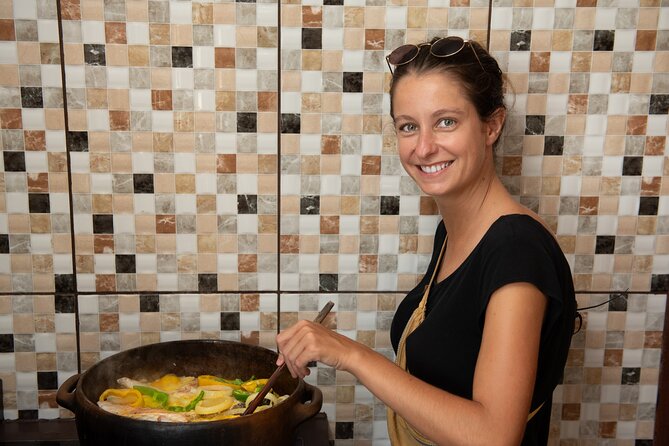
The value improves when you count everything included: roughly three and a half hours, a bilingual host, all ingredients, utensils, an apron, a complete meal, unlimited drinks, recipes, photographs, and a food guide. You are also paying for access to a private home and for the chance to ask questions in a small group.
The class is limited to six people, although the overall activity information allows up to eight participants. Either way, this is far more personal than a large demonstration. At a maximum of $75, I would consider it good value for someone who wants food, instruction, and conversation in one evening.
It is less convincing for a person who already knows Bahian cooking and wants an advanced chef-led course. The lesson is built around local methods, easy-to-find ingredients, and cultural exchange. Its strength is accessibility, not technical difficulty.
Getting to Stella Maris and planning your booking
You must make your own way to Condomínio Sol Do Atlantico, Al. Praia de Guaratuba, 218, Stella Maris, Salvador. Hotel pickup and drop-off are not included. Since the activity ends at the same point, arrange your return before the class begins.
Confirmation normally arrives at booking. If you book within 12 hours of the start time, confirmation comes as soon as possible and depends on availability. The activity is often reserved well ahead, with an average booking lead time of 29 days, so last-minute plans may be less reliable.
Free cancellation is available when you cancel at least 24 hours before the local start time. Inside that window, the payment is not refunded and changes are not accepted. The experience also requires a minimum number of participants. If that minimum is not reached and the activity is canceled, you are offered another date or experience, or a full refund.
The 4.9 rating from 73 ratings and 99 percent recommendation figure suggest a strong record, but the important detail for you is the pattern behind the praise: hosts, food, hospitality, conversation, and cultural context receive the most attention. The one weaker account points to uncertainty about how much cooking some groups actually do.
Who should book this Salvador cooking class?
I would recommend it to you if you want to meet local hosts, learn familiar Bahian dishes, and spend an evening eating what you helped prepare. It suits couples, solo visitors who enjoy small social groups, and anyone who values a home setting more than a formal culinary school.
It is also a smart pick for people who want recipes they can use later. Moqueca, farofa, and brigadeiro are more memorable when you know the method behind them, and the digital booklet gives you a practical reminder.
I would hesitate if you need strict timing, advanced instruction, or a guarantee that you will handle every cooking step. Ask in advance about the exact menu, the amount of hands-on work, and the drink options for your date.
For most people seeking a warm, food-centered evening in Salvador, I think the home setting and small group justify the price. Book it if the conversation and cultural exchange matter as much to you as the meal. Skip it if you only want a quick dinner or a highly structured professional class.
FAQ
How long does the cooking experience last?
It lasts approximately three hours and thirty minutes. The experience title refers to four hours, so allow roughly half a day for the activity.
What dishes might I prepare?
The cooking includes traditional dishes such as moqueca and farofa. The meal also includes an appetizer, main dish, and dessert, and brigadeiro has been part of the menu.
Are drinks included?
Yes. Unlimited drinks are included with the meal, including homemade caipirinhas.
Is the class held in a restaurant?
No. It takes place inside a real Brazilian home in Salvador’s Stella Maris area.
How many people can join?
The class is limited to six people. The activity information gives a maximum of eight participants overall.
Do I need to bring cooking equipment?
No. Ingredients, utensils, and an apron are provided.
Is hotel transportation included?
No. Hotel pickup and drop-off are not included. You meet at Condomínio Sol Do Atlantico, Al. Praia de Guaratuba, 218, Stella Maris, and return there at the end.
Can I cancel for a refund?
Yes, if you cancel at least 24 hours before the local start time. Cancellations made less than 24 hours before the start are not refunded, and changes inside that period are not accepted.
Just added around Salvador
- 2 AMAZING DAYS! Booking from 2 people – Chapada Diamantina by Zentur★ 5.0 · 63 reviews
- 3 DAYS OF CHARM! Booking from 2 people – Chapada Diamantina by Zentur★ 5.0 · 59 reviews
- Salvador: Walking Tour Through Pelourinho★ 5.0 · 49 reviews
- Salvador de Bahia African Culture Tour★ 4.5 · 60 reviews
- Salvador: Cultural Treasure – Samba de Roda.★ 4.9 · 51 reviews
- Salvador: Praia Do Forte and Guarajuba Beach Day Trip★ 4.1 · 56 reviews
- Salvador Historic Walking Tour – Pelourinho★ 4.8 · 62 reviews
- 4 FASCINATING DAYS! Reservations from 2 people -Chapada Diamantina by Zentur★ 5.0 · 71 reviews
Cooking Classes, compared.
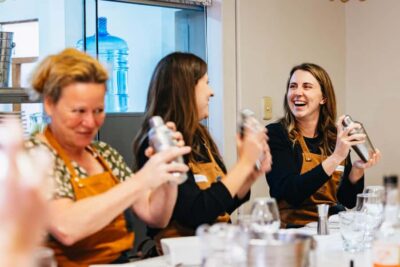
Cusco: Peruvian Cooking Class, Cocktails & Local Market Tour
Read our review →
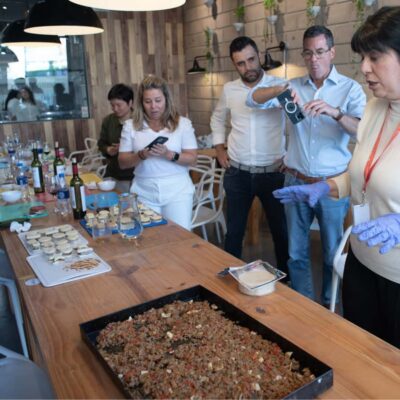
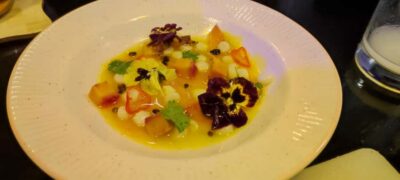
Cooking class and market tour with a local chef
Read our review →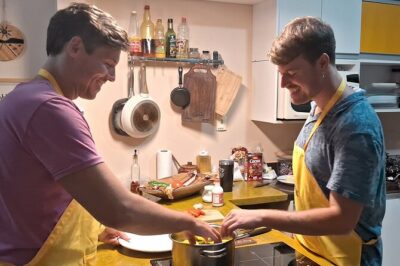
Cooking class in Salvador, an authentic dinning experience
Read our review →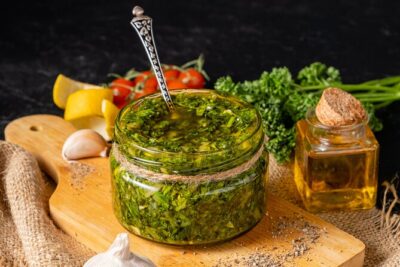
3h Cooking Class in Mendoza with 7 Recipes & Bottomless Drinks
Read our review →
BA: Empanadas and Alfajores Cooking Experience in Palermo
Read our review →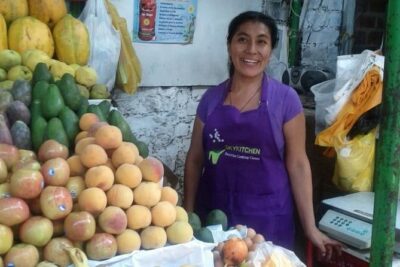
Market Tour, Tasting of 35 Fruits, and 4-Course Peruvian Cooking Class in Lima
Read our review →Browse the lists this tour appears in