
Reviewed · COOKING CLASSES
Buenos Aires: Empanada & Alfajor Cooking Lesson in Palermo
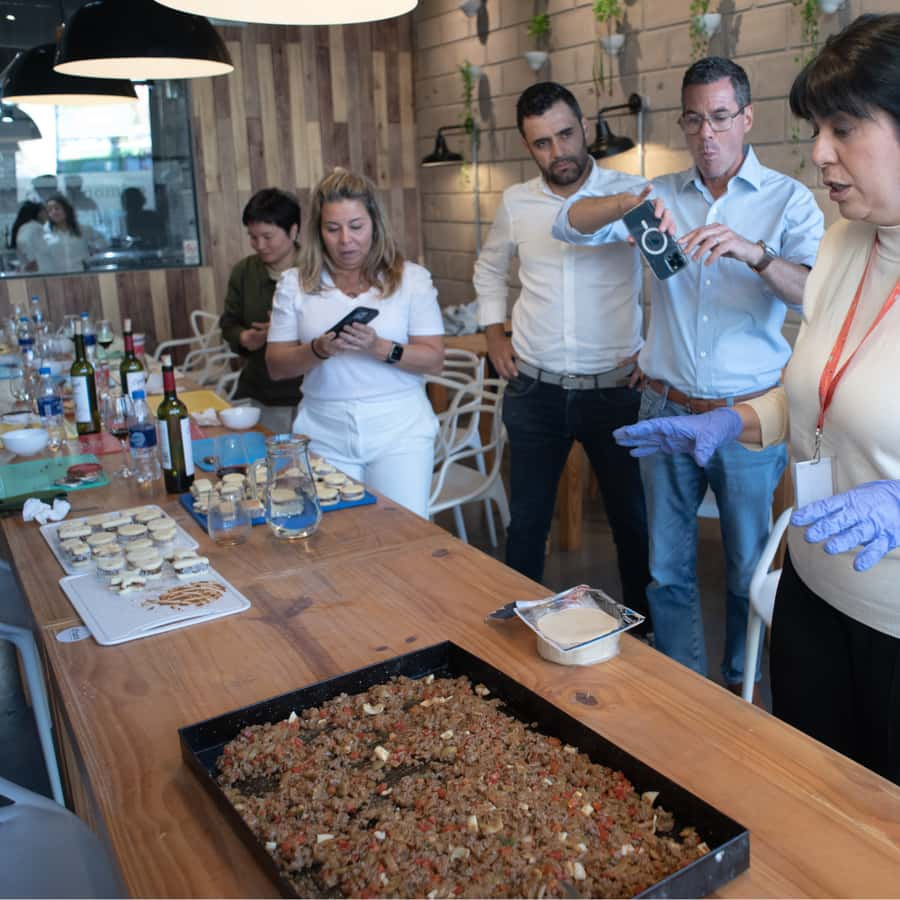
Argentina puts its national character on the table in this hands-on Palermo cooking class. You make empanadas from start to finish, learn the tricky fold, then bake alfajores and fill them with dulce de leche. It is a practical way to understand two everyday favorites instead of simply ordering them in a restaurant.
I like the generous, social format and the chance to compare fresh empanada dough with prepared dough. I also like that the class works for families, offers a vegan filling, and includes mate tea alongside the cooking. The main consideration is that some steps may be demonstrated rather than done by every person, especially in a family or larger group.
Key points at a glance
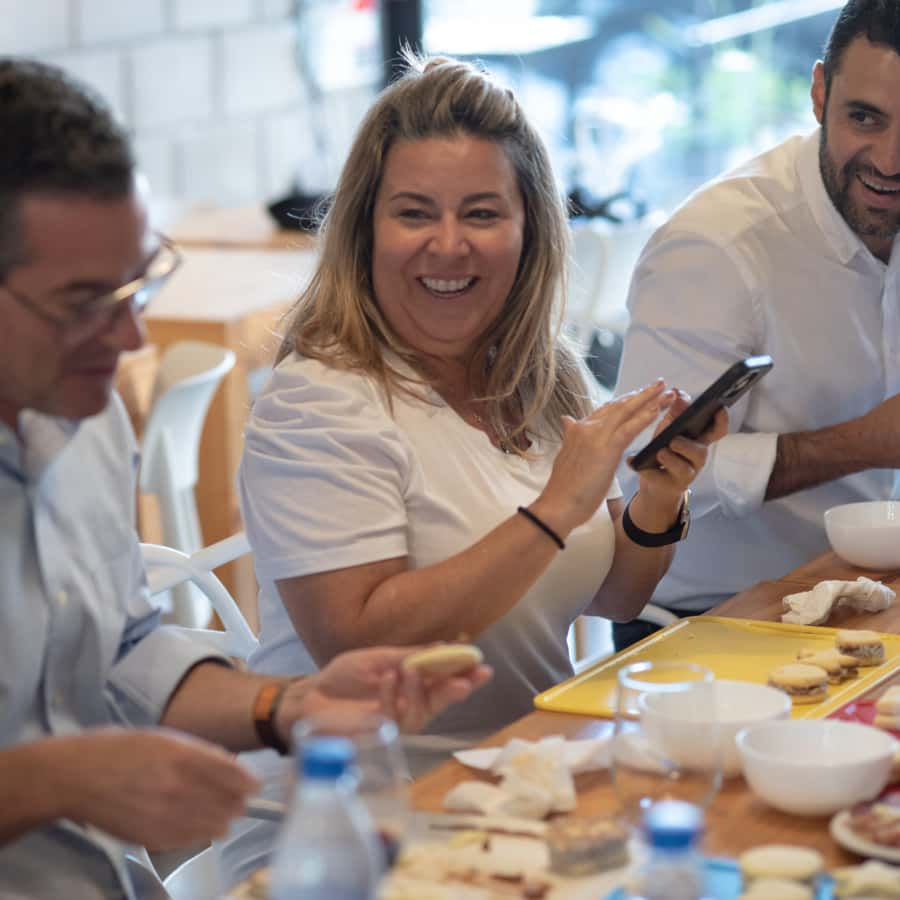
- Two Argentine classics in 150 minutes: Prepare savory empanadas and sweet dulce de leche alfajores in one class.
- Real participation: Mix, shape, fold, bake, and assemble rather than simply watch a chef work.
- Flexible food choices: Meat and vegan empanada options are available.
- A social Argentine touch: Mate tea and cultural conversation give the food context.
- Family-friendly pace: Children and adults can take part, with instructors helping at each stage.
- Good central setting: The class meets on Gorriti in Palermo, with no hotel transfer included.
Making empanadas in Palermo
The class begins with empanadas, one of Argentina’s most recognizable foods. Your instructor introduces the ingredients and explains how the filling comes together before guiding you through the preparation.
The useful part is the direct comparison between dough made in the class and prepackaged empanada dough. That small lesson tells you something important about Argentine home cooking: the final result depends not only on the filling, but also on the pastry and the way it is handled.
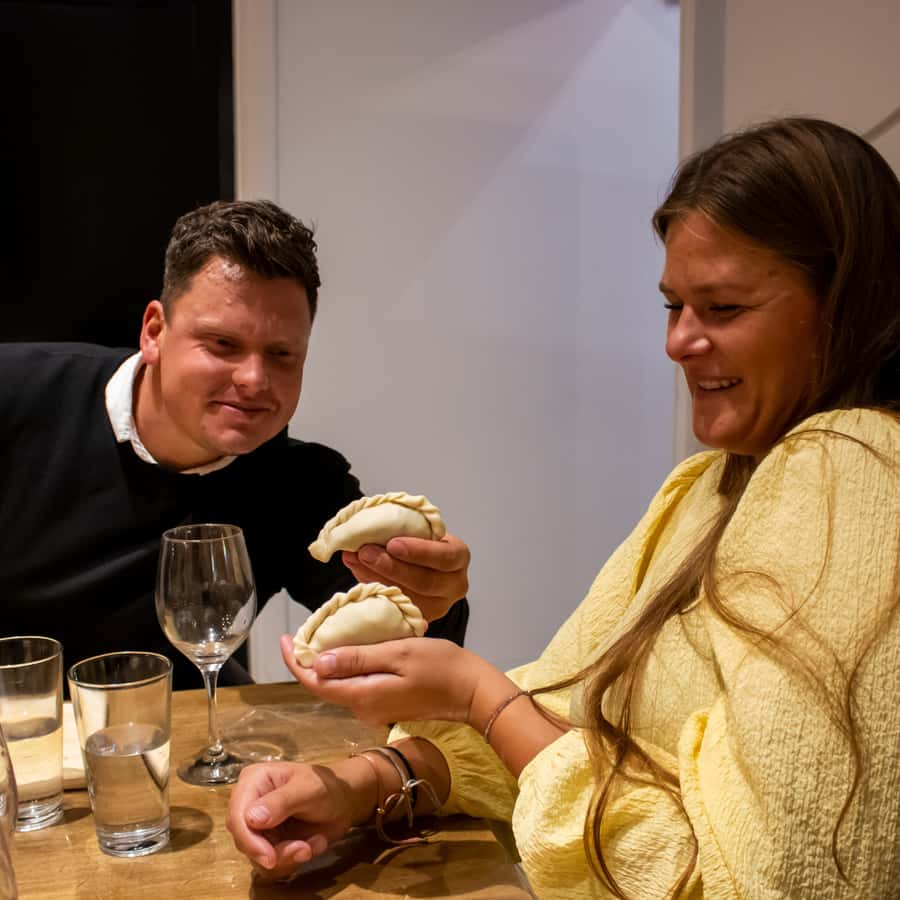
You get to shape the rounds, add the filling, and fold the edges. The folding is often the part that looks easy until you try it. Your instructor shows you how to seal the pastry and create the familiar decorative edge, then helps you correct any loose or uneven folds.
This is a good activity for children because the work is tactile and easy to understand. Adults who already cook will still find useful details in the shaping and filling process. One participant who was already comfortable making empanadas still learned new techniques, so you do not need to be a beginner to get something from the class.
The available meat or vegan option matters for mixed groups. You can take part in the same activity without forcing everyone to eat the same filling. The supplied information does not specify every filling choice, so check the current arrangements if you have an allergy or a strict dietary requirement.
More Cooking Classes in Argentina
- Buenos Aires: Empanadas and Alfajores Guided Cooking Class
★ 4.8 · 486 reviews - BA: Empanadas and Alfajores Cooking Experience in Palermo
★ 5.0 · 112 reviews - Argentinian Empanadas Cooking Experience in Palermo, Bs As
★ 4.8 · 50 reviews
Baking dulce de leche alfajores
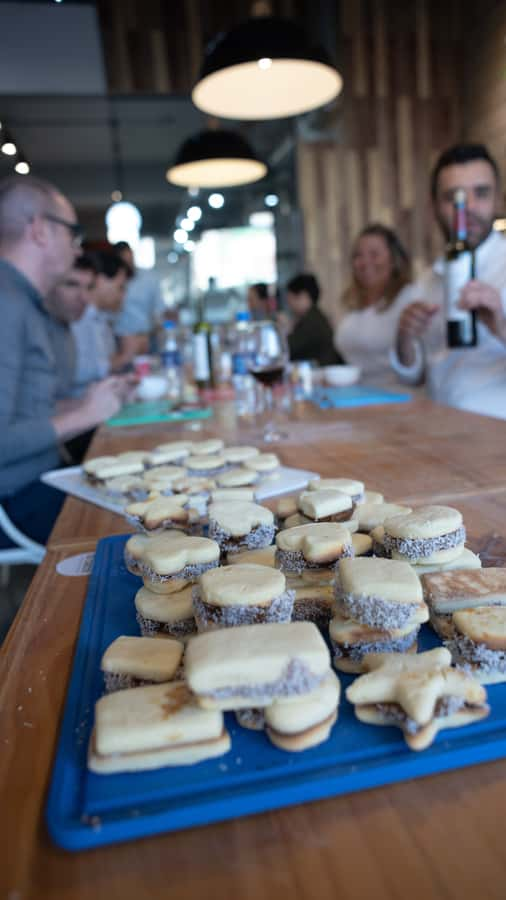
After the savory course, the class turns to alfajores, Argentina’s beloved sandwich cookies. You prepare the cookie dough, bake the rounds, and assemble them with creamy dulce de leche.
This second half gives the class a nice change of pace. Empanadas involve folding and savory seasoning; alfajores call for careful baking and neat assembly. The cookies are simple in appearance, but the texture matters. You want a tender cookie that holds together around the dulce de leche without becoming heavy.
The instructor takes you through the stages rather than handing you a finished dessert. That makes the recipe worth taking home. Several participants have gone on to make alfajores for family members after returning home, which is a good sign for anyone who wants a recipe that can travel beyond the holiday.
You eat the food you prepare during the class. Some sessions have also included wine, a charcuterie board, or food packed to take away, but those extras are not listed as standard inclusions. Count on the empanadas, alfajores, ingredients, instructor, and mate tea. Treat any additional wine or snacks as dependent on the session rather than guaranteed.
Mate tea and Argentine food culture
Mate is more than a hot drink in Argentina. Sharing it gives the class a cultural layer that a standard cooking demonstration would miss. Your instructor uses the food and tea to explain local habits and ingredients as you work.
The class is not just about copying recipes. You learn why empanadas matter in Argentine cuisine, how alfajores fit into local food culture, and why dulce de leche has such a strong place in Argentine desserts. These explanations help you recognize the dishes later in cafés, bakeries, and restaurants.
The social side is part of the appeal. You cook alongside people from different countries, then sit down to eat what you made. The atmosphere is described as friendly and relaxed, and the instructors are praised for keeping conversation moving while still helping with the practical work.
Language should be manageable for most international visitors. The class is offered in English, Spanish, and Portuguese. The exact language mix can vary by session, so select carefully when booking if clear English instruction is important to you.
The instructors make the difference
This experience depends heavily on the person leading your session. Past classes have been led by instructors including Carolina, Tomas, Catalina, Paulina, Lourdes, Layla, Nyla, and others.
The strongest pattern is patient, personal teaching. Carolina has been especially effective at explaining each stage and keeping the group involved. Tomas has been praised for detailed instruction and useful cooking tips, while Catalina has been noted for creating a warm, social mood during the meal.
Paulina has hosted participants in a home setting and combined the recipes with stories about Argentine culture. Layla has divided the tasks so that the group could work without feeling overwhelmed. These details suggest that the class is designed around participation and conversation, not a rigid chef’s demonstration.
Still, the teaching format can vary. One family enjoyed the activity but would have liked more people actively cooking during certain parts. That is a fair point. If several people are sharing one work area, the instructor may demonstrate a step while others wait, especially during baking or tasks that need close supervision.
You can improve your experience by asking early how the work will be divided. If you are attending with children, give them a clear job such as shaping dough, sealing empanadas, or assembling alfajores. That keeps the class engaging and avoids having one person do all the cooking.
More Food Tours in Argentina
- Buenos Aires: 9-Course Argentine Meat Tasting at Fogón Asado
★ 4.9 · 826 reviews - Buenos Aires: Local Foodie Adventure with Sherpa Food Tours
★ 4.9 · 670 reviews - Buenos Aires: Wine Tasting and Lunch at Bodega Gamboa
★ 4.8 · 177 reviews - Buenos Aires Food Tour: Local Dishes, Steak, Empanada & More
★ 5.0 · 118 reviews
A family activity with enough food
The class is a good fit for families because the recipes are familiar, the tasks are hands-on, and the meal comes at the end. Children can take part in shaping dough and making the alfajores, while adults can focus on technique and food culture.
The food portion is not merely a tiny tasting. Several sessions have produced more than enough to eat, and the meal afterward is part of the experience. You make the dishes together, then share them at the table with conversation and mate.
That said, this is still a cooking class, not a restaurant meal. The timing of baking and assembly shapes the session, and the exact amount of food can depend on the group. Arrive ready to participate rather than expecting a polished multi-course lunch.
The format also suits solo visitors and couples who want an easy social activity. You have a natural reason to talk with the other people in the room, and the food gives everyone a shared subject. For a larger family, ask how many participants will work at each station so you know what level of individual participation to expect.
Why the $49 price can be worthwhile
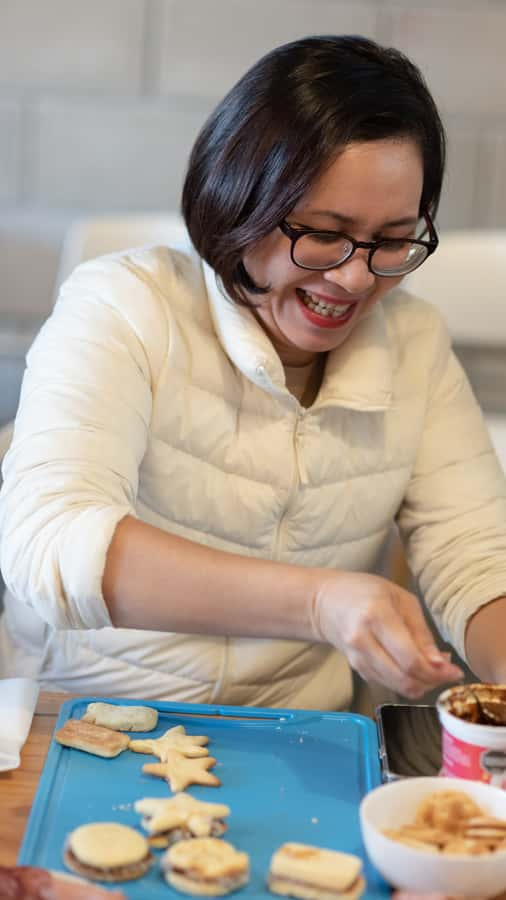
At $49 per person, the class sits in a reasonable range for a 150-minute food experience in Buenos Aires. The value comes from several things bundled together: the ingredients, an instructor, two recipes, the meal you prepare, mate tea, and cultural explanation.
You are also paying for skills you can repeat at home. A restaurant meal gives you the pleasure of eating empanadas and alfajores, but this class shows you how to recreate them. If you enjoy cooking, that makes the price easier to justify.
The value is strongest for families and people who want a cultural activity rather than another sightseeing stop. It is less compelling if you only want to taste Argentine food quickly or if you dislike working in a shared kitchen.
Past participants have described the class as good value, especially when wine or extra food was included. Those additions are not guaranteed, so base your decision on the listed experience rather than possible extras. The main reward is the instruction and the time spent making the food yourself.
Timing, meeting point, and practical details
The class lasts 150 minutes, or two and a half hours. That is long enough to prepare both dishes, bake and assemble the alfajores, eat, and talk without turning the activity into a rushed demonstration.
The meeting point is on Gorriti in Palermo. The information gives both Gorriti 4882 and Gorriti 4886, so confirm the exact entrance with the provider before you set out. Hotel pickup and drop-off are not included, meaning you arrange your own way to Palermo.
The experience runs in rain or sunshine. Since the class takes place indoors, weather should not affect the cooking itself, though you still need to plan your journey to the meeting point.
Wheelchair access is listed, but the details of the cooking stations are not provided. If you need a particular type of access or seating arrangement, contact the provider before booking. Free cancellation is available up to 24 hours before the start, and you can reserve now and pay later, which helps if your Buenos Aires schedule is still changing.
What to bring and how to prepare
You do not need to bring ingredients or cooking equipment. Empanada and alfajor ingredients are included, as is the mate tea.
Wear clothes you can cook in comfortably. The class involves handling dough, filling pastries, and assembling cookies, so it is better to choose practical clothing than something delicate. The supplied information does not state whether aprons are provided, so avoid assuming that one will be available.
If you have dietary restrictions, tell the provider in advance. A vegan empanada option is available, but the ingredients and procedures for other allergies are not specified.
For the best result, arrive ready to take part. Ask questions, let the instructor correct your folding, and make sure every person in your group gets a turn. The most useful lessons are often small ones, such as how firmly to seal the pastry or how much dulce de leche to use.
Who should book this class
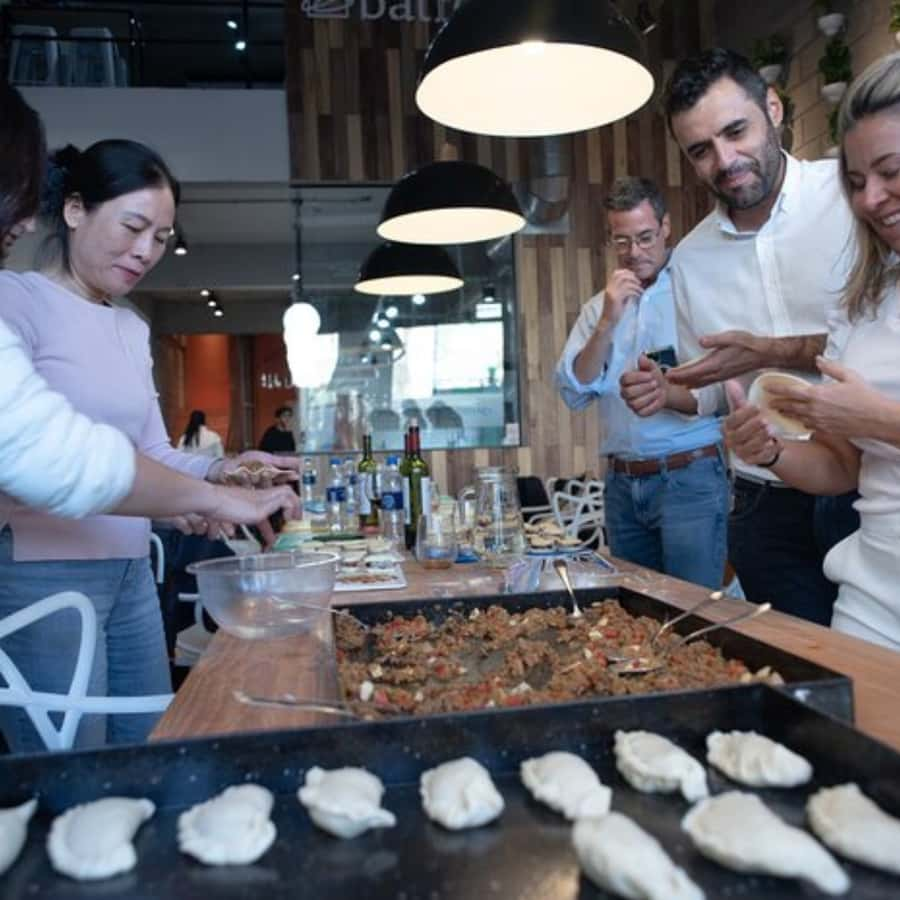
I would recommend it to families with children, couples, solo visitors, and anyone who likes to bring home a recipe from a trip. It also suits people who have already tried empanadas in Buenos Aires and want to understand how they are made.
It is a particularly good choice for a rainy afternoon, since the activity continues in any weather. It also works well early in your visit, because the food knowledge can help you order with more confidence during the rest of your stay.
You may want to skip it if you are looking for a quiet, formal meal or a short tasting with no work involved. The class asks you to handle ingredients and share tasks. Some parts may be demonstrations, and the exact extras such as wine are not guaranteed.
Should you book the Palermo empanada and alfajor class?
Book it if you want a friendly, useful introduction to Argentine food and like the idea of eating what you prepare. The combination of empanadas, alfajores, mate, and cultural conversation gives you more than a recipe lesson.
The strongest reasons to go are the patient instruction, the family-friendly format, the vegan option, and the chance to practice techniques you can use at home. The main limitation is shared participation, since not every person may cook during every stage.
At $49 for two and a half hours, it is a sound choice for food-focused visitors who value interaction and practical skills. Confirm the Gorriti address, check the session language, and mention dietary needs before you arrive. Then bring an appetite and be ready to fold a few imperfect empanadas before you get the hang of it.
FAQ
Where does the cooking class take place?
The meeting point is on Gorriti in Palermo, Buenos Aires. The supplied details list Gorriti 4882 and Gorriti 4886, so confirm the exact address before the class.
How long does the experience last?
The cooking class lasts 150 minutes, or two and a half hours.
What food will I make?
You will prepare Argentine empanadas and dulce de leche alfajores. The class includes mixing, shaping, baking, folding, and assembling the dishes.
Are vegan empanadas available?
Yes. Meat and vegan empanada options are available.
Is mate tea included?
Yes. Local mate tea is included, along with cultural information during the class.
Which languages are offered?
The live guide may lead the class in English, Spanish, or Portuguese.
Is hotel transportation included?
No. Hotel pickup and drop-off are not included, so you must make your own way to the Palermo meeting point.
Can I cancel or pay later?
You can cancel up to 24 hours before the experience for a full refund. You can also reserve your place and pay later.
More Cooking Classes in Buenos Aires
- Private Argentine Cooking Class and Tango Lesson in Buenos Aires
★ 5.0 · 37 reviews - Premium Empanadas Cooking Class & Wine Tasting Experience
★ 4.9 · 35 reviews - Cusco: Peruvian Cooking Class, Cocktails & Local Market Tour
★ 4.9 · 512 reviews - Cooking class and market tour with a local chef
★ 5.0 · 186 reviews
More Food Tours in Buenos Aires
- San Telmo: Historical Guided Tour with Street Food & Drinks
★ 5.0 · 87 reviews - Food Tour in Buenos Aires City in Small Groups
★ 5.0 · 72 reviews - BA Flavors Food Tour in San Telmo and Boca With Local Guide
★ 5.0 · 67 reviews - Premium Argentinian Wines and Malbec Tasting Experience
★ 4.6 · 60 reviews
Just added around Buenos Aires
- Private Airport Transfer In or Out: Aeroparque (AEP)–Buenos Aires★ 5.0 · 73 reviews
- Sailing with Wine Tasting in Buenos Aires★ 5.0 · 50 reviews
- Traditional Argentine FoodTour with optional Michelin Experience★ 4.5 · 56 reviews
- Unique Tailored Tours – The Hummingbird Trip★ 5.0 · 69 reviews
- Experience The Essence of Buenos Aires in San Telmo★ 5.0 · 51 reviews
- Tigre Speedboat – The Delta s Captain – CITYSAILING TIGRE★ 5.0 · 75 reviews
- Tango Porteño Show with Optional Dinner in Buenos Aires★ 4.5 · 58 reviews
- La Ventana Tango Show & Dinner with Optional Classic Bus Ride★ 4.5 · 77 reviews
Cooking Classes, compared.
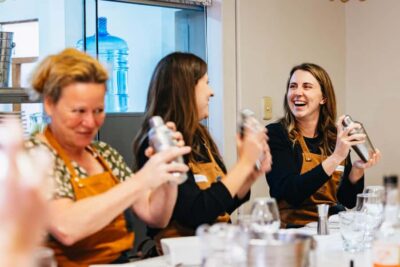
Cusco: Peruvian Cooking Class, Cocktails & Local Market Tour
Read our review →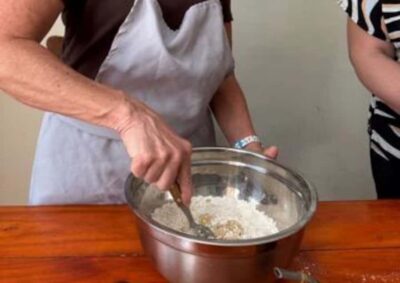
Cooking class and market tour with a local chef
Read our review →
Cooking class in Salvador, an authentic dinning experience
Read our review →
3h Cooking Class in Mendoza with 7 Recipes & Bottomless Drinks
Read our review →
BA: Empanadas and Alfajores Cooking Experience in Palermo
Read our review →
Market Tour, Tasting of 35 Fruits, and 4-Course Peruvian Cooking Class in Lima
Read our review →
4h Cooking Class in Salvador with 9 Recipes & Bottomless Drinks
Read our review →Browse the lists this tour appears in