
Reviewed · ANDES MOUNTAIN TOURS
Private Andean Cooking Class, Pachamanca
The most interesting part of this Cusco class is the link between cooking and the Andes. You are not simply shown a recipe and sent to a table. You handle corn, peppers, grains, meats, and other local foods, then see how clay-pot cooking connects a meal to Andean traditions. Past classes have also included ceviche, lomo saltado, alpaca, pisco cocktails, and fruit tastings, so the exact menu may vary.
I like the private format, since your chef can adjust the pace for a honeymooning couple, a family with children, or a group with mixed cooking skills. I also like the range of tastes, from spicy uchucuta and fermented chicha to fresh produce and pisco drinks. The main consideration is that the $150 price is a serious splurge for three hours, and the final dishes may not match the exact menu you had in mind.
Key things to know before booking
- Andean cooking with clay pots: The class finishes with food cooked in clay pots, giving the experience a strong connection to local customs and ingredients.
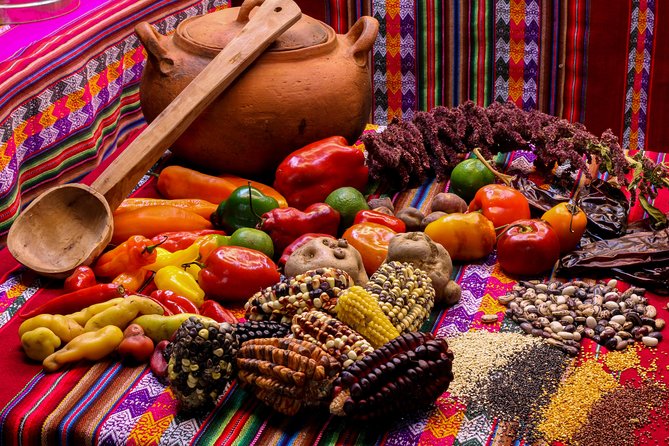
- A private market lesson: You’ll examine grains, superfoods, corn, peppers, fruits, and other foods while learning how they fit into Andean diets.
- Hands-on food and drinks: You may prepare tamales, ceviche, lomo saltado, sauces, and pisco cocktails, depending on the class plan.
- Experienced named chefs: Classes have been led by chefs including Alejandro, Fernando, Jose, Christina, and Jose Luis. Your assigned chef depends on availability.
- Good for families and mixed diets: Vegetarian food is available, and children can receive mocktails if arranged in advance.
- Simple central logistics: Meet at C. Palacio 135 at 9:00 a.m. and finish at the same location.
A three-hour introduction to Andean food
This experience works best when you want a break from ruins, museums, and early starts. Cusco can fill a schedule quickly, especially if you are planning Sacred Valley visits or a high-altitude trek. A cooking class gives you a slower morning while still teaching you something useful about Peru.
The format is private, so only your own group takes part. That matters here. Cooking classes can feel rushed when everyone shares one work station, but a private lesson gives the chef room to guide different skill levels. You do not need to be a serious home cook. The class is designed for beginners as well as people who already know their way around a kitchen.
The listed meeting time is 9:00 a.m., though a 10:00 a.m. English class has also been offered for a lunch finish. Confirm your preferred language and start time when booking. Spanish or English instruction is available by request.
More Cooking Classes in Peru
- Cusco: Peruvian Cooking Class, Cocktails & Local Market Tour
★ 4.9 · 512 reviews - Cooking class and market tour with a local chef
★ 5.0 · 186 reviews - Vegan Peruvian Cooking Class Cocktails and Local Market in Cusco
★ 5.0 · 46 reviews
Starting with marinades and local ingredients
The first stage focuses on marination. You prepare meat and other ingredients in a seasoned sauce before cooking, learning how the mixture builds flavor and helps prepare the food for heat.
This is a useful start because it gives you a practical technique rather than a long lecture. You can see how Peruvian cooking balances acid, spice, herbs, and seasoning. The class also introduces local fruits, vegetables, condiments, and other foods. Past menus have included samples of fresh fruit, different types of potatoes, corn, peppers, grains, and herbs.
That produce lesson may be one of the most valuable parts for anyone who has only encountered Peruvian food in restaurants. Peru has far more than the familiar potato and lime. The chef explains the place of these foods in Andean diets and points out their nutritional value. You taste the ingredients rather than simply hearing a list of names.
Do not expect this section to function like a full public market tour. The schedule describes a private market, meaning a prepared selection of Andean products within the class setting. It is a food lesson, not a shopping expedition.
Making Andean tamales from corn
Next comes the tamale lesson. You work with corn and learn an Andean preparation method passed through generations.
Tamales are a good window into the region’s food culture because corn is not just another ingredient here. It has been central to Andean life for centuries, and tamales show how a basic crop becomes a portable, filling dish. The technique also rewards patience. You learn how the ingredients are assembled and prepared rather than simply tasting a finished tamale.
For children or first-time cooks, this is likely one of the more approachable steps. The work is hands-on without requiring restaurant-level knife skills. Families can ask for an English class, kid-friendly music, and mocktails. Chef Fernando has adapted the experience for children in the past, helping younger cooks take part without turning the class into a formal adult lesson.
The class includes one appetizer and one main course for lunch. The tamale may be part of the appetizer or part of the wider tasting sequence, so ask if you need a precise menu before paying.
Uchucuta, the Andean pepper sauce
Uchucuta is a spicy sauce associated with Inca-era cooking, and preparing it gives the class a clear taste of Andean seasoning. You use traditional methods to combine the ingredients and learn how this sauce fits into local meals.
This is where the class may feel most distinct from a standard international cooking lesson. A sauce carries a lot of regional character in a small portion. It can show you how peppers, herbs, and other local ingredients are used to add heat and depth without overpowering the main food.
If you do not enjoy spicy food, say so when booking or at the start of the class. The data provided does not specify how the heat level can be adjusted, but a private setting gives you a reasonable chance to discuss preferences before cooking. Dietary needs should also be sent in advance.
The class offers a vegetarian option, but vegetarian guests should confirm how the menu will be adapted. The experience includes meat preparation in its stated sequence, and past classes have featured dishes such as alpaca lomo saltado, so advance notice matters.
More days in the Andes around Cusco:
- Cusco: Folkloric Andean Show & 3-Course Dinner at Tunupa
★ 4.2 · 205 reviews - 06 Day Andean Jewels of Cusco – Private Service
★ 5.0 · 75 reviews - 07 Day Andean Experience Through the Living Culture of the Incas
★ 5.0 · 50 reviews - From Mendoza: High Andes Aconcagua Mountain Tour
★ 4.4 · 767 reviews
Exploring Andean grains and superfoods
The private market section broadens the class beyond recipes. You examine ancient grains and Andean superfoods while learning how they fit into everyday food and local culture.
This is a useful bridge between the kitchen and the surrounding region. If you are visiting Cusco only for archaeological sites, you can miss the agricultural side of the Andes. Here, the food becomes a way to understand what grows at high altitude and why these ingredients remain important.
The class also includes tastings. Depending on the menu, you might sample fruits, vegetables, potatoes, corn, herbs, condiments, and other products before using them in a dish. That tasting format helps you remember the ingredients after you return home. Recipes have been sent by email after previous classes, which is worth confirming if you want to recreate the meal.
Chicha tasting and the role of fermentation
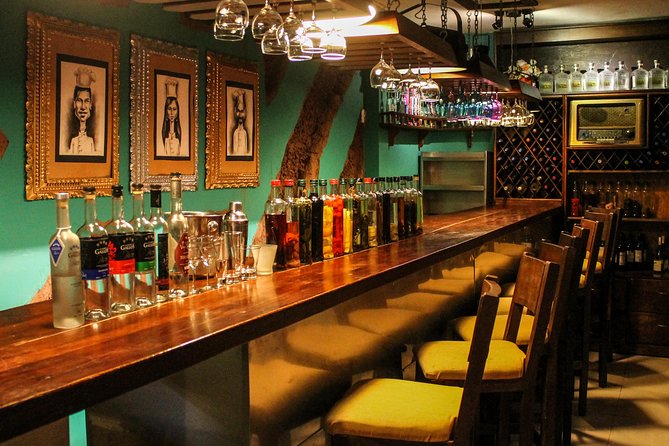
The chicha tasting introduces an ancestral fermented drink associated with the Incas. It adds a historical and cultural layer to the cooking, but it is also a practical chance to compare a traditional beverage with the pisco drinks included in some class formats.
The exact drink service can vary. The stated experience includes beverages, while past lessons have featured pisco tastings, pisco sours, and Chilcanos. If cocktails matter to you, request that focus when booking. The class description specifically includes classic Peruvian cocktails as a highlight, but it does not promise a fixed cocktail list.
This part can be especially enjoyable for adults who want to understand Peru through drinks as well as food. Families are not left out. Mocktails have been prepared for children, so tell the provider in advance if your group includes younger participants.
Remember that the class begins in the morning. The final meal and drinks are meant to serve as lunch, not as a late-night bar session. That timing makes it easy to continue sightseeing afterward.
The final meal from clay pots
The class ends with a tasting of food cooked in clay pots. This is the moment when the earlier preparation steps come together: the marinated ingredients, corn, sauce, and other local products become a shared meal.
The clay-pot cooking is the feature that gives this experience its Andean identity. It is not just a demonstration of a fashionable technique. The cooking method connects the food to the land and to older forms of preparation. You get to taste the result rather than merely watching the chef handle it.
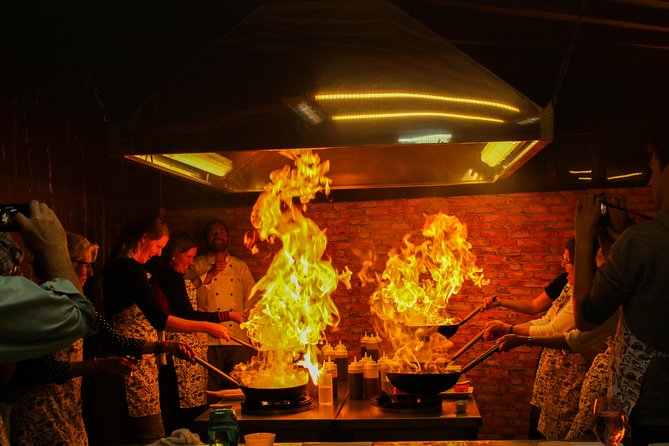
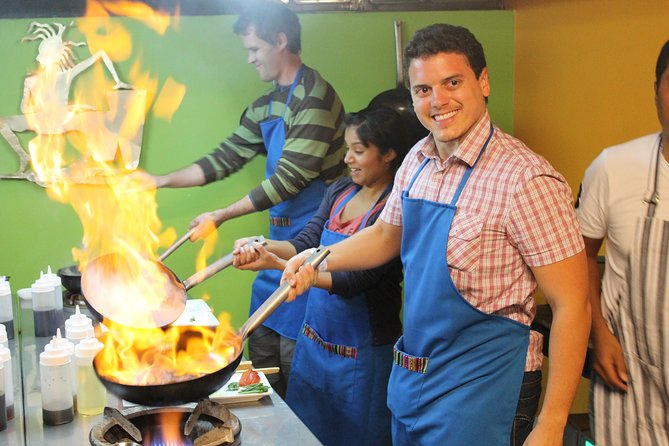
At the same time, keep the menu flexible. Previous classes have included ceviche, lomo saltado, alpaca, and dramatic wok cooking with flames. Those dishes are memorable, but the current description centers on Pachamanca-style cooking, tamales, uchucuta, chicha, and clay pots. Ask exactly what your session will make if one particular dish is your main reason for booking.
The included lunch consists of one appetizer and one main course. Bottled water and other beverages are included. This is a meal-sized experience, but it is not described as a large multi-course feast.
What the $150 price buys you
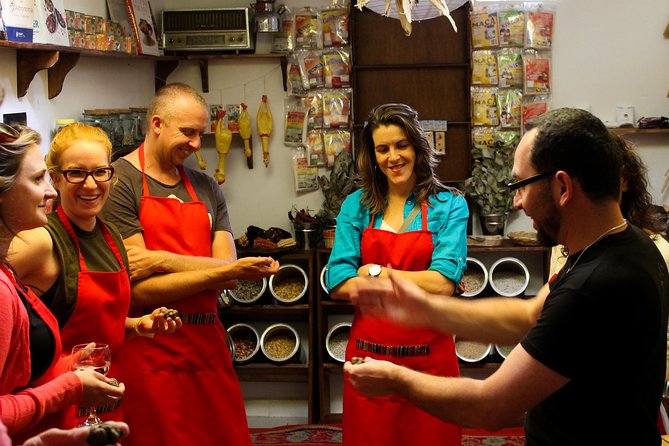
At $150 per person, this is not a budget lunch. The value comes from the private format, professional chef, ingredients, instruction, drinks, and cultural explanation packed into about three hours.
I would compare it with the cost of a good restaurant meal plus a separate food tour. Here, you are paying for time with a chef and for the chance to make the food yourself. A private class also makes more sense for a small group that wants personal help, has dietary needs, or includes children and grandparents.
The value is weaker if you mainly want to eat Peruvian food without cooking. You can spend less at a local restaurant and probably sample more dishes. It is also less appealing if you expect a fixed, detailed menu and the provider cannot confirm it in advance.
For couples, families, and food-focused visitors, the price can be justified as one of the more personal activities in Cusco. You leave with recipes, new ingredients to look for, and a better sense of how food connects to the Andes.
Which chef and language should you request?
The experience is led by a professional chef, but the assigned person is not guaranteed. Names associated with past classes include Alejandro, Fernando, Jose, Christina, and Jose Luis.
Alejandro has taught the history and evolution of Peruvian food, coached hands-on ceviche and lomo saltado preparation, and led pisco drink instruction. Fernando has worked well with families, including children who received mocktails and extra help. Christina has taught fruit and pisco tastings, ceviche, and lomo saltado, and has provided recipes afterward. Jose and Jose Luis have also led friendly, social classes with a strong focus on cooking together.
You should not book on the assumption that one specific chef will be present unless the provider confirms it. Do request English or Spanish instruction at booking, and mention food allergies, vegetarian needs, or other restrictions before arrival.
Your original passport must be shown at the beginning for tax purposes. Bring it, even if you normally leave your passport locked at your accommodation. The class starts and ends at C. Palacio 135 in Cusco, and no separate transport is listed.
Who will enjoy this class most?
I would choose this for you if you want to:
- Break up a demanding sightseeing schedule with a relaxed morning activity.
- Learn techniques you can repeat at home.
- Taste ingredients from different parts of Peru.
- Travel with children or older family members.
- Eat and drink as part of the lesson, not just watch a demonstration.
- Have a private setting where the chef can adjust the pace.
It may not suit you if you want a market walk through Cusco, a long restaurant-style tasting menu, or a guaranteed list of dishes. The experience also requires advance planning for dietary restrictions and passport presentation.
Free cancellation is available up to 24 hours before the 9:00 a.m. start time for a full refund. Changes or cancellations inside that window are not accepted, and the minimum group requirement means the provider may offer another date or a refund if the class cannot run.
Should you book the Pachamanca cooking class?
Book it if you want a hands-on look at Andean food and prefer a private lesson to a crowded group activity. The strongest reasons are the clay-pot cooking, the unusual local ingredients, the tamale and uchucuta work, and the chance to add chicha or pisco drinks to lunch.
I would ask for the exact menu, language, chef availability, and vegetarian or child-friendly adjustments before confirming. If the answer matches your interests, $150 buys more than a meal: it buys a practical cultural lesson you can carry home. If you only want to sample Peruvian dishes cheaply, spend your money at a restaurant instead.
FAQ
Where does the class begin?
The class begins at Marcelo Batata Cooking Classes, C. Palacio 135, Cusco 08002, Peru.
What time does the experience start?
The listed start time is 9:00 a.m. A 10:00 a.m. English class has also been offered, so confirm your preferred time when booking.
How long does the class last?
The experience lasts approximately three hours.
Does the class end at the meeting point?
Yes. The activity ends back at C. Palacio 135.
Is this a private activity?
Yes. Only your group participates in the private tour or activity.
Is the class offered in English?
Yes. The class can operate in English or Spanish, depending on your request.
Is a vegetarian option available?
Yes. A vegetarian option is available, but you must advise the provider when booking.
Can I report other dietary requirements?
Yes. You should advise the provider of any specific dietary requirements at the time of booking.
What food and drinks are included?
The experience includes one appetizer, one main course, beverages, bottled water, and instruction from a professional chef. The cooking sequence includes items such as Andean tamales, uchucuta, and clay-pot dishes. Past classes have also included ceviche, lomo saltado, alpaca, and pisco cocktails.
Do I need to bring my passport?
Yes. Your original passport must be provided at the beginning of the course for tax purposes.
What is the cancellation policy?
You can cancel at least 24 hours before the start time for a full refund. Cancellations or changes made less than 24 hours before the start time are not accepted for a refund.
More Cooking Classes in Cusco
- Buenos Aires: Empanadas and Alfajores Guided Cooking Class
★ 4.8 · 486 reviews - Buenos Aires: Empanada & Alfajor Cooking Lesson in Palermo
★ 4.6 · 186 reviews - Cooking class in Salvador, an authentic dinning experience
★ 5.0 · 132 reviews - 3h Cooking Class in Mendoza with 7 Recipes & Bottomless Drinks
★ 5.0 · 125 reviews
Just added around Cusco
- rainbow mountain full day★ 5.0 · 44 reviews
- Rainbown mountain cusco 1 Day★ 4.5 · 72 reviews
- Manu National Park Tour 4days/3night★ 5.0 · 69 reviews
- Tour to the HUMANTAY LAGOON from CUSCO★ 5.0 · 35 reviews
- Vegan Peruvian Cooking Class Cocktails and Local Market in Cusco★ 5.0 · 46 reviews
- Cusco Private Airport Transfer: Fast, Reliable Hotel Drop-Off★ 5.0 · 80 reviews
- 1 Day Tour to Palccoyo (Alternative Rainbow Mtn) from Cusco, Peru★ 5.0 · 53 reviews
- 5-Day: Salkantay Trek to Machupicchu and Humantay Lake★ 5.0 · 42 reviews
Andes Mountain Tours, compared.
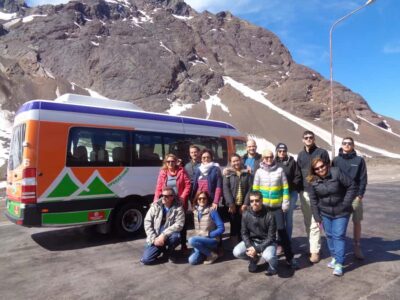
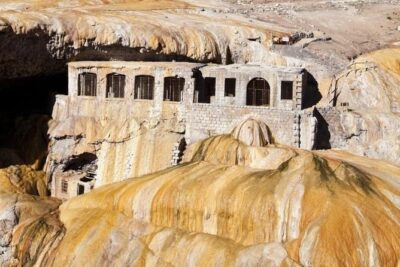
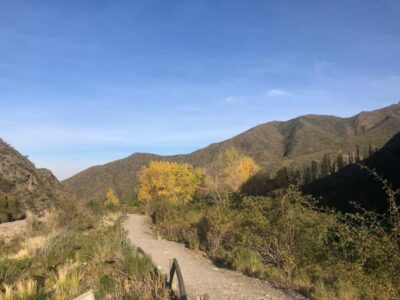
Andes Day Trip from Mendoza Including Aconcagua, Uspallata and Puente del Inca
Read our review →
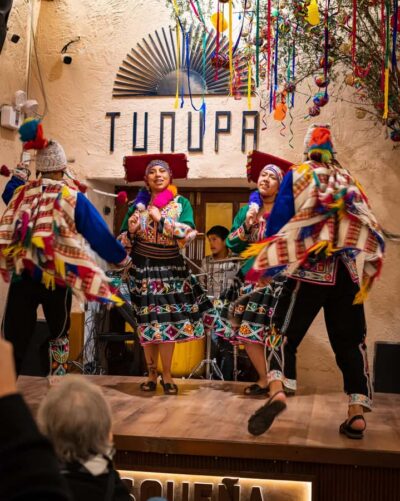
Cusco: Folkloric Andean Show & 3-Course Dinner at Tunupa
Read our review →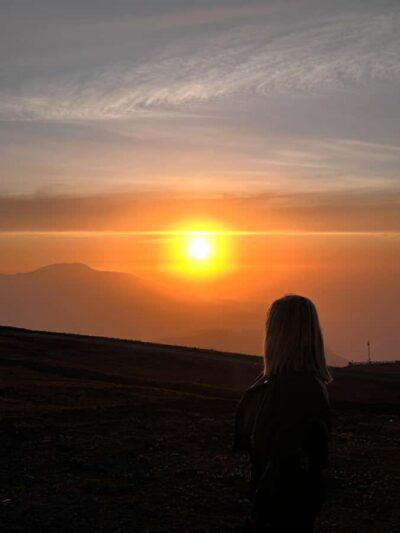
Andes Mountains Sunset and Valle Nevado & Picnic
Read our review →
Browse the lists this tour appears in