
Reviewed · COOKING CLASSES
Cooking class and market tour with a local chef
Cusco’s food makes more sense after a walk through San Pedro Market, and this four-hour class puts that market visit to good use. Chef Ronal introduces you to local fruits, cheeses, herbs, meats, and potatoes, then takes you back to the kitchen to turn those ingredients into a Peruvian meal. I especially like the market tasting and the chance to choose between lomo saltado and ceviche. The class also handles vegetarian diets, allergies, and food intolerances with care.
I like that this is a hands-on class rather than a cooking demonstration where you simply watch someone else work. I also like the practical extras: recipes are sent by email, the chef shares tips about Cusco food and altitude, and the group may be small enough to feel personal. The main drawback is value. At $57 per person, it costs more than a simple market visit or restaurant lunch, and the package includes one cocktail rather than an open bar.
Key points at a glance
- San Pedro Market first: Taste local fruits and cheese, and learn how Peruvian ingredients fit into everyday Cusco cooking.
- Chef Ronal leads the class: He teaches in English or Spanish and explains both kitchen technique and local food customs.
- Three-course-style meal: Prepare rocoto relleno, then choose lomo saltado or ceviche as your main dish.
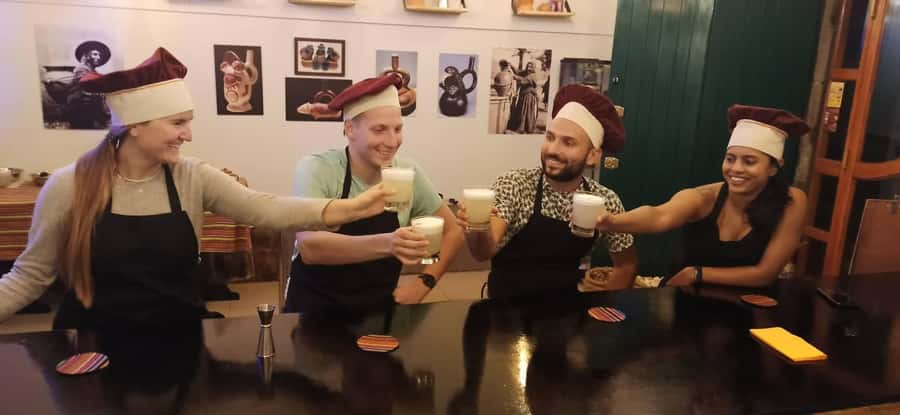
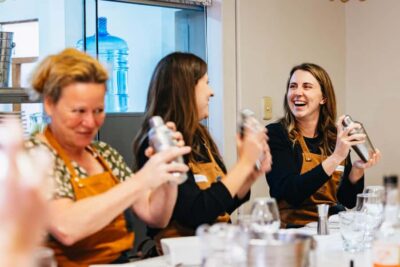
- Pisco is part of the fun: Make a pisco sour, passion fruit sour, or alcohol-free fruit drink with honey.
- Good dietary flexibility: Vegetarian versions and adjustments for allergies, gluten intolerance, dairy-free diets, and other restrictions are available.
- Easy central meeting point: Meet at Calle San Juan de Dios 264, across from the Aranwa Boutique Hotel.
Why this Cusco class begins at San Pedro Market
The best part of the experience is the order of events. You do not begin with a polished kitchen and a pile of anonymous ingredients. You start where Cusco residents shop.
The meeting point is at 264 San Juan de Dios Street, in front of the Aranwa Boutique Hotel. Look for the glass and wooden door across the road. There is no large sign, so it helps to arrive with the address ready on your phone.
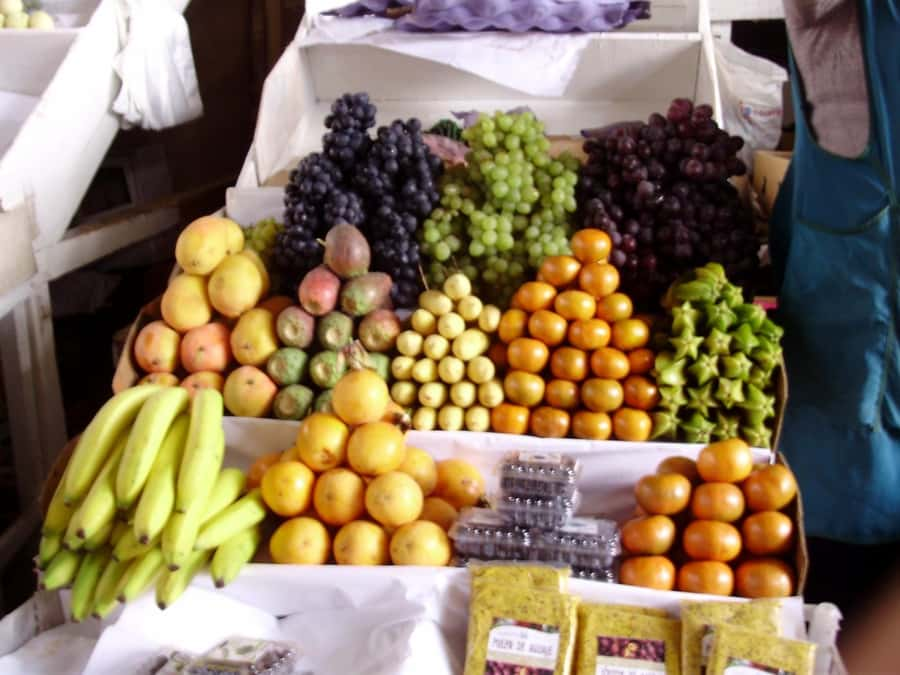
From there, the class heads to the market. The exact route through the stalls can vary, but the focus is clear: local produce and the ingredients used later in the workshop. You may taste fresh fruit, cheese, bread, and other Peruvian products while learning what you are looking at.
This matters because Peruvian cooking can seem like a list of unfamiliar names when you encounter it only on a restaurant menu. At the market, you can connect the food to its raw ingredients. Potatoes are especially important here. Peru is famous for its many potato varieties, and seeing the different colors, shapes, and sizes gives you a better sense of how central the crop is to the national diet.
The market also adds some rough edges that a tidy food tour may leave out. You may see meat and animals used as food for local communities. That is noted as part of the experience, and it is worth knowing in advance if you are sensitive to market conditions or animal products.
Morning timing may appeal to you if you prefer a calmer market visit. One couple who took a morning class found the market less crowded and easier to explore, with good access to fruits, vegetables, meats, herbs, and cheese. Starting earlier may also leave the rest of your day free, though you should check the available start times when booking.
More Cooking Classes in Peru
- Cusco: Peruvian Cooking Class, Cocktails & Local Market Tour
★ 4.9 · 512 reviews - Private Andean Cooking Class, Pachamanca
★ 5.0 · 54 reviews - Vegan Peruvian Cooking Class Cocktails and Local Market in Cusco
★ 5.0 · 46 reviews
Cooking rocoto relleno and causa rellena
Back in the workshop, the class moves from looking and tasting to chopping, mixing, and cooking. The kitchen provides aprons, utensils, and fresh ingredients, so you do not need to bring equipment.
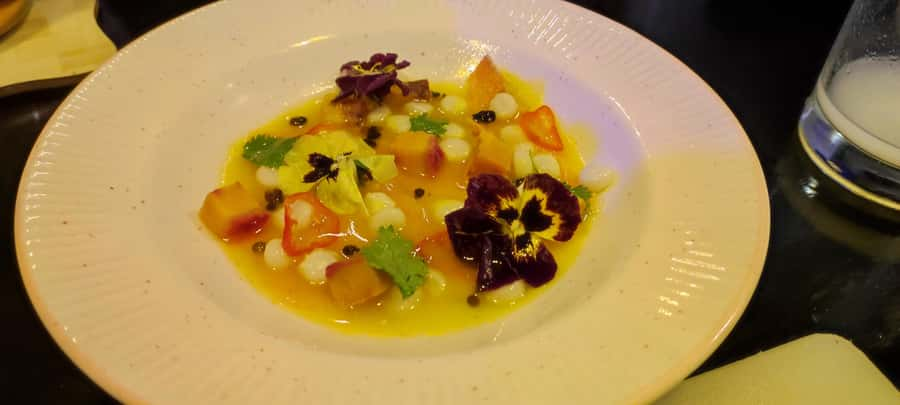
The listed starter is rocoto relleno, a Cusco favorite made with a stuffed chili pepper. The filling includes meat, onions, peas, carrots, peanuts, and raisins, with local cheese on top before the pepper is baked.
Rocoto has a reputation for serious heat, though the final level can depend on how the pepper is prepared. If you do not eat meat or have a food restriction, tell the chef early. The class is designed to adjust the meal rather than leave you with a separate, less interesting plate.
The experience information also includes causa rellena as part of the cooking menu. This is a potato cake mixed with yellow chili sauce and filled with ingredients such as avocado, fish tartare, mayonnaise, and spices. Since the detailed meal description places rocoto relleno as the shared starter, ask the chef how causa fits into the session on your chosen date. The menu wording suggests some elements may vary by class or participant choice.
That small point is worth clarifying if you have your heart set on causa. The core class is built around a starter, a main dish, and a drink, but the precise preparation order can change as the chef adapts to the group.
Chef Ronal’s teaching style is aimed at ordinary home cooks, not trained professionals. He shows you how to cut ingredients, guides you through each step, and tastes the food along the way. Several people with plenty of cooking experience still found the class enjoyable, while first-time participants found it approachable.
You should expect to do real kitchen work. This is not a photo opportunity with a chef doing everything while you hold a spoon. You will chop, mix, season, cook, and assemble. A willingness to handle a kitchen knife is useful, though the instruction is suitable for beginners.
Choosing between lomo saltado and ceviche
The main course is where you get the most personal choice. You select either lomo saltado or ceviche before the class begins.
Lomo saltado is one of Peru’s most recognizable comfort dishes. It combines beef tenderloin, rice, onions, tomatoes, soy sauce, oyster sauce, vinegar, and native potato fries. The result brings together Chinese-Peruvian stir-fry methods and familiar Andean ingredients.
Choose lomo saltado if you like a hot, filling meal and want to practice timing several components. The dish involves more than frying meat. You need to manage the beef, sauce, vegetables, rice, and fries so they arrive together. It is a useful lesson in preparing a restaurant-style plate at home without complicated equipment.
Ceviche takes a different path. The listed version uses trout, mango, avocado, lime juice, onions, celery, ginger, corn, and sweet potato. It is lighter and more sharply flavored, with the citrus, ginger, fruit, and herbs doing much of the work.
Choose ceviche if you want to learn how acidity changes fish and how Peruvian cooks balance fresh, sweet, salty, and spicy flavors. The use of trout suits the highland setting, where freshwater fish is more practical than the coastal seafood most people first associate with Peruvian ceviche.
The class may adapt the dishes for vegetarian participants. A vegetarian version of ceviche and a vegetable-based saltado have been prepared in the past, so you should not assume that choosing a meat-free meal means losing the main lesson. Still, explain your needs before cooking starts. The class chooses dishes in advance, which gives the chef time to plan.
Allergies and food intolerances are treated as a serious part of the preparation. Adjustments have been made for gluten-free, dairy-free, vegetarian, and other dietary needs. That does not mean every ingredient is automatically safe, so bring clear information about what you cannot eat and ask questions before tasting.
Making a pisco sour in the Cusco kitchen
The drink portion adds a pleasant change of pace. You choose one of three options:
- Pisco sour, made with pisco, lime, syrup, and egg white
- Passion fruit sour, using fresh passion fruit juice
- A nonalcoholic drink made with Peruvian fruit and honey
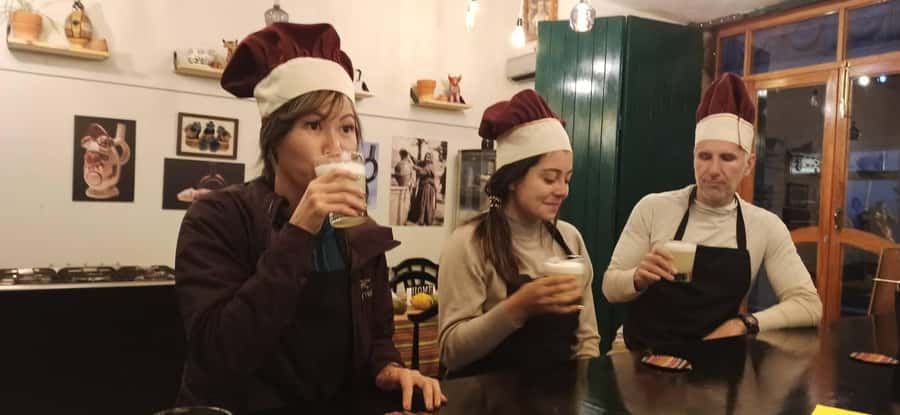
Pisco is Peru’s national grape spirit, and learning to make a sour gives the class a little bar craft alongside the cooking. You will work with the balance of citrus, sweetness, spirit, and foam rather than simply receiving a finished drink.
The passion fruit version is a good pick if you prefer tropical fruit or want something less classic. The alcohol-free choice makes the activity more comfortable for anyone avoiding alcohol. Alcohol and drugs are not allowed during the activity, so the included cocktail is part of the structured class rather than a free-drinking session.
One practical note: the price includes one cocktail. If you are comparing this with a long tasting experience or an evening centered on drinks, $57 may feel less generous. The value comes from the market tour, instruction, ingredients, meal, equipment, and cultural context, not from the quantity of alcohol.
More Shopping Tours in Peru
- Cusco City Sightseeing, San Pedro Market, Cathedral and Qorikancha Temple
★ 4.5 · 139 reviews - Pisac Indian Market and Ollantaytambo Fortress with Lunch
★ 4.5 · 395 reviews - Lima: Historic Center Street Food, Market, and Eateries Tour
★ 4.9 · 216 reviews - Market Tour, Tasting of 35 Fruits, and 4-Course Peruvian Cooking Class in Lima
★ 5.0 · 86 reviews
A clean workshop with a social, hands-on pace
The workshop is described as clean and well equipped, with aprons and kitchen tools supplied. That makes a real difference when you are arriving from a day of walking around Cusco and do not want to carry anything beyond a phone and perhaps a light layer.
Class size can affect the experience. Some sessions have been small enough to feel almost private, including one class with only a single participant and another with just two people. Other sessions bring together a friendly group, which can work well for solo visitors who want an easy way to meet people.
The format gives you room to ask questions. Chef Ronal is not only focused on the recipe. He talks about Cusco, Peruvian food customs, market ingredients, herbs, and practical cooking methods. He has also shared advice about altitude sickness and local remedies, along with digestive teas when needed.
Treat that help as a useful courtesy, not medical care. The activity is not suitable for people currently suffering from altitude sickness, and Cusco’s elevation can make a four-hour cooking session feel harder than expected. Give yourself time to adjust before booking any strenuous activity, and take your own health needs seriously.
The class works well for families with older children. An 11-year-old and a 13-year-old enjoyed the experience, but the booking information lists several age restrictions for young children and babies. It also gives multiple weight limits and says the activity is not suitable for people over certain listed weights. Since those limits are inconsistent, check the current booking conditions directly if they apply to you.
What the $57 price really covers
At $57 per person, this is not a cheap lunch. You can eat in Cusco for less, and a market visit alone may cost less still.
The price makes more sense if you want several experiences joined together. You receive a guided market visit, ingredient tastings, professional instruction, a starter, a main dish, a cocktail or alcohol-free drink, kitchen equipment, an apron, and fresh ingredients. You also get recipes by email, which gives the class value after you return home.
I would compare it with the price of a good restaurant meal plus a private food tour, rather than with the cost of buying ingredients yourself. You are paying for the chef’s time and for the chance to understand why the food is prepared this way.
The class is also a sensible early-Cusco activity for anyone interested in food. One participant booked it near the start of a stay to allow time for acclimatization, and the relaxed cooking format worked well as a gentle introduction to the city. Do not mistake that for a guarantee that altitude will not affect you, but a seated kitchen class is generally a different proposition from a long hike or high-altitude excursion.
Free cancellation is available up to 24 hours before the activity, and you can reserve now and pay later. Transportation is not included, so you need to make your own way to San Juan de Dios Street.
Who should book this experience
I would recommend this class to you if food is one of the main ways you get to know a place. It is especially good for:
- First-time visitors who want a useful introduction to Peruvian ingredients
- Couples looking for a shared activity beyond sightseeing
- Solo visitors who enjoy a social class
- Beginners who want clear kitchen guidance
- Experienced home cooks who still enjoy learning local methods
- Vegetarians and people with food restrictions who confirm their needs early
- Families with older children who can participate safely in a kitchen
It is less suitable if you dislike markets, cannot comfortably stand or work in a kitchen for several hours, or want a quiet meal with no group interaction. It may also disappoint you if you expect a full cocktail tasting or a private chef experience every time.
The strongest reason to book is the connection between market and plate. You see the produce, taste some of it, learn what it means in Cusco, and then use it in a meal. That sequence gives the class more purpose than a stand-alone cooking lesson.
Should you book the Cusco market and cooking class?
Yes, if you want a practical food experience and can handle the price. The combination of San Pedro Market, chef Ronal’s instruction, flexible recipes, and a full meal gives you plenty to do during four hours.
I would book it early in your Cusco stay if food and markets are a priority, then use the recipes and ingredient advice during the rest of your visit. If your schedule is tight or your budget is limited, choose it only if you value the hands-on lesson more than another restaurant meal.
Before paying, confirm the starting time, your dietary requirements, the exact dishes offered on your date, and the age or weight rules if relevant. With those details settled, this is one of the more useful ways to spend half a day in Cusco.
FAQ
How long does the cooking class and market tour last?
The activity lasts four hours.
How much does the experience cost?
The listed price is $57 per person.
Where is the meeting point?
Meet at Calle San Juan de Dios 264, in front of the Aranwa Boutique Hotel. Look for a glass and wooden door across the road with no advertising.
Is transportation included?
No. You must arrange your own transportation to and from the meeting point.
What dishes can I prepare?
The menu includes rocoto relleno as a starter and a choice of lomo saltado or ceviche as the main dish. Causa rellena is also included in the cooking menu information, so confirm how it is used in your scheduled class.
Can the class accommodate vegetarian diets and allergies?
Yes. Vegetarian options are available, and the chef can adapt dishes for dietary restrictions. Tell the team about allergies, gluten intolerance, dairy-free needs, or other requirements before the class begins.
What drink will I make?
You can choose a pisco sour, a passion fruit sour, or a nonalcoholic drink made with Peruvian fruit and honey.
Is the activity offered in English?
Yes. The instructor speaks English and Spanish.
Can I cancel the booking?
You can cancel up to 24 hours in advance for a full refund. Reserve now and pay later is also available.
More Shopping Tours in Cusco
- Medellín Multi-sensory Tour in the market, +15 Exotic Fruits
★ 5.0 · 113 reviews - Buenos Aires: San Telmo and Market Guided Walking Tour
★ 4.8 · 102 reviews - Quito Old Town Tour: History, Market Visit & Ice Cream Tasting
★ 4.5 · 91 reviews - Belen Market and La Venecia Loretana Tour With A Local Guide
★ 5.0 · 85 reviews
More Cooking Classes in Cusco
- Buenos Aires: Empanadas and Alfajores Guided Cooking Class
★ 4.8 · 486 reviews - Buenos Aires: Empanada & Alfajor Cooking Lesson in Palermo
★ 4.6 · 186 reviews - Cooking class in Salvador, an authentic dinning experience
★ 5.0 · 132 reviews - 3h Cooking Class in Mendoza with 7 Recipes & Bottomless Drinks
★ 5.0 · 125 reviews
Just added around Cusco
- rainbow mountain full day★ 5.0 · 44 reviews
- Rainbown mountain cusco 1 Day★ 4.5 · 72 reviews
- Manu National Park Tour 4days/3night★ 5.0 · 69 reviews
- Tour to the HUMANTAY LAGOON from CUSCO★ 5.0 · 35 reviews
- Vegan Peruvian Cooking Class Cocktails and Local Market in Cusco★ 5.0 · 46 reviews
- Cusco Private Airport Transfer: Fast, Reliable Hotel Drop-Off★ 5.0 · 80 reviews
- 1 Day Tour to Palccoyo (Alternative Rainbow Mtn) from Cusco, Peru★ 5.0 · 53 reviews
- 5-Day: Salkantay Trek to Machupicchu and Humantay Lake★ 5.0 · 42 reviews
Cooking Classes, compared.
Cusco: Peruvian Cooking Class, Cocktails & Local Market Tour
Read our review →
Cooking class in Salvador, an authentic dinning experience
Read our review →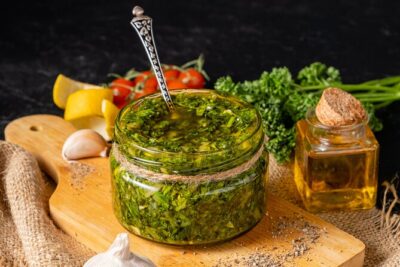
3h Cooking Class in Mendoza with 7 Recipes & Bottomless Drinks
Read our review →
BA: Empanadas and Alfajores Cooking Experience in Palermo
Read our review →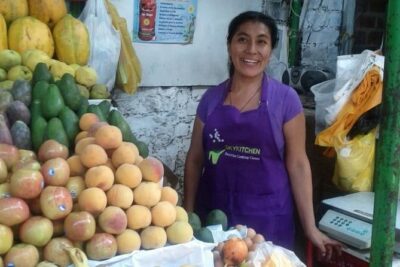
Market Tour, Tasting of 35 Fruits, and 4-Course Peruvian Cooking Class in Lima
Read our review →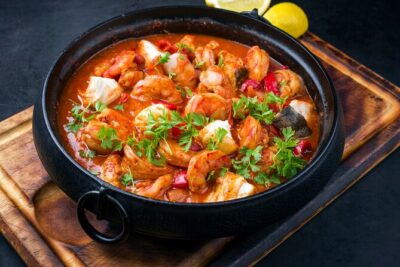
4h Cooking Class in Salvador with 9 Recipes & Bottomless Drinks
Read our review →Browse the lists this tour appears in