
Reviewed · COOKING CLASSES
Vegan Peruvian Cooking Class Cocktails and Local Market in Cusco
The best part of this Cusco experience is that it begins with ingredients, not a recipe card. At San Pedro Market, Chef Jorge or Chef Jesus introduces you to Peruvian fruits, grains, roots, spices, and superfoods before you cook with them. I like the market-first approach and the chance to make three classic dishes, including vegan ceviche and causa limeña.
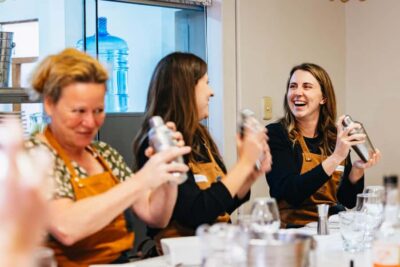
I also like that the class is small, capped at 10 people, and includes two cocktails, all equipment, bottled water, and recipes to take home. The main thing to check is the vegan setup: the class can prepare fully plant-based dishes, but one description suggests it may also be a general Peruvian class with vegan options. Tell the chef about your diet at the start.
Key points to know before booking
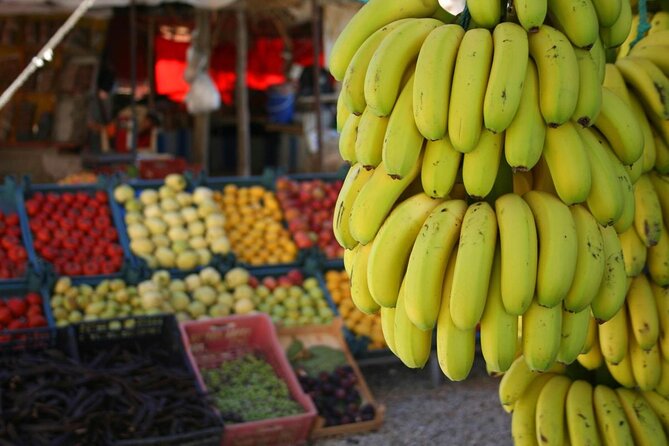
- San Pedro Market comes first: Learn about Peruvian fruits, breads, grains, root vegetables, and superfoods before cooking.
- Three plant-based dishes: Prepare vegan ceviche, causa limeña with vegan mayonnaise, and a quinoa tamal.
- Two cocktails are included: Expect pisco-based drinks such as a pisco sour, with nonalcoholic replacements available.
- Chef-led and hands-on: Chef Jorge and Chef Jesus are named in the class information, with Alvaro also involved in one reported class.
- Small group size: The maximum is 10 people, though the class may occasionally run with only one participant.
- Four hours and $69: The price covers food, drinks, ingredients, equipment, instruction, and recipes.
Starting with Peruvian food at San Pedro Market
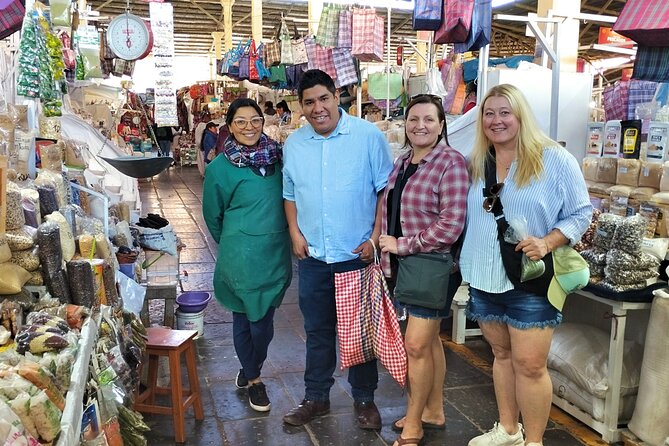
You meet at Mercado Central de San Pedro, at Thupaq Amaru 477 in Cusco. This is not just a place to gather before class. It is where the food lesson begins.
The market visit gives you a useful introduction to the ingredients that shape Peruvian cooking. You can expect to see several varieties of passion fruit, traditional Peruvian bread, grains, vegetables, spices, root vegetables, and other produce. The point is not simply to look around. You learn what the ingredients are, how they are used, and why they matter in local cooking.
I like this opening because it gives the dishes some context. A quinoa tamal means more when you have just handled the grain and seen other Andean staples around you. The class also makes better sense when you understand that Peruvian cooking depends on sharp citrus, fresh herbs, potatoes, corn, grains, peppers, and fruit.
A guide is especially useful here if you do not speak much Spanish. San Pedro Market can feel confusing at first, and the class guides can help you ask questions and understand what you are seeing. One practical point: the meeting door has caused confusion for some people. Look for door number one, clearly marked low on the green main entrance door.
The market stop is likely to be the most local part of the experience. It is also the least polished. You are in a working public market, not a staged food hall, so expect a busy setting and a lot of visual information. If you prefer a quiet, tidy introduction to food, this may feel intense. I see that as part of the value, but it is worth knowing before you arrive.
More Cooking Classes in Peru
- Cusco: Peruvian Cooking Class, Cocktails & Local Market Tour
★ 4.9 · 512 reviews - Cooking class and market tour with a local chef
★ 5.0 · 186 reviews - Private Andean Cooking Class, Pachamanca
★ 5.0 · 54 reviews
Moving from the market to the cooking studio
After the market visit, you go to a cooking studio in central Cusco. The studio is only described as being a few blocks from the market, and the experience ends back at the original meeting point.
The change of setting works well. The market shows you the ingredients in their everyday setting, while the studio gives you room to work. You will have the cooking equipment, cocktail equipment, ingredients, and dishes included, so you do not need to bring supplies.
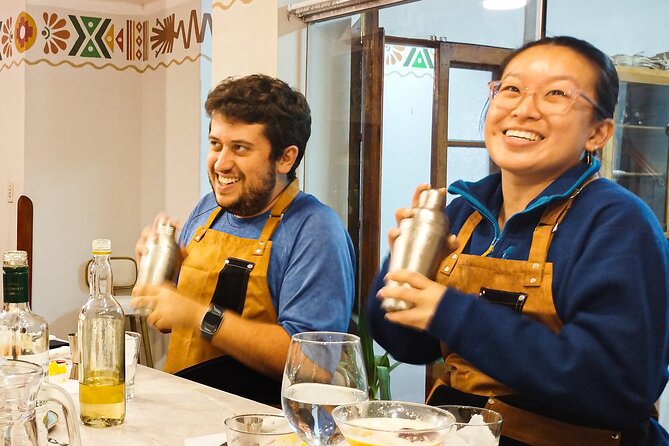
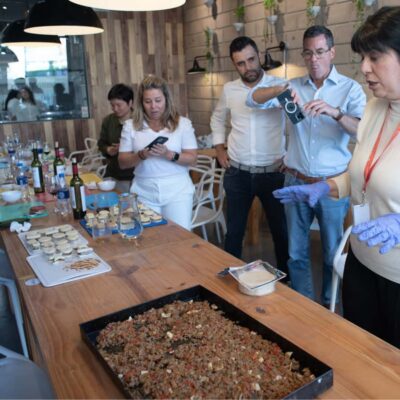
The class is designed to be hands-on. You do not simply watch a chef prepare lunch while you take notes. You help make the food, then eat the dishes as they are prepared. That makes the four-hour duration feel more useful than a short demonstration.
The group limit is 10 people. That is small enough for a chef to answer questions and help with technique, but it is not a private lesson by default. In some cases, the class has gone ahead with one person, which is a nice possibility for solo visitors, though you should not book expecting a private class.
Chef Jorge and Chef Jesus are both named in the available information. Chef Jesus is also associated with the market tour and cooking class, while one class account mentions both Alvaro and Jesus. Their role is more than simply setting out ingredients. You can expect explanations about Peruvian food, cooking steps, and the dishes you are making.
Making vegan ceviche without fish
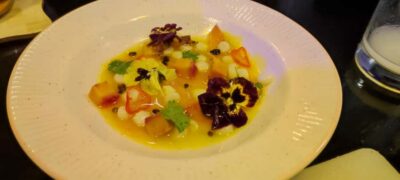
Ceviche is one of Peru’s most famous dishes, and the plant-based version is a smart choice for this class. Instead of fish, you prepare a vegan alternative using fresh ingredients and the same basic idea of citrus, seasoning, texture, and balance.
The exact ingredients are not listed, so I would not promise a particular vegetable or fruit. The useful lesson is the method. You learn how acidity changes food, how to balance salt and spice, and how fresh produce can carry a dish that is often associated with seafood.
This is also where the vegan question matters. The class information presents the menu as 100 percent vegan, and the cooking accounts describe a fully plant-based ceviche. Yet one description advises people with dietary requirements to tell the chef at the beginning because the wider class may sometimes include vegan alternatives rather than being exclusively vegan.
If you are strictly vegan, state that clearly when you arrive and confirm that every course, garnish, sauce, and cocktail ingredient fits your needs. The class does accommodate food restrictions, but clear communication is the sensible move.
Preparing causa limeña with vegan mayonnaise
Causa limeña is a layered potato dish with a soft texture and bright seasoning. In this class, you make a vegan version with plant-based mayonnaise. It is a good introduction to a Peruvian staple because the dish depends on preparation and seasoning rather than expensive ingredients.
The class lets you see how potatoes can be turned into something more refined than a side dish. You work with the texture, shape, and flavor of the potato mixture, then add the filling or topping used in the class.
I especially like this choice for a cooking lesson because causa is practical. It is the sort of dish you can adapt at home for a dinner, picnic, or party. You also learn a recognizable Peruvian recipe without needing specialist equipment.
The ingredients and recipes are included, and the recipes are sent after class. That matters. Cooking classes can be enjoyable in the moment but hard to repeat if you leave with only vague memories. Here, you have a better chance of making the dishes again after you return home.
More Shopping Tours in Peru
- Cusco City Sightseeing, San Pedro Market, Cathedral and Qorikancha Temple
★ 4.5 · 139 reviews - Pisac Indian Market and Ollantaytambo Fortress with Lunch
★ 4.5 · 395 reviews - Lima: Historic Center Street Food, Market, and Eateries Tour
★ 4.9 · 216 reviews - Market Tour, Tasting of 35 Fruits, and 4-Course Peruvian Cooking Class in Lima
★ 5.0 · 86 reviews
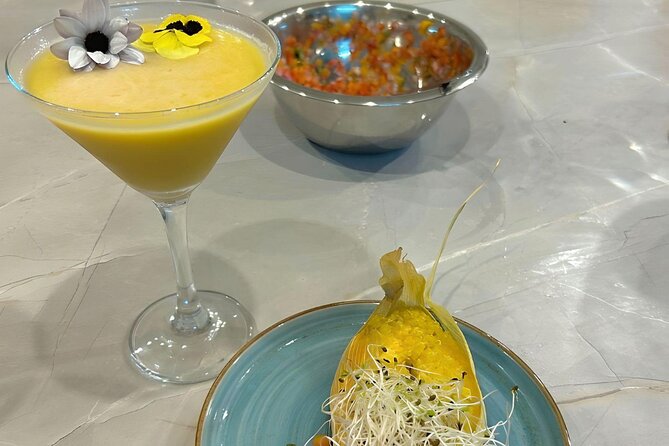
Folding a quinoa tamal
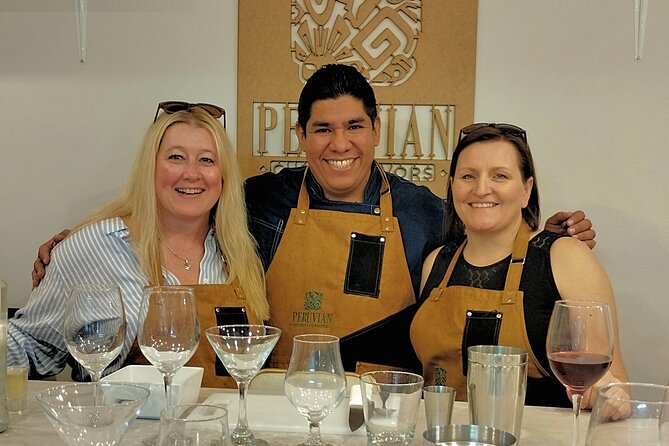
The third main dish is a quinoa tamal. This brings an Andean grain into the class and gives you a different type of cooking task from the ceviche and causa.
A tamal is useful for learning because preparation involves more than combining ingredients. You have to work with the mixture, shape it, and cook it correctly. The class information does not specify every step or filling, so I would treat the lesson as an introduction to the technique rather than a guarantee that your home version will be identical.
The quinoa focus also gives the class a clear connection to the foods of the Andes. Quinoa is widely associated with Peru, but it is more interesting to learn how it fits into a traditional-style dish than simply seeing it listed as a superfood.
You eat the courses as you make them. That can lead to a very full afternoon or evening, especially with drinks included. One person found there was so much food that dessert had to be taken away for later. Ask about taking leftovers with you if you are already full.
Two cocktails, with pisco and nonalcoholic options
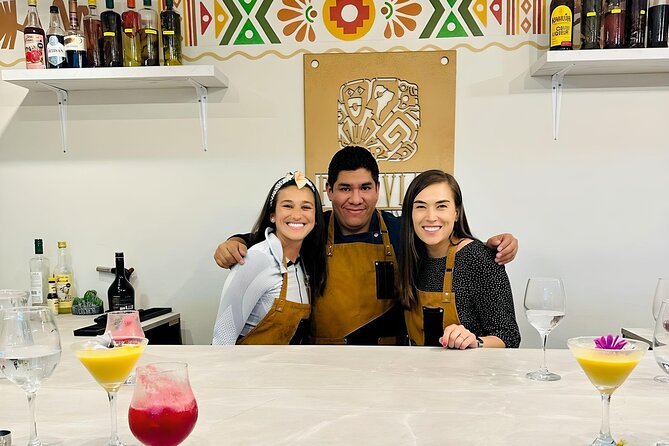
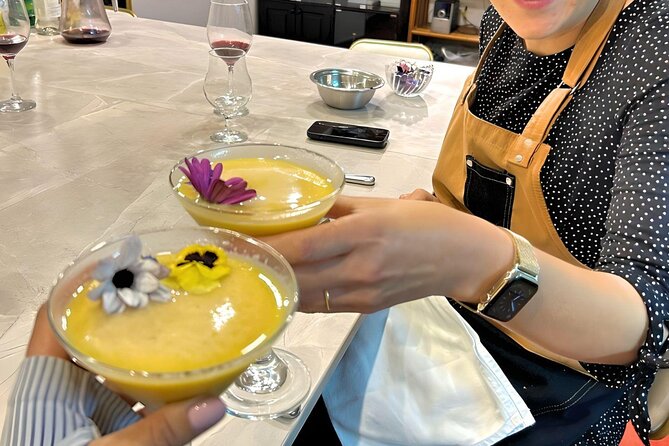
The drink portion is more than a quick welcome beverage. Two cocktails are included, and the class teaches you how to prepare them using pisco and fresh fruit.
A pisco sour is specifically mentioned, along with chicha morada. Another account describes a whisky sour made without alcohol. The exact cocktail selection may vary, so I would think of the drinks as examples rather than a fixed promise beyond two class cocktails.
This is a good feature for anyone interested in Peru’s drink culture. You learn the role of pisco and work with local fruit, rather than simply ordering a cocktail at a bar. The recipes also give you something you can repeat at home.
Alcohol is available only to people aged 18 and over under Peruvian law. Anyone under 18 receives nonalcoholic drinks, with bottled water replacing pisco. If you do not drink, tell the chef. The class can provide nonalcoholic versions, as shown by the alcohol-free whisky sour example.
The cocktails add value, but they also mean you should plan your pace. You are combining two drinks with a multi-course meal. I would not schedule a demanding activity immediately afterward.
What the $69 price includes
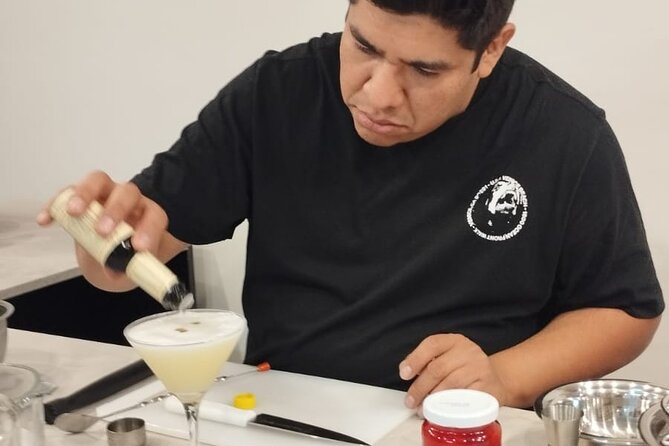
At $69 per person, this is not the cheapest food lesson in Cusco. The price makes more sense when you count what is included: the market tour, chef instruction, all ingredients, cooking equipment, cocktail equipment, three dishes, two cocktails, bottled water, and recipes.
You are also paying for access to a chef who can explain local ingredients and help you navigate the market. That is more useful than buying a recipe book, especially if you want to understand what you are seeing in Cusco rather than simply eat a prepared meal.
The value is strongest for three types of people:
- You want a cultural activity that includes food but is more active than a standard restaurant meal.
- You are vegan or vegetarian and want Peruvian dishes adapted carefully.
- You like to cook and want recipes you can repeat at home.
The value is weaker if your main goal is a long market tour, since the market visit is one part of a four-hour class. It is also less appealing if you want a formal culinary school setting or a private lesson guaranteed from the start.
The class is often booked about three weeks ahead, with an average booking lead time of 21 days. I would reserve early if your Cusco schedule is tight, especially because the group is limited to 10 people.
Who will get the most from this class
I would recommend this experience most strongly to solo visitors, couples, and small groups who want to meet other people while doing something practical. The small group setup leaves room for conversation, and past class accounts describe an international mix of people cooking together.
It is also a good choice for a solo person whose companion is doing another activity. The class has gone ahead with only one participant, so a solo booking may still work even if the group is small.
Vegan diners should find the menu useful, but I would make the dietary request unmistakable at the beginning. People with allergies should do the same. The class states that food restrictions can be accommodated, but the safest approach is to explain exactly what you cannot eat before preparation begins.
This may not be ideal for someone who dislikes alcohol, though nonalcoholic drinks are available. It may also be a poor fit if you have limited time and need an activity that finishes at a highly predictable pace. The duration is approximately four hours, and cooking with a group can take a little longer or shorter depending on the pace.
The meeting point is near public transportation, and service animals are allowed. The activity starts and ends at San Pedro Market, which makes it easier to fit into a day in central Cusco.
Cancellation and small practical details
You receive confirmation when booking. Free cancellation is available until 24 hours before the local start time, with a full refund. Within 24 hours, cancellations and changes are not accepted for a refund.
Wear something comfortable for a hands-on cooking session, though no special equipment is listed as necessary. Arrive at the correct San Pedro Market entrance, and look for door number one on the lower part of the green main door.
The recipes are sent after the class, and all ingredients and equipment are supplied. Bottled water is included, so you do not need to buy drinks during the session.
Should you book the Cusco vegan cooking class?
I would book this if you want to understand Peruvian food by handling ingredients, making dishes, and eating what you prepare. The San Pedro Market visit gives the class a stronger local connection than a studio-only lesson, while the ceviche, causa limeña, quinoa tamal, and cocktails provide plenty to do over four hours.
My one caution is the vegan wording. The experience can be fully plant-based, and that is how several class accounts describe it, but the description also allows for a broader class with vegan alternatives. Confirm your requirements when you book and repeat them to the chef at the start.
At $69, I consider it a fair buy for a small, food-focused experience that includes a market visit, a meal, drinks, instruction, equipment, and recipes. It is especially suitable for a vegan or vegetarian visitor who wants more than a restaurant meal and would like to recreate a taste of Cusco at home.
FAQ
Where does the cooking class begin?
The class begins at Mercado Central de San Pedro, located at Thupaq Amaru 477, Cusco 08002, Peru.
Where does the activity end?
The activity ends back at the San Pedro Market meeting point.
How long does the experience last?
The cooking class and market visit take approximately four hours.
What dishes do I prepare?
You prepare vegan ceviche, causa limeña, and a quinoa tamal.
Are cocktails included?
Yes. Two class cocktails are included, along with the ingredients and equipment needed to make them.
Can people under 18 drink alcohol during the class?
No. Under Peruvian law, alcohol is available from age 18. People under 18 receive nonalcoholic drinks, with bottled water replacing pisco.
Can the class accommodate allergies or food restrictions?
Yes. Food restrictions and allergies can be accommodated, but you should tell the chef at the start of the class.
How many people can join the class?
The activity has a maximum of 10 participants.
Can I cancel for a full refund?
Yes. You can cancel at least 24 hours before the local start time for a full refund. Cancellations or changes made within 24 hours are not refunded.
More Shopping Tours in Cusco
- Medellín Multi-sensory Tour in the market, +15 Exotic Fruits
★ 5.0 · 113 reviews - Buenos Aires: San Telmo and Market Guided Walking Tour
★ 4.8 · 102 reviews - Quito Old Town Tour: History, Market Visit & Ice Cream Tasting
★ 4.5 · 91 reviews - Belen Market and La Venecia Loretana Tour With A Local Guide
★ 5.0 · 85 reviews
More Cooking Classes in Cusco
- Buenos Aires: Empanadas and Alfajores Guided Cooking Class
★ 4.8 · 486 reviews - Buenos Aires: Empanada & Alfajor Cooking Lesson in Palermo
★ 4.6 · 186 reviews - Cooking class in Salvador, an authentic dinning experience
★ 5.0 · 132 reviews - 3h Cooking Class in Mendoza with 7 Recipes & Bottomless Drinks
★ 5.0 · 125 reviews
Just added around Cusco
- rainbow mountain full day★ 5.0 · 44 reviews
- Rainbown mountain cusco 1 Day★ 4.5 · 72 reviews
- Manu National Park Tour 4days/3night★ 5.0 · 69 reviews
- Tour to the HUMANTAY LAGOON from CUSCO★ 5.0 · 35 reviews
- Cusco Private Airport Transfer: Fast, Reliable Hotel Drop-Off★ 5.0 · 80 reviews
- 1 Day Tour to Palccoyo (Alternative Rainbow Mtn) from Cusco, Peru★ 5.0 · 53 reviews
- 5-Day: Salkantay Trek to Machupicchu and Humantay Lake★ 5.0 · 42 reviews
- Rainbow Mountain Tour★ 5.0 · 72 reviews
Cooking Classes, compared.
Cusco: Peruvian Cooking Class, Cocktails & Local Market Tour
Read our review →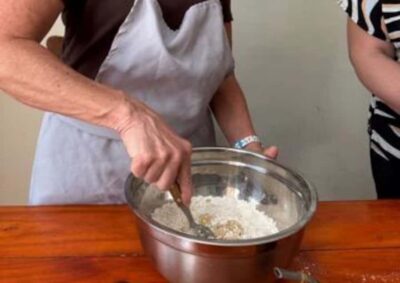
Cooking class and market tour with a local chef
Read our review →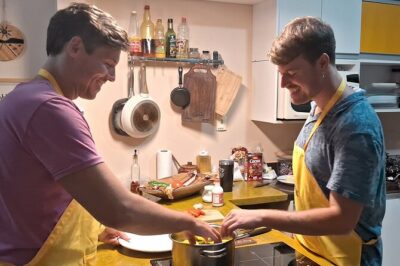
Cooking class in Salvador, an authentic dinning experience
Read our review →
3h Cooking Class in Mendoza with 7 Recipes & Bottomless Drinks
Read our review →
BA: Empanadas and Alfajores Cooking Experience in Palermo
Read our review →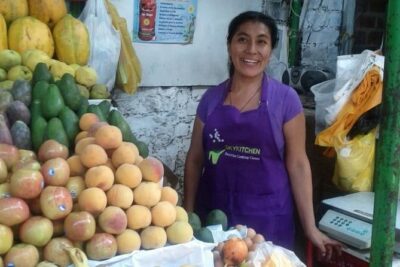
Market Tour, Tasting of 35 Fruits, and 4-Course Peruvian Cooking Class in Lima
Read our review →Browse the lists this tour appears in