
Reviewed · COOKING CLASSES
Buenos Aires: Empanadas and Alfajores Guided Cooking Class
Buenos Aires puts its food culture on the table in this friendly home cooking class. You make empanadas from dough to filling, learn the twisted repulgue seal, prepare alfajores with dulce de leche, and share mate in an actual Argentine home rather than a formal cooking school.
I like the small group of eight and the way the class mixes cooking with conversation about Argentina. I also like that you eat what you make, with enough food to count as dinner. The main drawback is that one empanada filling may be repeated, and some people at the end of the table may have trouble seeing every demonstration.
At a Glance
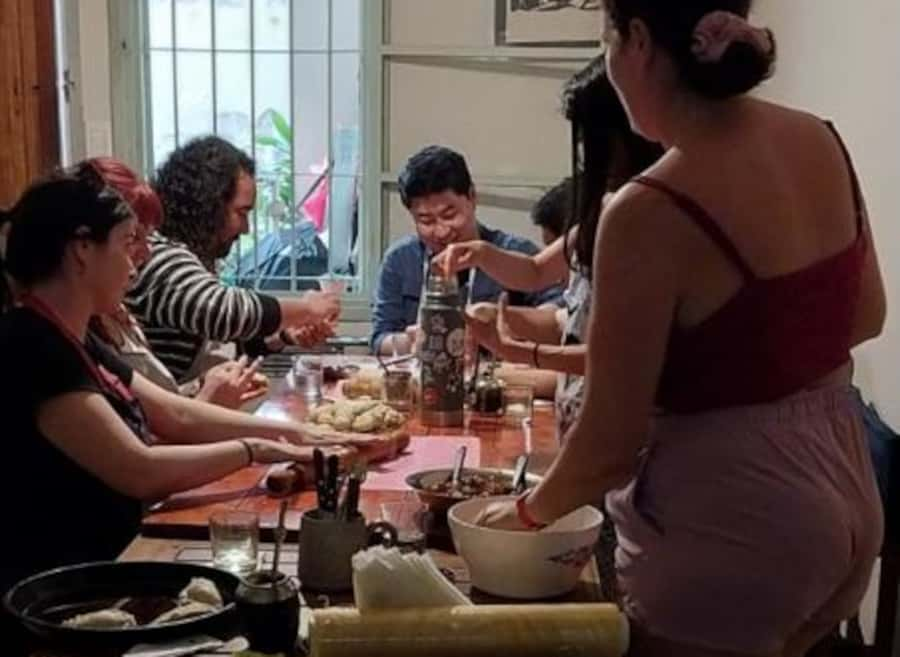
- Cook in a real Buenos Aires home: The setting feels personal, informal, and tied to everyday Argentine life.
- Learn the repulgue: You will practice the distinctive twisted edge used to seal empanadas.
- Make both savory and sweet dishes: The class covers empanadas plus corn-starch alfajores filled with dulce de leche.
- Share traditional mate: You will learn how this herbal drink is prepared and served.
- Eat a full meal for $37: Ingredients, mate, water, and the food you prepare are included.
- Keep the group intimate: The class is limited to eight people and runs for three hours.
Cooking Argentine Food in a San Telmo Home
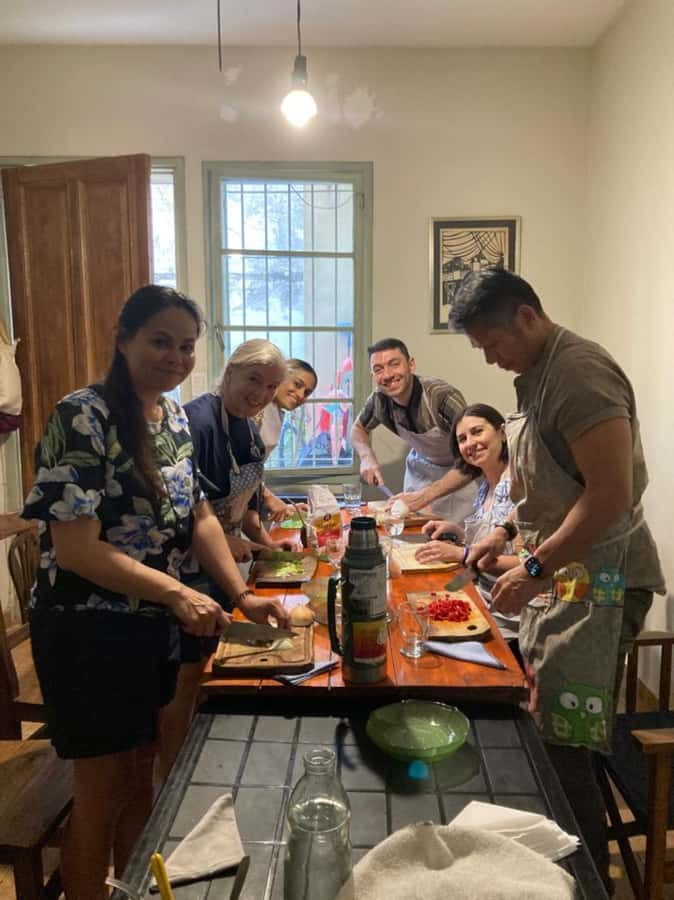
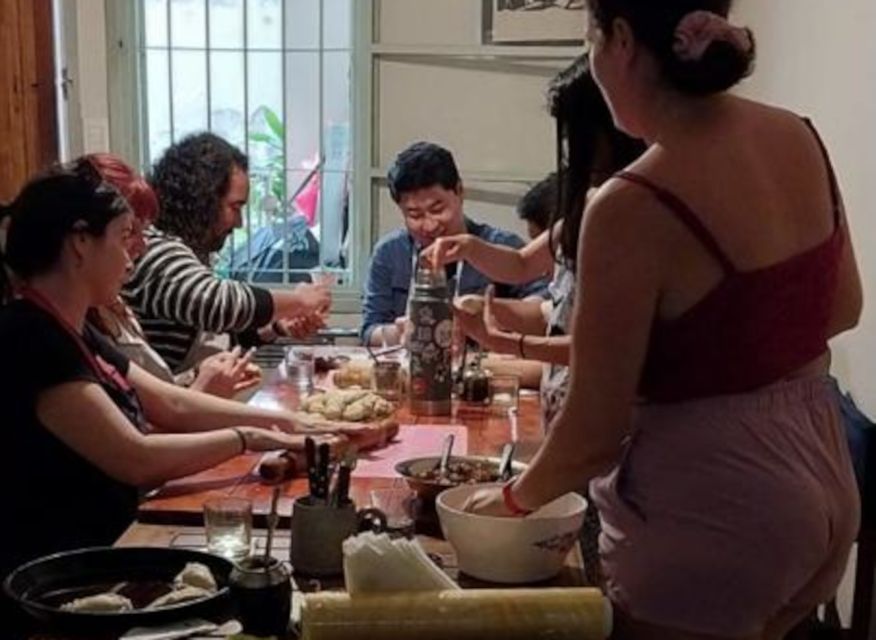
The class meets at Paseo Colon 1355 in San Telmo. You ring the bell at the starting time, so arrive with the address ready and allow a little extra time to find the entrance. The class takes place in a home, and that matters: you are not simply watching a chef work at a demonstration counter. You are stepping into a family space and cooking with the hosts.
The atmosphere is one of the strongest parts of the experience. A family of hosts provides the kitchen, equipment, and table, and the small size makes it easier to ask questions or get help with a difficult fold. Past sessions have included hosts named Thomas, Sophia, Maria, and Stella, so the exact mix may depend on the date you choose.
English and Portuguese are available. That makes a real difference in a hands-on class, where a quick explanation about dough texture or sealing technique is more useful than a printed translation. The hosts also bring in cultural details about Buenos Aires, Argentine food customs, and daily life.
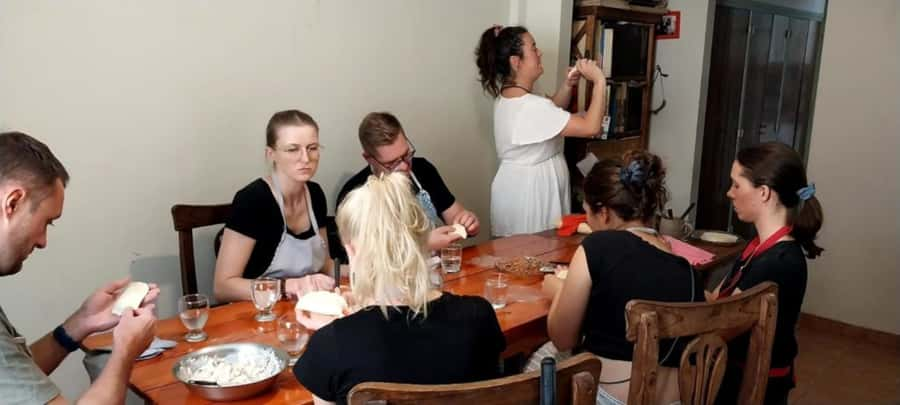
The home setting does come with tradeoffs. It is cozy rather than spacious, and one person noted that those seated at the ends of the table could not always see the demonstration clearly. If you want a polished, professional kitchen with every step projected on a screen, this is not that. If you prefer a personal meal in a local setting, the informal arrangement is part of the appeal.
More Cooking Classes in Argentina
- Buenos Aires: Empanada & Alfajor Cooking Lesson in Palermo
★ 4.6 · 186 reviews - BA: Empanadas and Alfajores Cooking Experience in Palermo
★ 5.0 · 112 reviews - Argentinian Empanadas Cooking Experience in Palermo, Bs As
★ 4.8 · 50 reviews
Empanadas From Dough to Repulgue
Empanadas are the main event. These filled pastries are eaten across Argentina at many times of day, and the class explains the basics that make them so useful: dough wrapped around a filling, then baked or fried depending on the style.
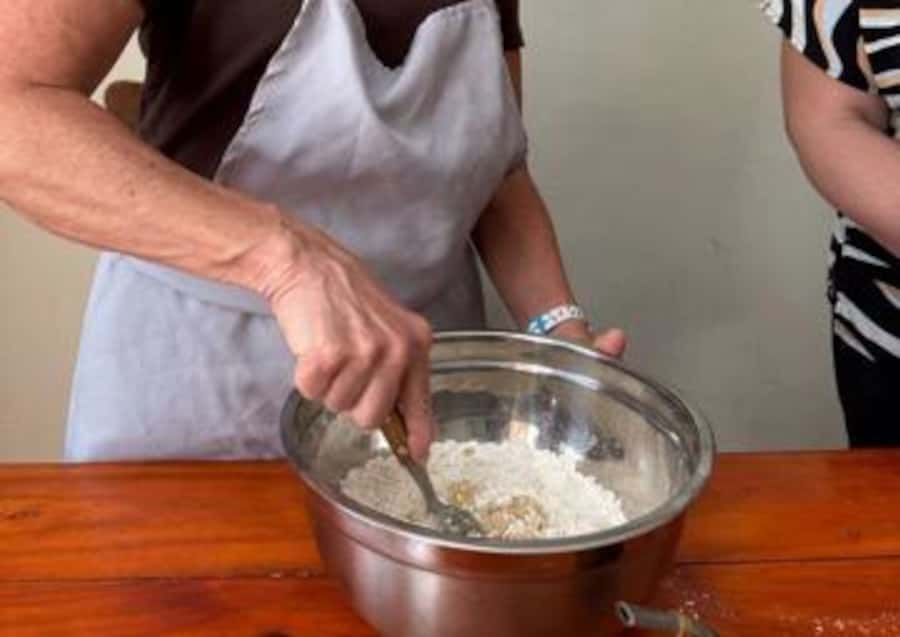
You work through the process step by step. The class covers the dough, the filling, and the final seal. You will handle the ingredients rather than simply watch, then shape your own pastries and practice the repulgue, the twisted or folded edge that keeps the filling inside and gives the empanada its classic look.
The filling options include a traditional meat preparation and a vegetarian alternative. That is helpful if your group has different diets. You should confirm the exact choices at the class, since the available fillings can vary. One practical limitation is that the class may prepare the same meat filling for two rounds instead of offering two different savory flavors. If tasting variety is your main goal, ask about the fillings before booking.
The class is suitable for cooks of different skill levels, including families with teenagers. You do not need to arrive with pastry experience. Still, the instructions may feel a little fast if you rarely cook, so pay close attention during the demonstrations and ask for help before sealing a pastry that is overfilled.
This is also where the class earns its value. You learn a technique you can repeat at home, not just a dish you sample once. The repulgue takes practice, and your first attempt may look less tidy than the host’s. That is fine. The point is to understand the dough, the amount of filling, and the pressure needed to close it.
Mate, Argentina’s Shared Herbal Drink
While the food comes together, you learn about mate, Argentina’s traditional herbal drink. The class shows you how to prepare it and how it is shared in the traditional style.
Mate is more than a hot drink. The preparation and serving ritual help explain a social habit that may otherwise seem unfamiliar when you see it on the streets of Buenos Aires. Here, you can ask questions while trying it yourself, and the hosts explain the basic customs in a relaxed way.
Mate is included, along with water. Wine is not included, though it is available to buy. That gives you the choice to keep the meal simple or add a glass if you want something more suited to dinner.
I especially like the way mate breaks up the cooking. It gives the group something to talk about while the food is being prepared, and it provides a small cultural lesson without turning the evening into a lecture. If you do not care for herbal drinks, you can still take part in the demonstration and focus on the food.
Alfajores With Corn Starch and Dulce de Leche
The sweet course is alfajores, one of Argentina’s best-known treats. In this class, you make the corn-starch style, then fill the cookies with creamy dulce de leche.
The texture and assembly are different from the empanadas, which makes the second half of the class feel like more than a repeat of the first. You move from savory dough and filling to delicate cookie rounds and a rich center. The result is a useful introduction to Argentine baking, especially if you want to recreate a familiar local snack after returning home.
Dulce de leche is essential here. Its thick, caramel-like sweetness gives the alfajor its character, while the corn-starch cookie keeps the pastry light and tender. You prepare the cookies as part of the group’s work, then eat them after the cooking is finished.
The class includes everything you make, so you are not left with a tiny tasting portion. Several participants have found there was enough food to make a full dinner, with some empanadas left over to take away. Bring a container only if you already have one and the hosts permit it, since the supplied details do not promise takeaway packaging.
More Food Tours in Argentina
- Buenos Aires: 9-Course Argentine Meat Tasting at Fogón Asado
★ 4.9 · 826 reviews - Buenos Aires: Local Foodie Adventure with Sherpa Food Tours
★ 4.9 · 670 reviews - Buenos Aires: Wine Tasting and Lunch at Bodega Gamboa
★ 4.8 · 177 reviews - Buenos Aires Food Tour: Local Dishes, Steak, Empanada & More
★ 5.0 · 118 reviews
Three Hours of Cooking and Conversation
The three-hour format gives the class enough time for cooking, mate, explanations, and the shared meal. It is not a quick demonstration squeezed between sightseeing stops. You have time to prepare the ingredients, shape the food, bake or cook it, and sit down together afterward.
The social side is just as important as the recipes. People arrive as strangers, then work side by side at the same table. The hosts keep the mood light, and the group often becomes part of the meal rather than a set of separate bookings.
That makes this a good choice for solo participants and couples who want an easy way to meet people. It also works for families. Teenagers and older children can take part directly, though very young children may find a three-hour hands-on session demanding. The activity is wheelchair accessible, which is useful for visitors who need an accessible option, although the home layout is not described in detail.
The teaching style depends partly on who leads your session. Thomas has been praised for his humor and calm manner, while Sophia has been noted for her explanations of Buenos Aires and Argentine traditions. Maria has hosted in a more than 100-year-old home, and Stella has helped keep the table organized. These details point to a family-run experience, but they also mean the tone can vary by date.
What You Actually Eat
The meal includes the empanadas and alfajores you prepare, plus mate and water. That is a generous setup for $37 per person. You are paying for instruction and a meal, not just a plate of food.
The value improves if you care about learning. A restaurant empanada costs less than a cooking class, but it does not show you how to prepare the dough, build the filling, or make the seal. Here, you leave with a method you can repeat and, in many cases, recipes to use at home.
One practical point deserves attention: make sure you receive the recipes before leaving. The hosts share them afterward, but the process has not always been automatic. Some people have needed to request them or follow the host on Instagram first. I would ask directly at the end of the class rather than assume the recipes have already arrived.
The food is also substantial enough that you should not plan a large dinner before the class. The exact quantity depends on the group and the day, but the format is built around eating the work you have prepared.
Is $37 a Fair Price?
Yes, provided you want a participatory activity rather than a formal meal. For $37, you receive three hours of instruction, ingredients, mate, water, and a meal. You also get a small group, cultural discussion, and access to a real home in San Telmo.
The price is particularly fair for couples, solo visitors, and families who would otherwise pay separately for dinner and an organized cultural activity. The class also saves you from choosing among dozens of empanada shops without learning what makes the food distinctive.
The value is less clear if you already cook Argentine food regularly or mainly want to taste many different fillings. The focus is on learning a set preparation, and the savory choices may be limited. You should also expect a home kitchen, not restaurant-level service or a polished culinary studio.
Free cancellation up to 24 hours before the start time and reserve-now, pay-later booking make it easier to fit the class into a changing Buenos Aires schedule. Check the available starting times when you book, since the class lasts three hours.
Who Should Book This Class?
I would choose this for anyone who wants food culture with a personal touch. It suits:
- Solo visitors: The shared table gives you a natural way to meet people.
- Couples: You can cook together and turn the class into a relaxed evening meal.
- Families with older children or teenagers: The work is practical, social, and easy to understand.
- First-time visitors to Argentina: You get an introduction to empanadas, alfajores, mate, and local customs in one sitting.
- Vegetarians: A vegetarian empanada option is available alongside the traditional meat filling.
- Cooks at home: The techniques and recipes are useful after the trip.
I would be more cautious if you need a highly structured professional course, want several different empanada fillings, or dislike close group settings. The class is small, but that also means the table can feel compact and the demonstrations may not be equally easy to see from every seat.
Practical Tips Before You Go
Confirm the meeting address, Paseo Colon 1355 in San Telmo, and ring the bell at the scheduled start time. The activity is not described as including hotel pickup, so plan your own way to the meeting point.
Wear something comfortable for standing, shaping dough, and working around food. No special cooking background is required, but listen carefully during the dough and sealing steps. If you have dietary needs, ask about the filling choices before you book.
At the end, request the recipes in person. If you want wine, budget for it separately. Most important, arrive hungry enough for a full meal and ready to share a table with people you have not met.
Should You Book It?
Book this class if you want to understand Argentine food by making it yourself. The strongest reasons are the home setting, the small group, the mix of savory and sweet dishes, and the chance to learn mate without leaving the table.
Skip it if your priority is a restaurant meal, a large tasting menu, or a technical pastry course with many filling options. For most visitors, though, $37 buys a useful skill, a generous dinner, and a warm introduction to Argentine food culture. Ask for the recipes before you leave, and try to sit where you can clearly see the demonstrations.
FAQ
Where does the cooking class meet?
Meet at Paseo Colon 1355 in San Telmo at the scheduled starting time. Ring the bell when you arrive.
How long does the activity last?
The cooking class lasts three hours.
What foods will I make?
You will make Argentine empanadas with savory fillings and alfajores made with corn starch and dulce de leche. You will also learn how to prepare traditional mate.
Is a vegetarian option available?
Yes. A vegetarian empanada filling is available alongside a traditional meat filling.
What languages are offered?
Instruction is available in English and Portuguese.
What is included in the price?
The price includes the cooking class, ingredients, mate, water, and the meal made during the activity. Wine is not included, but it can be purchased.
More Cooking Classes in Buenos Aires
- Private Argentine Cooking Class and Tango Lesson in Buenos Aires
★ 5.0 · 37 reviews - Premium Empanadas Cooking Class & Wine Tasting Experience
★ 4.9 · 35 reviews - Cusco: Peruvian Cooking Class, Cocktails & Local Market Tour
★ 4.9 · 512 reviews - Cooking class and market tour with a local chef
★ 5.0 · 186 reviews
More Food Tours in Buenos Aires
- San Telmo: Historical Guided Tour with Street Food & Drinks
★ 5.0 · 87 reviews - Food Tour in Buenos Aires City in Small Groups
★ 5.0 · 72 reviews - BA Flavors Food Tour in San Telmo and Boca With Local Guide
★ 5.0 · 67 reviews - Premium Argentinian Wines and Malbec Tasting Experience
★ 4.6 · 60 reviews
Just added around Buenos Aires
- Private Airport Transfer In or Out: Aeroparque (AEP)–Buenos Aires★ 5.0 · 73 reviews
- Sailing with Wine Tasting in Buenos Aires★ 5.0 · 50 reviews
- Traditional Argentine FoodTour with optional Michelin Experience★ 4.5 · 56 reviews
- Experience The Essence of Buenos Aires in San Telmo★ 5.0 · 51 reviews
- Tigre Speedboat – The Delta s Captain – CITYSAILING TIGRE★ 5.0 · 75 reviews
- Unique Tailored Tours – The Hummingbird Trip★ 5.0 · 69 reviews
- Private Airport Transfer in or out with english speaking driver.★ 4.5 · 69 reviews
- Tango Porteño Show with Optional Dinner in Buenos Aires★ 4.5 · 58 reviews
Cooking Classes, compared.
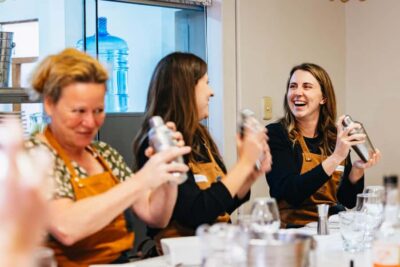
Cusco: Peruvian Cooking Class, Cocktails & Local Market Tour
Read our review →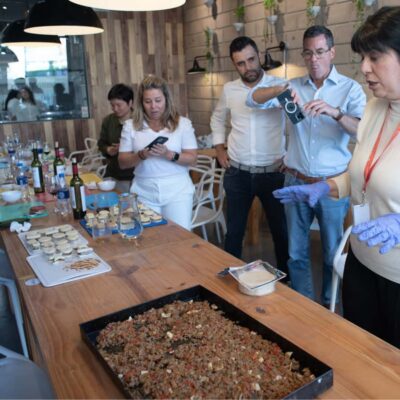
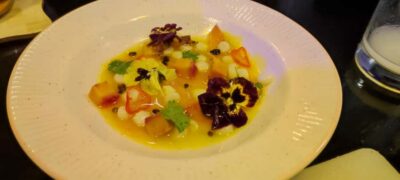
Cooking class and market tour with a local chef
Read our review →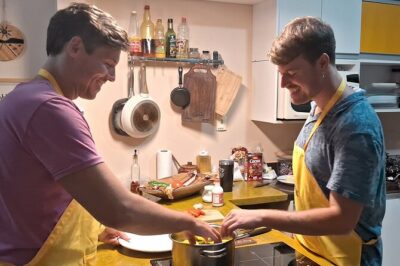
Cooking class in Salvador, an authentic dinning experience
Read our review →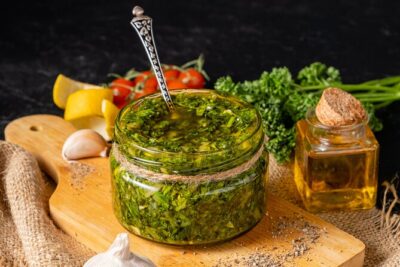
3h Cooking Class in Mendoza with 7 Recipes & Bottomless Drinks
Read our review →
BA: Empanadas and Alfajores Cooking Experience in Palermo
Read our review →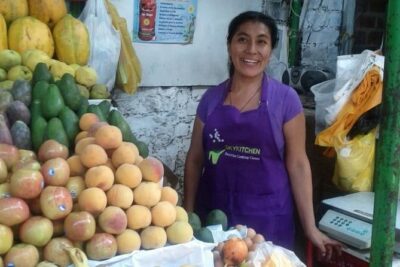
Market Tour, Tasting of 35 Fruits, and 4-Course Peruvian Cooking Class in Lima
Read our review →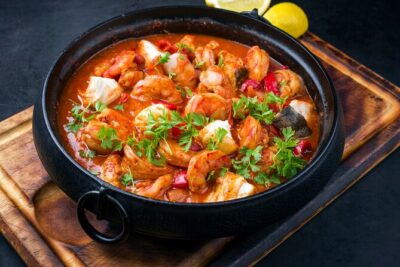
4h Cooking Class in Salvador with 9 Recipes & Bottomless Drinks
Read our review →Browse the lists this tour appears in