
Reviewed · WINE TOURS
Premium Argentinian Wines and Malbec Tasting Experience
Argentina’s wine story comes into focus over three glasses: Torrontés, Pinot Noir, and Malbec. In a Palermo Soho venue, your host links each pour to Mendoza, Salta, and Patagonia, using maps, grape varieties, and production methods to explain why the wines differ. Guides such as Lourdes, Faku, Tomas, and Pamela have made the session warm and easy to follow.
I like the clear regional comparison and the food pairing, especially the cheese, salami, and local appetizer served with the wine. I also like that the class is small enough in spirit to allow questions, with guides often explaining aroma, appearance, taste, and food matches rather than simply passing glasses around.
The main caution is practical: the meeting address appears as both Gorriti 4882 and Gorriti 4886, and the details describe the visit as both 90 minutes and two hours. Confirm the final meeting point and timing before you set out.
Key Points Before You Book
- Three important Argentine grapes: Taste Torrontés, Pinot Noir, and Malbec in one sitting.
- A useful regional map: Compare Mendoza, Salta, and Patagonia without leaving Palermo Soho.
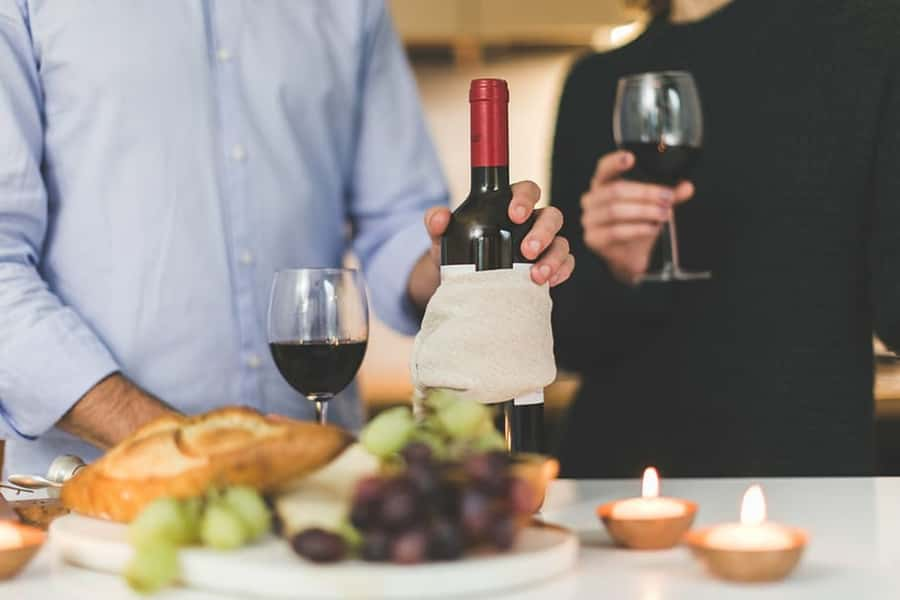
- Food is part of the lesson: Cheese, salami, and a typical appetizer show how local wines work at the table.
- Strong guiding is central: Lourdes, Faku, Tomas, Pamela, and other hosts have been praised for clear explanations and friendly conversation.
- Good evening stop: The tasting lasts about 90 minutes and leaves you in Palermo Soho with plenty more to do.
- Plan for access and transport: The venue is not suitable for wheelchair users, hotel pickup is not included, and an Uber or taxi may be the easiest way to arrive.
Three Grapes, Three Windows Into Argentina

This experience works because it does not treat Argentine wine as one single style. You taste three varieties and hear how the country’s major vineyard areas affect what ends up in your glass.
Malbec is the headline act, as it should be in an introduction to Argentine wine, but it is not the only reason to book. Torrontés brings attention to a local white grape, while Pinot Noir gives you a chance to compare a red variety with Malbec. The point is not to turn you into a wine expert in 90 minutes. It is to give you a useful map for ordering wine during the rest of your time in Argentina.
Your host explains the wine industry, local grape varieties, vineyard locations, and different vintages as you taste. That order matters. Instead of hearing a long lecture first and then trying to remember it all, you connect each explanation to the glass in front of you.
I especially like this format for anyone who knows Malbec by name but has little sense of the country behind it. You leave with more than a favorite pour. You have a basic way to think about Argentine wine by region, grape, and food pairing.
More Food Tours in Argentina
- Buenos Aires: 9-Course Argentine Meat Tasting at Fogón Asado
★ 4.9 · 826 reviews - Buenos Aires: Local Foodie Adventure with Sherpa Food Tours
★ 4.9 · 670 reviews - Buenos Aires: Empanadas and Alfajores Guided Cooking Class
★ 4.8 · 486 reviews
What Happens at Gorriti in Palermo Soho
You meet at Gorriti 4882 in Palermo Soho, although the practical information also gives Gorriti 4886. These numbers are close, but you should still check the final confirmation so you do not begin the evening by wandering up and down the block.
The setting has been described as bright, with a high ceiling, and some sessions have taken place in an intimate cellar-style room. The exact room may vary, but the important point is that this is a sit-down tasting rather than a winery visit. You are in Buenos Aires, not out among the vineyards.
That is both a strength and a limitation. You gain an easy-to-reach city experience in one of Buenos Aires’ popular neighborhoods, with no long trip to a winery. On the other hand, you will not see vines, cellars, barrels, or a working production site. The production story comes through maps, discussion, and the wines themselves.
The guide introduces Argentina’s wine-making past and present. One particularly useful teaching aid has been a set of original antique maps, used by Faku to show how the country’s wine areas developed. If historical details help you remember places, this kind of visual explanation should make the regional differences easier to follow.
Mendoza, Salta, and Patagonia in One Sitting
The most valuable part of the session is the comparison between Argentina’s three main vineyard regions.
Mendoza is presented as one of the country’s key wine areas, and it is closely tied to the Malbec conversation. Salta gives you another regional point of comparison, while Patagonia broadens the picture beyond the better-known central wine country.
The host discusses how these regions differ in flavor and character. You should not expect a technical university lecture, but you will hear about vineyard locations, grape varieties, production, and vintages in a way that relates directly to the samples.
This regional frame is useful later in your trip. If you see a bottle from Mendoza on a restaurant list, you will understand why the name matters. If you encounter a Salta or Patagonian wine, you will have a reason to try it rather than reaching automatically for Malbec.
The session also helps correct a common mistake: assuming every Argentine red is Malbec. Pinot Noir gives the tasting a different red wine to consider, and Torrontés shows that Argentine wine is not only about dark grapes. I would book this especially early in your Buenos Aires stay, since the basic regional guide can help with wine choices at dinner afterward.
How the Tasting Is Served
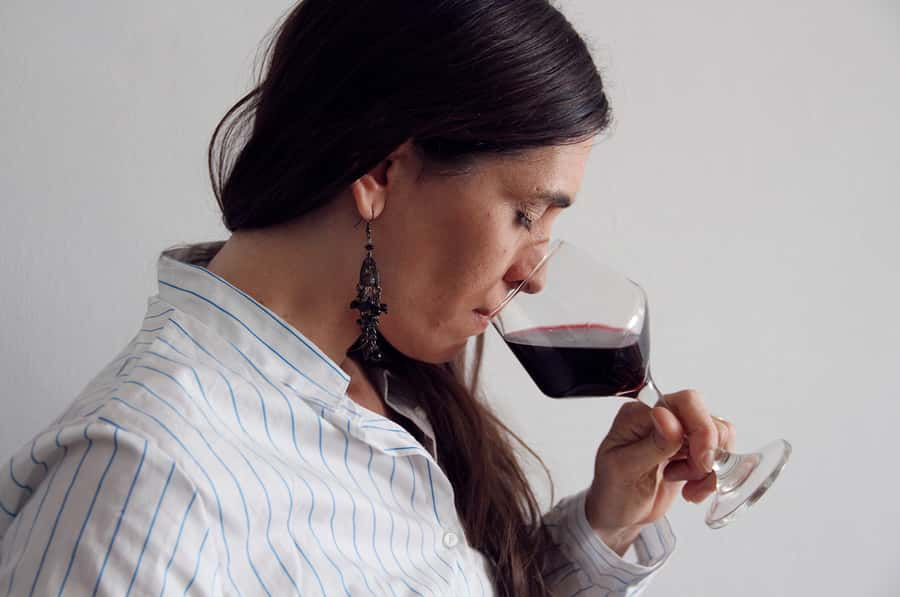
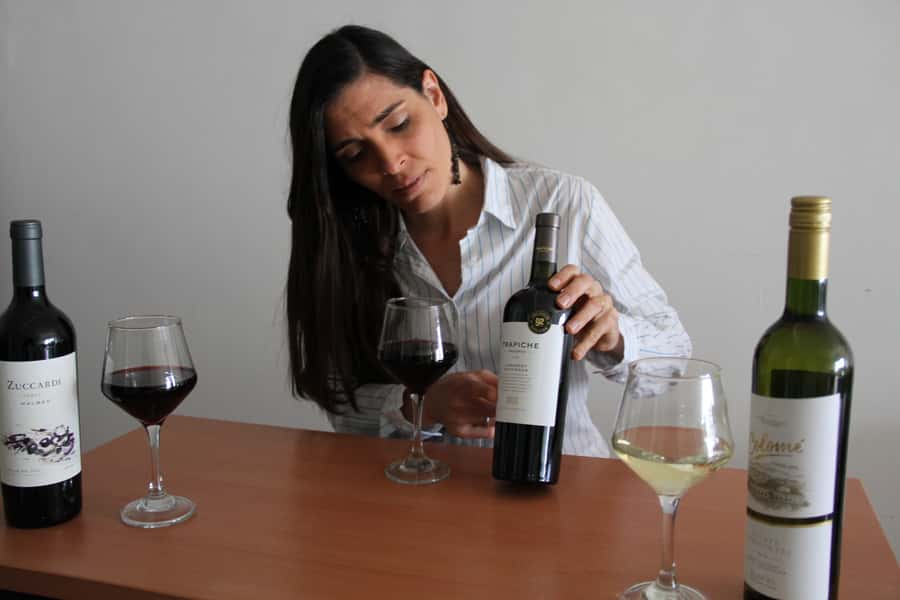
The stated tasting includes Torrontés, Pinot Noir, and Malbec. Your host explains the appearance, aroma, and taste of each wine, then discusses how it can work with different foods.
The accompanying food includes cheese, salami, and a typical Argentine appetizer. The food is not just filler between pours. It gives you a simple demonstration of pairing, which is often more useful than a list of tasting terms.
A small piece of cheese can change how a wine feels. The same goes for cured meat or a local snack. This lets you judge the pairing for yourself rather than taking the guide’s word for it. You may find that the food makes one wine seem softer, fuller, or more balanced, but the session is designed to help you notice those differences.
The portions have been described as generous, which is worth noting at a $50 price. Still, this is a tasting, not a full dinner. I would arrive ready for a substantial snack, but not replace your evening meal with it unless you know you need very little food.
Dietary needs deserve advance attention. One host, Myrian, adjusted the food for a participant with celiac disease, lactose intolerance, kidney problems, and a meat-free diet. That is encouraging, but you should not assume every restriction can be handled automatically. Share your needs when booking or before arrival.
More Food Tours in Buenos Aires
- Buenos Aires: Empanada & Alfajor Cooking Lesson in Palermo
★ 4.6 · 186 reviews - Buenos Aires: Wine Tasting and Lunch at Bodega Gamboa
★ 4.8 · 177 reviews - Buenos Aires Food Tour: Local Dishes, Steak, Empanada & More
★ 5.0 · 118 reviews - BA: Empanadas and Alfajores Cooking Experience in Palermo
★ 5.0 · 112 reviews
The Guides Make or Break the Evening
The strongest part of this experience is the human side. A wine tasting can become stiff when the host recites facts and keeps moving. Here, the best sessions appear to leave room for questions and conversation.
Lourdes has been praised for explaining the qualities of each wine and for making people feel at home. Faku used antique maps while discussing the development of Argentine wine-making, then helped with broader questions about what to see and do in Buenos Aires. Tomas focused on regional wine history, production, and the qualities of the wines in the glasses.
Pamela has led sessions described as both informative and enjoyable, while Andrea was noted for making an intimate cellar setting feel relaxed. These names matter because the guide is not a minor part of the package. The guide is the experience.
Languages offered are English, Spanish, and Portuguese. That makes the class useful for a mixed-language group, though the exact host and language for your date are not specified. If you have a strong preference, request it when booking rather than assuming it will be assigned.
The rating is 4.6 out of 5 from 60 reviews, with repeated praise for the hosts’ wine knowledge, kindness, clear teaching, and willingness to answer questions. One lower score was still positive, describing interesting facts and nice wines. That is a fair picture: the session is well regarded, but your enjoyment will depend partly on how much you like guided tasting and discussion.
Is $50 a Fair Price?
At $50 per person, the value depends on what you want from the evening. The price includes the professional guide, three wines, food, and the instructional part of the tasting. You are paying for a structured introduction, not simply for three glasses.
I see the price as reasonable for someone who wants context with the wine. A bottle shop tasting might cost less, but it would not necessarily give you a clear comparison of Mendoza, Salta, and Patagonia, or explain Argentine wine production in a planned sequence.
The value is also better if you use the session as a starting point. Afterward, you can order Argentine wine with more confidence, recognize Torrontés and Malbec on a menu, and ask better questions about the origin of a bottle.
It is less compelling if you already know Argentine wine well or mainly want a large meal. The tasting lasts about 90 minutes, and the food is an appetizer-style accompaniment. You may prefer a full restaurant meal or a visit outside the city if your main goal is to see vineyards and production facilities.
For a first introduction, though, the mix of education, food, and three wines gives you a fair amount for the price. The generous pours noted by one participant also help, but pace yourself. The experience is meant to teach you how to taste, not to rush through the glasses.
Timing, Transport, and Small Practical Points
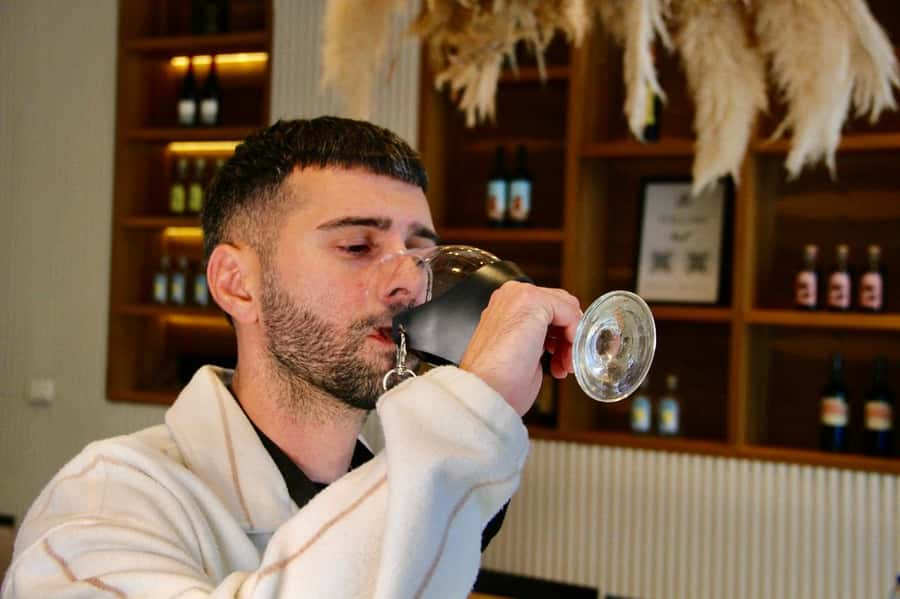
The published duration is 90 minutes, while one part of the schedule describes the Palermo visit as two hours. Allow roughly two hours in your evening so you are not pressed for time if the conversation runs long or the start is slightly delayed.
There is no hotel pickup or drop-off. You make your own way to Gorriti in Palermo Soho. One direct tip is to use an Uber, taxi, or another arranged ride if that is easier for you. Public transport may also be possible, but the supplied information does not specify a route, so check your map app from your hotel.
The activity goes ahead in rain or storms. Buenos Aires weather will not cancel the tasting, so take a rain jacket or arrange transport that does not leave you exposed to bad weather.
The experience is not suitable for wheelchair users, and children under 18 cannot join. Those limits make this a better fit for adult couples, friends, solo visitors, and anyone building an evening around food and drink in Palermo Soho.
Cancellation is flexible: you can cancel up to 24 hours before the start for a full refund. The reserve-now, pay-later option also helps if your Buenos Aires schedule is still changing.
Who Will Enjoy This Most?
I would recommend this to you if you want an accessible introduction to Argentine wine without leaving Buenos Aires. It suits people who enjoy learning through conversation, like trying several varieties, or want a useful first step before ordering wine at restaurants.
It is also a good choice for a birthday or an easy evening activity. The hosts have handled special occasions and dietary needs with care, and the food pairing gives the event more shape than a simple standing drink.
Wine beginners may get the most from it, but experienced wine drinkers can still enjoy the regional comparison. The main question is whether you already know the Argentine wine areas well. If you do, the class may feel basic unless you particularly value the food and social setting.
You should skip it if you want to visit an actual vineyard, see wine being made, or eat a full dinner. The location is Palermo Soho, and the teaching happens through tasting and conversation rather than on-site production.
Should You Book It?
Book this experience if you want three classic Argentine varieties, a clear introduction to Mendoza, Salta, and Patagonia, and a relaxed food pairing in Palermo Soho. The guides are the key asset, with Lourdes, Faku, Tomas, Pamela, and others praised for making the information easy to understand and enjoyable to discuss.
Before paying, confirm whether your session begins at Gorriti 4882 or Gorriti 4886, check the exact duration, and mention dietary requirements. If you are happy with a city tasting rather than a vineyard excursion, $50 buys a useful and social introduction to Argentina’s wine culture.
FAQ
Where does the wine tasting take place?
The meeting point is in Palermo Soho, Buenos Aires, at Gorriti 4882. The practical information also lists Gorriti 4886, so confirm the exact number before you go.
How long does the experience last?
The activity is advertised as 90 minutes. One schedule description refers to a two-hour Palermo visit, so allow about two hours in your plans.
Which wines will I taste?
You will taste Torrontés, Pinot Noir, and Malbec.
What food is included?
Food and drinks are included. The tasting is paired with cheese, salami, and a typical Argentine appetizer or local snacks.
Which languages are available?
The live guide may conduct the experience in English, Spanish, or Portuguese.
Is hotel transportation included?
No. Hotel pickup and drop-off are not included, so you must arrange your own way to and from Palermo Soho.
Can children or wheelchair users join?
Children under 18 are not permitted, and the activity is not suitable for wheelchair users.
More Wine Tours in Buenos Aires
- Mendoza: Half-Day Wine Tour with Tastings
★ 4.3 · 727 reviews - Jolimont Winery Tour – Visitation and Tasting – Canela RS
★ 4.5 · 613 reviews - From Salta: Full-Day Tour to Cafayate with Wine Tasting
★ 4.5 · 478 reviews - Santiago: Maipo Valley Wine Tasting Tour with 4 Vineyards
★ 4.8 · 450 reviews
More Wine Tours in Argentina
- Buenos Aires: Palacio Barolo Guided Night Tour with Wine
★ 4.4 · 54 reviews - Discover Argentine Wines Paired with Delicious Tapas
★ 5.0 · 51 reviews - Sailing with Wine Tasting in Buenos Aires
★ 5.0 · 50 reviews - Premium Empanadas Cooking Class & Wine Tasting Experience
★ 4.9 · 35 reviews
Just added around Buenos Aires
- Private Airport Transfer In or Out: Aeroparque (AEP)–Buenos Aires★ 5.0 · 73 reviews
- Sailing with Wine Tasting in Buenos Aires★ 5.0 · 50 reviews
- Traditional Argentine FoodTour with optional Michelin Experience★ 4.5 · 56 reviews
- Unique Tailored Tours – The Hummingbird Trip★ 5.0 · 69 reviews
- Experience The Essence of Buenos Aires in San Telmo★ 5.0 · 51 reviews
- Tigre Speedboat – The Delta s Captain – CITYSAILING TIGRE★ 5.0 · 75 reviews
- Private Airport Transfer in or out with english speaking driver.★ 4.5 · 69 reviews
- Tango Porteño Show with Optional Dinner in Buenos Aires★ 4.5 · 58 reviews
Wine Tours, compared.
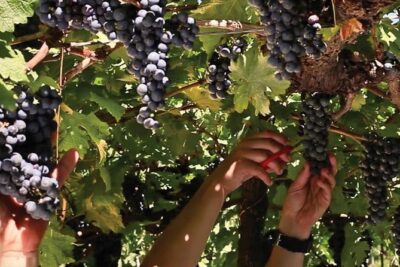
Jolimont Winery Tour – Visitation and Tasting – Canela RS
Read our review →
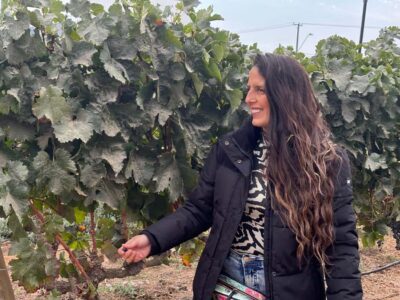
Maipo Valley Wine Tasting Tour with 4 Vineyards
Read our review →
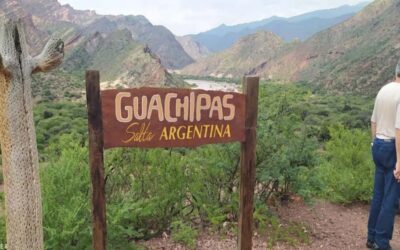

Full-Day Tour Cafayate Calchaqui Valleys with Wine
Read our review →
Lima: Paracas & Huacachina Oasis Day Trip with Wine & Dunes
Read our review →
Browse the lists this tour appears in