
Reviewed · COOKING CLASSES
Cooking Class & Market Tour in Cuenca
Cuenca’s best food lesson may begin with a shopping basket, not a recipe book. You visit Mercado 10 de Agosto, choose ingredients with your guide, then carry them into a local family kitchen for lunch. I like the market-to-table format and the chance to learn dishes such as locro de papas and seco de pollo. I also like that the meal, ingredients, transport, and guide are included in the price.
The main thing to consider is the kitchen itself. A traditional home kitchen can feel warm and genuine, but it may be tight, so you might not spend every minute chopping or stirring. If you want a polished cooking school with a large work station for each person, this is not that kind of class.
Key points
- Mercado 10 de Agosto comes first: Choose ingredients while your guide explains Ecuadorian produce, fruits, and cooking customs.
- The meal is cooked in a local home: You visit a welcoming family kitchen rather than a commercial classroom.
- Wilson, Alexandra, and Peter are named guides: Guide quality and translation help can make the market visit much easier.
- You may learn classic dishes: Possible recipes include locro de papas and seco de pollo, with the exact menu depending on the class.
- The group is limited to eight people: That keeps the outing fairly personal, though kitchen space may still be limited.
- $54.99 covers the main costs: Hotel pickup and drop-off, ingredients, lunch, coffee or tea, taxes, and guide service are included.
Why the market visit makes this class work
The first stop is Mercado 10 de Agosto, one of Cuenca’s local markets. The purpose is practical: you help select the ingredients needed for lunch. That small task changes the class from a demonstration into a food story you can follow from purchase to plate.
You can expect your guide to explain local and unusual fruits, help with Spanish, and point out the ingredients that matter in Ecuadorian cooking. Peter, Wilson, and Alexandra are among the guides associated with this experience. Wilson, in particular, has been praised for translating at the market and explaining the food in a relaxed way.
I like this opening because it gives you context before the cooking begins. A bowl of potatoes means more when you have just seen the produce being sold by regional farmers and vendors. You also get a better sense of how Ecuadorian cooks shop, rather than simply arriving at a kitchen where every ingredient has already been measured.
The market is not only a place to buy food. It is where you start learning the flavor combinations and ingredients that shape the meal. Your guide may introduce fruits you have not tried before and explain how they fit into local eating habits. That makes the visit useful even if you are more interested in eating than cooking.
The pace should feel casual rather than rushed. The complete experience lasts about four hours, and the market is only the first part. Still, market conditions can be lively, and you should be ready to walk, look closely, and ask questions instead of expecting a quiet classroom setting.
More Cooking Classes in Cuenca:
- Cusco: Peruvian Cooking Class, Cocktails & Local Market Tour
★ 4.9 · 512 reviews - Buenos Aires: Empanadas and Alfajores Guided Cooking Class
★ 4.8 · 486 reviews - Cooking class and market tour with a local chef
★ 5.0 · 186 reviews
From Mercado 10 de Agosto to a family kitchen
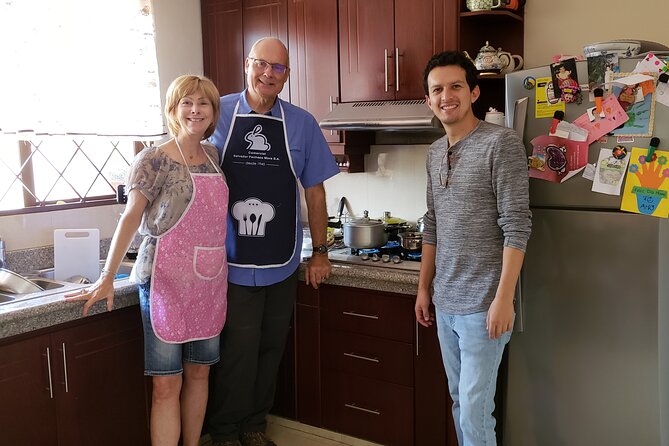
After shopping, you continue to a local family home for the cooking class. This is the heart of the experience, and it gives the outing a personal touch that a restaurant lesson usually cannot match.
The host family welcomes you into its kitchen, where the chef leads you through the meal step by step. Depending on the menu, you might prepare locro de papas, a hearty Ecuadorian potato soup, or seco de pollo, a traditional chicken dish. The exact choice is not fixed in the information provided, so you should ask about the menu if a particular dish matters to you.
The cooking is hands-on, but the amount of hands-on work can vary. You are invited to help, and you may pick up useful techniques along the way. One participant even learned a new way to chop an onion. Still, a home kitchen is not designed like a cooking studio, and several people may not fit comfortably around the work surface at once.
That is the central trade-off. The setting feels more like being welcomed into someone’s home than attending a professional lesson, which gives the class its strongest sense of place. On the other hand, you may spend some of the preparation time watching the chef rather than doing every step yourself.
If you are booking as a couple or a solo visitor, the small maximum group of eight should help. It does not guarantee constant access to the counter, but it limits the size of the outing. Solo visitors may also find the format easy to join, as Peter’s market outing with a solo participant showed how much a guide can shape the experience through conversation and Spanish help.
What the meal tells you about Ecuadorian cooking
The food is not an afterthought. The point is to show you how Ecuadorian dishes use simple ingredients, local produce, and layered flavors. Ecuadorian cuisine is sometimes overlooked beside the better-known food traditions of Peru, but this class gives you a direct way to understand its character.
Locro de papas is a useful example. The potato soup is hearty and filling, and it was singled out as an especially good part of the meal. A bowl like this shows why Ecuadorian food can be comforting rather than showy. It is the kind of dish where the quality of the potatoes, seasoning, and preparation matters more than elaborate presentation.
Seco de pollo offers a different route into local cooking. The dish gives you a chance to see how Ecuadorian cooks build flavor in a main course, using the ingredients selected at the market. Since the menu can include different options, the class may be better for learning the style of cooking than for mastering one guaranteed recipe.
Lunch is included, as are the ingredients used to prepare it. Coffee and tea are also provided, and the fruit drink received special praise for its flavor. That drink is a small but worthwhile part of the meal because it connects the fresh produce seen at the market with what arrives at the table.
I would approach the lunch as a home-cooked meal, not a restaurant tasting menu. Portions, presentation, and the amount of formal instruction may be less standardized. In return, you get food prepared in a family setting and the chance to sit down after seeing how it came together.
A closer look at the guides
The guide can make or break a market tour, since much of the value comes from explanation and translation. The named guides connected with this experience include Wilson, Alexandra, and Peter.
Wilson has been praised for being punctual at pickup, helping with translation, explaining fruits and ingredients, and making the visit comfortable. Those details matter in a market, where Spanish names and unfamiliar produce can otherwise leave you guessing. His family connection to the home kitchen also gave the experience a personal link, since the lunch took place at his aunt’s house.
Alexandra helped lead a cooking session and was described as part of a friendly, welcoming team. Peter guided a solo participant through the market and helped with Spanish. You should not assume that one specific guide will lead your date, but these names give you a useful idea of the kind of personal guide service available.
The guide is also your driver and local interpreter. Hotel pickup and drop-off are included, which removes the need to arrange separate transport across Cuenca. The experience is near public transportation as well, though the included pickup is the simpler choice if your accommodation is covered.
More Shopping Tours in Cuenca:
- Pisac Indian Market and Ollantaytambo Fortress with Lunch
★ 4.5 · 395 reviews - Lima: Historic Center Street Food, Market, and Eateries Tour
★ 4.9 · 216 reviews - Cusco City Sightseeing, San Pedro Market, Cathedral and Qorikancha Temple
★ 4.5 · 139 reviews - Medellín Multi-sensory Tour in the market, +15 Exotic Fruits
★ 5.0 · 113 reviews
Is $54.99 a fair price?
At $54.99 per person, this is not just a cooking lesson. The price includes hotel pickup and drop-off, a guide and driver, the market visit, all cooking ingredients, lunch, coffee or tea, taxes, and handling charges.
That package makes the cost reasonable if you would otherwise pay separately for transport, a market tour, and a meal. It also saves you from buying ingredients you may not know how to use. For a four-hour experience, the main value comes from combining several small activities into one organized morning or afternoon.
The price is less compelling if your main goal is advanced culinary training. You may not get a personal cutting board, a printed lesson structure, or a long period of independent cooking. The class is better understood as a cultural food experience with practical cooking included.
The maximum group size is eight. That is small enough to avoid a large tour-bus feel, but the kitchen may still feel crowded if the group reaches its limit. If direct participation matters most to you, ask how many people are booked and what dish is planned.
The experience is booked an average of 31 days in advance, so I would not leave it until the last minute if your schedule in Cuenca is fixed. That advance-booking pattern does not guarantee a sellout on your date, but it is a good reason to reserve early, especially if you need a vegetarian or vegan menu.
Who will enjoy this Cuenca food experience?
I would choose this tour if you want food to help explain the city. It suits curious eaters, solo visitors, couples, and anyone who prefers a local home setting to a formal cooking school.
It is also a good choice if you want a gentle introduction to Ecuadorian ingredients. You do not need to arrive with strong cooking skills. The guide and chef lead the process, and the meal gives you an immediate reward at the end.
Vegetarians and vegans can request an option when booking. Do that in advance rather than waiting until the market visit, since the ingredients and menu need to be planned.
Families and groups should think about the kitchen size. The activity allows up to eight people, but the cooking area may not let everyone work at once. If you are comfortable taking turns, watching some preparation, and enjoying the social side, that limitation should be manageable.
I would be more cautious if you want a tightly timed, highly technical lesson. The class has a casual feel, and the home setting is part of the appeal. You are paying for contact with local food culture as much as for knife skills.
Timing, pickup, and cancellation details
The experience lasts about four hours. Hotel pickup and drop-off are included, so provide accurate accommodation details when you book. Confirmation is sent at the time of booking.
The tour requires a minimum number of participants. If that minimum is not reached and the operator cancels, you can choose another date or experience, or receive a full refund.
You can cancel for a full refund up to 24 hours before the start time. Cancellations and changes made less than 24 hours before the start are not accepted for a refund, and the cut-off follows Cuenca’s local time.
Because the class involves buying food and coordinating a home kitchen, the 24-hour rule is worth taking seriously. Make sure your schedule is settled before the final cancellation window closes.
Should you book the cooking class?
Book it if you want a personal, food-centered introduction to Cuenca rather than a formal culinary course. The combination of Mercado 10 de Agosto, a local family kitchen, a fresh lunch, and guide translation gives you a clear sense of how ingredients move from market stall to dining table.
The strongest reasons to go are the market explanations, the welcoming hosts, and the chance to eat dishes such as locro de papas or seco de pollo after helping prepare them. The main caution is the limited kitchen space, which can reduce your time at the counter.
For $54.99, the package is good value because it includes transport, food, instruction, and the market visit. Request a vegetarian or vegan option when booking, reserve ahead if your dates are firm, and choose this experience for its local setting and relaxed pace. If that sounds better than a polished cooking studio, it is a smart addition to a Cuenca itinerary.
FAQ
How long does the Cooking Class and Market Tour in Cuenca last?
The experience lasts approximately four hours.
What market does the tour visit?
The first stop is Mercado 10 de Agosto in Cuenca, where you help select the ingredients needed for lunch.
What food might I prepare?
Possible dishes include locro de papas and seco de pollo. The exact menu can vary, so ask about the planned dishes when booking.
Is lunch included?
Yes. The price includes the prepared lunch, all ingredients, and coffee or tea.
Can I request a vegetarian or vegan meal?
Yes. Vegetarian and vegan options are available, but you must advise the operator when booking.
How many people can join the experience?
The tour has a maximum of eight participants.
Just added around Cuenca
- Cuenca to/from Guayaquil Private Transfer★ 5.0 · 38 reviews
- Cuenca to Guayaquil one-way tour with Cajas Park and a Cacao Farm visit★ 5.0 · 50 reviews
- Cultural Tour Ingapirca Ruins + Gualaceo & Chordeleg from Cuenca★ 5.0 · 44 reviews
- Full Day Tour Gualaceo, Chordeleg, and San Bartolomé from Cuenca★ 5.0 · 55 reviews
- Cuenca Your Way Exclusive Private City Tour★ 5.0 · 44 reviews
- Ingapirca Ruins & Inca mountain face tour from Cuenca with Small Group★ 5.0 · 45 reviews
- Private Shuttle Cuenca to/from Guayaquil★ 5.0 · 50 reviews
- Guayaquil to Cuenca one-way tour with Cajas Park and a Cacao Farm visit★ 5.0 · 49 reviews
Cooking Classes, compared.
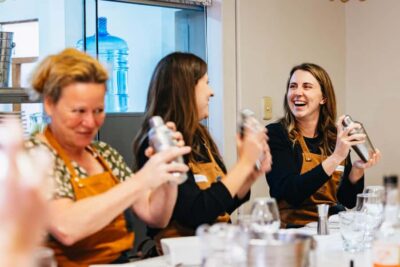
Cusco: Peruvian Cooking Class, Cocktails & Local Market Tour
Read our review →
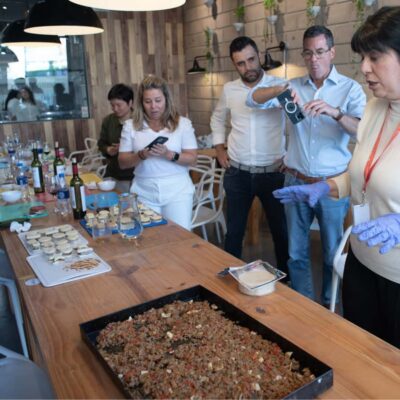
Cooking class and market tour with a local chef
Read our review →
Cooking class in Salvador, an authentic dinning experience
Read our review →
3h Cooking Class in Mendoza with 7 Recipes & Bottomless Drinks
Read our review →
BA: Empanadas and Alfajores Cooking Experience in Palermo
Read our review →
Market Tour, Tasting of 35 Fruits, and 4-Course Peruvian Cooking Class in Lima
Read our review →Browse the lists this tour appears in