
Reviewed · COLCA CANYON TOURS
3-Day Colca Canyon trek with Professional Guide
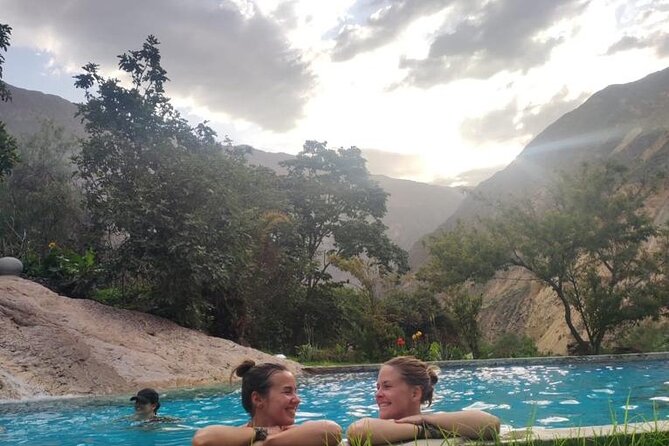
The best part of this trek is the change in scale. At Cruz del Condor, you look across one of Peru’s great canyon views, then spend three days walking down into that enormous cut in the earth. By the second afternoon, you are far from Arequipa’s traffic, relaxing beside natural pools at Sangalle.
I like the three-day pace, which gives you time to enjoy the canyon instead of treating it as a race. I also like the small-group limit of 10, the included meals, and the guides’ strong record for explaining local plants, animals, farming, and Peruvian culture. The main catch is simple: this is a serious hike. The first descent is steep and hot, and the final climb begins very early.
Key points before you book
- Cruz del Condor begins the adventure: You get canyon views and a chance to watch Andean condors in flight before walking down.
- Three days makes a real difference: Two nights in the canyon give you more time at the bottom and reduce the rushed feeling of a shorter trek.
- Sangalle is the reward on day two: Natural pools and a warm afternoon offer a welcome break after village paths and canyon walking.
- The final climb is the hard test: You start in darkness, then continue upward toward the thermal baths at Chacapi.
- Guides are a major strength: Marcos, Ghersy, Jean Carlos, César, Jonathan, and Markus are praised for good pacing, local information, and friendly care.
- Budget for extra costs: The park entrance is $20 per person, the hot springs cost $5, and the final-day lunch is 45 soles.
Why three days works better in Colca Canyon
Colca Canyon is not a quick viewpoint stop. The famous lookout is only the opening scene. The real experience comes from walking down the canyon walls, spending the night among small communities, and waking up close to the canyon floor.
That is why I think three days is the sensible choice for most people who are fit enough to hike. A two-day version has to compress the same dramatic descent and difficult climb into less time. Here, you get two nights in the canyon, with an afternoon to slow down instead of rushing from one steep section to the next.
The tour starts at about 3:00 a.m. from Arequipa. That early departure is not glamorous, but it serves a purpose. It gets you to Cruz del Condor in time for the main condor viewing period and leaves enough daylight for the descent.
The group is capped at 10 people. That matters on a steep trail. A guide can keep the pace manageable, help the group stay together, and explain what you are seeing without turning the walk into a large bus tour.
More Hiking Tours in Arequipa
- From Arequipa: Sillar Route Trek
★ 4.2 · 461 reviews - From Arequipa: 2-Day Colca Canyon Trekking Tour
★ 4.8 · 243 reviews - 2 Day 1 Night Trek / Colca Canyon
★ 4.5 · 92 reviews
Day one: condors, canyon walls, and a steep descent
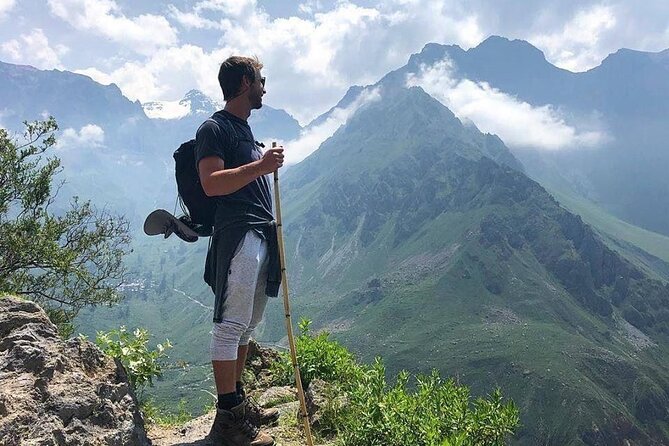
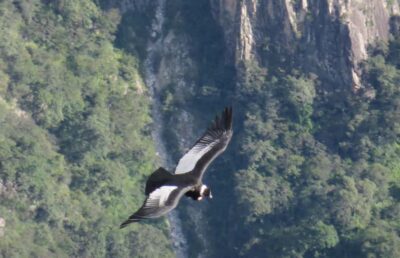
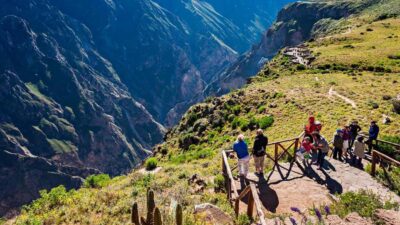
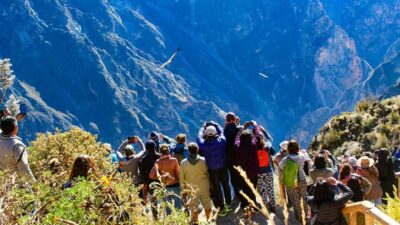
The first stop is Mirador Cruz del Condor, one of the best-known viewpoints in the Colca Valley. From here, you can see the canyon’s depth, the surrounding mountains, and condors riding the rising air.
The birds are the star, but the setting is just as important. You are looking down into a huge gorge while the route ahead leads into it. The viewpoint gives you a sense of the vertical scale before your legs have to deal with it.
After the stop, you walk for about four hours down the canyon. This is where the tour becomes a proper trek rather than a sightseeing excursion. The descent is steep, and the sun can feel strong because there is little shade. Bring hiking shoes with a firm grip, and use poles if you have them. The practical benefit is clear: poles reduce the strain on your knees during the long downhill sections.
The first day lasts about eight hours, including sightseeing and walking. You spend the night in a small village with canyon views and a chance to see a quieter side of local life. Agriculture and livestock remain important in these communities, and the route passes through places where long-standing customs are still part of daily work.
The overnight accommodation is basic, not a resort. That is part of the point, but you should set your expectations correctly. Some accommodation is described as clean and comfortable, with gardens and simple cabins. Private rooms may be available for an added charge, so ask before departure if that matters to you.
Day two: village paths and Sangalle’s natural pools
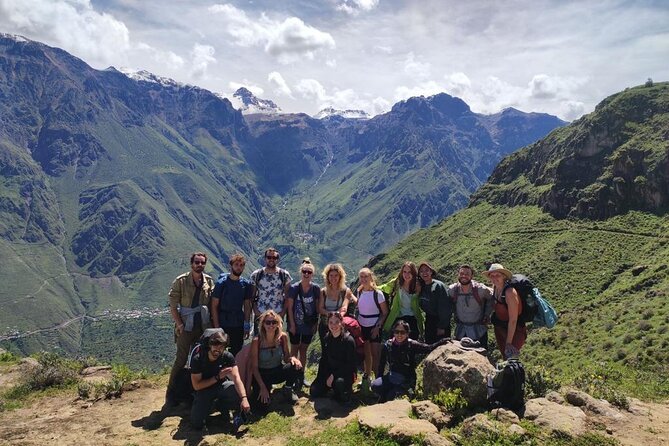
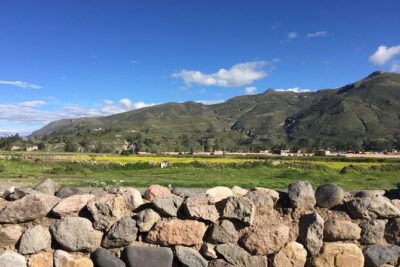
The second day brings about four hours of walking through small communities and agricultural areas. This section gives the trek its human side. You are not only looking at rock walls. You are passing through places where local people continue to farm and raise animals in a demanding mountain environment.
A guide can add a lot here. Marcos, Ghersy, Jean Carlos, César, Jonathan, and Markus have each been praised for explaining the canyon, plants, animals, history, and wider Peruvian culture. Guide quality can make a quiet village walk far more interesting, especially when the scenery itself begins to feel familiar after several hours.
Around midday, you reach Oasis Sangalle. The name fits the setting: after the dry, steep walls above, the greenery and pools at the bottom feel like a change of world. The natural pools give you time to relax during the warmest part of the day.
This is the strongest argument for choosing three days. You can enjoy Sangalle rather than simply pass through it. Use the afternoon to rest, swim, read, or sit in the garden areas around the lodge. You have already completed the hardest downhill work, but you still need energy for the climb out.
The second night is another simple lodge stay. Food is included, with two breakfasts, two lunches, and two dinners covered during the tour. Portions are described as generous, and the meals are an important convenience because food options are limited once you are inside the canyon. You still need to pay for your last-day lunch.
Day three: the pre-dawn climb and Chacapi hot springs
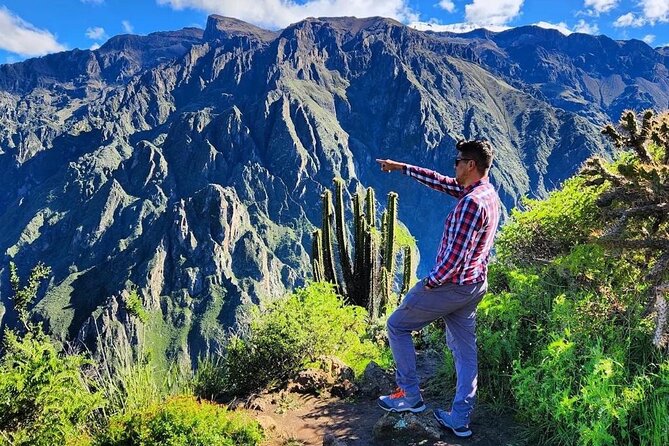
The final day starts very early. You climb out of the canyon before sunrise, often walking in darkness at the beginning. This timing is practical rather than theatrical. The route is exposed, the climb is long, and an early start helps you avoid some of the strongest heat.
The ascent is the part you need to take most seriously. The descent on day one can be tough on the knees, but climbing out requires steady effort for several hours. The exact difficulty will depend on your fitness, weather, pace, and how well you handled the first two days.
The group pace is a useful feature. Guides have been praised for keeping everyone together without forcing the fastest walkers to wait endlessly or the slower walkers to panic. You should still expect a moderate fitness level at minimum. This is not a casual walk with a few scenic steps.
After the climb, the route heads to Chacapi hot springs. The stop lasts about an hour and offers a chance to loosen tired muscles after the canyon ascent. The thermal bath fee is not included, so carry the equivalent of $5 per person.
The morning light is another reward. Walking in darkness and watching the sunrise develop over the canyon can be one of the most memorable parts of the route. You do not need a dramatic speech from the guide to appreciate it. The combination of tired legs, cold early air, and widening views does the work.
More Hiking Tours in Peru
- 4 hours Tour: Route of Sillar with Trek in Culebrillas
★ 4.2 · 69 reviews - Private 3 Day Colca Canyon Trekking tour (superior Service)
★ 5.0 · 58 reviews - Trekking, Waterfalls and Thermal Baths
★ 4.5 · 47 reviews - 2 Day Trek Including Transfer to Puno / Colca Canyon
★ 4.5 · 38 reviews
Guides who add real value
The guide can shape this trip more than the accommodation. A good guide controls the pace, watches the group on steep ground, and turns the walk into more than a sequence of viewpoints.
This company uses different guides, so you may be led by Marcos, Ghersy, Jean Carlos, César, Jonathan, or Markus. The strongest pattern is consistent: friendly personalities, clear information, and attention to the group.
César is praised for making the trek fun while explaining Colca Canyon and Peru. Jonathan is noted for allowing people to walk at their own speeds. Markus is praised for his knowledge of plants and animals. Ghersy is repeatedly described as friendly and helpful, and Jean Carlos is praised for his information about the canyon and for creating a welcoming atmosphere.
That variety matters because you cannot choose the guide with certainty from the tour details. Still, the overall guide record is unusually strong, with a 4.8 rating from 40 reviews and 100 percent recommendation. Treat that as an encouraging sign, not a guarantee of a particular personality or pace.
Food, lodges, and what the $98 price covers
At $98 per person, the tour is priced as a budget-friendly multi-day trek. The value comes from combining transport, guiding, accommodation, and most meals in one package. For a three-day route in a remote canyon, included food and organized logistics reduce the amount of planning you need to do yourself.
The included meals are:
- Three breakfasts
- Two lunches
- Two dinners
Food is described as good and plentiful, which is useful after long walking days. You should not expect restaurant choice or luxury dining in the canyon. You are paying for dependable meals in a remote setting, not a culinary tour.
The lodges are basic but clean, with some cabins described as comfortable and surrounded by gardens. You may be able to pay extra for a private room. Ask about that before departure, since sleeping arrangements can matter after a steep day on the trail.
The price does not include the $20 park entrance fee, the $5 Chacapi hot springs fee, or the final-day lunch at 45 soles. Those costs are not huge compared with the tour price, but they should be included in your budget. Carry local currency for the smaller payments.
The tour also offers a useful option for continuing to Puno. Luggage can be stored at the trek’s starting location, and a transfer to Puno has been arranged for some departures. Do not assume this is included in every booking unless it is confirmed for your date, but it may save time if Colca Canyon is part of a larger southern Peru route.
How hard is the trek?
The official requirement is moderate physical fitness. That is accurate, but the phrase should not be read as easy.
The first day includes a steep descent of about four hours. Hot weather and a lack of shade can make it harder than the distance suggests. Day two is less punishing, but you are still walking on uneven canyon paths. Day three brings the major climb out, starting before sunrise.
You should be comfortable walking for several hours, handling steep grades, and managing your own water and personal items. Hiking shoes are important. Poles are a smart addition, especially for the downhill sections. If you are unsure about your fitness, the three-day route is kinder than a shorter version because it spreads the experience over more time.
The early starts also affect the trip. You leave Arequipa at 3:00 a.m. on day one, and day three begins very early. Plan for limited sleep before the first day and a tired body at the end. The reward is cooler walking conditions and better timing for condor viewing and sunrise.
Small group advantages and limits
A maximum of 10 people is a good size for this route. It allows the guide to answer questions, adjust the pace, and keep an eye on the group at difficult sections. It also makes the village stays and lodge evenings feel less like a mass excursion.
The limit is not a guarantee that every group will have the same pace or mood. You may be walking with people at different fitness levels. The guides’ ability to keep the group together is therefore important, and the feedback about comfortable pacing is reassuring.
The tour is near public transportation, but the information does not specify every pickup detail. Confirm where you meet before the 3:00 a.m. start. At that hour, a clear meeting point matters more than it would for a midday departure.
Free cancellation is available if you cancel at least 24 hours before the local start time. Cancellations within 24 hours are not refunded, and changes inside that period are not accepted. The experience also requires a minimum number of participants, with an alternative date or full refund offered if the operator cancels for that reason.
Who should book this Colca Canyon trek?
You should consider this tour if you want a proper canyon hike rather than a viewpoint visit. It fits you best if you enjoy long walking days, simple accommodation, local communities, and a schedule that trades comfort for access to the canyon floor.
The three-day format is especially good for anyone who wants time at Sangalle. It also suits people who prefer a steady group pace and a guide who can explain local wildlife, farming, and culture along the way.
You may want another option if you dislike steep descents, early starts, basic lodges, or extra fees paid along the route. A short visit to Cruz del Condor will be less demanding, though it will not give you the same sense of moving through the canyon.
Should you book it?
I would book this trek if you are prepared for the climb and want more than a quick Colca Canyon photo stop. The price is fair for three days of guiding, accommodation, and most meals, and the included time at Sangalle gives the trip room to breathe.
Pack proper hiking shoes, poles, sun protection, and enough local currency for the park fee, hot springs, and final lunch. Choose the three-day version for the better pace, not because it is easy. You will work for the views, but you will also have time to enjoy the canyon instead of simply passing through it.
FAQ
How long is the Colca Canyon trek?
The experience lasts about three days. Day one and day two are listed at about eight hours each, while day three includes the climb out and a one-hour stop at Chacapi hot springs.
What time does the tour start?
The stated start time is 3:00 a.m. Confirm the exact meeting point before departure, since the information provided does not specify one fixed pickup location.
Are meals included?
Yes. The tour includes three breakfasts, two lunches, and two dinners. The final-day lunch is not included and costs 45 soles.
Is the park entrance fee included?
No. The park entrance costs $20 per person and must be paid separately.
How much does the Chacapi hot springs visit cost?
The hot springs fee is not included. The stated price is $5 per person.
How many people can join the trek?
The group can have a maximum of 10 people. The tour requires a minimum number of participants, and a full refund or different date or experience is offered if the operator cancels because that minimum is not reached.
More 3-Day Trips in Arequipa
- Tambopata Peruvian Amazon Jungle for Three Days/Two Nights
★ 4.5 · 329 reviews - San Pedro de Atacama: 3-Day Activity Combo with 4 Tours
★ 4.6 · 247 reviews - 3-Day Tour to Salt Flats and Lagoons
★ 4.5 · 168 reviews - From Uyuni: Red Lagoon & Uyuni Salt Flats 3-Day Guided Tour
★ 4.4 · 160 reviews
More Colca Canyon Tours
- From Arequipa: Colca Canyon Full-Day Guided Tour with Meals
★ 4.5 · 982 reviews - 2-Day Tour Colca Canyon in Arequipa with end in Puno
★ 4.6 · 248 reviews - Colca Canyon Plus
★ 5.0 · 198 reviews - From Arequipa: Full Day Tour of Colca Canyon with Meals
★ 4.4 · 146 reviews
Just added around Arequipa
- Turist Bus Colca Canyon (Chivay) To Puno★ 5.0 · 83 reviews
- Trekking, Waterfalls and Thermal Baths★ 4.5 · 47 reviews
- Salinas National Reserve PRIVATE TOUR★ 5.0 · 81 reviews
- Sillar Route in Arequipa and viewpoint of the Volcanoes★ 4.0 · 71 reviews
- Sillar Route and Culebrillas Petroglyphs★ 4.5 · 89 reviews
- Full Day Tour / Colca Canyon★ 4.0 · 70 reviews
- Colca Full Day★ 5.0 · 57 reviews
- Private 3 Day Colca Canyon Trekking tour (superior Service)★ 5.0 · 58 reviews
Colca Canyon Tours, compared.
2-Day Tour Colca Canyon in Arequipa with end in Puno
Read our review →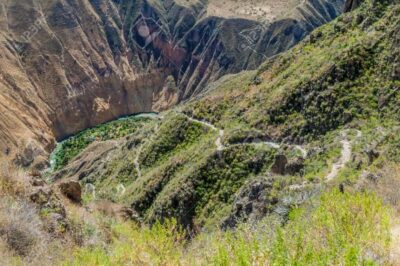
From Arequipa: 2-Day Colca Canyon Trekking Tour
Read our review →
From Arequipa: Full Day Tour of Colca Canyon with Meals
Read our review →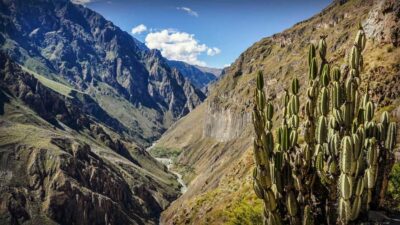
From Arequipa: Colca Canyon Day Trip with Transfer to Puno
Read our review →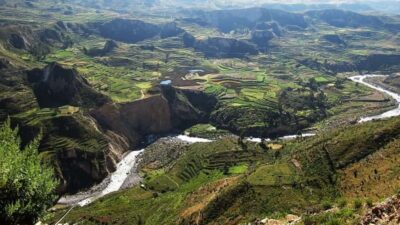
From Puno to Arequipa: 2 Days/1 Night Colca Canyon Tour
Read our review →Browse the lists this tour appears in