
Reviewed · COLCA CANYON TOURS
Colca Canyon Plus
Colca Canyon Plus gives you more than a quick photo stop at the famous condor viewpoint. You cross the high Andes, watch wild vicuñas near 4,000 meters, sleep in the Colca Valley, and return by way of old villages and farming terraces. The overnight stay near Coporaque is the smart part of the plan.
I like the chance to slow down in a traditional village, and I like the small maximum group of 14. Guides such as Antonio San Cristóbal, Derly, and Mayan have been praised for clear explanations and a friendly manner. The main drawback is the altitude: the route reaches 4,910 meters, so you need a reasonable level of fitness and some patience with the thin air.
Key points to know before booking
- 4,910-meter high point: Abra Patapampa is the highest stop, with broad views of volcanoes and the Cordillera de Chila.
- Overnight near Coporaque: You sleep in a double or twin room at La Casa de Mamayacchi, not in Arequipa.
- Condors and canyon views: Cruz del Cóndor includes viewing time plus a short walk near the canyon.
- Vicuñas in the wild: Salinas y Aguada Blanca National Reserve offers a chance to see these graceful Andean camel relatives in their natural setting.
- Small-group format: The tour accepts a maximum of 14 people, making stops and guide interaction easier than on a large coach.
- Budget details: The $103.85 price includes transport, guide, breakfast, and hotel, but not lunch, dinner, or the $22 Cruz del Cóndor entrance fee.
Why two days is the right length for Colca Canyon
Colca Canyon is far enough from Arequipa that a rushed day trip can turn into a long ride with little time to absorb the place. This two-day plan breaks up the journey and lets you see the canyon from several angles.
You travel through the Salinas y Aguada Blanca National Reserve on the first day, cross high puna country, and arrive in the Colca Valley by afternoon. The next morning begins with the main event, Cruz del Cóndor, before you return to Arequipa around 4:00 PM.
That overnight stop matters. You get time in Coporaque, a traditional village near Chivay, instead of seeing the valley only through a bus window. The schedule still covers a lot of ground, but it avoids making every stop feel like a quick roadside pause.
The group size is capped at 14 people. That is not a private tour, but it is small enough for a guide to answer questions and keep the group together on the optional walk. The vehicle is described as tourist transportation, with hotel transfer back in Arequipa at the end.
More Colca Canyon trips:
- From Arequipa: Colca Canyon Full-Day Guided Tour with Meals
★ 4.5 · 982 reviews - 2-Day Tour Colca Canyon in Arequipa with end in Puno
★ 4.6 · 248 reviews - From Arequipa: 2-Day Colca Canyon Trekking Tour
★ 4.8 · 243 reviews
Day one: volcanoes, vicuñas, and the high puna
The road out of Arequipa opens with views of the Misti, Chachani, and Pichu Pichu volcanoes. These peaks help you understand the setting before the road climbs into the reserve. You are heading into a dry, high-altitude world shaped by volcanic ridges, open grassland, wetlands, and huge skies.
At Pampa Cañahuas, part of the Salinas y Aguada Blanca National Reserve, the vehicle makes several stops to look for wild vicuñas. These are one of the four types of American camelids, along with llamas, alpacas, and guanacos. Vicuñas are smaller and more delicate than llamas, and seeing them free in the reserve is more interesting than a staged animal photo stop.
The area sits at roughly 4,000 meters. Give yourself time here. You may feel the elevation more than you expect, especially while walking around for photographs. Move slowly, keep water close, and do not treat the first stops as a race.
Puruña Stone Forest and a local rest stop
A short detour leads to the stone forest of Puruña. Its rock formations provide a change from the broad open plains, and the stop gives you panoramic views across this side of the reserve. The visit is included, with no separate admission fee listed.
Afterward, the route returns to the main road and pauses at a local restaurant. You can have mate de coca, use the restroom, and watch a presentation on alpaca fiber. Local women also explain the use of Andean plants.
This is a useful stop because it combines a basic comfort break with a look at local work. It is not a full meal included in the tour, so plan on buying food as needed or waiting for the later lunch stop. The presentation also gives you more context for alpaca products than a simple shop visit would.
Abra Patapampa at 4,910 meters
The road continues through Tocra, a high plain above 4,400 meters. Here you can see lakes, wetlands, and wild birds, along with llamas and alpacas scattered across the puna. The scenery is spare rather than lush, but that is exactly its appeal. The open scale makes the Andes feel big and exposed.
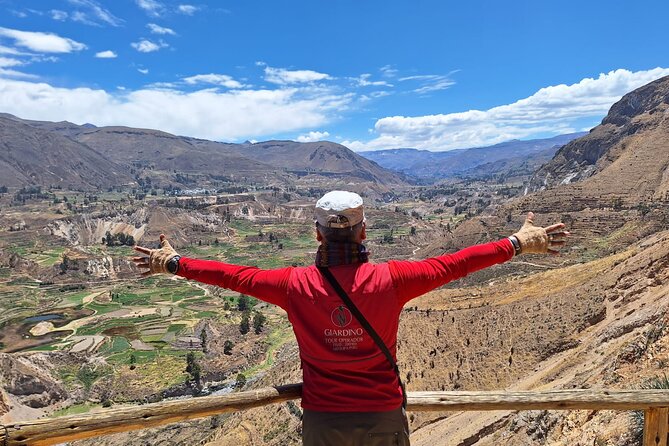
Abra Patapampa, also called the Viewpoint of the Andes, is the tour’s highest point at 4,910 meters. From here, the view includes Ampato, Sabancaya, Hualca-Hualca, Mismi, and the Cordillera de Chila.
This stop is impressive, but it is also the point where altitude deserves the most respect. You are not being asked to complete a strenuous hike, yet simply standing and walking a short distance can feel harder at this height. The tour advises a moderate physical fitness level, and that is a fair description. If you have a headache, dizziness, or unusual fatigue, tell your guide rather than forcing yourself through the stop.
Dress for exposure and wind. The supplied details do not specify equipment or clothing, so you should prepare for cold highland conditions without assuming the day will feel warm because Arequipa started mild.
A few more Arequipa days worth comparing
- Tour to the Salinas Lagoon and National Reserve in Arequipa
★ 4.5 · 548 reviews - From Arequipa: Sillar Route Trek
★ 4.2 · 461 reviews - Arequipa: Chili River White Water Rafting with Hotel Pickup
★ 4.8 · 329 reviews - Walking tour in the Historic Center of Arequipa
★ 4.4 · 180 reviews
Coporaque and La Casa de Mamayacchi
As you approach Chivay, the scenery changes. The Colca Valley opens into terraces carved into the slopes, with layers of cultivated ground creating the famous multicolored view. You make a short visit to Chivay plaza, then continue along the right bank of the canyon toward Coporaque.
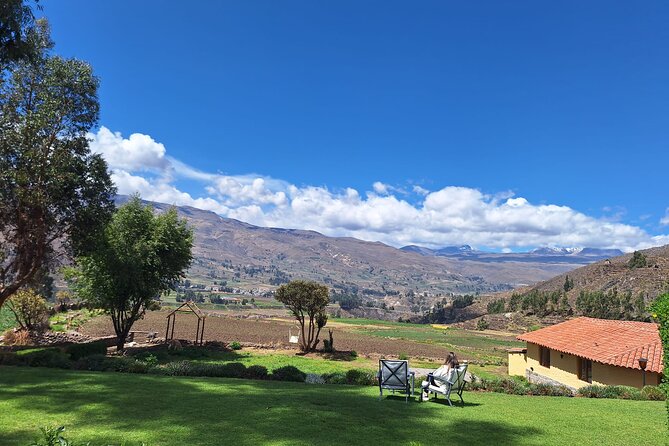
The overnight accommodation is at La Casa de Mamayacchi, where you have free time for lunch. The room arrangement is double or twin. Breakfast is included, but lunch and dinner are not, so the price does not cover every meal during the two days.
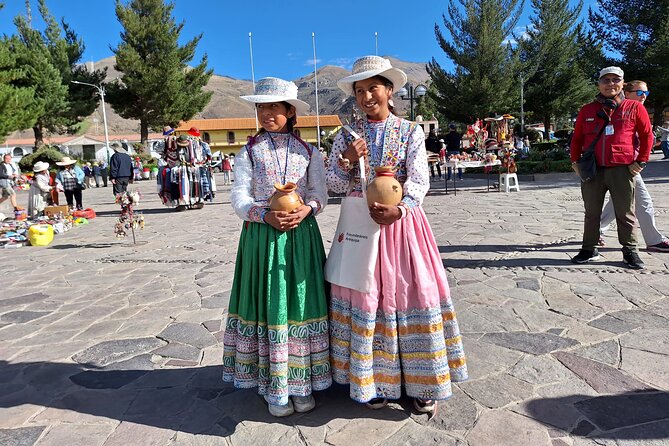
The lodge offers simple cultural activities with help from your guide. You can learn to prepare a typical dish or try traditional clothing from the Colca Valley. These activities are valuable because they bring local life into the trip rather than making the canyon only about viewpoints.
You can also walk through Coporaque and nearby areas with your guide. The walk takes about an hour and a half and is optional, depending on how you feel at altitude. That flexibility is important. After a full day on the road and several high stops, you may prefer a gentle village walk, a quiet rest, or the thermal baths.
Transport to the town’s thermal baths can be provided on request. The information does not give a separate price or bathing schedule, so ask the operator before departure if this is a priority. The same applies to the exact hotel amenities.
Day two: Cruz del Cóndor and the canyon rim
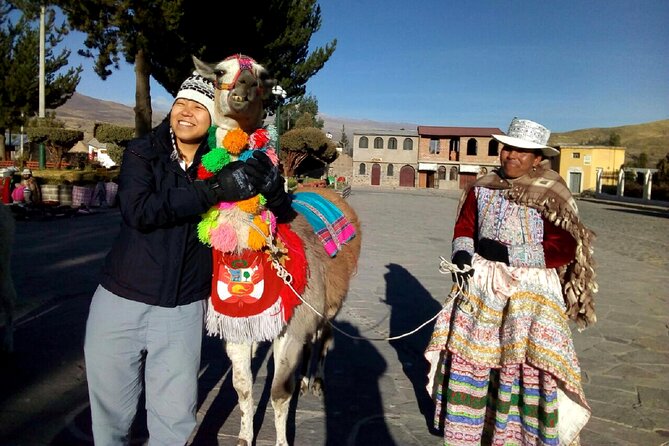
Day two starts early with breakfast and a drive to Cruz del Cóndor. The route approaches the viewpoint along the left side of the Colca Canyon. An early departure is necessary because the condors are the star of the morning, and the viewing time is built into the schedule.
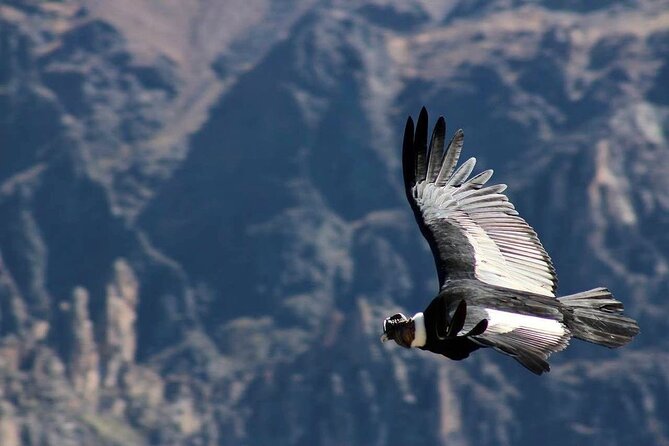
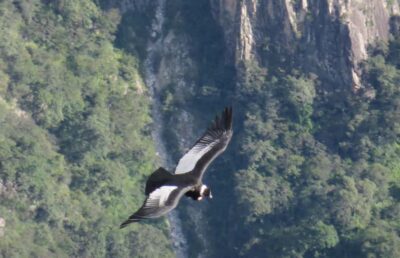
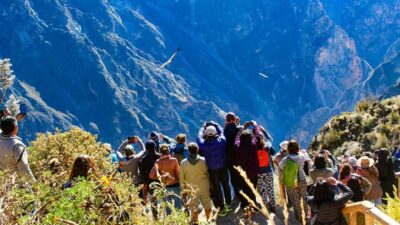
At Cruz del Cóndor, you have time to watch the Andean condors glide over the canyon and take photographs. The birds use rising air currents to circle above the canyon, making this more than a standard overlook. You may need patience. A wildlife sighting is never entirely controlled, even when the viewpoint is famous.
The entrance fee is not included. It costs $22 per person, so add that to the advertised $103.85 tour price. The listed total becomes $125.85 before lunch, dinner, and any optional costs.
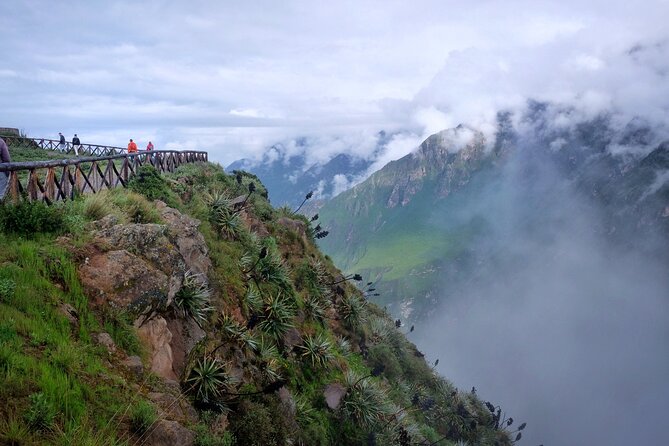
After the viewpoint, the guide leads a walk near the canyon for about an hour. This gives you another chance to see condors and shifts the experience from simply looking over a railing to walking beside the canyon. The walk is also the part most likely to test your legs after the early start and the previous day’s altitude, so wear practical footwear and stay within your comfort level.
Pinchollo, Antahuilque, and ancient terraces
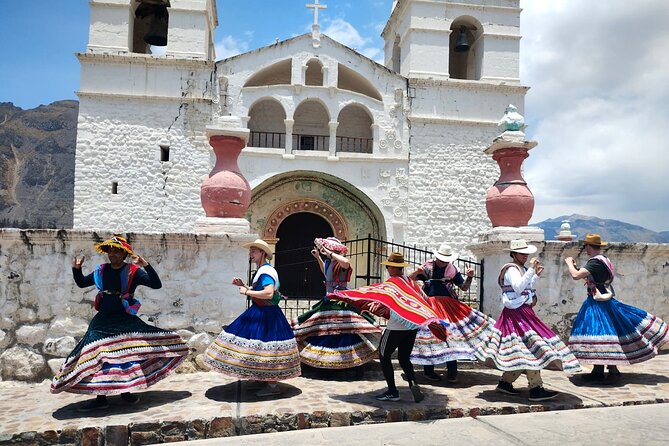
The return route includes the traditional village of Pinchollo and the Antahuilque viewpoint. From Antahuilque, you can see terraces said to be about 1,500 years old. These terraces are not just scenic patterns. They show how people shaped steep Andean slopes for farming over a very long period.
The route also stops at Choquetico lookout, where you can see the litomaqueta, a model of the canyon terraces carved into rock. This is a helpful visual aid. The canyon can be hard to understand from a single high viewpoint, and a carved model makes the arrangement of the terraces easier to follow.
You then pass through Maca and Yanque before reaching Chivay around midday. These village stops add variety to the return journey, though the schedule gives you a broad look rather than a long independent visit in each place. If your priority is extended time in one village, this tour may feel brisk.
Lunch in Chivay and the return to Arequipa
Lunch in Chivay is free time, and the meal is not included. That gives you some choice, but you should budget for it. After lunch, you board the vehicle for the drive back to Arequipa, arriving around 4:00 PM.
The timing is useful if you have an evening plan in Arequipa, though road conditions and the number of stops can affect the exact arrival. Hotel transfer is provided at the end, which is more convenient than being dropped at a central meeting point with luggage.
The operator also offers a transfer from Chivay to Puno on Lake Titicaca. You need to ask about that service before booking or during arrangements. It could make this trip useful for an itinerary linking Arequipa, Colca, and Puno, but the supplied information does not give a price or schedule.
What the $103.85 price really covers
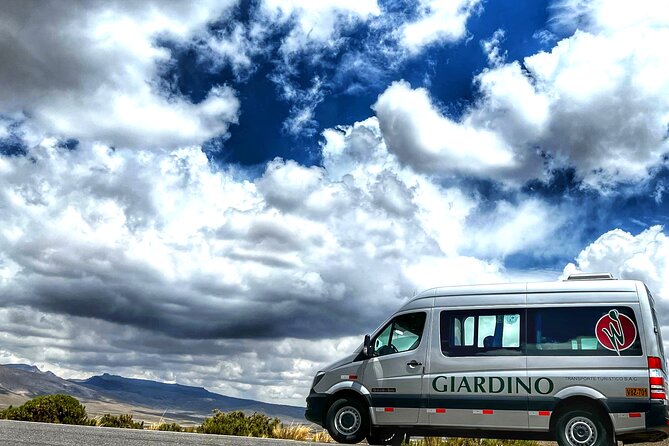
At $103.85 per person, the tour is priced as a two-day package rather than a simple transport service. You receive tourist transportation, a professional guide, breakfast, and one night in a double or twin room.
You still need to pay for:
- The $22 entrance fee to Mirador Cruz del Cóndor
- Lunch on both days
- Dinner on the first night
- Any optional activity or service whose price is not specified
That makes the realistic cost higher than the headline figure, but the package remains useful if you want one booking to organize the long-distance transport, guide, hotel, and key canyon stops. Arranging these pieces separately could take more effort, particularly for the high-altitude route and early departure to Cruz del Cóndor.
The value is strongest for someone who wants a guided overview with a village overnight stay. It is less compelling if you prefer independent hiking, long stays in one place, or complete control over meal and departure times.
Who will enjoy this tour most
I would choose this experience if you want to see the main Colca Canyon sights without planning several separate transfers. It suits you if you enjoy scenic road trips, village visits, cultural demonstrations, wildlife viewing, and short walks rather than a demanding canyon trek.
It also works well for a first visit to the region. The guide explains what you are seeing, and the route connects geology, animals, agriculture, and local traditions. Guides named Antonio San Cristóbal and Derly have been described as professional, courteous, and friendly, while Mayan is noted for keeping a cheerful mood and explaining each stop.
You should think twice if high altitude affects you badly or if you want a slow, restful holiday. The trip reaches 4,910 meters, includes an early morning on day two, and spends substantial time in a vehicle. The optional walk in Coporaque helps, since you can skip it if you do not feel well, but the high road journey remains part of the experience.
The tour requires moderate physical fitness. That means you should be comfortable getting in and out of transport, walking around viewpoints, and completing the approximate one-hour canyon walk. The data does not describe the route as wheelchair accessible, so ask the operator directly if mobility is a concern.
Booking, timing, and cancellation details
Confirmation is provided at the time of booking. The experience is often reserved about 39 days ahead, which suggests you should not leave it until the last minute if your dates are fixed.
You can cancel for a full refund up to three full days before the local start time. Changes or cancellations made inside that period are not accepted for a refund. The tour depends on good weather. If poor weather causes cancellation, you are offered another date or a full refund.
Should you book Colca Canyon Plus?
Book it if you want the main Colca Canyon highlights with a sensible overnight break, a small group, and a guide handling the long route from Arequipa. The best parts are the wild vicuñas, the high Andes views, the overnight near Coporaque, and the chance to see condors from both a viewpoint and a walking route.
Before paying, add the $22 condor viewpoint fee and budget for three uncovered main meals. Most important, be honest about the altitude. If you can manage a high mountain road and moderate walking, this is a well-rounded way to meet the Colca Valley in two days. If you want serious trekking or a leisurely village stay, choose a longer and more specialized trip instead.
FAQ
How long is the Colca Canyon Plus tour?
The experience lasts approximately two days. It leaves Arequipa on day one, stays overnight near Coporaque, visits Cruz del Cóndor on day two, and returns to Arequipa around 4:00 PM.
What is the highest point on the tour?
The highest point is Abra Patapampa, also called the Viewpoint of the Andes. It reaches 4,910 meters.
Is the Cruz del Cóndor entrance fee included?
No. The entrance fee is listed as $22 per person and must be paid separately.
Is food included?
Breakfast is included. Lunch and dinner are not included, so you need to budget for meals in addition to the tour price.
Where do you stay overnight?
You stay in a double or twin room at La Casa de Mamayacchi near the traditional village of Coporaque.
Is the walk around Coporaque required?
No. The walk takes about an hour and a half and is optional, depending on how you feel at the altitude.
Can you visit thermal baths?
Yes. Transport to the thermal baths in town can be provided on request. The supplied tour details do not specify a separate price.
How many people can join the tour?
The maximum group size is 14 people.
Does the tour return you to your hotel in Arequipa?
Yes. After arriving in Arequipa at around 4:00 PM on day two, you are transferred to your hotel.
Can you travel from Chivay to Puno after the tour?
Yes. The operator offers a transfer from Chivay to Puno on Lake Titicaca. You need to consult the operator for details.
Just added around Arequipa
- Turist Bus Colca Canyon (Chivay) To Puno★ 5.0 · 83 reviews
- 3-Day Colca Canyon trek with Professional Guide★ 5.0 · 40 reviews
- Trekking, Waterfalls and Thermal Baths★ 4.5 · 47 reviews
- Salinas National Reserve PRIVATE TOUR★ 5.0 · 81 reviews
- Sillar Route in Arequipa and viewpoint of the Volcanoes★ 4.0 · 71 reviews
- Sillar Route and Culebrillas Petroglyphs★ 4.5 · 89 reviews
- Full Day Tour / Colca Canyon★ 4.0 · 70 reviews
- Colca Full Day★ 5.0 · 57 reviews
Colca Canyon Tours, compared.
2-Day Tour Colca Canyon in Arequipa with end in Puno
Read our review →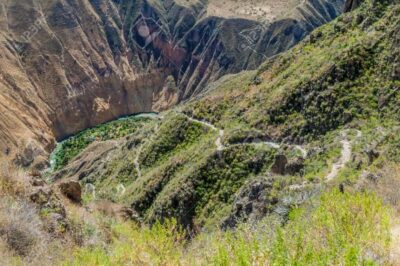
From Arequipa: 2-Day Colca Canyon Trekking Tour
Read our review →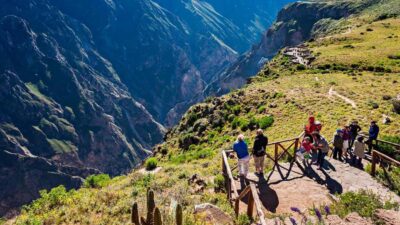
From Arequipa: Full Day Tour of Colca Canyon with Meals
Read our review →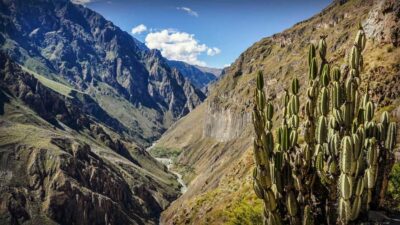
From Arequipa: Colca Canyon Day Trip with Transfer to Puno
Read our review →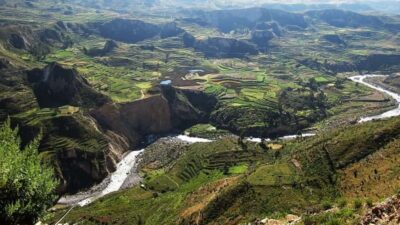
From Puno to Arequipa: 2 Days/1 Night Colca Canyon Tour
Read our review →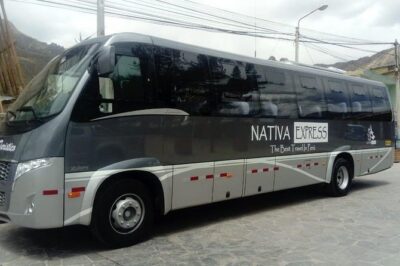
Browse the lists this tour appears in