
Reviewed · HIKING & TREKKING
From Arequipa: Sillar Route Trek
Arequipa’s white volcanic stone is not just a building material. It shapes the city’s look and supports a working craft tradition. This half-day trip takes you from the Añashuayco Quarry to petroglyphs in Culebrillas Canyon, with volcano views along the way. I like the mix of living stonework and older traces of human activity, and I like that the tour fits neatly into a morning or afternoon. The main drawback is time: some stops can feel rushed when groups are large.
I also like the low price and the easy transport from central Arequipa. The canyon walk is the most atmospheric part, while the quarry gives the outing its local character. Bring cash for the 18 soles total entry fee, insect repellent, sunscreen, a hat, and closed shoes.
Key points at a glance
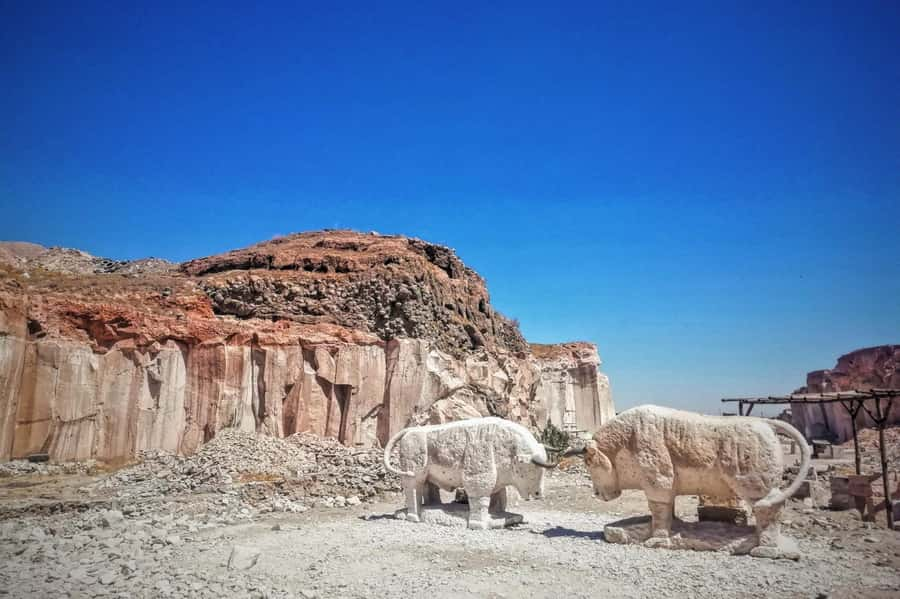
- See a working quarry: Añashuayco remains in operation, with stonemasons cutting and shaping sillar.
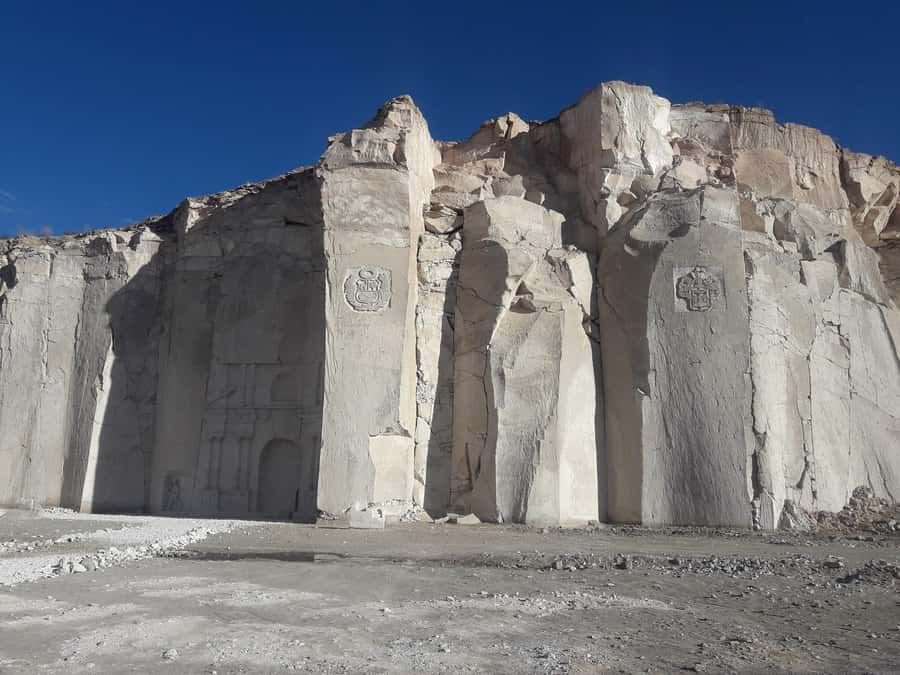
- Look for the giant church carving: The quarry includes a large carving of the Church of the Company of Jesus.
- Walk into Culebrillas Canyon: A roughly 20 to 25 minute walk leads between walls that reach 15 to 20 meters high.
- Find Wari petroglyphs: Ancient rock drawings appear near the end of the canyon walk.
- Compare morning and afternoon light: The 2:00 PM departure can bring warm light and sunset color to the stone.
- Budget for the extra cost: Transportation and a guide are included, but entrance fees total 18 soles.
Why the Sillar Route matters in Arequipa
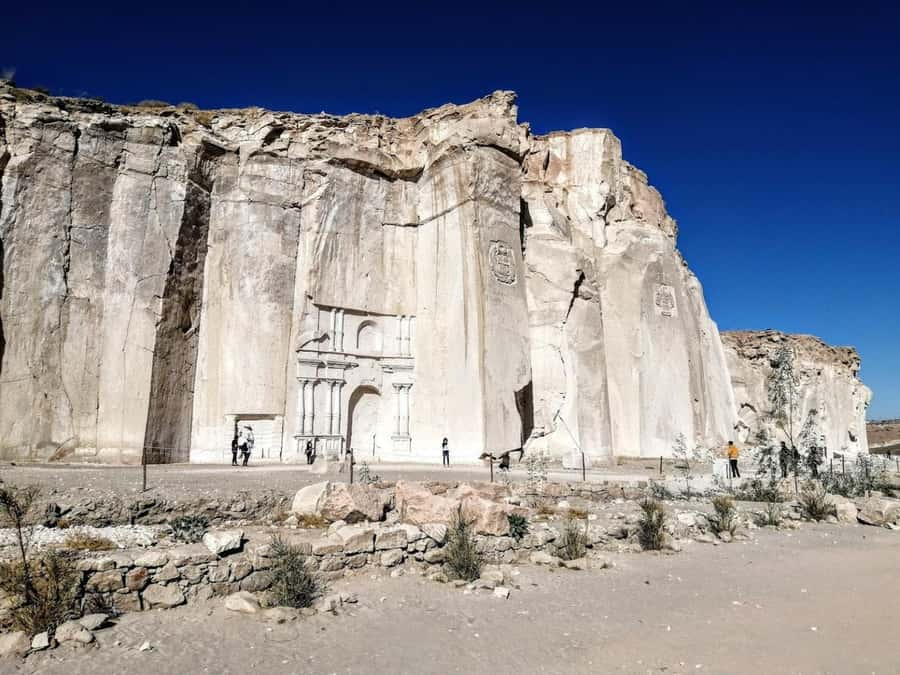
Sillar is the pale stone that gives much of Arequipa its famous appearance. On this outing, you do not only see finished buildings in the city. You visit the places where the stone is extracted and shaped.
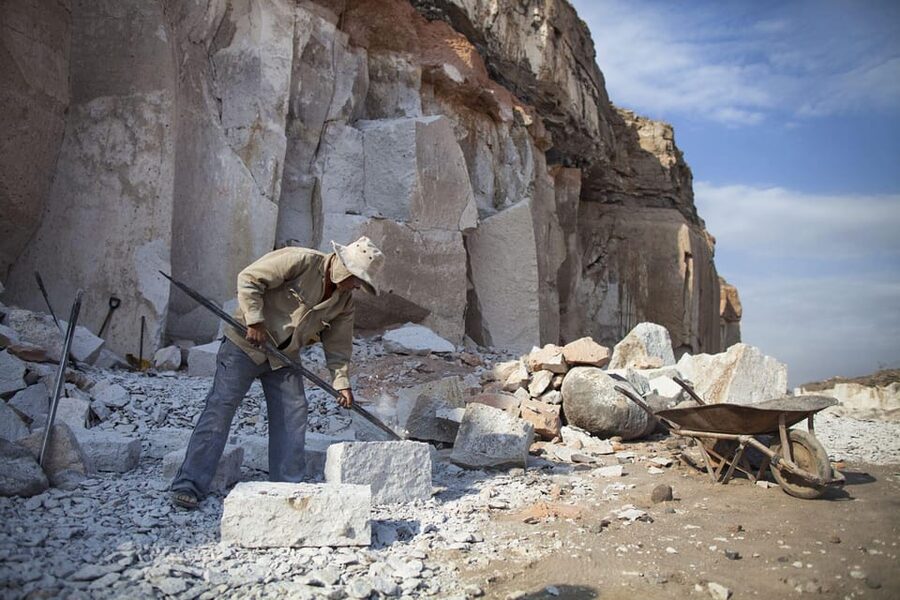
That distinction matters. A city-center walk can show you the finished result, but the quarry shows the labor behind it. You see tall ignimbrite walls cut by extraction and learn how blocks become building stone. The work is still carried out by hand in parts of the quarry, and the visit gives you a direct look at a trade that remains part of local life.
The tour is not an all-day archaeological expedition. It is a short, accessible introduction to the stone, the people who work with it, and the dry terrain outside Arequipa. At about $12 per person, plus 18 soles for entry, it offers a useful change from churches, museums, and restaurant stops in town.
More Hiking Tours in Arequipa
- From Arequipa: 2-Day Colca Canyon Trekking Tour
★ 4.8 · 243 reviews - 2 Day 1 Night Trek / Colca Canyon
★ 4.5 · 92 reviews - 4 hours Tour: Route of Sillar with Trek in Culebrillas
★ 4.2 · 69 reviews
Starting from C. Álvarez Thomas
The meeting point is the main office at C. Álvarez Thomas 115, on the corner. Your name is checked there before the group receives basic instructions and heads out by van.
The morning departure is scheduled for around 9:15 AM. The afternoon departure begins at 2:00 PM. The full outing takes about four hours, though exact arrival time can be affected by traffic returning to Arequipa.
The vehicle is practical rather than luxurious. One recent departure had about 25 people, and the bus was comfortable but not air-conditioned. Another group used an open-top vehicle, so transport may vary. You should expect a shared group ride, not a private car.
English and Spanish guiding are available. Guide assignments change, but names reported on recent departures include Mike, Jose, Julia, Alexandra, Alexa, and Roni. The strongest part of the guiding is usually the explanation of the stone, local customs, volcano names, food, and the meaning of stacked stones called apachetas. If you are the only English speaker in the group, make yourself known early. Guides have made an effort to include English speakers, but the amount of English can depend on the group.
The volcano and Andenerías viewpoint
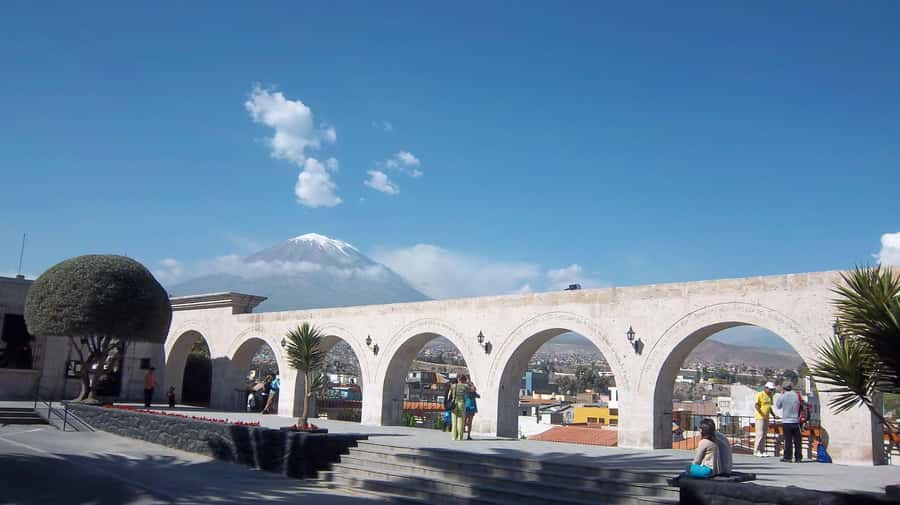
The first viewpoint gives you a broad look toward the volcanoes and the Chilina Valley. Depending on the season and the day’s plan, the tour may use a different traditional viewpoint, so the exact first stop can change.
This is mainly a photo and orientation stop. It helps you understand Arequipa’s setting before you head toward the quarries. The dry hills, distant volcanoes, and agricultural terraces called andenerías provide useful context for the rest of the outing.
I would not book the tour solely for this viewpoint. If you have already spent time at Yanahuara or another city lookout, it may feel familiar. Some departures have also included extra time at a viewpoint or an ice cream stop, which can reduce time at the main quarry. Still, the stop is worthwhile if this is your first look at the area or if clear weather gives you a strong view of the volcanoes.
Bring sunscreen and a hat. The light can be bright, and there is limited shade at the outdoor stops.
Añashuayco Quarry and the work behind the stone
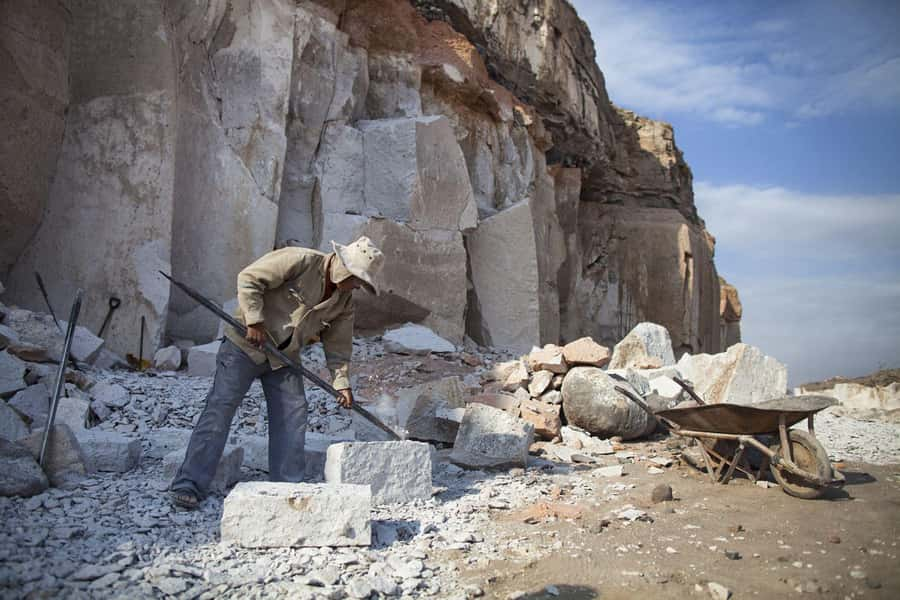
After roughly 45 minutes of driving, you reach Añashuayco Quarry. Here, the pale stone forms high canyon-like walls. These cliffs are not natural in quite the same way as Culebrillas. They were shaped in part by the extraction of ignimbrite for sillar production.
The guide explains where the stone comes from, how it is cut, and how it has been used over time. The value of this stop depends heavily on how much detail your guide provides. Some guides give a broad introduction, while others spend more time on the actual work and the local craft.
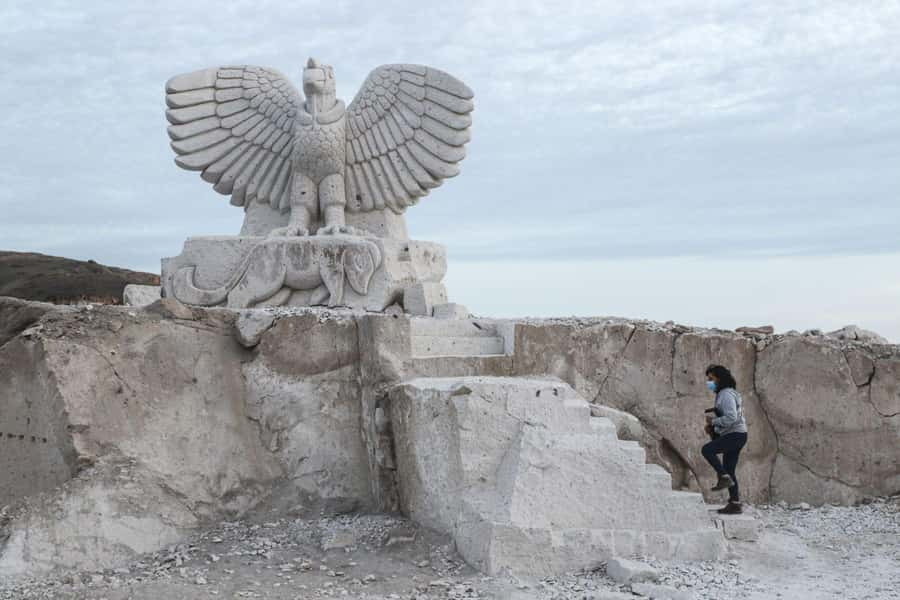
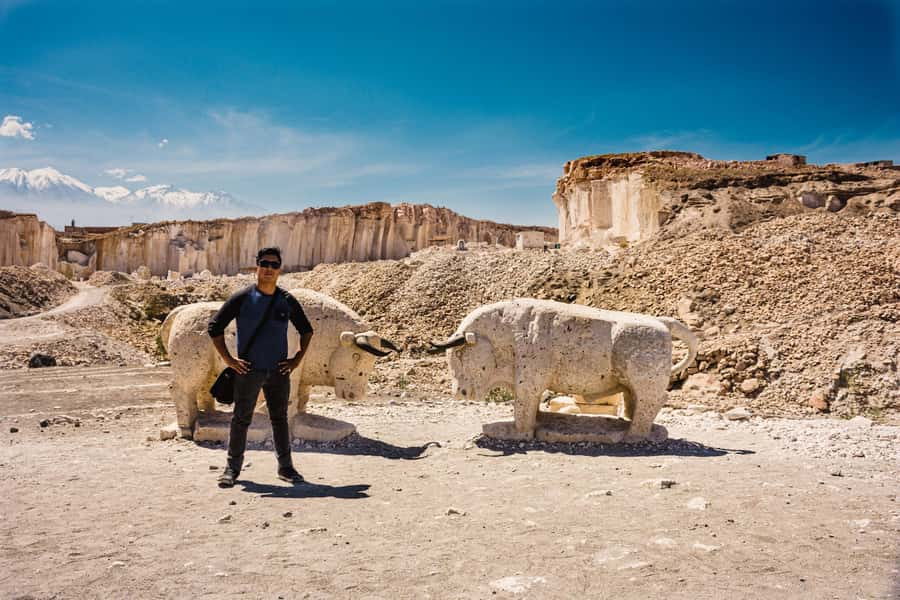
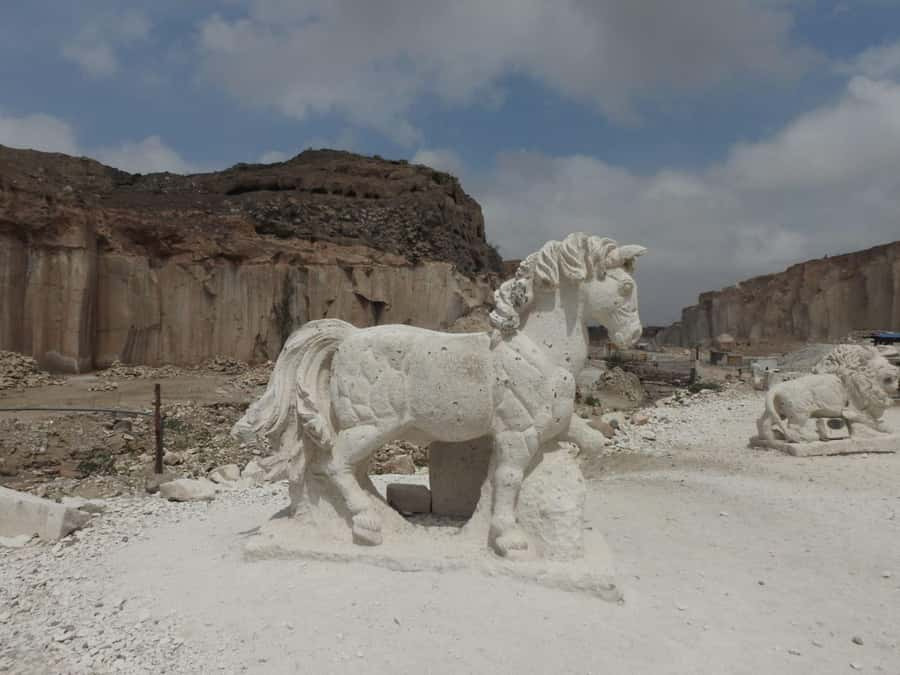
A large carving of the Church of the Company of Jesus is the quarry’s main photo feature. Other carved figures and stone animals may also be present. This is where expectations matter. If you want a traditional archaeological site, the modern carvings can feel staged or tourist-oriented. If you see them as examples of the stonemasons’ skill and a place to understand how the stone is handled, the stop makes more sense.
You may also visit a stonemason and try cutting a block yourself. This small hands-on moment helps explain that the material is not simply decorative. It takes force, care, and practice to turn rough stone into a useful block or a detailed carving.
The quarry visit is listed at around 45 minutes, with guided explanation and some free time. In practice, crowding can affect the pace. Groups may wait to take photographs, and the time available for exploring can shrink. I would use the first few minutes to listen to the explanation, then take photographs before the area becomes more crowded.
More Hiking Tours in Peru
- Private 3 Day Colca Canyon Trekking tour (superior Service)
★ 5.0 · 58 reviews - Trekking, Waterfalls and Thermal Baths
★ 4.5 · 47 reviews - 3-Day Colca Canyon trek with Professional Guide
★ 5.0 · 40 reviews - 2 Day Trek Including Transfer to Puno / Colca Canyon
★ 4.5 · 38 reviews
Culebrillas Canyon, the best walking stop
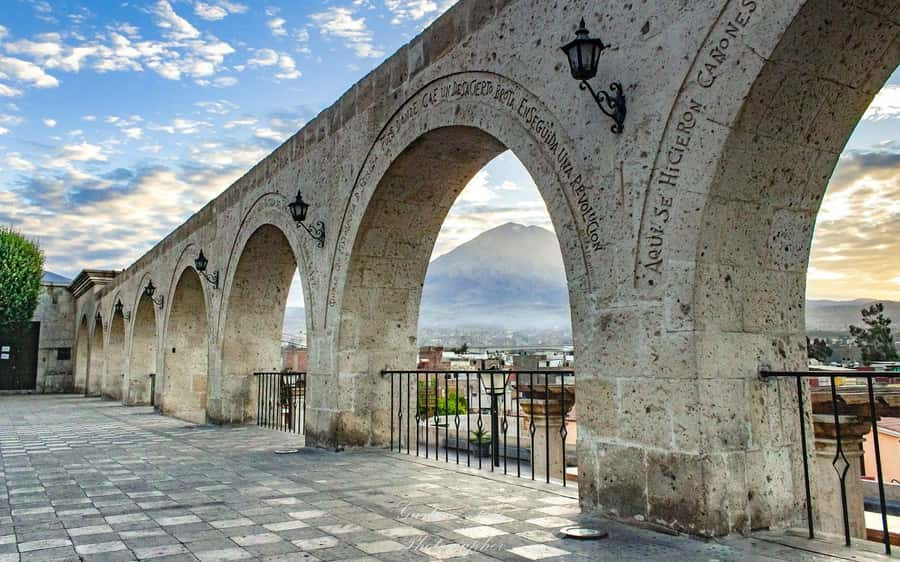
From Añashuayco, the drive to Quebrada de Culebrillas takes about 20 to 30 minutes. This is the point where you leave the vehicle for a short walk.
The canyon was formed by water, and its walls rise about 15 to 20 meters. As you walk farther inside, the walls become taller and the space feels narrower. The walk usually lasts about 20 to 25 minutes, so it is not a major hike, but it is more than a quick step out of the van.
This is my favorite part of the outing. The route feels more natural than the quarry’s carved photo displays, and the changing height of the walls gives the walk a sense of discovery without requiring a long trek. You also get a chance to slow down after the vehicle rides and look closely at the stone around you.
Near the end, you can see petroglyphs linked to the Wari culture and dated to more than a thousand years ago. They are an important counterpoint to the modern quarry carvings. One part shows a living craft tradition; the other points to people who used this canyon long before modern Arequipa.
The walk is not suitable for everyone. You need steady footing and enough mobility to walk through uneven canyon ground. Closed shoes are essential. If walking is difficult for you, ask how much of the canyon you can comfortably cover before setting out.
Insect repellent is also a sensible addition. Several departures specifically advised it, along with sunscreen. The canyon may feel sheltered in places, but you are still outdoors in a dry environment.
Apachetas and the return to Arequipa
At the end of the canyon walk, you can see apachetas, small piles of stones placed one on top of another. The guide explains them as a gesture of gratitude toward nature and a symbol associated with good luck.
They are easy to miss if you hurry back to the vehicle, so listen for the explanation and take a moment to look at them. Their meaning adds a quiet cultural detail to what might otherwise be just a scenic walk.
The return drive takes roughly 40 minutes, followed by arrival near the center of Arequipa. Morning groups generally return around 1:30 PM, though the stated schedule also describes the city return as about 12:30 PM. Treat the timing as approximate, especially if traffic is heavy.
The afternoon departure can be a good choice for photography. Warm light falls across the quarry and canyon later in the day, and one departure enjoyed sunset color on the stone. The tradeoff is the return journey. Traffic into Arequipa can be slow after the afternoon outing.
How the timing affects your experience
This is a four-hour tour, but transport takes a large share of that time. You spend about an hour in the vehicle at the start, then travel between the quarry, canyon, viewpoint, and city.
That is not a criticism. The sites are outside Arequipa, and shared transport keeps the price low. It simply means you should see the trip as a compact introduction rather than a slow day in the countryside.
The itinerary usually gives you enough time for the main explanations and photographs. Still, the quarry can feel rushed when several groups arrive at once. The canyon is shorter, but it often feels more satisfying because the walk has a clear beginning and end.
If you want fewer people, an afternoon departure may help at certain times, though there is no guarantee. A guide named Roni has adjusted the order on one departure, beginning at the canyon to avoid the largest crowds. That kind of change can improve the experience, but it depends on conditions that day.
What the $12 price really covers
At about $12 per person, this is a strong-value outing if you want transportation and a guide to several sites without arranging separate taxis. The price covers the shared transport and guiding, not the entrance charges.
The total entrance cost is 18 soles. Carry small cash in Peruvian soles. You may not find an ATM during the outing, and guides cannot be expected to solve a cash shortage. Extra purchases are also likely to require cash.
The low price comes with a few limits. You do not get a private vehicle, a long stay at each site, or a highly tailored schedule. One recent group had about 25 people, and bilingual explanations can take more time when both Spanish and English are used.
For a half-day in Arequipa, I think the cost works well. You see three distinct settings: a viewpoint, an active quarry, and a canyon with ancient rock art. The value is strongest if you are happy with a shared group outing and short walking sections.
Who should book this outing
I would recommend it to you if you want to understand the material behind Arequipa’s pale architecture, enjoy short outdoor walks, and have only half a day available. It also suits anyone who wants an easy addition before or after a city-based sightseeing plan.
It is a good fit for photographers, especially on the afternoon departure, when the stone can catch warmer light. It also works for families and mixed-age groups if everyone can manage the canyon path.
I would be more cautious if you dislike organized group stops, staged carvings, or shared vehicles. The quarry has a tourist presentation as well as a working side, and the large church carving may not appeal to everyone. If your main interest is nature, the canyon will probably be the highlight, while the quarry may feel less compelling.
Practical advice before you go
Wear closed shoes with a firm sole. The canyon walk is short, but the surface is not described as a paved city path.
Pack sunscreen, a hat, and insect repellent. These are small items, but they can make the outdoor stops much more comfortable.
Carry 18 soles per person for admission, plus small cash for anything else you may want to buy. Do not assume card payment or an ATM will be available during the trip.
If you speak English, confirm the language with your guide at the start. Guides such as Alexandra, Julia, Mike, and Jose have led bilingual departures, but the balance between Spanish and English can vary.
Allow some flexibility after the tour. Morning traffic may affect the return, and afternoon traffic into Arequipa can be particularly slow.
FAQ
How long does the Sillar Route Trek take?
The activity lasts about four hours. The morning departure is scheduled around 9:15 AM, with the city return generally around early afternoon. A 2:00 PM departure is also available.
Where does the tour start?
The meeting point is the main office at C. Álvarez Thomas 115 in Arequipa. Your name is checked there before the group leaves.
What languages are available?
The live guide service is available in English and Spanish. Guide assignments vary, and the amount of each language used can depend on the group.
Are entrance fees included?
No. Transportation and the guide are included, but entrance fees total 18 soles per person.
Is there much walking?
The main walk is in Culebrillas Canyon and takes about 20 to 25 minutes. You should also expect walking around the quarry and viewpoints, so closed shoes are recommended.
What should I bring?
Bring closed shoes, sunscreen, a hat, insect repellent, and cash in Peruvian soles. An 18-sole entrance fee is required, and cash may also be needed for purchases.
Can I cancel or pay later?
You can cancel up to 24 hours in advance for a full refund. A reserve-now, pay-later option is available.
Should you book the Sillar Route Trek?
Book it if you want a low-cost, well-organized half-day that connects Arequipa’s stonework with a canyon walk and ancient petroglyphs. The Culebrillas Canyon is the strongest reason to go, while the working quarry gives the outing its local purpose.
Skip it if you have little patience for group transport or modern photo carvings. For most visitors with half a day free, though, the combination of price, easy access, bilingual guiding, and varied stops makes this a sensible addition to an Arequipa visit.
Just added around Arequipa
- Turist Bus Colca Canyon (Chivay) To Puno★ 5.0 · 83 reviews
- 3-Day Colca Canyon trek with Professional Guide★ 5.0 · 40 reviews
- Trekking, Waterfalls and Thermal Baths★ 4.5 · 47 reviews
- Salinas National Reserve PRIVATE TOUR★ 5.0 · 81 reviews
- Sillar Route in Arequipa and viewpoint of the Volcanoes★ 4.0 · 71 reviews
- Sillar Route and Culebrillas Petroglyphs★ 4.5 · 89 reviews
- Full Day Tour / Colca Canyon★ 4.0 · 70 reviews
- Colca Full Day★ 5.0 · 57 reviews
Hiking & Trekking, compared.
Perito Moreno Glacier Trekking Tour and Cruise
Read our review →
Tijuca Forest Small Group Hike to Caves and Waterfalls
Read our review →
Pedra do Telégrafo Hike and Beach Full-Day Tour
Read our review →
From Cusco: 7 Lakes Ausangate Trek with Breakfast and Lunch
Read our review →
Salinas Grandes, Purmamarca & Los Colorados Hike
Read our review →
Browse the lists this tour appears in