
Reviewed · UYUNI SALT FLATS TOURS
From Uyuni: Red Lagoon & Uyuni Salt Flats 3-Day Guided Tour
The first day brings the famous Uyuni Salt Flats, but the real surprise is how much variety follows. You move from blinding white salt to cactus-covered Incahuasi Island, volcanic desert, flamingo lagoons, steaming geysers, and a blood-red lake. It is a big three-day trip, not a quick photo stop.
I like the strong mix of scenery and the small-group limit of 11 people. I also like the practical touches: guides such as Violeta, Bismark, Jose, Gus, and Andres have been praised for taking photos, explaining wildlife, and helping with long journeys. The catch is simple accommodation, cramped 4WD transport, rough roads, and long hours in the vehicle.
Key points at a glance
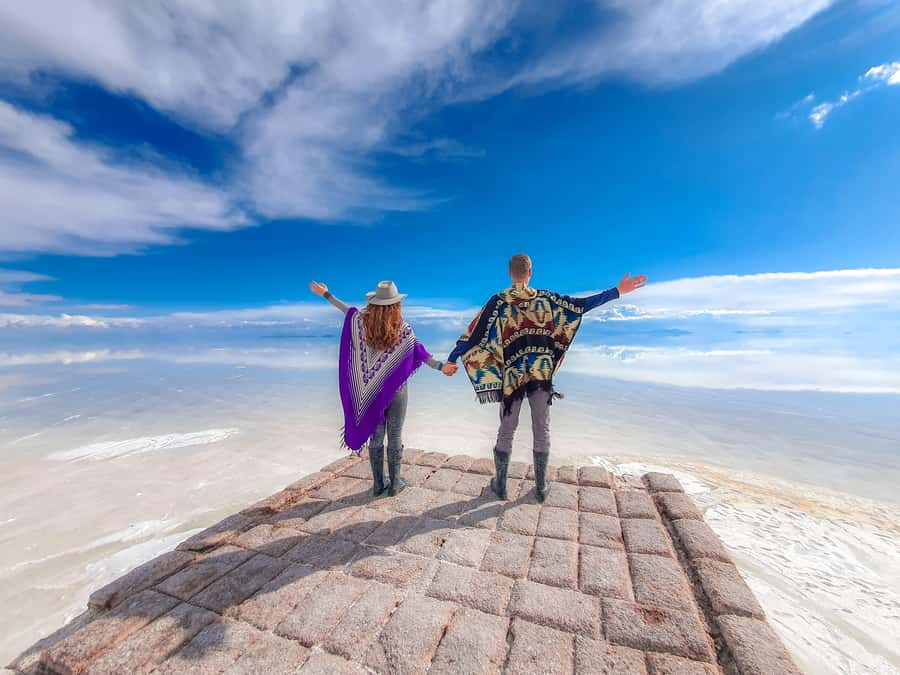
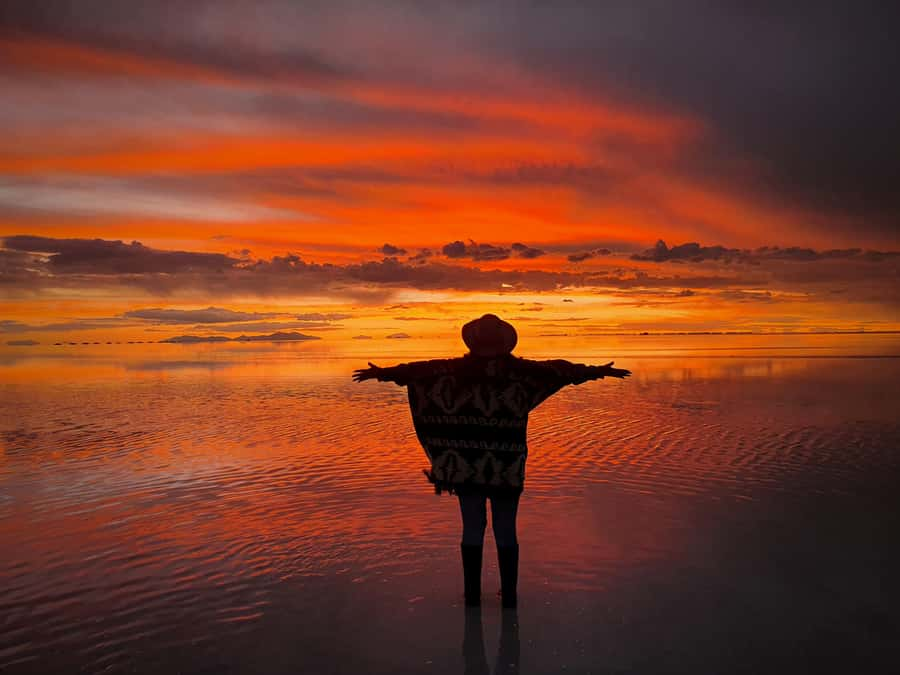
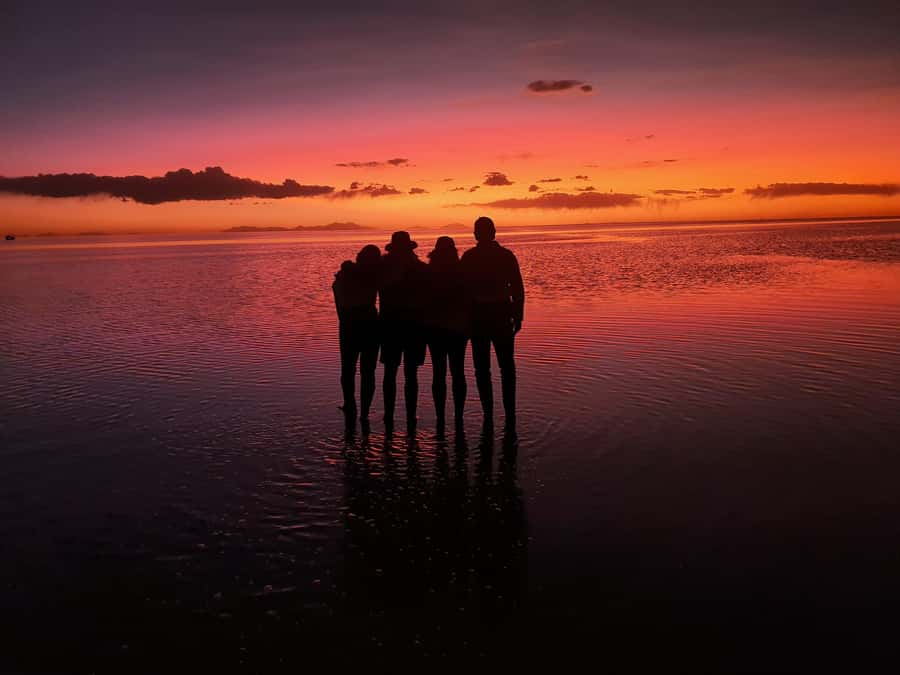
- Sunset on the salt flats: Finish day one with wine and changing colors across the white expanse, with water sometimes creating the famous mirror effect in rainy season.
- Flamingos at three lagoons: Cañapa, Hedionda, and Chiarcota offer close views of flamingos in a stark desert setting.
- A demanding but rewarding schedule: Days begin around 5:00 or 6:30 a.m. and include long stretches on rough roads.
- Simple shared lodging: Sleep in six-bed rooms with your jeep group, shared toilets, and no Wi-Fi.
- A full three-day circuit: The route includes Incahuasi Island, the Red Lagoon, Sol de Mañana, hot springs, the Dali Desert, and the Green and White Lagoons.
- Bring extra cash and warm gear: Entry fees, toilets, optional boots, and a sleeping bag are not included.
Why this three-day route is worth your time
At $354 per person, this is not the cheapest way to see Uyuni. It is, however, a packed route with 4WD transport, two nights of lodging, three lunches, two dinners, two breakfasts, a driver, and a guide. The price makes more sense if you want to see the salt flats and the southern reserve in one organized trip without arranging each section yourself.
The strongest value comes from the range of places covered. Many people arrive expecting only white salt and giant cactus. Instead, you also get volcano views, sulfur-colored water, pink flamingos, lava rock, hot springs, boiling mud, and high desert scenery. The salt flats are the headline, but days two and three can be just as memorable.
You should also know what the price does not cover. Budget for the Isla Incahuasi fee of 30 bolivianos, the Eduardo Avaroa National Reserve fee of 150 bolivianos, Galaxy Caves at 15 bolivianos, and hot springs at 6 bolivianos. Toilets along the route cost 30 bolivianos, and a sleeping bag costs 50 bolivianos if you need one. Rain boots are available for 20 bolivianos.
More Lake Tours in Uyuni Salt Flats:
- 3-Day Tour to Salt Flats and Lagoons
★ 4.5 · 168 reviews - 3-Day Uyuni Salt Flat Tour with Sunset and Red Lagoons
★ 5.0 · 83 reviews - Cusco: Humantay Lake Tour with Breakfast and Buffet Lunch
★ 4.9 · 2,976 reviews
Day one: trains, salt workshops, and a white horizon
Pickup takes place between 10:15 and 10:30 a.m., with departure at about 10:40. If your hotel is not listed, you meet at the office on Colon Street at the corner of Camacho in Uyuni at 10:00 a.m. Airport pickup can be arranged if you send your arrival time and airline name through WhatsApp.
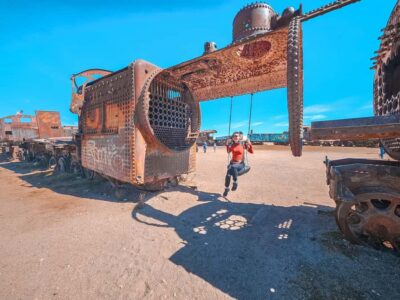
The first stop is the Train Graveyard, just outside Uyuni. Rusting locomotives sit in the open desert, making a stark introduction to the region. It is a short stop, but the old metal shapes work well for photographs.
Next comes Colchani, a small settlement beside the salt flats. Local workshops sell salt handicrafts along with textiles made from llama and alpaca wool. This is a sensible place to buy a small souvenir, since the goods connect directly with the region rather than looking like generic airport merchandise.
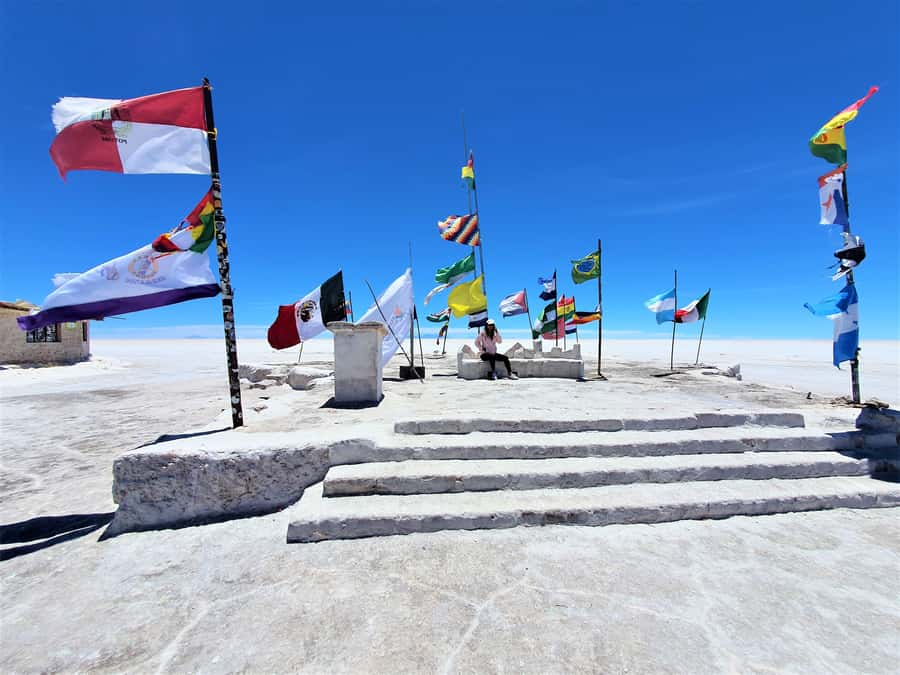
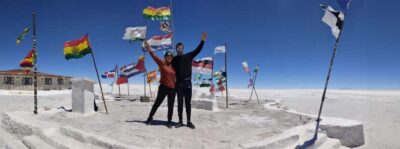
Then the white begins. The 4WD crosses the Salar de Uyuni, one of the world’s great open spaces. You stop at the Ojos de Agua Salada, or saltwater springs, and visit a former salt hotel now used as a museum and restaurant. There is also a Dakar racing monument and an area where visitors can leave national flags. You may bring your own flag at no extra cost.
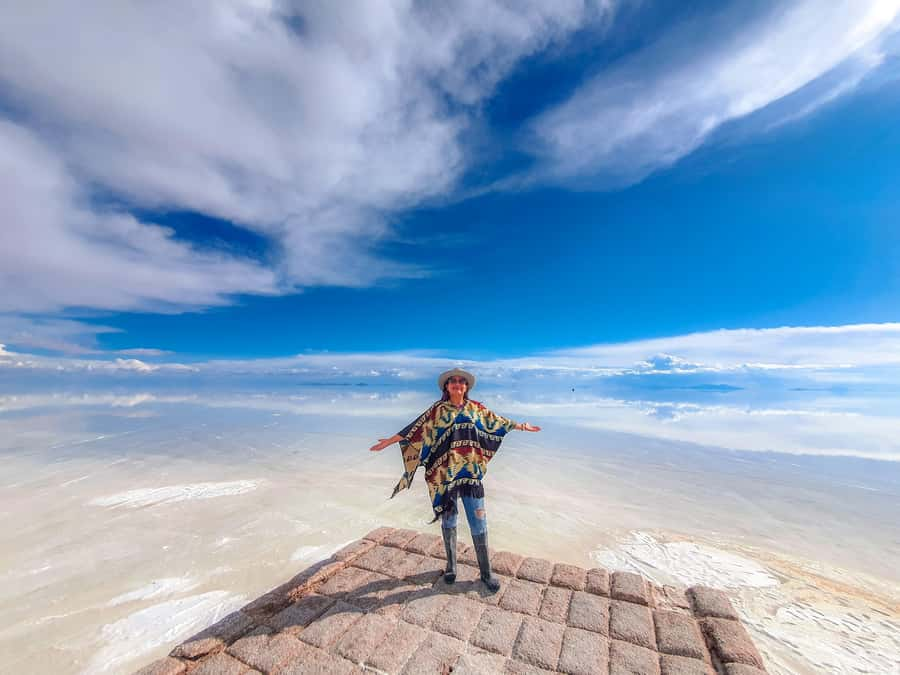
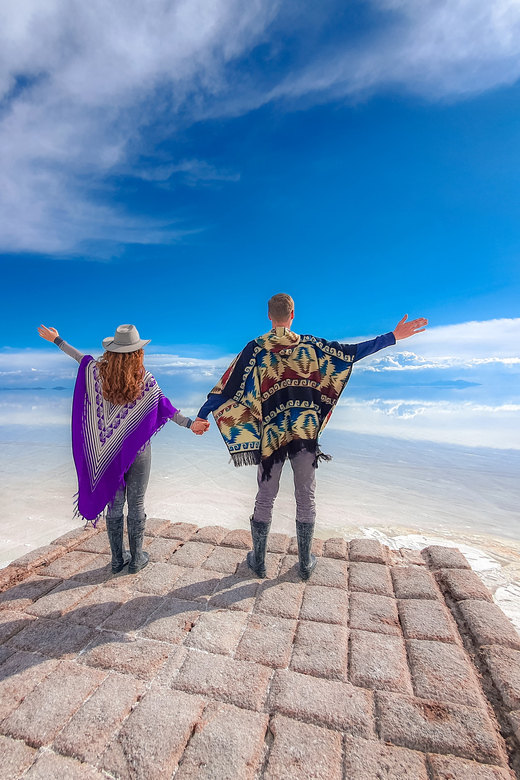
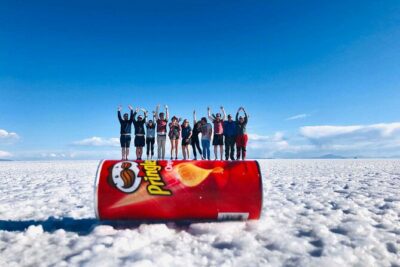
The flat surface creates the famous perspective photographs. Your guide can help arrange people and objects so that someone appears to stand inside a bottle, hold up another person, or perform other playful tricks with distance. These photos are not a minor extra. On a place with almost no visual scale, they are the easiest way to show how strange the salt surface feels.
Lunch is served during the day, and then you hike up Incahuasi Island. The island is covered with giant cacti and rock formations made from petrified coral. The hike is not described as long, but the high altitude and strong sun can make even a short climb feel serious. Wear shoes with a good grip, bring water, and take your time.
The day ends in a spacious part of the flats for sunset. If you visit during rainy season and there is a thin layer of water on the salt, the surface can reflect the sky and turn the sunset into a broad mirror. Even without the mirror effect, the low light spreads color across the white plain. The included glass of wine is a pleasant finish after a day of salt and sun.
You spend the night at Atulcha Salt Hostel in a shared six-bed room with your jeep group. Toilets are shared, and there is no Wi-Fi. The accommodation is basic, but it is part of the remote route rather than a city hotel experience. Bring warm clothing and toiletries, since the next morning begins early.
Day two: volcanoes, lagoons, and the Red Lagoon
Breakfast is around 6:30 a.m. The route heads toward the Chiguana Desert on the southern side of the salt flats. Volcanoes frame the area, including Ollagüe, an active volcano visible from the lookout point.
From here, the road becomes rougher and more remote. The 4WD is essential, but you should expect a long day in the vehicle. One useful feature of the group setup is that people can rotate seats, and each stop gives you a chance to get out, walk, and stretch. Still, the vehicle can feel packed, especially with luggage and six or more people inside.
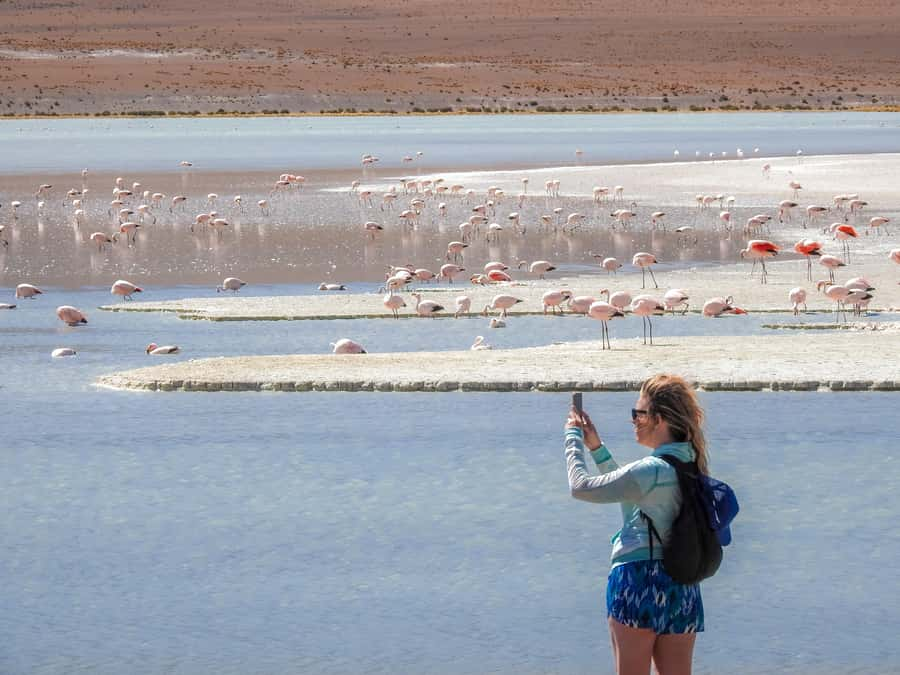
The main stops are Cañapa, Hedionda, and Chiarcota Lagoons. Flamingos gather around the water, giving you a close look at one of the region’s most striking combinations: bright birds against bare volcanic ground. The lagoons are not interchangeable. Each has its own color and setting, and the changing water and rock tones keep the route from feeling repetitive.
After lunch, you enter Eduardo Avaroa National Reserve. The reserve fee is extra, so keep bolivianos handy. This is the point where the trip feels less like a salt-flat excursion and more like a high-altitude desert expedition.
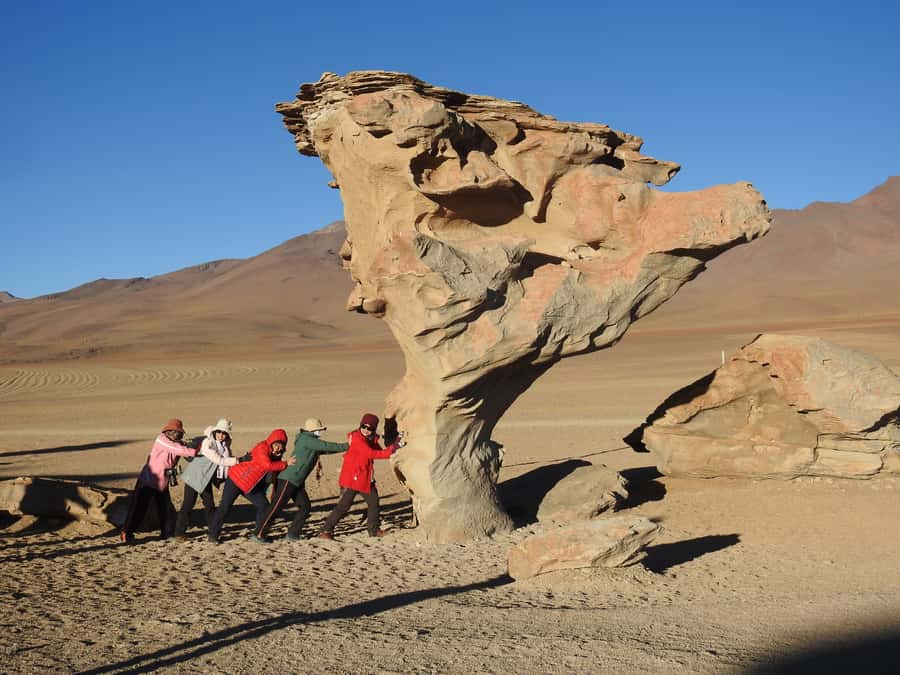
The Siloli Desert is described as the highest and driest desert in the world. Its most famous photo stop is the Rock Tree, a lava formation shaped by erosion. You will not spend hours here, but the unusual shape gives the broad desert a clear focal point.
The final major stop is the Red Lagoon. Its intense color comes from the water and mineral conditions, while pink flamingos gather around the edges. This is one of the strongest moments of the trip because it combines wildlife with a scene that looks almost unreal. You can see the flamingos in their natural setting, but give them space and avoid chasing them for a photograph.
The second night is at Huayllajara Hostel. Again, expect a basic shared six-bed room, shared toilets, and no Wi-Fi. Food and accommodation are practical rather than luxurious. One account of the trip found the meals filling and mostly local, while another felt the food and lodging could use improvement. That is a fair warning: come for the setting, not for hotel comfort.
Day three: geysers at dawn and hot water in the desert
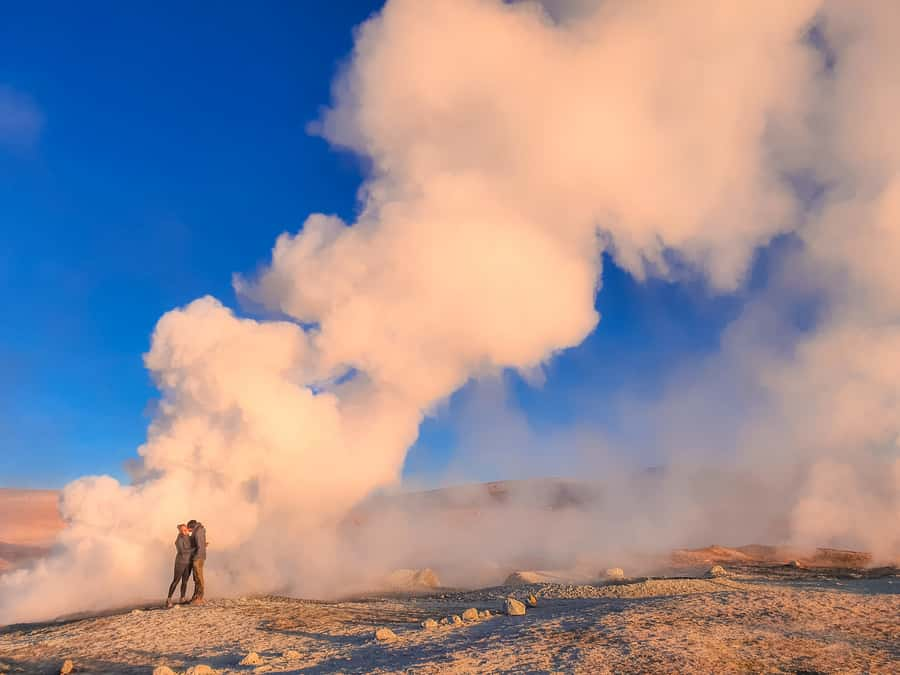
The early start comes at about 5:00 a.m. You head to Sol de Mañana Geyser before sunrise, so warm layers matter. At the site, you walk beside fumaroles, steaming craters, and boiling mud pots. The ground is active and hot, so follow the guide and stay on the sensible paths.
After the geysers, you can bathe in open-air hot springs at about 35 degrees Celsius. This is one of the most welcome parts of the route. After two days of dust, cold air, and rough roads, warm water gives you a chance to relax before the long return drive. Bring a towel and sandals, as well as a change of clothes.
The route then passes through the Dali Desert before reaching the Green and White Lagoons. The Dali name comes from the strange, surreal shapes of the rocks and desert. The lagoons provide another change in color and texture, with high desert rock and mineral water replacing the white salt of day one.
Lunch is a picnic along the roadside. This is not a restaurant meal, so keep snacks and water close. The return route includes Rock Valley and a brief stop in San Cristobal Village for toilets. You arrive back in Uyuni between about 5:45 and 6:45 p.m.
The return is long, especially after such an early start. Drivers familiar with the route matter here. Jose, Ivan, Tony, Wilber, and Rudi are among the drivers praised for handling the rocky roads carefully. Guides including Bismark, Violeta, Gus, Andres, and Jose have also been singled out for helping with photos, explaining the area, and keeping the group in good spirits. Staff can sometimes help with onward plans, but the confirmed route for this tour starts and ends in Uyuni.
More three-day trips from Uyuni Salt Flats:
- La Paz: Uyuni Salt Flats & San Pedro de Atacama 3-Day Tour
★ 4.1 · 145 reviews - Uyuni: Uyuni Salt Flats and San Pedro de Atacama 3-Day Tour
★ 4.3 · 122 reviews - Uyuni Salt Flats 3 Days/ 2 Nights with English Speaking Guide
★ 4.0 · 91 reviews - Tambopata Peruvian Amazon Jungle for Three Days/Two Nights
★ 4.5 · 329 reviews
What the 4WD journey is really like
The vehicle carries up to 11 participants in a small-group format, though the exact arrangement inside the 4WD can feel close. Seats may be rotated, which helps, but you should not expect generous personal space. Luggage travels on a rooftop rack, so pack with access in mind and protect anything that should not get dusty.
You spend many hours driving. The road conditions range from salt to rock and dirt, and the southern section is demanding. The trip works best if you enjoy scenery that changes slowly and can handle sitting for long periods. Each stop offers a chance to walk and stretch, but this is not an active trekking holiday.
The altitude, sun, wind, and cold all affect the experience. Wear sunglasses, sunscreen, a long-sleeved shirt, and warm clothing. Comfortable shoes are important for Incahuasi Island and the rocky stops. Bring plenty of water. One useful personal target is about three liters for yourself, since shops and refill points cannot be assumed along the route.
Food, sleeping arrangements, and the small costs
Three lunches, two dinners, and two breakfasts are included. The food is intended to keep you going through long days, and accounts of the meals range from very good to acceptable. If you have dietary needs, the supplied information does not promise special meals, so ask the operator before booking.
The two hostels are the main compromise. Both use shared six-bed rooms with your jeep group and shared toilets. Neither has Wi-Fi. Some people find the rooms more comfortable than expected, but you should still bring a sleeping bag if you tend to get cold. A sleeping bag can be rented for 50 bolivianos.
Toilets along the route cost extra, and personal expenses are estimated at 150 bolivianos as an optional amount. Drinks are not included. Carry cash in small amounts for fees, water, toilets, and simple purchases in Colchani.
Who should book this tour?
I would choose this trip if you want the full Uyuni region in three days and prefer a planned route to arranging transport between remote sites. It suits photographers, first-time visitors to Bolivia, and anyone who wants flamingos, geysers, lagoons, and salt flats in one journey.
It is also a good fit for people who enjoy a social group. You share a jeep, meals, rooms, and long driving days with the same people. The group can make the remote route more enjoyable, especially when guides such as Bismark, Violeta, Gus, Andres, or Jose add photos and local explanations.
I would think twice if you need private rooms, reliable internet, comfortable roads, or a relaxed schedule. The itinerary is full, the mornings are early, and the accommodation is basic. It is not suitable for children under six, pregnant women, people with back or heart problems, or wheelchair users.
Should you book the Red Lagoon and Salt Flats tour?
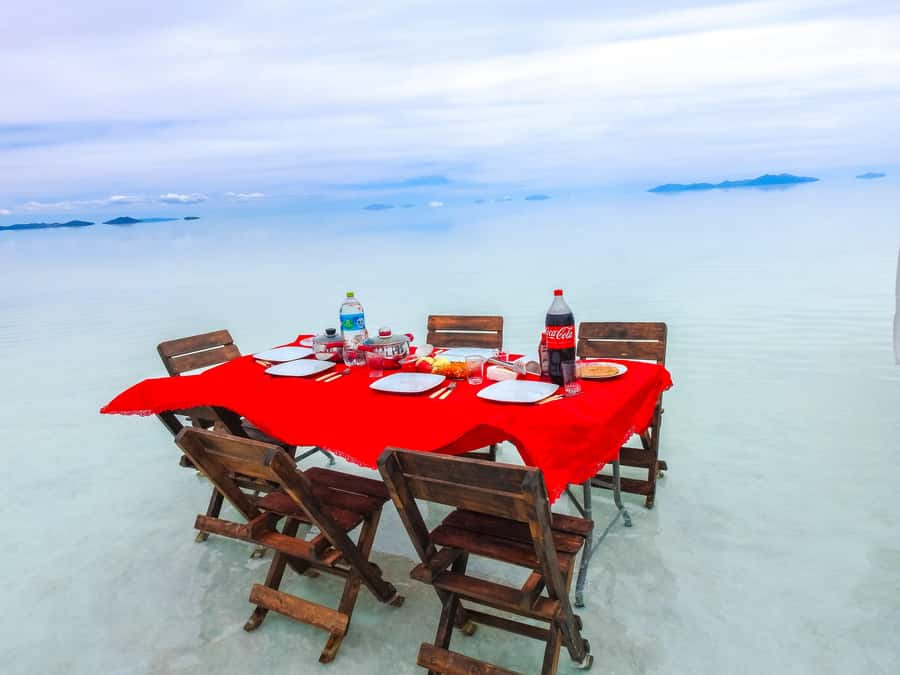
Yes, if you see the price as payment for access to a difficult-to-organize route rather than a hotel-style holiday. The strongest reasons are the sheer variety, the careful 4WD driving, the flamingos, and the chance to see the salt flats at sunset before continuing to the Red Lagoon and geysers.
Book it with realistic expectations. Bring warm layers, sunglasses, water, cash, a towel, sandals, sunscreen, and toiletries. If basic hostels and long drives sound manageable, this trip gives you three intense days of Bolivia’s most unusual scenery. If comfort matters more than coverage, choose a shorter or upgraded option instead. An accommodation upgrade is available for an added final payment.
FAQ
How long is the tour?
The tour lasts three days and starts and ends in Uyuni City. You return on the third day between approximately 5:45 and 6:45 p.m.
What time does the tour begin?
Hotel pickup is between 10:15 and 10:30 a.m., with departure at about 10:40 a.m. If your hotel is not listed, meet at the office on Colon Street at the corner of Camacho in Uyuni at 10:00 a.m.
Is an English-speaking guide included?
Yes. A live guide is included, and the available languages are English and Spanish.
What kind of accommodation is provided?
The first night is at Atulcha Salt Hostel and the second at Huayllajara Hostel. Both use shared six-bed rooms with your jeep group, shared toilets, and no Wi-Fi.
Are entrance fees included?
No. The Isla Incahuasi fee is 30 bolivianos, Eduardo Avaroa National Reserve is 150 bolivianos, Galaxy Caves is 15 bolivianos, and the hot springs are 6 bolivianos.
What should I bring?
Bring comfortable shoes, warm clothing, sunglasses, a towel, sandals, sunscreen, water, a long-sleeved shirt, and toiletries. A sleeping bag and rain boots can be rented for extra fees.
Can I cancel or pay later?
You can cancel up to 24 hours in advance for a full refund. The tour also offers reserve now and pay later booking.
Just added around Uyuni Salt Flats
- Visit to Uyuni Salt Flats from La Paz Bolivia by Bus★ 5.0 · 55 reviews
- La Paz Uyuni Premium Bus★ 4.5 · 78 reviews
- La Paz: Uyuni Salt Flats Tour by Bus★ 4.8 · 46 reviews
- 3-Day Uyuni Salt Flat Tour with Sunset and Red Lagoons★ 5.0 · 83 reviews
- Uyuni Salt Flats 3 Days/ 2 Nights with English Speaking Guide★ 4.0 · 91 reviews
- Uyuni: Uyuni Salt Flats and San Pedro de Atacama 3-Day Tour★ 4.3 · 122 reviews
- From La Paz: 4-Day Trip to San Pedro de Atacama w/Salt Flats★ 4.2 · 109 reviews
- From La Paz: Uyuni Salt Flats 2-Day Tour with Bus Transfers★ 4.3 · 90 reviews
Uyuni Salt Flats Tours, compared.
From La Paz: Uyuni Salt Flat Tour & Overnight Roundtrip Bus
Read our review →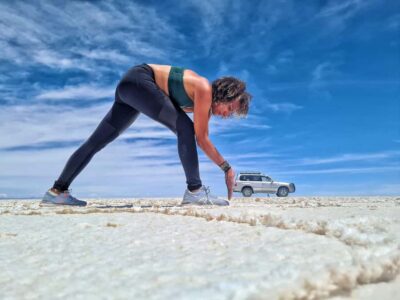

La Paz: Uyuni Salt Flats & San Pedro de Atacama 3-Day Tour
Read our review →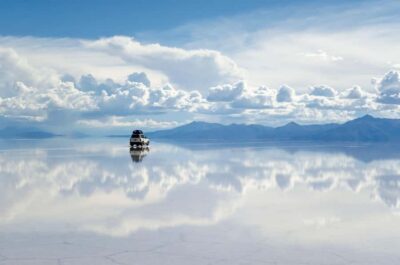
From Uyuni: Salt Flats Highlights Jeep Tour with Lunch
Read our review →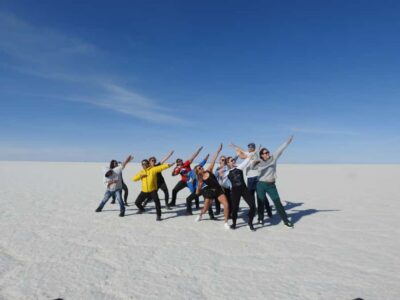
Uyuni: Uyuni Salt Flats and San Pedro de Atacama 3-Day Tour
Read our review →Browse the lists this tour appears in