
Reviewed · VOLCANO TOURS
Sillar Route in Arequipa and viewpoint of the Volcanoes
Arequipa’s Sillar Route takes you beyond the city’s handsome white buildings to the volcanic quarries that supplied their stone. You’ll see workers cutting sillar by hand, walk through a dry canyon with petroglyphs, and stop for photographs among carved figures and pale stone walls. The volcano views along the way add a fine bonus.
I like two things here: the tour is short enough to fit around a full Arequipa schedule, and the low price of $11 includes transport and a guide. The small group limit of 15 also makes the outing easier than a large coach trip. The main caution is that organization and English guiding can vary, and extra entrance fees are not always as low as expected.
Key points to know before booking
- Sillar is Arequipa’s signature building stone: You see where this pale volcanic rock comes from before spotting it throughout the historic center.
- Culebrillas canyon is often the highlight: The dry walk and petroglyphs provide more atmosphere than the quarry machinery and sales areas.
- The tour lasts about three to four hours: It works well as a half-day add-on rather than a full-day excursion.
- Bring protection from sun, dust, and insects: Sunscreen, insect repellent, sturdy walking shoes, and a face mask are practical choices.
- Expect a multilingual tour at times: English explanations may be shorter than Spanish commentary, depending on the group.
- Budget extra for admission: The published entrance charge is $3, but one experience included a higher-than-advertised fee.
Why Arequipa’s white stone matters
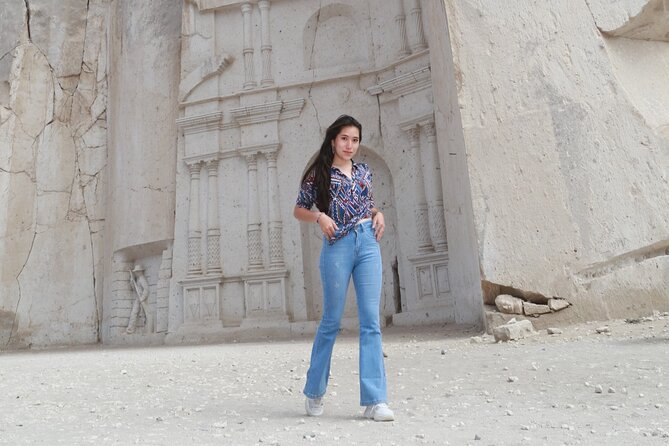
Sillar is not ordinary building rock. It is a pale volcanic stone formed from material produced by eruptions in the Arequipa region. The city used it so extensively that its historic center became known for its white or cream-colored facades, giving Arequipa its famous nickname, the White City.
This tour lets you see that story at its source. Instead of only admiring churches and colonial buildings downtown, you watch how blocks were removed from the earth and shaped by hand. That connection gives the city’s architecture more weight. The stone is no longer just a pretty facade. You begin to see the labor, dust, skill, and difficult terrain behind it.
I find this context especially useful if you have already visited the Plaza de Armas, the Templo de San Agustín, or other historic buildings. The tour returns you to the city center near San Agustín Church, so you can continue looking at Arequipa’s masonry with a better eye.
The setting is not polished in the way a museum is. Parts of the quarry are active work areas, with loose stone, dust, and rough paths. That is part of the point, but it also means you should come ready for an industrial site rather than a manicured attraction.
More Volcano Tours in Arequipa:
- Cartagena: Totumo Mud Volcano Experience
★ 4.4 · 675 reviews - From Santiago: Cajón del Maipo and Volcán San José Hike 8K
★ 4.9 · 418 reviews - Pucón: Villarrica Volcano Climb
★ 4.8 · 191 reviews
The ride from central Arequipa
The tour begins at C. San Agustín 102. Round-trip tourist transport is included, and the group is limited to 15 people. That size is a useful middle ground: small enough for a guide to speak to the group, but still affordable because the tour uses shared transport.
The drive also gives the guide a chance to explain Arequipa’s surrounding volcanoes. Depending on weather and visibility, you may see the volcanic peaks from the road or viewpoint areas. The volcano component is more of a scenic and interpretive addition than a separate mountain excursion, so book this for the stone route first and treat the volcano views as a bonus.
Pickup is the part that needs patience. Some departures have been delayed, and there have been cases where the meeting arrangements felt unclear. The operator normally confirms the booking at the time of reservation, but it is sensible to verify the exact pickup details and arrive early.
The return point is near Templo de San Agustín on C. Sucre, two or three blocks from the Plaza de Armas. Vehicles do not enter the main square, so plan on a short walk at the end. This is convenient for lunch, sightseeing, or a hotel in the central area.
Stop one: Añashuayco’s working quarry
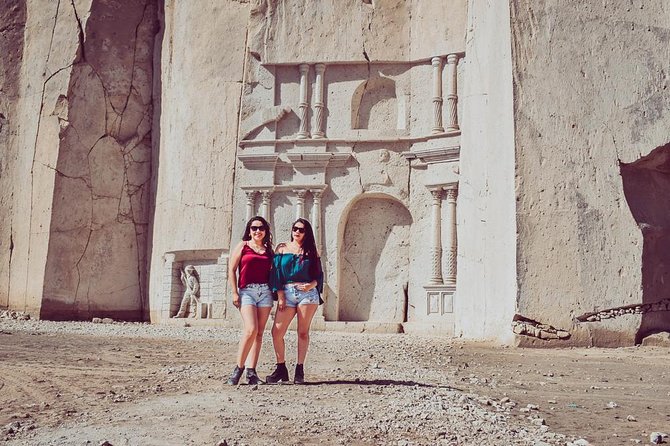
The first stop, Canteras de Sillar Añashuayco, lasts about 50 minutes. This is where you get the clearest look at the human work behind the stone. You can see ashlar being carved in an artisanal way, along with murals and the routine followed by workers in the area.
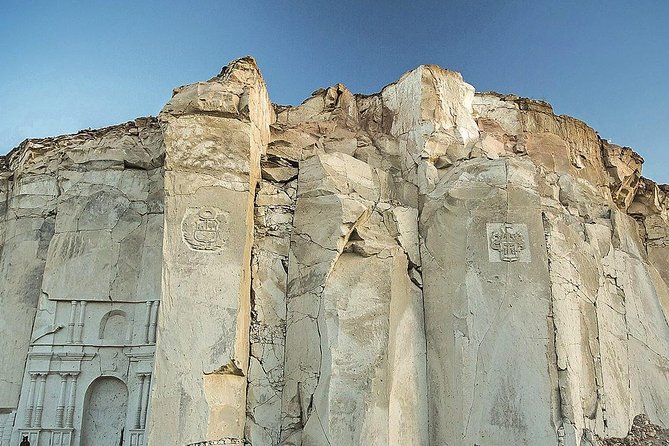
The quarry walls are pale, angular, and dry. Their color can look almost white in strong sun, then warmer and more golden when clouds pass over. The contrast between the raw stone and the finished carvings makes this stop visually strong, especially if you enjoy photographing texture and scale.
You may also see the small pink sillar cannon, formed naturally from the stone. It is an odd and memorable detail, and a reminder that the quarry has unusual shapes beyond the standard blocks used for construction.
There can be sales activity around the stops, and some visitors find the hawkers distracting. You can look without buying, but keep small purchases and extra costs in mind if you enjoy local crafts or snacks. Queso helado, Arequipa’s traditional cinnamon and coconut-flavored frozen dessert, has also been available as an extra during the outing, though it is not included in the tour price.
The admission ticket is listed as not included at this stop. The published additional entrance cost is $3, but the amount has not always matched what was expected. Carry enough small cash so a difference of a few dollars does not become an awkward problem.
Stop two: the sillar quarries
The second quarry stop lasts about 40 minutes and focuses more directly on the protected natural area where the volcanic stone is found. Here, your guide can connect the stone beneath your feet with the material used in Arequipa’s historic buildings.
This is the stop that may feel least exciting if you want a continuous walk or a major viewpoint. Some of the area is a working mine, and there are not endless sights to fill the time. Dust can be heavy, especially when stone is being cut or when vehicles pass.
A face mask is a smart item to pack. It is not required in the supplied tour details, but dust has been a real concern for people on the route. Comfortable walking shoes also matter. One section is easy, but the ground around the quarries can be rough and uneven.
The quarry’s value is mainly educational. You learn how a local material shaped the city, rather than simply stopping for a scenic photograph. If you are fascinated by geology, traditional labor, or architecture, this part will hold your attention. If you prefer dramatic natural scenery, the next canyon walk may be more rewarding.
A few more Arequipa days worth comparing
- From Arequipa: Colca Canyon Full-Day Guided Tour with Meals
★ 4.5 · 982 reviews - Tour to the Salinas Lagoon and National Reserve in Arequipa
★ 4.5 · 548 reviews - From Arequipa: Sillar Route Trek
★ 4.2 · 461 reviews - Arequipa: Chili River White Water Rafting with Hotel Pickup
★ 4.8 · 329 reviews
Stop three: Culebrillas canyon and the stone road
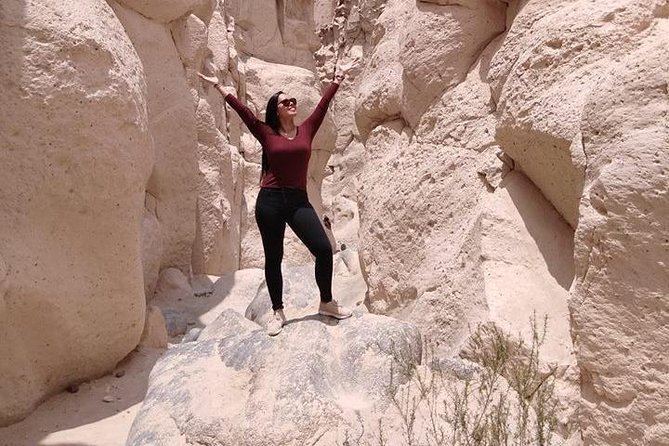
The final route stop lasts roughly 40 minutes. This is the part many visitors find most memorable, particularly the walk through the dry Culebrillas canyon and the petroglyphs near its end.
The canyon is narrow in places, pale in color, and shaped by volcanic stone. The walk is generally short, around 600 meters according to the experience details, but the surface can be uneven. Wear sports shoes or hiking shoes rather than sandals. You will want time to look at the walls and carvings rather than hurry through them.
The petroglyphs give the walk a stronger sense of discovery than the more open quarry areas. They also add a human story that reaches beyond the colonial buildings of Arequipa. Your guide may explain the figures and the local setting, though the amount of detail depends on the guide and the language used during the tour.
The area is protected, and you are not permitted to alter or work on the surroundings. That protection matters because the canyon’s appeal comes from its raw condition. You should stay on the established route, avoid touching carvings, and be careful with bags and loose clothing in narrow sections.
The canyon is also where insects can become a nuisance. Bring insect repellent, especially for the afternoon departure. Several people have found that flies became a problem when vehicle doors and windows remained open, so I would apply repellent before leaving the van and keep it handy.
Volcano views and Arequipa from the road
The tour’s name includes a viewpoint of the volcanoes, and the drive provides opportunities to see the peaks surrounding Arequipa. The exact quality of the view depends on cloud, light, and visibility. The volcanoes are part of the setting rather than a long dedicated viewpoint visit.
That distinction is worth knowing before you book. You are not signing up for a full mountain panorama tour. You are visiting the source of the sillar while learning how volcanic material shaped the city, with scenic views along the route.
The volcano connection still improves the experience. It helps explain why this region has such distinctive stone and terrain. If the sky is clear, bring your camera. The pale quarries, high peaks, and strong sunlight can produce excellent photographs.
The weather can change quickly. One moment may feel hot and exposed, while clouds and wind make the same site cool. Wear layers, use sunscreen, and carry water. The tour information specifically warns that good weather is required, and poor conditions can lead to a different date or a full refund.
What the guides add, and where the service varies
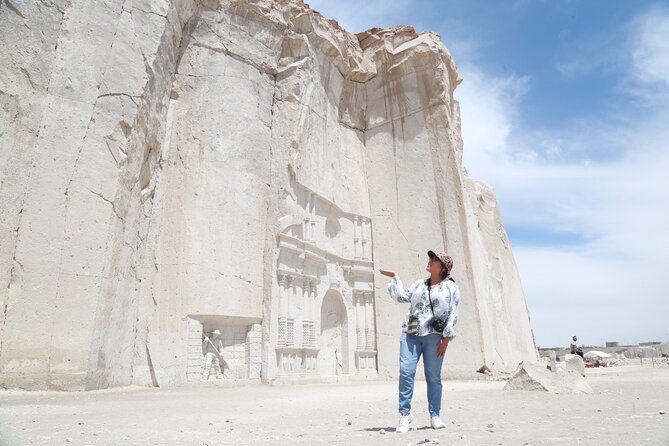
A good guide can turn a short quarry visit into a useful lesson about Arequipa. Guides such as Betsey, Alonso, Jose Jose, and Christina have been praised for friendly explanations, local stories, and clear attention to the history of the city and nearby volcanoes.
Alonso, in particular, has provided stories and explanations in both English and Spanish. Other guides have been described as warm and informative, helping explain the stone-cutting process and the meaning of the sites.
The language balance is the main uncertainty. Some departures are multilingual, and Spanish commentary may take up most of the time when most of the group speaks Spanish. If you are booking specifically for English, confirm how the language will be handled. English explanations can be brief or delivered quickly, and the experience is less satisfying when you cannot follow the longer descriptions.
This is not necessarily a flaw in every departure. A strong guide can keep a bilingual group moving and still offer good information. But you should not assume that an English booking always means a fully English-only tour.
Guide energy also varies. The best guides bring stories and context. A less engaged guide may simply move the group from one stop to the next. Since the tour is short and inexpensive, the guide has a large effect on the final impression.
Price, timing, and the real value
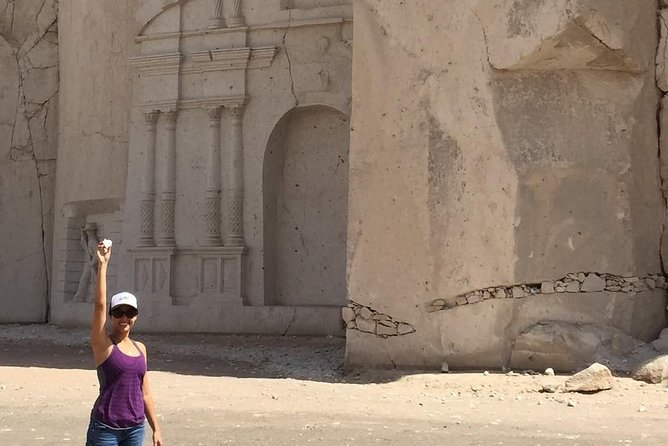
At $11 per person, this is one of the cheaper ways to see a distinctive part of Arequipa. The price includes tourist transport and a professional guide, which makes the value strong if pickup runs on time and the guiding is effective.
You should add the entrance charge, which is listed as $3 but may differ at the site. Food, drinks, queso helado, crafts, and other purchases are also extra. The total remains modest, but carrying a little reserve cash avoids surprises.
The three to four hour schedule is a major advantage. You can take the morning departure and keep the afternoon for central Arequipa, or choose the afternoon if you want a slower morning. This is a good fit for a free half-day, a first or last day in the city, or a break between longer excursions.
It is not the right choice if you want a full-day adventure with many major attractions. The route has only a few stops, and some quarry time can feel repetitive. The strongest moments are the canyon walk, the petroglyphs, and the connection between volcanic stone and Arequipa’s architecture.
Practical preparation for a smoother outing
Pack light, but do not leave out the basics:
- Sturdy walking shoes for the quarry and canyon paths
- Sunscreen and a hat for exposed areas
- Insect repellent, especially for Culebrillas canyon
- A face mask or buff for dusty sections
- A light jacket for wind and sudden cool weather
- Small cash for the entrance fee and optional purchases
- Water and a camera
Most people can participate, but the route is not a flat city stroll. The canyon path is relatively easy, yet rough ground and dust may be uncomfortable for anyone who needs fully smooth access.
Keep your expectations practical. The route is protected and authentic, but it is not highly polished. Workers, stone debris, sales areas, dust, and uneven ground are part of the setting. That raw quality is valuable to some people and disappointing to others.
Free cancellation is available if you cancel at least 24 hours before the start time. Changes or cancellations inside that period are not accepted for a refund. If poor weather forces the operator to cancel, you can receive a different date or a full refund.
Who should book the Sillar Route?
I would book this tour if you have at least a half-day in Arequipa and want to understand the city through its building material. It is especially suitable for families, photographers, architecture fans, geology enthusiasts, and anyone who wants a short outing outside the historic center.
I would also choose it if you value a low price and do not need a perfectly polished operation. The quarry work, pink sillar formation, carved figures, canyon, and petroglyphs give you plenty to see for a modest cost.
I would hesitate if you require a fully English-only tour, dislike dust, or want a dramatic, nonstop nature excursion. In that case, confirm the language arrangement first and consider paying more for a smaller specialist tour if available.
For most visitors with realistic expectations, this is a worthwhile half-day addition. The Culebrillas walk and the chance to connect Arequipa’s white architecture with its volcanic source make the outing more than a simple drive to a mine.
FAQ
How long does the Sillar Route tour last?
The tour lasts approximately three to four hours, depending on the route and timing of the stops.
What is included in the tour price?
The $11 price includes tourist transportation and a professional guide. Entrance fees, food, drinks, and optional purchases are not included.
How much is the entrance fee?
The published entrance fee is $3. However, the amount may vary at the site, so carry extra cash.
Where does the tour start and finish?
It starts at C. San Agustín 102 in Arequipa. It finishes near Templo de San Agustín on C. Sucre, two or three blocks from the Plaza de Armas.
Is the tour offered in English?
The tour can be multilingual. English explanations may be available, but Spanish may take up more of the commentary when most of the group speaks Spanish. Confirm the language arrangement before booking if this is important to you.
What happens if bad weather cancels the tour?
If poor weather causes cancellation, you will be offered another date or a full refund. You can also cancel for a full refund if you do so at least 24 hours before the start time.
Just added around Arequipa
- Turist Bus Colca Canyon (Chivay) To Puno★ 5.0 · 83 reviews
- 3-Day Colca Canyon trek with Professional Guide★ 5.0 · 40 reviews
- Trekking, Waterfalls and Thermal Baths★ 4.5 · 47 reviews
- Salinas National Reserve PRIVATE TOUR★ 5.0 · 81 reviews
- Sillar Route and Culebrillas Petroglyphs★ 4.5 · 89 reviews
- Full Day Tour / Colca Canyon★ 4.0 · 70 reviews
- Colca Full Day★ 5.0 · 57 reviews
- Private 3 Day Colca Canyon Trekking tour (superior Service)★ 5.0 · 58 reviews
Volcano Tours, compared.
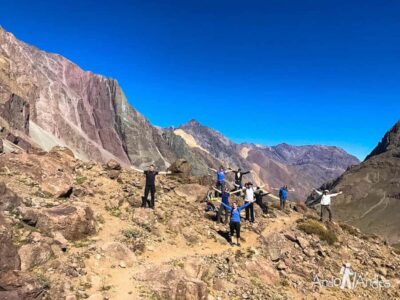
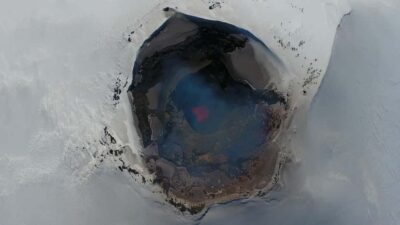
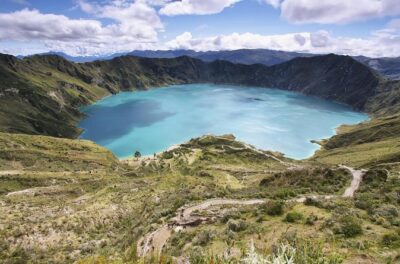
Cotopaxi & Quilotoa With Optional Hotel Pick-Up & Drop-Off
Read our review →
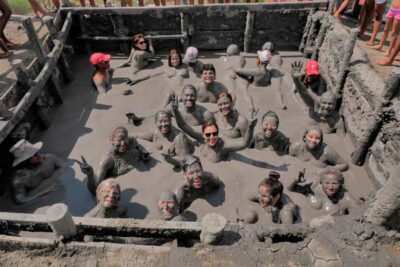
Tour to the Mud Volcano in Cartagena with Lunch
Read our review →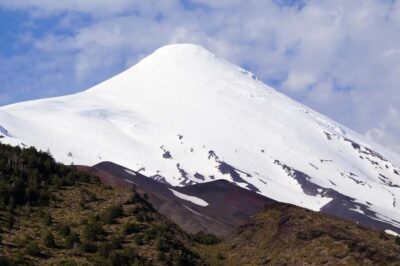
From Puerto Varas: Osorno Volcano & Petrohue Falls Day Tour
Read our review →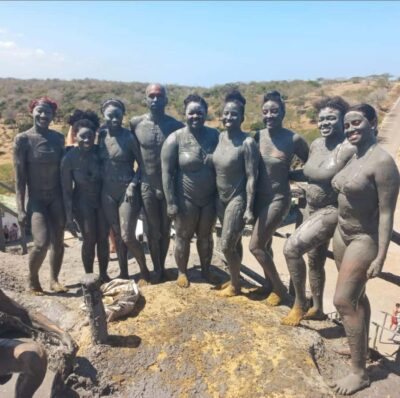
Browse the lists this tour appears in