
Reviewed · COOKING CLASSES
Miraflores: Amazing Peruvian Cooking Class Ceviche Seafood and Pisco Sour
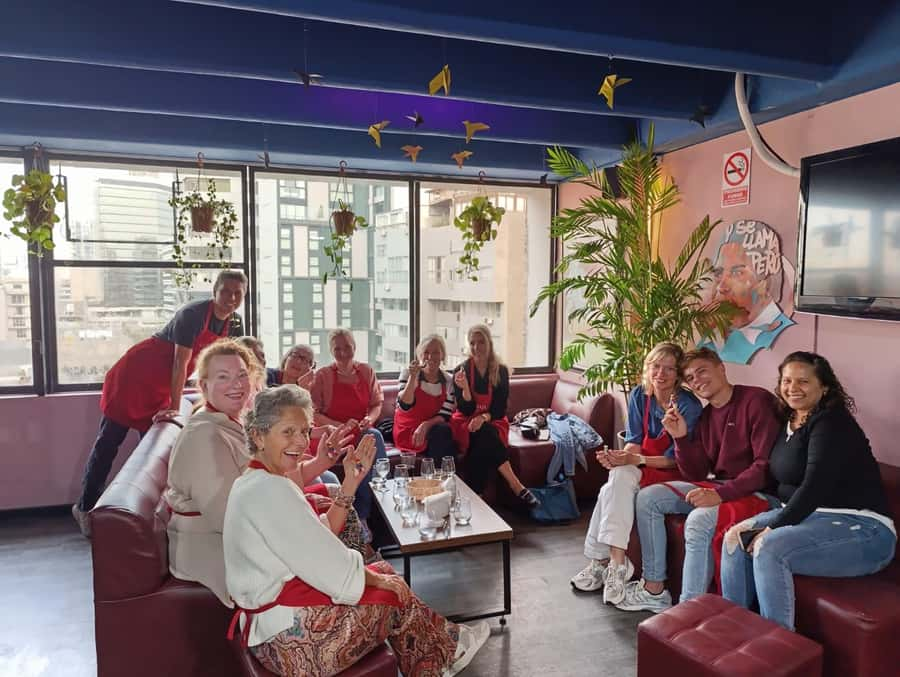
The best part of this Miraflores class is that you do more than eat Peruvian food. You taste 10 house-made pisco flavors, prepare tuna tartar and ceviche, then shake your own pisco sour in a proper bar. José Antonio and Maria lead the session themselves, giving it a personal feel rather than a factory-style cooking demonstration.
I like the convenient location, just half a block from Kennedy Park, and the small group size of eight. I also like the useful extras: recipes, photos and videos from the session, plus practical suggestions for Lima, Cusco, Paracas, northern Peru, and the jungle. The main consideration is that much of the chopping and ingredient preparation may already be done, so this is more of a guided food-and-drink workshop than a full kitchen class from start to finish.
Key points to know before booking
- Ten pisco macerates: Taste house-made flavors before choosing one for your pisco sour or chilcano.
- Three hands-on preparations: Make one tuna tartar, one ceviche, and one cocktail per person.
- Central Miraflores setting: Meet at the Wong supermarket by Kennedy Park, close to many hotels.
- Personal instruction: José Antonio and Maria lead the experience, with English and Spanish available.
- Small and accessible: The group is limited to eight, and the venue has an elevator with no stairs.
- Useful take-home extras: You receive recipes, local food tips, and photos or video from the session.
A Peruvian food class with a cocktail bar at its center
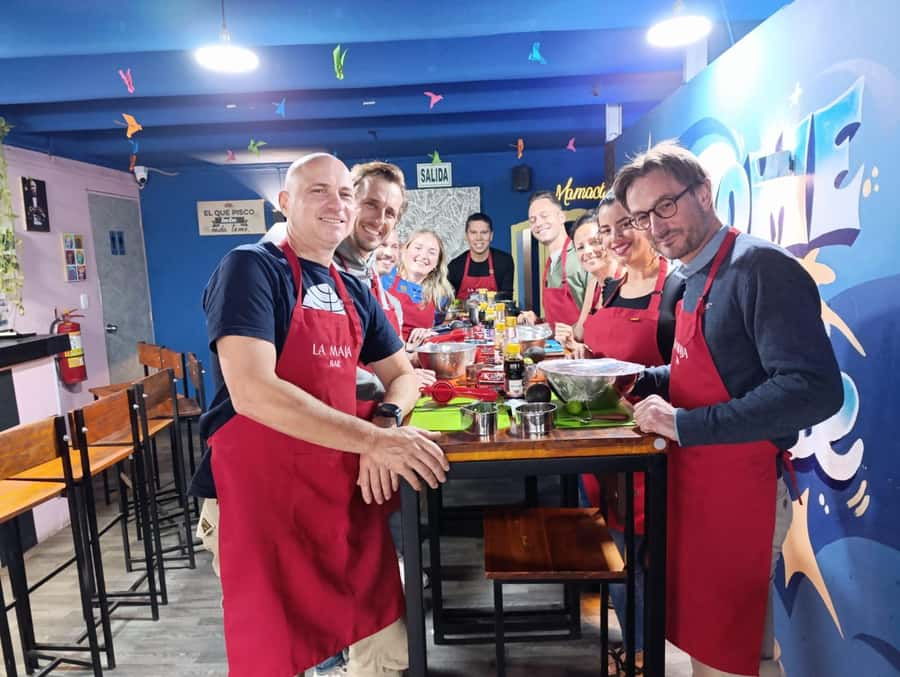
At $40 per person, this 2.5-hour class offers a lot of tasting and participation for the price. It is not simply a ceviche lesson. You sample fruit, learn about Peruvian geography and food traditions, taste infused piscos, prepare two seafood dishes, and make a cocktail.
That broad mix is the reason I would consider it early in a Lima visit. You get an introduction to several parts of Peru without leaving Miraflores, and the hosts can point you toward places to eat and visit afterward. The session works especially well if you want context with your meal, but do not want to spend half a day in a formal culinary school.
The setting is an exclusive experience room filled with Peruvian art. A short video at the start introduces the country’s coast, highlands, and jungle, giving you a basic map of Peru’s food traditions before you begin tasting. It is a useful opening, especially if this is your first day in Lima.
The class is led by José Antonio and Maria, who are also pisco producers. Their own connection to the spirit gives the drink portion a clear focus. You are not just handed a standard bottle and told to mix it. You hear about their work and taste the different macerated flavors they produce.
More Cooking Classes in Peru
- Market Tour, Tasting of 35 Fruits, and 4-Course Peruvian Cooking Class in Lima
★ 5.0 · 86 reviews - #1 Rated Cooking Classes with Local Market Tour & Pickup
★ 5.0 · 69 reviews - Cusco: Peruvian Cooking Class, Cocktails & Local Market Tour
★ 4.9 · 512 reviews
Exotic fruit and the geography of Peruvian food
The first tasting introduces exotic Peruvian fruits. The exact selection can vary, but the purpose is clear: to show you flavors that may not be familiar from home and to connect them with the country’s different regions.
This section is more than a quick nibble before the cooking starts. Peru’s coast, mountains, and jungle have very different ingredients, and the opening video helps explain that range. You may also hear how particular fruits, herbs, and other ingredients fit into local cooking and family traditions.
If you are curious about Peruvian food beyond ceviche, this opening gives you a useful starting point. It also breaks up the alcohol tasting that follows, so the class does not become one long run of pisco samples.
There is no need to prepare for this part, but tell the hosts about allergies before the class. The activity also offers a vegetarian option if you arrange it in advance.
Ten pisco macerates, from tasting to cocktail
Pisco is one of the main reasons to choose this particular class. José Antonio and Maria produce their own pisco, and you can taste up to 10 infused versions. The flavors provide a quick lesson in how fruit and herbs change the character of the base spirit.
This is also the liveliest part of the session. You sample several options, choose the flavor you prefer, and use it in your own pisco sour. The class can also prepare a chilcano instead, which is helpful if a pisco sour is not your favorite style of drink.
A few specific flavors have been especially popular with the hosts’ recommendations, including chicha morada and passion fruit. You can ask which options are available that day and which work best in a cocktail. Bottles may also be available to buy from the instructor, giving you a chance to take a favorite flavor home.
The pisco tasting deserves a practical note. Ten samples can add up quickly, even when each pour is modest. Eat the food as it arrives, drink the included water, and pace yourself. The session is designed as a social tasting and cooking experience, not a contest.
Tuna tartar comes before the ceviche
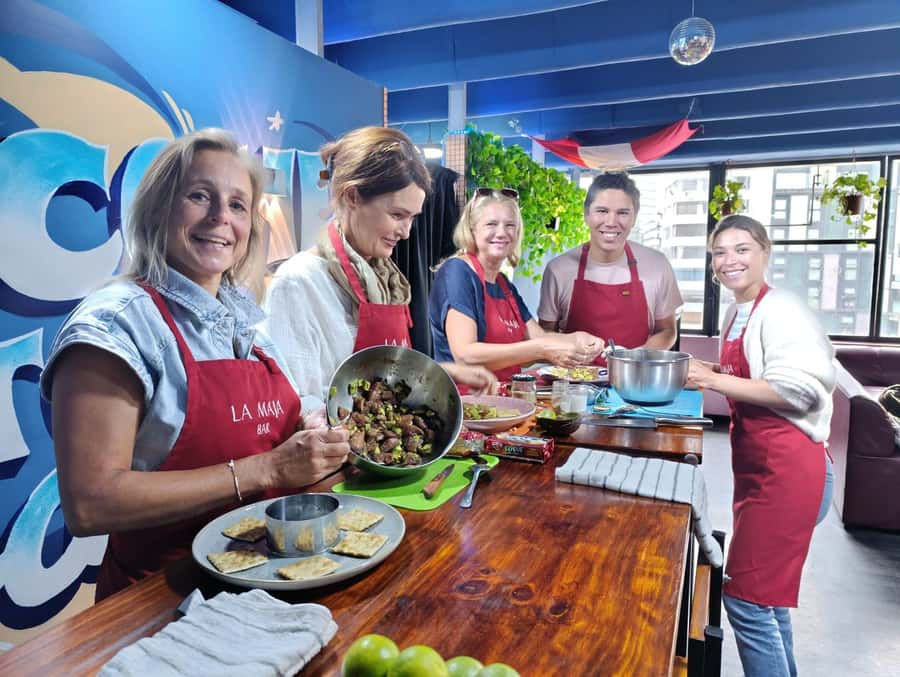
The first prepared dish is tuna tartar. The tuna of the day is mixed with soy sauce, sesame oil, avocado, and lemon, then served on crackers.
This is a good first course because the preparation is direct and the flavors are easy to understand. The soy and sesame bring savory depth, while avocado softens the mixture and lemon adds freshness. You prepare one portion per person, so you get to eat what you make rather than watching a single dish disappear into a shared bowl.
The fish is presented as fresh, high-quality seafood, and the hosts place strong emphasis on their seafood background. That matters in a class centered on raw fish. If you have allergies or dietary limits, share them before arriving so the hosts can explain what can be changed.
One small limitation is that some ingredients, including fish and onions, may already be cut before the class begins. That keeps the two-and-a-half-hour schedule moving and gives you more time for tasting and conversation, but it means the lesson does not cover every knife skill.
I see this as a fair trade for this particular format. You are learning the balance of ingredients and the order of preparation, not training for restaurant work. The tartar is also a pleasant bridge between the fruit tasting and the stronger flavors of the ceviche.
More Food Tours in Lima
- Lima: Ultimate Peruvian Food Tour
★ 4.9 · 700 reviews - Lima: Historic Center Street Food, Market, and Eateries Tour
★ 4.9 · 216 reviews - Lima Street Food Tour Beyond Netflix
★ 5.0 · 117 reviews - Trending Flavors: Miraflores Walking Tour Including Food and Drinks Tasting
★ 5.0 · 63 reviews
Making your own pisco sour
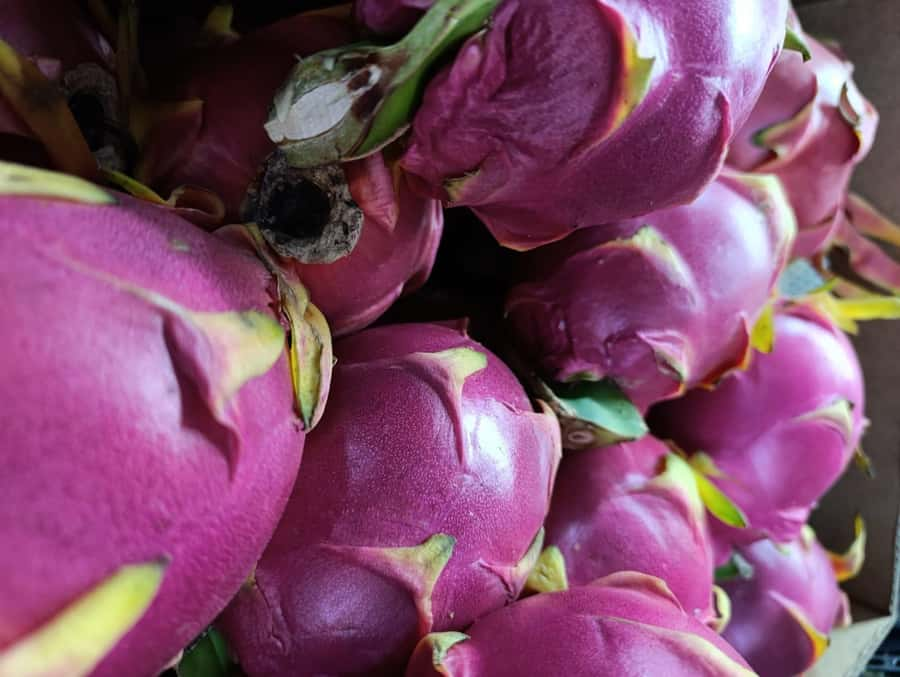
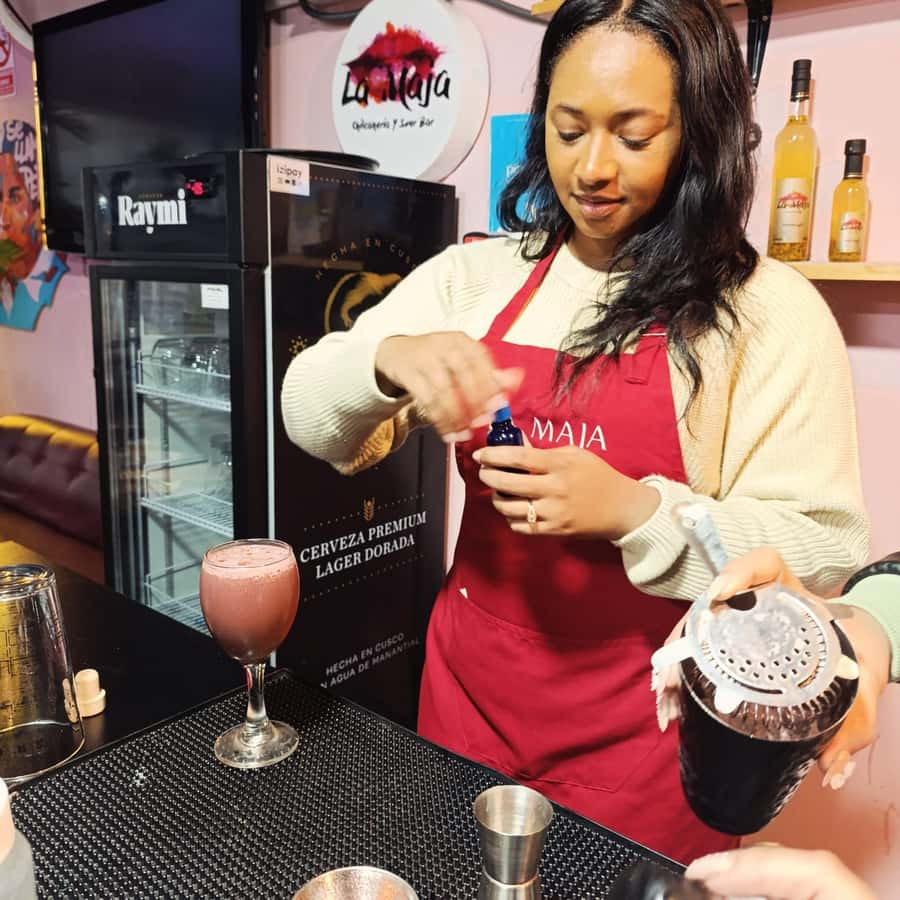
After the tartar, you move into the professional bar area to learn about pisco and make the official pisco sour recipe. You choose one of the macerated piscos and prepare one cocktail per person.
The hands-on part makes this more memorable than a standard drink tasting. You mix and shake your own drink, and the hosts explain the background of the pisco sour as you work. You can also choose a chilcano if that suits you better.
This is a useful activity for couples and friends because the cocktail portion naturally encourages conversation. Solo participants also have a reason to chat with the small group, and the hosts are accustomed to making the experience feel personal even when only one booking is scheduled.
The drink is not treated as an afterthought. José Antonio’s own production gives him a personal story to share, and the hosts connect the cocktail to Peruvian culture rather than presenting it as a generic sour made with a local spirit.
If you do not drink alcohol, this class may not be the best match. Alcohol is built into a large part of the experience, with pisco macerate tastings and a cocktail included. Unlimited water is provided, but the supplied details do not mention a nonalcoholic cocktail alternative.
The ceviche lesson is the main event
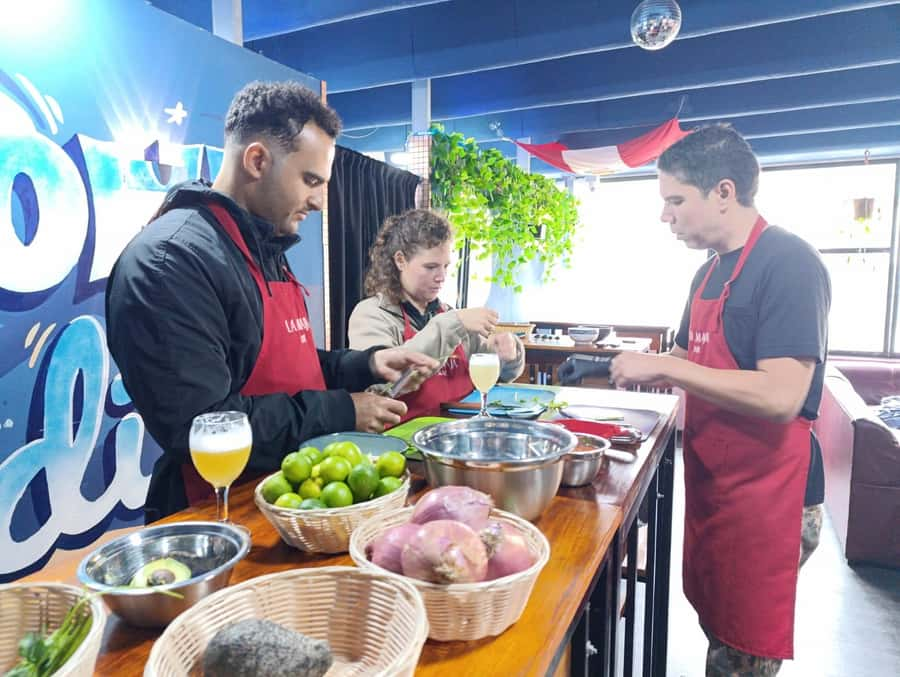
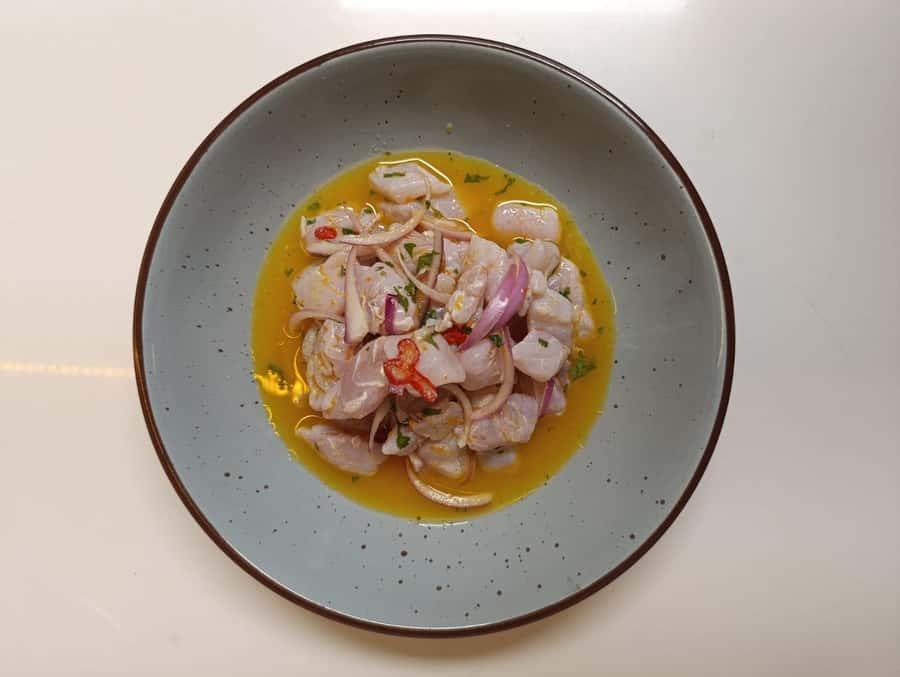
The final dish is fish ceviche, prepared with the hosts’ own recipe. You make one plate per person, using fish described as fresh and, in some sessions, caught that morning.
Ceviche is a natural focus for a Lima cooking class. The dish is closely tied to Peru’s coastal food culture, and the hosts explain its origins as part of the session. You learn how the ingredients work together, then eat the result while it is fresh.
The class specializes in seafood, so this is where the hosts’ experience matters most. Their approach centers on the quality of the fish and the balance of the seasoning. You are not merely following a printed recipe. You get tips that can help you judge freshness and flavor when you prepare ceviche later.
Expect the ceviche to be the most important dish of the class, but not necessarily the most labor-intensive. Some preparation is completed ahead of time, which leaves more room for discussion and tasting. If you want to chop every ingredient yourself, ask about the amount of hands-on work before booking.
The portions are described as generous, and the ceviche and tartar together make this a substantial light meal. You also have the pisco tasting and cocktail, so the class can comfortably replace a lunch or early dinner for many people.
What makes the small group useful
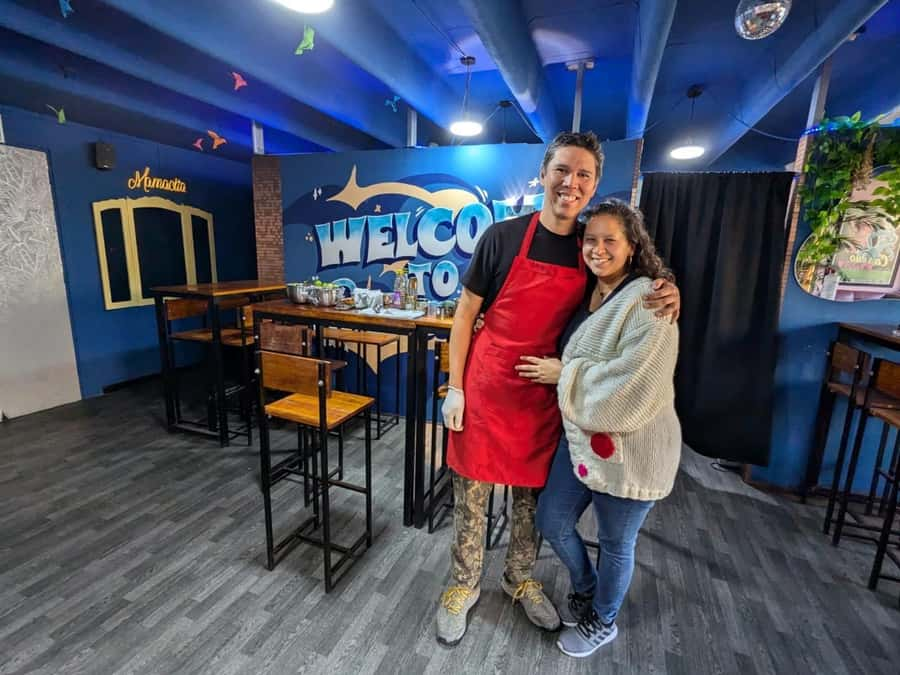
The class is limited to eight participants. That number is large enough for a social atmosphere but small enough for José Antonio and Maria to answer questions and watch what you are doing.
A small group also matters when you are preparing raw seafood. You can ask about the fish, seasoning, and timing without waiting through a long line of participants. If your group is the only booking, the session may feel almost private.
The hosts are also generous with advice beyond the recipes. You receive suggestions for restaurants and activities in Lima, as well as tips for Cusco, Paracas, northern Peru, and the jungle. If you are building a longer Peru itinerary, bring a short list of questions and use this time well.
Photos and video are taken throughout the experience and shared afterward. That is a practical extra for anyone traveling alone or trying to avoid spending the whole class taking pictures. You can focus on the food and still leave with a record of the session.
Location, timing, and access in Miraflores
The meeting point is at the door of the Wong supermarket, where you look for a red apron. The location is about half a block from Kennedy Park and around five minutes from nearby hotels, making it easy to fit into a day of walking around Miraflores.
The activity ends back at the meeting point. Check the available start times when booking, and contact the hosts if you need a different schedule. They also ask you to provide your language, allergies, and vegetarian requirements in advance.
English and Spanish instruction is available. The venue has an elevator and no stairs, and the activity is listed as wheelchair accessible. These details make the class easier to consider if stairs or mobility are a concern, though you should still share your needs with the hosts before the day.
The group runs for about 2.5 hours. Allow extra time afterward if you want to continue with a full dinner, since the food portions and cocktails can make this more filling than a quick tasting.
Is $40 good value?
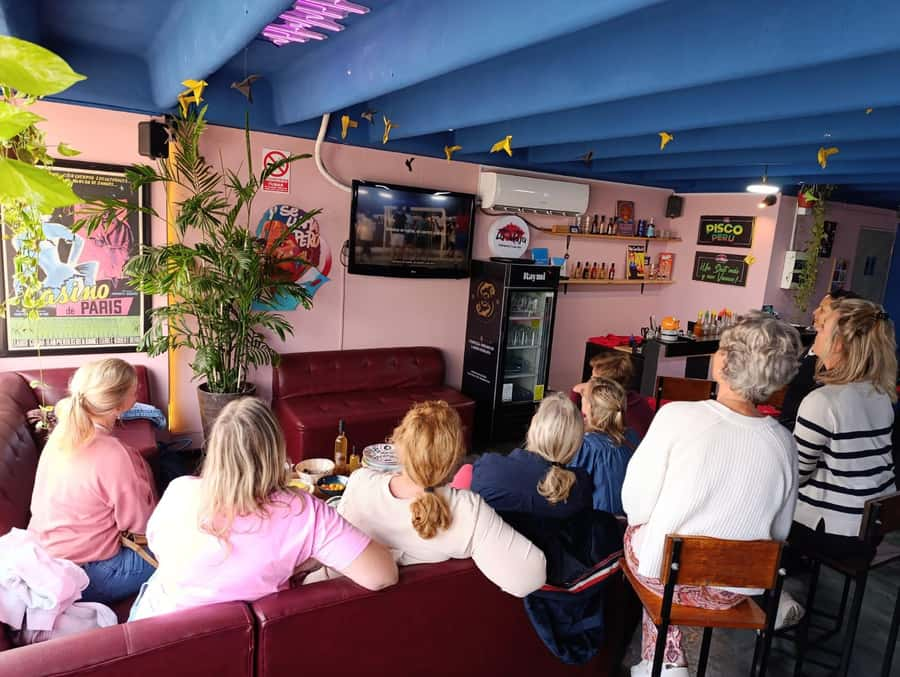
At $40, the price is reasonable for a small-group class with food, drinks, instruction, and several tasting stages. You receive one tuna tartar, one ceviche, and one pisco sour or chilcano per person, along with fruit, pisco samples, and unlimited water.
The value improves if you use the hosts’ local advice. A standard meal in Lima would give you the chance to eat ceviche, but not to learn how it is prepared, taste 10 pisco flavors, or ask about restaurants and sights across Peru.
The class is less compelling if you only want a technical cooking lesson. Since some ingredients are prepared ahead, the focus is on cultural explanation, seafood tasting, and shared preparation rather than every step of kitchen work.
For food-focused visitors, couples, solo visitors, and small groups, the price covers a full afternoon or evening activity without the cost of a private chef. The 4.9 rating from 57 reviews also suggests a strong track record, though your enjoyment will depend on how much you value conversation and tasting alongside cooking.
Who should book this Miraflores experience?
I would recommend it to anyone who wants a friendly introduction to Peruvian food without committing to a long culinary program. It is especially suited to people who enjoy seafood, cocktails, and learning the story behind what they eat.
It also works well near the beginning of a Peru trip. You can use the restaurant suggestions in Lima and ask for advice about later stops such as Cusco, Paracas, and the northern coast.
Couples and friends will find the cocktail and cooking format easy to enjoy together. Solo visitors are also likely to fit in well because the group is small and the hosts take an active role in conversation.
I would be more cautious if you dislike raw fish, avoid alcohol, or want a class built around advanced knife work. Vegetarian participants can request an option, but the advertised menu is centered on seafood, so clarify the replacement dishes before booking.
Cancellation is free up to 24 hours in advance, and you can reserve now and pay later. Those terms help if your Lima schedule is still changing.
Should you book it?
Book this class if you want to taste Peru through seafood, pisco, and conversation in a central Miraflores location. The strongest reasons are the house-made pisco selection, the fresh fish ceviche, the small group, and the personal advice from José Antonio and Maria.
Skip it if you want a formal chef-led course where every ingredient is measured and chopped from scratch. For everyone else, this is a well-priced way to spend 2.5 hours, eat a satisfying meal, and leave with recipes, cocktail practice, and a clearer sense of Peru’s food culture.
FAQ
How long does the Peruvian cooking class last?
The experience lasts 2.5 hours. Check the available start times when booking.
How much does the class cost?
The price is $40 per person.
Where is the meeting point?
Meet at the door of the Wong supermarket in Miraflores, where the host will wear a red apron. The location is about half a block from Kennedy Park.
What food will I prepare?
You will prepare one tuna tartar and one plate of fish ceviche per person. The tartar includes tuna, soy sauce, sesame oil, avocado, and lemon, and is served on crackers.
What drink will I make?
You will prepare one pisco sour or chilcano per person. You choose a pisco macerate flavor from the available selection.
How many pisco flavors can I taste?
You can taste up to 10 different pisco macerate flavors. The hosts produce their own pisco.
Is the class available in English?
Yes. The class is offered in English and Spanish. Tell the hosts which language you speak.
Is there a vegetarian option?
Yes, a vegetarian option is available. Tell the hosts in advance if you want it.
Is the activity wheelchair accessible?
Yes. The venue has an elevator and no stairs, and the activity is listed as wheelchair accessible.
Can I cancel the booking?
You can cancel up to 24 hours in advance for a full refund. You can also reserve now and pay later.
More Cooking Classes in Lima
- Buenos Aires: Empanadas and Alfajores Guided Cooking Class
★ 4.8 · 486 reviews - Cooking class and market tour with a local chef
★ 5.0 · 186 reviews - Buenos Aires: Empanada & Alfajor Cooking Lesson in Palermo
★ 4.6 · 186 reviews - Cooking class in Salvador, an authentic dinning experience
★ 5.0 · 132 reviews
More Food Tours in Peru
- Lima Street Food: A gastronomic adventure through the city.
★ 4.5 · 42 reviews - Lima: Flavors and Tradition Walking Tour with Food Tasting
★ 4.6 · 40 reviews - Food and Culture Full day Tour in the Sacred Valley
★ 5.0 · 144 reviews - Arequipa Tasting Tour
★ 5.0 · 92 reviews
Just added around Lima
- Surf lessons in Lima, Peru surf lessons best experience★ 5.0 · 40 reviews
- 7 Day Peru Private Journey★ 5.0 · 71 reviews
- Lima City Tour Plus + Video by Drone – Group★ 5.0 · 59 reviews
- 7 Day Exploration Tour from Cusco to Lima★ 5.0 · 85 reviews
- Lima: Magic Water Circuit with Dinner★ 4.5 · 59 reviews
- Lima: Live Magic Water Show Experience★ 4.9 · 60 reviews
- Lima Street Food: A gastronomic adventure through the city.★ 4.5 · 42 reviews
- Lima: City Highlights Walking Tour & Catacombs★ 4.9 · 41 reviews
Cooking Classes, compared.
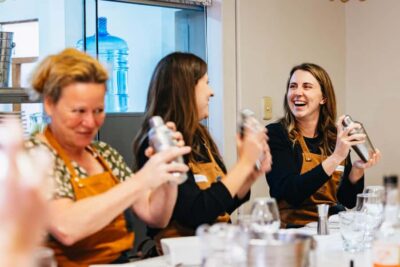
Cusco: Peruvian Cooking Class, Cocktails & Local Market Tour
Read our review →
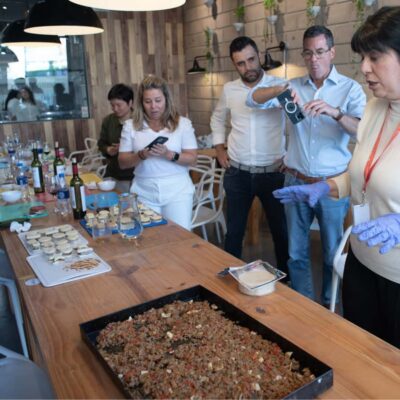
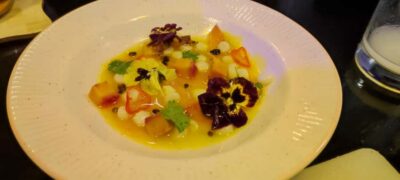
Cooking class and market tour with a local chef
Read our review →
Cooking class in Salvador, an authentic dinning experience
Read our review →
3h Cooking Class in Mendoza with 7 Recipes & Bottomless Drinks
Read our review →
BA: Empanadas and Alfajores Cooking Experience in Palermo
Read our review →
Market Tour, Tasting of 35 Fruits, and 4-Course Peruvian Cooking Class in Lima
Read our review →Browse the lists this tour appears in