
Reviewed · UYUNI SALT FLATS TOURS
Uyuni Salt Flats (3 Days) English Speaking Guide
The best part of this three-day trip is how quickly the scenery changes. You begin among rusting British locomotives and endless white salt, then move into a high desert of volcanoes, flamingos, steaming mud pools, and mineral-colored lakes. Salar de Uyuni is the headline, but the remote second and third days give the tour its real depth.
I like the small group size, capped at five, and the fact that meals, transport, and two nights of lodging are included. I also like the human touch: guides such as Edgar and Nelson have been praised for useful explanations, safe driving, cooking, and helping with fun photos. The main drawback is simple: this is a demanding trip at high altitude, with long driving days and very basic accommodation.
Key points to know before booking
- Three days, not just a salt-flat photo stop: You continue from the salar into volcano country, flamingo lakes, geysers, and the Siloli Desert.
- Groups are limited to five people: That matters in a cramped 4×4 and makes it easier to ask questions or request a photo stop.
- The second night is very basic: Bring warm clothing, toilet paper, and patience with simple facilities.
- Isla Incahuasi costs extra: The entrance fee is Bs 30, and the island can be closed when the salar is flooded.
- The tour can finish near Chile: A transfer to San Pedro de Atacama is available for Bs 130 per person.
- The altitude is serious: The route reaches about 15,000 feet, with cold, wind, and thin air adding to the challenge.
Why this route is more than a salt-flat tour
At $449 per person, this is not the cheapest way to see Uyuni. It is a three-day expedition with food, a driver, an English-speaking guide, two nights of basic lodging, and access to places you would struggle to connect on your own.
The value comes from the range of scenery. A shorter visit can give you the white salt crust and clever perspective photographs, but this route carries you far beyond the salar. You see a desert shaped by wind, volcanoes on the Bolivia-Chile border, rare flamingos, geothermal activity, and lakes colored by algae, minerals, or borax.
The small group helps. A maximum of five people means less crowding inside the vehicle and more chance to get information from your guide. It also makes the long hours in the 4×4 more bearable. You should still expect a lot of road time. This is remote Bolivia, not a gentle sightseeing loop.
The tour starts at Skyline Traveller Uyuni on Avenida Ferroviaria at 10:30 a.m. and returns to the same meeting point unless you arrange the Chile transfer. Confirmation is provided when you book, and free cancellation is available up to 24 hours before the start time.
More three-day trips from Uyuni Salt Flats:
- 3-Day Tour to Salt Flats and Lagoons
★ 4.5 · 168 reviews - From Uyuni: Red Lagoon & Uyuni Salt Flats 3-Day Guided Tour
★ 4.4 · 160 reviews - La Paz: Uyuni Salt Flats & San Pedro de Atacama 3-Day Tour
★ 4.1 · 145 reviews
Day one: locomotives, salt workers, and an endless white plain
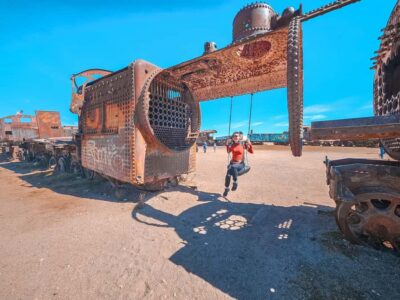
The first stop is Uyuni’s Train Cemetery, about 3 kilometers from the railway station. Rusted locomotives and hollow train cars sit in the open air, their metal worn down by salt-laden wind. Most date from the early 20th century and were imported from Britain.
You can walk inside the cars and climb on parts of the machinery for photographs. There is no fence or formal barrier, so take care on the rusted metal. The site is more than a collection of old trains. It reflects Uyuni’s former role as a transport hub and the failure of grand plans to build a larger rail network through the region.
Allow about 45 minutes. The stop is compact, strange, and photogenic, but do not expect a museum with signs and exhibits. Your guide adds useful context, yet the pleasure here comes mainly from seeing the machines slowly being reclaimed by the desert.
Next comes Colchani, a small salt-processing village just outside the salar. The local cooperative processes roughly 25,000 tonnes of salt each year from an estimated 10 billion tonnes held in the flats. Salt was once carried by llama caravans to trade for coca, maize, and other goods. Today, better roads and transport let the cooperative sell salt in Bolivia and Brazil.
You can watch a traditional salt-processing demonstration and browse salt handicrafts, llama and alpaca textiles, and small sculptures. A donation is expected for the factory explanation. The Salt Museum is quick, taking roughly 5 to 10 minutes, and is made from salt blocks with carved figures.
Colchani is a useful stop because it connects the famous scenery with local work. I would keep some Bolivianos ready if you want a souvenir or wish to support the demonstration. Do not expect a long cultural program. It is a brief, practical introduction before the road heads onto the salar.
Then the white begins.
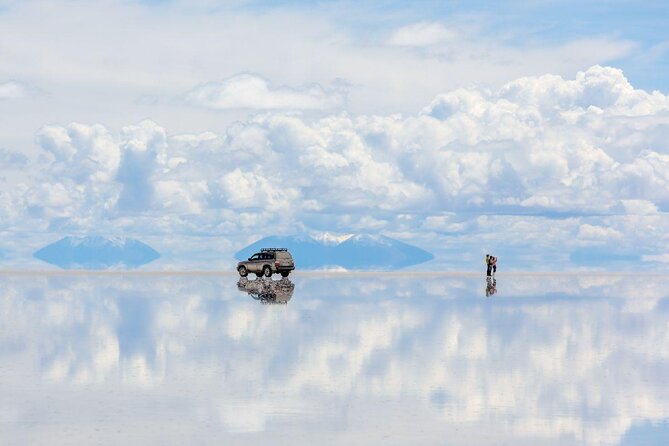
The Salar de Uyuni covers more than 4,050 square miles and is the largest salt flat in the world. A thick crust reaches toward the horizon, broken into polygonal patterns created as the salt dries and contracts. Under clear weather, the flat can look almost empty, with distant mountains appearing to float above the ground.
After rain, a thin sheet of water can turn the surface into a giant reflection of the sky. The wet-season effect is spectacular, but it can also change the route. Isla Incahuasi may be inaccessible when the salar is flooded, so the best version of the trip depends partly on conditions.
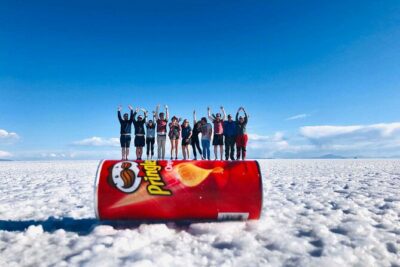
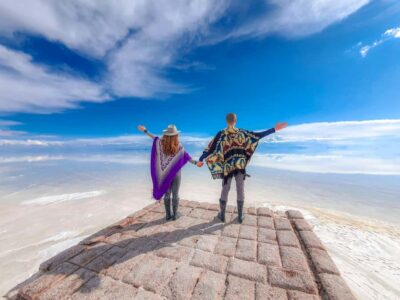
The tour spends about three hours on the salt flat, with lunch included. You will have time for photographs, including the playful forced-perspective images Uyuni is famous for. Ask your guide to help with these if you want them. Guides who enjoy taking photos can make a real difference here, since the empty space makes scale hard to judge.
The Dakar Monument provides another short stop and a reminder that this supposedly empty plain also hosts a major racing event. The monument has become a regular photo stop since the Dakar Rally first crossed Bolivia in 2014.
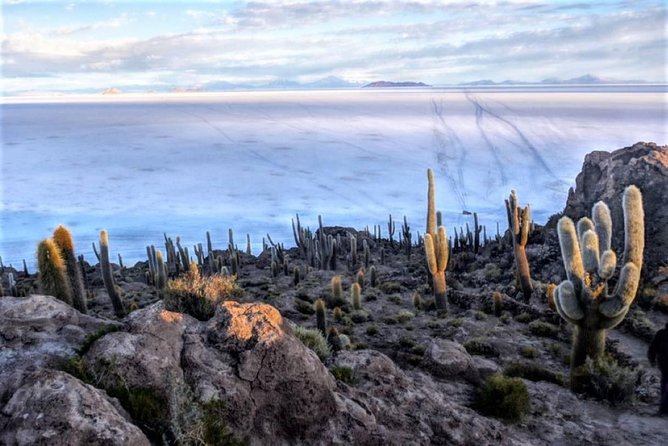
After lunch, you reach Isla Incahuasi, also called Inkawasi. This rocky island rises from the middle of the salt flat, covered with giant Trichocereus cacti. Some cacti grow to remarkable heights, while the island’s trail gives you a view over the white crust in every direction.
The walk to the top takes about 15 minutes, followed by a loop around the island. It is not a hard hike in distance, but altitude and sun can make it feel tougher. The entrance fee is Bs 30 and is not included. If the salar is flooded, the island cannot be reached.
The first night is spent in a hotel built from salt blocks. This is one of the tour’s memorable touches, though you should not mistake a salt hotel for luxury lodging. The accommodation is part of the route’s character, and the included dinner, tea, coffee, and breakfast help keep the cost under control.
Day two: volcano views and the red water of Laguna Colorada
Day two takes you away from the white plain and into much wilder country. The route includes a viewpoint toward Ollagüe, a massive volcano on the Bolivia-Chile border. Its summit reaches about 5,868 meters, and a fumarole near the crater can be visible from a distance.
You do not climb Ollagüe. The stop is about 30 minutes at a viewpoint, so think of it as a chance to understand the scale of the Altiplano rather than a volcano hike. The surrounding terrain is stark, with old lava forms, salt pans, and distant peaks.
The Siloli Desert brings the altitude up again, to roughly 4,550 meters. This is one of the highest deserts in the world, and it feels bare, dry, and remote. You need to be properly acclimatized before this section. Walk slowly, drink water, and do not treat a short stroll as an ordinary low-altitude hike.
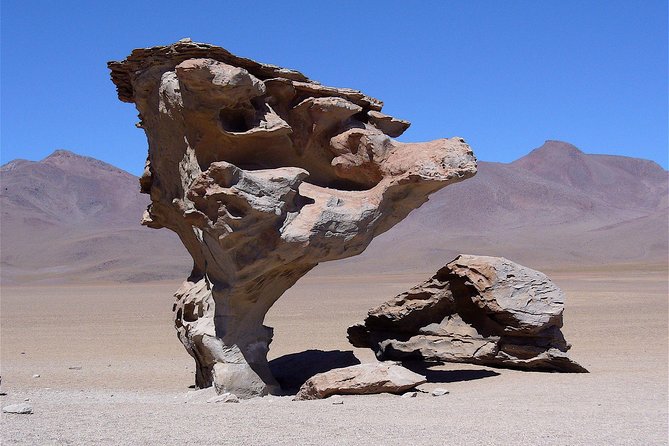
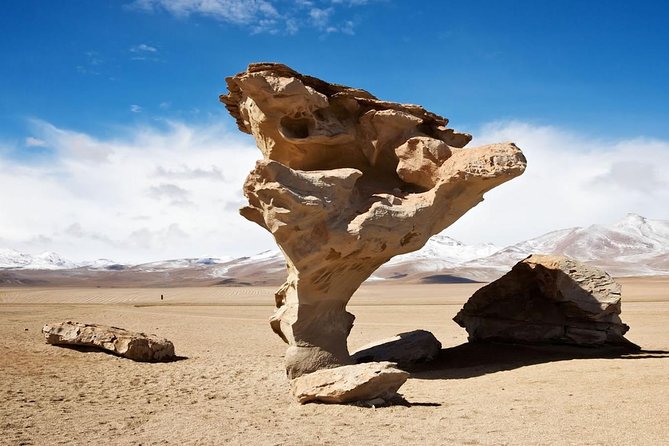
The famous Arbol de Piedra, or Stone Tree, is a 7-meter rock shaped by wind erosion. Its narrow base and broad top make it look almost artificial. The stop is brief, but the rock is one of the route’s easiest landmarks to remember.
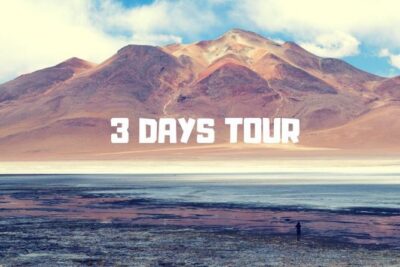
The main event of the day is Laguna Colorada, about 4,300 meters above sea level. The lake’s reddish color comes from algae and other microscopic organisms, while white borax deposits mark parts of the surface. Depending on light and conditions, the water can shift from orange to red.
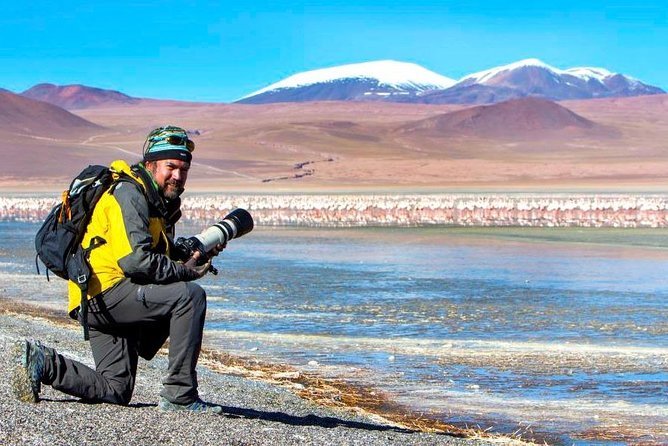
Flamingos feed around the shoreline, including James’s flamingo, a rare Andean species. You may also see llamas, alpacas, Andean foxes, and, less commonly, cats or pumas. Keep your distance from the animals and bring binoculars if you have them. The lake is part of the Eduardo Avaroa Andean Fauna National Reserve and is recognized as a wetland of international importance.
This is also where the route’s physical demands become clear. Day two includes many hours in the vehicle, cold air, rough roads, and long periods without services. The second night’s lodging is basic. Facilities may be limited, so pack toilet paper, warm layers, and a headlamp or small flashlight. A hot shower costs Bs 15, and renting a sleeping bag costs Bs 50. Towels cost Bs 20.
Day three: geysers, hot springs, and Licancábur
The final day starts early at Sol de la Mañana, meaning morning sun. That timing is necessary. The geysers are most impressive around first light, when steam rises sharply against the cold air.
Pools of boiling mud bubble beside columns of pressurized steam, some reaching about 50 meters. There are no safety barriers. Stay well back from the vents and follow your guide’s instructions. This is not a place for a careless selfie, especially on uneven ground near boiling mud.
The Dali Desert follows, with brown and ochre ground, scattered rock formations, blue sky, and snowy volcanic peaks. The name comes from the surreal quality of the scene, although the desert itself is quiet and spare rather than theatrical. This is another stop where the broad view matters more than a long walk.
Laguna Verde lies beneath Licancábur volcano. The lake is not always as green as older photographs suggest, but it remains a striking stop because of its setting. Mineral content and changing conditions affect the color, so do not arrive expecting one fixed shade.
Licancábur rises to about 5,960 meters and dominates the area. The volcano can be climbed for an additional fee, but that is a separate challenge, not part of this three-day sightseeing route. The mention of NASA experiments on the summit gives you a sense of how harsh the environment is.
The tour ends at the meeting point in Uyuni unless you arrange onward transport to San Pedro de Atacama in Chile. That transfer costs Bs 130 per person. If Chile is your next destination, this route can be especially useful, but confirm the arrangement before departure so you know where and when the tour finishes.
A few more Uyuni Salt Flats days worth comparing
- Day Trip to Uyuni Salt Flats
★ 4.0 · 602 reviews - From La Paz: Uyuni Salt Flat Tour & Overnight Roundtrip Bus
★ 4.5 · 327 reviews - Uyuni tour express from La Paz by bus
★ 4.5 · 172 reviews - La Paz: 5-Day Uyuni Salt Flats by Bus
★ 4.3 · 153 reviews
Food, guides, and the practical side of the trip
Three lunches, two breakfasts, and two dinners are included, along with tea and coffee. The cooking is a real advantage on a remote route. You are not left to find meals in places with few services, and guides may also handle cooking as part of the trip.
Guide quality matters more here than on a short city tour. The best guides explain the salt trade, volcanoes, wildlife, and local geography while also keeping the vehicle moving safely. Guides named Edgar and Nelson have been associated with strong service, clear explanations, friendly manners, and help with photographs. Assignments can vary, so treat those names as examples rather than a promise.
The vehicle is your base for much of the trip. With only five people maximum, space should be more manageable than in a large group, but you still need to accept long drives. The schedule can feel uneven. Some days begin very early and reach the next accommodation with spare time, while other stretches are packed with sights.
Pack for cold, wind, dust, and altitude. Bring warm clothing, sturdy hiking shoes, water, snacks, sunscreen, toilet paper, and cash for fees and extras. The supplied information specifically recommends snacks and water, but you should not rely on that alone. Hiking shoes and warm layers are important, especially around the desert and geysers.
Extra costs include the Bs 30 Isla Incahuasi entrance, Bs 150 for Eduardo Avaroa National Park, the Chile transfer, hot springs at Bs 6, hot showers, sleeping-bag rental, and towel rental. A private room costs an additional $35 per person for both nights. Budget for these items before you compare the $449 headline price with other options.
Who should book this three-day Uyuni trip?
I would choose this tour if you want the full route and prefer having transport, meals, a guide, and lodging arranged in one booking. It suits people who want more than salt-flat photographs and are comfortable with basic conditions.
It is also a good fit if you are continuing toward Chile. The final transfer option can save you from arranging a separate connection, though it costs extra.
I would think twice if you need comfortable hotels, flexible timing, or polished facilities. The second night is especially simple, and the altitude can make even short walks tiring. This is not an easy-going resort excursion.
The 4.7 rating from 45 reviews and 91 percent recommendation figure suggest a strong overall record, but the weaknesses are worth taking seriously. Guide communication and time management can vary. One poor experience involved a guide who acted more like a driver, gave little information, and provided weak packing advice. That is why I would contact the operator before departure and ask again about clothing, toilet facilities, the exact route, and the Chile connection.
Should you book it?
Book this trip if your priority is scenery, variety, and practical value. The salt flats are unforgettable, but the real reward is the complete sequence: rusted trains, salt workers, cactus island, volcanoes, flamingos, red and green lakes, geysers, and a night beneath the high Altiplano sky.
Skip it if you want comfort or dislike long drives. For everyone else, the $449 price is reasonable once you count transport, meals, two nights, and a guide. Bring cash, warm clothes, toilet paper, and realistic expectations about the lodging. With that preparation, this is a powerful three-day introduction to one of South America’s most unusual regions.
FAQ
Where does the tour start and end?
It starts at Skyline Traveller Uyuni on Avenida Ferroviaria in Uyuni at 10:30 a.m. The activity normally ends back at the same meeting point.
How many people can join the tour?
The tour has a maximum of five participants.
Is Isla Incahuasi included in the price?
The visit is part of the route, but the Bs 30 entrance fee is not included. The island can be inaccessible during the wet season when the salar is flooded.
Are meals and accommodation included?
Yes. The tour includes two nights of basic accommodation, three lunches, two breakfasts, two dinners, tea, and coffee.
Can I continue to San Pedro de Atacama?
Yes. A transfer to San Pedro de Atacama in Chile is available for Bs 130 per person.
What extra fees should I expect?
The listed extras include the Bs 30 Isla Incahuasi fee, Bs 150 for Eduardo Avaroa National Park, hot springs at Bs 6, hot showers at Bs 15, sleeping-bag rental at Bs 50, towel rental at Bs 20, and an optional private-room charge of $35 per person for both nights.
Just added around Uyuni Salt Flats
- Uyuni: Isla Incahuasi & Uyuni Salt Flats Full-Day Jeep Tour★ 4.7 · 44 reviews
- Uyuni: Sunset and Starlights Tour★ 4.6 · 79 reviews
- Uyuni: 3-Day Salt Flats Tour ending in San Pedro de Atacama★ 4.7 · 62 reviews
- Uyuni Salt Flats Private 3 day tour (Palacio Sal 4* & Tayka 3*)★ 5.0 · 38 reviews
- Uyuni Salt 1 day Tour with guide in English + Lunch and Sunset★ 4.5 · 35 reviews
- Private Day Trip Salar de Uyuni★ 5.0 · 40 reviews
- Private Salt Flat Full-Day Tour Including The Cemetery of Trains and Lunch from Uyuni★ 4.5 · 73 reviews
- Full Day Private Tour to Salar de Uyuni★ 5.0 · 65 reviews
Uyuni Salt Flats Tours, compared.
From La Paz: Uyuni Salt Flat Tour & Overnight Roundtrip Bus
Read our review →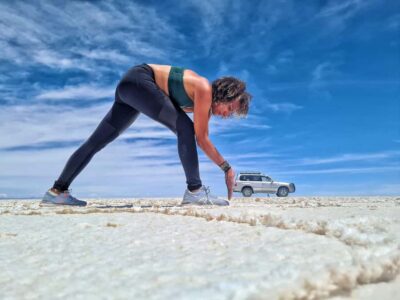
From Uyuni: Red Lagoon & Uyuni Salt Flats 3-Day Guided Tour
Read our review →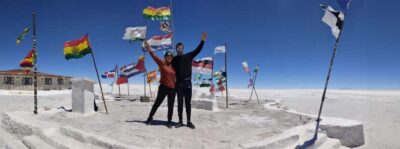

La Paz: Uyuni Salt Flats & San Pedro de Atacama 3-Day Tour
Read our review →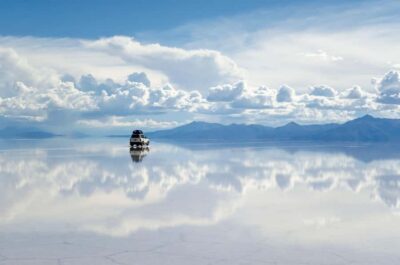
From Uyuni: Salt Flats Highlights Jeep Tour with Lunch
Read our review →Browse the lists this tour appears in