
Reviewed · UYUNI SALT FLATS TOURS
Day Trip to Uyuni Salt Flats
The most memorable part of this day is the sheer scale of the Salar de Uyuni. A Toyota Land Cruiser carries you from the rusting trains outside Uyuni onto a white salt plain that seems to run forever, then on to giant cacti, a salt hotel, trick photos, and sunset. Cactus Island reaches 3,750 meters, giving you a wide view across the flats after a short but noticeable hike.
I like the way this trip combines several different sights instead of rushing straight to the salt. The perspective photos are a real highlight because the guide helps you set up the shots, and lunch in a salt hotel gives the long drive a welcome pause. The sunset stop, often served with wine and snacks, is another strong finish.
The main caution is comfort and organization. The vehicles are practical 4x4s, not roomy touring vans, and one guide may be shared between two cars. Confirm the language of the guide assigned to your vehicle, arrive for the 10:00 check-in, and allow for the day to run until about 6:30 or 7:00 pm.
Key points to know before booking
- Start at the Train Cemetery: Learn about Bolivia’s early railways among rusted locomotives outside Uyuni.
- Lunch in a salt hotel: The midday meal takes place inside a striking building made from salt.
- Best photo help comes on the flats: Your guide can arrange forced-perspective scenes and group videos.
- Cactus Island requires a 40-minute hike: The reward is a 360-degree view from 3,750 meters.
- Rainy-season plans can change: Isla Inca Wasi is generally unavailable from January through March unless the operator confirms it.
- The price includes the main touring costs: At $130 per person, you get transport, lunch, a guide, activities, wine tasting, and selected hotel pickup, but not the 30 boliviano park entrance fee.
Starting at 10:00 for an 8-hour salt-flat day
The official start time is 10:30 am, but check-in is at 10:00. That extra half-hour matters. Uyuni has many tour vehicles leaving around the same time, and the morning can involve sorting passengers, cars, drivers, and language arrangements.
The advertised duration is about seven hours, though the listed schedule runs closer to eight or eight and a half hours. Expect to return to Uyuni around 6:30 or 7:00 pm. If you have an evening bus, flight, or other fixed plan, leave plenty of room.
Transport is by Toyota Land Cruiser 4×4. That is the right kind of vehicle for the salt flats, but space can be tight when the car is full. One guide may cover two cars, with a maximum of 12 people per guide and a maximum group size of 10 listed for this activity. Cars are equipped with radios so the drivers can stay in touch.
Hotel pickup is available only from selected hotels. Otherwise, you meet at Avenida Ferroviaria 5. The tour ends back at the meeting point unless a hotel drop-off has been arranged.
More Day Trips in Bolivia
- From La Paz: 4-Day Trip to San Pedro de Atacama w/Salt Flats
★ 4.2 · 109 reviews - La Paz: Full Day Trip to Copacabana and Isla del Sol
★ 4.5 · 400 reviews - Sucre: 1-Day Trek in the Crater of Maragua and Inca Trails
★ 4.8 · 75 reviews
Train Cemetery: rusty locomotives and a quick introduction
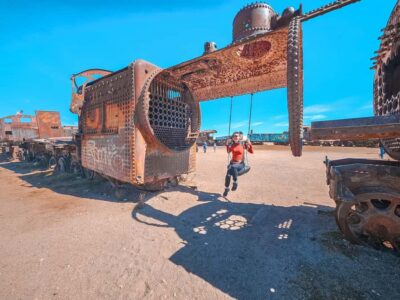
Your first stop is the Train Cemetery, reached shortly after leaving Uyuni. Old locomotives sit exposed in the open air, their metal bodies worn down by time and the dry climate. It is an unusual first look at the region, since the visit is about Bolivia’s railway past rather than salt.
The guide is meant to explain the first trains that arrived in Bolivia and what they were used for. The stop is scheduled as part of the opening two-hour section, along with Colchani and lunch.
How much you get from the stop depends on the person assigned to your vehicle. Some guides, including drivers such as Victor and Jaime on past departures, have been praised for explaining the area and helping with the day’s activities. Other arrangements have left people with little explanation at the Train Cemetery or Cactus Island.
If the history interests you, ask questions early. Do not assume the guide in the other 4×4 will automatically provide commentary in your car.
Colchani and the salt hotel lunch
Next comes Colchani, a small village on the edge of the Salar de Uyuni. The village has handicraft shops where you can look for salt-themed souvenirs, and a salt factory where local salt is refined and packed for consumption.
Colchani is a practical stop rather than a major sight. It gives you a chance to see how salt connects to daily work and local commerce before you head onto the huge salt plain. The shops also make it easier to buy a small keepsake without searching for one later.
Lunch takes place in a salt hotel. The setting is the point: salt is used in the construction, giving the meal a memorable connection to the place you came to see. The menu is described as offering several choices, with vegetarian food available if requested when booking.
One past departure included a particularly well-regarded lunch, and the meal is useful for another reason: the long day has few bathroom stops. Make use of facilities when you can, and carry water. You may find the next stretch more remote than the morning stops suggest.
Entering the Salar de Uyuni at Playa Blanca
After Colchani, the road gives way to the Salar de Uyuni, the largest salt flat in the world. The change is dramatic. The white surface spreads across the horizon, and the Land Cruiser becomes one of the few moving objects in view.
The first stop on the flats is Playa Blanca, described as the first salt hotel built in the Salar and the only construction permitted there. This is also the salt hotel associated with the lunch stop in the day’s program. Expect an unusual building and a chance to understand how the salt itself shapes the identity of the region.
The flats look different depending on the season. In the dry season, the surface can show geometric salt patterns and a hard white crust. During the rainy season, a thin layer of water can create the famous mirror effect. The water also slows the cars and can change which areas are safe to reach.
The best reflective conditions are not guaranteed. Rain may bring mirror-like photos, but it can also prevent access to Isla Inca Wasi or make the route take longer. If you visit from January through March, confirm the Cactus Island plan before you book, since the island is normally unavailable in the rainy season unless the operator makes a specific arrangement.
More Day Trips in Uyuni Salt Flats:
- Machu Picchu Day Trip from Cusco
★ 4.5 · 1,644 reviews - From Salta: Full-Day Trip to Salinas Grandes and Purmamarca
★ 4.6 · 914 reviews - Santiago: Portillo and Laguna del Inca Day Trip with Picnic
★ 4.5 · 572 reviews - Andes Day Trip from Mendoza Including Aconcagua, Uspallata and Puente del Inca
★ 4.5 · 419 reviews
The middle of the flats and the famous forced-perspective photos
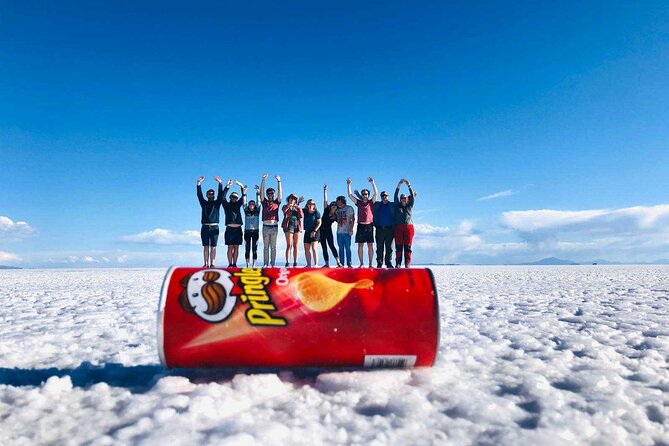
About 30 minutes after Playa Blanca, the vehicle heads farther into the salt. This is the part of the day built for photographs. With so little visual scale on the flat surface, your guide can make people appear tiny, huge, or close enough to interact with objects that are actually far away.
A good guide makes a real difference here. Past guides such as Jaime and Tado have been praised for setting up creative shots, directing group videos, and helping people get the angles right. Props may be available, and you can also bring your own small objects, provided they are easy to carry and do not damage the salt surface.
This is more than a quick photo stop. The schedule gives you time to try several ideas, and the guide can help you work out the camera position. Bring a phone or camera with plenty of battery, since this is one of the most worthwhile places to use it.
The tradeoff is that photo sessions can stretch if the group gets carried away. That matters on days with heavy water, slower driving, or a flight to catch. If Cactus Island is important to you, keep an eye on the clock and ask how the timing is working.
Cactus Island and the 3,750-meter viewpoint
Isla Inca Wasi, often called Cactus Island, is the most active stop of the day. The island rises from the salt and has giant cacti along with rock formations made from petrified coral. It gives you a completely different view of the Salar, since you are no longer looking across a flat white surface.
The walk to the top takes about 40 minutes. It is not described as a technical hike, but the altitude makes it more demanding than the distance suggests. The high point is about 3,750 meters, or 12,303 feet, and the reward is a 360-degree view across the salt flat.
Bring water and take the climb at your own pace. Most people can take part in the activity, but the operator does not present it as a simple stroll for every person. If you are uncertain about the altitude or walking, ask before booking.
The island is also where a good guide can add useful context. You may want an explanation of how the island formed, why the coral appears in the rock, and how the cacti survive in this setting. Guide quality varies, so speak up if you want more than photographs.
Sunset, wine, and the return to Uyuni
The day ends with sunset, usually around 6:00 pm. The driver chooses the final location based on conditions, water, and access. When a shallow layer of water covers the flats, the reflection can make the sky appear to continue beneath the vehicle.
Wine and snacks are included, with past departures featuring wine and chips at sunset. It is a simple touch, but it gives the day a pleasant pause after the long drive and the hike. Sunset is also one of the times when the salt flats feel least like a conventional sightseeing stop. You are simply standing in a huge open space as the light changes.
The drive back to Uyuni generally gets you in around 6:30 to 7:00 pm. Poor weather can lead to a canceled trip, in which case you are offered another date or a full refund. Weather can also change the order or availability of individual stops.
Is $130 a fair price?
At $130 per person, this is not the cheapest way to see the salt flats, but the inclusions make the price reasonable for a full-day outing. You receive a 4×4, a professional guide, lunch, the listed activities, wine tasting, and hotel drop-off. The tour also handles the difficult part of reaching distant stops across the Salar.
You still pay the park entrance fee of 30 bolivianos per person. Hotel pickup applies only to selected hotels, and the group arrangement can mean sharing a guide between two vehicles.
The main value comes from the range of the day. You are not paying only for a drive to the salt. You also get the Train Cemetery, Colchani, a salt hotel, photo assistance, Cactus Island when conditions allow, and sunset.
The price is less attractive if you expect a spacious vehicle, a private guide, or detailed commentary at every stop. It is a group tour, and language arrangements are not always as clear as they should be. Ask specifically if the English or Spanish guide will ride in your vehicle.
What to bring and what to expect
Pack light, but do not leave out the basics. You will spend hours in a vehicle, walk at high altitude, and face strong light reflected from the salt.
- Bring water for the drive and the Cactus Island climb.
- Wear layers for the cool morning and sunset.
- Take socks if the operator provides rubber boots. One past departure had boots that did not fit well, so ask about sizes in advance.
- Carry sun protection and a camera with enough battery.
- Use bathrooms when they are available, since facilities are limited once you reach the flats.
- Tell the operator about vegetarian food or other dietary needs when booking.
- Bring your passport details for every participant, since the booking requires name, number, expiry date, and country.
The day is suitable for most people, and children must be accompanied by an adult. Still, the high altitude, long vehicle ride, limited bathroom access, and 40-minute uphill walk are worth considering before you commit.
Who should book this Uyuni day trip?
I would choose this tour if you want the main sights in one day and care about getting strong photographs without arranging every detail yourself. It suits couples, friends, and families with older children who can handle a long 4×4 ride and a high-altitude walk.
It is also a good fit if you are arriving in Uyuni and want a single full-day plan with transport, food, and a sunset finish. The small maximum group size is helpful, though the guide may still be divided between cars.
I would look elsewhere if you need a private experience, exact control over the schedule, or guaranteed detailed commentary in a particular language. The operator has provided strong guides, including Tado, Jaime, and Victor on past departures, but guide assignment and language arrangements can vary.
Should you book it?
Book this trip if your priority is seeing the salt flats from several angles in one day: rail history, local salt production, open salt plains, creative photographs, giant cacti, and sunset. The photo help and broad itinerary make the $130 price sensible, especially if you value having lunch and transport arranged.
Before paying, confirm three points: the language of the guide in your own vehicle, the fit of any boots you may need, and whether Isla Inca Wasi is operating during your dates. With those details clear, this is a strong choice for a first visit to Uyuni, as long as you accept a snug 4×4 and a day that may run later than the stated seven hours.
FAQ
What time does the Uyuni Salt Flats tour start?
Check-in is at 10:00 am, and the tour starts at approximately 10:30 am.
Where does the tour begin?
The meeting point is Avenida Ferroviaria 5 in Uyuni, Bolivia. Hotel pickup is available from selected hotels.
What time does the tour finish?
The tour usually returns to Uyuni at approximately 6:30 to 7:00 pm, though conditions can affect timing.
Is lunch included?
Yes. Lunch is included and takes place at a salt hotel. Vegetarian food is available if requested when booking.
Is the park entrance fee included?
No. The park entrance fee is 30 bolivianos per person.
Which places does the tour visit?
The route includes the Train Cemetery, Colchani village, a salt factory, Playa Blanca, the Salar de Uyuni, Cactus Island when available, and a sunset location.
Is Cactus Island open all year?
Isla Inca Wasi is generally not available from January through March unless the operator specifically confirms it for your departure.
How long is the walk at Cactus Island?
The hike to the top takes about 40 minutes and reaches approximately 3,750 meters above sea level.
Is wine included?
Yes. Wine tasting is included, and the sunset stop may include wine and snacks.
Can I cancel for a full refund?
You can cancel at least 24 hours before the experience start time for a full refund. Cancellations or changes made less than 24 hours before the start time are not accepted for a refund.
Just added around Uyuni Salt Flats
- Visit to Uyuni Salt Flats from La Paz Bolivia by Bus★ 5.0 · 55 reviews
- La Paz Uyuni Premium Bus★ 4.5 · 78 reviews
- La Paz: Uyuni Salt Flats Tour by Bus★ 4.8 · 46 reviews
- 3-Day Uyuni Salt Flat Tour with Sunset and Red Lagoons★ 5.0 · 83 reviews
- Uyuni Salt Flats 3 Days/ 2 Nights with English Speaking Guide★ 4.0 · 91 reviews
- Uyuni: Uyuni Salt Flats and San Pedro de Atacama 3-Day Tour★ 4.3 · 122 reviews
- From La Paz: 4-Day Trip to San Pedro de Atacama w/Salt Flats★ 4.2 · 109 reviews
- From La Paz: Uyuni Salt Flats 2-Day Tour with Bus Transfers★ 4.3 · 90 reviews
Uyuni Salt Flats Tours, compared.
From La Paz: Uyuni Salt Flat Tour & Overnight Roundtrip Bus
Read our review →

From Uyuni: Red Lagoon & Uyuni Salt Flats 3-Day Guided Tour
Read our review →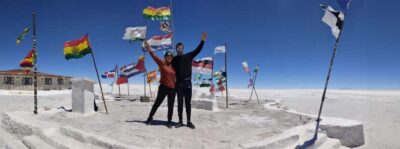

La Paz: Uyuni Salt Flats & San Pedro de Atacama 3-Day Tour
Read our review →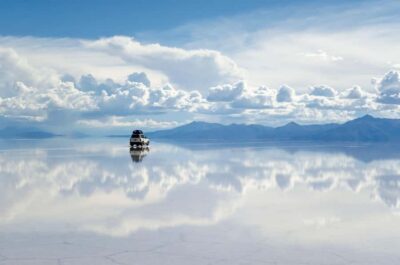
From Uyuni: Salt Flats Highlights Jeep Tour with Lunch
Read our review →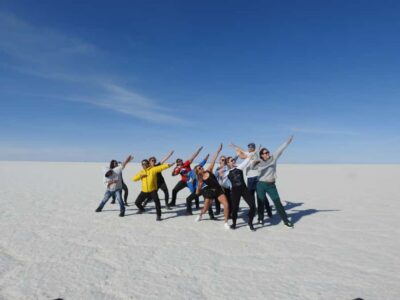
Uyuni: Uyuni Salt Flats and San Pedro de Atacama 3-Day Tour
Read our review →Browse the lists this tour appears in