
Reviewed · UYUNI SALT FLATS TOURS
From Uyuni: Salt Flats Highlights Jeep Tour with Lunch
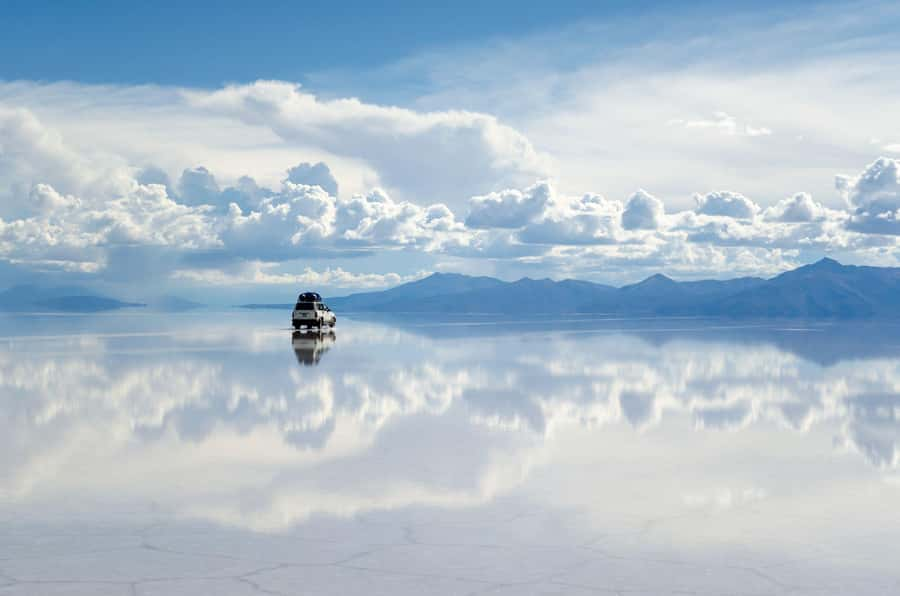
The real star here is the Uyuni Salt Flats, a huge white plain where distance becomes hard to judge and a person can appear to sit in the palm of your hand. This small-group Jeep tour packs the main sights into one long day, from rusting trains to giant cacti and a hotel built from salt.
I like the useful mix of scenery and local life. You see salt being processed in Colchani, not just the famous white expanse, and you get lunch, hotel pickup, and a 4×4 ride for $80. I also like the group limit of six, though six adults may find the Jeep a bit tight.
The main caution is language. The driver-guide speaks Spanish, and several English-speaking visitors found they understood little of the explanations. You also need exact cash for Fish Island, since there are no ATMs or currency exchange services along the route.
Key points at a glance
- The train cemetery comes first: Climb around abandoned carriages and old rails in an eerie, highly photogenic stop outside Uyuni.
- Colchani shows the working salt trade: Watch locals extract and process salt, then browse salt souvenirs and woven textiles.
- The old salt hotel is made for photos: Its white walls, tables, chairs, and other features use salt as their building material.
- Fish Island adds giant cacti: Incahuasi is home to cacti reaching up to 12 meters, with lunch served nearby.
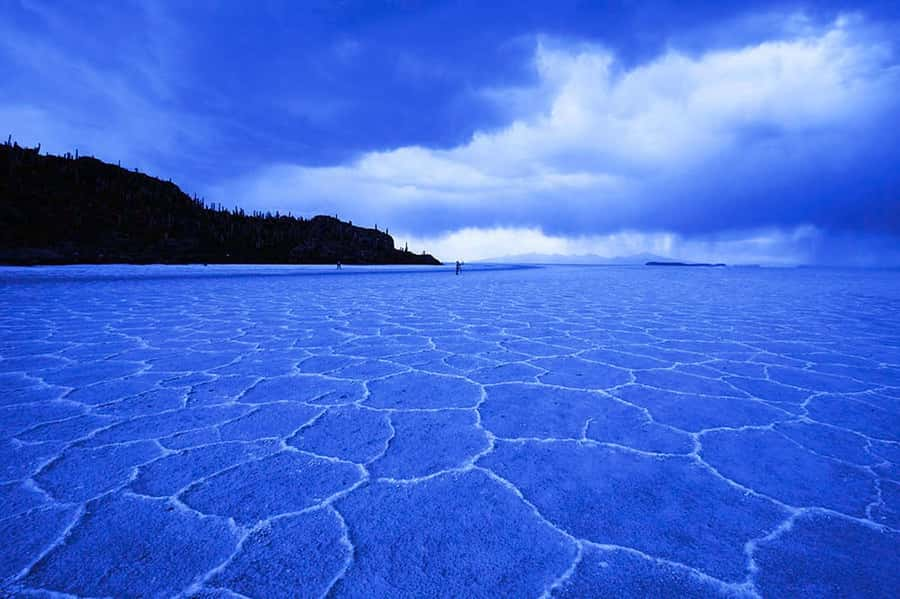
- The salt flats are the main event: You have room for classic forced-perspective photos across the white surface.
- Pack 35 bolivianos per person: Fish Island charges about US$5 or 35 bolivianos, payable in cash and local currency.
Why this one-day Uyuni tour works
If your time in Uyuni is short, this is the efficient choice. In about eight hours, you cover the sights most people hope to see: the train cemetery, Colchani, the salt hotel, Fish Island, and the open flats themselves.
The day is built around driving between widely separated stops. That means you will spend plenty of time in the Jeep, but the schedule gives you a full introduction without requiring several days in the region. One visitor with a tight backpacking schedule found it covered everything expected and more, with a good lunch included.
The group is limited to six people. That is small enough for the day to feel manageable, though the 4×4 can feel cramped when every seat is occupied. The close quarters can also make it easier to chat with people from other countries, which is useful on a long drive.
Pickup is available from a downtown Uyuni hotel, the airport, or the bus station. Drop-off is included as well. You should confirm the pickup point clearly, especially if you are arriving by bus or plane rather than staying in town.
A few more Uyuni Salt Flats days worth comparing
- Day Trip to Uyuni Salt Flats
★ 4.0 · 602 reviews - From La Paz: Uyuni Salt Flat Tour & Overnight Roundtrip Bus
★ 4.5 · 327 reviews - Uyuni tour express from La Paz by bus
★ 4.5 · 172 reviews
Rusting trains at the Uyuni train cemetery
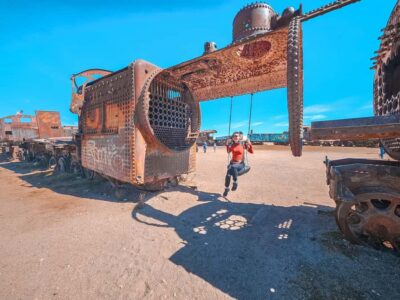
The first major stop is the train cemetery, where abandoned carriages and leftover rails sit outside Uyuni. The old metalwork gives the place a strange, quiet character. You can walk in and out of the carriages and climb on top of some of them for photographs.
This stop is less about a guided history lesson and more about atmosphere. The rusted trains look stark against the dry surroundings, and their size gives you plenty of angles for pictures. If you like industrial remains or unusual photo stops, you will enjoy it.
Allow a little patience here. The first stop can feel long if you are mainly eager to reach the salt flats. Other people in your Jeep may want time to climb, pose, and photograph every carriage. The guide may also need to manage a group with different interests.
The Spanish-only format matters here. You can explore on your own, but you may miss context about why these trains were abandoned if you do not understand Spanish. If that is important to you, bring a translation app or ask the operator in advance about language options.
Colchani and the work behind the white plain
Next comes Colchani, a small town on the edge of the salt flats. The town depends on salt souvenirs and handwoven textiles, and it also provides a look at how salt is extracted and prepared for consumption.
This is a valuable stop because it connects the spectacular scenery with everyday work. The salt flats are not only a huge photo backdrop. People living nearby still process and sell the mineral, and Colchani gives you a quick look at that trade.
You may also have time to browse local products. The shopping element will appeal to you if you want a salt carving or woven textile as a useful souvenir. If you prefer to spend every minute in the open flats, this stop can feel brief and commercial.
The salt museum is also a small part of the stop, with one visitor finding it less worthwhile than the main sights. Keep your expectations modest. Colchani is best understood as a short local stop rather than a major museum visit.
The old salt hotel and its crystalline furniture
Once you enter the salt flats, the Jeep heads toward the first salt hotel ever built. It no longer operates as a hotel, but the structure remains open to visitors.
The building is made from salt, including its white walls, tables, and chairs. Sitting at a salt table makes for a memorable photo because the furniture looks both ordinary and completely out of place in such a vast setting.
This is one of the tour’s more unusual details. You are not simply looking at salt under your tires. You can see how the material has been shaped into a building and everyday objects.
The stop is fairly quick, so do not expect a working hotel visit or a full tour of rooms. The value is visual and symbolic. It is a good transition from Colchani’s practical salt trade to the huge open plain ahead.
Same trip, a completely different kind of day:
- 3-Day Tour to Salt Flats and Lagoons
★ 4.5 · 168 reviews - From Uyuni: Red Lagoon & Uyuni Salt Flats 3-Day Guided Tour
★ 4.4 · 160 reviews - La Paz: 5-Day Uyuni Salt Flats by Bus
★ 4.3 · 153 reviews - La Paz: Uyuni Salt Flats & San Pedro de Atacama 3-Day Tour
★ 4.1 · 145 reviews
Fish Island and its 12-meter cacti
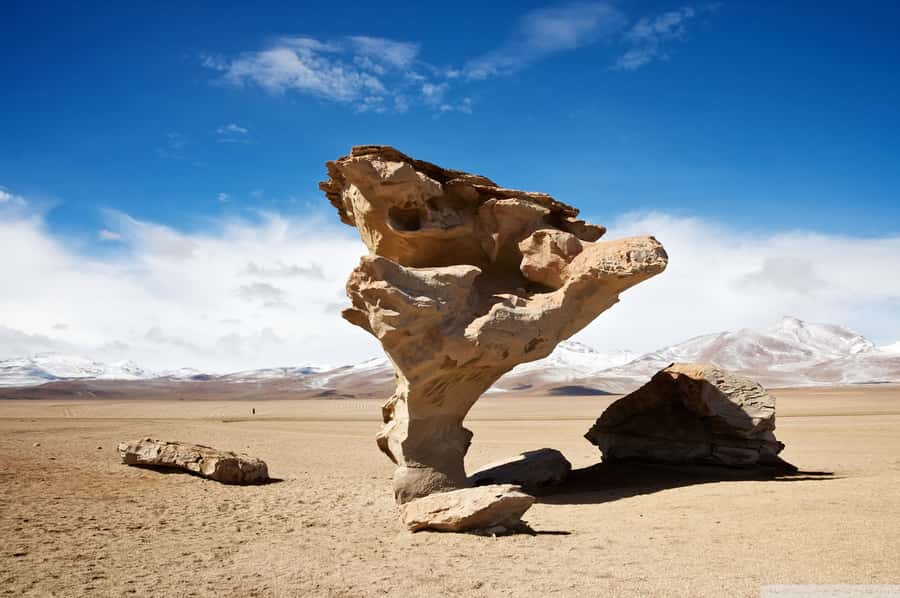
Incahuasi, often called Fish Island, breaks up the white surface with giant green cacti. Some reach about 12 meters tall, making them the most striking living feature of the day.
You can walk among the cacti and take in the contrast between dark rock, green plants, and the bright salt around them. The island gives you a chance to stretch your legs after the Jeep ride, though the tour is not suitable for people with mobility impairments or wheelchair users.
Lunch is served here. The included meal adds real value to the $80 price, since you do not need to arrange food separately during the day. One meal description praised the combination of meat, salad, and vegetables, though the exact menu can vary.
Fish Island requires an entrance fee of about US$5 or 35 bolivianos per person. Pay in local currency if possible and bring the exact amount. There are no ATMs and no cash exchange service, and one visitor reported a difficult dispute after handing over more money than necessary.
The practical lesson is simple: bring small bills and count your change carefully. Keep the payment in view, and do not hand over extra notes while trying to make change. The driver may not enter with you, so you should be ready to handle this fee yourself.
The salt flats, forced perspective, and endless white
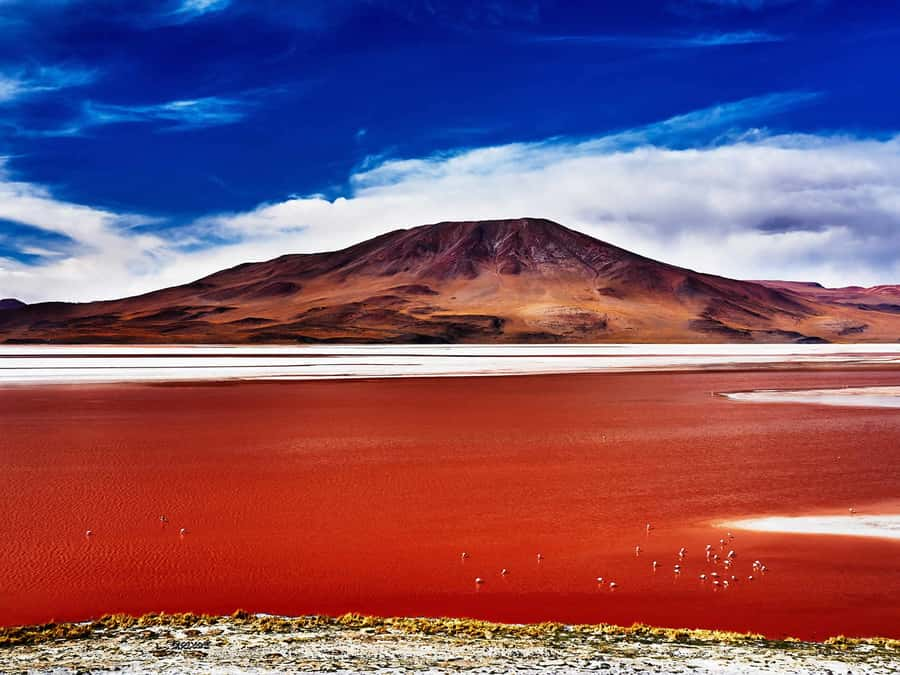
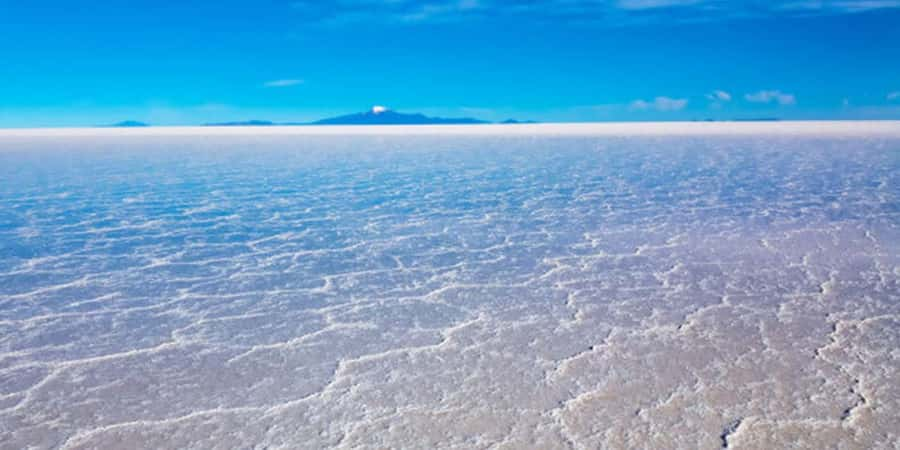
After the main stops, the Jeep takes you farther across the salt flats. This is where the day earns its reputation. The white surface stretches in every direction, and the lack of familiar landmarks makes ordinary distances difficult to read.
You will have time to create forced-perspective pictures. Sit on the ground, stand behind a bottle, or pose so that another person appears to hold you between two fingers. The guides often help arrange these images, and the group may spend a fair amount of time trying different positions.
One visitor felt the guide focused too heavily on taking hundreds of photos. That is a fair warning. If you want a quiet look at the area, say so. If you enjoy playful photography, you may appreciate the attention.
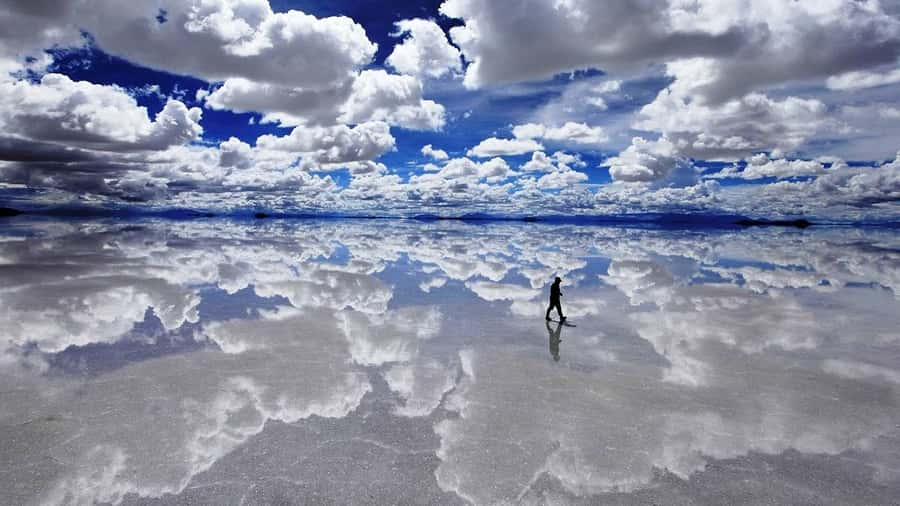
The flats can also be partly covered by water, depending on conditions. One particularly memorable part of the experience is seeing the salt surface under water, which can create striking reflections. You should not book this tour expecting one fixed visual scene, since weather and seasonal conditions can change the appearance of the flats.
No photograph fully conveys the scale. The attraction is not one monument or single viewpoint. It is the sensation of being surrounded by white in every direction, with the Jeep and the people around you providing the only clear sense of size.
Lunch, driving time, and the possible sunset finish
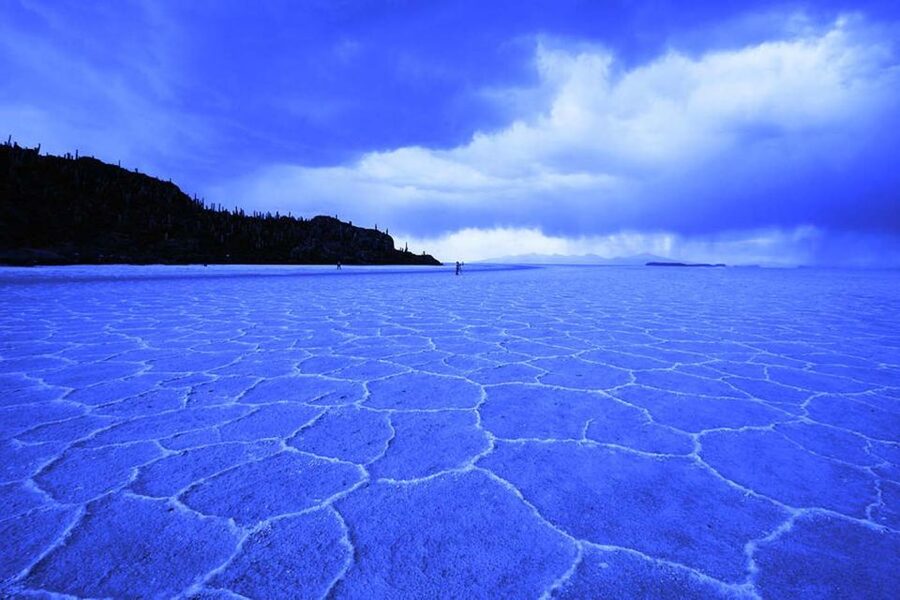
The tour lasts eight hours, so expect a full day with a fair amount of road time. You stop for toilets along the route, which matters in such a remote setting, but you should still carry water and keep your daypack organized.
The Jeep is practical rather than spacious. With six participants, personal room is limited, particularly if everyone carries extra items. Large luggage is not allowed, so leave suitcases and big bags at your accommodation or another secure location.
The return to Uyuni can include a sunset stop on the salt flats. A glass of wine and snacks may be offered at the end of the day, adding a pleasant finish after the main sightseeing. Treat this as a possible extra touch rather than the core reason to book, since the central inclusions are the Jeep, lunch, guide, pickup, and salt flats tour.
The driver-guide makes a big difference. Guides such as Christian and Israel received especially warm individual praise for being helpful and handling long drives well. Still, the listed language is Spanish, so do not assume that a guide will provide a full explanation in English.
Is $80 good value?
At $80 per person, the tour is reasonably priced for a full day that includes round-trip 4×4 transport, hotel pickup and drop-off, a driver-guide, lunch, and the main Uyuni sights.
The price is strongest if you have only one day. Organizing separate transport to the train cemetery, Colchani, Fish Island, and the central salt flats would be difficult, and the Jeep lets you cover them in one run.
You should add the Fish Island entrance fee to your budget. It is about $5, or 35 bolivianos, per person. Alcoholic drinks are not included, although a sunset glass of wine has been part of some day experiences.
The value is less clear if you dislike long drives, group photography, or shopping stops. The first train cemetery stop can feel too long, and Colchani may seem focused on souvenirs. But if you want the famous sights in a single day, the cost compares well with the time and transport involved.
The high overall rating reflects the tour’s strongest qualities: impressive scenery, friendly guides, good organization, useful toilet breaks, and a satisfying lunch. The important exceptions are language, cramped seating, and the need to manage your own cash carefully.
What to bring for a smoother day
Bring your passport or ID card, comfortable shoes, comfortable clothes, cash, and a small daypack. Do not bring large luggage, since it is not allowed in the vehicle.
Cash is especially important. You need local currency for Fish Island, and there are no ATMs or exchange services along the route. Exact money is the safest option.
Comfortable footwear helps at the train cemetery and Fish Island. You will walk around abandoned carriages, salt surfaces, and the cactus-covered island, so shoes should be practical rather than fashionable.
You should also prepare for a Spanish-speaking day. A translation app may help with basic communication, but it will not replace a detailed explanation from an English-speaking guide. If the cultural and geographic information matters as much as the views, ask the provider about language before booking.
Weather can change the plan. The tour may be modified or cancelled in poor conditions, so keep some flexibility in your schedule and avoid placing an important onward connection too close to the return time.
Who should book this Uyuni Jeep tour?
This tour suits you best if you have one day in Uyuni and want to see the major sights without arranging separate transport. It is also a good match for backpackers, photographers, and anyone who wants the classic salt flats experience with lunch included.
You will likely enjoy it if you like unusual ruins, local production, oversized cacti, and playful photo stops. The small group makes the day more personal than a large coach excursion, though six people still means sharing the Jeep and negotiating time at each stop.
Think twice if you need English explanations, use a wheelchair, have limited mobility, or dislike sitting in a tight vehicle for long stretches. You should also avoid booking if you cannot carry enough cash for the entrance fee.
Should you book it?
Book this tour if your priority is seeing the main Uyuni sights in one well-priced day. The train cemetery, Colchani, salt hotel, Fish Island, and the huge white flats give you a varied introduction rather than one long drive to a single viewpoint.
Before paying, confirm that a Spanish-speaking guide suits you, set aside 35 bolivianos per person for Fish Island, and bring exact cash. If you can manage those points, the combination of transport, lunch, small-group size, and memorable scenery makes this a strong choice for a short stay in Uyuni.
FAQ
How long does the Uyuni Salt Flats tour last?
The tour lasts about eight hours, including the visits to the train cemetery, Colchani, the old salt hotel, Fish Island, and the salt flats.
What is included in the tour price?
The price includes round-trip transportation by 4×4 Jeep, hotel pickup and drop-off, the Uyuni Salt Flats tour, lunch, and a driver-guide.
Is the Fish Island entrance fee included?
No. Fish Island costs about US$5 or 35 bolivianos per person, payable in cash in local currency.
What language does the guide speak?
The listed guide language is Spanish. If you need explanations in another language, check with the provider before booking.
Can I be picked up from the airport or bus station?
Yes. Pickup is available from a downtown Uyuni hotel, the airport, or the bus station.
Can I bring luggage?
Large bags and luggage are not allowed. Bring only a small daypack with your essential items.
Can the tour change because of the weather?
Yes. Weather conditions can cause the itinerary to be modified or the tour to be cancelled.
Just added around Uyuni Salt Flats
- Visit to Uyuni Salt Flats from La Paz Bolivia by Bus★ 5.0 · 55 reviews
- La Paz Uyuni Premium Bus★ 4.5 · 78 reviews
- La Paz: Uyuni Salt Flats Tour by Bus★ 4.8 · 46 reviews
- From La Paz: 4-Day Trip to San Pedro de Atacama w/Salt Flats★ 4.2 · 109 reviews
- From La Paz: Uyuni Salt Flats 2-Day Tour with Bus Transfers★ 4.3 · 90 reviews
- 3-Day Uyuni Salt Flat Tour with Sunset and Red Lagoons★ 5.0 · 83 reviews
- Uyuni Salt Flats 3 Days/ 2 Nights with English Speaking Guide★ 4.0 · 91 reviews
- Uyuni: Uyuni Salt Flats and San Pedro de Atacama 3-Day Tour★ 4.3 · 122 reviews
Uyuni Salt Flats Tours, compared.

From La Paz: Uyuni Salt Flat Tour & Overnight Roundtrip Bus
Read our review →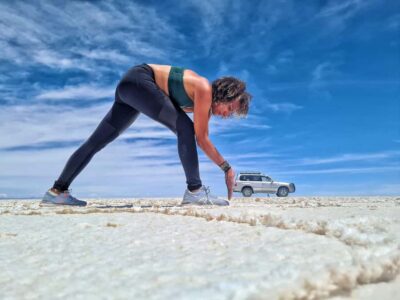

From Uyuni: Red Lagoon & Uyuni Salt Flats 3-Day Guided Tour
Read our review →

La Paz: Uyuni Salt Flats & San Pedro de Atacama 3-Day Tour
Read our review →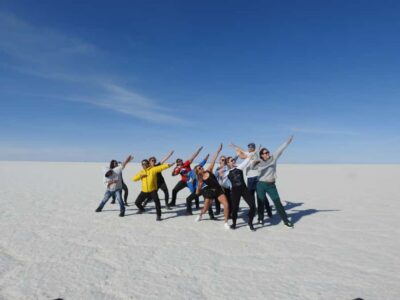
Uyuni: Uyuni Salt Flats and San Pedro de Atacama 3-Day Tour
Read our review →Browse the lists this tour appears in