
Reviewed · COOKING CLASSES
Adelante Mujer Bolivian Cooking Workshops
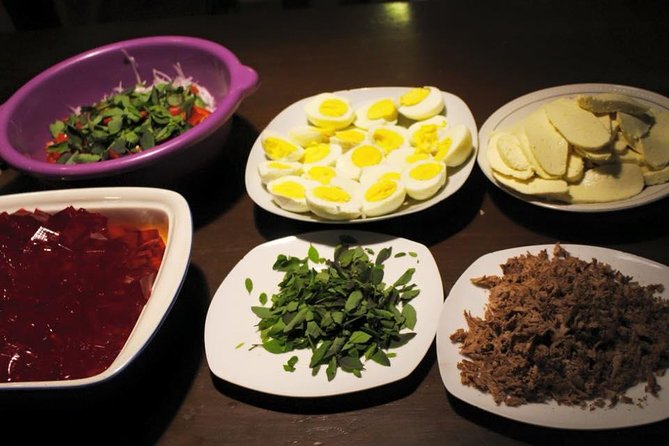
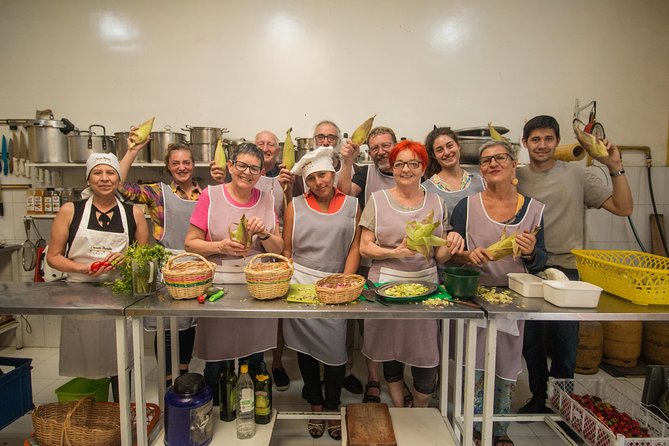
Cochabamba’s Adelante Mujer workshop turns a cooking lesson into a direct way to support local women rebuilding their lives after domestic violence. You’ll prepare a three-course Bolivian meal from scratch, then sit down together to eat what you made, often with cocktails or chicha in the mix.
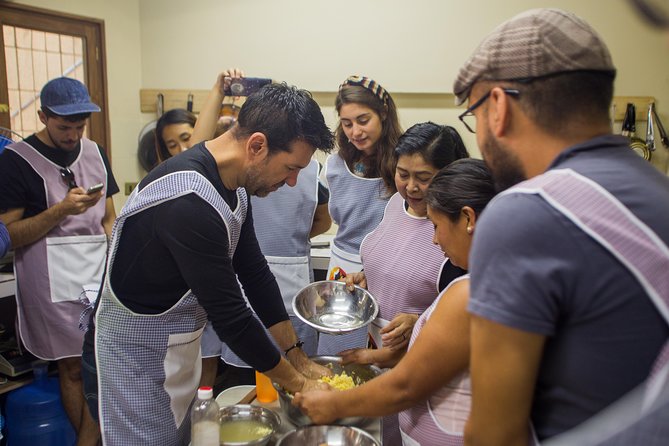
I like the hands-on format, which gets you chopping, mixing, shaping, and cooking rather than watching from the sidelines. I also like the clear social purpose: your fee helps fund economic and psychological support through professional training and paid guiding work.
The main consideration is that the exact menu can vary, and this is a social cooking session rather than a polished restaurant demonstration. The meeting point is central to the experience, so you’ll need to arrange your own transport to Warmi Wasi.
Key points to know before you book
- Make Bolivian food from scratch: Past sessions have included salteñas, tucumanas, pasteles, sonsos, and cuñapes.
- Support women through paid skills training: The cooking guides are women recovering from domestic violence.
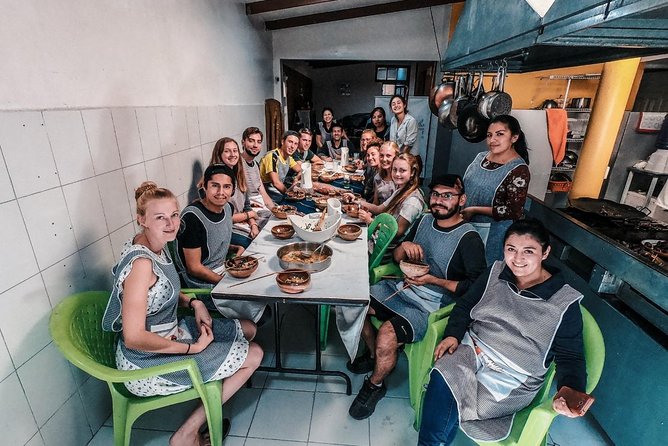
- Expect a shared meal at the end: Everything prepared during the workshop is eaten together.
- Cocktails are part of the fun: Alcoholic and non-alcoholic drinks are prepared during the class.
- Small-group setting: The stated maximum is 10 people, though the group price is listed for up to 15.
- Plan on about three hours: The workshop begins and ends at Warmi Wasi in Cochabamba.
A cooking class with a purpose in Cochabamba
Many food classes teach you how to make a dish. Adelante Mujer adds another layer: the person guiding you is part of the reason the workshop exists.
The organization professionally trains women who have suffered domestic violence and are working toward recovery. Guiding a class gives them paid work, a public role, and a chance to use practical skills in a setting built around respect and cooperation.
That makes the workshop feel less like a donation dressed up as tourism. You are paying for instruction, food, drinks, and a shared afternoon or evening. At the same time, the money supports a program that treats cooking and hospitality as useful professional skills.
I also appreciate the way the class presents empowerment. It is not limited to a speech about a social cause. The women lead the work, show you their techniques, and help produce the meal you eat. You get to know Bolivian food through a real exchange, not just through a printed recipe.
More Cooking Classes in Bolivia:
- Cusco: Peruvian Cooking Class, Cocktails & Local Market Tour
★ 4.9 · 512 reviews - Buenos Aires: Empanadas and Alfajores Guided Cooking Class
★ 4.8 · 486 reviews - Cooking class and market tour with a local chef
★ 5.0 · 186 reviews
Starting at Warmi Wasi near Proyecto Martadero
The listed meeting point is Warmi Wasi Adelante Mujer in Cochabamba, with the activity ending back there. Proyecto Martadero is given as the workshop stop, so check the exact meeting instructions after booking and allow time to find the venue.
Private transportation is not included. The location is near public transportation, which is useful if you are staying in Cochabamba without a car. You should still confirm the route and meeting time before setting out, since arriving late could cut into a short, three-hour program.
The setting matters. This is not a large culinary school with rows of anonymous workstations. The information describes a friendly, cozy place where the class, food, and conversation happen together. That setup suits anyone who wants to meet people while learning what Bolivian home-style cooking involves.
The class is offered Monday through Sunday, from 9:00 a.m. to 9:00 p.m., during the stated operating period. Your specific start time will depend on the available booking slot.
Preparing a three-course Bolivian meal
The central promise is simple: you will prepare a traditional three-course Bolivian meal from scratch. No previous cooking experience is needed, and the guides provide the utensils and ingredients used during the class.
The work may include preparing fillings, chopping vegetables, handling dough, cooking ingredients, and assembling the final dishes. Past sessions provide a helpful idea of the range. Salteñas have been a popular subject, while other workshops have focused on tucumanas, pasteles, sonsos, and cuñapes.
Salteñas are especially useful for understanding why this class is more than a quick recipe demonstration. You may work on the filling, prepare the dough, roll it out, add the mixture, and fold the pastry into its familiar shape before baking. That gives you a feel for the timing and handwork behind one of Bolivia’s best-known snacks.
One session included meat, mushrooms, potatoes, and onions, with an explanation of ingredients, methods, and origins along the way. A vegetarian salteña option has also been offered, which is worth requesting if that matters to you. Do not assume every menu includes the same options, though. Ask about the planned dishes when you book.
Other workshops have covered sonsos and cuñapes, giving you a taste of regional baking and cassava-based cooking. Tucumanas and pasteles add another angle, especially if you want to compare different filled pastries rather than focus on one signature dish.
The phrase three-course meal should not lead you to expect a formal restaurant menu with separate plated courses. The format is a cooking workshop, and the exact dishes can change. Think of it as a full meal built around traditional recipes, shared preparation, and conversation.
Cocktails, chicha, and the social side of the class
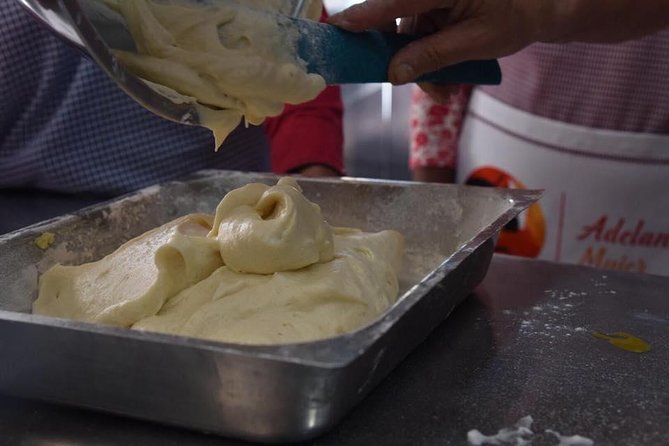
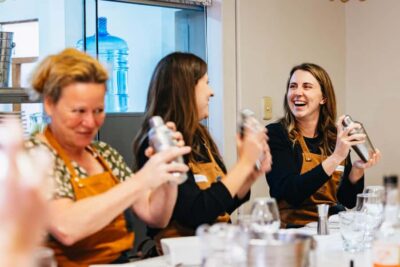
Food is only half the experience. Alcoholic and non-alcoholic cocktails are prepared during the workshop, so you may have something to sip while the dough rests or the filling cooks.
Chicha has been included in a past session, giving the class a direct connection to Bolivia’s drink culture. The drink offerings can vary, but the pattern is clear: this is meant to feel celebratory rather than strictly instructional.
That atmosphere is one of the strongest reasons to choose Adelante Mujer over a basic cooking lesson. You are not simply trying to finish a recipe before the clock runs out. You can talk with the guides, meet other people in the group, and share snacks, fruit juice, or cocktails as the meal comes together.
There is a small caution here. If you want a quiet, technical class with every measurement carefully timed, this may feel loose. If you like cooking with other people and do not mind conversation around the worktable, the relaxed pace should suit you better.
Non-alcoholic cocktails are available, so you do not need to drink alcohol to take part fully. Still, mention any dietary or drink preferences when arranging the class. The supplied information confirms vegetarian salteñas have been available, but it does not promise every dietary request can be met.
More Workshops in Bolivia:
- Rio de Janeiro: Beginner Samba Lesson in Ipanema
★ 4.9 · 1,071 reviews - Rio de Janeiro: Samba Class in Copacabana
★ 4.6 · 262 reviews - Buenos Aires: Private Tango Lesson
★ 4.9 · 244 reviews - Cartagena: Pub Crawl with Dancing Lessons and Free Shots
★ 4.2 · 211 reviews
Why the women guides are central to the experience
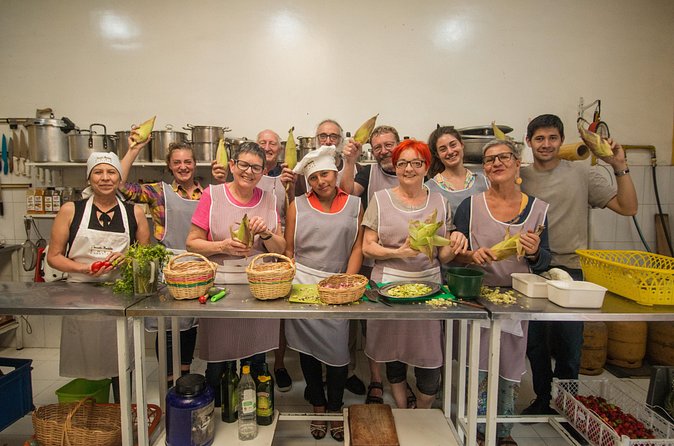
The guides are women trained by Adelante Mujer, and the program describes them as women who have experienced domestic violence and are in recovery. That background deserves respect. You are not booking a class to ask for personal stories or to treat someone’s hardship as part of the entertainment.
The useful focus is on the work they do now. They teach cooking, explain local food, help you complete the recipes, and share a meal with the group. Their role gives the workshop its human connection while keeping the activity centered on skill and hospitality.
Founder Sara is also involved with the organization and has helped develop the workshop idea. Past sessions included her welcoming, helpful presence, but the class is not presented as a lecture led by Sara. The cooking guides are the people you should expect to work with directly.
I like this model because the support is practical. The women are not reduced to a cause. They are instructors, hosts, and workers whose abilities are visible throughout the session. That is a more respectful way to connect social responsibility with tourism.
What you actually get for $29 per group
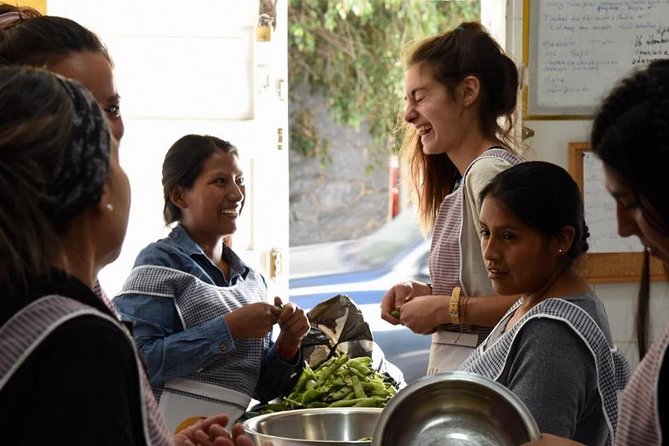
The listed price is $29 per group, with the price described as covering up to 15 people. The additional information gives a maximum of 10 participants, so clarify the group limit and final pricing for your booking before you confirm.
Even with that small inconsistency, the value is strong if your group can share the cost. The price includes the food you prepare, the final lunch, alcoholic or non-alcoholic cocktails, cooking utensils, and English-to-Spanish or Spanish-to-English translation. Other languages may sometimes be available.
For a roughly three-hour experience, that is a good package. You receive a meal, drinks, an activity, cultural context, and direct support for a local women’s program. It is also more useful than simply eating salteñas in a café because you learn how the dish is assembled and why the process takes time.
The value depends on your expectations. If you are comparing this with a cheap local meal, the workshop costs more because you are paying for instruction and social support as well as ingredients. If you are comparing it with a private cooking lesson, the group price looks much more attractive.
The price is especially appealing for couples, families, or small groups who can divide the $29 fee. Solo participants should check how the group pricing works, since the supplied information gives a per-group price rather than a clear individual rate.
Who will enjoy this best
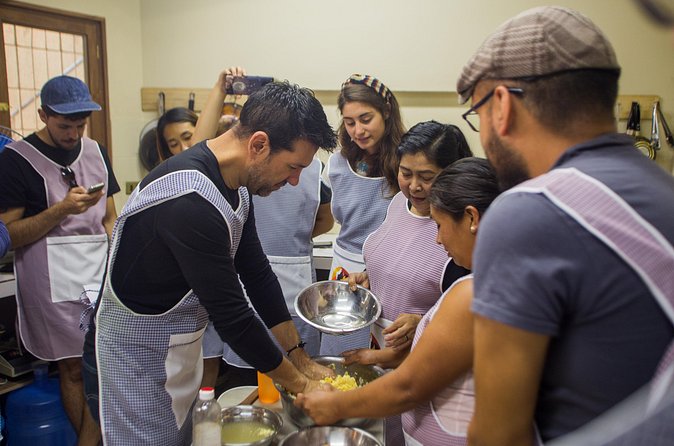
I would choose this class if you want a low-pressure introduction to Bolivian food and prefer doing something active. It suits people who enjoy learning by hand, meeting local hosts, and eating a meal they helped prepare.
It is also a strong choice for anyone looking for socially responsible tourism in Cochabamba. The purpose is not an add-on at the edge of the experience. It shapes who leads the class and how the money is used.
Families and first-time cooks should be comfortable here because no cooking background is required. The shared format can also help if you have just arrived in Cochabamba and want an easy way to meet people.
Food-focused visitors should ask about the menu before booking. If you especially want to make salteñas, confirm that recipe is scheduled. Past sessions have featured it often, but the activity may use different dishes on different dates.
You may want to choose something else if you dislike group activities, need a fully private lesson, or want a highly technical course with fixed recipes and restaurant-style presentation. Adelante Mujer is warmer and more informal than that.
Practical details that can make the day easier
The workshop lasts about three hours, and you return to the meeting point at the end. Since private transportation is not included, plan your route to Warmi Wasi in advance.
Confirmation is sent within 48 hours of booking, subject to availability. The experience is often booked about 25 days ahead, so reserving early is sensible if your Cochabamba dates are fixed.
The stated capacity is a maximum of 10 people. The price information mentions groups of up to 15, so contact Adelante Mujer if your party is larger than 10 and ask what applies to your date.
You can cancel for a full refund if you do so at least 24 hours before the start time. Cancellations or changes made less than 24 hours before the activity are not refunded or accepted. The cut-off follows local Cochabamba time.
Wear something comfortable for food preparation, and avoid planning another tight appointment immediately afterward. The meal and conversation are part of the point, and rushing away would weaken the experience.
Should you book Adelante Mujer?
Yes, if you want a friendly, hands-on cooking class that connects food with a clear local cause. The strongest parts are the direct participation, the chance to make dishes such as salteñas from scratch, the included drinks and meal, and the support given to women rebuilding their lives through training and paid work.
Before booking, confirm the exact menu, group size, start time, and whether a vegetarian or other dietary option is available. If you are hoping specifically to make salteñas, ask for that recipe rather than assuming it will be on the schedule.
For $29 per group, this is one of the more useful ways to spend three hours in Cochabamba, especially if you are traveling with friends or family. Choose it for the human connection and the cooking, not for a formal culinary performance. You will leave with a full meal, a better sense of Bolivian food, and a practical way to put your tourism money behind local women.
FAQ
Where does the Adelante Mujer cooking workshop start?
The workshop starts at Warmi Wasi Adelante Mujer in Cochabamba, Bolivia.
Where does the activity end?
The workshop ends back at the meeting point.
How long does the cooking class last?
The experience lasts approximately three hours.
What will I cook?
You will prepare a traditional three-course Bolivian meal from scratch. Past workshops have included salteñas, tucumanas, pasteles, sonsos, and cuñapes, but the exact menu can vary.
Do I need cooking experience?
No. The activity is suitable for people without previous cooking experience.
Are drinks included?
Yes. The workshop includes alcoholic or non-alcoholic cocktails prepared during the activity. Chicha has also been included in a past session.
Is food included?
Yes. You eat the food prepared during the workshop at the end of the activity.
Is transportation included?
No. Private transportation is not included, though the meeting point is near public transportation.
Just added around Bolivia
- Visit to Uyuni Salt Flats from La Paz Bolivia by Bus★ 5.0 · 55 reviews
- La Paz Uyuni Premium Bus★ 4.5 · 78 reviews
- Private Tiwanaku and Titicaca Day Trip from La Paz★ 4.5 · 62 reviews
- Climbing Huayna Potosí★ 5.0 · 50 reviews
- Cholet Tour – Andean Architecture and Culture – El Alto★ 5.0 · 72 reviews
- Customizable Private City Tour – La Paz★ 5.0 · 69 reviews
- Sucre: Free Walking tour (History, culture and traditions)★ 4.8 · 47 reviews
- Santa Cruz: Wildlife Sanctuary and Preservation Park Tour★ 4.7 · 73 reviews
Cooking Classes, compared.
Cusco: Peruvian Cooking Class, Cocktails & Local Market Tour
Read our review →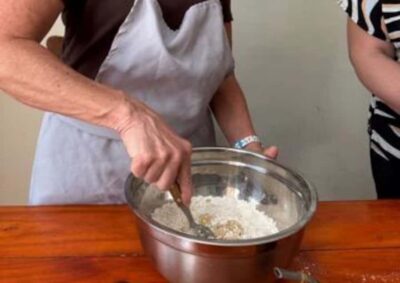
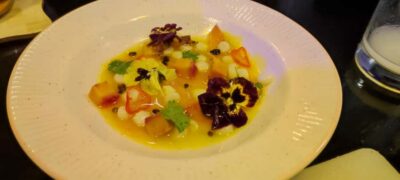
Cooking class and market tour with a local chef
Read our review →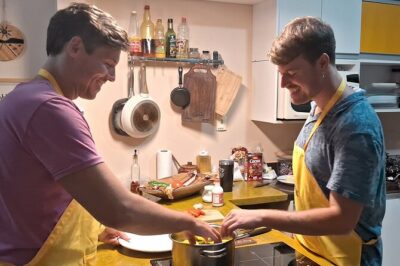
Cooking class in Salvador, an authentic dinning experience
Read our review →
3h Cooking Class in Mendoza with 7 Recipes & Bottomless Drinks
Read our review →
BA: Empanadas and Alfajores Cooking Experience in Palermo
Read our review →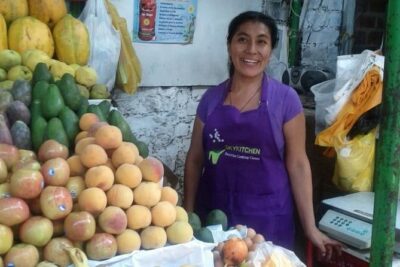
Market Tour, Tasting of 35 Fruits, and 4-Course Peruvian Cooking Class in Lima
Read our review →Browse the lists this tour appears in