
Reviewed · EASTER ISLAND TOURS
From Hanga Roa: Journey from Orongo to Ana Te Pahu
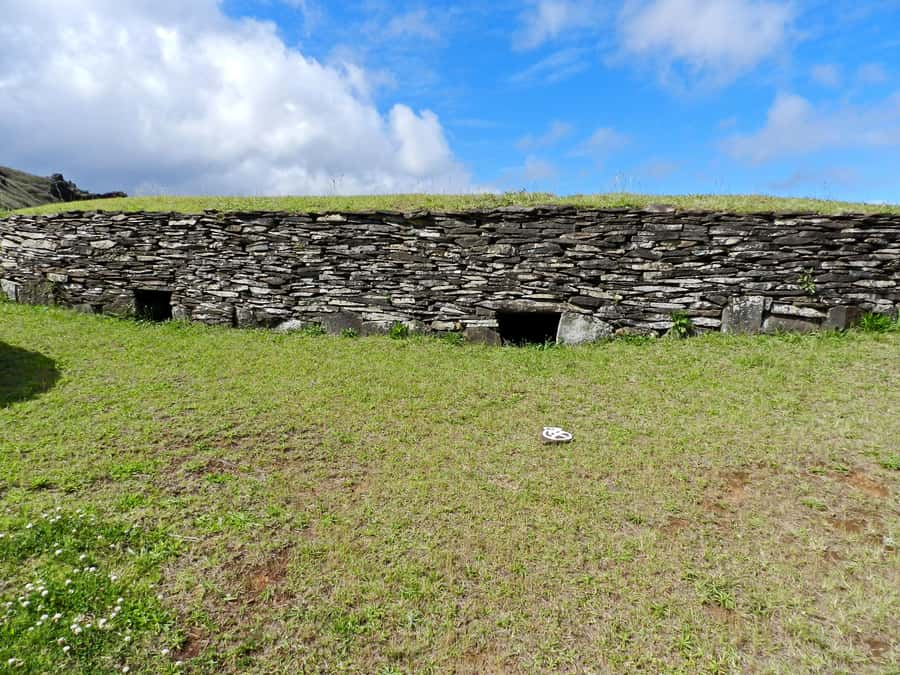
Orongo is the star of this day. The stone ceremonial village sits on the rim of Rano Kau, with a huge crater on one side and the Pacific on the other. I like that the tour pairs this dramatic viewpoint with Ana Te Pahu’s volcanic caves, a far more enclosed and hands-on glimpse of old Rapa Nui life.
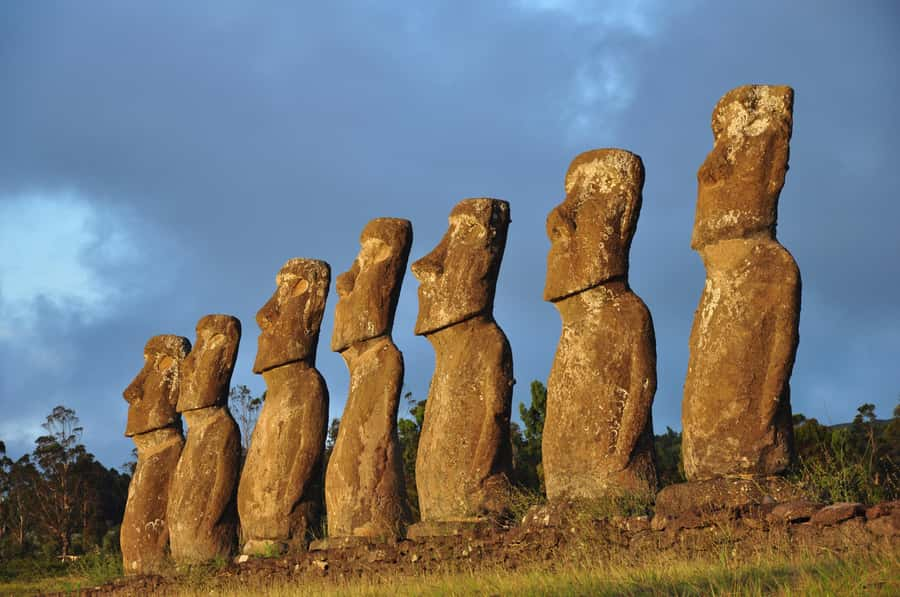
I also like the steady mix of famous moai sites and less obvious details, from the seven statues at Ahu Akivi to the red stone topknots at Puna Pau. Guides Ata and Javiera are noted for clear explanations and thoughtful answers. The main drawback is pace: some walking lasts about an hour, and one guest found it hard to hear the guide while walking at the back of the group.
Key points to know before booking
- Orongo gives you the best story of the day: Learn how the Bird Man ceremony connected the crater rim, the offshore islets, and political power on Rapa Nui.
- Ana Te Pahu adds real physical variety: Cool volcanic passages once served as shelter and storage.
- Six major sites fit into seven hours: You see a lot, but each stop has a fixed time and the day does not feel leisurely.
- Ahu Akivi is unusual: Its seven moai represent the island’s seven legendary explorers and face inland.
- Your national park ticket is separate: Buy it before pickup, since it is not included in the $70 price.
- Bring water and listen carefully: There is no internet in the park, and you may walk for roughly an hour at some sites.
Why Orongo makes this tour worth considering
Rapa Nui can be hard to understand if you only visit a few moai beside the road. This route gives you a broader picture. You see ceremonial sites, a volcanic crater, a quarry, a cave system, and several ahu, or stone platforms. Together, they show how religion, engineering, natural resources, and daily survival were tied together.
The day begins with pickup in Hanga Roa and a short 15-minute ride by bus or coach to Rano Kau. That short transfer gets you quickly into the island’s volcanic interior. From there, the tour follows a tightly planned route and returns you to Hanga Roa after about seven hours.
At $70 per person, the value rests mainly in the transportation and guide. You are not paying only to be driven from one monument to another. You get explanations in English or Spanish at six important places, plus hotel pickup and drop-off. The separate national park ticket adds to the total cost, so factor that in before deciding.
I would choose this for a first full day on Rapa Nui, especially if you want one outing that covers both the major archaeological sites and the island’s natural formations. If you prefer long, quiet visits at each site, the schedule may feel brisk.
A few more Easter Island days worth comparing
- From Hanga Roa: Rapa Nui Culture Sightseeing Tour
★ 4.6 · 307 reviews - From Hanga Roa: Easter Island Highlights 2-Day Tour
★ 4.3 · 205 reviews - From Hanga Roa: Easter Island Sightseeing Full Day Tour
★ 4.5 · 189 reviews
Rano Kau and Orongo: crater views with a serious story
Rano Kau is the first major stop, with about 45 minutes for a guided visit. The volcano gives you one of the day’s strongest visual moments: a broad crater and open views toward the Pacific Ocean. The scale helps explain why Orongo was built here. It is not simply a pretty lookout. The setting was part of the ceremony.
The route then gives Orongo about an hour. That is enough time for a proper explanation of the stone village and the Bird Man tradition. The site was linked to a contest in which representatives sought the first manutara, or sooty tern egg, from the offshore islets. The supplied tour information specifically centers on this legend, so expect the guide to focus on the ceremony and its place in Rapa Nui society.
This is where a good guide matters most. Ata is described as informative and interesting, while Javiera is noted for answering questions with strong subject knowledge. You should listen closely here, since the meaning of Orongo is much more rewarding when you understand what you are looking at.
The practical issue is exposure. Rano Kau and Orongo are open volcanic sites, and the tour runs rain or shine. Wear comfortable clothes and shoes, and bring a reusable water bottle. The crater views are a highlight, but weather can affect how much you see and how comfortable you feel.
Vinapu: careful stonework without the crowds of a grand monument
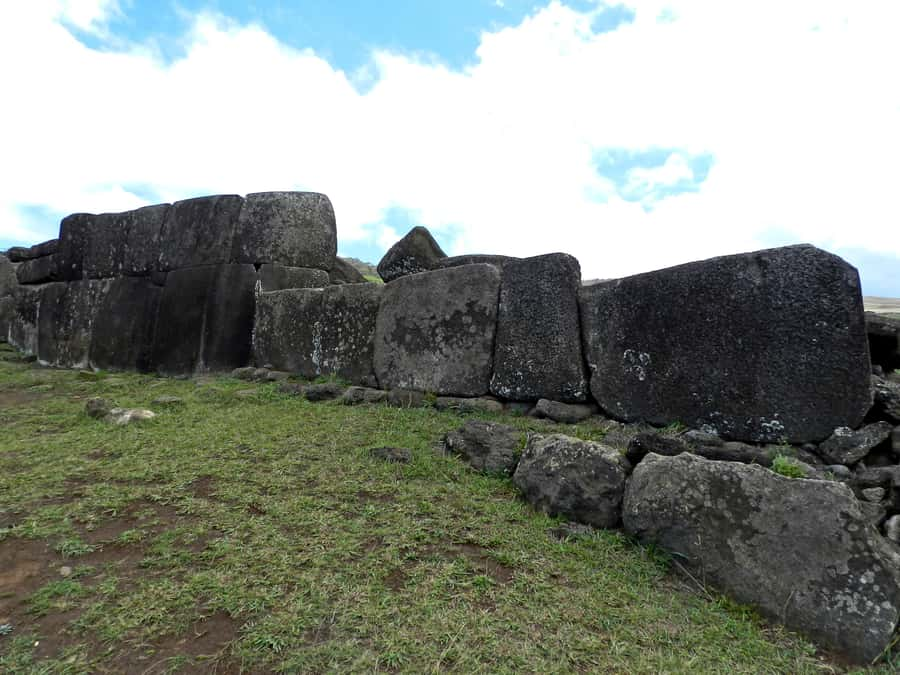
Ahu Vinapu follows, with around 45 minutes of guided time. Here, the focus shifts from ceremony to construction. The large stone blocks and their close placement show the level of planning needed to build an ahu and position its stones.
Vinapu is useful because it lets you look closely at masonry rather than only at the familiar faces of moai. Your guide can point out how the blocks were arranged and why the site matters to the island’s archaeological story. The tour description emphasizes precision and craftsmanship, so expect an explanation of how Rapa Nui builders handled large stones with limited resources.
Forty-five minutes is a sensible amount of time for this stop. You can inspect the platform, hear the main interpretation, and take photographs without turning the visit into a long walk. Still, the fixed schedule means you may need to move on while you are still looking.
This is one reason to keep your attention on the guide rather than wandering far from the group. A guest had trouble hearing explanations when walking behind the main cluster. Stay near the guide, especially at sites where the meaning is not obvious from the stones alone.
Puna Pau and the making of red topknots
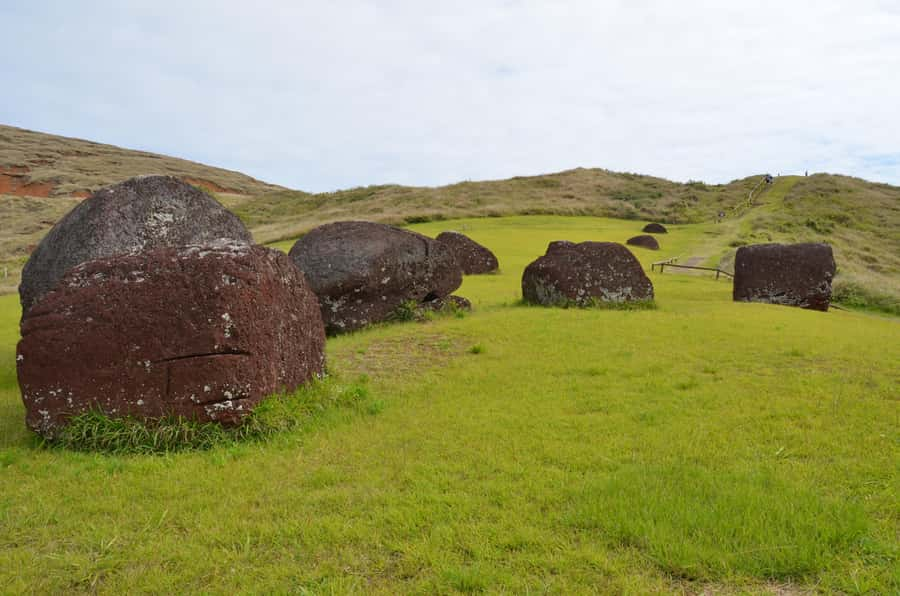
Puna Pau receives another 45-minute guided visit. This quarry supplied the red scoria topknots, called pukao, placed on some moai. The color and texture make this stop different from the gray stone sites elsewhere on the island.
The quarry helps you think about the moai in a more practical way. A statue was not a single finished object carved and placed in one location. Its topknot could come from a different source, adding another stage of work and transport. At Puna Pau, the guide explains the meaning of these crowning pieces and how they were made.
I like this stop because it adds a missing part to the familiar moai image. Many people focus on the statue’s face and body. Puna Pau asks you to look up and consider the separate red element above it.
The visit is short, so do not expect a long hike or a full archaeological lecture. You will get the core story, see the quarry, and continue. Bring cash as requested in the tour instructions, though no specific cash expense is identified.
Same trip, a completely different kind of day:
- Full Day Tour in Rapa Nui
★ 4.5 · 122 reviews - Full day tour – DREAM
★ 5.0 · 86 reviews - Journey of the Ancestors: Tongariki, Rano Raraku & Anakena Beach
★ 4.5 · 70 reviews - Full Day Private Tour: Factory of the Moai the stone giants
★ 4.5 · 63 reviews
Ahu Akivi and the seven inland-facing moai
Ahu Akivi gets about 45 minutes and offers one of Rapa Nui’s more distinctive arrangements. The platform has seven moai, described here as representing the island’s seven explorers. Their placement gives the guide a chance to explain the stories attached to these figures and their role in the island’s past.
This stop is also a useful contrast with the coastal platforms many people picture first. The tour information calls Ahu Akivi unique, and that is the key point to remember. The seven statues are set apart as a group with a particular story, not simply as another row of moai.
Because the stop is guided, you will get more than a photo opportunity. Ask questions if your guide allows time. Javiera is specifically described as prepared and willing to answer questions, and Ata is praised for making the information interesting. The language choices are English and Spanish, so confirm your preferred language when booking.
The main limitation is the same as at Vinapu and Puna Pau. Forty-five minutes passes quickly once you include walking, listening, and photographs. Keep an eye on the group and stay close enough to hear.
Ana Te Pahu: a cooler look at daily life
The final major stop is Ana Te Pahu, with about an hour for a guided visit. This volcanic cave system once served as shelter and storage. It brings the tour down from broad views and monumental stonework into a darker, more enclosed setting.
Ana Te Pahu is valuable because it helps you picture ordinary life. Moai and ceremonial platforms show public achievement. A cave used for shelter and storage points toward practical needs: protection, supplies, and a place to live or wait out difficult conditions.
Expect cool volcanic rock walls and an uneven walking experience. The instructions warn that some sites involve about an hour of walking, and this is the stop where comfortable shoes matter most. The exact route inside the cave is not specified, so you should be ready for a natural setting rather than a paved attraction.
This is also the stop most likely to test your comfort level if you dislike enclosed spaces or uneven ground. The activity details do not give accessibility information, so ask the provider directly if you have mobility concerns. The tour takes place in all weather, and the park has no internet, so download anything you need before leaving Hanga Roa.
What the seven-hour schedule feels like
The listed visits add up to several hours of guided sightseeing, with the rest taken by transfers, walking, group movement, and time between sites. It is a full day, but not an exhausting race from one photo stop to the next. The pace is generally described as good, with the crater singled out as especially well timed.
Still, this is a group tour. You need to be ready when the guide calls the group together. If you walk slowly, stand well behind everyone else, or stop often for photos, you may miss parts of the explanation. That is not a reason to avoid the tour, but it is a reason to remain near the guide.
The company contacts you about 10 minutes before the driver arrives. Pickup and return at your hotel in Hanga Roa are included, which makes the day easier if you do not have a rental car. The 15-minute opening bus ride is short, and the tour returns to Hanga Roa at the end.
The guide is the main variable in the experience. Ata and Javiera are both identified by name in the supplied information, with praise for clear and interesting explanations and for answering questions. At the same time, one account points to a real group-tour issue: a guide may speak mainly to those at the front. My advice is simple: walk near the guide, especially at Orongo and Ana Te Pahu, where context adds most of the value.
What to bring for Rapa Nui’s open and volcanic sites
Pack for a full day outside, even though part of the route enters a cave. Comfortable shoes are essential. Comfortable clothing is also listed, and you should bring a reusable water bottle rather than depend on finding supplies inside the park.
Carry your passport or ID card and some cash. The national park ticket is not included and must be purchased before the tour starts. The tour provider also specifically says not to bring a drone.
There is no internet in the park. Save directions, booking details, and any messages you need before pickup. The tour runs rain or shine, so a change in weather should not surprise you.
Who should book this Rapa Nui tour?
I would recommend it to a first-time visitor who wants a broad introduction to the island in one day. You get Orongo and Rano Kau for ceremony and scenery, Vinapu for stonework, Puna Pau for moai topknots, Ahu Akivi for its seven-statue story, and Ana Te Pahu for a look at shelter and storage.
It also suits you if you prefer having a guide explain what you are seeing. Several stops are not self-explanatory, and the Bird Man story, the meaning of the seven explorers, and the function of the cave all gain value through interpretation.
You may want another option if you need a slow pace, long photo breaks, or a fully accessible route. The day includes walking, a cave system, open-air sites, and a fixed schedule. It is also not the best fit if you expect every minute to be private or quiet, since the information provided does not promise a private group.
Should you book it?
Book this tour if you want strong coverage of Rapa Nui’s major cultural and volcanic sights for $70, plus the separate park ticket. The route is varied, the hotel transport is useful, and the best-rated elements are the sensible pacing, Rano Kau crater, and guides who explain the sites well.
Before booking, make sure you are comfortable walking for about an hour at some sites and visiting in any weather. Buy the national park ticket in advance, stay close enough to hear the guide, and bring water. With those points handled, this is a practical first-day tour that gives you both the big moai stories and a better sense of how people lived around them.
FAQ
How long does the tour last?
The tour lasts seven hours, including pickup in Hanga Roa, visits to six sites, and return to Hanga Roa.
What sites does the tour visit?
The route includes Rano Kau, Orongo, Ahu Vinapu, Puna Pau, Ahu Akivi, and Ana Te Pahu.
Is hotel pickup included?
Yes. Hotel pickup and drop-off in Hanga Roa are included. The company contacts you about 10 minutes before the driver arrives.
Is the national park ticket included?
No. You must purchase the national park ticket before the tour begins.
What languages are available?
A live guide is available in English or Spanish.
What should I bring?
Bring your passport or ID card, comfortable shoes, comfortable clothes, cash, and a reusable water bottle. Drones are not allowed, and there is no internet in the park.
Just added around Easter Island
- Ride to the highest point on the island for sunset★ 5.0 · 40 reviews
- Sunrise Tongariki: Sunrise at Tongariki Park Private Tour★ 4.5 · 47 reviews
- Terevaka Horse Excursion: The highest point and 360° view.★ 4.7 · 38 reviews
- Easter island: Snorqueling tour on coral reefs★ 4.4 · 47 reviews
- Half Day Tour in Rapa Nui★ 5.0 · 48 reviews
- Private Full-Day Easter Island Highlights South and East★ 5.0 · 60 reviews
- Two days of Full Day Tour of Rapa Nui + Sunrise in Tongariki★ 4.8 · 55 reviews
- Rapa Nui Stargazing★ 4.5 · 62 reviews
Easter Island Tours, compared.
From Hanga Roa: Rapa Nui Culture Sightseeing Tour
Read our review →
From Hanga Roa: Easter Island Highlights 2-Day Tour
Read our review →
From Hanga Roa: Easter Island Sightseeing Full Day Tour
Read our review →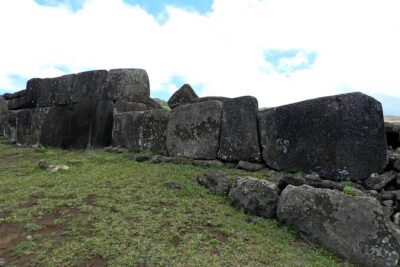
Journey of the Ancestors: Tongariki, Rano Raraku & Anakena Beach
Read our review →
Full Day Private Tour: Factory of the Moai the stone giants
Read our review →
Browse the lists this tour appears in