
Reviewed · EASTER ISLAND TOURS
Full day tour – DREAM
Rano Raraku, the volcanic quarry where hundreds of unfinished moai remain in the rock, and Ahu Tongariki, with its line of 15 statues facing inland, are the heart of this full-day Easter Island tour. You also reach remote coastal sites and Anakena Beach, giving you a broad look at Rapa Nui in one long outing.
I like the large sweep of the route and the chance to see the island’s key moai sites without arranging several separate excursions. I also like the guides’ focus on stories, customs, and the meaning behind the statues. The main caution is timing: the day can run seven to nine hours, lunch is not included, and one poorly managed departure was shortened by delays and an early park closure.
Key points to know before booking
- Rano Raraku gets two hours: This is the moai quarry, with roughly 400 unfinished statues and some of the most striking walking time on the island.
- Ahu Tongariki is given two hours: You have time to study all 15 restored moai, take photos, and listen to the guide rather than simply stepping out for a quick look.
- The route may be run in reverse: Starting at Anakena or visiting sites in an unusual order can help avoid the busiest periods.
- Guides are a major part of the experience: Esteban, Christian, Joaquin, Andres, and Chris have all led departures, with strong marks for clear explanations and good pacing.
- Park admission is extra: Foreign visitors pay $80 per person, while Chilean citizens pay CLP20,000 per person.
- Bring lunch and water: Food and drinks are not included, and lunch can be late, sometimes around 3:00 p.m.
Why this route works for a first full day on Rapa Nui
At $120 per person, this is not a cheap sightseeing loop once you add the National Park entrance fee. For a foreign visitor, the stated total is about $200 per person before lunch and drinks. Still, the value is reasonable if you want one long day focused on the island’s major archaeological sites, especially Rano Raraku and Tongariki.
The tour lasts about eight to nine hours and has a maximum group size of 15. That size matters on Rapa Nui. A guide can still speak to the whole group, but stops take longer when everyone needs to board, walk, take photos, and gather again. Smaller departures may move faster and feel more personal, but that is not always an advantage if the guide rushes the commentary.
The official meeting point is Iglesia Católica Tu’u Koihu in Hanga Roa at 9:30 a.m. The activity ends back there. Some departures have included hotel pickup, but do not assume that unless it is confirmed for your booking. The morning meeting can be confusing because several tour vehicles may gather in the same area, so arrive early and look for the Rapa Nui Dream name.
The operator sends route information by WhatsApp the day before. Make sure your phone can receive it. You must already have your National Park ticket before the first day of the excursion. It can be bought at the Ma’u Henua offices or through the Rapa Nui National Park ticket website.
A few more Easter Island days worth comparing
- From Hanga Roa: Rapa Nui Culture Sightseeing Tour
★ 4.6 · 307 reviews - From Hanga Roa: Easter Island Highlights 2-Day Tour
★ 4.3 · 205 reviews - From Hanga Roa: Easter Island Sightseeing Full Day Tour
★ 4.5 · 189 reviews
Ahu Vaihu opens with a coastal village setting
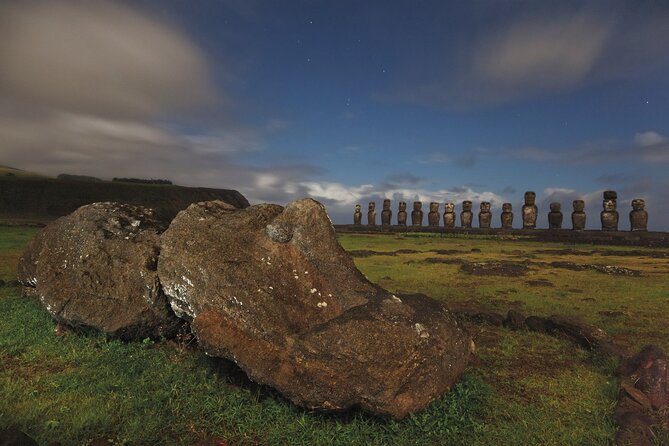
The first listed stop is Ahu Vaihu, a platform with eight moai lying near an ancestral bay once used by fishermen. It gives you an early look at the connection between the statues, the shoreline, and daily life in old Rapa Nui communities.
You have about 30 minutes here. That is enough for photos and a short explanation, but not a long walk. The site is also linked with Poko Manu Mea, described as a representative example of Rapa Nui villages and customs. This is a useful place to pay attention to the guide’s explanation of how a ceremonial platform fitted into a wider settlement.
The fallen statues can feel less dramatic than the upright line at Tongariki, but they help you understand that the island is not only about postcard views. Ahu Vaihu is about the village setting and the human story around the monuments.
Akahanga shows a village beside a small bay
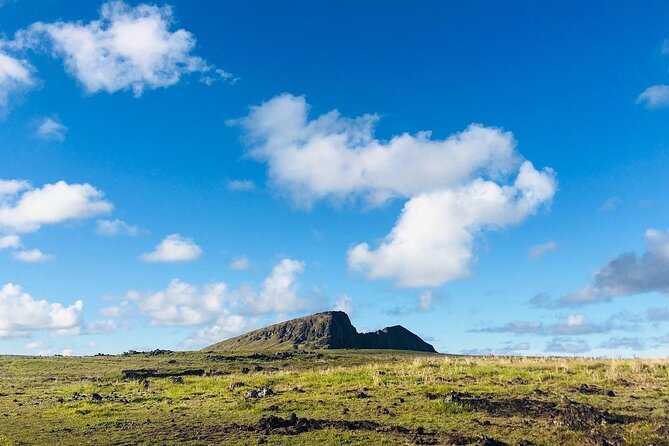
Ahu Akahanga takes you to the remains of an old village near a small bay. The listed visit lasts 30 minutes, so expect a compact stop rather than a long archaeological walk.
This is one of the places where a strong guide makes a clear difference. Without context, you see stone foundations and fallen moai. With a good explanation, you begin to picture how homes, ceremonial platforms, cooking areas, and the bay worked together.
Admission is marked as not included at this stop, although the overall National Park pass is required for the excursion. Carry the pass with you, and do not expect food or drinks to be supplied here.
Rano Raraku is the day’s essential stop
Rano Raraku is the quarry where moai were carved from volcanic tuff. About 400 unfinished statues remain in and around the quarry, making this the most revealing stop on the route.
You receive roughly two hours here, which is welcome. The site rewards slow looking. Some figures are still attached to the rock, while others appear partly buried along the slopes. The unfinished forms show that a moai was not simply carved, lifted, and carried away in one easy step. The quarry lets you see the work process before the statues reached their platforms.
You should wear sturdy shoes and be ready for moderate walking. The tour requires a moderate level of physical fitness, and Rano Raraku is the stop most likely to make you want more time on foot. The exact amount of walking depends on the route and the guide’s pace, but two hours gives you room for photos and interpretation.
This is also where the difference between a guide who simply names sites and one who explains them becomes obvious. Esteban has been praised for discussing ancient Rapa Nui culture as well as present-day island life. Other guides, including Chris and Joaquin, have been singled out for connecting stories to the places in front of you.
Same trip, a completely different kind of day:
- Full Day Tour in Rapa Nui
★ 4.5 · 122 reviews - From Hanga Roa: Journey from Orongo to Ana Te Pahu
★ 4.3 · 75 reviews - Journey of the Ancestors: Tongariki, Rano Raraku & Anakena Beach
★ 4.5 · 70 reviews - Full Day Private Tour: Factory of the Moai the stone giants
★ 4.5 · 63 reviews
Ahu Tongariki gives you the classic moai view
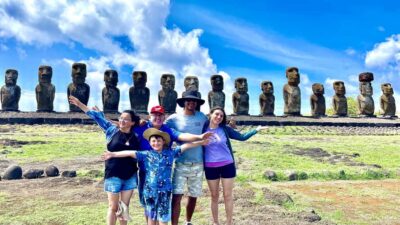
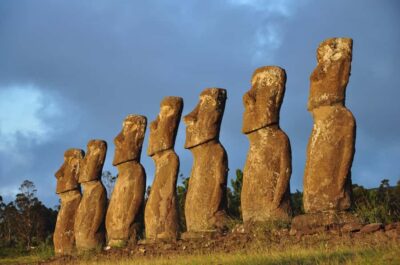
Ahu Tongariki is the largest ahu, or ceremonial platform, in Polynesia. Fifteen upright moai face inland with their backs toward the ocean, forming the most famous group on the island.
The tour allows about two hours here. That is one of its strongest features. You are not pushed off after a quick photo. You can study the differences in size and shape among the statues, look back toward the sea, and let the scale of the platform settle in.
Tongariki is powerful even if you know very little about Rapa Nui. The wide open setting makes the statues feel connected to the island rather than displayed in a museum. It is also a good place to ask questions, since the long stop gives your guide time to explain the platform, the nearby settlement, and the restoration work without rushing.
The route may visit sites in reverse order to reduce crowding. That strategy can work well, especially at major stops. It is not a promise of solitude, but arriving outside the busiest window can make a major difference when you want an unobstructed photo or a quiet moment.
Te Pito Kura adds two unusual details
Ahu Te Pito Kura is scheduled for about an hour. The site is associated with a magnetic stone and the island’s longest moai, giving it a different appeal from the large intact line at Tongariki.
The moai here is fallen, but its size remains easy to appreciate. The magnetic stone adds a more unusual element to the visit, and it is the sort of detail you might miss if you only hire transport between the major platforms.
This stop is important to verify when you receive your route information. One departure failed to visit it, along with another advertised archaeological point, while the operator later said all scheduled archaeological sites had been covered. That conflicting experience makes it sensible to ask the guide at the start of the day to confirm the planned stops.
Ahu Nau Nau and Anakena bring the day to the beach
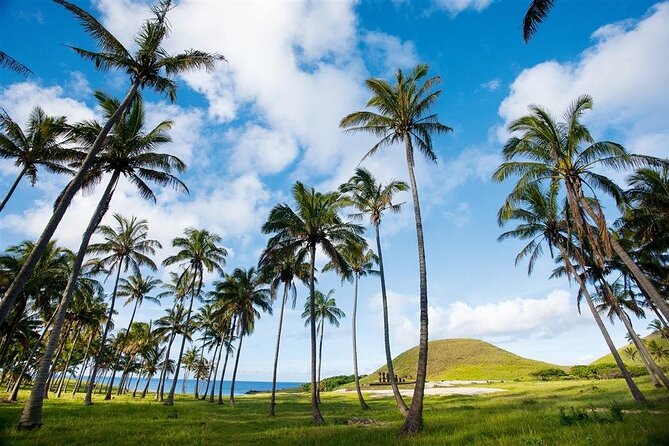
Ahu Nau Nau sits about 150 meters inland from Anakena Beach and has seven moai. The platform is attractive because it combines ceremonial stonework with a sandy coastal setting.
You have about 30 minutes at Ahu Nau Nau, followed by another 30 minutes at Anakena Beach. That is enough to see the platform and get a feel for the beach, but it may not satisfy you if swimming is a priority.
Anakena’s Rapa Nui name is Hanga Rau o Te Ariki. The site is tied to the story of King Hotu Matu’a’s arrival, so the beach is not simply a place to end the day with a swim. It carries cultural meaning as well as scenic appeal.
This is where expectations matter. The tour is built as an archaeological and cultural outing, not a beach day. Swimming may be possible when timing and conditions allow, but it is not guaranteed. One departure began at Anakena and gave the group time to eat there, while another arrived later and had little or no time for the beach. If you want a proper swim, book a separate beach outing or plan extra time on another day.
Lunch is not included. Anakena may be the practical meal stop, but lunch can come late, sometimes around 3:00 p.m. Bring snacks and water so you are not depending on a slow restaurant service after several hours in the sun.
The guides can make or break the day
The strongest part of this experience is the guiding. Esteban has received repeated praise for clear English, detailed explanations, photography help, and an easy way of linking ancient culture with modern Rapa Nui. Christian has been described as friendly, funny, and well informed, while Joaquin has been praised for tying stories directly to the sites.
Andres has also been praised for organization, pacing, and strong knowledge of the moai. Chris has been described as quieter at first but impressive in the depth of his explanations. Since different guides lead different departures, you should not book expecting one specific person unless the operator confirms that name.
The guide’s role matters here because the ruins do not explain themselves. At several sites, the visible remains are fallen statues, stone foundations, or a platform viewed from a distance. Good commentary gives each place purpose and helps you avoid the common mistake of treating every moai site as the same.
Guide quality has not been perfectly consistent. One departure included limited explanation, missed planned stops, a long wait in a hot minivan, and an uncomfortable seating arrangement when the group reached 16 people. That is not the standard promised group size, which is a maximum of 15, but it shows why clear pickup and departure arrangements matter.
Timing, group size, and the risk of a shortened day
The advertised schedule is eight to nine hours, with one recent departure described as lasting about seven hours. That shorter length can still work if the route is complete and the guide gives each major site proper attention.
The main risk is an unusual operating day. On Christmas Eve, the National Park closed earlier than usual. The operator split a larger group into smaller units and said the route was completed more efficiently, but the group experienced a much shorter day and little time at the beach. Holiday closures and special schedules can change the shape of the outing.
The tour has received an overall rating of 4.8 from 86 ratings, with 93 percent of customers recommending it. That strong result fits the main pattern: excellent archaeological sights and very good guides on most departures, with a smaller number of serious complaints about communication, missed stops, vehicle comfort, and timing.
The van itself can be basic. One departure had no working air conditioning, and another involved a crowded minivan. If you are sensitive to heat or motion, ask about the vehicle and group size before paying. The moderate fitness requirement also matters, particularly at Rano Raraku.
What to bring for a long day outside
Pack a lunch or substantial snacks, since food and drinks are not included and the meal break may be late. Bring water, sun protection, comfortable walking shoes, and a phone that can receive WhatsApp messages.
You also need your National Park ticket before the tour begins. Foreign visitors pay $80 per person, while Chilean citizens pay CLP20,000 per person. The $120 tour price does not cover this fee.
Allow some flexibility around the stated schedule. The operator offers free cancellation up to 24 hours before the start time, but changes inside that window are not accepted. Poor weather can lead to a different date or a full refund. Those terms are useful on an island where conditions can affect an outdoor day.
Who should book this Rapa Nui tour?
I would choose this tour if you have limited time on Easter Island and want the major moai sites explained in one organized day. It suits you especially well if Rano Raraku and Tongariki are priorities, since both receive about two hours.
It also works for solo visitors and couples who prefer a guide to independent research. The maximum group size of 15 is not private, but it is small enough for questions when the guide is attentive. A smaller group can feel almost personal, though the experience depends on the actual departure.
I would be more cautious if your main goal is swimming at Anakena, eating a relaxed lunch, or spending long quiet periods at each site. This is a full archaeological circuit. You need to accept a long day, possible late lunch, extra admission fees, and some time in a tour van.
Should you book the Full Day DREAM tour?
Yes, if you want the best-known moai sites covered in one day and you value strong cultural explanation. Rano Raraku and Tongariki alone make the outing worthwhile, and the coastal platforms and Anakena add welcome variety.
Before booking, confirm the pickup point, expected group size, guide, vehicle, and exact stop order. Ask how lunch will work and make clear that you want all listed sites visited. If you can manage the extra National Park fee and bring your own food, this is a practical way to see the core of Rapa Nui without wasting a day arranging separate transport.
FAQ
How long does the Full Day DREAM tour last?
The planned duration is approximately eight to nine hours. Some departures have lasted about seven hours, while unusual holiday schedules may shorten the day.
What time does the tour start?
The stated start time is 9:30 a.m. The meeting point is Iglesia Católica Tu’u Koihu in Hanga Roa, and the tour ends back at that meeting point.
Is hotel pickup included?
The official meeting point is the Catholic church in Hanga Roa. Some departures have included hotel pickup, so confirm this detail directly when booking.
Is the National Park entrance ticket included?
No. Foreign visitors pay $80 per person, and Chilean citizens pay CLP20,000 per person. You must have the ticket before beginning the excursion.
Is lunch included?
No. Food and drinks are not included. Lunch can be late, sometimes around 3:00 p.m., so bringing snacks and water is practical.
How many people can join the tour?
The stated maximum is 15 people. Group size can affect boarding time, stop duration, and how much personal attention you receive.
Can I cancel for a full refund?
Yes, if you cancel at least 24 hours before the experience start time. Cancellations or changes made less than 24 hours ahead are not accepted, and poor weather may result in a different date or a full refund.
Just added around Easter Island
- Ride to the highest point on the island for sunset★ 5.0 · 40 reviews
- Terevaka Horse Excursion: The highest point and 360° view.★ 4.7 · 38 reviews
- Sunrise Tongariki: Sunrise at Tongariki Park Private Tour★ 4.5 · 47 reviews
- Easter island: Snorqueling tour on coral reefs★ 4.4 · 47 reviews
- Half Day Tour in Rapa Nui★ 5.0 · 48 reviews
- Private Full-Day Easter Island Highlights South and East★ 5.0 · 60 reviews
- Two days of Full Day Tour of Rapa Nui + Sunrise in Tongariki★ 4.8 · 55 reviews
- Rapa Nui Stargazing★ 4.5 · 62 reviews
Easter Island Tours, compared.
From Hanga Roa: Rapa Nui Culture Sightseeing Tour
Read our review →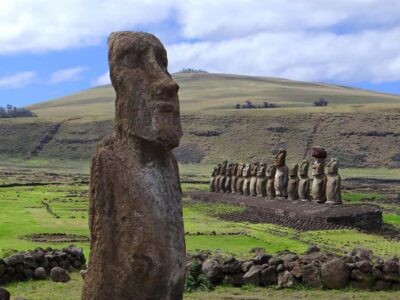
From Hanga Roa: Easter Island Highlights 2-Day Tour
Read our review →
From Hanga Roa: Easter Island Sightseeing Full Day Tour
Read our review →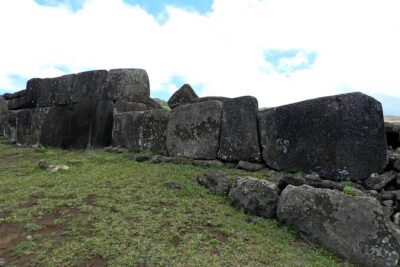
From Hanga Roa: Journey from Orongo to Ana Te Pahu
Read our review →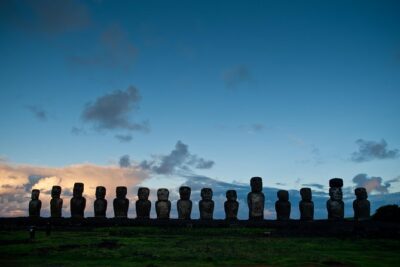
Journey of the Ancestors: Tongariki, Rano Raraku & Anakena Beach
Read our review →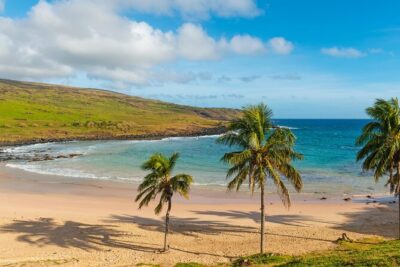
Full Day Private Tour: Factory of the Moai the stone giants
Read our review →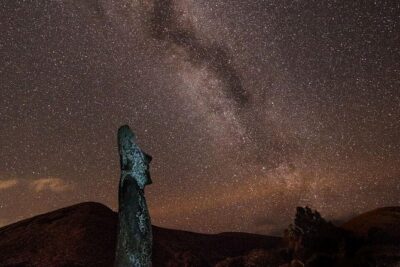
Browse the lists this tour appears in