
Reviewed · HISTORICAL TOURS
Walking tour in Sucre: History, Culture & Amazing Views
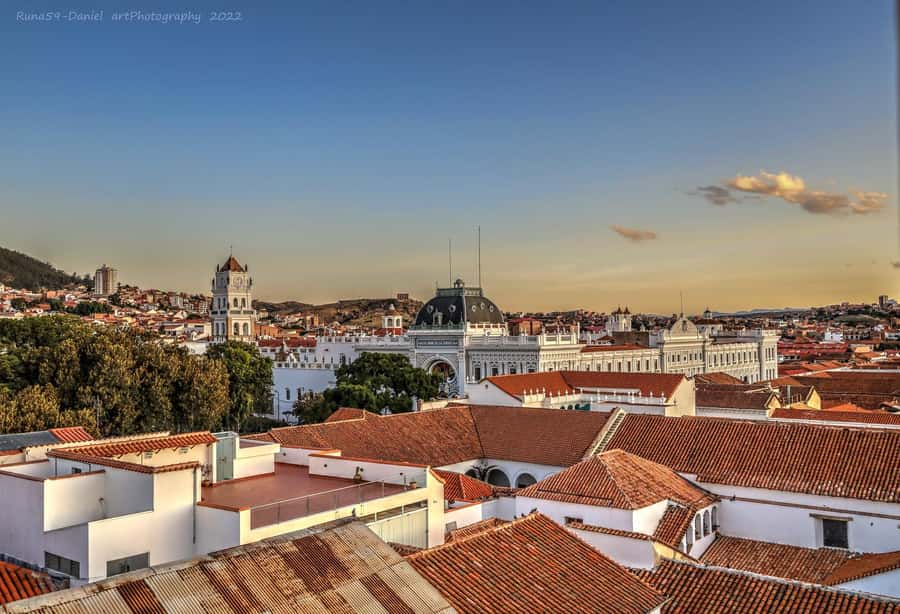
Sucre’s story comes alive on foot, from the old streets where the city began to a former mayor’s office, a university courtyard, and a hilltop view over the white colonial center. The optional tunnel visit adds a little mystery, while the local bus ride helps you see more than the central streets.
I like the small groups of up to 10 and the way guides such as Carla, Henry, Claire, Manu, and Bryan bring their own knowledge of Sucre and Bolivia. I also like the mix of grand buildings, Indigenous art, city history, and mountain views rather than a tour that only points at churches.
The main drawback is the pace and terrain. You will walk for three hours, use public transport, climb toward Recoleta, and possibly enter dark colonial tunnels. This is not suitable for people with mobility impairments, and comfortable shoes matter.
Key points to know before you book
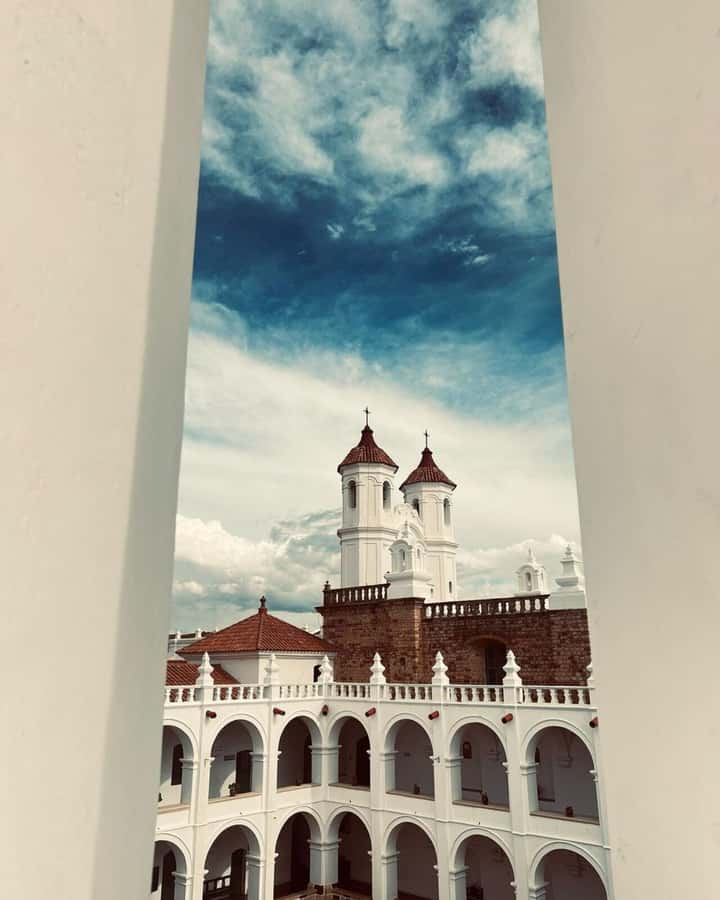
- The tour starts in Cochabamba Square, in front of San Felipe de Neri Church on Nicolas Ortiz Street.
- The Guereo Mansion gives the walk an unusual start, with gardens and the old office of Sucre’s mayor.
- Gato Negro marks the city’s early beginnings, linking the present-day streets to Sucre’s oldest chapter.
- Recoleta provides the big view, with the city spread below and mountains beyond.
- The Indigenous Art Museum adds living cultural context, not just colonial architecture.
- A small flashlight is useful, since colonial tunnels are optional and can be explored with a phone light if needed.
Why this three-hour walk gives you a useful first look at Sucre
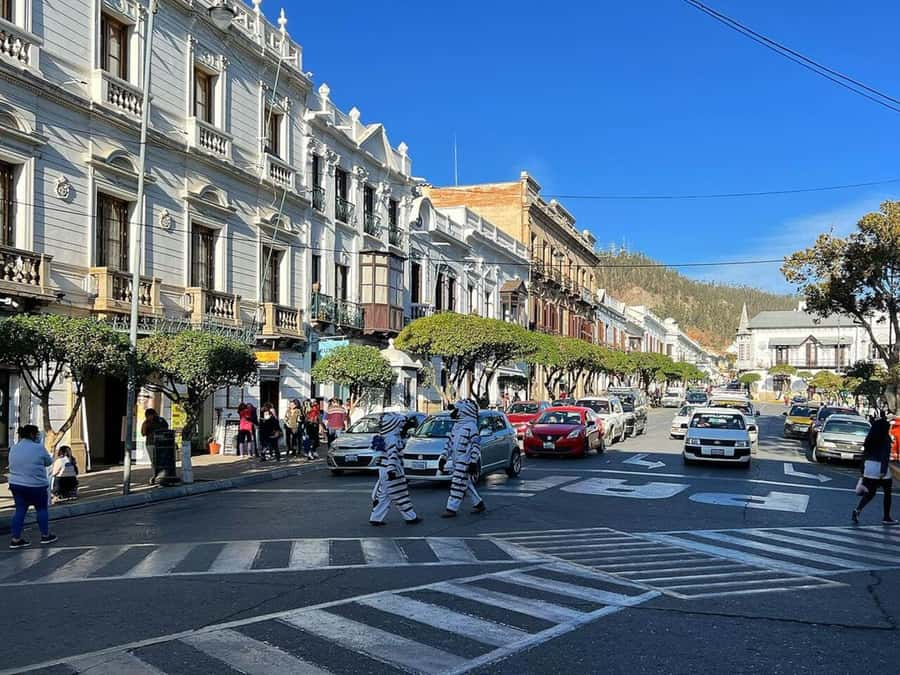
I see this as a strong introduction to Sucre, especially if you have just arrived and want the city to make sense quickly. The route links several parts of the city’s identity: colonial buildings, public institutions, Indigenous culture, religious and civic history, and the surrounding mountains.
The tour also avoids the problem of a standard center-only walk. You begin in the historic core, ride local public transport to cover more ground, then return to major landmarks and viewpoints. That combination gives you a better sense of how Sucre fits together.
At $13 per person, the price is modest for three hours with transportation and a bilingual guide. The real value depends on the guide you receive, but the consistently strong guide feedback suggests that the human side of the tour is its main asset. Carla is praised for adapting the walking speed and explaining the city’s political past. Manu has covered both Sucre and wider Bolivian history. Other named guides include Henry, Claire, and Bryan.
The format is best for someone who wants context rather than a simple photo walk. You will stop often, listen to explanations, and move between several types of site. If you prefer a slow café morning or long visits inside one museum, this may feel busy.
More Historical Tours in Bolivia:
- Walking tour – A journey through the History of Santa Cruz
★ 4.8 · 61 reviews - WALKING TOUR – A journey through the history of Santa Cruz
★ 5.0 · 51 reviews - Sucre: Free Walking tour (History, culture and traditions)
★ 4.8 · 47 reviews
Starting at Cochabamba Square and San Felipe de Neri
The meeting point is Cochabamba Square, on Nicolas Ortiz Street near Azurduy Street, directly in front of San Felipe de Neri Church. Arrive with enough time to identify the church and square, since the tour depends on a prompt start.
This is a sensible place to begin. You are already close to Sucre’s old center, so the first part of the walk can focus on buildings and streets rather than a long transfer. Ask your guide at the start about the exact order of stops, since holidays, weekends, and city events can alter the route.
A bilingual guide leads the group in English or Spanish. With no more than 10 people, you should be able to hear explanations and ask questions without the detached feeling of a large coach group. The small size can also make the walk more flexible. One guide adjusted the pace for less active members of a group, which is useful on a route with slopes and uneven walking.
Guereo Mansion, gardens, and a former mayor’s office
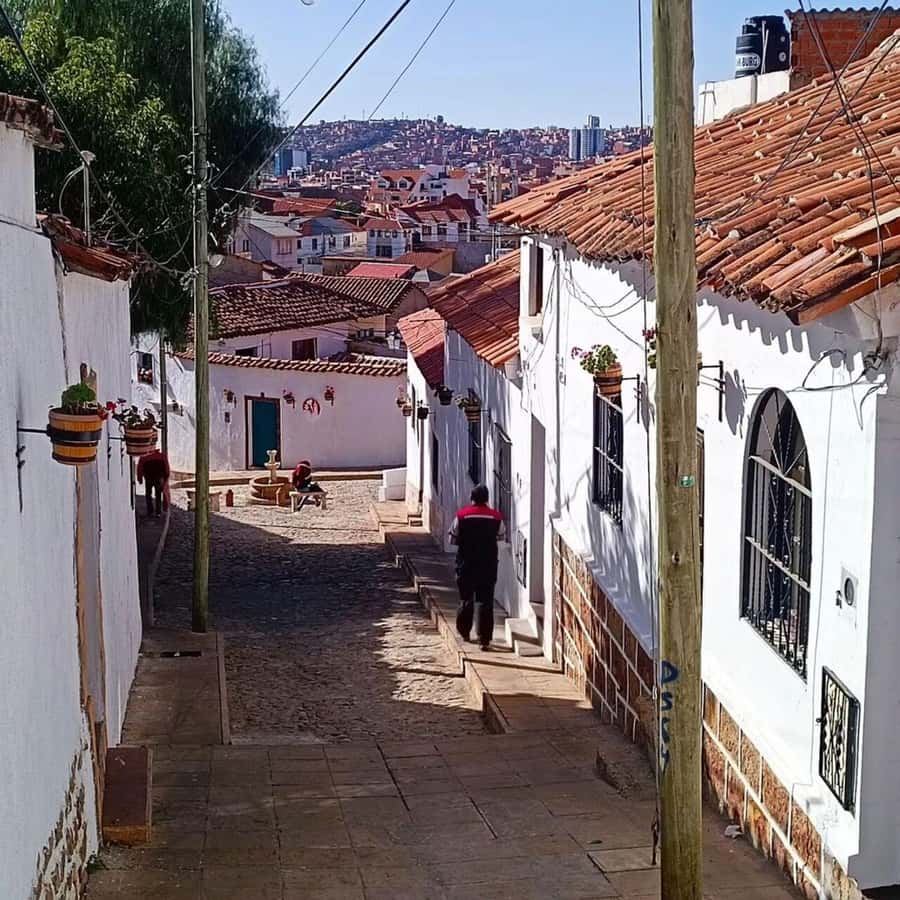
The Guereo Mansion receives about 45 minutes, making it the longest scheduled stop. You can expect a photo stop, a visit, a guided explanation, and time to walk through the site.
The mansion matters because it gives you more than a quick look at a handsome colonial façade. The tour includes the old office of the Mayor of Sucre and the mansion’s gardens, so your guide can connect private architecture with the city’s civic past.
I like this early stop because it sets the tone for the rest of the walk. You begin with a place that carries both domestic and public history, then move into streets and squares where Sucre’s story becomes more visible. The gardens also provide a change from enclosed rooms and paved lanes.
Keep your expectations practical. The supplied information does not promise a full museum-style interior tour or a large collection of objects. The value here lies in the building, its setting, and the explanation you receive.
Gato Negro and the street where Sucre began
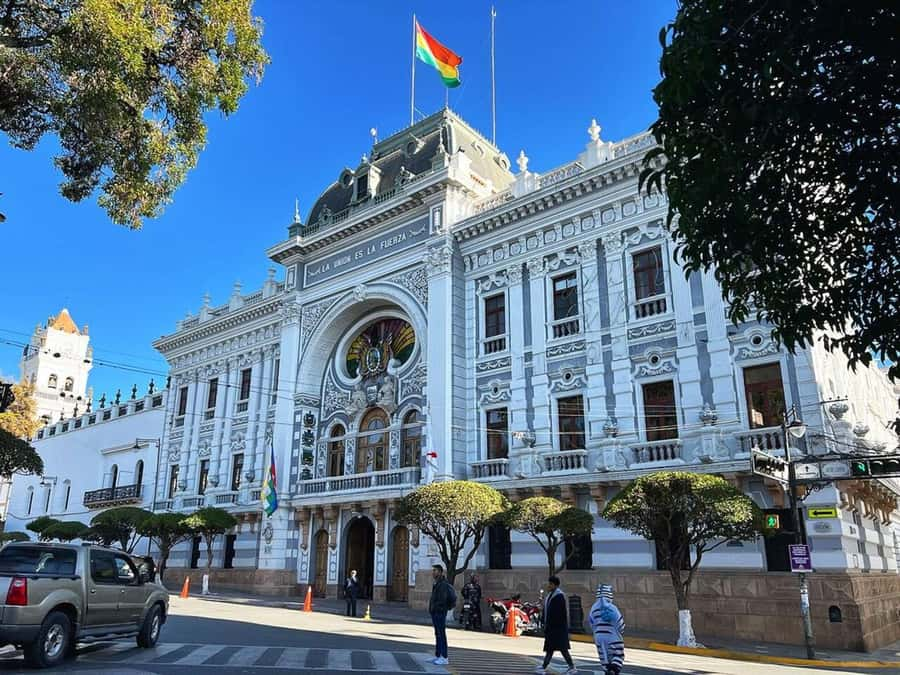
The next stop, Gato Negro, lasts around 20 minutes. This is described as the street where the city was born, so the stop focuses on Sucre’s earliest beginnings and the old part of town.
A short stop like this works best when your guide supplies the missing connections. Look closely at the street layout and older façades, then listen for how the site fits into the city’s development. You are not simply passing through an attractive lane. You are being shown a place tied to Sucre’s origin.
The timing is enough for a focused explanation and photographs, but not for a long independent wander. If you see a detail you want to investigate later, make a note of it and return on your own. That is one advantage of taking this tour early in your stay: it helps you mark places worth revisiting.
More Walking Tours in Bolivia:
- La Paz and El Alto: Cable Car Rides and Walking Tour
★ 4.8 · 790 reviews - La Paz Half-Day Walking Tour
★ 4.8 · 591 reviews - Rio de Janeiro: Rocinha Favela Walking Tour with Local Guide
★ 4.8 · 3,052 reviews - Cartagena: Historic Center and Getsemaní Shared Walking Tour
★ 4.9 · 2,716 reviews
Recoleta viewpoint and the climb above the center
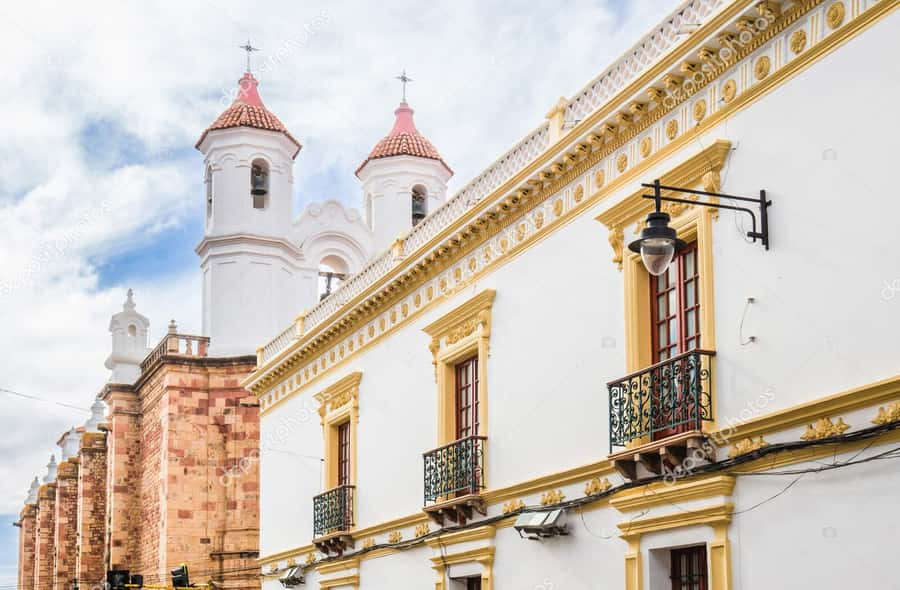
Mirador de La Recoleta is one of the clear highlights. The stop takes about 20 minutes and offers broad views of Sucre and the mountains around it.
This is where you understand the city’s setting. From above, the white colonial center is easier to read as a whole, rather than as a series of separate buildings. You can also pause from the close-up detail of courtyards and streets and see the relationship between the old city and the hills.
The view comes with a practical warning: you need to walk uphill to reach the viewpoint. The tour is not suitable for people with mobility impairments, and the route may feel more demanding for anyone unused to walking on slopes. Wear shoes with a firm grip, and do not treat this as a dress-shoe outing.
The stop is brief, so enjoy the view while you have it. If you want a long photography session, you may feel rushed. The benefit is that Recoleta is part of a wider route, not the whole activity.
Indigenous art near Sucre’s mountain setting
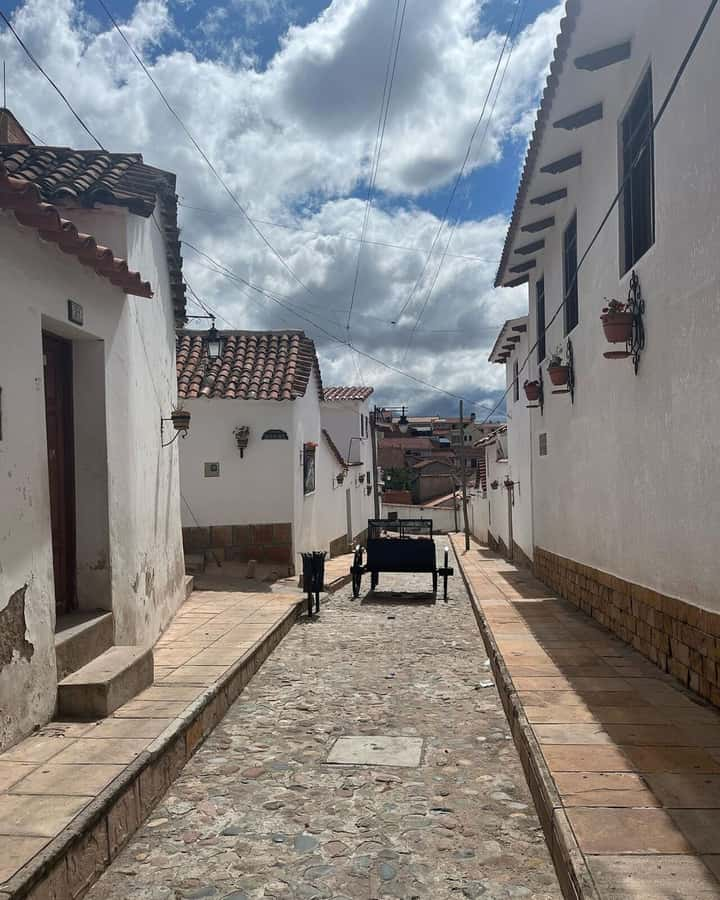
The Museo de Arte Indígena receives about 20 minutes. This stop brings a different subject into the tour: the art and traditions of Indigenous communities living near Sucre.
That change is important. A walk focused only on colonial buildings can leave you with a polished but incomplete picture of the city. Indigenous art helps you see that Sucre’s cultural life did not begin and end with Spanish-era architecture.
The visit is guided, so you can expect interpretation rather than simply wandering past displays. The short time means this is an introduction, not an exhaustive museum visit. I would treat it as a useful starting point for deciding if you want to return for a longer look.
The museum also pairs well with the viewpoint. One stop shows the physical setting around Sucre; the next points toward the communities and traditions connected to that setting. Together, they widen the tour beyond the central plaza.
Plaza de Armas 25 de Mayo and the city’s public life
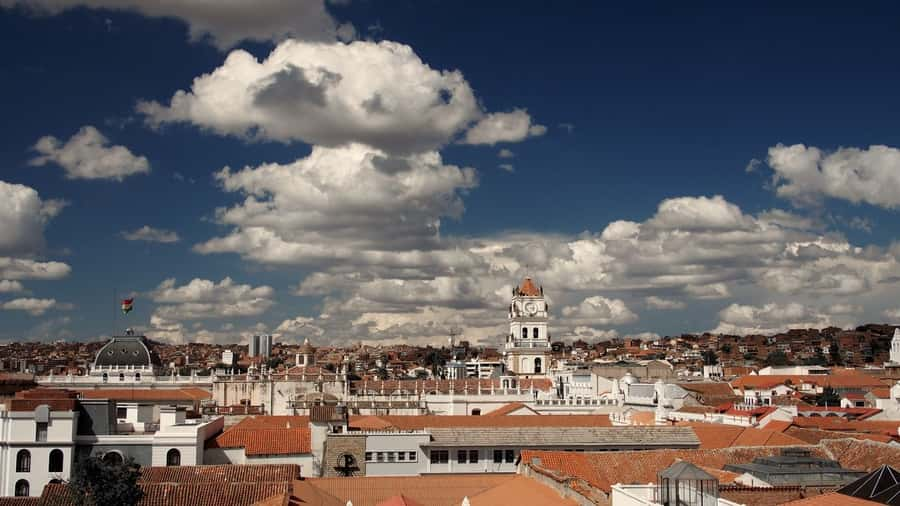
The main square receives about 30 minutes. Plaza de Armas 25 de Mayo is where the guide explains Sucre’s history, culture, and public life.
This is the place to ask broader questions. How did Sucre gain importance? How have politics and local traditions shaped the city? What should you notice in the buildings surrounding the square? The guide’s answer will make a difference here, and the named guides have been praised for covering both city history and Bolivia’s wider political story.
The square is also a useful orientation point. After walking through smaller streets and visiting individual sites, you can see how civic life is organized around a central public space. It is the kind of place you may pass several times during your stay, so learning its background early pays off.
Because this is a public square, conditions can change. Holidays, weekends, and unforeseen city events may affect access or the route. If a planned place cannot be visited, the operator says it will be replaced with another stop, and the group will be informed.
The old university and its courtyards
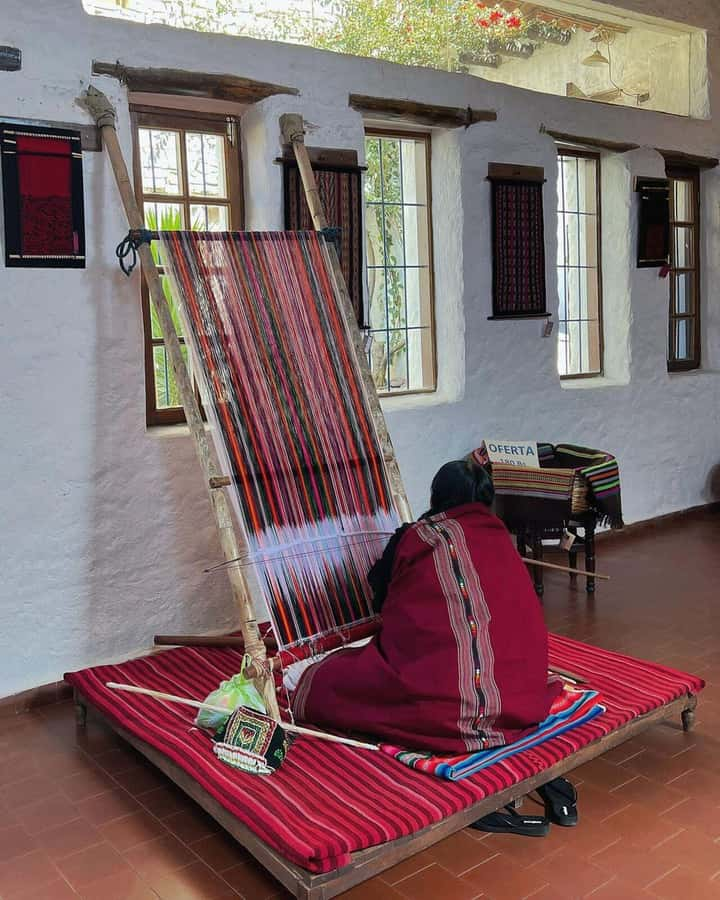
The tour then visits Universidad Mayor, Real y Pontificia de San Francisco Xavier de Chuquisaca, commonly called USFX. The guided visit lasts around 20 minutes and includes the courtyards of the old public university.
This stop adds an academic and institutional layer to the walk. Courtyards are often where older buildings make the most sense: you can see how the spaces were arranged, how people moved through them, and how public education fit into the city’s development.
The full name reflects the university’s importance, but you do not need to memorize it to appreciate the visit. Listen for the role the institution played in Sucre and Bolivia. The tour’s strongest guides appear to be good at using individual sites to explain the country as well as the city.
Twenty minutes is enough for a guided look but not a full campus visit. If you enjoy universities, historic interiors, or political history, this may be one of the stops you want to explore further later.
Colonial tunnels, an old tower, and the final view
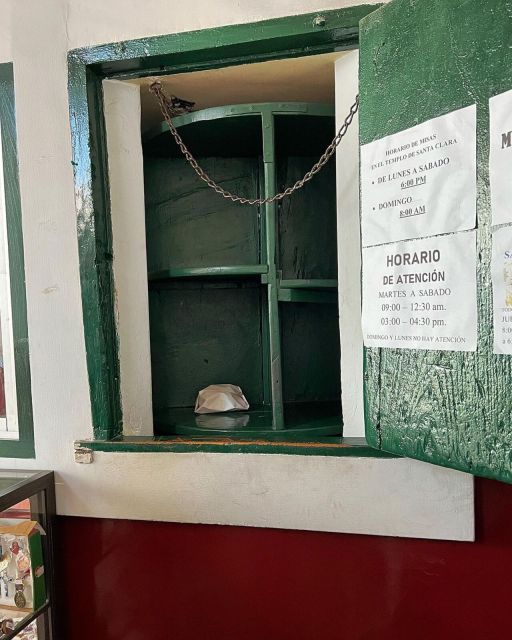
The experience ends at Suipacha 202 in Sucre. The description also includes an old colonial tower, where you can look over the city. Depending on the route and local conditions, this final viewpoint can provide a fitting close to the walk.
Colonial tunnels may also be visited during the tour, but entering them is optional. Bring a small flashlight, or use your phone’s light. That detail is easy to overlook, yet it matters if you want to go below street level. A phone light should work, but a separate flashlight saves battery and leaves your hands free.
The tunnels will not suit everyone. They may be dark or confined, and you can skip them without missing the rest of the tour. The important point is that the optional nature gives you a choice. You can enjoy the above-ground history and views without entering.
The final tower and the Recoleta viewpoint give the route a strong visual shape. One view comes from above the city, while the other may show the old center from a historic structure. The tour ends with a clearer sense of Sucre’s layout than you would get from a flat walk through the plaza alone.
How the guide affects the experience
The guide is the deciding factor here. The tour is not built around long independent visits or a large number of displays. It depends on someone turning streets, buildings, art, and viewpoints into a connected story.
Carla has led several tours and is described as attentive, flexible, and passionate about Sucre. She has adjusted the pace for groups with different energy levels and explained the city’s history, culture, and political setting. Henry, Claire, Manu, and Bryan have also guided this experience, with Manu especially noted for placing Sucre within the wider story of Bolivia.
The guide assigned to you may not be the person who arranged the booking. That is worth knowing so you are not confused at the meeting point. The available guides speak English or Spanish, but you should select your preferred language when booking.
Walking conditions, transport, and what to bring
This is a walking tour, but it is not walking only. Public transportation is included, allowing the group to reach a wider part of Sucre without spending the entire three hours on foot.
You should bring:
- Comfortable shoes for streets, slopes, and possible uneven surfaces
- A small flashlight for the optional colonial tunnels
- A phone with enough battery if you plan to use its light or take photographs
The tour operates rain or shine. A light rain jacket or other weather protection is sensible, although the supplied details do not specify equipment provided by the operator.
The activity lasts three hours, which is long enough to cover several major themes but short enough to fit into a busy Sucre schedule. I would book it near the beginning of your stay. You will learn where the main square, viewpoint, university, museum, and older streets are, then return to the places that deserve more time.
The tour is not suitable for people with mobility impairments. It includes walking, a viewpoint reached by an uphill route, public transport, and optional tunnels. If you have concerns about stairs, slopes, or confined spaces, ask before booking.
Is $13 a good price for Sucre?
At $13 per person, I consider this good value if you want a guided introduction rather than a self-guided stroll. The price includes transportation and a specialized bilingual guide, and the route covers several different parts of the city.
The value is strongest when your guide explains the connections between the sites. A mansion alone is worth a look, and a viewpoint alone is easy to find, but the combination of civic history, Indigenous art, university courtyards, old streets, and local transport gives the tour more purpose.
The modest price also reduces the risk of trying it. You are not committing to a full-day excursion, and free cancellation is available up to 24 hours in advance. You can also reserve and pay later, which helps if your Bolivian schedule is still shifting.
Who should book this Sucre walking tour?
I would recommend it to first-time visitors who want a quick orientation, people interested in architecture and local history, and anyone who prefers a small group to a large city tour. It also suits independent visitors who want a guide’s context before exploring Sucre alone.
It is a good match for curious walkers who enjoy switching between sites. The experience moves from mansion to old street, viewpoint to museum, square to university, with transport helping connect the route.
I would think twice if you need a very gentle, flat walk, want long time at each museum, or dislike group schedules. The tour covers a lot in three hours, so some stops are introductions rather than full visits. The route can also change because of local events.
FAQ
Where does the tour start?
It starts in Cochabamba Square on Nicolas Ortiz Street, near Azurduy Street, in front of San Felipe de Neri Church.
How long does the tour last?
The tour lasts three hours.
What languages are available?
The live guide can conduct the tour in English or Spanish.
How many people are in the group?
The group is limited to 10 participants.
Is transportation included?
Yes. Public transportation is included as part of the tour.
Do I need a flashlight?
A flashlight is recommended if you want to enter the colonial tunnels. Tunnel access is optional, and your cellphone light can also be used.
Is the tour suitable for people with mobility impairments?
No. The tour is not suitable for people with mobility impairments.
Should you book it?
Book this tour if you want Sucre explained through several connected places, not just photographed from the main square. The combination of a small group, local transport, Recoleta views, Indigenous art, old university courtyards, and optional tunnels gives you a useful three-hour introduction for $13.
Skip it if you need a flat, slow route or prefer to explore each site at length. For most able walkers arriving in Sucre, I would take it early in the visit, then return to the places that catch your interest.
Just added around Bolivia
- Walking tour – A journey through the History of Santa Cruz★ 4.8 · 61 reviews
- Uyuni: Isla Incahuasi & Uyuni Salt Flats Full-Day Jeep Tour★ 4.7 · 44 reviews
- Uyuni: Sunset and Starlights Tour★ 4.6 · 79 reviews
- Uyuni: 3-Day Salt Flats Tour ending in San Pedro de Atacama★ 4.7 · 62 reviews
- WALKING TOUR – A journey through the history of Santa Cruz★ 5.0 · 51 reviews
- Uyuni Salt Flats Private 3 day tour (Palacio Sal 4* & Tayka 3*)★ 5.0 · 38 reviews
- Uyuni Salt 1 day Tour with guide in English + Lunch and Sunset★ 4.5 · 35 reviews
- Uyuni Salt Flats (3 Days) English Speaking Guide★ 4.5 · 45 reviews
Historical Tours, compared.
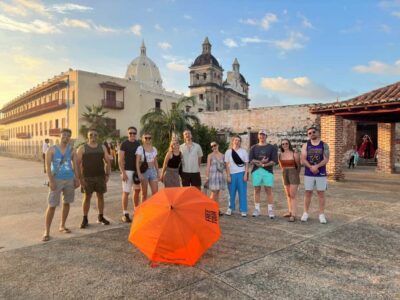
Historic Center and Getsemaní Shared Walking Tour
Read our review →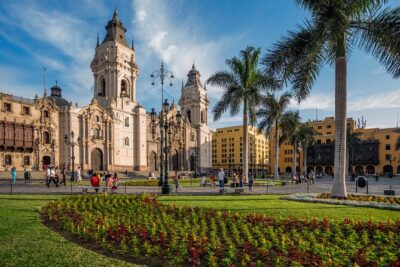
Lima’s Vibrant Heritage: Exploring the City’s Landmarks Half-day
Read our review →


Lima: Historic Center Street Food, Market, and Eateries Tour
Read our review →
Nazis in Buenos Aires: a historical walking tour
Read our review →
Browse the lists this tour appears in