
Reviewed · HISTORICAL TOURS
Walking tour – A journey through the History of Santa Cruz
Santa Cruz de la Sierra’s story is bigger than its palm-lined main square suggests. This 150-minute walking tour connects the city’s early inhabitants, independence movement, civic struggles, and modern growth through museums and historic sites in the center.
I like the small groups of no more than four people and the chance to hear local perspective from Paul, who grew up in Santa Cruz. The admissions are included, the price is only $11, and Paul can guide you in English or Spanish. The main drawback is that this is a history-first walk, not a food tour, and the heat, walking, and museum steps may not suit everyone.
Key points at a glance
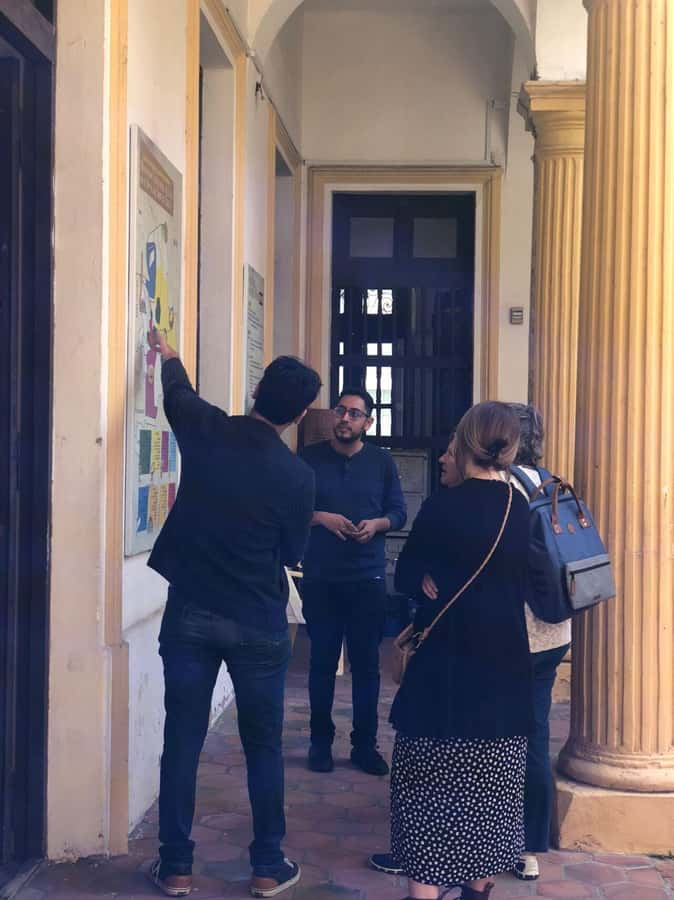
- Paul’s local perspective: He explains Santa Cruz from its early past through present-day city life, adding personal memories from growing up here.
- Five included cultural stops: Your fee covers the Museum of History, Independence Museum, City Museum, Casa Cultural Melchor Pinto Parada, and the cathedral visit.
- A useful 150-minute introduction: The tour gives you a clear framework for understanding Santa Cruz if you have limited time in the city.
- Very small group size: With a limit of four participants, you can ask questions without competing with a crowd.
- Practical city advice: Paul has also offered restaurant suggestions, including advice on trying local dishes after the walk.
- Prepare for sun and walking: Comfortable shoes, light clothing, a hat, sunscreen, and water will make the outing easier.
Santa Cruz history in a compact afternoon walk
I recommend this tour as an orientation to the historic center rather than a general sightseeing circuit. Its main job is to explain how Santa Cruz developed and why it became Bolivia’s most important city in economic and political terms.
The tour begins in front of the Casa Municipal de Cultura Raúl Otero Reiche, beside September 24 Square. From there, you walk through the old town, stopping at museums and civic landmarks that give the city’s story some structure.
That structure matters. Santa Cruz can feel different from Bolivia’s highland cities, and a quick look at its streets does not explain its political struggles or rapid growth. A guide helps connect the buildings you see with the people and events behind them.
The tour runs for about two and a half hours. Some time is spent walking between sites, but the core of the experience is indoors at museums and cultural centers. You get a focused introduction without giving up an entire day.
More Historical Tours in Bolivia:
- Walking tour in Sucre: History, Culture & Amazing Views
★ 4.8 · 79 reviews - WALKING TOUR – A journey through the history of Santa Cruz
★ 5.0 · 51 reviews - Sucre: Free Walking tour (History, culture and traditions)
★ 4.8 · 47 reviews
Meeting Paul at September 24 Square
Your meeting point is in front of the Casa Municipal de Cultura Raúl Otero Reiche, on the side of September 24 Square. This is a practical place to begin because the square anchors the historic center and puts you close to several major sites.
The opening walk around the square takes about 15 minutes. It gives you a first look at central Santa Cruz and sets up the civic story that runs through the rest of the tour.
Paul is the guide most closely associated with this experience. He speaks English and Spanish, explains both the city and Bolivia as a whole, and brings in memories from growing up in Santa Cruz. That local connection is useful because you are not only hearing dates and names. You are also getting help with the city’s place in modern Bolivia.
The group limit is four people. That is a real advantage for a history tour. You can stop to ask what a political event meant for ordinary residents, ask for clarification in English, or request suggestions for what to see and eat afterward.
The Museum of History and Santa Cruz’s early years
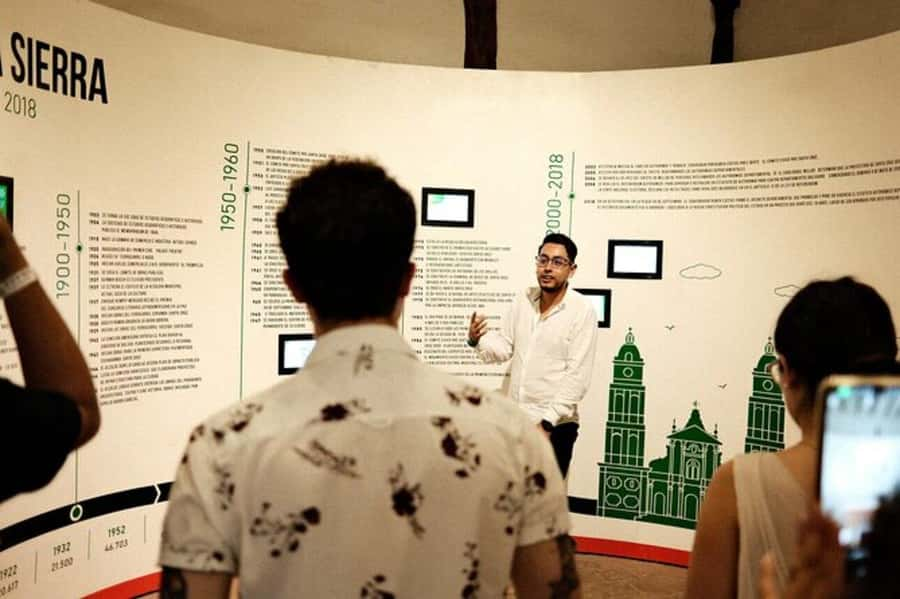
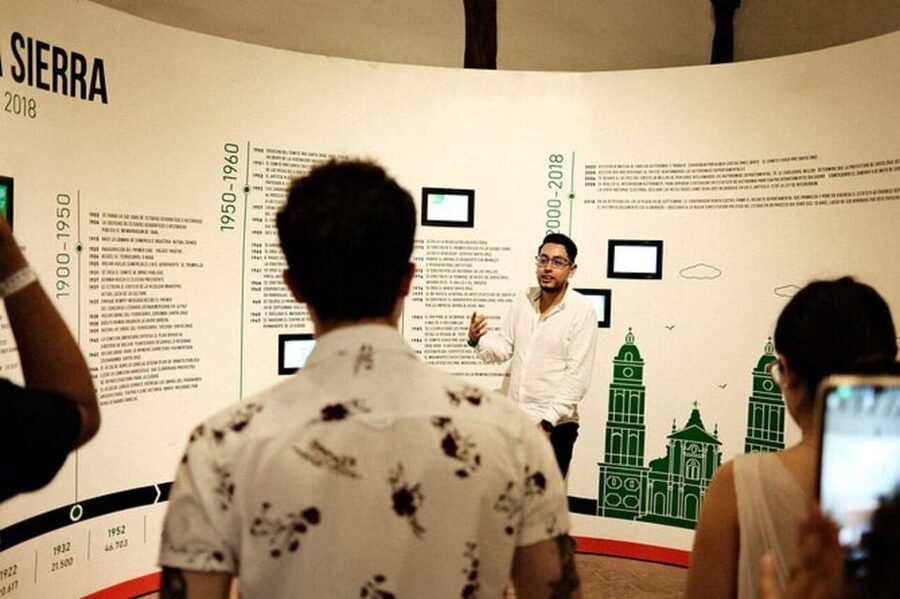
The Museum of History of the UAGRM is the first major museum stop, with about 40 minutes set aside for a guided visit. The tour uses this museum to begin with the early moments of Santa Cruz and reaches back toward the prehistoric era.
This is one of the most useful parts of the experience because it prevents the city from being treated as a purely modern commercial center. You start with the area’s early inhabitants and follow the long process that shaped Santa Cruz before arriving at current events.
Forty minutes is enough for a guided overview, but not enough to examine every display at length. That is a strength if you want a clear introduction. It may feel brief if you prefer to read every panel or study each object independently.
Paul’s role is especially important here. Museums often give you objects and labels, while a guide supplies the connections. He explains how the city developed and places local events within the broader history of Bolivia.
Independence, civic struggles, and the city’s political story
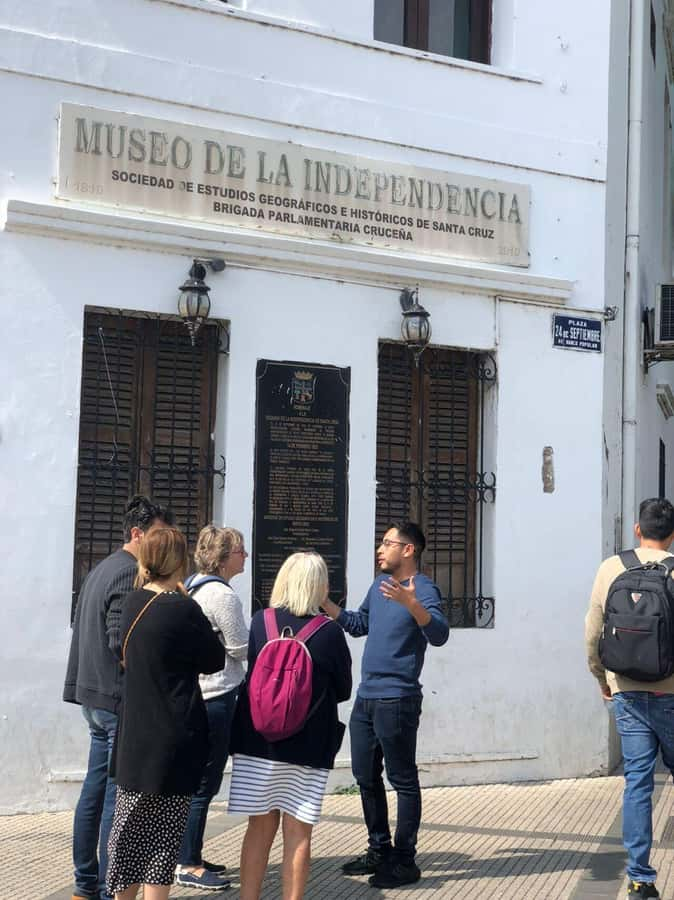
The Museum of Santa Cruz Independence is another key stop. Its subject gives the tour a turn from early settlement to the city’s civic and political struggles.
The independence story is not presented as an isolated event. Instead, it fits into a larger explanation of how Santa Cruz built its identity and argued for its interests within Bolivia. That is valuable context if you have heard about regional tensions but do not yet understand where they came from.
The tour also covers the city’s civic development. You will hear about the forces that shaped local government, public life, and Santa Cruz’s growing importance. The subject can be more useful than a simple list of historic dates because it helps explain why the city matters today.
Do not expect a theatrical reenactment or a large museum complex. The appeal is the guided explanation and the way this stop fits into the full story. You are moving through a series of modest cultural institutions, each handling one part of the city’s past.
More Walking Tours in Bolivia:
- La Paz and El Alto: Cable Car Rides and Walking Tour
★ 4.8 · 790 reviews - La Paz Half-Day Walking Tour
★ 4.8 · 591 reviews - Rio de Janeiro: Rocinha Favela Walking Tour with Local Guide
★ 4.8 · 3,052 reviews - Cartagena: Historic Center and Getsemaní Shared Walking Tour
★ 4.9 · 2,716 reviews
San Lorenzo Cathedral and the center’s public face
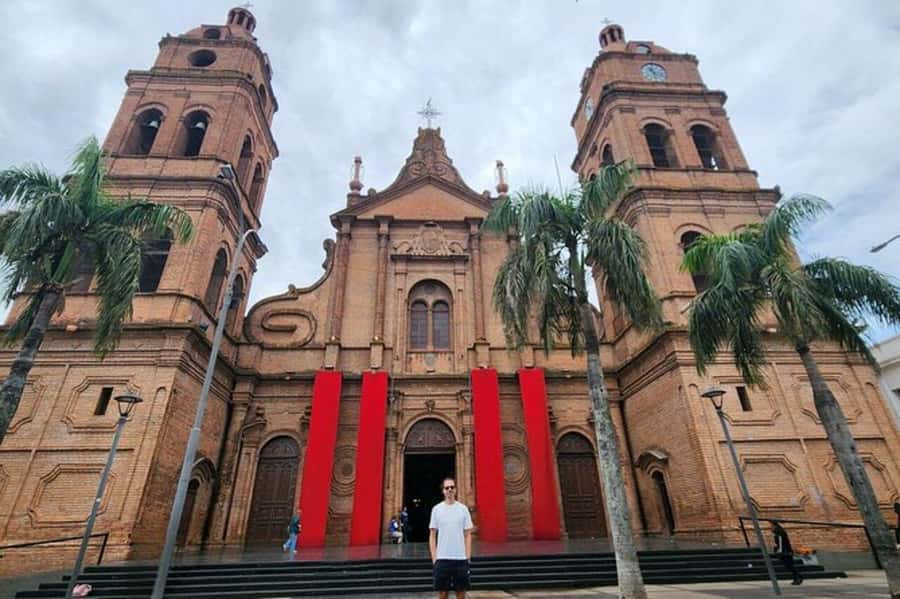
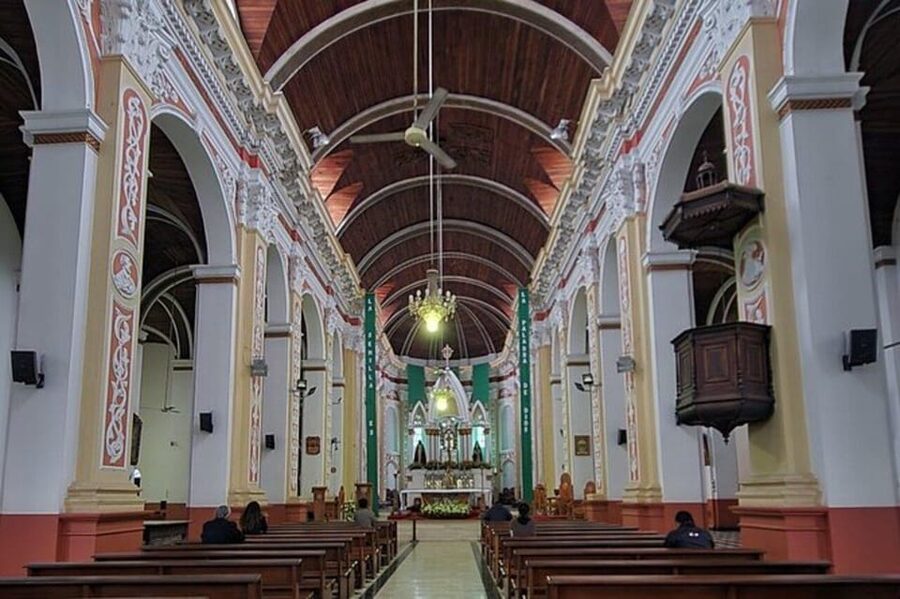
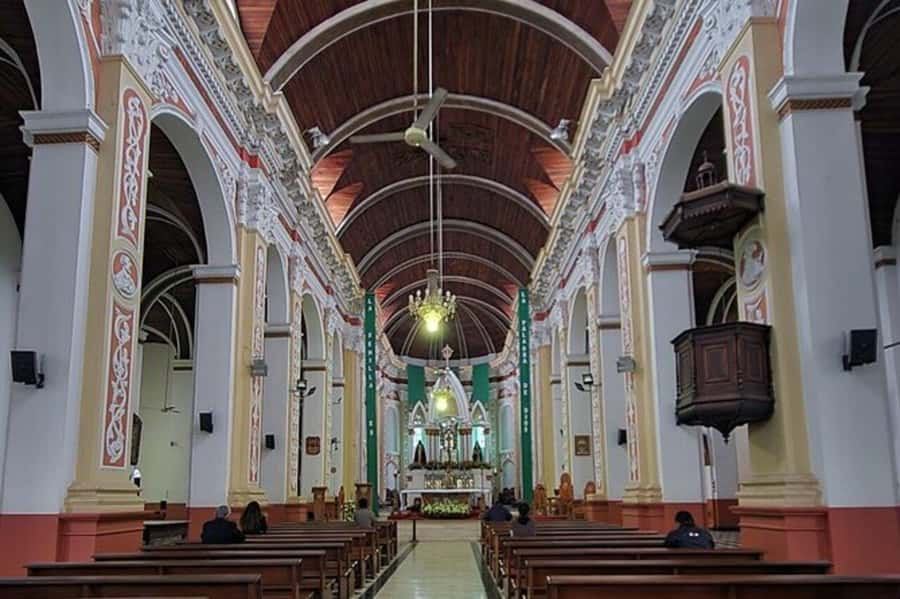
The Catedral Metropolitana Basílica Menor de San Lorenzo de Santa Cruz receives about 20 minutes, including a visit, guided explanation, and time for photographs. The cathedral is an important visual and civic marker in the historic center.
This stop changes the rhythm of the tour. After museum displays, you get a major public building that helps you read the center as a place of worship, civic gathering, and daily city life.
The schedule lists a photo stop as well as a guided visit. Photography is allowed on the tour, but flash photography is not permitted inside museums. You should keep your camera ready outside and follow the guide’s instructions indoors.
The cathedral visit is not a separate religious excursion. It is part of the wider story of how the city’s public center took shape. The 20-minute slot keeps things moving, which suits anyone who wants an overview rather than a long architectural study.
Melchor Pinto House and the 20th century
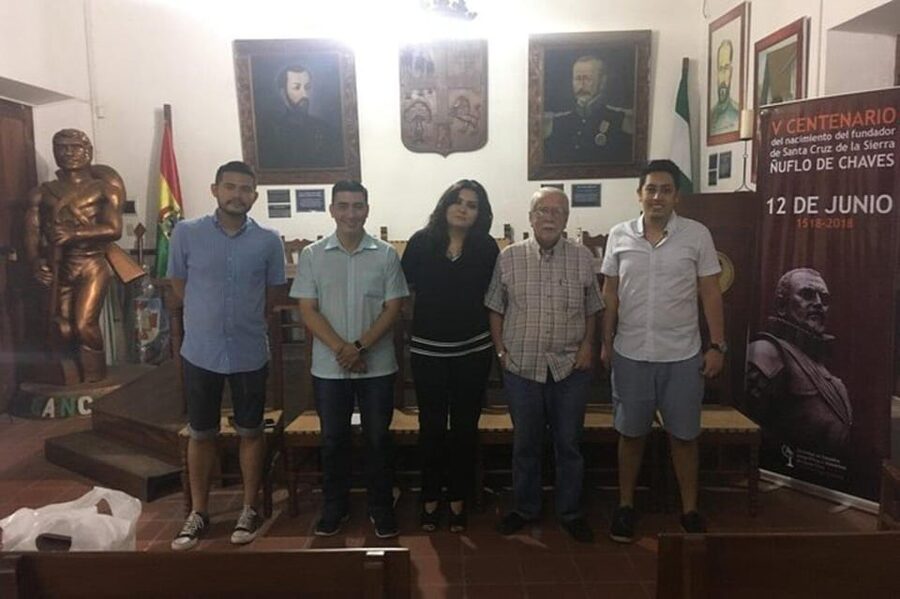
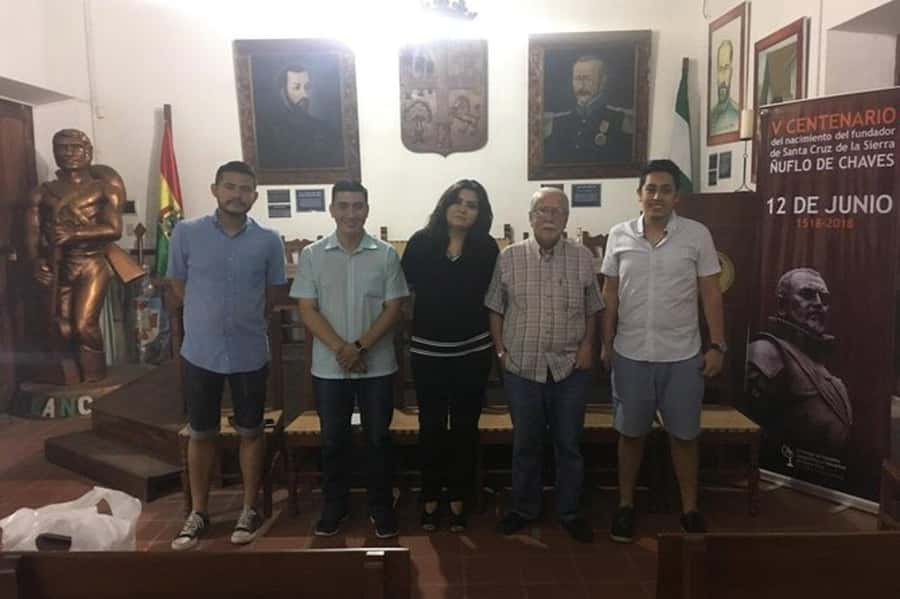
The Melchor Pinto House Cultural Center is scheduled for about 30 minutes and serves as the tour’s final major cultural stop. It is also described as the 20th-century museum, so this is where the story moves closer to the present.
That final step is important. Without it, a history walk can leave you with a picture of Santa Cruz that ends at independence. Here, you get a chance to consider the city’s modern political and social development and how it became such an important Bolivian center.
The cultural center also adds an art element to the experience. The City Museum includes the city’s history and an art gallery, while the cultural stops introduce you to local creative life alongside the political story.
If you are interested in art, ask Paul for additional gallery suggestions. The tour gives you a starting point, but it does not try to cover every gallery in the center. That limitation is worth knowing before you book.
What the $11 price really covers
At $11 per person, this is an unusually inexpensive way to spend two and a half hours in central Santa Cruz. The value comes from the combination of a live guide and several included admissions.
Your fee covers:
- A guided walk through the historic center
- Admission to the Museum of History
- Admission to the Museum of Santa Cruz Independence
- Admission to the City Museum
- Admission to Casa Cultural Melchor Pinto Parada
You are paying for interpretation as much as entry tickets. Paul’s explanations help you understand why the sites matter, and the small group means you can ask questions along the way.
Meals, drinks, hotel pickup, and personal spending are not included. That is easy to manage because the tour begins and ends in the center, rather than requiring transport from your hotel.
The price also makes sense for a short stay. If you have only a few hours to get your bearings, this walk gives you a historical base before you explore on your own. If you have several days and prefer a slow, highly detailed museum visit, you may want to use the tour as an introduction and return independently to the places that interest you most.
The pace, heat, and walking conditions
You should wear comfortable walking shoes and light clothing. Bring a hat, sunscreen, and a water bottle. Santa Cruz can be hot, and the outdoor sections are more pleasant when you are prepared.
The tour is not suitable for people with mobility impairments or wheelchair users, and it is not recommended for people over 80. Electric wheelchairs are specifically not allowed. The practical issue is the walking between sites and the need to move through historic buildings and museums.
The route includes both outdoor walking and indoor visits. That gives you some relief from the sun, but you should still plan for warm conditions. Drink water before the tour and carry your own bottle because beverages are not included.
A small camera is welcome. Flash photography is not allowed inside museums, so use natural light or simply enjoy the displays without photographing them.
What this tour does not try to be
This is not a market tasting walk, pub crawl, or broad art tour. The focus is the history of Santa Cruz, with museums and civic sites providing the main content.
That focus is a benefit if you want to understand the city. It also explains the main limitation. If you are hoping to sample street food or local drinks as part of the activity, you will need to arrange that separately.
Paul can offer restaurant advice after or during the tour, which is useful for planning your next meal. Local dishes and drinks are outside the $11 fee, however.
The tour also cannot give every gallery in Santa Cruz equal attention. The City Museum includes an art gallery, and the Melchor Pinto center adds a cultural and artistic dimension, but the experience remains centered on history.
Who will get the most from this walk
I would choose this tour if you are visiting Santa Cruz for the first time, have limited time, or want the city’s history explained in plain language. It suits curious adults who would rather ask a local guide questions than walk through museums alone.
It is especially useful if you want to understand how Santa Cruz fits into Bolivia. The tour moves from early inhabitants to independence, civic struggles, modern development, and the city’s present role. That broad span is more useful than a short list of monuments.
English speakers have a clear advantage because Paul guides in English as well as Spanish. Spanish speakers can take the tour in Spanish and discuss the material in the language most comfortable for them.
I would choose something else if you need wheelchair access, dislike walking in warm weather, or want a food-focused experience. I would also avoid expecting an exhaustive art tour. This is a compact history lesson with real places attached to it.
Booking flexibility and practical details
The activity lasts 150 minutes, and starting times depend on availability. You can cancel up to 24 hours before the tour for a full refund, and you can reserve now and pay later. Those terms help if your Santa Cruz schedule is still changing.
The meeting point is specific: in front of the Casa Municipal de Cultura Raúl Otero Reiche, beside September 24 Square. Allow enough time to find the correct side of the square and arrive ready to walk.
The tour has a rating of 4.8 from 61 reviews, with repeated praise for Paul’s clear explanations, local experience, and English. The most useful takeaway is not the number itself. It is that the guide appears to be the central part of the experience, so a small group and a chance to ask questions add real value.
Should you book the Santa Cruz history walk?
Book it if you want a low-cost, well-organized introduction to Santa Cruz de la Sierra and its place in Bolivia. The combination of Paul’s local perspective, several included museums, the cathedral, and a four-person group makes $11 easy to justify.
Go in expecting history, civic life, museums, and walking, not tastings or a full gallery crawl. Wear light clothing, protect yourself from the sun, and bring water. If you do that, this tour can give you the context you need to see Santa Cruz with sharper eyes for the rest of your stay.
FAQ
How long does the Santa Cruz history tour last?
The tour lasts 150 minutes, or two and a half hours.
What is the price?
The price is $11 per person.
Where does the tour meet?
You meet in front of the Casa Municipal de Cultura Raúl Otero Reiche, beside September 24 Square.
Which languages are available?
The live guide is available in English and Spanish.
What museums and sites are included?
The tour includes the Museum of History, Museum of Santa Cruz Independence, City Museum, Casa Cultural Melchor Pinto Parada, and a visit to the Catedral Metropolitana Basílica Menor de San Lorenzo de Santa Cruz.
Is the tour suitable for wheelchair users?
No. The activity is not suitable for wheelchair users or people with mobility impairments. Electric wheelchairs are also not allowed.
What should you bring?
Bring comfortable walking shoes, light clothing, a hat, sunscreen, a camera, and a water bottle. Flash photography is not allowed inside museums.
Just added around Bolivia
- Walking tour in Sucre: History, Culture & Amazing Views★ 4.8 · 79 reviews
- Uyuni: Isla Incahuasi & Uyuni Salt Flats Full-Day Jeep Tour★ 4.7 · 44 reviews
- Uyuni: Sunset and Starlights Tour★ 4.6 · 79 reviews
- Uyuni: 3-Day Salt Flats Tour ending in San Pedro de Atacama★ 4.7 · 62 reviews
- WALKING TOUR – A journey through the history of Santa Cruz★ 5.0 · 51 reviews
- Uyuni Salt Flats Private 3 day tour (Palacio Sal 4* & Tayka 3*)★ 5.0 · 38 reviews
- Uyuni Salt 1 day Tour with guide in English + Lunch and Sunset★ 4.5 · 35 reviews
- Uyuni Salt Flats (3 Days) English Speaking Guide★ 4.5 · 45 reviews
Historical Tours, compared.
Historic Center and Getsemaní Shared Walking Tour
Read our review →
Lima’s Vibrant Heritage: Exploring the City’s Landmarks Half-day
Read our review →
Lima: Historic Center Street Food, Market, and Eateries Tour
Read our review →
Nazis in Buenos Aires: a historical walking tour
Read our review →
Browse the lists this tour appears in