
Reviewed · EASTER ISLAND TOURS
Journey of the Ancestors: Tongariki, Rano Raraku & Anakena Beach
A day at Rano Raraku, where hundreds of moai remain partly carved into the volcanic slopes, gives you the clearest sense of how these famous statues were made. Add Tongariki’s line of 15 statues, the coast at Anakena, and a generous barbecue lunch, and this tour covers a lot of Rapa Nui in one long day.
I like the well-chosen route, which links the island’s major archaeological sites without making you arrange several separate rides. I also like the guides’ personal touch. Jose, Hugo, Javi, Uka, Ora, Daniela, and others have been praised for answering questions and explaining Rapa Nui culture in both Spanish and English.
The main caution is that the experience can vary with the guide and vehicle. Some English speakers received excellent explanations, while others found the translation uneven. The $142 price also does not include the required $100 Rapa Nui National Park pass, so budget carefully.
The day at a glance
- Tongariki’s 15 moai: See Rapa Nui’s largest ceremonial platform and learn how a 1960 tsunami damaged the site.
- Rano Raraku quarry: Walk among more than 300 unfinished or partly buried statues, with some uphill walking on rocky ground.
- Akahanga and Te Pito Kura: Add two worthwhile stops that show fallen statues, an ancestral settlement, the island’s largest erected moai, and the so-called navel of the world.
- Barbecue lunch included: Expect chicken, fish or other meat, salad, rice, fruit, and water, with a vegetarian option available if requested in advance.
- Anakena finish: Leave the archaeological sites behind for white sand, clear water, and a chance to swim or stroll.
- Small shared group: The maximum is 16 people, though some departures are much smaller, using an eight or twelve-seat van.
Why this route works for a first full day
Rapa Nui is small enough to cross by road, but its main sites are spread around the island. A guided circuit saves you the trouble of arranging transport and gives the statues a cultural setting rather than reducing the day to a series of photo stops.
The route also has a sensible rhythm. You begin with ceremonial platforms, move inland to the place where the moai were carved, stop for lunch, then return toward the coast for more sites and a beach break. That contrast matters. After several hours of stone platforms and volcanic slopes, Anakena gives you room to breathe.
The tour begins around 9:00 a.m. and lasts about eight hours. Actual pickup times can vary slightly. One reported schedule ran from about 9:30 a.m. to 5:00 p.m., so leave your afternoon open.
This is a shared excursion, not a private tour. The maximum group size is 16, although some departures have had only five or six people. A smaller group makes questions and photo stops easier, but you should not assume every departure will be intimate.
More Beach Tours in Easter Island:
- Bora Bora Cartagena Beach Club Full Day Experience
★ 4.0 · 606 reviews - Pedra do Telégrafo Hike and Beach Full-Day Tour
★ 4.5 · 417 reviews - Arraial do Cabo Day Trip from Rio de Janeiro: Boat Tour & Beach
★ 4.5 · 390 reviews
Ahu Akahanga and the island’s early story
Ahu Akahanga introduces you to a less polished side of Rapa Nui. The site includes a large ceremonial platform, fallen moai, and an area traditionally associated with the burial place of King Hoto Matu’a, the founding ancestor in Rapa Nui tradition.
Here, the statues do not form the neat row you will see at Tongariki. That is part of the point. Fallen moai and weathered stone show the passage from active ceremonial site to archaeological ruin. Your guide can help explain what is known, what comes from oral tradition, and how the island’s ancestral system shaped daily life.
The ground can be uneven, and the tour includes walking over rocky terrain. Wear shoes with a firm sole rather than thin sandals. Akahanga is less instantly dramatic than Tongariki, but it adds useful context before you reach the island’s most photographed platform.
Ahu Tongariki and the fifteen famous figures
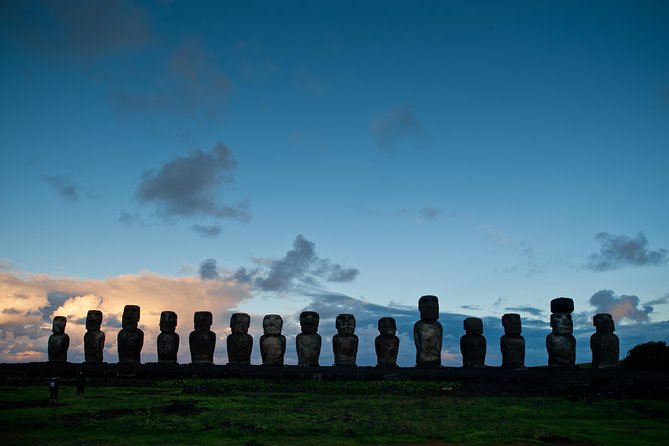
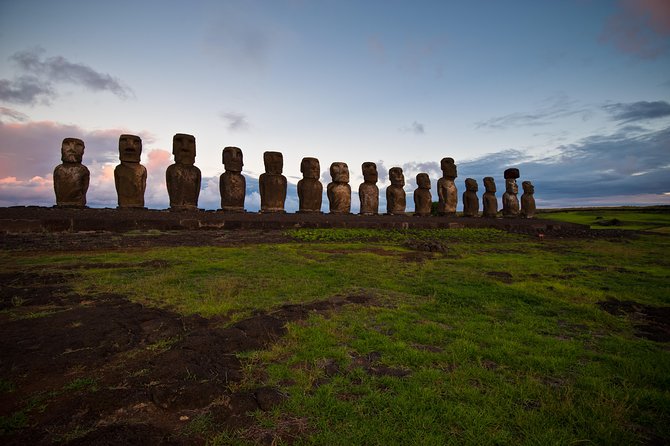
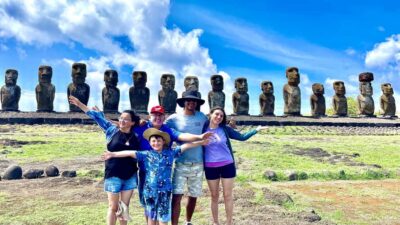
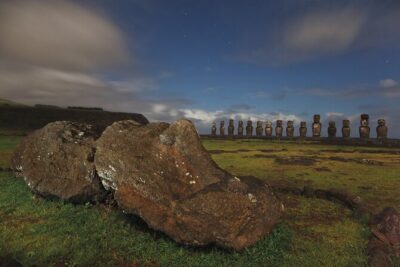
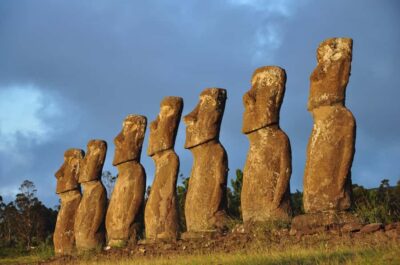
Tongariki is the visual centerpiece of the morning. Fifteen moai face inland from a long ceremonial platform, representing ancestors connected with the communities that commissioned them. Their scale is impressive even in photographs, but the broad setting and the alignment of the statues are what make the site memorable.
You normally have about an hour here. That is enough to take in the platform, photograph the statues, and listen to an explanation of their role. The tour does not include the archaeological site entrance fees, so you must have your Rapa Nui National Park pass ready at the entrance.
The story of Tongariki also carries a modern warning. A tsunami in 1960 badly damaged the site and scattered the statues. Restoration brought the moai back to the platform, creating the orderly scene you see today. That restoration story helps you understand that Rapa Nui’s archaeological sites are not frozen relics. They have been damaged, moved, studied, and cared for over time.
If photography matters to you, listen first and shoot second. The guide may direct the group to a particular viewing point so everyone can hear the explanation. That can feel structured, but it keeps the visit moving and avoids losing time before the quarry.
Rano Raraku, where the moai began
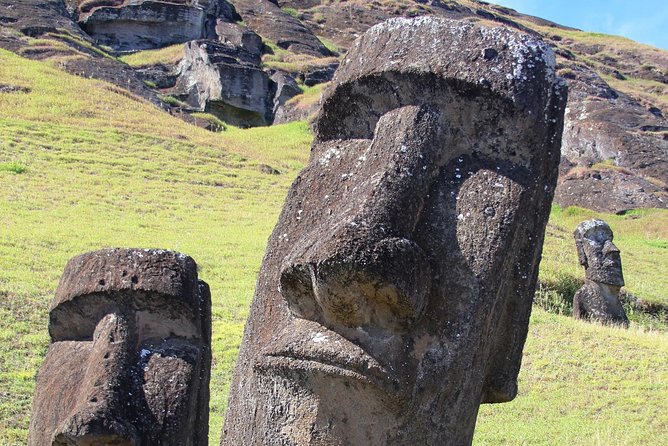
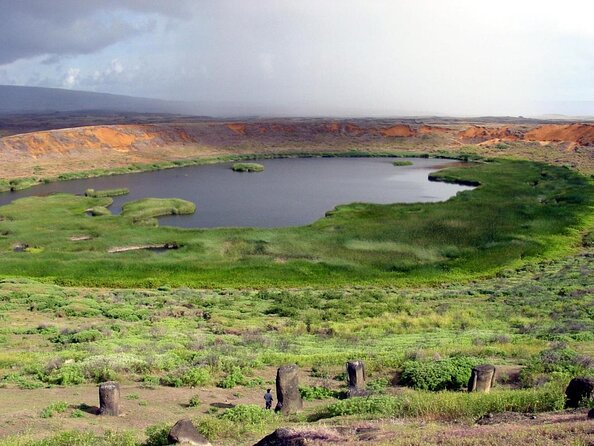
Rano Raraku is the stop that justifies the long day. This volcanic quarry contains more than 300 moai in different stages of carving. Some appear as heads rising from the earth, while others remain attached to the rock face or lie unfinished on the slope.
The setting explains more than a finished statue ever could. You can see that the moai were shaped from volcanic tuff before being moved elsewhere on the island. The unfinished forms also help you picture the work involved in creating figures that could reach enormous sizes.
Plan on a substantial walk here. The path includes uphill sections and rocky ground, and you may spend close to two and a half hours at Rano Raraku including lunch. You do not need to be an expert hiker, but this is not a flat, paved museum visit. Bring sunscreen, sunglasses, water, and shoes that stay comfortable on uneven ground.
Your guide’s quality matters most at this stop. A good explanation connects the quarry to ancestor worship, community organization, carving methods, and the question of why some statues were abandoned. Guides such as Hugo, Javi, Uka, Ora, and Daniela have been praised for making the history accessible and for answering questions. Still, English interpretation has not been equally strong on every departure.
The tour generally presents information in Spanish and English. In a mixed group, Spanish explanations may sometimes run longer, leaving less time for the English version. If you are an English speaker, ask politely when a point needs clarification. A guide who engages with questions can turn this from a basic sightseeing loop into a much better cultural experience.
A few more Easter Island days worth comparing
- From Hanga Roa: Rapa Nui Culture Sightseeing Tour
★ 4.6 · 307 reviews - From Hanga Roa: Easter Island Highlights 2-Day Tour
★ 4.3 · 205 reviews - From Hanga Roa: Easter Island Sightseeing Full Day Tour
★ 4.5 · 189 reviews - Full Day Tour in Rapa Nui
★ 4.5 · 122 reviews
Barbecue lunch with a view
Lunch is one of the tour’s practical strengths. It is served near the quarry at a camping area or open grassland and usually includes grilled chicken, fish or another meat, salad, rice, fruit, and water. Some meals have offered a choice such as beef, chicken, or salmon.
The meal is described as generous, and several accounts praised it as one of the day’s pleasant surprises. A vegetarian option can be arranged, but you need to request it when booking. Do not count on finding a convenient shop along the route, so carry extra water and a small snack if you need one.
Lunch also gives your legs a rest after the quarry walk. On the other hand, a group meal takes time, and the stop can make the day feel slower if you prefer to spend every possible minute at archaeological sites. The tradeoff is fair for most people, especially since the tour covers a large portion of the island.
Te Pito Kura and the largest moai
Te Pito Kura brings you back to the coast and adds one of the island’s most striking unfinished stories. The site is associated with Paro, the largest moai said to have been erected, measuring about 33 feet, or 9.8 meters, and weighing roughly 82 tons, or 74 metric tons.
The figure is no longer standing, but its size remains clear. This is a useful stop for understanding how far Rapa Nui communities pushed the technology and labor involved in moving monumental stone.
You will also see a rounded stone known as the navel of the world. It is tied to local tradition and has a smooth, unusual appearance that makes it easy to remember. Your guide will provide the cultural explanation, though the amount of detail may depend on who leads your group.
This stop is generally shorter than Rano Raraku. Treat it as a focused visit rather than a place to wander for a long time.
Anakena Beach, a welcome change of pace
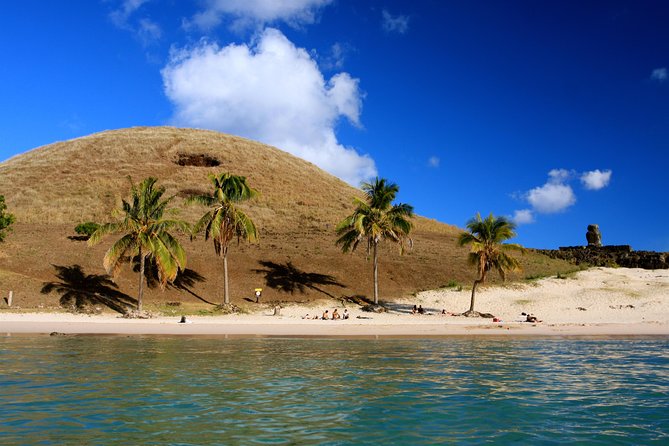
The final major stop is Anakena, one of Rapa Nui’s few white sand beaches. It is also linked with the island’s earliest Polynesian settlement, so the visit continues the historical theme rather than becoming an unrelated resort stop.
Here, you get about 30 minutes to two hours depending on the day’s pacing and the stated schedule. The beach offers a chance to swim, stroll, or simply look back at the moai platforms near the shore. The contrast between pale sand, sea, and red volcanic rock makes Anakena a welcome finish after the quarry.
Pack a bathing suit and towel if swimming appeals to you. Also bring sunscreen and sunglasses. Weather can change the mood of this stop completely. In rain, the beach may become more of a short scenic pause than a swim break, and one account found the beach far less rewarding during torrential weather.
Some people will wish for more archaeological time instead of a long beach stop, particularly in winter or on a cloudy day. Others will be glad for the chance to rest. If you have already spent several days visiting Rapa Nui, you may prefer a tour with more time at individual sites. If this is your only full day, Anakena adds welcome variety.
Transport, language, and walking demands
Hotel pickup and drop-off in Hanga Roa are included, and transport is by minivan. The maximum group is 16 people, though vehicle size and comfort can vary. Most reports describe comfortable transport, but one vehicle was described as old, without working air conditioning, interior lights, or charging points.
That is worth keeping in mind on an island where you spend much of the day on the road. Bring your own water, phone battery, and light layer. The tour information lists lunch and water with the meal, but you should not assume bottled water will always be available in the van.
The walking is manageable for most people, but not effortless. Rano Raraku includes climbing and rocky paths, and the other sites also require walking outdoors. Children must be accompanied by an adult. Most people can take part, but anyone who finds uneven ground difficult should ask about the walking conditions before booking.
Guide quality is another variable. Some guides have offered clear bilingual explanations and brought local cultural insight, while some English-speaking participants found the translation brief or incomplete. Names associated with particularly well-regarded departures include Jose, Hugo, Javi, Uka, Ora, Miguel, Daniela, Jaime, and Vincent. You cannot select a specific guide from the information provided, so book this tour mainly for its route and logistics, not a guaranteed personality.
What the $142 price really covers
At $142 per person, the tour is not inexpensive. The required Rapa Nui National Park entrance fee adds another $100, bringing the known cost to about $242 before any other expenses. The pass is valid for 10 consecutive days and can be purchased at the CONAF office inside Mataveri Airport or online through the official website.
The price makes more sense if you have only one day and want hotel transport, a guide, lunch, and the island’s major sights handled in one booking. It is less compelling if you are staying several days and can arrange transport independently or spread the sites over a slower schedule.
One point to check carefully is the lunch wording at booking. Lunch is included in the tour details, but some guests were unclear about that because it was not obvious in the initial description. Confirm the meal and vegetarian option before paying.
This is not a cruise excursion. There is no pier pickup, and the tour is not suitable for passengers arriving by ship. Weather can change the route, and poor conditions may lead to a new date or a full refund.
Who should book this Rapa Nui tour?
I would choose this tour if you have one full day on Easter Island and want the major moai sites without managing transport yourself. It is especially useful for first-time visitors who want a guide to explain why the statues matter, rather than simply stopping for photographs.
It also suits families and solo visitors who like having the day organized. The included lunch, hotel pickup, and return transfer remove several small hassles. You get a useful mix of archaeology, scenery, local tradition, and beach time.
I would hesitate if you want long, quiet visits at each site, dislike group pacing, or need consistently polished English interpretation. The beach stop may also feel too long in bad weather, while the quarry may feel too short if Rano Raraku is your main interest.
Should you book it?
Book it if your priority is coverage. In eight hours, you can see Tongariki, Rano Raraku, Anakena, Akahanga, and Te Pito Kura, eat a substantial lunch, and gain a basic framework for Rapa Nui culture.
Before booking, add the $100 park pass to your budget, request a vegetarian meal if needed, bring water and sturdy shoes, and confirm the pickup time. If you have two or more full days on the island, consider a slower plan with more time at each site. If you have only one day, this is a practical way to see the essential moai circuit, with the usual shared-tour compromises.
FAQ
Is the Rapa Nui National Park entrance fee included?
No. The required entrance fee is $100 per person and must be paid separately. You can buy the pass at the CONAF office inside Mataveri Airport or online through the official website.
Does the tour include lunch?
Yes. Lunch is provided and includes chicken and other meats, fish, salad, rice, fruit, and water. A vegetarian option is available if you request it when booking.
Can I join this tour from a cruise ship?
No. Port pickup is not available, and the excursion is not suitable for cruise passengers.
How long does the tour last?
The tour lasts approximately eight hours. The listed start time is 9:00 a.m., though pickup can vary slightly by hotel and day.
Do I need to bring a swimsuit?
A swimsuit and towel are recommended because the final stop is Anakena Beach, where you can swim or stroll. Sunglasses and sunscreen are also recommended.
What happens if bad weather cancels the tour?
If poor weather causes cancellation, you can choose another date or receive a full refund. The tour may also be canceled if its minimum number of participants is not reached.
Just added around Easter Island
- Ride to the highest point on the island for sunset★ 5.0 · 40 reviews
- Sunrise Tongariki: Sunrise at Tongariki Park Private Tour★ 4.5 · 47 reviews
- Terevaka Horse Excursion: The highest point and 360° view.★ 4.7 · 38 reviews
- Easter island: Snorqueling tour on coral reefs★ 4.4 · 47 reviews
- Private Full-Day Easter Island Highlights South and East★ 5.0 · 60 reviews
- Two days of Full Day Tour of Rapa Nui + Sunrise in Tongariki★ 4.8 · 55 reviews
- Half Day Tour in Rapa Nui★ 5.0 · 48 reviews
- Full Day Tour in Rapa Nui★ 4.5 · 122 reviews
Easter Island Tours, compared.
From Hanga Roa: Rapa Nui Culture Sightseeing Tour
Read our review →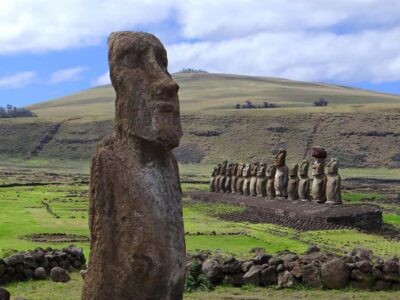
From Hanga Roa: Easter Island Highlights 2-Day Tour
Read our review →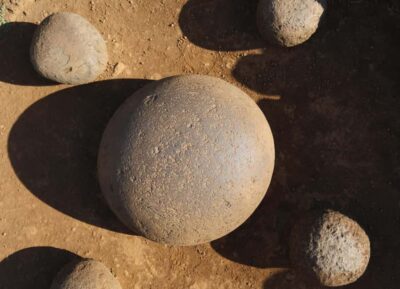
From Hanga Roa: Easter Island Sightseeing Full Day Tour
Read our review →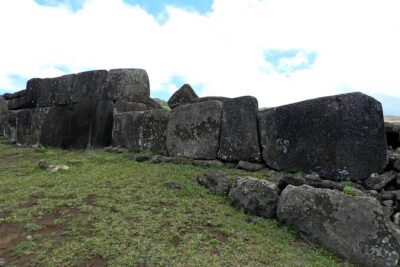
From Hanga Roa: Journey from Orongo to Ana Te Pahu
Read our review →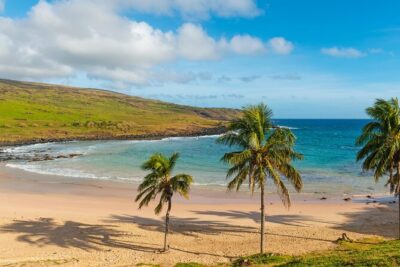
Full Day Private Tour: Factory of the Moai the stone giants
Read our review →
Browse the lists this tour appears in