
Reviewed · FOOD & DRINK
Half Day Guayaquil Historical Tour and Cocoa Culinary Experience
Guayaquil’s best surprise may be how much local life fits into one short outing. This private tour moves from wildlife and old buildings to cocoa production, a hilltop view, and a home-style Ecuadorian meal cooked with local ingredients. The final dish, chicken with cocoa, gives you a far better sense of Ecuadorian food than another restaurant lunch.
I like the private format, especially if you have a flight layover or only one day in town. I also like the cooking class, where you may prepare ceviche, seafood, plantains, rice, desserts, and a savory cocoa sauce rather than simply watching someone make chocolate. The main drawback is pace: five hours is efficient, but each city stop is brief, and Cerro Santa Ana involves a climb.
Why this Guayaquil tour earns attention
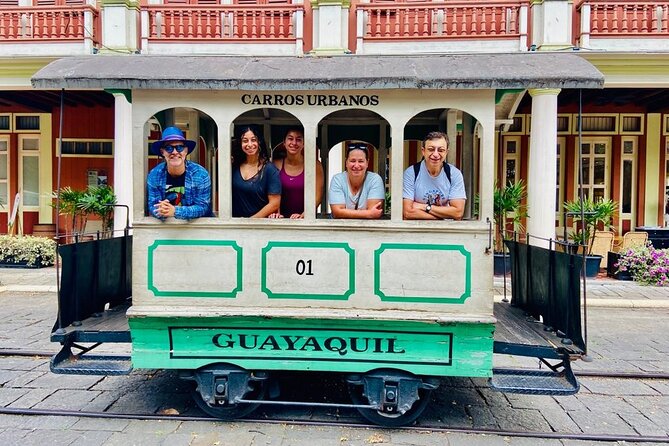
- A full city sampler in five hours: You see wildlife, historic neighborhoods, cocoa production, and a major city viewpoint without arranging separate taxis or guides.
- The cooking class goes beyond dessert: Cocoa appears in homemade chocolate, hot chocolate, and a main dish with chicken, showing how widely Ecuadorian ingredients are used.
- Private guiding keeps the day flexible: Yamil and other guides, including Luis, Marcel, and Vanessa, have led this experience, with the schedule adjusted when delays or personal interests call for it.
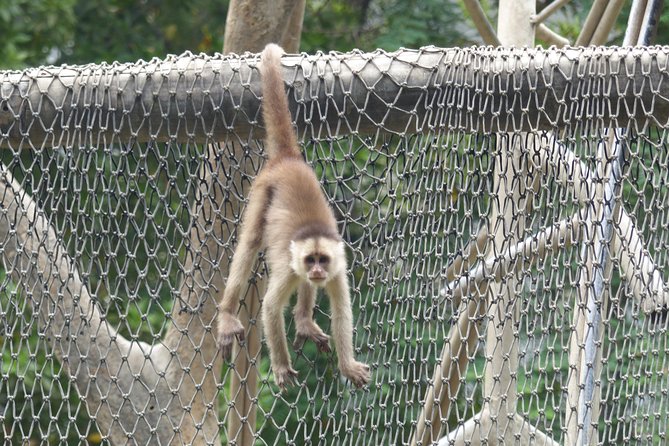
- Parque Histórico adds nature to a city tour: The park combines local fauna and flora with preserved buildings and a traditional home.
- Hotel pickup and lunch are included: Air-conditioned transport, bottled water, coffee or tea, and the meal are part of the $135 price.
- It suits a stopover better than a slow city walk: You get a broad introduction, but you should not expect long visits at every site.
Parque Histórico, where Guayaquil’s past meets wildlife
The tour begins at Parque Histórico Guayaquil, and this is a smart first stop. You are not simply looking at old buildings or walking through a garden. The park brings together local plants and animals with examples of Guayaquil’s architectural past, so the city’s natural and human stories begin side by side.
Plan on about two hours here, the longest stop of the day. That matters because the park has enough variety to feel like more than a quick photo stop. You can look for local fauna and flora, see preserved architecture, and learn how Guayaquil has changed over time.
One especially useful detail from the experience is the chance to see a traditional home as part of the historic setting. This gives the visit a practical scale. Instead of hearing only about economic or political change, you get a sense of how people lived and how preservation efforts help keep that past visible.
The park is also a good choice if you want a softer start to the day. After hotel pickup, you begin with open surroundings rather than traffic and dense city streets. Still, two hours can feel long if your main interest is colonial architecture or food. Tell your guide what matters most to you at the start, since this is a private tour.
More Food Tours in Ecuador:
- Quito Old Town Tour: History, Market Visit & Ice Cream Tasting
★ 4.5 · 91 reviews - 3 Hours Local Food Tour in Quito
★ 5.0 · 83 reviews - Medellin: Comuna 13 Graffiti Tour, Cable Car & Street Food
★ 4.8 · 9,046 reviews
Las Peñas and the older face of Guayaquil
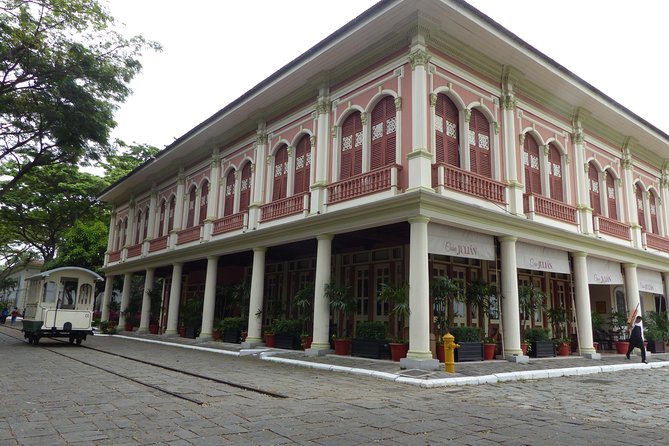
Las Peñas offers a very different mood. Its cobblestone streets, colorful houses, colonial-style architecture, and art galleries provide a compact look at one of Guayaquil’s best-known historic neighborhoods.
The planned visit lasts about 30 minutes. I would treat it as a focused walk for photographs, street details, and a quick explanation of the neighborhood rather than a full neighborhood exploration. You will have enough time to see the character of the area, but not enough to browse every gallery or linger over every lane.
That short timing is both useful and limiting. It keeps the tour moving, which helps if you are fitting Guayaquil between flights. But if old neighborhoods are your main reason for booking, you may want to ask whether the guide can adjust the schedule. The private format makes that conversation possible, although the total duration remains about five hours.
The value here is contrast. Parque Histórico presents preserved buildings in a planned setting. Las Peñas puts historic architecture into a living city neighborhood. Together, they help you see Guayaquil as more than a port or a transfer point.
What cocoa means in Ecuador
The Guayaquil Cocoa Museum gives the food portion of the tour useful context. You learn about cocoa farming, its role in the region’s agricultural tradition, and its effect on local economic and social development.
The visit lasts around 30 minutes, followed by time at a cocoa factory to see how beans become chocolate products. You may taste chocolate as well. This is a short stop, but it fills an important gap: you are not only eating cocoa, you are learning where it comes from and why it matters to Ecuador.
I especially like the way this stop prepares you for the cooking class. Many chocolate tours end with a sweet sample. Here, cocoa becomes part of a larger food story. You see the production process, then later use cocoa in a savory dish.
The factory portion should be viewed as an introduction, not a full farm visit or technical workshop. The supplied information does not promise a long production tour or extensive hands-on chocolate making. If you want a detailed look at cacao farming, ask the operator about separate farm experiences. The tour itself gives you a compact link between agriculture, industry, and the kitchen.
Cerro Santa Ana and the city from above
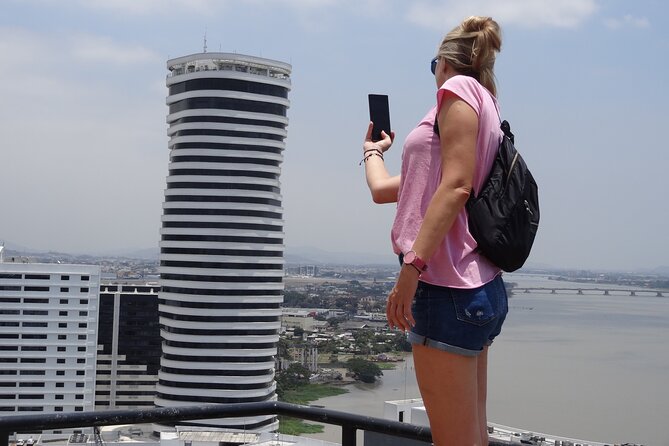
Cerro Santa Ana is the viewpoint stop, with about 30 minutes set aside for the climb and panoramic city views. From the hill, you can look across Guayaquil and take in its skyline from above.
This is the one part of the schedule where your comfort with stairs and uphill walking matters most. The tour summary specifically describes a climb, so wear practical shoes and be ready for a short physical effort. The reward is a broad view that helps you understand the city’s scale and layout.
Thirty minutes is enough for the climb and photographs if you keep moving. It is not a long hill walk or a leisurely lookout visit. If weather is poor, the operator may cancel the experience and offer another date or a full refund, so keep that possibility in mind when planning around a flight.
The viewpoint also breaks up the indoor and street portions of the tour. After the museum and factory, you get fresh air and a clear visual sense of Guayaquil before settling in for lunch.
More Historical Tours in Ecuador:
- Cultural Tour Ingapirca Ruins + Gualaceo & Chordeleg from Cuenca
★ 5.0 · 44 reviews - Cartagena: Historic Center and Getsemaní Shared Walking Tour
★ 4.9 · 2,716 reviews - Lima’s Vibrant Heritage: Exploring the City’s Landmarks Half-day
★ 4.5 · 581 reviews - Santiago: Guided Walking Tour of the Historical Old Town
★ 4.8 · 459 reviews
The cocoa cooking class is the heart of the day
The final hour takes place at Villa 97 Guayaquil, where you take part in an Ecuadorian cooking class. The focus is traditional food, especially seafood dishes, desserts, homemade artisan chocolate, and a main course of chicken with cocoa.
This is not just a tasting. You learn how to prepare food and see how cocoa can work in a savory recipe. The chicken with cocoa is a particularly useful lesson because it moves cocoa away from its familiar role in candy and hot drinks. It gives you a better feel for the range of Ecuadorian cooking.
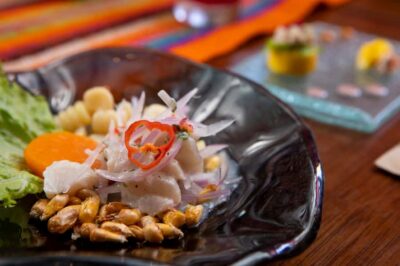
The food described for the class includes ceviche, fish, plantains, rice, a peanut and chocolate sauce, and hot chocolate flavored with vanilla, cinnamon, and turmeric. The hot chocolate is described as not sweet, which may surprise anyone expecting a thick dessert drink. That detail makes the class feel tied to local taste rather than adapted for tourists.
The class is also led in a personal setting, with cooking handled by Nanfi, who is described as a professional chef. Yamil’s wife, Wendy, has also been part of the hospitality at the private cooking experience. The setting creates more room for conversation about family food traditions and daily life than you normally get in a standard restaurant.
You should allow enough time to participate rather than simply watch. The class lasts about one hour, so it is a compact introduction, not a full culinary course. Still, it is the part of the day most likely to stay with you because it connects ingredients, technique, culture, and a shared meal.
What the $135 price includes
At $135 per person, the tour is not the cheapest way to see Guayaquil. Its value comes from how many separate pieces are bundled into one private outing.
The price includes:
- Private air-conditioned transportation
- Hotel pickup and drop-off
- A tour guide
- Admission to the listed stops
- A Guayaquil map
- Bottled water
- Coffee or tea
- Lunch
- The cooking class and food experience
If you arranged these elements separately, you would need to coordinate transport, entrance fees, a cocoa visit, a viewpoint, and a meal. The private vehicle also matters if you are working around a flight. A delayed start was handled by the operator in one case, with the guide locating the party and continuing the tour without dropping major stops.
The price makes the most sense for couples, families, or small groups who value privacy and convenience. A solo visitor may find the cost harder to justify, though the included lunch, transport, admission, and instruction reduce the number of extra expenses during the day.
Alcohol is not included, but it is available for purchase. Most participants can take part, and children must be accompanied by an adult.
Guides, timing, and how the private format works
Yamil Saman Cabrera is the experience provider and has handled communication, pickup, and guiding. Other guides connected with the tour include Nanfi, Luis, Marcel, and Vanessa. The exact guide arrangement may vary, but the private setup means your group is not combined with strangers.
That privacy is useful in Guayaquil because you can explain your interests before the tour begins. One visitor with an interest in local customs, historic sites, and food received a tailored plan. You can also raise practical concerns, such as a ship disembarkation delay or a hotel pickup time.
The tour lasts about five hours, although one outing ran close to six hours after adjustments. I would not schedule a tight flight immediately after the stated end time. Hotel pickup and drop-off are included, but if you are using the tour during a layover, confirm the timing carefully and leave a buffer for traffic and airport procedures.
The tour is often booked about 10 days ahead. That is not a formal booking deadline, but it is a useful planning clue. Reserve early if your schedule is fixed, especially if you need a particular pickup time.
Free cancellation is available up to 24 hours before the start time for a full refund. Changes or cancellations inside 24 hours are not accepted for a refund. Poor weather can lead to a different date or a full refund.
Safety and comfort in Guayaquil
The private vehicle and direct guide contact are practical advantages for a first visit. The tour keeps you moving between specific sites rather than asking you to work out each transfer yourself.
Past guests described the service as prompt, professional, and safe, and one account noted that Yamil responded quickly to concerns about local conditions and power outages. That does not remove the need for normal city awareness, but it does mean you have a local contact and organized transport during the outing.
One important lesson is to verify the vehicle and driver before getting in. A party once entered the wrong car outside the port after someone falsely claimed to be their guide. They got out, contacted the operator, and Marcel found them. Keep the guide’s name and the operator’s contact details available, and confirm the vehicle before departure.
Comfort depends on your walking pace and the weather. The tour includes a climb at Cerro Santa Ana and outdoor time at Parque Histórico and Las Peñas. Bring water, though bottled water is supplied, and use shoes suitable for cobblestones and uphill walking.
Who should book this experience
I would choose this tour if you have a layover, an overnight stay, or one open day in Guayaquil and want a broad introduction without managing the details yourself. It is especially well suited to couples and small groups who want a private guide and a meal with local context.
Food-focused visitors should give it serious consideration. The combination of cocoa history, factory viewing, chocolate tasting, and hands-on cooking is more distinctive than a standard city highlights tour.
Families can also take part, provided children are accompanied by an adult. The wildlife at Parque Histórico and the food preparation add variety, though the short schedule and hill climb may not suit every child.
I would hesitate if you want a slow, museum-heavy day, a long cocoa farm visit, or extended time in Las Peñas. The itinerary covers a lot, but it does so at a steady clip.
Should you book the Guayaquil history and cocoa tour?
Book it if you want breadth, private transport, and a personal food experience in one half-day. The strongest parts are the cocoa cooking class, the helpful guide communication, and the mix of city history with nature.
Skip it if you prefer to spend several hours in one neighborhood or museum. For everyone else, $135 buys a well-organized introduction to Guayaquil, with lunch and local cooking at the center rather than as an afterthought.
FAQ
How long does the Guayaquil historical and cocoa tour last?
The tour lasts approximately five hours. One outing took close to six hours after the schedule was adjusted.
What is the price per person?
The price is $135 per person.
Is this a private tour?
Yes. Only your group participates in the private activity.
Is hotel pickup and drop-off included?
Yes. Hotel pickup and drop-off are included, along with private air-conditioned transportation.
What food is included?
Lunch, coffee or tea, bottled water, cocoa-related tastings, and the Ecuadorian cooking class are included. Alcoholic drinks are not included but can be purchased.
Does the tour include a cooking class?
Yes. At Villa 97, you learn to prepare traditional Ecuadorian food, including seafood dishes and chicken with cocoa. The class also includes desserts and homemade artisan chocolate tasting.
Which places does the tour visit?
The tour visits Parque Histórico Guayaquil, Las Peñas, the Guayaquil Cocoa Museum and a cocoa factory, Cerro Santa Ana, and Villa 97 for the cooking class.
Is the tour suitable for children?
Children can participate but must be accompanied by an adult. Most people can take part in the activity.
What is the cancellation policy?
You can cancel at least 24 hours before the start time for a full refund. Cancellations or changes made less than 24 hours before the start time are not accepted for a refund. If poor weather causes cancellation, you will be offered another date or a full refund.
Just added around Ecuador
- Cocoa farm and Chocolate making!★ 5.0 · 62 reviews
- Best of Guayaquil – City Tour★ 5.0 · 82 reviews
- Cultural walking tour in Loja★ 5.0 · 54 reviews
- Cuenca to/from Guayaquil Private Transfer★ 5.0 · 38 reviews
- Visit the Ecuadorian Amazon★ 5.0 · 44 reviews
- Puyo Jungle Tour in 1 Day★ 5.0 · 42 reviews
- Full Day to Puyopúngo Excursion in the Amazon★ 5.0 · 39 reviews
- Half-Day Rock Climbing in Canton Baños★ 5.0 · 36 reviews
Food & Drink, compared.
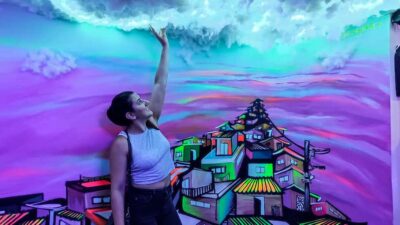
Comuna 13 Graffiti Tour, Cable Car & Street Food
Read our review →
Jolimont Winery Tour – Visitation and Tasting – Canela RS
Read our review →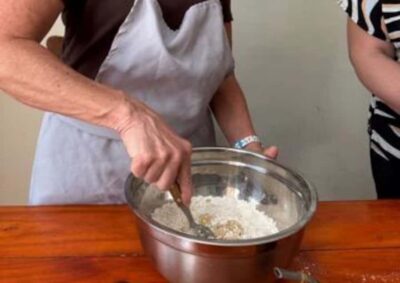
Browse the lists this tour appears in