
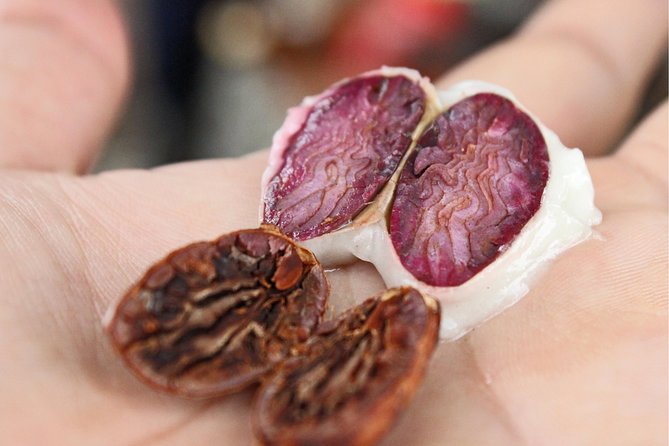
Reviewed · FARMS
Cocoa farm and Chocolate making!
The best part of this Guayaquil excursion is that you do not simply taste Ecuadorian chocolate. You follow cacao from tree to bar, walking among the trees, opening a pod, and helping make the finished treat. Guides such as Mario, Allison, Tony, and Antonio add local stories about farming, food, and daily life.
I like the private transport, which takes the strain out of reaching the countryside, and I like the family-run setting. You may meet the people who grow and process the cacao, rather than touring a polished factory. The main consideration is time: the farm portion is listed at about three hours, while the full outing runs roughly four to five hours, and lunch details should be confirmed when you book.
Key points to know
- Make chocolate from local cacao: Help with the process from harvested pod to chocolate.
- Meet a working family farm: The visit centers on real agriculture, other fruit trees, and family hospitality.
- Enjoy a private outing: Round-trip private transportation gives you a calmer day outside Guayaquil.
- Expect a hands-on visit: You may harvest pods, taste fruit, and take part in the preparation.
- Plan for about four to five hours: The farm visit itself is listed as three hours.
- Best for curious eaters and families: Children can participate when accompanied by an adult, with a child rate when sharing with two paying adults.
Why cacao makes this Guayaquil trip special
Guayaquil can feel busy, hot, and urban. This outing gives you a change of pace without asking you to plan a complicated rural journey. You leave the city by private transportation and spend the heart of the day among cacao trees, fruit plants, open air, and the people who work the farm.
The appeal is not just chocolate. Cacao makes a useful doorway into Ecuadorian agriculture. You see that the final bar begins as a fruit, not as a brown slab in a shop. The farm visit also shows how nearby plants and pollination can affect the flavor of cacao, an idea that makes the tasting and chocolate-making process more meaningful.
I especially like the human scale of the experience. The farm is family-run, and the owner’s son, Rody, has guided visitors through the property and chocolate process. Other guides named in the tour accounts include Jamil, Niffa, Alberto, Tony, Antonio Escobar, Allison, and Mario. Your guide may differ, but the format is designed to feel personal rather than like a large factory tour.
The price is $155 per person, so this is not the cheapest way to spend a morning near Guayaquil. You are paying for private transportation, a private or small-group format, guide service, and a hands-on agricultural visit. For a couple or family that values convenience and local contact, the price can make sense. If you only want to buy chocolate or see a short demonstration, it may feel high.
More farm and finca visits around Ecuador:
- Cuenca to Guayaquil one-way tour with Cajas Park and a Cacao Farm visit
★ 5.0 · 50 reviews - Guayaquil to Cuenca one-way tour with Cajas Park and a Cacao Farm visit
★ 5.0 · 49 reviews - Medellín Coffee Farm Tour with Trolley and Cable Car Ride
★ 4.9 · 277 reviews
Leaving the city by private transportation
The listed start time is 10:00 a.m., and round-trip private transportation is included. That matters in Guayaquil, where arranging a rural outing on your own could involve several separate rides and uncertain timing. Here, you have one organized trip and a guide who can explain what you are seeing along the way.
Past guides have used the drive to talk about Ecuador, its farming regions, local culture, and everyday life. Mario has also been described as coming from a cacao-farming family, giving him a personal connection to the crop. Allison has shared stories about Ecuadorian life during the journey as well.
Do not expect a long formal road tour with a scripted lecture. The drive is best viewed as useful conversation and transition time. Ask questions if you are curious about cacao, food, farming, or Guayaquil. The private setting makes that easier than it would be on a full bus.
The overall experience lasts approximately four to five hours, though the farm portion is listed as three hours. Allow some flexibility. A family meal, conversation, or an additional city stop may lengthen the day. One guide also took visitors to Guayaquil’s famous old cemetery after returning to town, but that was an optional extra based on their interests, not a guaranteed part of the tour.
Walking through the cacao grove
At the farm, you walk through the cacao grove and learn how the trees grow. The tour focuses on the crop itself, but the property also contains other fruits and useful plants. Past visits included guava and citrus, and one family even knocked guava from a tree and picked fruit directly.
That variety is important. Cacao does not exist in isolation, and the plants around it can influence the flavor of the beans. You may learn how different cacao species vary and how pollination and neighboring plants affect what eventually reaches the chocolate bar.
The setting has been described as a rural property beside a small river, with flowering trees and plenty of fresh air. That sounds simple, and that is the point. You are taking a break from traffic and buildings, not visiting a staged attraction built only for tourists.
The terrain may be uneven or damp, particularly during the rainy season. The supplied information does not specify a walking distance, footwear requirements, or weather plan, so wear practical shoes and clothing that can handle an outdoor farm visit. If you have mobility concerns, ask the provider about the current route before booking.
From cacao pod to chocolate bar
The hands-on process is the center of the day. You learn about the cacao pod, help harvest one, and take part in turning the contents into chocolate. The exact sequence may vary, but the experience is designed to cover the path from fresh fruit to finished chocolate.
That process changes the way you think about a chocolate bar. You begin with a pod growing on a tree, then see how much work and care is needed before the familiar sweet flavor appears. The guides also explain that cacao can become more than a standard bar. Past visits included hot chocolate and other cacao-based products.
You are not watching someone else do everything behind a counter. Visitors have chopped pods, helped with preparation, and participated in each stage. That makes this a good choice if you like to use your hands and ask questions. It is also a strong family activity because children can see a food product in its original form rather than meeting it only in a wrapper.
The process is educational without needing to feel like school. You get a practical lesson in agriculture, food production, and Ecuador’s role as a cacao-growing country, followed by something you can taste. If you are looking for a polished chocolate-making workshop with elaborate equipment, this may feel rustic. If you want a direct connection with the crop, the rustic quality is a benefit.
A few more Ecuador days worth comparing
- Cotopaxi & Quilotoa With Optional Hotel Pick-Up & Drop-Off
★ 4.5 · 170 reviews - Quito Airport Arrival Transfer to Hotel
★ 4.5 · 150 reviews - PRIVATE CITY TOUR: Quito Colonial, Half the World and Cable Car
★ 5.0 · 144 reviews - Full Day City tour of Quito -All main attractions WITH ADMISSIONS
★ 5.0 · 102 reviews
The family meal and rural welcome
A home-cooked, three-course meal appears frequently in descriptions of this outing and has been served by members of the farm family, including Rody’s wife. Meals have taken place at the family home or under a shelter near the cacao trees and a small river.
The food is part of what gives the visit its local character. You are not simply buying a packaged snack after a demonstration. You may be eating the kind of meal the family prepares for itself, in the same setting where the farm work happens.
Because the formal tour details do not clearly spell out the meal as an included feature, confirm exactly what is covered when you reserve. The accounts describe lunch as a major part of the experience, but menu, availability, and timing can change.
The family welcome is also central. Rody has shown visitors the farm, while Niffa has demonstrated chocolate making. Other family members have helped with the meal and farm activities. You should expect a warm, personal exchange, but remember that this is a working family property rather than a hotel or restaurant. Patience and curiosity will make the visit better.
Guides who shape the day
The guide can make a private tour feel either relaxed and personal or hurried and routine. Here, several names come up in the tour history, including Mario, Allison, Tony, Antonio Escobar, and Jamil.
Mario has been praised for his knowledge of cacao farming, Ecuadorian agriculture, and local culture. Allison has led slow-paced visits that gave families time to ask questions and take part. Tony and Antonio Escobar have also guided farm visits and helped explain the process. At the property, Rody, Niffa, and other family members add the grower’s point of view.
You cannot assume a particular guide will be available unless the provider confirms it. Still, the range of guides suggests that the experience is not dependent on a single person. When booking, you can mention if you have a strong interest in cacao farming, food, family travel, or Ecuadorian culture and ask how the day will be handled.
The private format is especially helpful for families and small groups. You can slow down for children, spend more time on a question, or move on when everyone has had enough. The maximum group size is 15, but private transportation and the personal nature of the visit may make the outing feel smaller.
Who will enjoy this experience most
I would recommend this tour to you if you want a hands-on rural outing rather than another city attraction. It works particularly well for:
- Families with children who enjoy practical activities
- Couples looking for an easy countryside escape
- Food lovers curious about where chocolate begins
- Visitors with one free day in Guayaquil
- People who prefer family-run experiences to large commercial attractions
- Anyone who wants private transportation and a guide
It is also a sensible final-day activity for a trip through Ecuador. One couple used it as a last outing after time in the Galápagos, calling it a sweet way to end the vacation. You get local food, scenery, agriculture, and a finished chocolate product in one compact excursion.
I would hesitate to recommend it if you dislike outdoor walking, want a fixed schedule with no personal conversation, or are mainly seeking a luxury chocolate tasting. The farm setting is part of the charm, but it also means conditions may be informal.
Most people can participate, children must be accompanied by an adult, and service animals are allowed. The child rate applies only when a child shares with two paying adults, so check the booking setup carefully if you are traveling as a family.
Is $155 a fair price?
At $155 per person, the value depends on how you use the day. This is more than a basic entrance ticket because the cost covers private round-trip transportation, guiding, and an activity that takes place away from central Guayaquil. You also receive direct contact with a family farm and the chance to make chocolate yourself.
For two people, the cost is easier to justify if you would otherwise need to arrange a driver and separate rural transport. For a larger family, the total can rise quickly, so compare the child pricing and ask whether lunch is included.
The strongest value is the combination of convenience and access. You are not only being driven to a farm. You are meeting the people connected to the property, learning how cacao grows, taking part in the production, and possibly sharing a three-course meal in the farm setting.
Book ahead if your dates are fixed. The activity is often reserved about 21 days in advance. Confirmation is normally sent at booking, but reservations made within three days of the visit may take up to 48 hours to confirm and remain subject to availability.
A few practical things to settle before booking
The start time is 10:00 a.m., and the full activity lasts about four to five hours. The farm walk and chocolate-making portion is listed at three hours, so allow extra time for transport, lunch, and conversation.
Ask the provider these questions before paying:
- Is the three-course lunch included in the current version of the tour?
- Which guide will accompany your group?
- How many people are booked?
- What happens if rain affects the farm walk?
- Can the route be adjusted for anyone with mobility concerns?
Free cancellation is available if you cancel at least 24 hours before the local start time. Changes or cancellations made within 24 hours are not accepted for a refund. That deadline matters if your Guayaquil schedule depends on a flight, cruise connection, or another fixed activity.
Should you book the cacao farm tour?
Book it if you want to understand Ecuadorian cacao through people, plants, and food rather than through a shop display. The strongest parts are the private transport, the family-run farm, the hands-on chocolate making, and the chance to share a meal in the countryside.
I would especially choose it for a family, a couple, or a small group with a free day in Guayaquil. The price is substantial, but it buys a complete outing and removes the hassle of arranging transport. Just confirm the lunch arrangement and guide details, then leave room in your schedule for a relaxed farm visit rather than a tightly timed attraction.
FAQ
Where does the cacao farm and chocolate-making tour take place?
The experience is based in Guayaquil, with the main activity taking place at a cacao farm outside the city.
What time does the tour start?
The listed start time is 10:00 a.m.
How long does the experience last?
The full outing lasts approximately four to five hours. The farm visit itself is listed as three hours.
How much does the tour cost?
The listed price is $155 per person.
Is transportation included?
Yes. Round-trip private transportation is included.
Is this a private tour?
The experience is presented as a private tour, with a maximum group size of 15 people.
Will I make chocolate during the visit?
Yes. The activity includes learning about the cacao trees, harvesting a cacao pod, and making chocolate from local beans.
Is lunch included?
The tour information describes lunch in the farm experience, and past visits included home-cooked three-course meals. Confirm the current lunch arrangement when booking because the formal details do not specify it clearly.
Can children join the experience?
Yes. Children must be accompanied by an adult, and the child rate applies only when sharing with two paying adults.
What is the cancellation policy?
You can cancel up to 24 hours before the local start time for a full refund. Cancellations or changes made less than 24 hours before the experience are not accepted for a refund.
Just added around Ecuador
- Best of Guayaquil – City Tour★ 5.0 · 82 reviews
- Half Day Guayaquil Historical Tour and Cocoa Culinary Experience★ 5.0 · 42 reviews
- Cultural walking tour in Loja★ 5.0 · 54 reviews
- Cuenca to/from Guayaquil Private Transfer★ 5.0 · 38 reviews
- Puyo Jungle Tour in 1 Day★ 5.0 · 42 reviews
- Visit the Ecuadorian Amazon★ 5.0 · 44 reviews
- Full Day to Puyopúngo Excursion in the Amazon★ 5.0 · 39 reviews
- Half-Day Rock Climbing in Canton Baños★ 5.0 · 36 reviews
Farms, compared.
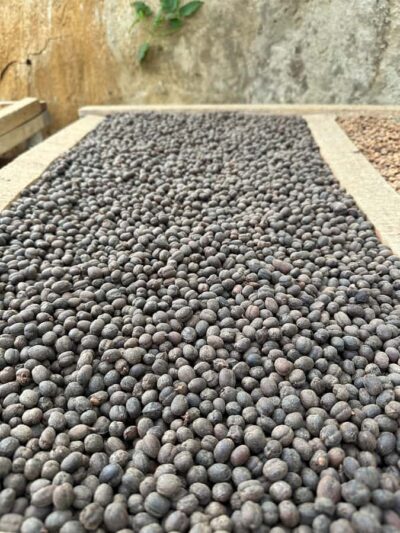
Medellín Coffee Farm Tour with Trolley and Cable Car Ride
Read our review →
Salento: Private Cocora Valley, Salento & Coffee Farm Tour
Read our review →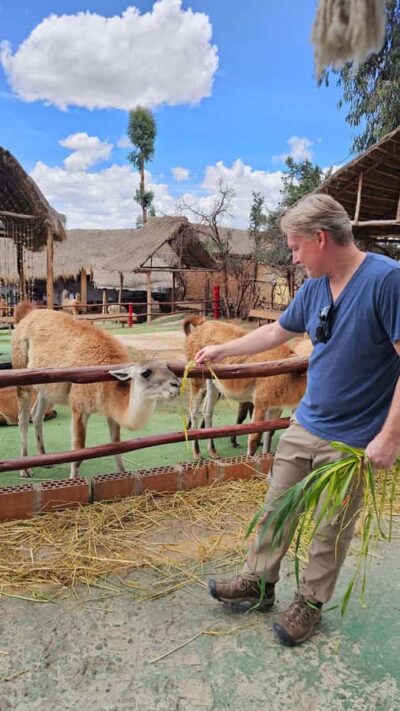
Cusco: Alpaca and Llama Farm Tour w/ Transfer & Weaving Demo
Read our review →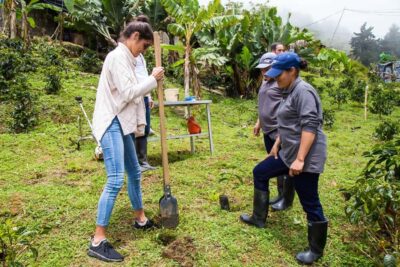
Horseback Riding Coffee Farm Tour with Coffee Spa
Read our review →
Coffee Tour at Finca El Ocaso Salento: Traditional Spanish Farm
Read our review →
Browse the lists this tour appears in