
Reviewed · CITY TOURS
Best of Guayaquil – City Tour
Guayaquil’s famous iguanas are only the beginning. This half-day tour links the city’s old center, riverfront, monuments, viewpoints, and coffee culture without asking you to sort out taxis or public transit. You’ll ride between farther-flung sights, then walk through the center with a guide who can explain what you are seeing.
I like the mix of driving and walking, especially when you have only a few hours before a flight or onward trip to the Galapagos. I also like the flexible guides, including Javeth, Tony, Milton, and Antonio, who have adjusted time for photos, coffee, or a particular sight. The main caution is timing: a late afternoon departure may not allow access to every stop, and vehicle size has not always been ideal for larger groups.
Key points to know before booking
- Parque Seminario is the star stop: Meet Guayaquil’s famous urban iguanas beside the Main Cathedral.
- Malecon 2000 gets the most time: Plan on about an hour along the Guayas River.
- The tour uses both a vehicle and your feet: You’ll cover more ground than on a walking tour, but still need moderate physical fitness.
- The route can fit a tight schedule: Hotel and airport pickup and return are included, which helps before a flight.
- Guiding is a major strength: Javeth, Tony, Milton, Antonio, and other local guides are praised for clear English, history, photos, and flexibility.
- Check the vehicle and departure time: The service may be private or shared in practice, and an afternoon start can affect access to the church and coffee museum.
Why this is a useful first look at Guayaquil
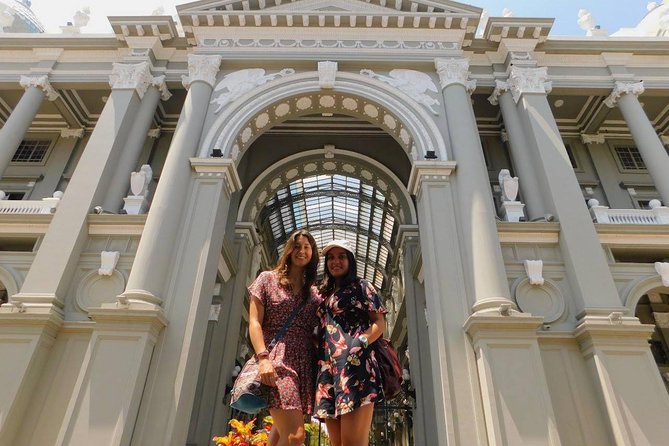
Guayaquil can be hard to read in a short visit. Its attractions are spread between the city center, the riverfront, hillside viewpoints, and older residential streets. A taxi can move you around, but it will not explain why the monuments matter or point out the best photo angle.
This tour gives you that basic map. You begin by vehicle, stop at a high viewpoint, walk through the historic core, then return to the vehicle for sights farther away. That makes it a practical choice for a first visit, a cruise stop, or a day between flights.
The experience lasts about three to four hours. That is long enough to see the main sights, but not long enough for a slow museum day or a full food tour. I would treat it as an introduction, not a substitute for several days in Guayaquil.
The service includes hotel or airport pickup and return, private transportation, a local guide, and entrance fees listed in the program. Lunch, dinner, tips, and anything not specified are extra. At $120 per person, the value depends heavily on your group size and schedule. For a family or couple that wants door-to-door transport and a guide, it can be reasonable. For a solo visitor on a tight budget, public transport or a self-guided walk will cost less, though you give up the explanation and convenience.
More City Tours in Ecuador
- PRIVATE CITY TOUR: Quito Colonial, Half the World and Cable Car
★ 5.0 · 144 reviews - Full Day City tour of Quito -All main attractions WITH ADMISSIONS
★ 5.0 · 102 reviews - Cuenca Half-Day City Tour Including Panama Hat Factory
★ 5.0 · 85 reviews
La Iguana and Bellavista: a quick start with a big view
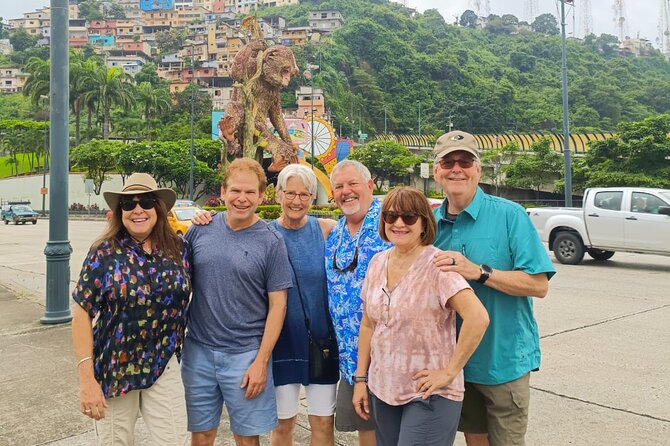
The first stop is La Iguana, one of Guayaquil’s giant monuments. You spend about ten minutes here, so think of it as a photo stop rather than a full attraction.
The route then climbs to Mirador Bellavista. The viewpoint takes about 15 minutes and provides a broad look at the city before the walking portion begins. This is a smart early stop because it gives you a sense of Guayaquil’s size and layout.
The viewpoint is also one reason the vehicle matters. Reaching it on foot would add time and effort, especially in warm or wet weather. You should still expect some walking during the stop, and the tour asks for a moderate level of fitness.
Parque Seminario and the Main Cathedral
Parque Seminario is the most distinctive stop on the route. It is commonly called Iguana Park because large iguanas live among the trees and paths in the middle of the city. Your guide explains how they came to the park, their daily habits, and the odd sight of wild-looking reptiles living beside busy streets.
Allow about 30 minutes here. That gives you time for photos, a look at the park, and an explanation of why this small square became one of Guayaquil’s best-known attractions. If you have a particular interest in the iguanas, tell your guide at the start. One visitor with limited time made clear that this was the one essential stop, and the route was adjusted to make it happen.
The Main Cathedral of Guayaquil is directly across from the park. Its location makes it easy to pair the two sights, but access can depend on the schedule. One afternoon tour could not enter the church, and the coffee museum was also closed. If seeing the interior matters to you, ask for a morning departure or confirm the planned opening times.
This section is mostly about observation and explanation rather than a long walk. It is a good place for families because the iguanas give children an immediate point of interest, while the cathedral and surrounding buildings add a layer of architecture and local history.
Government buildings and independence monuments
From Parque Seminario, the walking route continues toward the Palacio de la Gobernacion del Guayas. The building is used to explain Guayaquil’s architecture and civic identity. You spend about 15 minutes here, enough for an exterior look and a guided account of its place in the city.
The Monumento a Antonio José de Sucre follows. The stop is brief, about five minutes, but it introduces Ecuador’s former currency, the sucre, and the military figure honored by the monument. This is the sort of detail you could easily miss while walking alone.
At the Monumento a La Fragua de Vulcano, the guide explains the independence of Guayaquil and the strategy behind it. The stop lasts about ten minutes. The appeal here is not the length of the visit but the story attached to the site. A good guide turns a monument into a way to understand how the city sees its own past.
The Torre Morisca is another quick stop, about five minutes. This Arabic-style tower houses the city’s public clock. It is easy to photograph and gives the route another architectural change before the longer riverfront section.
These short stops require you to keep moving. If you prefer lingering at each monument, you may find the schedule brisk. If you want a clear introduction without spending an hour at one building, the pace works well.
Same trip, a completely different kind of day:
- Cotopaxi & Quilotoa With Optional Hotel Pick-Up & Drop-Off
★ 4.5 · 170 reviews - Quito Airport Arrival Transfer to Hotel
★ 4.5 · 150 reviews - Cotopaxi Volcano Quest!
★ 5.0 · 101 reviews - Mindo Cloud Forest Full Day Tour from Quito
★ 5.0 · 100 reviews
Malecon 2000 along the Guayas River
Malecon 2000 is the longest stop, with about one hour set aside. This broad riverfront attraction stretches for roughly 2.5 kilometers and combines public spaces, views, food, and modern architecture.
I like this part of the route because it breaks up the monuments and indoor stops. You can walk beside the Guayas River, take photos, and get a feel for how Guayaquil presents its waterfront. The guide can also connect the riverfront to the city’s growth and public spaces.
Wear comfortable shoes. The route includes several walking sections, and the Malecon is where you are most likely to want extra time for photos. The tour does not include lunch, so the hour is not a full meal break unless you arrange food separately.
The exact pace depends on your guide and group. Tony has been praised for helping with photo angles, while several guides have been described as willing to slow down and answer questions. That matters here because the Malecon can be treated as either a quick pass-through or a relaxed walk.
The Rotonda and Guayaquil’s meeting with South America’s liberators
At the Hemiciclo de la Rotonda, you spend about 15 minutes. The monument marks the only meeting between Simón Bolívar and José de San Martín, two major figures in South American independence.
This is one of the route’s strongest history stops because the setting connects Guayaquil to the wider independence movement. Your guide can give the encounter some meaning instead of leaving you with only statues and a photo.
The stop is also near the riverfront, so the transition from Malecon 2000 feels natural. You move from a modern public space to a monument tied to the political history of the continent.
Numa Pompilio Llona and the coffee museum
Numa Pompilio Llona is described as the oldest street in the city. Its stone surface and older houses offer a change from the formal monuments and modern riverfront. The stop lasts about ten minutes, which is enough to walk through and take photos, but not enough for a long architectural study.
The final listed stop is the Museo del Café, where you learn about coffee production and taste an artisanal coffee. The visit lasts about 20 minutes. This is a useful ending because it gives you a local flavor experience after several hours of history and sightseeing.
The coffee tasting is included, but the program does not promise a full café meal or lunch. If you want to buy coffee or chocolate, the tour gives you a chance to do so, though shopping time is not guaranteed. One visitor used the stop to purchase local coffee and chocolates before continuing to the Galapagos.
Again, timing matters. The coffee museum was closed during one late tour, so I would not book the last available afternoon departure if this stop is important to you. Confirm the start time and ask what happens if a site is closed.
Guides, language, and the feel of the tour
The guide is central to this experience. Javeth is repeatedly noted for explaining Ecuadorian history and culture, answering questions, taking photos, and allowing a leisurely pace. Tony is described as personable and attentive to photo opportunities. Milton is praised for his care and charm, while Antonio is associated with a gracious, informative approach.
The guide names can change, so you should not book solely to get one person. Still, the pattern is clear: the strongest part of the service is the human explanation. English-speaking guides are available, and the feedback includes praise for clear English.
You can also tell the guide what matters most. One guest asked to focus on iguana photos. Another appreciated being asked what they wanted instead of simply following a fixed script. That flexibility is especially useful if you have a flight, children, mobility concerns, or a short list of must-see stops.
The pace is generally described as relaxed, though the number of stops makes the itinerary full. You will not spend long inside every attraction. This is a sightseeing sampler with context, not a slow cultural workshop.
Transport, group size, and practical comfort
The tour is advertised as private and allows up to 15 people. In practice, the vehicle arrangement may vary. One group shared an air-conditioned minibus with four other people, while another group of three found a midsize car tight because the guide and driver occupied the front and three people shared the back.
Ask about the vehicle if you are booking for more than two adults, especially if one passenger is a large teen or adult. A clean, comfortable vehicle makes a real difference in Guayaquil’s heat and during longer transfers. One report also described a small, dirty car and an extra trainee guide, so it is fair to confirm the setup before departure.
Hotel or airport pickup and return are included. This is one of the tour’s strongest practical benefits. You can start at your accommodation and finish there, or use it to see the city before an airport departure. Tell the operator your preferred end point when booking.
Service animals are allowed, and the tour is near public transportation, though the included vehicle means you do not need to rely on buses or taxis during the experience. You should be prepared for walking, steps or uneven surfaces may be present, and the stated fitness requirement is moderate.
Weather can affect the tour. Guayaquil rain did not stop one group from completing the route, but the experience requires good weather and can be rescheduled or refunded if poor conditions lead to cancellation. Carry light rain protection and comfortable walking shoes.
Price, timing, and who gets the best value
At $120 per person, this is not the cheapest way to see Guayaquil. You are paying for the guide, vehicle, pickup, return, and the ability to cover sights spread across the city in one short outing.
The price makes the most sense for families, couples, older visitors, and anyone with a flight connection. It is also useful if you want a first orientation before exploring alone. If you have a full week in Guayaquil and enjoy figuring out buses and neighborhoods, you may prefer a cheaper independent visit.
The tour is often booked well ahead, with an average booking lead time of 48 days. That suggests planning ahead for popular travel dates, though you should still confirm availability for your own schedule.
Free cancellation is available up to 24 hours before the local start time. Changes or cancellations made within 24 hours are not refunded. That policy matters if your flight schedule is uncertain.
Should you book Best of Guayaquil?
I would book this tour if you have three or four hours, want a guided first look, and value door-to-door transport. The combination of Iguana Park, Bellavista, Malecon 2000, the Rotonda, historic streets, and coffee gives you a useful sense of Guayaquil without the stress of arranging each ride.
I would ask two questions before paying: Is the tour truly private for my party, and will the church and coffee museum be open at my departure time? If you are traveling with three or more adults, also confirm the vehicle size.
Choose a morning departure if access to every scheduled stop matters. Choose this experience over a self-guided route if history, photos, and local context are important. Skip it if you want a slow museum visit, a full meal-focused outing, or the lowest possible price.
FAQ
How long does the Guayaquil city tour last?
The tour lasts approximately three to four hours.
How much does the tour cost?
The listed price is $120 per person.
Is transportation included?
Yes. Private transportation, hotel or airport pickup, and return to your hotel or airport are included.
Is the tour private?
The experience is presented as a private tour, with a maximum of 15 travelers. Vehicle arrangements can vary, so larger parties should confirm whether they will have a private vehicle or share transportation.
What are the main sights on the route?
The route includes La Iguana, Mirador Bellavista, Parque Seminario, the Main Cathedral area, Palacio de la Gobernacion del Guayas, several monuments, Torre Morisca, Malecon 2000, Hemiciclo de la Rotonda, Numa Pompilio Llona, and Museo del Café.
Is food included?
Lunch and dinner are not included. An artisanal coffee tasting at Museo del Café is included when that stop is open.
Do I need to be physically fit?
You should have a moderate level of physical fitness because the experience combines vehicle transfers with walking sections.
Are service animals allowed?
Yes, service animals are allowed.
Can I cancel for a full refund?
You can cancel at least 24 hours before the local start time for a full refund. Cancellations made less than 24 hours before the start time are not refunded.
What happens if bad weather cancels the tour?
If poor weather causes cancellation, you will be offered another date or a full refund.
Just added around Ecuador
- Cocoa farm and Chocolate making!★ 5.0 · 62 reviews
- Half Day Guayaquil Historical Tour and Cocoa Culinary Experience★ 5.0 · 42 reviews
- Cultural walking tour in Loja★ 5.0 · 54 reviews
- Cuenca to/from Guayaquil Private Transfer★ 5.0 · 38 reviews
- Visit the Ecuadorian Amazon★ 5.0 · 44 reviews
- Puyo Jungle Tour in 1 Day★ 5.0 · 42 reviews
- Half-Day Rock Climbing in Canton Baños★ 5.0 · 36 reviews
- Full Day to Puyopúngo Excursion in the Amazon★ 5.0 · 39 reviews
City Tours, compared.
Cusco: Half-Day City Tour with Sacsayhuaman and Q’enco
Read our review →
Private City Tour, Monserrate, Emerald and Botero
Read our review →
City Sightseeing Hop-On Hop-Off Bus Tour & Extras
Read our review →
City Tour Cusco Qoricancha Sacsayhuaman y Tambomachay
Read our review →
Main City Sights in 7 Hours – Shared Group Tour
Read our review →Browse the lists this tour appears in