
Reviewed · FOOD & DRINK
From Mendoza: 3 Wineries, Olive Oil Factory Tour & Tasting
The best thing about this Mendoza outing is its range. In one afternoon, you visit an artisanal winery, a larger industrial producer, a sweet-wine cellar, and an olive oil factory. That gives you a useful look at Maipú beyond the usual Malbec tasting. I like the three-winery format because each stop has a different purpose, and I like the included food tastings at the oil factory, which help balance an afternoon of wine.
The main consideration is timing. Hotel pickup can take up to 45 minutes, and bilingual explanations may feel less smooth when the guide switches between English and Spanish. Still, at $34, with transport, entrance fees, wine tastings, and olive oil samples covered, this is a remarkably practical introduction to Mendoza’s nearby wine country.
Key points at a glance
- Three different winery styles: Visit artisanal, industrial, and sweet-wine producers rather than seeing the same type of cellar three times.
- About 11 wines may be served: Each winery generally offers three or four samples, including young and aged wines, whites, reds, rosés, and sweeter styles.
- Olive oil with local snacks: Taste oils with bread, olive paste, and other delicacies at the final stop.
- Bilingual guiding: The tour operates in English and Spanish, with guides such as Dolores, Maru, Rocío, and Alejandro praised for their clear explanations and friendly manner.
- Simple city pickup: Collection and return are available at listed hotels, hostels, and meeting points in Mendoza.
- Strong budget value: At $34 per person, you get four visits, transportation, admissions, and tastings without arranging separate reservations.
Why Maipú works for a half-day wine tour
Mendoza Province is known for wine, but you do not need a full day in the Uco Valley to get a useful introduction. Maipú is close enough to Mendoza city for an afternoon outing, and the shorter drive leaves more time for actual visits and tastings.
This tour uses that advantage well. After the pickup circuit, the vehicle heads to Maipú, where the main program lasts about five hours. You return to Mendoza around 8:00 p.m., making this easy to fit into a city break.
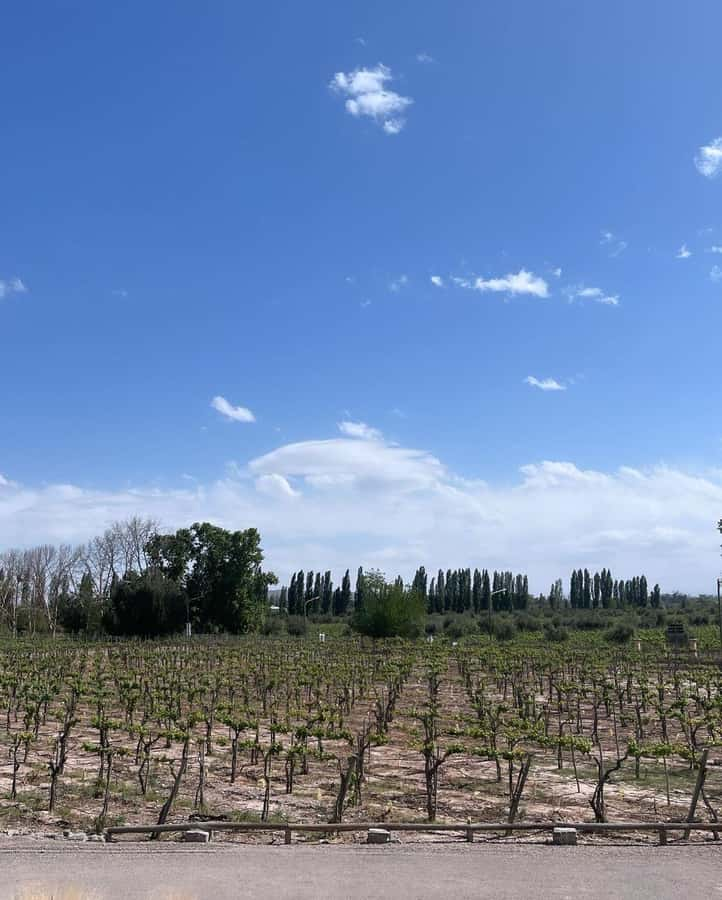
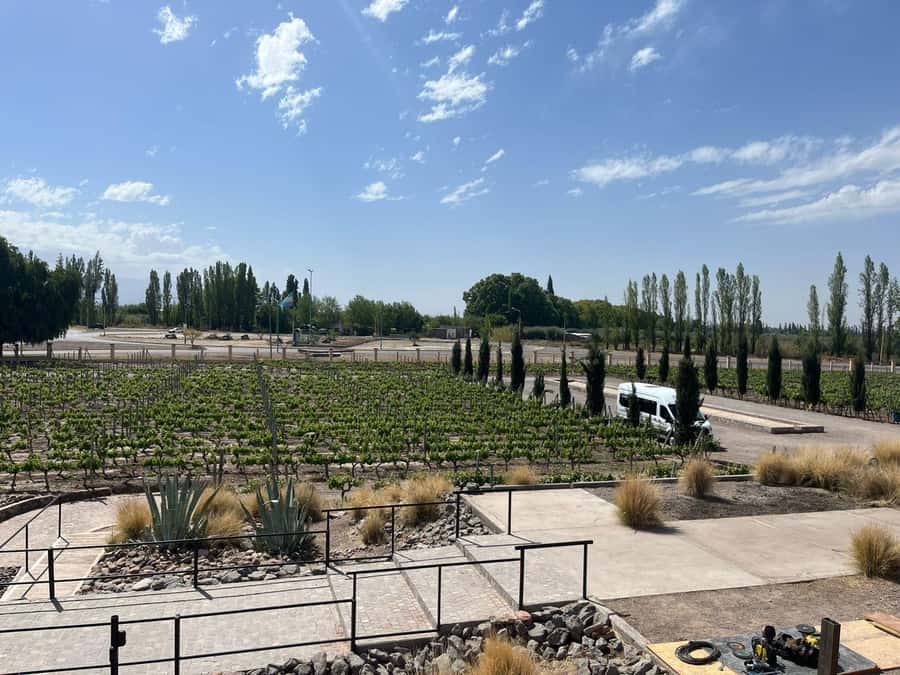
I see Maipú as a sensible choice for first-time wine visitors, solo travelers, and anyone who wants variety without spending a full day on the road. One previous participant had wondered if Maipú was the right wine area compared with Uco Valley, then found the wineries, prices, and range of experiences worthwhile. That is a useful point: Maipú may not deliver the dramatic mountain setting associated with some Mendoza day trips, but it gives you access to producers and a broader tasting schedule for less time and money.
The experience is also social without requiring you to organize a private group. The advertised format is small-group, though the total vehicle may sometimes include around 15 people. At the wineries, English and Spanish speakers may be split into smaller groups, which can make the cellar explanations feel more personal.
More Food Tours in Argentina
- Mendoza: Make an Argentine Asado BBQ w/ Local Host & Wine Tasting
★ 5.0 · 80 reviews - Mendoza: Winebike Tasting Tour with Optional Lunch
★ 4.1 · 73 reviews - Mendoza: Premium Wine Tasting
★ 4.4 · 48 reviews
Pickup from Mendoza and the ride to Maipú
Pickup begins at 2:00 p.m. from selected hotels and meeting points around central Mendoza. These include the Amérian Executive Mendoza Hotel, Soltigua Apart Hotel, Hostel Lagares, Sheraton Mendoza Hotel, Hilton Mendoza, Hostel Central, Hotel Crillón Mendoza, and other listed locations.
You need to wait in the lobby from about 10 minutes before your scheduled pickup. The operator may spend up to 45 minutes collecting everyone, so do not plan an appointment immediately before departure. This is the one part of the day that can feel slow, especially if you are picked up early and spend time circling the city.
The vehicle is air-conditioned and heated. Most transport feedback is positive, with clean vans, smooth driving, and friendly drivers receiving frequent praise. There was also a minor complaint about a cramped sedan used for a very small group, along with one report of an air-conditioning problem that the guide addressed by arranging replacement transport. These details suggest that vehicle size can vary, so do not expect a luxury coach.
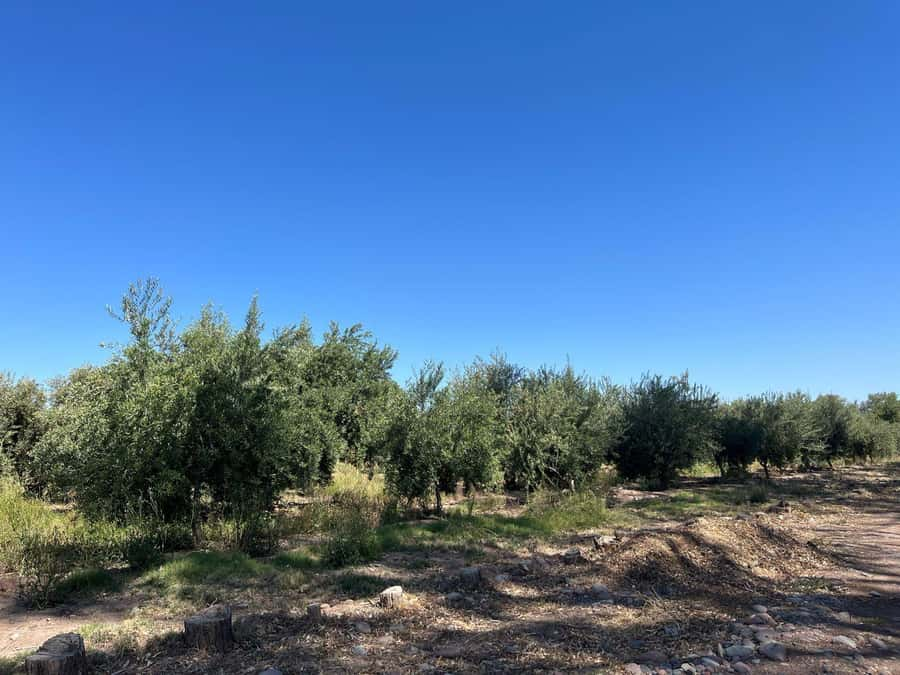
Your guide adds context during the drive, covering Mendoza’s geography, climate, water supply, and wine production. Dolores, Rocío, Maru, and Alejandro were each singled out for warmth, clear English, and useful background information. The guide’s role matters here because the journey is not just a transfer between stops. You get a basic framework for understanding why vineyards and olive trees matter in this dry part of Argentina.
One practical limitation is the onboard audio system. It has not always carried information clearly, especially when the vehicle is full. If you are seated far from the guide, listening may take more effort. The bilingual format can also mean that explanations take longer or switch languages quickly. Most English-speaking visitors manage well, but a short question after each explanation may help if you miss a point.
First winery: an artisanal view of Mendoza wine
The exact order can change, but one of the winery visits is an artisanal producer. This is where you get closer to smaller-scale methods and a more personal sense of how wine is made.
Expect an explanation of the production process, the winery’s history, and the differences between the wines being poured. The tastings are not limited to Malbec. Across the winery visits, you can compare young and aged wines, as well as white, red, rosé, and sweet styles.
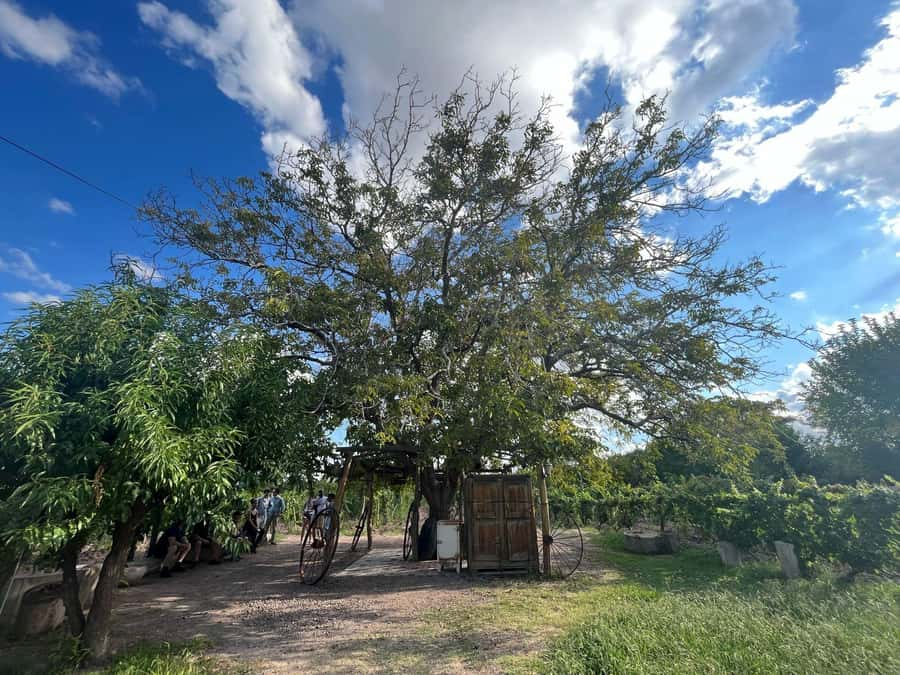
This stop is particularly useful if you are new to Argentine wine. Instead of simply placing a glass in front of you, the guide explains what you are tasting and how the cellar works. Some tours begin with an organic or family-run winery, and the setting can feel rustic rather than polished. That is part of the appeal if you want a local production story instead of a large visitor center.
You may also find the smaller producer more relaxed and direct. Several accounts describe family wineries, traditional methods, and hosts who took time to explain their work. The trade-off is that artisanal facilities may have fewer visitor amenities and less room for large groups.
Plan to taste three wines here, though portions and the precise selection can vary. Pace yourself. Three wineries means the tasting count builds quickly, even when each pour is modest.
Second winery: industrial production and a broader comparison
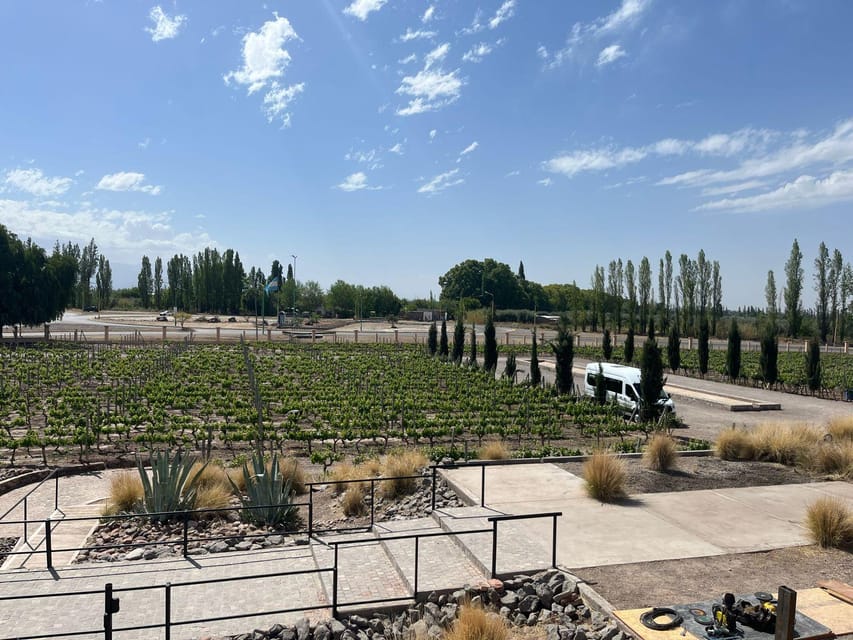
The industrial winery gives you a different view. Instead of focusing mainly on family production or small-batch methods, this visit helps show how wine is made at a larger scale.
This contrast is one of the tour’s smartest features. You are not simply visiting three attractive buildings and tasting similar bottles. You can compare equipment, production methods, cellar organization, and the way each business presents its wines.
The guides at the wineries usually explain the process from grape handling through fermentation, storage, and bottling. Several participants found the explanations especially strong at the first two wineries, with little of the production process skipped. That makes this portion valuable even if you do not know much about wine.
The tasting gives you another chance to compare styles. You might move from a fresh young wine to something aged, or from a white or rosé to a fuller red. Malbec is part of the experience, but the selection is wider than one famous grape.
Do not expect a formal wine course. The tour moves on a schedule, and each stop has to accommodate the entire group. You will receive useful explanations, but this is a sampler rather than a long private consultation with a winemaker.
More Food Tours in Mendoza:
- Mendoza: Wine Tasting Tour with Lunch and Private Transport
★ 4.6 · 48 reviews - Medellin: Comuna 13 Graffiti Tour, Cable Car & Street Food
★ 4.8 · 9,046 reviews - Medellín: Comuna 13 True Story and Street Food Tour
★ 4.9 · 1,779 reviews - Rio: Pub Crawl in Lapa with Cachaça Tasting and Live Samba
★ 4.7 · 881 reviews
Third winery: sweeter wines and a change of pace
The third cellar specializes in sweet wines, adding a change of pace after two more traditional tastings. This stop will not suit every palate, but it is a good reminder that Mendoza’s wine culture includes more than dry reds.
The sweet-wine visit can be especially helpful if you already know you like dessert wines, fortified styles, or sweeter whites. If your preference is strictly dry wine, you may find this tasting less appealing. Even then, the stop has value because it shows a different production focus and lets you compare your own reaction with the other styles served during the day.
One useful tip is to avoid judging the entire tour by this one tasting. The three wineries are intentionally different. Some people find the sweet wines less to their taste but still enjoy the explanation and the chance to see another kind of cellar.
By the end of the winery visits, you may have tasted around 9 to 11 wines, depending on the selections. That is generous for a tour at this price. It also means you should use the provided spittoons if available and take the pace seriously. A participant accurately described the afternoon as one where you can get tipsy. Eat beforehand, drink water when you can, and remember that tasting does not require finishing every glass.
The olive oil factory adds the right final note
The olive oil stop is more than a quick shop visit. You learn about production and then taste oils with bread, olive paste, and other local foods.
This is a welcome change after several rounds of wine. Olive oil gives you a fresh set of flavors to compare, and tasting it with food makes the stop more substantial. Some versions of the tasting include four or five different oils, so you can notice differences in strength, texture, and finish.
The factory also gives the tour a wider food focus. Mendoza is not only about vineyards, and olive production fits naturally into the region’s dry climate and agricultural traditions. The stop helps you understand another local product without adding a separate excursion.
The quality of the explanation can depend on the staff member and the language used that day. One participant found the English at the olive facility less clear, while others had an easy time with the presentation. The factory can also feel crowded, and one account described the site as less substantial than the wineries. I would treat it as a tasting and production stop, not as a major museum or scenic attraction.
You can often buy wine, oils, and snacks at the stops. The prices were described as reasonable, and sales pressure was not a common concern. That makes it easy to purchase a small edible souvenir, though buying is entirely optional.
The bilingual guide makes a real difference
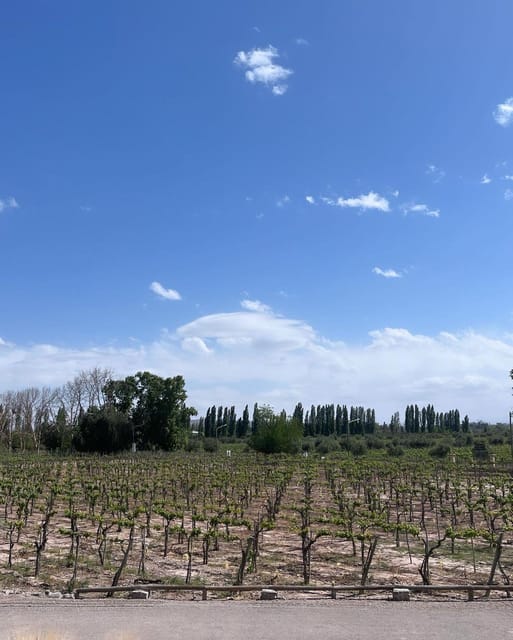
The tour runs in English and Spanish, and the main guide stays with the group as you move between locations. At the wineries, local staff generally take over the detailed presentations.
A strong guide can make the difference between a string of tastings and a coherent afternoon. Dolores was praised for her energy, organization, and clear English. Rocío was noted for explaining Mendoza’s weather, water, and local background. Maru and Alejandro were also credited with creating a warm atmosphere and keeping the program moving.
You should expect the guide to switch between languages. If the group is mixed, the same information may be repeated in English and Spanish, which adds time but keeps the tour accessible. The downside is that bilingual explanations can feel quick or slightly uneven, especially when the guide moves fluently from one language to the other.
The winery staff are separate from the main guide, and their English level can vary. Most of the feedback about winery explanations is very positive, but do not assume every stop will offer the same level of English. If a technical point matters to you, ask for clarification.
What the $34 price really covers
At $34 per person, this is one of the strongest budget options for seeing several Mendoza producers in one afternoon. The price includes hotel pickup and return, an air-conditioned or heated vehicle, admission to four sites, all winery tastings, and olive oil products.
Arranging the same day independently would mean finding transport to Maipú, booking several visits, paying each entrance fee, and coordinating times. You would also need to decide who is driving after multiple tastings. The group tour removes those chores.
The value is strongest if your priority is variety. You see three wine operations and an olive oil producer rather than paying the same amount for a single polished winery visit. The compromise is that the day follows a fixed schedule, pickup can take time, and you have limited control over which wines are poured.
At $34, I would not book this expecting an intimate luxury tasting or a long meal. Book it for access, variety, transport, and a clear introduction to Maipú.
Who should book this Maipú afternoon
I would recommend the tour if you:
- Have only one free afternoon in Mendoza
- Want to compare several wine styles and production methods
- Prefer included transport over arranging taxis or rides
- Are traveling alone and would like a social group setting
- Want both wine and olive oil rather than wine alone
- Need English and Spanish support
- Care about value more than a high-end winery setting
It is also a good fit for beginners. The explanations cover basic production, regional climate, history, and tasting differences without assuming specialist knowledge.
You may prefer another option if you want a private guide, a quiet meal, a mountain backdrop, or a carefully selected premium-wine program. The tour is not suitable for wheelchair users, and the fixed route leaves little room for changing the schedule.
The return to Mendoza is planned for about 8:00 p.m. That timing gives you the evening for dinner, but you should not count on an exact arrival if city pickup or traffic runs late.
Should you book this wine and olive oil tour?
Yes, if you want the most tasting variety for a modest price and are happy with a group schedule. The combination of an artisanal winery, an industrial producer, a sweet-wine cellar, and an olive oil factory gives you more useful context than three nearly identical tastings.
I especially like the way the tour balances wine with food. Bread, olive paste, and oils at the final stop help keep the afternoon from becoming one long succession of glasses. The strongest guides, including Dolores, Rocío, Maru, and Alejandro, also add local context that makes the drive and visits more meaningful.
Book it with sensible expectations. Pickup may take up to 45 minutes, the vehicle may be compact, bilingual explanations can move quickly, and the olive oil factory is less substantial than the wineries. But for $34, the transport, four admissions, and large tasting selection make this a smart first outing in Mendoza, particularly if your time is limited.
FAQ
How long does the tour last?
The activity lasts about six hours. Pickup begins at 2:00 p.m., and the return to Mendoza is planned for around 8:00 p.m.
How many wineries are included?
You visit three wineries in Maipú. The program includes an artisanal winery, an industrial winery, and a cellar specializing in sweet wines.
Is the olive oil factory included?
Yes. The tour includes a visit to an olive oil factory, with tastings of olive oil, bread, olive paste, and other delicacies.
How many wines will I taste?
The stated format includes three wines at each winery. Depending on the exact tastings, some participants have sampled around 9 to 11 wines during the afternoon.
Are the tours available in English?
Yes. The tour has live guides in English and Spanish. The guide may switch between both languages during the outing, and winery staff may provide the detailed presentations.
Is hotel pickup included?
Yes. Pickup and drop-off are included from selected hotels, hostels, and meeting points in Mendoza. You should wait in the lobby from 10 minutes before pickup, and the collection process can take up to 45 minutes.
Is transportation included?
Yes. Transportation is provided in an air-conditioned and heated vehicle. Vehicle size can vary depending on the group.
Can I cancel the booking?
You can cancel up to 24 hours in advance for a full refund. The reserve-now, pay-later option is also available.
Just added around Mendoza
- Mendoza: Premium Wine Tasting★ 4.4 · 48 reviews
- Mendoza: Wine Tasting Tour with Lunch and Private Transport★ 4.6 · 48 reviews
- Mendoza: Winebike Tasting Tour with Optional Lunch★ 4.1 · 73 reviews
- Mendoza: River Rafting & Canopy in the Andes Mountain Range★ 4.2 · 57 reviews
- Mendoza: 12-KM River Rafting Tour in the Andes★ 3.9 · 94 reviews
- Mendoza: High Mountain Experience, a Tour through the Andes★ 4.5 · 78 reviews
- Mendoza: Paragliding Tandem Flight with Instructor★ 4.8 · 42 reviews
- From Mendoza: Premium Spa Day at the Cacheuta Hot Springs★ 4.5 · 60 reviews
Food & Drink, compared.

Comuna 13 Graffiti Tour, Cable Car & Street Food
Read our review →

Jolimont Winery Tour – Visitation and Tasting – Canela RS
Read our review →
Browse the lists this tour appears in