
Reviewed · EASTER ISLAND TOURS
From Hanga Roa: Easter Island Sightseeing Full Day Tour
Rapa Nui makes the most sense when you see its moai sites in context. This eight-hour small-group outing links the toppled statues of Akahanga, the great row at Tongariki, and Rano Raraku, where many moai were carved from the volcanic rock.
I like the hotel pickup and drop-off, which removes a fair bit of island logistics, and I like the local guides. Hiva, Enzo, Fernanda, David Pocho, Ata, and others have earned praise for clear explanations and a calm pace. The main consideration is that the national park ticket and lunch cost extra, and some pickup times may run late.
Key points to know before booking
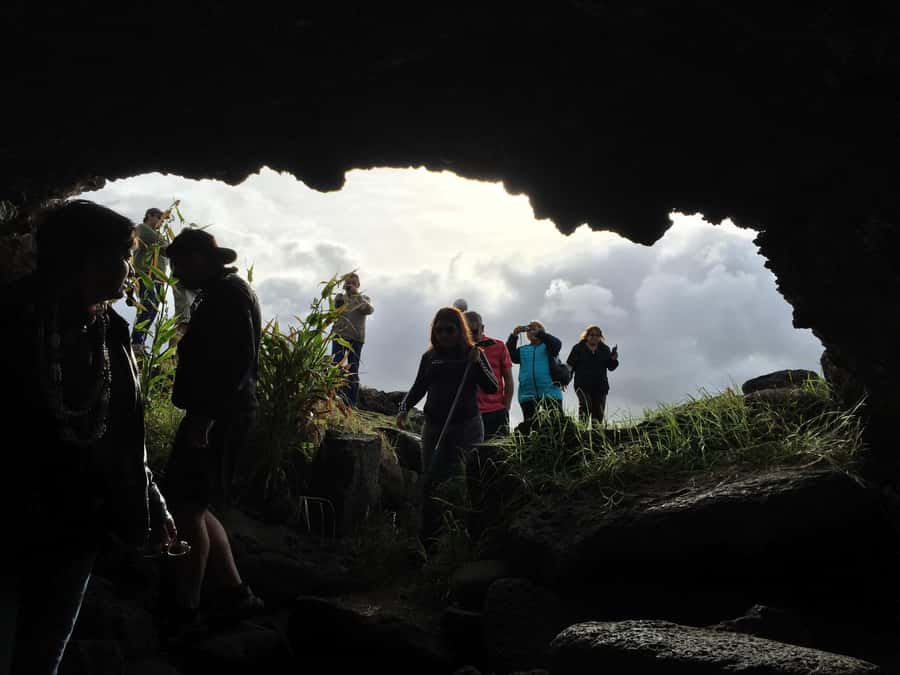
- Rano Raraku is the star stop: See moai still attached to the volcanic slope where they were carved.
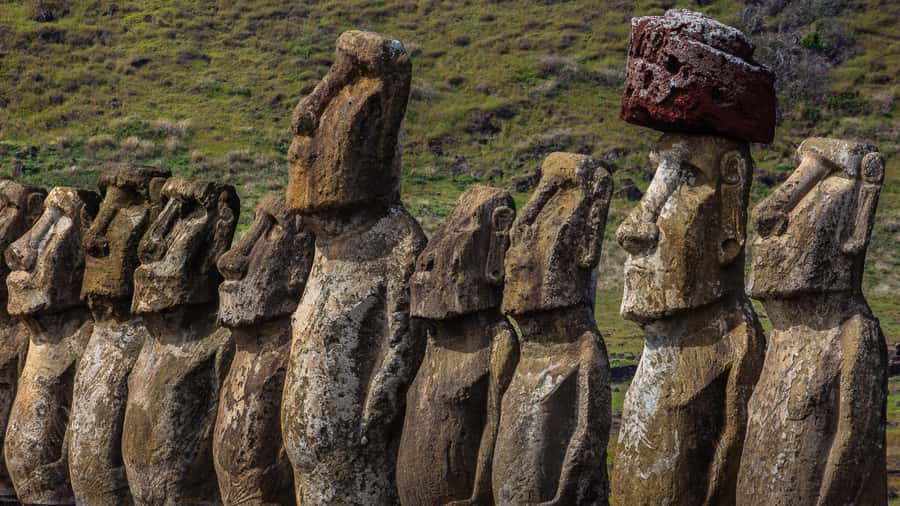
- Tongariki gives you the classic view: Fifteen moai face inland with the Pacific behind them.
- Your guide matters here: English and Spanish commentary brings meaning to sites that can otherwise look like scattered stones.
- The group is limited to 14 people: That is small enough for questions, though the vehicle may feel full.
- Bring your own supplies: Food and water are not included, and bathroom stops can be limited.
- Plan for a full day: Short walks and some steps make this manageable, but the schedule covers much of the island.
Why this Rapa Nui day tour works
Rapa Nui is compact on a map, but its archaeological sites are spread across the island. A hired guide saves you from piecing together transport, park access, and site order on your own. More important, you get the explanations that turn a row of stone figures into evidence of a society, its beliefs, its craftsmanship, and its changes over time.
This outing costs $70 per person and lasts about eight hours. For that price, you get transport, hotel pickup and return, and a live guide in English or Spanish. The group limit is 14 people, although one reported vehicle carried 12 and another described a maximum of 13 passengers. That is not a private tour, but it is far more personal than a large coach.
I see the price as fair if you have only one full day on the island or want the simplest way to reach the major moai sites. It may feel expensive beside a locally arranged private guide, especially if you are traveling with several people. The advantage is a ready-made route, a bilingual guide, and less work arranging the day yourself.
The tour provider is Hotumatur Rapa Nui. Guide quality can vary by departure, but the strongest feedback names Hiva, Enzo, Fernanda, David Pocho, Ata, Franc, Angel, Javeria, and Kainoa. The recurring praise is specific: guides explain the moai clearly, answer questions, keep the group together, and avoid rushing people from one site to the next.
A few more Easter Island days worth comparing
- From Hanga Roa: Rapa Nui Culture Sightseeing Tour
★ 4.6 · 307 reviews - From Hanga Roa: Easter Island Highlights 2-Day Tour
★ 4.3 · 205 reviews - Full Day Tour in Rapa Nui
★ 4.5 · 122 reviews
Vaihu and the first look at fallen moai
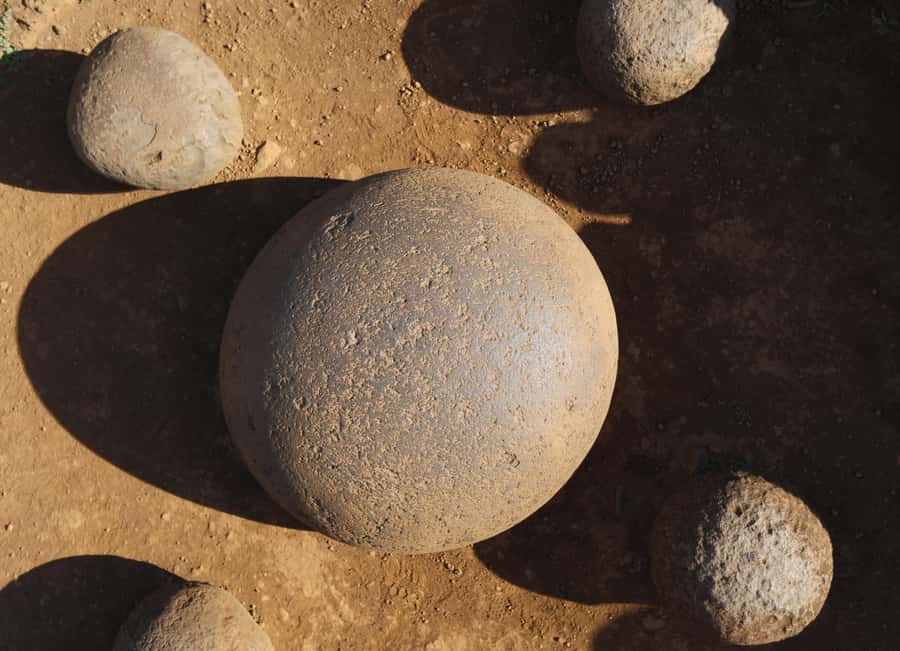
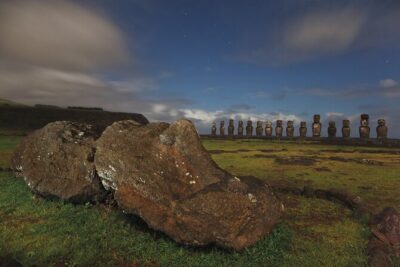
Vaihu begins the archaeological story with moai lying on the ground near the coast. The site helps you understand that Rapa Nui is not simply an open-air gallery of statues standing in perfect rows. Many figures were toppled, and their present position is part of the island’s story.
Your guide will explain the creation of the moai and the meaning attached to these enormous stone figures. This is where a good guide earns the fee. Without context, you might spend a few minutes taking pictures and move on. With a clear explanation, you begin to notice the scale of the work, the setting of the ceremonial platform, and the relationship between the statue, the community, and the sea.
The walking here is described as short, with some steps across the day. You do not need to expect a strenuous hike, but comfortable shoes still make sense. If your group gathers late at pickup or someone lingers too long, later stops may feel tighter, so be ready when the guide calls the group back.
Akahanga, where the past feels less polished
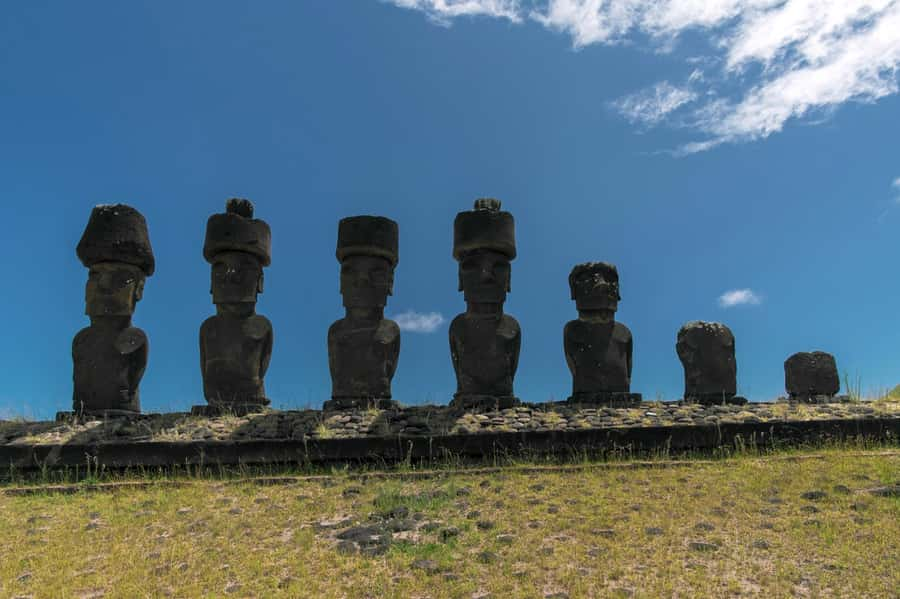
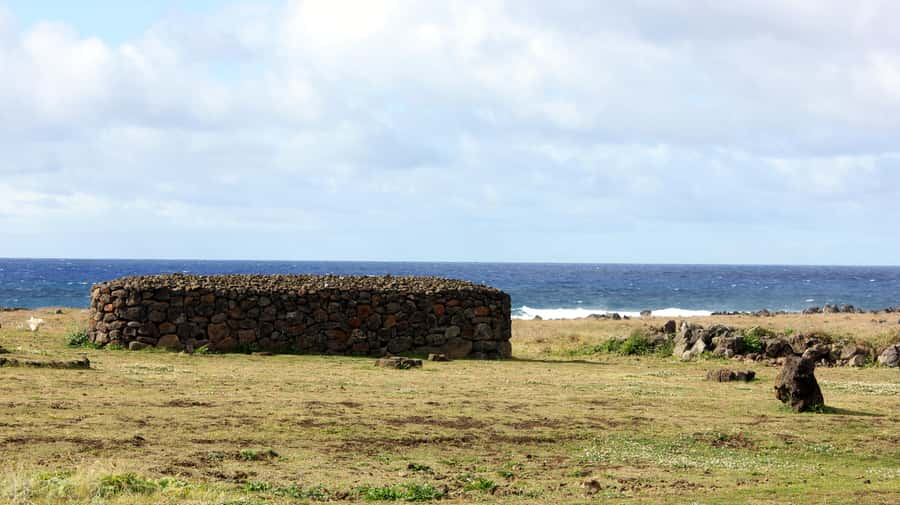
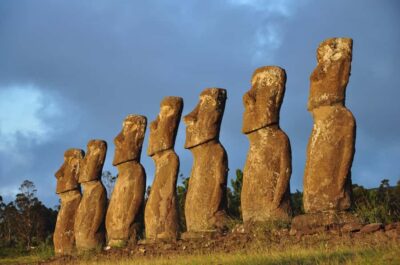
Akahanga gives you a different view of Rapa Nui. You see the remains of a traditional Polynesian settlement and toppled moai rather than a restored, picture-perfect display. The site feels more open and raw than Tongariki, and that is its strength.
I like Akahanga because it puts the statues beside traces of daily life. The moai were not isolated works of art. They belonged to communities with homes, food systems, ceremonies, and social ties. The village remains help connect the monumental stones with the people who made and used them.
This stop may also be where the day’s practical limits become clear. Food is not included in the published tour details, and one account specifically advises bringing water and snacks because there may be no place along the route to buy them. Another account describes a lunch stop at Aka Hanga, but you should not rely on that as part of the standard arrangement. Bring what you need.
Bathroom stops can also be few. That matters on an eight-hour outing, particularly if you are traveling with children or prefer frequent breaks. Ask the guide early about the day’s plan rather than waiting until you are far from Hanga Roa.
Rano Raraku, the moai workshop
Rano Raraku is the most important stop for understanding how the statues were made. Here, moai were carved from the volcanic stone of the slope. Some figures remain partly attached to the rock, while others appear in different stages of completion.
This is the place where the scale of the work becomes hard to ignore. You can see that the moai were not brought from a distant quarry as finished objects. The mountain itself was the workshop. Your guide can point out the carving process and explain the labor behind the figures, giving you a better sense of how much planning and effort went into each one.
Allow yourself time to look beyond the most famous photo angle. The unfinished forms and the relationship between the figures and the slope are the real lesson. A few people have found the visit too quick at major sites, so it is worth staying close to the guide and asking how much time you have before wandering farther.
A useful park-ticket detail matters here. One account notes that the stone-carving site can be visited only once on the national park ticket. In practical terms, do not assume you can return later for another look under the same entry arrangement. Make the most of your time at Rano Raraku.
Same trip, a completely different kind of day:
- Full day tour – DREAM
★ 5.0 · 86 reviews - From Hanga Roa: Journey from Orongo to Ana Te Pahu
★ 4.3 · 75 reviews - Journey of the Ancestors: Tongariki, Rano Raraku & Anakena Beach
★ 4.5 · 70 reviews - Full Day Private Tour: Factory of the Moai the stone giants
★ 4.5 · 63 reviews
Tongariki and the island’s defining view
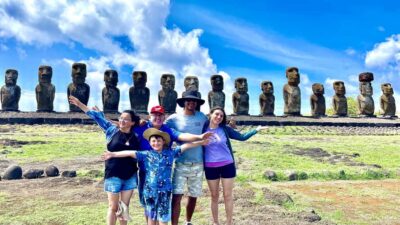
Tongariki is the grand visual moment of the day. Fifteen moai line the ceremonial platform, with the Pacific behind them. Even if you have seen photographs of the row, the actual scale and order of the site are different when you are standing in front of it.
This is the best place for broad photographs, but it is also worth putting the camera down. Look at the different shapes and proportions of the figures. Notice how the platform organizes the space. The ocean gives the setting drama, yet the scene is not only about scenery. The arrangement reflects the work of a society that could quarry, move, raise, and honor these enormous figures.
Your time here depends partly on group discipline. One reported outing lost time because a participant delayed departures at nearly every stop. The guide handled it patiently, but a full-day route has limits. If you want a leisurely hour at every site, a private tour may suit you better. If you can accept a group rhythm, Tongariki should still give you enough time for photographs and an explanation.
The guide’s delivery makes a noticeable difference here. Enzo, Hiva, Ata, and David Pocho were each singled out for clear English or engaging explanations on different departures. The tour runs in English and Spanish, so the commentary may be shared between both languages. That can lengthen explanations, but it also makes the outing workable for mixed-language groups.
Te Pito Kura and the final stone mystery
Te Pito Kura closes the advertised route with a cultural and geological curiosity. The site is connected with the idea of the navel of the world and includes the famous magnetic stone. Your guide will explain the stories attached to it and the stone’s unusual reputation.
This is a quieter ending than Tongariki. Instead of another huge row of statues, you get a smaller site with an unusual point of focus. I like that the route does not finish with five versions of the same moai view. Te Pito Kura adds a different kind of question, one tied to belief, place, and the natural qualities of stone.
Some outing descriptions and individual accounts also refer to a beach stop, often Anakena, where you might swim, have a drink, or wait while others do. That stop is not included in the five-site itinerary described here, and one person found the wait frustrating after choosing not to swim. If swimming is important to you, bring a suit and towel only after confirming the plan with the operator. If it is not part of your departure, you will not want to build your day around it.
Guides, language, and the small-group feel
The strongest part of this experience is the guiding. Rapa Nui’s moai are visually powerful, but the sites do not explain themselves. You need someone to connect the statues with carving, ceremony, settlement patterns, and the island’s changing past.
The guides named in the feedback offer a useful sense of what you may get. Hiva was praised for detailed explanations in both English and Spanish. Ata was noted for especially clear English. Fernanda was described as calm and unhurried. David Pocho was praised for kindness and attention to the group. Enzo earned credit for answering questions in English and Spanish while keeping the day on track.
That does not guarantee a particular guide on your date. It does tell you what to look for: clear speech, room for questions, and a pace that lets you see rather than simply count sites. A guide who talks nonstop can be tiring. The best departures seem to balance information with quiet time at the stones.
The small group helps. Fourteen people is still enough to require a meeting point and a little patience, but it is small enough for the guide to notice questions and keep an eye on the group. The vehicle may not give everyone a perfect window seat. One person who was picked up last ended up in the middle and could not take photographs easily. If the view matters to you, be ready at the pickup point and ask the operator how hotel collection order works.
Timing, food, and what to pack
Hotel pickup and return are included, which is useful in Hanga Roa. Pickup times can cover a broad range, and one person reported a 35-minute delay before the minivan arrived. Be outside and ready at the stated time, and allow some flexibility at the start of the day.
Bring your passport or ID card, plus your national park ticket. The ticket is not included in the $70 price. You should also bring:
- Water
- Snacks or a packed meal
- Sun protection
- Comfortable walking shoes
- A swimsuit and towel only if a beach stop is confirmed
- A camera or phone with enough battery
The published details do not include lunch. Some individual outings have included a lunch stop, with one account praising ceviche, but you should plan as if food is your responsibility. This is not a minor point. An eight-hour route with limited food stops is much more comfortable when you carry something to eat.
The walks are generally short, with a few steps. The day is not presented as a demanding trek, yet the heat, sun, wind, and uneven archaeological ground can wear you down. Comfortable clothing and water will matter more than fancy equipment.
Who should book this tour
I would choose this tour if you have one full day in Hanga Roa and want the main eastern and northern archaeological sites handled in one outing. It is especially useful if you do not want to arrange a car, compare several local guides, or work out how to fit Vaihu, Akahanga, Rano Raraku, Tongariki, and Te Pito Kura into a sensible order.
It also suits you if you want interpretation rather than sightseeing alone. The guides have received strong praise for their English, Spanish, historical explanations, and care with the group. That is the real value.
I would think twice if you want a private, highly flexible day. The route is fixed, the vehicle can feel full, and a delayed pickup or slow group member can affect the schedule. You may also find the price high if you can arrange a reliable local guide for less.
The free cancellation policy allows cancellation up to 24 hours before the tour for a full refund, and you can reserve now and pay later. Those terms are useful when your island plans depend on flights or weather. Still, confirm the exact pickup time, lunch arrangements, and any beach stop before the day begins.
Should you book it?
Book it if you want a well-organized introduction to Rapa Nui’s most important moai sites, especially Rano Raraku and Tongariki, without handling the transport yourself. The $70 price is reasonable for hotel service, a bilingual local guide, and a small group.
Skip it if you need a private vehicle, guaranteed window seating, or long uninterrupted time at each monument. For most first visits, though, this is a practical way to see the island’s major archaeological sights in one day. Bring food, water, your park ticket, and patience for group timing, and you will be set up for a rewarding day.
FAQ
How long does the tour last?
The tour lasts eight hours, including transportation between the sites and hotel pickup and drop-off.
Which sites does the tour visit?
The advertised route includes Vaihu, Akahanga, Rano Raraku, Tongariki, and Te Pito Kura.
Is hotel pickup included?
Yes. Pickup from your accommodation and return drop-off are included.
Is lunch included?
No. Lunch is not included in the tour details. Bring food and water, since stops to buy supplies may be limited.
Is the national park ticket included?
No. You must purchase the national park ticket separately and bring it with you.
What languages does the guide speak?
The live guide service is available in English and Spanish.
How large is the group?
The tour is described as a small-group experience limited to 14 participants. Individual vehicles may carry slightly fewer people.
What should I bring?
Bring your passport or ID card, national park ticket, water, snacks, sun protection, and comfortable walking shoes.
Can I cancel for a refund?
Yes. You can cancel up to 24 hours in advance for a full refund. You can also reserve the tour and pay later.
Just added around Easter Island
- Ride to the highest point on the island for sunset★ 5.0 · 40 reviews
- Sunrise Tongariki: Sunrise at Tongariki Park Private Tour★ 4.5 · 47 reviews
- Terevaka Horse Excursion: The highest point and 360° view.★ 4.7 · 38 reviews
- Easter island: Snorqueling tour on coral reefs★ 4.4 · 47 reviews
- Half Day Tour in Rapa Nui★ 5.0 · 48 reviews
- Private Full-Day Easter Island Highlights South and East★ 5.0 · 60 reviews
- Two days of Full Day Tour of Rapa Nui + Sunrise in Tongariki★ 4.8 · 55 reviews
- Full day tour – DREAM★ 5.0 · 86 reviews
Easter Island Tours, compared.
From Hanga Roa: Rapa Nui Culture Sightseeing Tour
Read our review →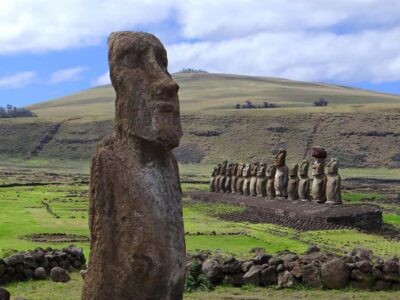
From Hanga Roa: Easter Island Highlights 2-Day Tour
Read our review →
From Hanga Roa: Journey from Orongo to Ana Te Pahu
Read our review →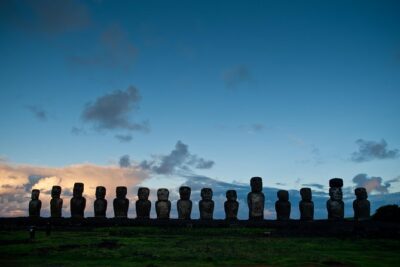
Journey of the Ancestors: Tongariki, Rano Raraku & Anakena Beach
Read our review →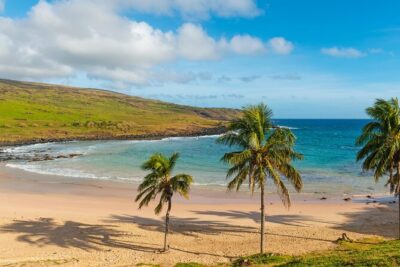
Full Day Private Tour: Factory of the Moai the stone giants
Read our review →
Browse the lists this tour appears in