
Reviewed · HISTORICAL TOURS
Bariloche: German Immigration and History Walking Tour
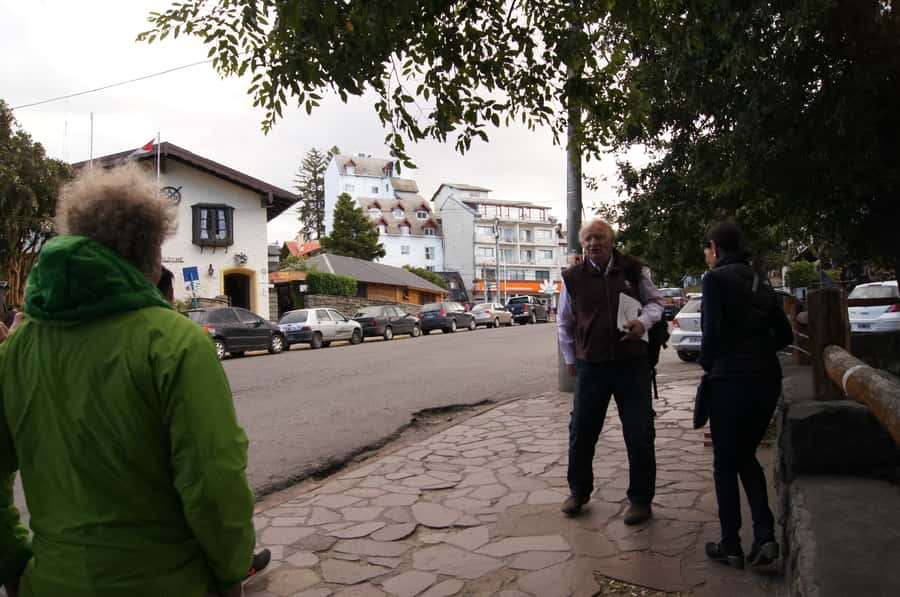
Bariloche’s German story is not one neat tale of cake shops and Alpine-style buildings. It runs from early European settlers to later arrivals after the Second World War, including Nazi fugitives. This 90-minute, 1-kilometer walk connects those chapters through real places, including the school where Erich Priebke was found and the house where he lived.
I like the way the tour links architecture to immigration, rather than treating Bariloche’s German look as decoration. I also like that it deals with fact, rumor, and Nazi mythology in the same conversation. The main drawback is the uphill route, and a bilingual tour may leave less time for questions than a tour held in only one language.
Key points to know before you go
- Three waves of immigration: The walk explains how different groups arrived in Argentina and Bariloche over time, rather than treating all German immigrants as one community.
- Priebke’s former home: See the house where Erich Priebke lived before his 1994 extradition.
- Sam Donaldson connection: Visit the school where the American journalist helped expose Priebke’s presence.
- A short city walk: The route covers about 1 kilometer, but includes uphill streets.
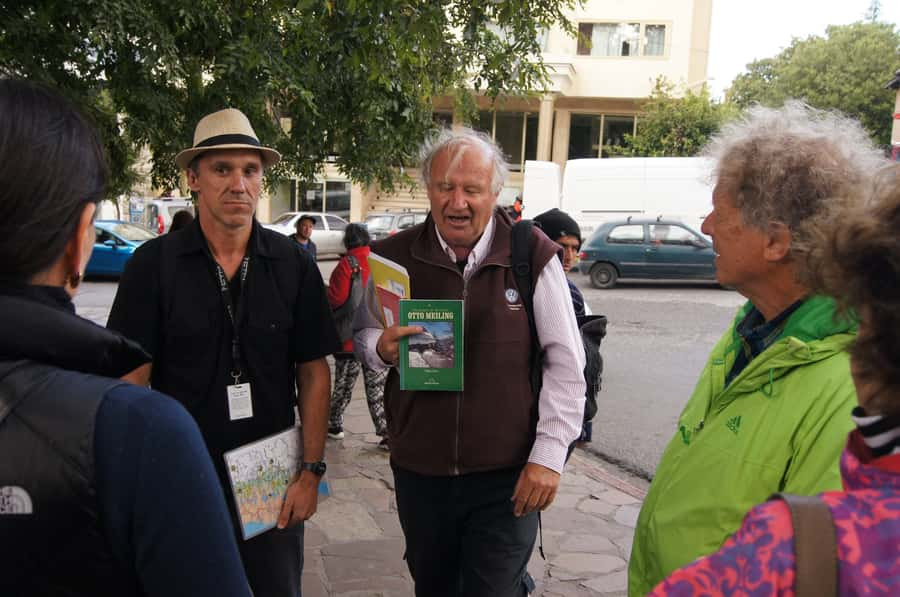
- Strong English support: Diego is frequently praised for fluent English, clear explanations, and good storytelling. Spanish is also available.
- Useful rainy-day or rest-day activity: It gives you a cultural hour and a half between Bariloche’s outdoor plans.
Why Bariloche’s German past is more complicated than its buildings
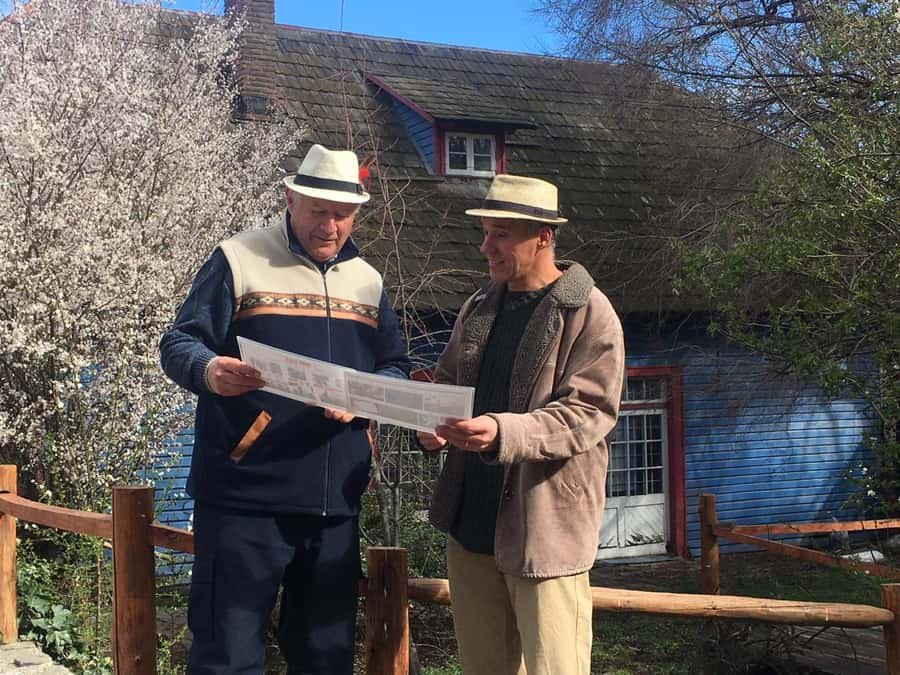
Bariloche often presents an easy visual impression. Sloping roofs, timber details, chocolate shops, and mountain-club architecture can make the town feel unmistakably Central European. But this tour asks you to look past the postcard image.
The German influence came in three main waves, and each had a different setting and historical meaning. The earliest arrivals helped shape local institutions and the town’s European identity. Later immigration added new social and cultural links. The final wave, connected to Nazi fugitives after the war, is the part most people know, but it is only one chapter.
That distinction matters. If you come expecting a tour devoted only to escaped Nazis, you may find the first part slower than expected. If you want to understand why Bariloche looks and feels the way it does, the broader approach gives you a much better footing.
I also appreciate that the tour does not treat every story about Germans in Patagonia as established fact. The closing discussion looks at theories about German activity in the region and sorts accepted history from rumor and legend. That is a useful habit in a place where dramatic stories can grow quickly.
More Walking Tours in Argentina
- Buenos Aires Hop-On Hop-Off Bus, Free Walking Tours & Discounts
★ 4.5 · 2,218 reviews - Buenos Aires: La Boca Guided Walking Tour in English
★ 4.8 · 1,587 reviews - Nazis in Buenos Aires: a historical walking tour
★ 4.9 · 193 reviews
Starting at the Civic Center
Meet by the door of the tourist information office in the Bariloche Civic Center square. This is a sensible starting point because the Civic Center itself is one of the places used to explain the town’s German connections.
You begin in the middle of Bariloche, not at a remote historical site. That makes the tour easy to fit into a first day in town, especially if you want an introduction before visiting the lake or heading into Nahuel Huapi National Park.
The opening section also helps you understand the civic ambitions behind Bariloche’s public buildings. Instead of looking at the square only as a place for photographs, you hear how the town’s institutions and European references fit into its development.
Guide Diego is the name that comes up repeatedly in the supplied booking information. His style seems to rely on stories that keep moving from one location to the next. He often leaves one question hanging before the group walks onward, which gives the route a natural rhythm instead of turning it into a static lecture.
One booking also names Pedro as the guide, so the exact guide may vary. The important practical point is to confirm your language and meeting details when you reserve.
The Andean Club and national park connection
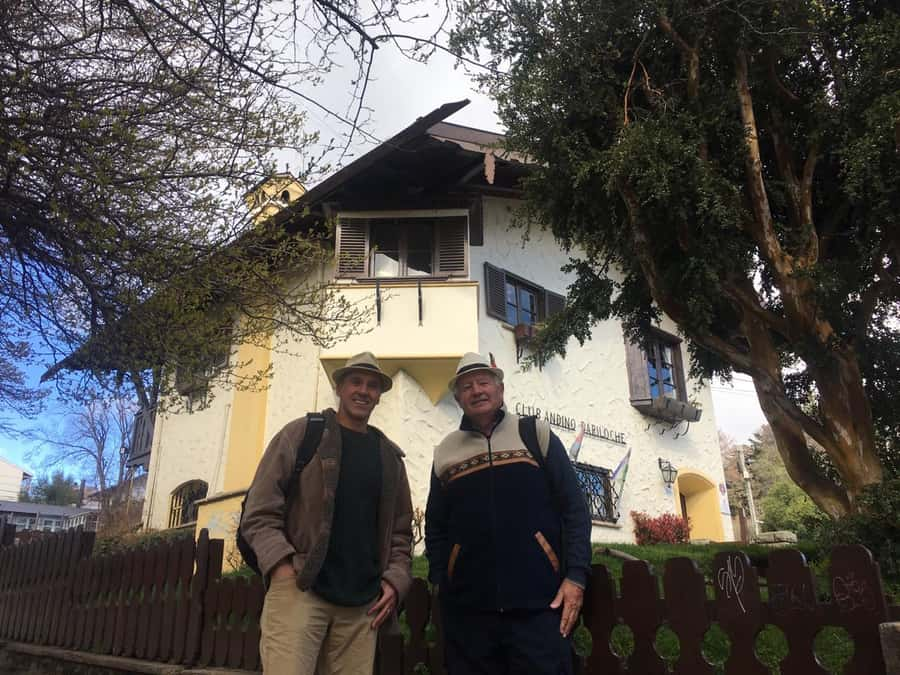
From the Civic Center, the walk continues to the Bariloche Andean Club and the administration of Nahuel Huapi National Park. These stops connect German immigration with the institutions that helped define Bariloche as a mountain town.
This is one of the most useful parts of the route because it moves beyond private homes. You see how clubs, public administration, outdoor culture, and town identity overlapped. Bariloche’s German links were not limited to families living in one district. They also appeared in the groups and institutions that shaped how the town presented itself.
I would pay close attention here if you plan to spend more time around Nahuel Huapi National Park. The stop gives you a cultural frame for the area before you head into its trails, lakes, and viewpoints. It also shows why architecture alone cannot explain Bariloche’s character.
The route is short on paper, but the stops are spaced through the center and German neighborhood. You walk between explanations rather than covering a large distance all at once. That makes the experience manageable for most people who are comfortable with a 1-kilometer city walk, though the uphill sections can make it feel more demanding than the distance suggests.
The German School and the Priebke story
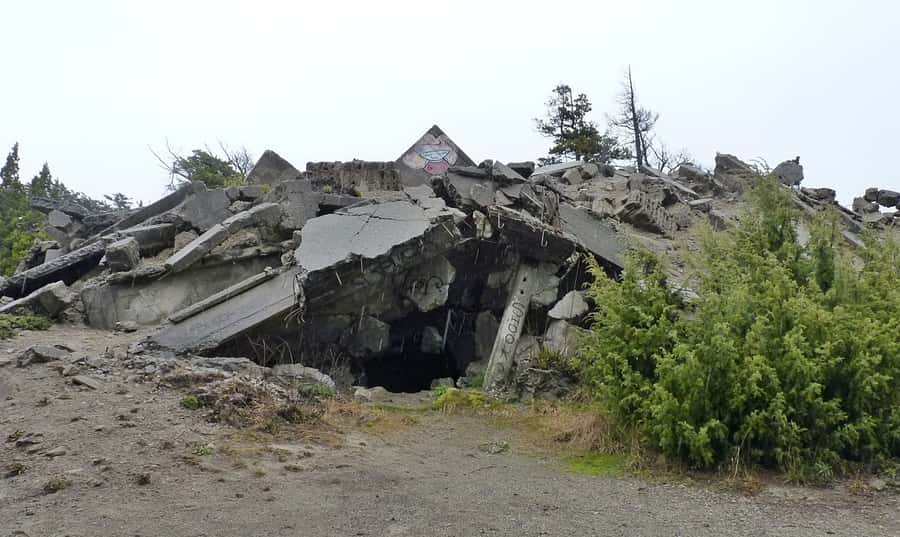
The German School is the most charged stop on the route. This is where Erich Priebke was intercepted after the American journalist Sam Donaldson discovered his presence in Bariloche.
The story is not presented as a detached footnote. It becomes a way to examine how Nazi fugitives reached Argentina, how they lived after the war, and how one of them remained part of local life for decades before being exposed.
You also see the house where Priebke lived before his extradition in 1994. Visiting an actual address gives the story a physical anchor. It is different from hearing about a distant figure in a museum display. You are looking at an ordinary part of the town connected to an extraordinary and troubling past.
This section requires some care. The subject is serious, and the tour’s value depends on keeping the focus on evidence rather than sensational details. The available descriptions suggest that the guide places Priebke within the larger immigration story instead of pretending that every German arrival had the same background.
That balance is important. Bariloche had German residents long before the Nazi period, and the later presence of Nazi fugitives should not be used to explain every German building or family connection. The tour’s three-wave structure helps keep those distinctions clear.
More Historical Tours in Bariloche:
- Cartagena: Historic Center and Getsemaní Shared Walking Tour
★ 4.9 · 2,716 reviews - Lima’s Vibrant Heritage: Exploring the City’s Landmarks Half-day
★ 4.5 · 581 reviews - Santiago: Guided Walking Tour of the Historical Old Town
★ 4.8 · 459 reviews - Maria Fumaça – Wines and History
★ 4.0 · 242 reviews
Belgrano Square and the German neighborhood
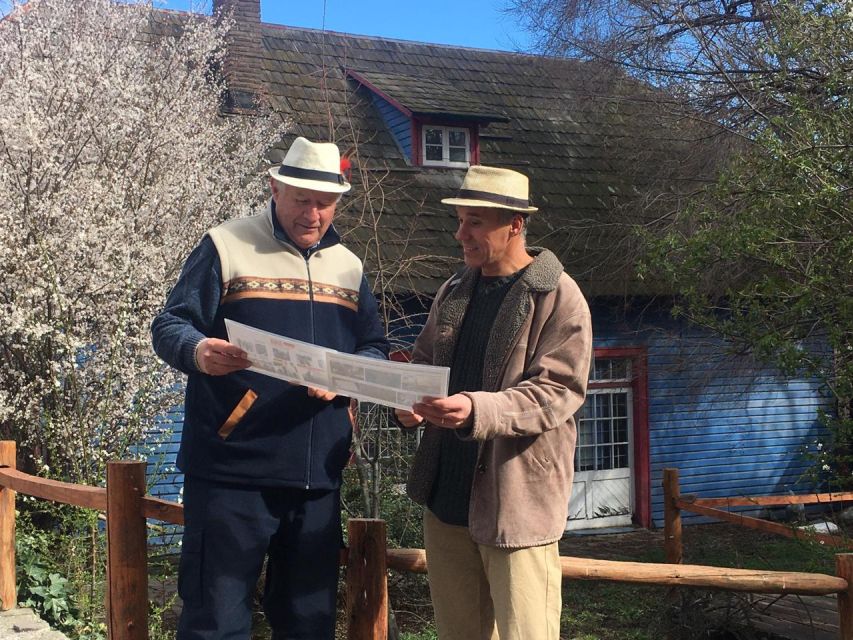
The route continues through Belgrano Square and nearby streets, where you can see different styles of homes with German origins. This is where the history becomes visual.
You may notice details that would otherwise pass without much thought: building shapes, materials, rooflines, or the way houses sit within the town. The walk does not ask you to admire these features in isolation. It explains how imported ideas and local conditions combined to create Bariloche’s distinctive style.
I like this part because it gives you something useful for the rest of your stay. After the tour, you can walk through the center and recognize that Bariloche’s European appearance is not simply a tourist theme. It reflects settlement, institutions, outdoor clubs, and later layers of immigration.
The guide may also use old photographs to compare Bariloche then and now. That kind of visual material helps when the buildings have changed or when modern streets hide the earlier setting. It also keeps the talk grounded in specific places rather than general statements.
Belgrano Square is not a grand museum stop, so set your expectations correctly. Its value comes from interpretation. Without a guide, you might see a pleasant urban space and a few attractive houses. With the historical explanation, those ordinary details become part of a larger story.
The three waves, explained without shortcuts
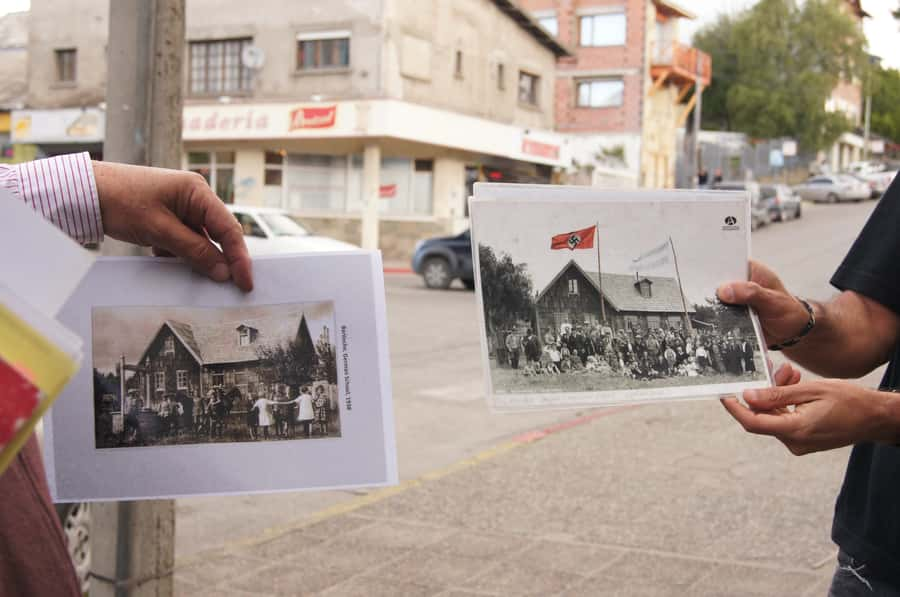
The heart of the tour is the explanation of the three German immigration waves. The supplied information does not give each wave a formal title or exact date range, so your guide provides the structure during the walk.
The first wave belongs to the earlier European settlement of Argentina and the growth of communities that helped shape Bariloche. The second added another layer of German-speaking presence and local influence. The final wave followed the Second World War and included Nazi fugitives, making it the most controversial and widely discussed.
That sequence prevents a common mistake: assuming that German culture in Bariloche began with Nazi escape networks. It did not. You get a clearer sense of which parts of the town’s German character came from ordinary immigration and which belong to the darker postwar story.
I would book this tour if you enjoy history that requires distinctions. It is less satisfying if you only want quick facts or a photo walk. The guide spends time connecting people, dates, buildings, and political events, so the experience works best when you are willing to listen and ask questions.
Several bookings describe Diego as a strong storyteller who uses cliffhangers, old photographs, and frequent changes of location. That approach should suit you if long lectures lose your attention. The route keeps interrupting the talk with movement, which makes 90 minutes pass quickly.
My take on the guide and language format
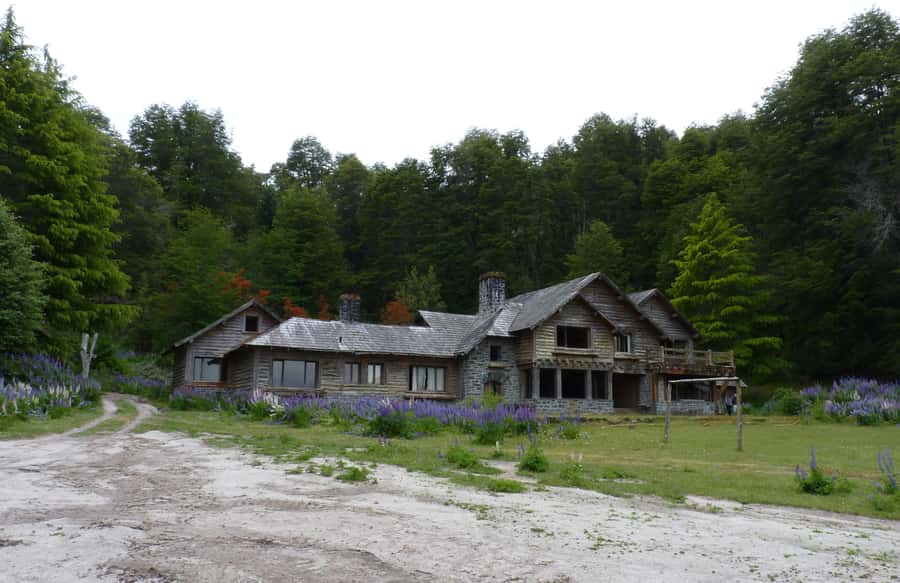
English and Spanish are offered. Diego is frequently identified as the guide, and he is praised for speaking English clearly while keeping Spanish-speaking participants included. That makes the tour a practical choice for mixed-language groups.
A bilingual tour can also change the pace. One booking notes that an English tour became bilingual, leaving less time for questions. Another says the guide ran beyond the scheduled time and continued answering questions afterward. I would treat this as a possible tradeoff rather than a fixed rule.
If questions matter to you, ask them as you go instead of saving everything for the end. The guide’s method of stopping at each site makes that easy. You can also tell the guide at the start if you need a little more time in English.
The group may sometimes be larger than usual. Diego has been praised for making people feel included even with a bigger group, but a large crowd can make it harder to hear or get individual answers. Arrive at the Civic Center meeting point a little early so you can position yourself near the guide.
Is $41 a fair price?
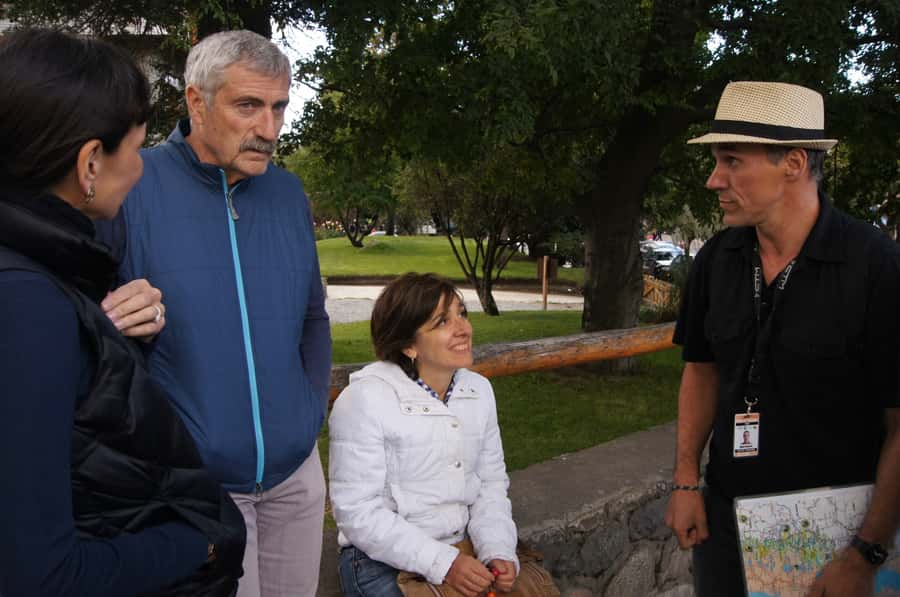
At $41 per person, this is not the cheapest way to spend 90 minutes in central Bariloche. You are paying for a guide-led interpretation rather than transport, food, entry tickets, or a major attraction.
The value depends on your interests. If you would otherwise walk past the Civic Center, German School, Belgrano Square, and the former Priebke residence without understanding their connections, the guide adds the main benefit. The tour turns scattered sights into one usable story.
I see the price as fair for a history-focused experience, especially if you want more than Bariloche’s outdoor activities. It is less compelling if your schedule is already packed with paid excursions or if you prefer exploring streets on your own.
The short duration helps. You are not giving up a full half-day, and the walk can fit between larger plans. The only price concern raised in the supplied feedback is that one person found it slightly expensive. That seems reasonable as a personal reaction, but the strong educational focus may justify it for history fans.
Practical details for a smoother walk
The meeting point is the Bariloche Civic Center square, beside the tourist information office door. The route ends in or near the German neighborhood after about 1 kilometer of walking.
Wear comfortable shoes. The distance is modest, but the area is partly uphill. You do not need hiking gear, though this is not a flat plaza stroll.
The tour lasts 90 minutes, with some sessions running longer. Build in a little flexibility if you want to ask questions or stay for the final discussion about German theories in Patagonia.
Cancellation is free up to 24 hours before the activity for a full refund. You can also reserve and pay later, which helps if your plans depend on weather or changing outdoor conditions.
Who should book this Bariloche history walk?
I would recommend it to you if you want to understand the town before exploring more of the Lake District. It suits history fans, architecture fans, visitors interested in postwar Europe, and anyone curious about why Bariloche has such a strong German image.
It is also a good choice for a mixed itinerary. After several days of lakes, trails, and mountain views, the walking tour gives you a different way to read the town.
You may want to skip it if you dislike guided interpretation, have difficulty with uphill walking, or want a tour focused only on Nazi history. The experience gives equal importance to earlier immigration and local institutions, so the Priebke section is part of a larger account.
Should you book it?
Book this tour if you want context, real locations, and a serious look at Bariloche’s German connections. The combination of the German School, Priebke’s former house, civic buildings, old photographs, and the three-wave explanation gives you more than a surface-level architecture walk.
I would be especially keen to join if Diego is leading in English, based on the repeated praise for his clear delivery and storytelling. Confirm the language format, arrive ready for some uphill walking, and keep a little time after the 90 minutes for questions.
Skip it only if $41 feels high for a short city walk or if your priority is outdoor scenery. For a compact history experience with a difficult subject handled through specific places, it is a worthwhile addition to a Bariloche stay.
FAQ
Where does the German Immigration and History Walking Tour start?
It starts in Bariloche Civic Center square, by the door of the tourist information office.
How long is the tour?
The scheduled duration is 90 minutes. Some sessions may run longer if the guide continues answering questions.
How far do you walk?
The route covers about 1 kilometer and goes from the Civic Center toward the German neighborhood.
Is the route uphill?
Yes. Parts of the route are uphill, so comfortable walking shoes are a good idea.
Which languages are available?
The tour is offered in Spanish and English.
Who usually leads the tour?
Diego is frequently named as the guide and is praised for his English, storytelling, and clear explanations. One booking identifies Pedro as the guide, so the guide may vary.
What sites are included?
The route includes the Civic Center, the Bariloche Andean Club, Nahuel Huapi National Park administration, the German School, Belgrano Square, and the house where Erich Priebke lived.
Can I cancel for a refund?
Yes. You can cancel up to 24 hours in advance for a full refund. You can also reserve now and pay later.
More Walking Tours in Bariloche
- Rio de Janeiro: Rocinha Favela Walking Tour with Local Guide
★ 4.8 · 3,052 reviews - Rio De Janeiro: Half-Day Rocinha Favela Walking Tour
★ 4.7 · 2,272 reviews - Bogotá: Guided La Candelaria Walking Tour
★ 4.8 · 1,229 reviews - La Paz and El Alto: Cable Car Rides and Walking Tour
★ 4.8 · 790 reviews
Just added around Bariloche
- Private Transfer from the Airport to Bariloche Center★ 4.5 · 73 reviews
- 10 Secrets of Bariloche, Nahuel Huapi, and Patagonia★ 5.0 · 46 reviews
- Kayak paddling adventure around Bariloche★ 5.0 · 49 reviews
- Half a day of kayaking on the Nahuel Huapi lake in private service★ 5.0 · 53 reviews
- Bariloche Horseback Riding & Traditional Argentine Barbecue Tour★ 4.5 · 73 reviews
- OneWay Journey: from Bariloche, Argentina to Puerto Varas, Chile★ 4.0 · 52 reviews
- Full Day Cerro Tronador: Eternal Snow and Hanging Glaciers★ 4.5 · 43 reviews
- Discover Cerro Tronador with Ventisquero Negro Glacier★ 4.5 · 64 reviews
Historical Tours, compared.
Historic Center and Getsemaní Shared Walking Tour
Read our review →
Lima’s Vibrant Heritage: Exploring the City’s Landmarks Half-day
Read our review →
Lima: Historic Center Street Food, Market, and Eateries Tour
Read our review →
Nazis in Buenos Aires: a historical walking tour
Read our review →
Browse the lists this tour appears in