
Reviewed · BARILOCHE TOURS
OneWay Journey: from Bariloche, Argentina to Puerto Varas, Chile
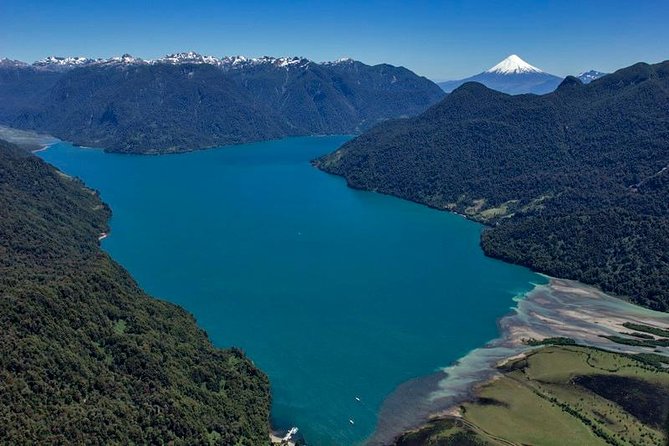
The best part of this trip is that the Andes crossing is not just a bus ride. You move by coach, ferry, and catamaran across three striking lakes, linking Argentina and Chile through forests, mountain passes, and small ports. It follows an old route through Patagonia, though your day comes with modern transport and organized border procedures.
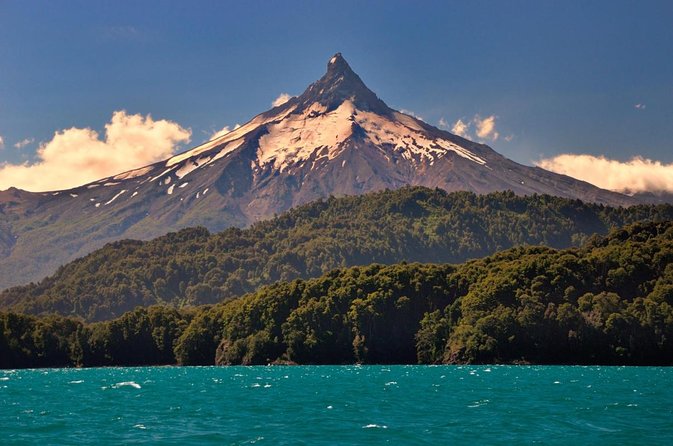
I like the variety. The first boat ride on Lake Nahuel Huapi is especially beautiful, and the views of Tronador, Osorno, and Puntiagudo give the second half real drama. I also like the small group size, with no more than 14 people, plus the generous luggage allowance.
The catch is the clock. This is a full 12-hour transfer with several bus and boat changes, and lunch may not happen until midafternoon. It is a memorable way to reach Puerto Varas, but it is not the fastest or easiest way to cross the border.
Key points to know before booking
- Three lakes, several transfers: You cross Nahuel Huapi, Frias, and Todos los Santos by a mix of boats and buses.
- The first lake is the scenic highlight: Nahuel Huapi offers wide water views, forest, birds, and mountain scenery.
- Border control takes place at Puerto Frias: Keep your passport handy and expect the schedule to shift.
- Lunch is not included: The planned stop at Peulla costs about US$25, and the timing can be late.
- The trip ends in Puerto Varas: Your overnight stay there is not included, so book accommodation before departure.
- Pack for changing weather: Sunblock, sunglasses, comfortable shoes, and waterproof clothing all make sense.
Why this Andes crossing is worth considering
The Cruce Andino route connects San Carlos de Bariloche in Argentina with Puerto Varas in Chile across the northern Patagonian Andes. It is a transport service, but it also works as a sightseeing day. You are not simply sitting on a coach for twelve hours. The route breaks up the ride with lake crossings, short port stops, and views that would be difficult to see on a direct road journey.
The trip begins at 8:00 am and usually takes about 12 hours. That means you should think of it as a full day out, not a casual morning transfer. The small maximum group of 14 is a real advantage when moving luggage, listening to instructions, and dealing with border formalities.
At $347 per person, this is expensive as a point-to-point transfer. The price makes more sense if you want the scenic crossing itself. You are paying for multiple land and lake transfers, a driver or guide, and a checked bag up to 23 kilograms plus a carry-on up to 10 kilograms. Food, park charges, boarding taxes, and your hotel are separate.
More transfers and shuttles around Bariloche:
- Private Transfer from the Airport to Bariloche Center
★ 4.5 · 73 reviews - Buenos Aires: City Highlights Guided Tour with Transfer
★ 4.7 · 1,946 reviews - San Pedro de Atacama: Etno-Stargazing Tour with Transfer
★ 4.8 · 629 reviews
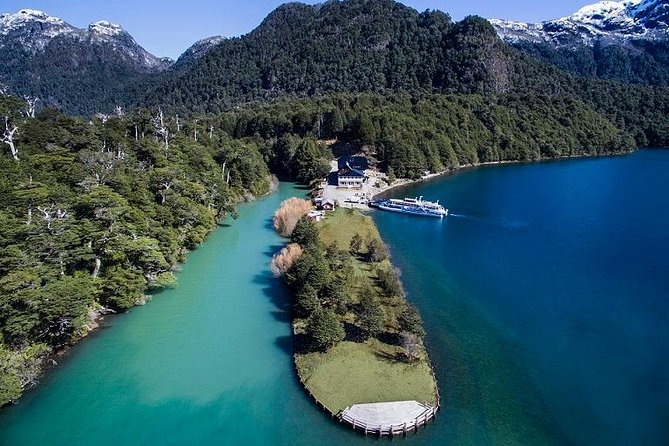
Leaving Bariloche and reaching Puerto Pañuelo
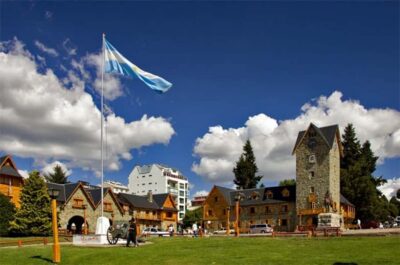
Bariloche is a strong starting point. The city sits inside Nahuel Huapi National Park and is known for its civic center, chocolate shops, hotels, restaurants, and year-round outdoor appeal. The opening portion gives you a short look at the city before the route heads toward Puerto Pañuelo.
Puerto Pañuelo is about 25 kilometers from Bariloche. It is the main lakeside port used for this crossing and marks the change from road travel to boat travel. The port charge is not included. The stated fee is ARS 500 per person, payable in cash, while the boarding and national park charges are listed separately at about US$3.50 or ARS 500. Fees can change under local authority rules, so keep Argentine cash available.
Hotel pickup is included as part of the service, which is useful with luggage and an early start. The final drop-off deserves more caution. Although hotel drop-off is advertised, one account describes being left with bags some distance from the accommodation and having to walk uphill. I would confirm the exact drop-off arrangement in advance, especially if you have heavy luggage or a hotel away from central Puerto Varas.
Lake Nahuel Huapi gives you the best opening
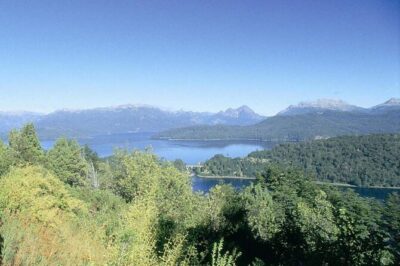
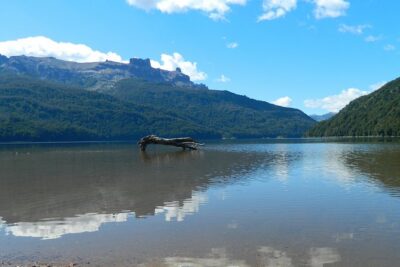
The first major crossing is Lake Nahuel Huapi, and this is likely to be the most impressive part of the day. The lake is broad, blue, and framed by native forest and mountain scenery. Depending on conditions, you might see birds, condors, eagles, deer, and dramatic evening light.
Bring binoculars if you have them. A camera is useful, but do not spend the whole crossing looking through a screen. The scenery changes as the boat moves, and the upper deck gives you the best chance of seeing the full sweep of the lake.
This portion lasts about two hours. It is also where the old route through Patagonia feels most tangible. Before roads and modern border crossings, water was the practical way through this part of the Andes. Today the boat is comfortable, but the geography still controls the journey.
The first boat ride often makes the strongest impression because the water is wide and the views open. The later crossings are attractive in different ways, but you should set your expectations correctly. Weather can change quickly, and rain or cloud may hide the peaks. The route still operates in poor weather, but the views will not always match the brochure.
Puerto Frias and the Argentina-Chile border
The route then reaches the area where the green waters of the Frias River meet Lake Nahuel Huapi. This is a striking color contrast, with dense native forest and cold-climate Valdivian forest around the water. Valdivian forest is uncommon worldwide, and its presence helps explain why this route feels different from a standard intercity transfer.
Puerto Frias sits beside Lake Frias, the smallest of the three lakes on the crossing. The lake gets its green-turquoise color from glacial meltwater. You have about 20 minutes here, and this is also where the Argentina-Chile border procedures take place.
Keep your passport accessible rather than buried in a suitcase. Every person must provide passport name, number, expiry date, and country when booking. Border formalities can add time, and a late lunch is possible as a result.
This is not a place to rush. You will have instructions to follow, luggage to manage, and possibly a wait while documents are processed. The short stop can feel less scenic than the main boat rides, but it is an important part of the crossing and one reason the schedule cannot be treated as exact.
A few more Bariloche days worth comparing
- Bariloche: 7 Lakes & San Martin de Los Andes Road Trip
★ 4.5 · 624 reviews - Bariloche: Circuito Chico with optional Cerro Catedral
★ 4.5 · 316 reviews - Bariloche: German Immigration and History Walking Tour
★ 4.8 · 169 reviews - San Martín de los Andes por 7 Lagos
★ 4.4 · 155 reviews
Peulla is the practical lunch stop
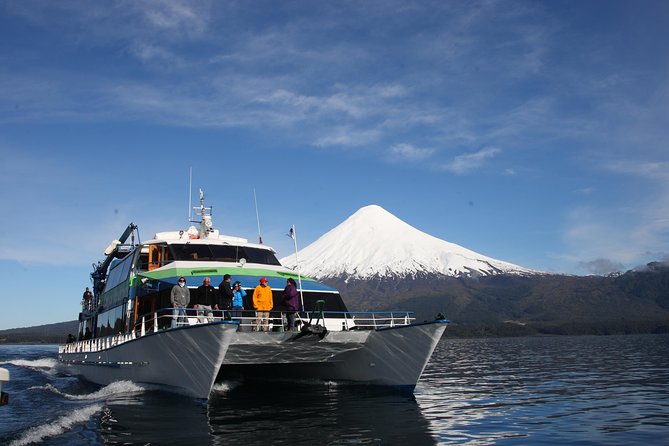
Peulla is a small settlement on the Chilean side and the main break between the two lake sections. The stop lasts about two hours and includes time for lunch, but the meal is not part of the $347 price. The stated cost is about $25 per person.
Plan for a late meal. Some departures may not reach lunch until 2:30 or 3:00 pm, especially if border processing takes longer than expected. If you need to eat earlier, bring snacks. This is one of the simplest ways to make the day more comfortable.
Peulla is described as an ecological village and has been recognized as one of Chile’s most sustainable locations. It is small, and the appeal comes more from its setting and role in the route than from a long list of attractions. You get a chance to stretch your legs, eat, and prepare for the next transfer.
Food and drinks are not included anywhere in the tour details. Bring water and a few snacks, but remember that you still need room for your personal items and travel documents. The group then continues toward Lake Todos los Santos.
Lake Todos los Santos and the volcano views
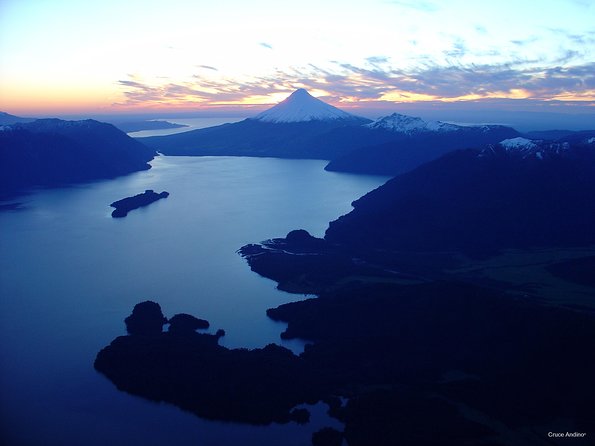
The second major boat section takes you across Lake Todos los Santos. The crossing lasts about two hours, with evergreen forest and steep hills enclosing the emerald-colored water. You may see waterfalls along the shore, as well as three snowy peaks: Mount Tronador, Osorno Volcano, and Puntiagudo.
This part has a different mood from Nahuel Huapi. The first lake feels broad and open. Todos los Santos feels more enclosed, with forested slopes rising close to the water. Some people find this section quieter and less exciting, especially in poor weather. Others prefer the emerald water, waterfalls, and volcano views.
Cloud is the key variable. On a clear day, the peaks can be the visual reward of the crossing. In rain or low cloud, the trip still offers a pleasant boat ride, but the mountains may disappear. Waterproof clothing is not just a packing suggestion here. It gives you the freedom to use the outdoor viewing areas without worrying about a sudden shower.
One ecological point is worth noting. Feeding birds from the boat may seem harmless, but it can alter the behavior of scavenging species and leave food in the water. I would enjoy the wildlife without feeding it.
Reaching Puerto Varas after a long day
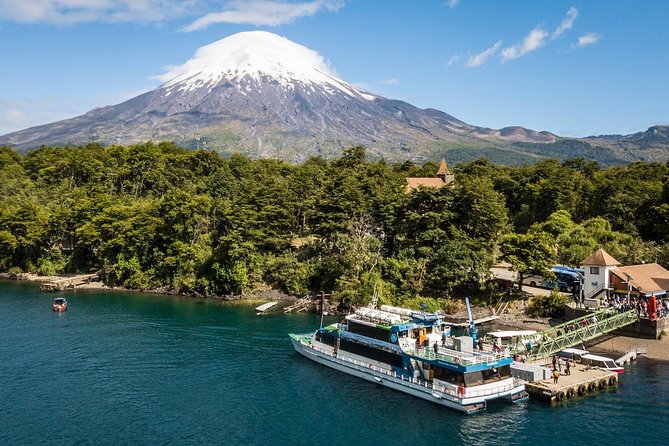
Puerto Varas is the final destination, near Puerto Montt. The town is a useful base for exploring southern Chile, with access to places such as Frutillar and views toward Osorno and Calbuco volcanoes. German pioneer influence is part of the local character, and the area is known for Chilean wine, international food, and clear night skies.
The transfer ends in a different place from where it began, so you must arrange your Puerto Varas accommodation yourself. This matters more than it might seem. After twelve hours of boats, coaches, stops, and border control, you will not want to search for a room on arrival.
The exact drop-off point should also be confirmed. The service includes hotel pickup and drop-off in its description, but the final transfer has not always matched that promise. If your hotel is on a steep street or away from the central area, ask where the vehicle will leave you and how much luggage assistance you can expect.
The transport and comfort trade-off
The route uses a repeated pattern of coach, boat, coach, and boat. That variety is the reason to book it, but it is also what makes the day tiring. Every change means collecting bags, following instructions, and getting settled again.
The boats are described as comfortable and are not necessarily crowded, particularly with a group cap of 14 for the organized portion. Still, this is not a slow cruise with a private cabin and long time to relax. It is a working transport route, with fixed connections and border procedures.
A driver or guide accompanies the land portions and helps coordinate the route. Commentary may not always be equally easy to hear for everyone. If the guide speaks in Spanish and then gives English information separately, engine noise can make the second explanation hard to catch. Ask early if you need English instructions repeated.
Wear shoes that handle wet ground and repeated boarding. Carry your passport, cash, phone, medication, and snacks in a small day bag rather than in your main suitcase. Your checked bag allowance is generous, but the bag may not be beside you at every stage.
Who should book this crossing?
I would choose this trip if you value scenery and want the crossing itself to be part of your Patagonia experience. It suits people who enjoy changing transport, mountain water, and a full day with several distinct stages.
It is also a good fit if you want to avoid arranging separate buses, boats, and border connections. The organized format removes much of the planning burden, and the small group helps keep the day manageable.
I would hesitate if your main goal is simply to get from Bariloche to Chile quickly. A flight may be more sensible for that purpose. I would also hesitate if you dislike long travel days, uncertain meal times, or weather-dependent views.
The most scenic sections are the first Lake Nahuel Huapi crossing and, on a clear day, Lake Todos los Santos with its volcanoes. The road sections are less exciting, and the repeated transfers can wear you down. That is the honest trade: you get a memorable route, but not an effortless one.
Should you book it?
Book the Cruce Andino if you have a full day, a flexible attitude, and a real interest in seeing Patagonia from the water. The three lakes, glacial colors, forests, and volcanoes make this far more interesting than a standard border bus.
Skip it if the $347 price feels high for transportation, if you need a guaranteed early arrival, or if you want a simple, direct journey. Bring food, cash, waterproof clothing, and a clear Puerto Varas hotel plan. With those details handled, this is a demanding but distinctive way to cross the Andes.
FAQ
How long does the Bariloche to Puerto Varas crossing take?
The journey takes approximately 12 hours, beginning at 8:00 am.
How many lakes do you cross?
The route includes Lake Nahuel Huapi, Lake Frias, and Lake Todos los Santos. The main boat crossings are on Nahuel Huapi and Todos los Santos, while Lake Frias is part of the border route.
Is lunch included?
No. Lunch is not included. The planned stop is at Peulla, where lunch costs about US$25 per person.
Are border fees and park charges included?
No. Port, migration, and national park fees are not included. The stated boarding and park charge is about US$3.50 or ARS 500, payable in cash, and the values may change.
How much luggage can I bring?
The included allowance is one suitcase up to 23 kilograms and one carry-on up to 10 kilograms.
Is hotel pickup and drop-off included?
Hotel pickup and drop-off are listed as included. Because the final drop-off has not always been directly at the hotel, confirm the exact arrangement before departure.
What should I wear and bring?
Bring sunblock, sunglasses, comfortable shoes, and waterproof clothing. You should also carry your passport and Argentine cash for applicable fees.
Just added around Bariloche
- Private Transfer from the Airport to Bariloche Center★ 4.5 · 73 reviews
- Half a day of kayaking on the Nahuel Huapi lake in private service★ 5.0 · 53 reviews
- 10 Secrets of Bariloche, Nahuel Huapi, and Patagonia★ 5.0 · 46 reviews
- Kayak paddling adventure around Bariloche★ 5.0 · 49 reviews
- Bariloche Horseback Riding & Traditional Argentine Barbecue Tour★ 4.5 · 73 reviews
- Full Day Cerro Tronador: Eternal Snow and Hanging Glaciers★ 4.5 · 43 reviews
- Discover Cerro Tronador with Ventisquero Negro Glacier★ 4.5 · 64 reviews
- From Bariloche: Cerro Tronador Full-Day Tour★ 4.3 · 57 reviews
Bariloche Tours, compared.
Bariloche Small Circuit: Mt Campanario and Llao Llao Peninsula
Read our review →
Browse the lists this tour appears in