
Reviewed · COLCA CANYON TOURS
From Arequipa: Full Day Tour of Colca Canyon with Meals
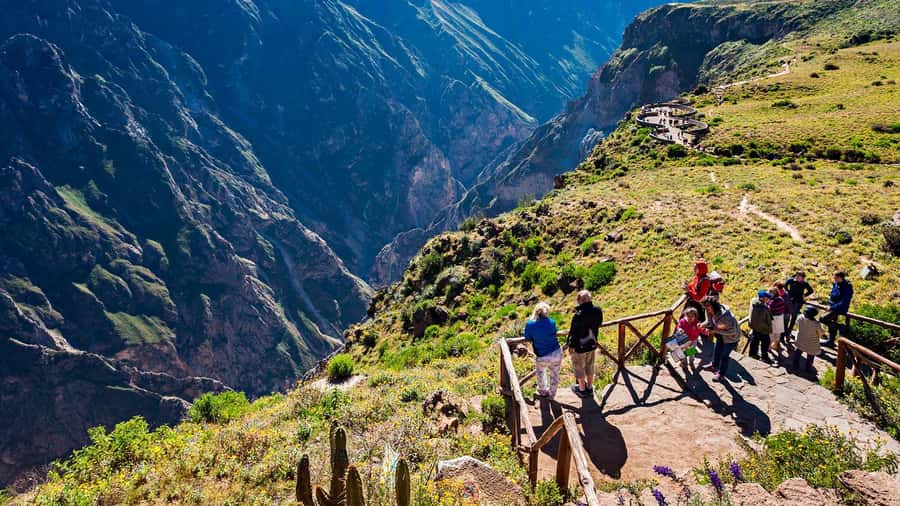
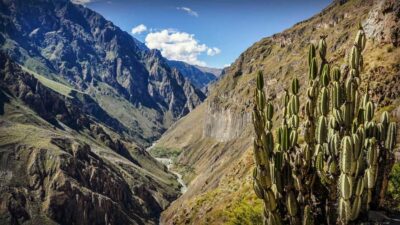
Colca Canyon is the star here, but the Andean journey is half the experience. You leave Arequipa before dawn, cross high mountain country, watch for condors at Cruz del Cóndor, then return through villages, terraces, wetlands, and vicuña country. The canyon is among the deepest in the world, and the route gives you a useful look at southern Peru beyond the city.
I like two things especially: the tour packs the main Colca sights into one long day, and guides such as David, María, and Danny are praised for clear English, good timing, and a warm sense of humor. I also like the chance to add Chacapi’s hot springs, which gives your tired body a break after hours in a van.
The catch is the very early start and long road day. The minivan can be uncomfortable, seatbelts may not be available, and several costs are extra. At $27, it is a strong starting price, but it is not the final amount you should plan to spend.
Key points to know before booking
- Cruz del Cóndor comes early: You reach the main viewing area at about 8:30 a.m., when condor sightings are possible but never guaranteed.
- The day lasts about 15 hours: Pickup is usually between 3:00 and 3:30 a.m., with arrival back in Arequipa around 5:00 p.m.
- The 70-sol entrance is extra: This mandatory Colca ticket is separate from the advertised tour price, with discounts for South American or Peruvian citizens.
- Lunch and hot springs cost extra: Lunch is not included, and the optional Chacapi bath costs 15 soles.
- You climb high: The highest point on the return route reaches about 4,910 meters, so acclimatization matters.
- The best part is not only the canyon: Colonial churches, terraces, alpacas, llamas, vicuñas, wetlands, and local drinks fill out the day.
Why this $27 Colca Canyon trip can be good value
At $27 per person, this is an inexpensive way to reach a place that is awkward to visit independently in a single day. Transport from Arequipa, a bilingual guide, and breakfast are included. You also get the major viewpoints and several village stops without arranging separate buses or transfers.
Still, treat $27 as the base price. The mandatory entrance ticket is 70 soles, lunch is separate, and the hot springs cost 15 soles if you choose to enter. Extra activities and purchases can also appear at certain stops. One meal option has been priced around 60 soles, so bring enough cash and decide in advance how much you want to spend.
For a budget-minded visitor with only one free day, the value is solid. You are paying for a long ride and a fast look at a huge region, not a slow visit to every village. If you want a quiet canyon stay, a hike, or more time in local communities, an overnight trip will suit you better.
More Colca Canyon trips:
- From Arequipa: Colca Canyon Full-Day Guided Tour with Meals
★ 4.5 · 982 reviews - 2-Day Tour Colca Canyon in Arequipa with end in Puno
★ 4.6 · 248 reviews - From Arequipa: 2-Day Colca Canyon Trekking Tour
★ 4.8 · 243 reviews
The 3 a.m. departure and the road to Chivay
Pickup takes place from Arequipa hotels, generally between 3:00 and 3:30 a.m. The vehicle should come to the front of your hotel, while the guide looks for you inside by name. The exact pickup time is usually confirmed the day before, so keep your phone available.
The first major road section takes roughly three hours. You travel through Yura toward Chivay, usually stopping for breakfast after the early drive. Breakfast is included, though it is described as basic rather than a major meal. I would still eat something before pickup if you need a substantial start to the day.
This is the part where comfort matters. You may be able to sleep, but do not count on it. One vehicle was described as cramped, with an awkward front seat and excessive heat used to prevent the windows from fogging. Another practical concern is that seatbelts may not be fitted in every minivan.
Wear layers, carry water, and bring a scarf or small pillow if you like to sleep on buses. The road is long and can be bumpy. That is the price of reaching Colca Canyon in one day.
Cruz del Cóndor at about 8:30 a.m.
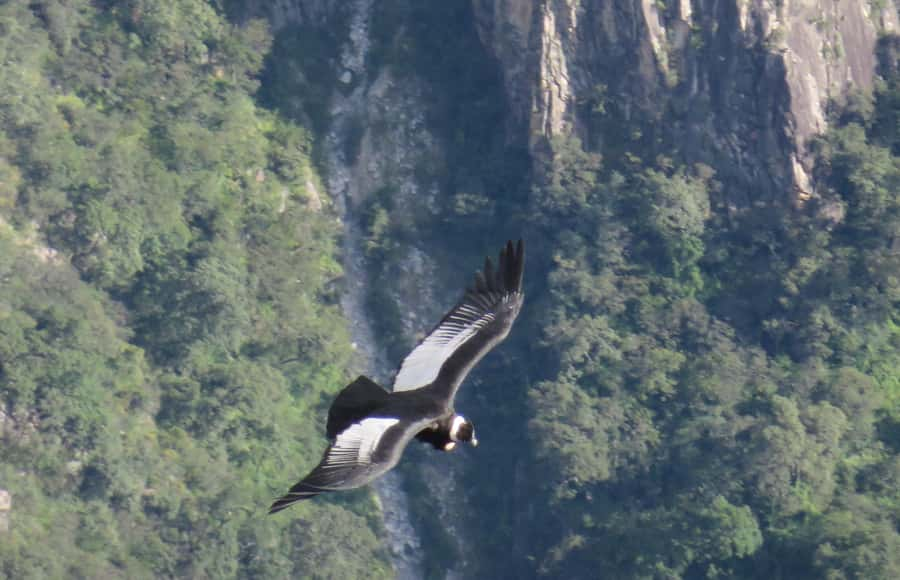
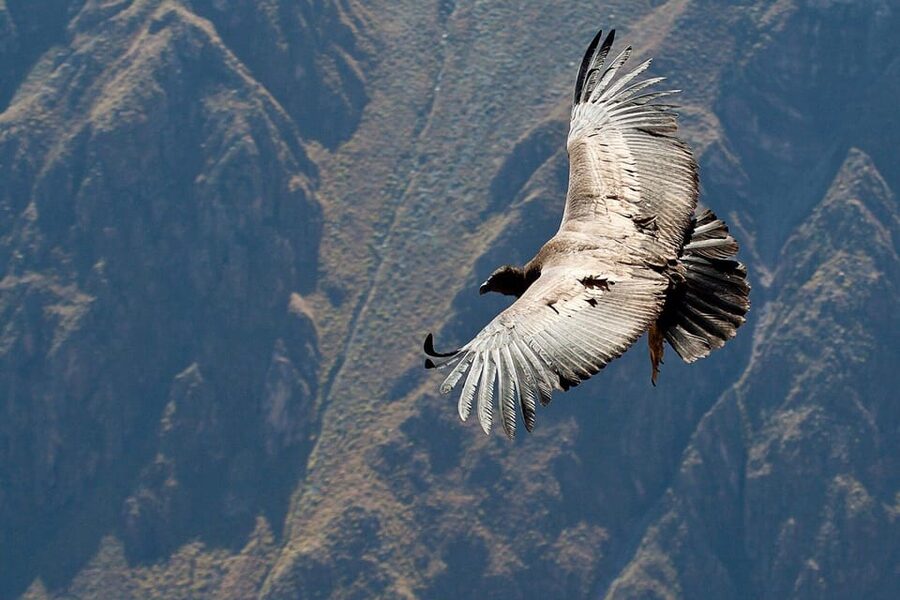
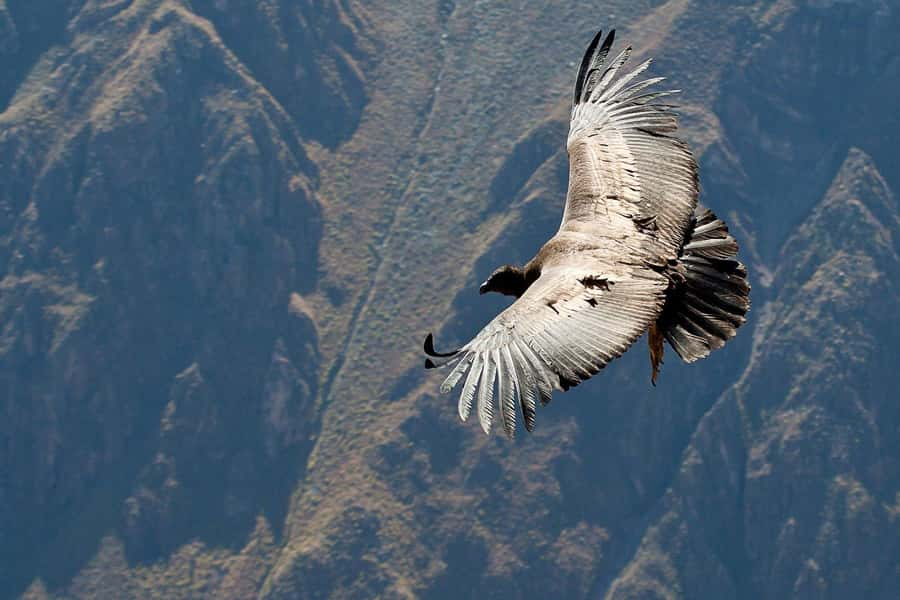
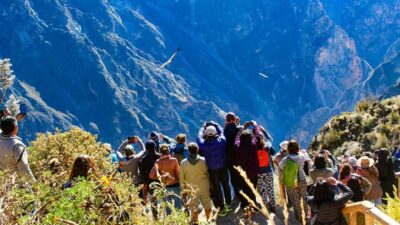
The main goal is Cruz del Cóndor, reached at approximately 8:30 a.m. Here you look down into the Colca Canyon and wait for Andean condors to rise on the air currents. The timing is useful because the morning is the key viewing period, but nature still sets the schedule.
Condor sightings are not guaranteed. On a good morning, you might see several birds at once, and one group saw five together. On another day, you may have to settle for the canyon itself, which is still an impressive sight. Bring a camera with a good zoom lens if bird photography matters to you. A phone can record the moment, but it may not capture a distant condor well.
You have about 70 minutes here, enough for photos and a proper look if the viewing area is busy. The guide can add context in English and Spanish, and the strongest guides keep the information flowing without talking every second. David is especially noted for combining facts about Peru with an easy, funny manner.
This stop is the emotional high point of the day. It is also the reason you accept the 3 a.m. pickup. If seeing condors is your only goal, remember that you are paying for the whole route, not a guaranteed wildlife encounter.
Pinchollo, Maca, and Yanque: churches and local life
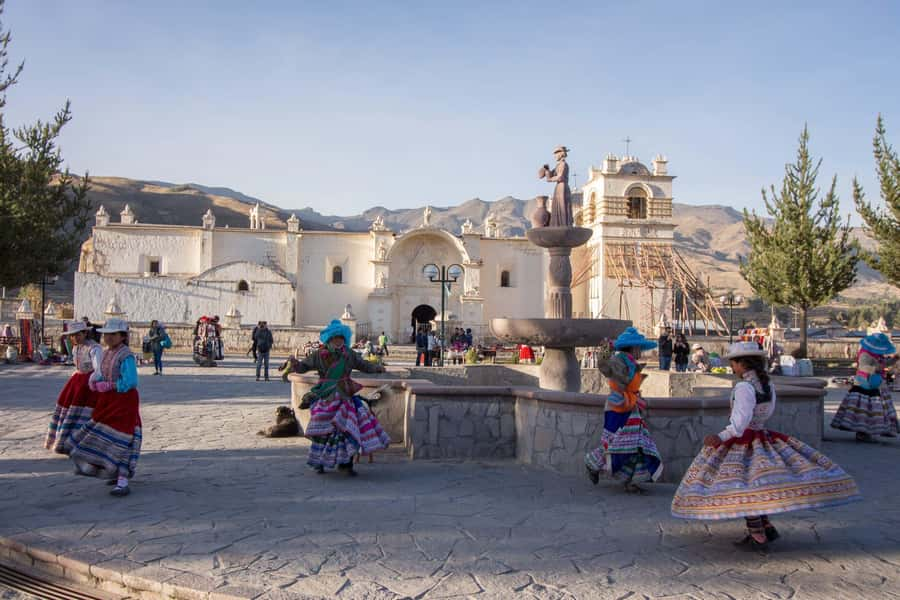
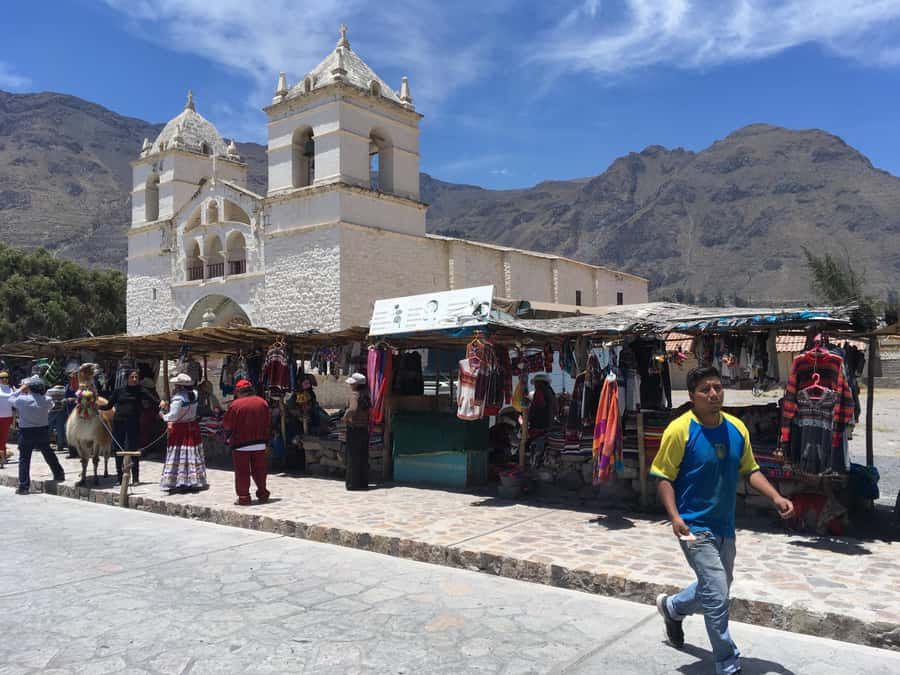
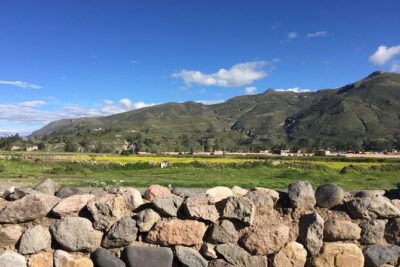
The return route slows down with stops in Pinchollo, Maca, and Yanque. These towns have colonial churches and offer a glimpse of the settled Colca Valley. The stops are short, but they keep the day from becoming only a series of roadside photo breaks.
At viewpoints such as Antahuilque and Choquetico, you can see pre-Inca tombs, models, terraces, and the broad Colca setting. The terraces are especially important because they show how people have worked steep mountain valleys over many generations. Your guide can help connect what you see from the road with local customs and Andean agriculture.
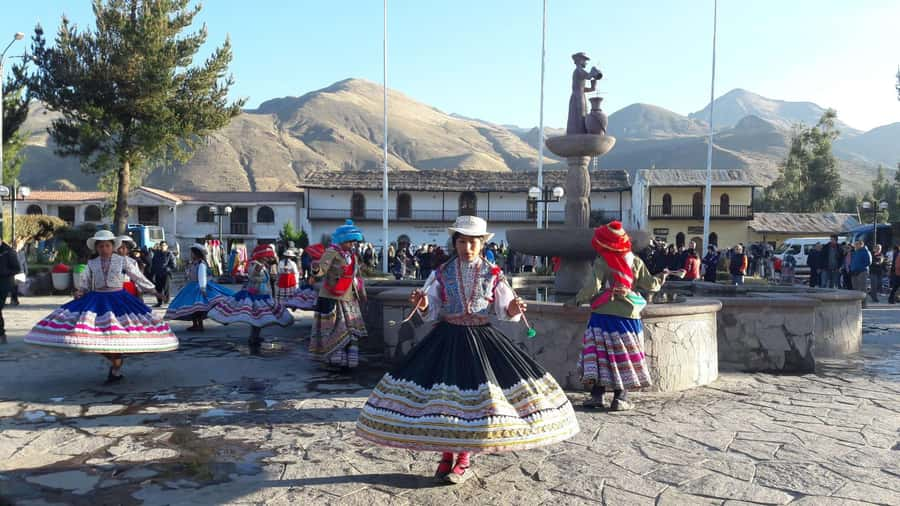
Maca is a shopping and photo stop, with time to look around and see traditional costumes, camelids, and trained birds. You might also be offered a Colca Sour made with sancayo, a local cactus fruit. These stops can feel commercial if you want uninterrupted scenery, so keep your expectations realistic. They are part of the cultural side of the trip, but they also invite extra purchases.
Yanque allows about an hour of free time. That gives you more breathing room than the quick stops, and the church and town setting provide a change from the canyon viewpoints. Keep small coins or notes if you want photos with alpacas or llamas. A small tip may be expected for that picture opportunity.
A few more Arequipa days worth comparing
- Tour to the Salinas Lagoon and National Reserve in Arequipa
★ 4.5 · 548 reviews - From Arequipa: Sillar Route Trek
★ 4.2 · 461 reviews - Arequipa: Chili River White Water Rafting with Hotel Pickup
★ 4.8 · 329 reviews - Colca Canyon Plus
★ 5.0 · 198 reviews
Chacapi hot springs at 11:30 a.m.
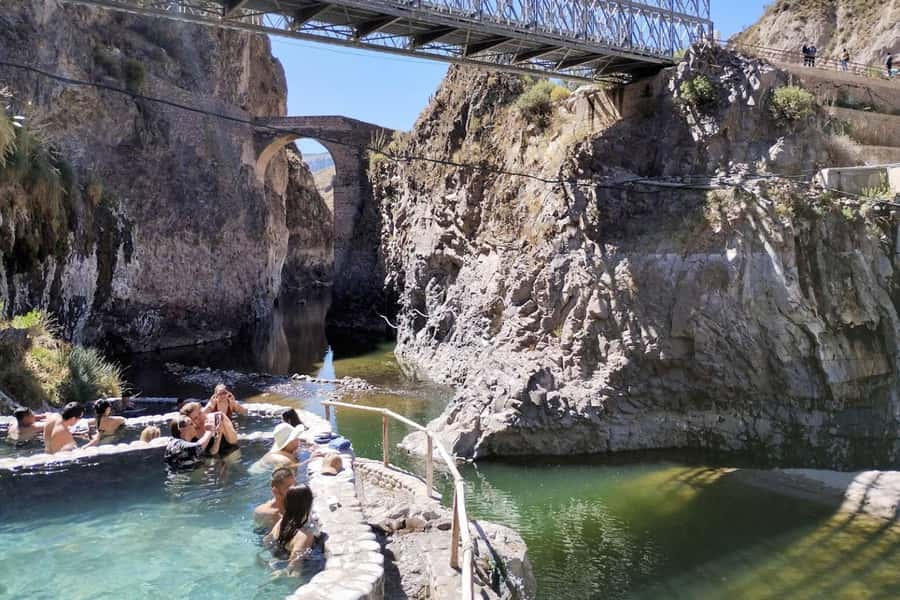
Around late morning, the group heads to the Chacapi thermal baths. The pools have natural views, and the stop gives you a chance to relax before lunch and the long drive back to Arequipa.
Entry is optional and costs 15 soles. Bring a swimsuit and a small towel if you plan to use the pools, though the supplied details do not specify towel service. If you would rather save money or keep your clothes dry, you can use the stop as a rest break.
The hot springs are a smart addition to such a demanding day. After an early departure, high-altitude roads, and repeated van rides, even a short soak can make the return journey easier. The timing is also practical: you visit before lunch rather than arriving back in Arequipa exhausted and wishing you had stopped.
Lunch in Chivay and the extra-cost question
Lunch takes about an hour in Chivay. The meal is not included in the $27 tour price. A buffet option has been priced at about 60 soles, and there may not be many convenient alternatives nearby.
If you dislike buffets or want to control your budget, bring a sandwich and snacks. This is one of the few parts of the day where planning ahead can save both money and frustration. If you do choose the buffet, you gain a simple group meal without having to search for food during a tightly timed stop.
The food itself has been described positively, but the cost catches some people off guard. Ask the guide what is available and how much it costs before you sit down. Carry Peruvian soles, since the entrance, bath, meal, tips, and small purchases can quickly add up.
The high return route at 4,910 meters
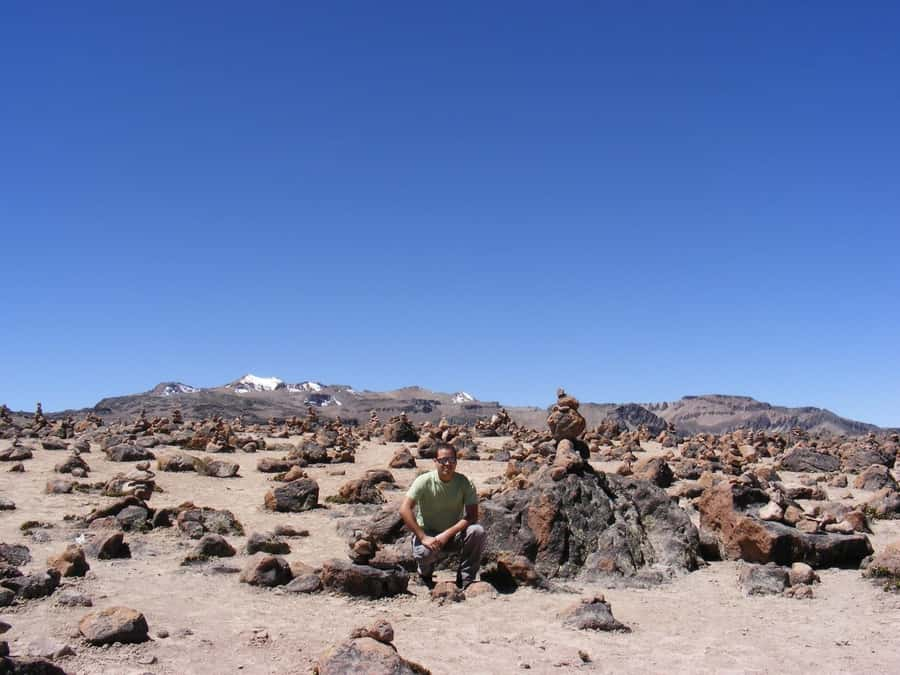
After Chivay, the return journey includes some of the day’s most striking mountain stops. A volcano viewpoint reaches about 4,910 meters above sea level. That is high enough for altitude symptoms to matter, even if you feel fine in Arequipa.
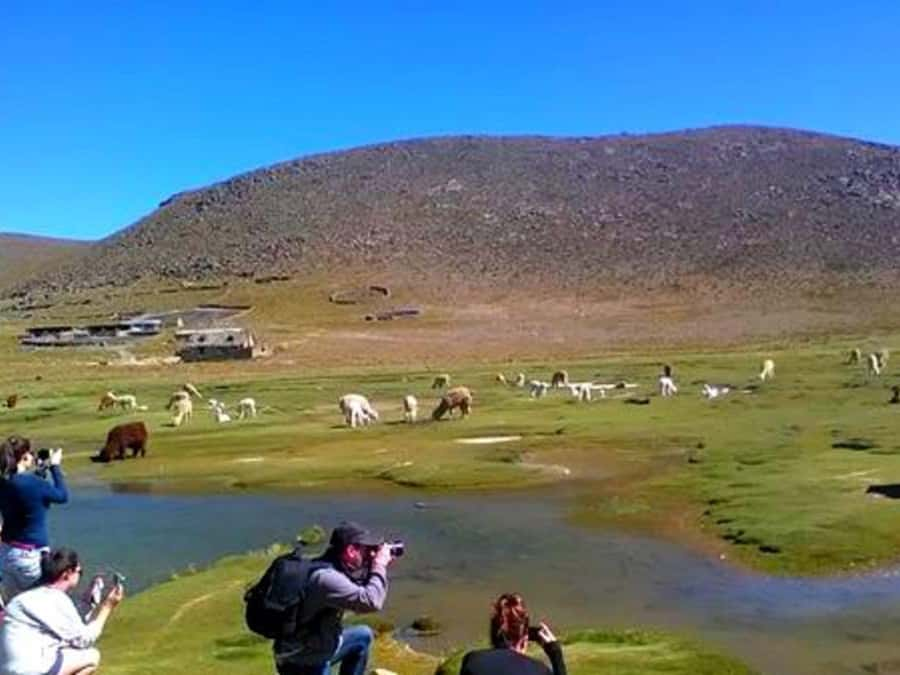
You also stop at the Tocrapampa wetlands, where you may see wild birds, alpacas, and llamas. These high-country scenes are calmer than Cruz del Cóndor and give you a better feel for the scale of the Andes. The animals are not placed in a formal zoo setting, so sightings vary.
At Pampa Cañahuas, the route passes through the Aguada Blanca and Salinas National Reserve. This is where you may see herds of vicuñas, the slender wild camelids known for extremely fine fiber. Along with alpacas and llamas, they add a strong wildlife element to what could otherwise be a sightseeing bus ride.
These final stops are valuable because they show that Colca is more than a canyon viewpoint. You see open puna, wetlands, volcano country, and animals adapted to high altitude. The downside is that you may be tired by this point, and the return drive still takes about two and a half hours.
Altitude, weather, and physical demands
Acclimatize for at least a day if Arequipa is your first high-altitude city on this trip. The tour is not suitable for people with altitude sickness, pregnant women, children under six, people with pre-existing medical conditions, or anyone over 95 years old.
Altitude medication deserves care. The supplied advice warns you to be cautious with preventive medicines, so speak with a qualified medical professional rather than taking something casually. If you develop serious symptoms, tell the guide.
Bring warm clothing even if Arequipa feels mild. The morning can be cold, and the high viewpoints may feel colder still. Add sunscreen, water, sturdy shoes, and a hat. The route includes walking around viewpoints and towns, but it is not a canyon trek.
The best weather is generally from April through December. Conditions can still change quickly in the mountains, so warm layers remain useful outside those months.
Guides and the value of good timing
The guide can make a large difference on a day this long. David has been praised for clear explanations in English and Spanish, humor, and strong knowledge of the mountain region. María is noted for keeping the group informed without overwhelming people, while Danny is described as attentive and good at keeping everyone in the right place at the right time.
That matters because the tour has many moving parts. The guide has to manage hotel pickup, breakfast, condor viewing, village stops, lunch, high mountain viewpoints, and the return to Arequipa. Good pacing helps you enjoy the day instead of feeling herded from one stop to the next.
The bilingual format is useful for mixed groups. You may hear explanations in both English and Spanish, so some stops take longer than they would with a single-language guide. The upside is that you can ask questions and learn about local customs, geography, and history along the way.
One caution: group schedules can change if someone has a tight onward connection. A return departure was hurried to accommodate a passenger catching a flight, which affected the whole group. Do not book a same-evening flight with a narrow connection after this tour.
Who should book this tour?
You should consider it if you have only one day from Arequipa, want to see condors without an overnight trek, and can tolerate a long bus ride. It also suits people who like variety: canyon views, churches, terraces, hot springs, wildlife, and high mountain scenery all appear in one day.
It is less suitable if you need comfortable transport, dislike early mornings, or want long, quiet visits at each place. The tour is also a poor match for anyone who has not adjusted to altitude or has medical restrictions listed by the operator.
The advertised $27 price is attractive, but plan for the 70-sol ticket, lunch, and optional 15-sol bath before deciding. With those additions, the tour remains useful for a full day, but it is not a no-cost bargain.
Should you book this Colca Canyon day trip?
Book it if your priority is seeing the main sights in one demanding day. The condors, high passes, vicuñas, terraces, and colonial villages make this a broad introduction to Colca, and the bilingual guides can add real value when they explain what you are seeing.
Skip it if you want comfort or depth. An overnight Colca visit gives you more time, while an independent plan may let you avoid shopping stops and choose your own meals. For a first visit with limited time, though, this tour offers a practical route at a low starting price. Just arrive rested, dress warmly, carry cash, and accept that the Andes will not fit neatly into a relaxed schedule.
FAQ
How long does the Colca Canyon tour last?
The activity lasts about 15 hours. Pickup from Arequipa is generally between 3:00 and 3:30 a.m., and arrival back in Arequipa is expected around 5:00 p.m.
Is hotel pickup included?
Yes. Pickup is included from hotels in Arequipa. The vehicle goes to the front of the selected hotel, and the guide looks for you inside by name. The exact pickup time is usually confirmed the day before.
Is the Colca Canyon entrance ticket included?
No. The mandatory ticket costs 70 soles, with discounts for South American or Peruvian citizens.
Are breakfast and lunch included?
Breakfast is included. Lunch is not included, and a buffet option has been offered at about 60 soles. You can also bring a small sandwich if you do not want to purchase the meal.
How much do the hot springs cost?
The Chacapi thermal baths are optional and cost 15 soles. They are visited around 11:30 a.m.
What languages does the guide speak?
The tour provides a live guide in English and Spanish. Guides such as David, María, and Danny have led the experience.
Just added around Arequipa
- Turist Bus Colca Canyon (Chivay) To Puno★ 5.0 · 83 reviews
- 3-Day Colca Canyon trek with Professional Guide★ 5.0 · 40 reviews
- Trekking, Waterfalls and Thermal Baths★ 4.5 · 47 reviews
- Sillar Route and Culebrillas Petroglyphs★ 4.5 · 89 reviews
- Salinas National Reserve PRIVATE TOUR★ 5.0 · 81 reviews
- Sillar Route in Arequipa and viewpoint of the Volcanoes★ 4.0 · 71 reviews
- Full Day Tour / Colca Canyon★ 4.0 · 70 reviews
- Colca Full Day★ 5.0 · 57 reviews
Colca Canyon Tours, compared.
2-Day Tour Colca Canyon in Arequipa with end in Puno
Read our review →
From Arequipa: 2-Day Colca Canyon Trekking Tour
Read our review →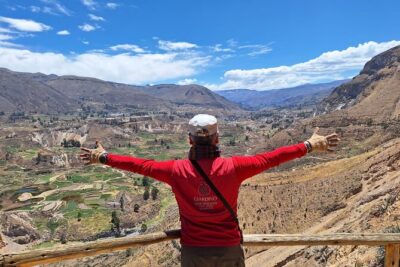
From Arequipa: Colca Canyon Day Trip with Transfer to Puno
Read our review →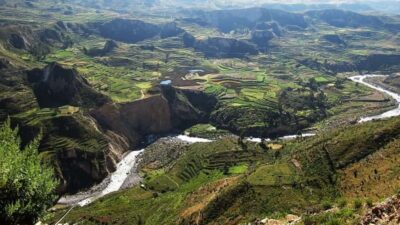
From Puno to Arequipa: 2 Days/1 Night Colca Canyon Tour
Read our review →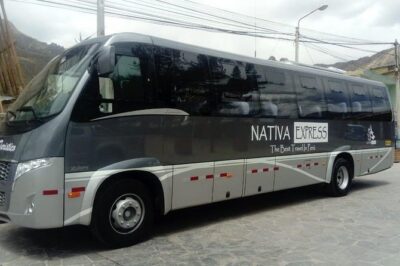
Browse the lists this tour appears in