
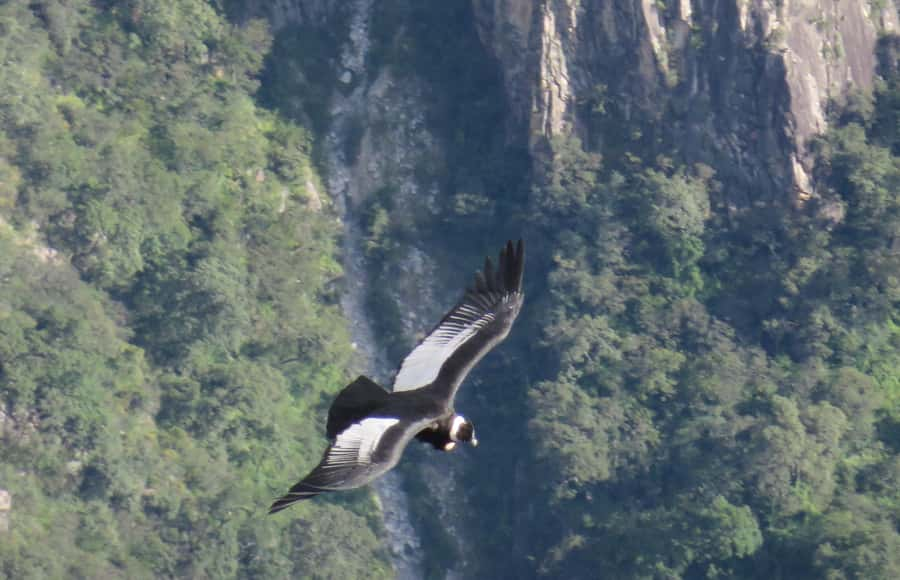
Reviewed · COLCA CANYON TOURS
2-Day Tour Colca Canyon in Arequipa with end in Puno
The best part of this trip is that it turns a long transfer into a proper Andean journey. You travel from Arequipa to Chivay and Colca Canyon, then continue to Puno instead of retracing the same road. Along the way, you see vicuñas, alpacas, volcanic peaks, high-altitude wetlands, terraced valleys, and, with luck, condors circling above the canyon.
I like the overnight in Chivay, which breaks up what would otherwise be a punishing bus ride, and I like the small group of up to 18 people, which gives the guide room to explain the plants, animals, crops, and villages. The main caution is altitude: the route reaches 4,800 meters, and the second day ends with a long ride to Puno.
Key points at a glance
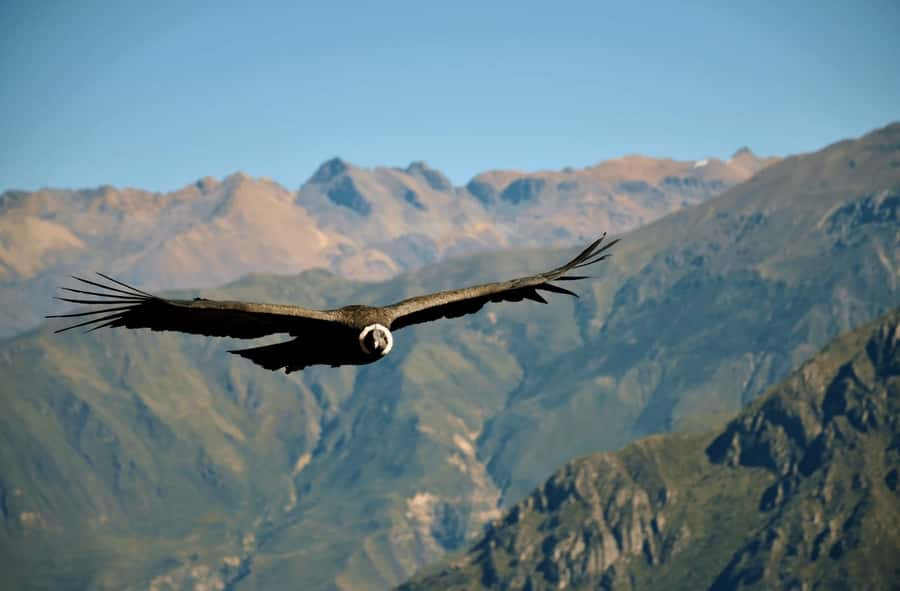
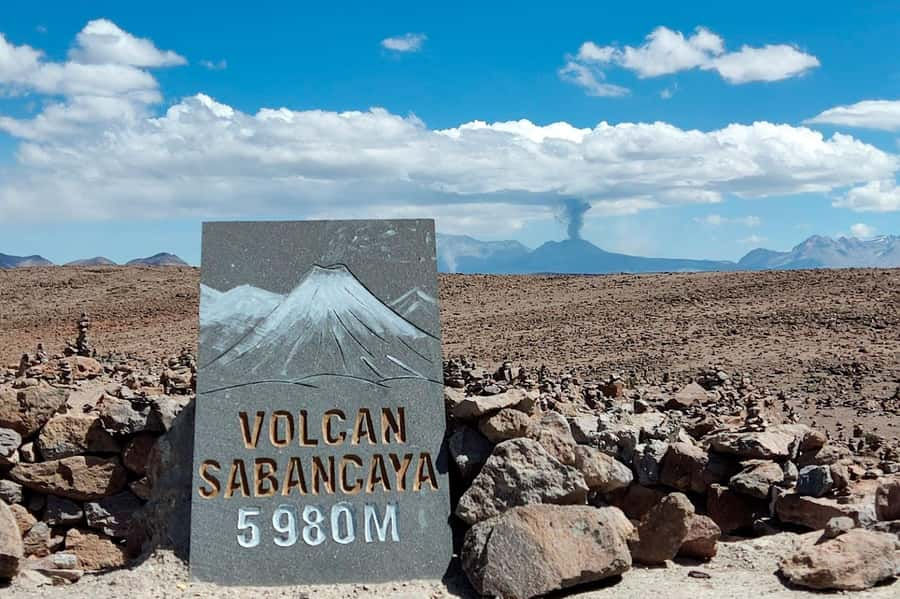
- 4,800-meter volcano viewpoint: Stop at the highest point on the road for broad views of the western mountain range.
- Overnight in Chivay: Stay in town, enjoy optional hot springs, and avoid rushing back to Arequipa.
- Condors at Cruz del Cóndor: Spend about 45 minutes at the main Colca Canyon viewpoint.
- Animals in their natural setting: Look for wild vicuñas in Salinas and Aguada Blanca and alpacas at Toccra Bofedales.
- One-way route to Puno: Continue by guided tourist transport and arrive near Puno’s main square around 7:30 p.m.
- Low headline price, extra costs: The $78 fare excludes accommodation, meals, hot springs, and the mandatory $20 Cruz del Cóndor ticket.
Why this two-day route makes sense
The Colca Canyon is often sold as a day trip from Arequipa, but that version can feel like a race. You leave early, spend hours on the road, visit the canyon, and return to the same city late. This two-day option gives you a night in Chivay and then uses the following afternoon to move onward to Puno.
That routing is the main reason I would consider this tour. If Puno is already part of your Peru plans, you avoid paying for a separate transfer and gain a full day of scenery between the two cities. The tour costs $78 per person, which is a strong base price for transport, guiding, and the Arequipa to Puno connection.
The real cost is higher once you add the required extras. You need to budget for your Chivay hotel, lunch and dinner on the first day, lunch on the second day, the $5 hot springs entrance if you go, and the $20 ticket for Cruz del Cóndor. Even with those costs, the trip can offer good value because it combines sightseeing and transportation in one booking.
More 2-Day Trips in Arequipa
- From Arequipa: 2-Day Colca Canyon Trekking Tour
★ 4.8 · 243 reviews - 2 Day 1 Night Trek / Colca Canyon
★ 4.5 · 92 reviews - From Puno to Arequipa: 2 Days/1 Night Colca Canyon Tour
★ 3.6 · 83 reviews
Day one: Arequipa to Chivay through high country
Pickup begins between 7:30 and 8 a.m. at hotels in central Arequipa. If your hotel is remote, you may need to meet the group at the Cathedral in the main square. The vehicle comes as close as traffic rules allow, and the guide looks for you by name at the hotel entrance.
Expect a long morning in the vehicle, but it is broken into several stops. The drive to Chivay takes about four hours when the viewpoints and short visits are included. Bring water, a warm layer, sunscreen, and something small to eat. The route climbs quickly, and light meals are recommended before the trip.
Your first major stop is the Salinas and Aguada Blanca National Reserve. This is one of the most rewarding parts of the morning because you are not simply looking at distant mountains. Vicuñas live in this high plain, and you may see them moving across the open ground. These wild camelids are smaller and more delicate than the domesticated alpacas you will see later.
At Patahuasi, you stop for coca tea. The drink is closely linked with high-altitude travel in the Andes and is offered as a traditional way to help with the effects of mountain sickness. It is not a cure, and you should not treat it as medical protection, but the warm cup gives you a useful pause before the road climbs higher.
The next stop is Toccra Bofedales, a wet highland area where alpacas graze freely. The change from wild vicuñas to domesticated alpacas gives the morning some variety. It also lets you see how animal raising fits into daily life in this part of Peru.
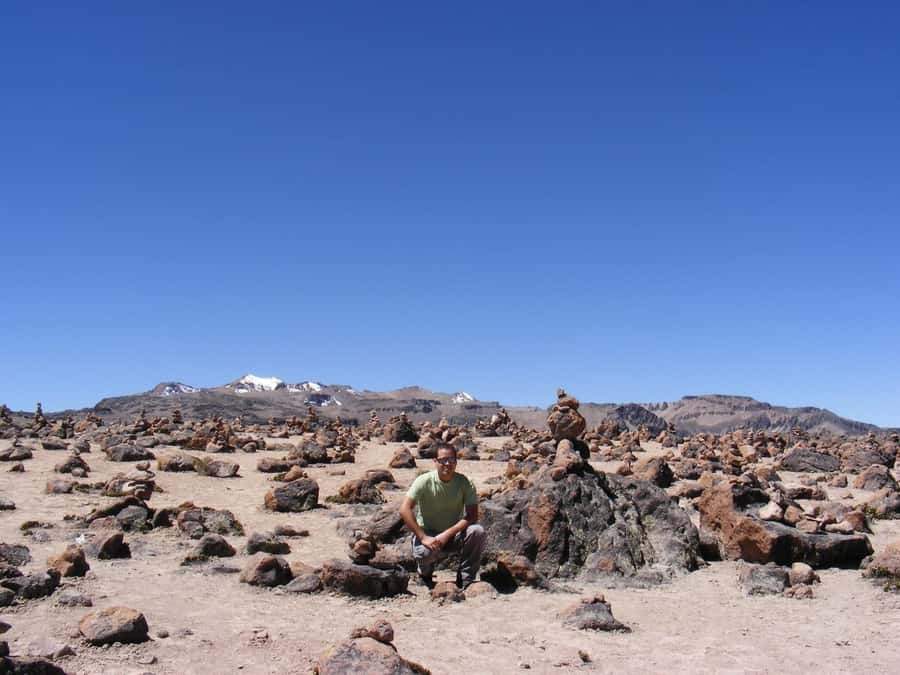
The route reaches its highest point at the Mirador de los Volcanes, around 4,800 meters above sea level. This is not a casual altitude. You may feel short of breath even while standing still, so walk slowly and do not plan a strenuous hike here. The reward is a broad view of the western mountain range, followed by a shorter descent toward Chivay.
The timing places you in Chivay at about 12:30 p.m. Lunch is not included, and the exact meal arrangement can vary. Some people choose the buffet, but the value and quality may feel uneven, so check the price before sitting down. Once lunch is finished, you check into your own accommodation.
Chivay overnight: hot springs and local entertainment
You must book a hotel within the town of Chivay. This is not a minor detail. If your hotel lies outside town, the operator may charge for an extra transfer, and the added ride can complicate the schedule.
The overnight is the tour’s comfort break. You have time to put down your day pack, rest, and adjust to the altitude before the early start on day two. Hotels are not included in the $78 price, so compare the total cost rather than looking only at the tour fare.
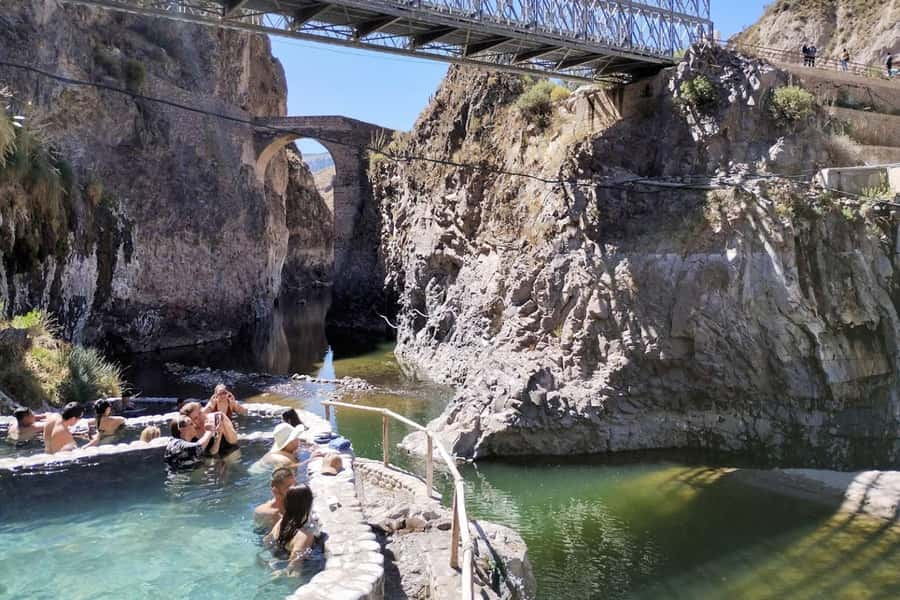
The Chacapi hot springs are offered during the afternoon. Entry costs about $5 per person, and the pools range from 35 to 38 degrees Celsius. After a morning of sitting in a vehicle and making short stops at high altitude, the warm water can be a pleasant way to loosen up.
The hot springs are optional, and you should not feel that you are missing the main attraction if you skip them. The canyon and the condor viewpoint are the core of the trip. Still, the pools are a sensible choice if you want a quieter afternoon rather than another scheduled stop.
Dinner is also at your own expense. An optional evening meal with folklore music and local dances is offered, and this can be a fun way to see more of the region’s performance traditions. It is not essential, but the evening gives the overnight in Chivay a stronger local character than simply eating alone and going to bed.
Day two: condors, terraces, and the Colca Valley
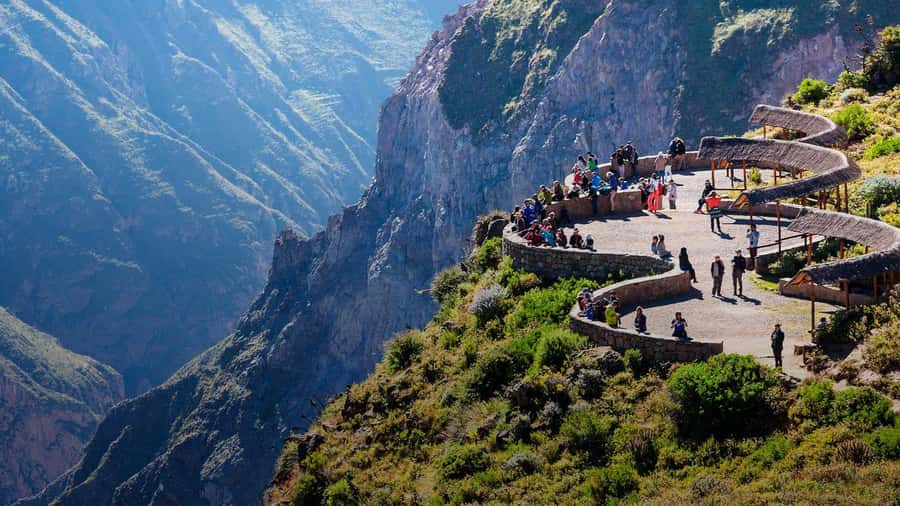
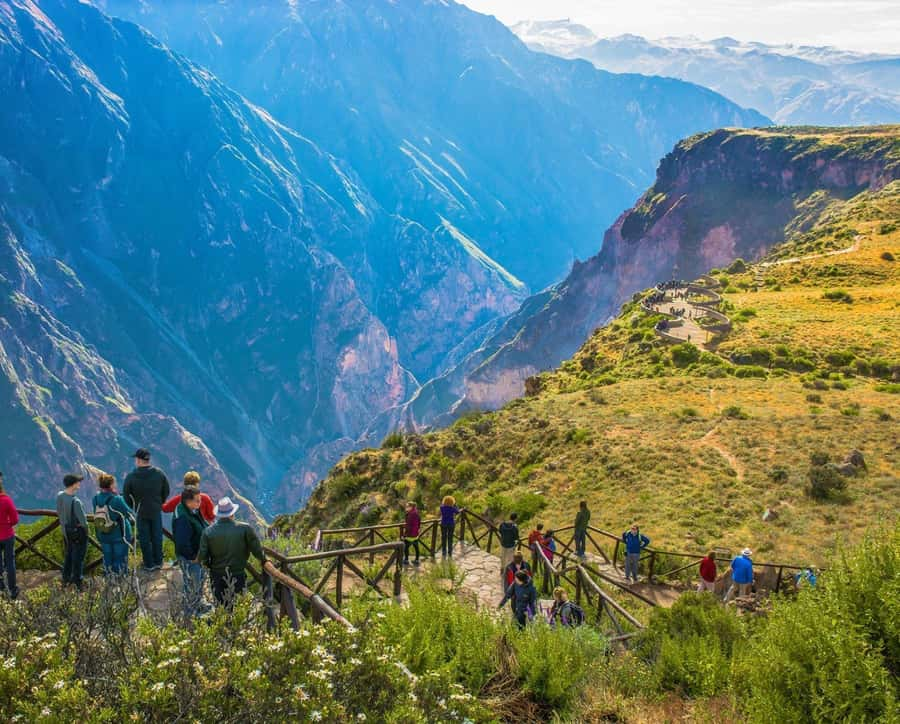
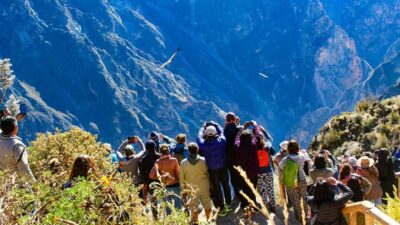
After breakfast, the group heads to the Mirador de la Cruz del Cóndor. The drive from Chivay takes about 30 minutes, and you spend roughly 45 minutes at the viewpoint. The entrance ticket is mandatory and costs $20 per person, so include it in your budget from the beginning.
This is the central event of the trip. Cruz del Cóndor looks into the Colca Canyon, and the viewpoint is known for the dramatic flight of Andean condors. The birds may appear overhead or along the canyon walls, depending on conditions and timing. A recent morning arrival put one group at the viewpoint just as condors passed above, but no wildlife sighting can be guaranteed.
You do not need to hike deep into the canyon on this itinerary. Instead, you view the canyon from the established lookout, which suits people who want the scenery without committing to a multi-day trek. The trade-off is that you get a short visit rather than a long walk or overnight stay below the rim.
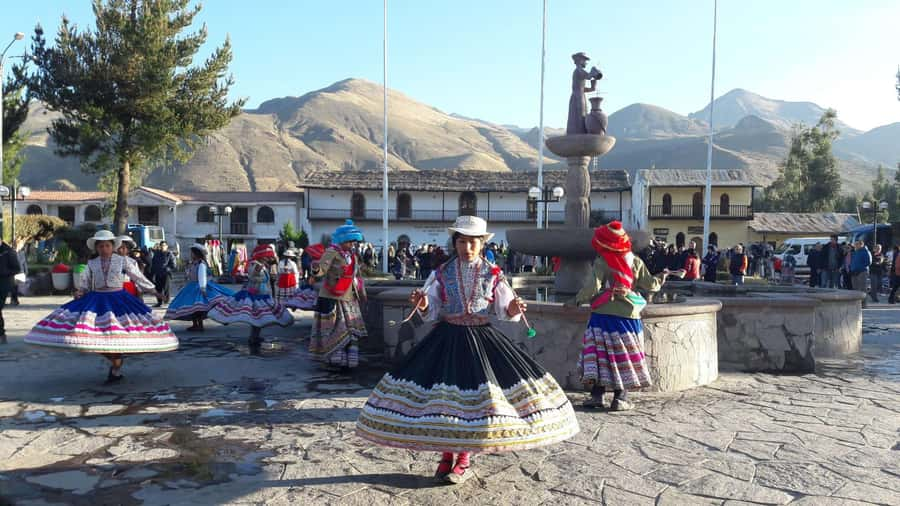
On the return to Chivay, the bus stops at viewpoints over the Colca Valley. Look for the large agricultural terraces cut into the slopes. These are not just attractive shapes in the scenery. They show how farming has adapted to steep Andean terrain over many generations.
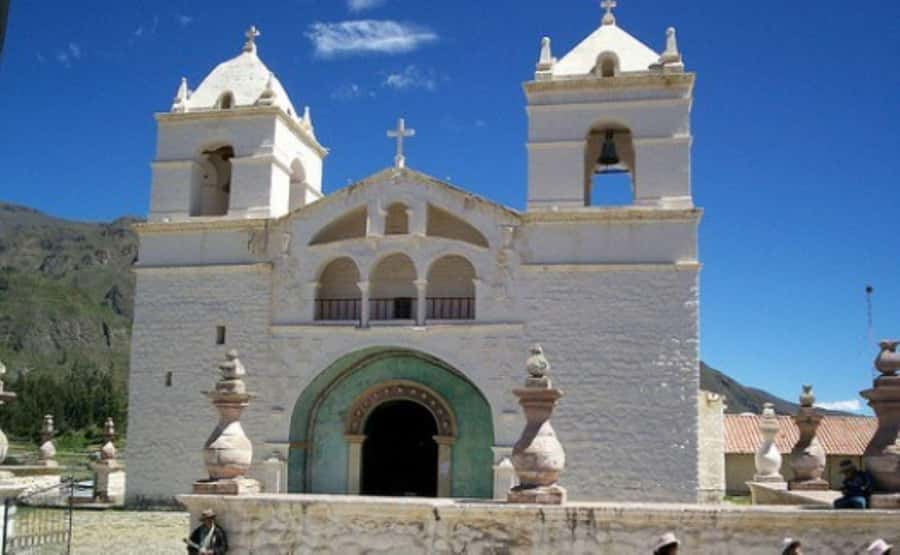
There is also a stop in the town of Maca. You see its church and may taste local drinks such as Colca Sour at your own expense. This is a brief village visit, not a full cultural program, so keep your expectations in proportion. Some stops on the route can feel less essential if you prefer more time at the canyon itself.
Lunch in Chivay is scheduled for around noon. Again, it is not included. After lunch, the group changes vehicles at about 1:15 p.m. for the onward trip to Puno. The change is practical because the Arequipa and Colca portion ends in Chivay, while the Puno connection is run as a separate guided route.
More 2-Day Trips in Peru
- Colca Canyon: 2-Day Tour from Arequipa to Puno
★ 4.7 · 45 reviews - 2 Day Trek Including Transfer to Puno / Colca Canyon
★ 4.5 · 38 reviews - From Arequipa Trek : 2-Days of Hiking in the Colca Canyon
★ 4.5 · 35 reviews - From Puno: Uros, Amantaní & Taquile Islands 2-Day Tour
★ 4.5 · 452 reviews
The afternoon ride to Puno
The trip from Colca to Puno is not a quick shuttle. You spend much of the afternoon on the road, with stops to view points of interest and protected areas along the route. The exact stops are not specified in the schedule, so think of this portion as a scenic transfer rather than a second fully programmed sightseeing day.
This is where the tour’s one-way design helps and hurts. You gain a useful connection to Puno, but you finish two active days with several more hours in a vehicle. One passenger found this section tiring after the morning program, and that is a fair warning. Keep your afternoon free of anything important in Puno.
Arrival is expected around 7:30 p.m. The drop-off points are either Hotel Conde de Lemus or the Gran Unidad School in San Carlos, depending on traffic. Both are about two blocks from Puno’s main square. If you have large bags or a hotel farther away, you will need to arrange the final short connection yourself.
The route ends in Puno, the main city for visiting Lake Titicaca. The operator provides guided tourist transport, a professional guide, and ongoing assistance during the connection. The bus change at Chivay is part of the plan, not a sign that something has gone wrong.
Guides, group size, and the ride itself
The tour is offered in English and Spanish, with a maximum group size of 18. That is small enough for a guide to answer questions and keep the stops organized, though it is still a shared coach experience rather than a private trip.
The quality of the guiding appears to depend partly on the individual assigned. Guides named on different departures include Juan Pablo, Roy, Cecilia, Lorena, and Mike. Juan Pablo was praised for explaining villages, crops, geology, animals, birds, and local life. Roy was noted for combining useful facts with stories about the Colca Valley, while Cecilia was described as attentive and well paced.
That range matters because the route itself is fixed. A strong guide can turn a roadside stop into a lesson about farming, altitude, and local communities. A less engaging guide may leave you mainly watching the road. The driver also matters on a trip with this much time in a vehicle. Edgar and Pablo were specifically praised for safe driving and helping keep the ride comfortable.
Pickup organization can be imperfect. One departure had a delay of about an hour on the first morning, while the second day ran more smoothly. If you book, avoid scheduling a flight, train, or important appointment close to the planned pickup time.
What the $78 price really covers
The base fare includes tourist transportation during the Arequipa and Colca section, a professional English or Spanish guide, guided transport from Colca to Puno, and ongoing assistance. It does not include your hotel in Chivay, meals, hot springs, or the mandatory Cruz del Cóndor ticket.
A realistic budget should include:
- $78 tour price
- $20 mandatory Cruz del Cóndor entrance
- About $5 for the optional hot springs
- One night of accommodation in Chivay
- Lunch and dinner on day one
- Breakfast and lunch on day two, unless breakfast is included with your hotel
- Any drinks, local tastings, or extra transfers
The price is attractive because you are buying a two-day sightseeing route and a useful intercity transfer. It is less attractive if you only want a quick Colca Canyon visit and plan to return to Arequipa. In that case, compare this route with a shorter excursion before booking.
Who should book this Colca Canyon trip?
I would choose this tour if you want a practical route from Arequipa to Puno and prefer to see the countryside along the way. It suits you if you like wildlife, high mountain scenery, short viewpoint stops, local towns, and a modest amount of organized cultural entertainment.
It is also a good fit if you want to avoid a full day in a bus with no overnight break. The Chivay stay makes the journey easier to handle, and the hot springs provide a useful rest after the first morning.
I would think twice if you dislike early starts, long road hours, or group schedules. The second day combines a pre-lunch canyon visit with a lengthy transfer, and the high point at 4,800 meters can be uncomfortable for anyone who has not adjusted to altitude.
Arrive in Arequipa at least one day before the tour if possible. The operator recommends time to acclimatize, and that is sensible advice. Eat lightly, move slowly at the high stops, and do not plan hard exercise around the trip.
Should you book it?
Book this tour if Puno is your next destination and you want the Colca Canyon experience built into the journey. The condor viewpoint, wild vicuñas, alpaca-filled wetlands, Chivay overnight, and high volcanic country make the route varied and worthwhile.
Skip it if you want a relaxed canyon holiday with long walks, a private vehicle, or complete control over meal and hotel choices. For most people who value transport convenience and broad scenery over luxury, the $78 starting price offers good value, provided you budget for the required extras and accept the long ride to Puno.
FAQ
How long is the tour?
The tour lasts two days. Pickup begins in Arequipa between 7:30 and 8 a.m. on day one, and arrival in Puno is scheduled for about 7:30 p.m. on day two.
Where does the tour start?
Pickup is available from hotels in central Arequipa. If your hotel is remote, the meeting point may be at the door of the Cathedral in Arequipa’s main square.
Where do I stay overnight?
You stay overnight in Chivay, but accommodation is not included. You need to book a hotel within the town of Chivay or pay extra for a transfer if your hotel is outside town.
Is the Cruz del Cóndor ticket included?
No. The entrance ticket is mandatory and costs $20 per person.
Are the hot springs included?
No. Entry to the hot springs is optional and costs about $5 per person. The pools have temperatures ranging from 35 to 38 degrees Celsius.
Are meals included?
No. Meals that are not specifically reserved are paid for by you. Lunch and dinner on day one and lunch on day two are listed as additional costs.
What languages are available?
The tour is offered with a live guide in English or Spanish.
How many people are in the group?
The group is limited to 18 participants.
Where does the tour end in Puno?
Drop-off is at either Hotel Conde de Lemus or the Gran Unidad School in San Carlos, depending on traffic. Both locations are about two blocks from Puno’s main square.
More Colca Canyon Tours
- From Arequipa: Colca Canyon Full-Day Guided Tour with Meals
★ 4.5 · 982 reviews - Colca Canyon Plus
★ 5.0 · 198 reviews - From Arequipa: Full Day Tour of Colca Canyon with Meals
★ 4.4 · 146 reviews - Full-Day Colca Canyon Tour from Arequipa
★ 4.3 · 112 reviews
Just added around Arequipa
- Turist Bus Colca Canyon (Chivay) To Puno★ 5.0 · 83 reviews
- 3-Day Colca Canyon trek with Professional Guide★ 5.0 · 40 reviews
- Trekking, Waterfalls and Thermal Baths★ 4.5 · 47 reviews
- Salinas National Reserve PRIVATE TOUR★ 5.0 · 81 reviews
- Sillar Route in Arequipa and viewpoint of the Volcanoes★ 4.0 · 71 reviews
- Sillar Route and Culebrillas Petroglyphs★ 4.5 · 89 reviews
- Full Day Tour / Colca Canyon★ 4.0 · 70 reviews
- Colca Full Day★ 5.0 · 57 reviews
Colca Canyon Tours, compared.
From Arequipa: 2-Day Colca Canyon Trekking Tour
Read our review →
From Arequipa: Full Day Tour of Colca Canyon with Meals
Read our review →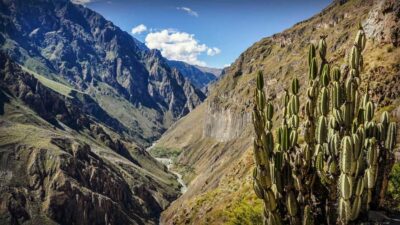
From Arequipa: Colca Canyon Day Trip with Transfer to Puno
Read our review →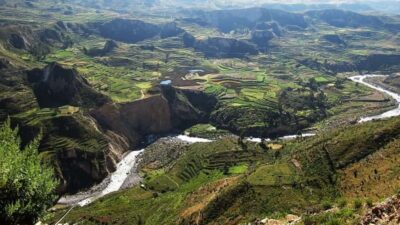
From Puno to Arequipa: 2 Days/1 Night Colca Canyon Tour
Read our review →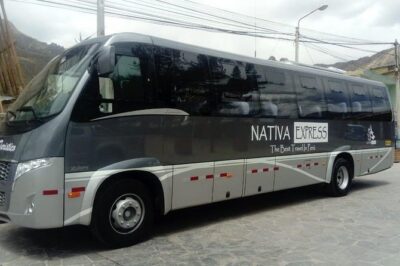
Browse the lists this tour appears in