
Reviewed · LAKE TITICACA TOURS
From Puno: Uros, Amantaní & Taquile Islands 2-Day Tour
Lake Titicaca feels most special when you leave Puno behind and spend the night on Amantaní Island. This two-day trip gives you three very different views of lake life: the famous floating Uros Islands, a family homestay in Amantaní, and the textile traditions of Taquile. I especially like the sunset walk to the island’s high temple and the chance to share a meal in a local home rather than simply taking a quick boat tour.
I also like the range of the trip. You get reed boats, pre-Inca sites, island walks, home cooking, local costumes, and wide views across the lake for $59. The catch is that this is not a soft, polished resort trip. The altitude, hills, cold rooms, limited water, and fairly basic meals require some preparation, and the dancing arranged for visitors may feel more staged than spontaneous.
Key points to know before you book
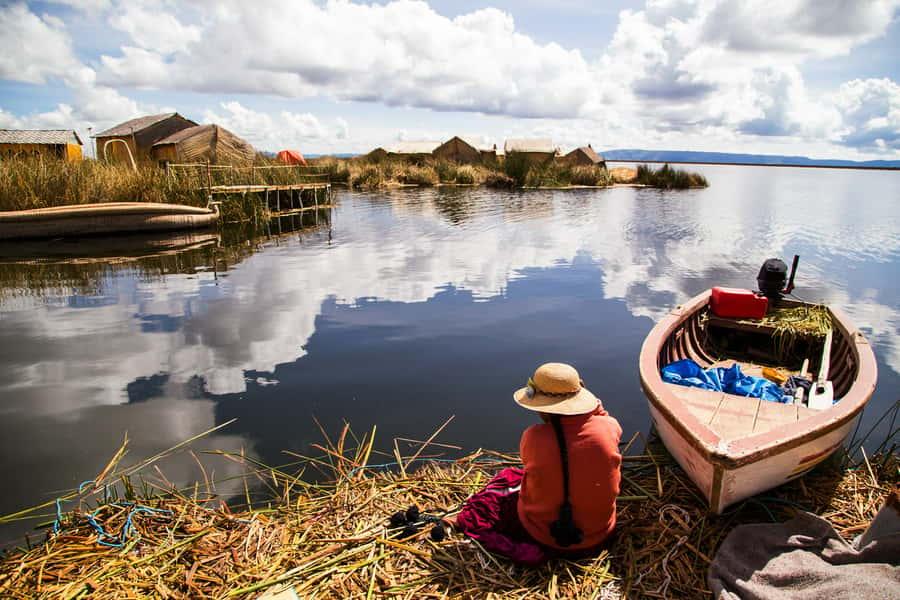
- Three islands in two days: Uros, Amantaní, and Taquile each offer a different look at Lake Titicaca life.
- The Amantaní homestay is the heart of the trip: You sleep in a local family’s home, eat simple vegetarian meals, and may join an evening dance.
- The sunset hike reaches 4,130 meters: The climb is rewarding, but the altitude can make a moderate walk feel tough.
- Uros includes a paid reed boat option: The traditional balsa de totora costs 15 soles per person.
- Taquile requires uphill walking: Allow for a roughly 45-minute climb toward the main plaza.
- Pack for cold and simple facilities: Bring warm clothing, a towel, toilet paper or wet wipes, and cash for drinks and lunch.
Why the overnight stay on Amantaní matters
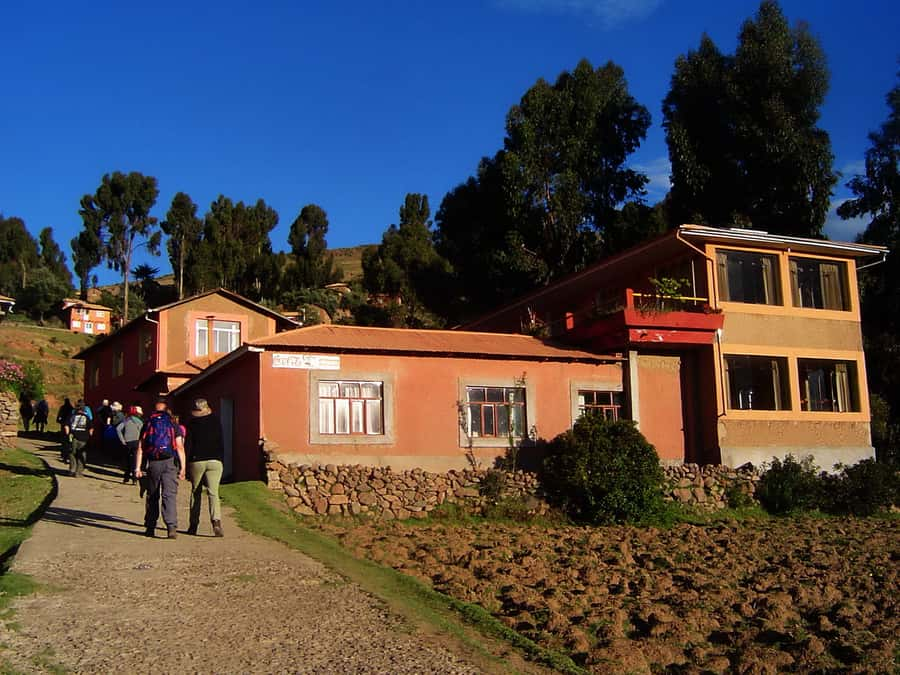
A day trip from Puno can show you the lake, but it cannot give you much sense of how island families live. The overnight stay changes the pace. After reaching Amantaní, you are assigned to a local household, usually in a small group, and walk from the boat to the family home.
That walk can take around 30 minutes, depending on where your family lives. You carry your own things over uneven ground, so pack light. You do not need a large suitcase for one night, and it is worth asking about storing bigger luggage in Puno or on the boat before departure.
Your host family prepares lunch, dinner, and breakfast. The food is simple and filling, with dishes such as quinoa soup, potatoes, rice, cheese, and pancakes. Meals are vegetarian, so this suits you if you are comfortable with basic meat-free food. If you need special dietary arrangements, do not assume they will be available.
The houses are clean and welcoming, but basic. Some rooms have electrical outlets, yet charging options may be limited. There is no promise of heating, and showers should not be expected. Toilets can be outside with limited running water, and during dry periods they may use a bucket flush. Bring warm layers, a towel, toilet paper or wet wipes, and a small flashlight if you prefer having your own light after dark.
The evening often includes local dress and dancing. You may be given traditional clothing and invited to join a community celebration. Some people find this cheerful and inclusive. I can also understand if you find it a little staged, particularly when the local participants seem less interested than the visitors. Treat it as a hosted cultural activity rather than a private glimpse into ordinary family life.
Still, the homestay offers something a hotel in Puno cannot. You sit down to eat in a family home, see the island after the day visitors leave, and wake up close to the lake. That extra night is the main reason I would choose this tour over a one-day island visit.
More 2-Day Trips in Peru
- Lake Titicaca 2-Day Tour to Uros, Amantani and Taquile
★ 4.4 · 199 reviews - From Cusco: 2-Day Lake Titicaca Tour
★ 4.4 · 74 reviews - From Cusco to Lake Titicaca: 2-Day Homestay Tour
★ 4.5 · 56 reviews
Day one: Uros and the reed-built islands
The morning begins with hotel pickup in central Puno and a transfer to the main port. Pickup is included only for hotels in the city center, and you should wait in the lobby about 15 minutes before the scheduled time.
The boat ride to Uros is part of the pleasure. Lake Titicaca is broad and open, and the trip gives you time to watch Puno recede. Boat delays are possible in bad wind, so avoid scheduling a tight connection immediately after the tour. One reported delay lasted about an hour, which can be unpleasant when you are sitting on the lake in changing weather.
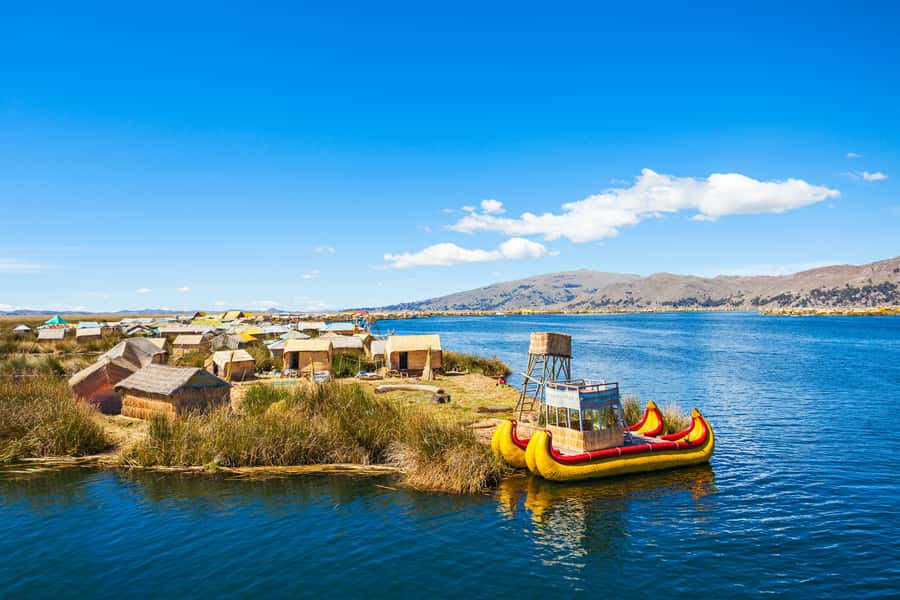
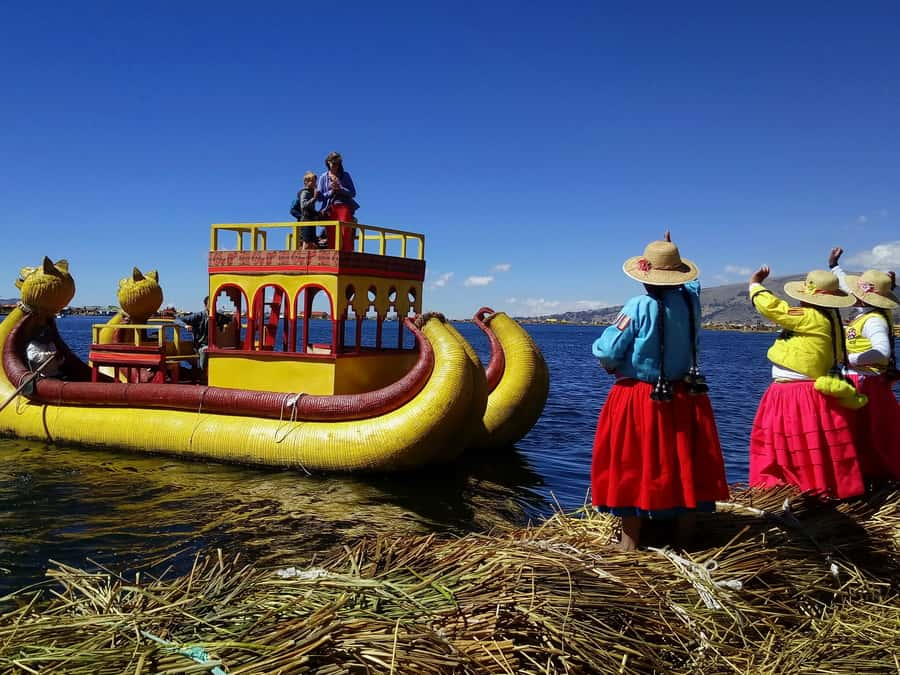
The Uros Islands are made from totora reeds, an aquatic plant that grows in the lake. Your guide explains how the reeds are woven and layered to create the island surface, then replaced as they decay. The subject is genuinely interesting because the island is not simply built on the water, it needs ongoing care.
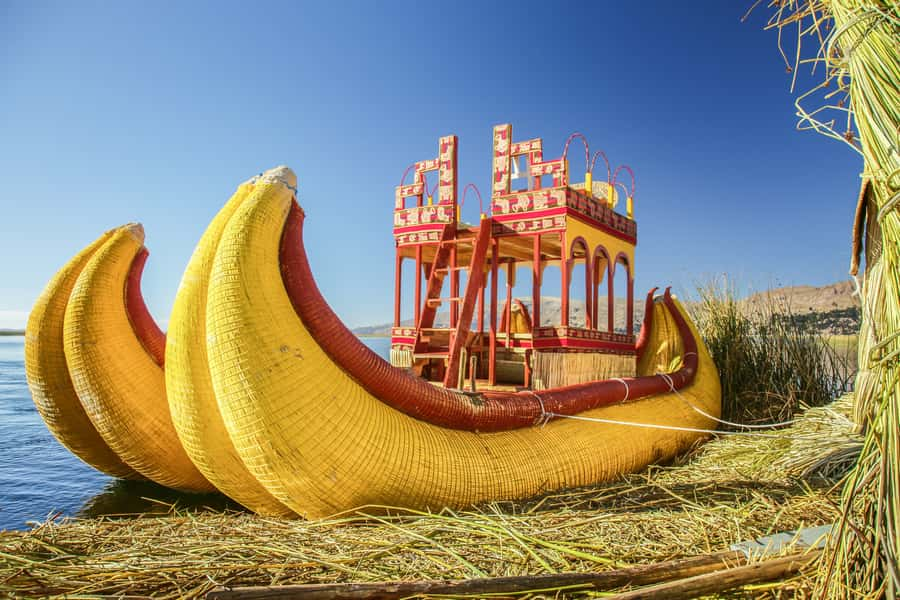
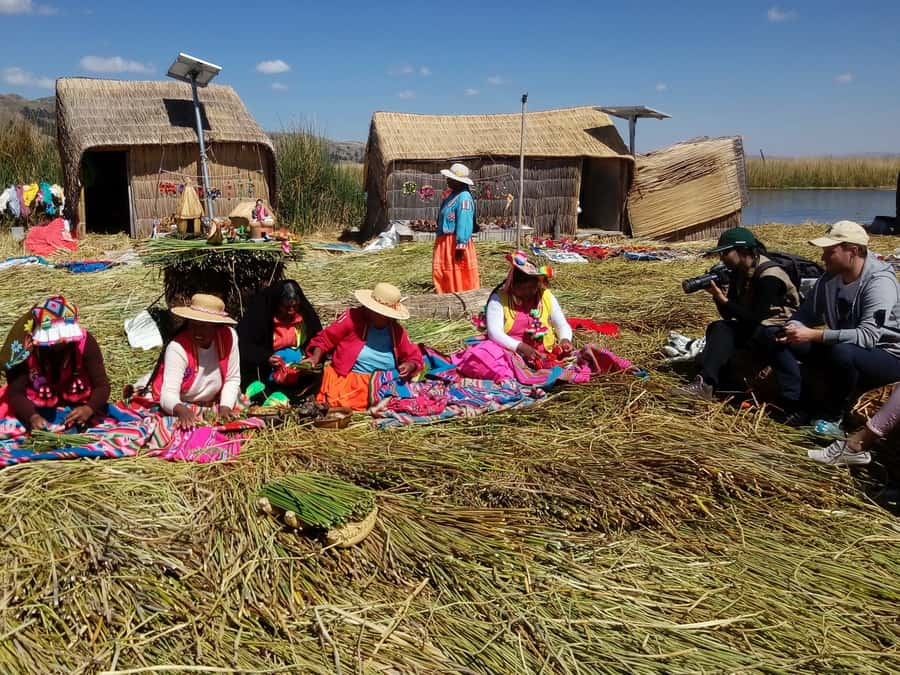
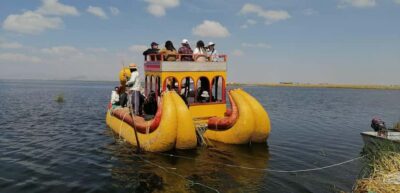
The visit is also the most commercial part of the trip. You will likely hear about local handicrafts and have time to look at them. The traditional reed boat ride is offered separately and costs 15 soles per person. Bring small cash if you want to take it, and check the arrangement carefully because some people find they need to actively decline it rather than actively request it.
I would set your expectations correctly here. Uros is fascinating to see, but it is arranged for tourism. You are observing a community whose public presentation has become part of the visitor economy. That does not make the visit worthless, but it does mean the homestay on Amantaní usually feels more personal.
Reaching Amantaní and climbing above the lake
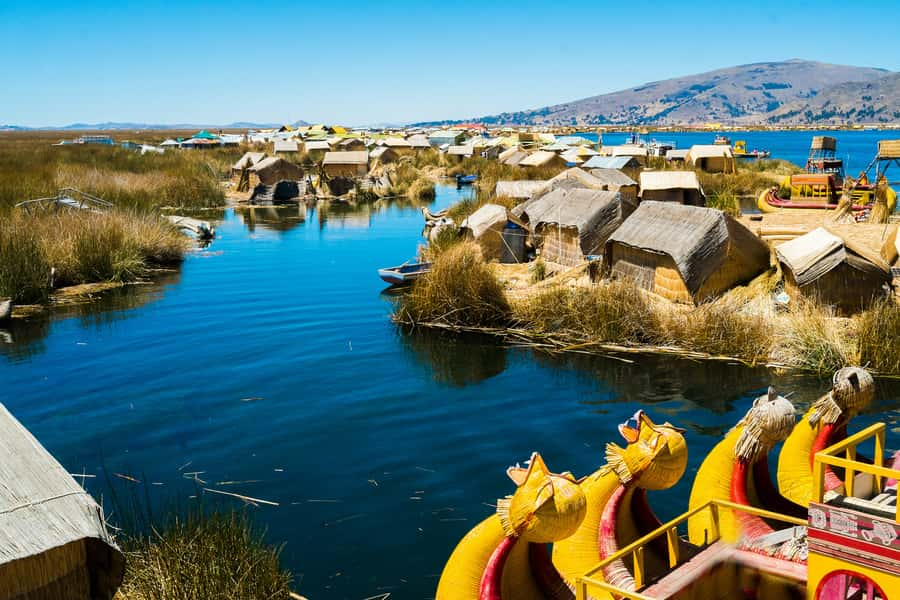
After Uros, the boat continues to Amantaní. This is a longer stretch on the water, so bring a layer you can add or remove. The lake can feel calm and sunny, then suddenly cold when the wind rises.
On arrival, a local family meets you and takes you to its home. Lunch follows, then you have time to settle in before the afternoon walk. Your guide explains the island’s customs and helps keep the group organized. Guides named Bruno, Richard, Carlos, Pablo, and Voltar have led similar departures, and the strongest feedback consistently focuses on guides who explain local traditions clearly while keeping an eye on everyone’s pace.
The main afternoon goal is the Pachatata temple, with the option in some schedules to visit the nearby Pachamama temple as well. These pre-Inca ceremonial sites sit high above the water. The walk is not a technical hike, but the altitude changes the experience. At 4,130 meters, even a steady uphill climb can leave you breathing hard.
Give yourself permission to go slowly. Stay with the group, take breaks, and do not treat the walk as a race. The trip is not suitable for people with mobility impairments, and several people have found the amount of walking greater than expected. Besides the climb to the temple, you may walk uphill or downhill for about an hour on the island.
The reward is the view. From the summit, you can watch the sun drop across Lake Titicaca, with water stretching in every direction. This is the most memorable part of the first day, but it is also when the cold arrives. Carry your warmest layer in your day bag rather than leaving it at the homestay.
After sunset, return for dinner. The evening may include dancing and local clothing, then you sleep at the family home. The rooms are usually described as comfortable for a simple rural stay, but do not expect hotel-style bedding, heating, or private bathroom facilities.
Day two: Taquile’s textiles and uphill paths
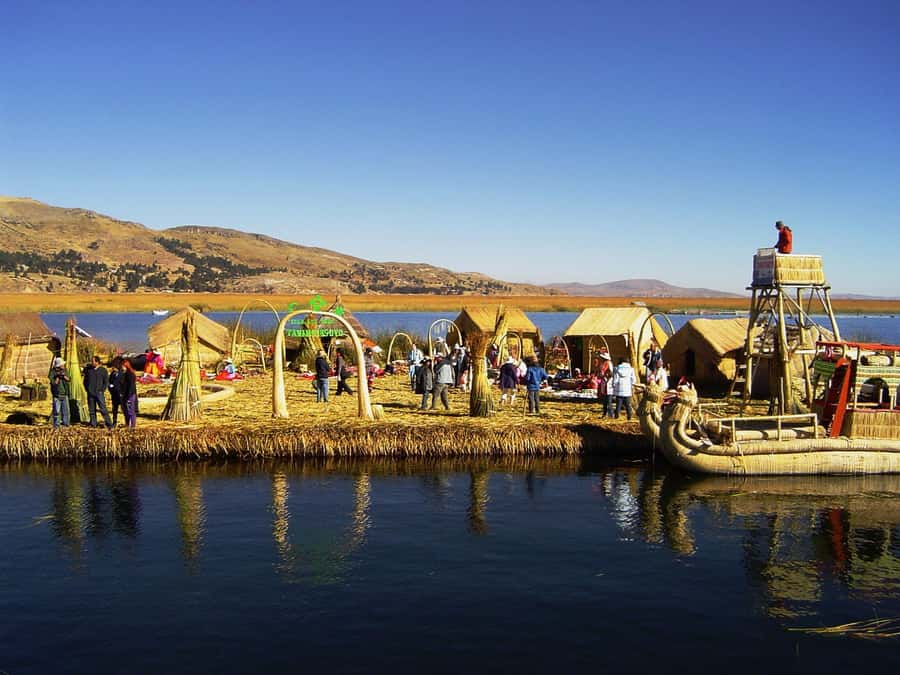
Breakfast comes at the homestay before you return to the boat for Taquile. This island is known for its handmade textiles and the clothing worn by its residents. Hats and other garments can signal whether a person is single, married, or in a position of authority.
Taquile is not just a shopping stop. Your guide points out old temples, tombs, terraces, farming methods, and customs that remain part of island life. The island’s terraces also show how people have adapted agriculture to steep ground and a high, exposed setting.
Plan on a climb toward the Plaza de Armas that can take about 45 minutes. You may be tired from the previous afternoon, and the elevation remains a factor. Good shoes matter more than fashionable clothes here. The route includes hills and stairs, and you should keep water within reach.
Lunch on Taquile is not included in the $59 price. Food can be purchased on the island, with fish or vegetarian options reported, but you should carry enough cash. The tour also does not provide drinking water at any point, so buy bottles before leaving Puno or at stops along the way.
After time on Taquile, the boat returns to Puno, usually arriving around mid-afternoon. Hotel drop-off in central Puno is included. The schedule gives you a useful evening buffer, but wind or boat delays can change the timing.
More Lake Titicaca days:
- From Puno: Floating Islands of the Uros Half-Day Tour
★ 4.4 · 394 reviews - Puno: Full-Day Tour of Lake Titicaca and Uros & Taquile
★ 4.4 · 178 reviews - Floating Islands of the Uros
★ 4.2 · 101 reviews - From Puno: full day tour to Uros and Taquile with Lunch
★ 4.6 · 95 reviews
Is $59 good value for two days?
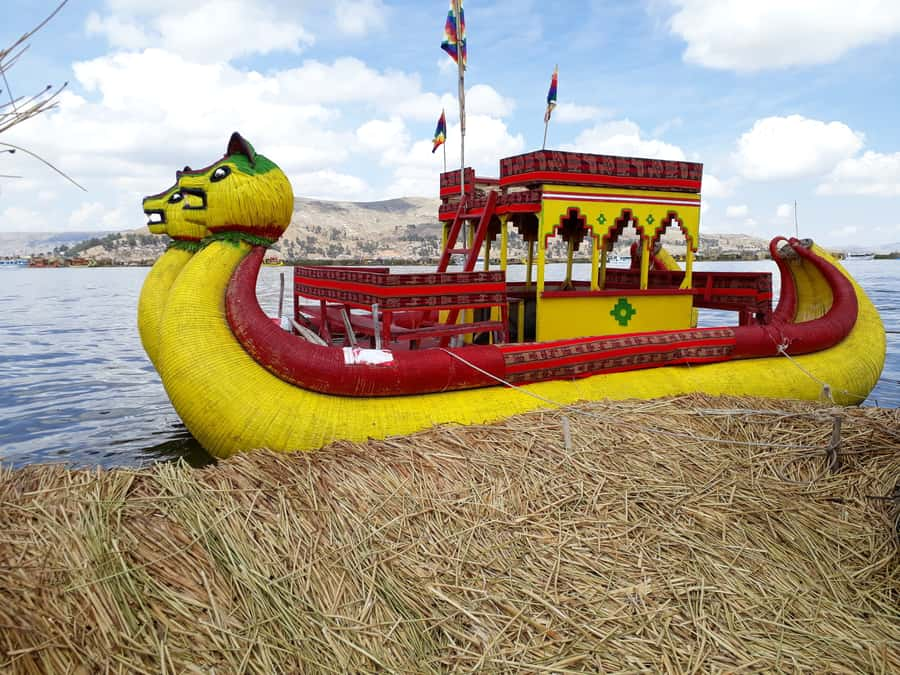
At $59 per person, the price is low for a two-day trip that includes boat transport, three island visits, a bilingual guide, entrance fees, one night of lodging, and three meals. The main value is not luxury. It is the amount of ground and culture you cover without having to arrange boats, island transfers, meals, and a homestay yourself.
You should budget beyond the advertised price. The reed boat costs 15 soles if you choose it. You also need to pay for Taquile lunch, drinks, and any handicrafts you buy. Since drinking water is not supplied, include bottled water in your planning.
The homestay keeps the cost down, but it also defines the limits of the trip. You receive a bed, food, and family hospitality rather than a private bathroom and heated room. For one night, many people find the trade fair. If you need reliable hot showers, private facilities, or carefully tailored meals, this is not the right bargain.
The bilingual guide adds real value when the group is moving between languages and locations. Guides such as Bruno have been praised for explaining history and culture, solving practical problems, and keeping the group together. Guide quality can vary, though, and long explanations may feel tiring when you are already dealing with altitude. If you prefer quiet independent exploration, you may find the steady commentary too much.
What to pack for the lake and the homestay
Pack for changing weather, not just the forecast in Puno. The tour runs rain or shine, and the lake can feel cold even under bright sun.
Bring:
- Passport or identification card
- Warm layers, including a fleece or sweater
- Rain protection
- Comfortable shoes with good grip
- A towel
- Toilet paper or wet wipes
- Reusable water bottle or cash for bottled water
- Small bills for the reed boat, food, drinks, and purchases
- A small overnight bag instead of your full luggage
You should also carry sunscreen, a hat, and lip balm. The high altitude makes the sun feel strong, while the wind can dry your skin quickly. Keep your passport or ID accessible because it is specifically required for the activity.
Altitude is the practical issue people most often underestimate. Puno itself is already high, and the climb to the top of Amantaní goes higher. If you have just arrived from a lower elevation, walk slowly and tell your guide if you feel unwell.
Who will enjoy this tour most?
I would recommend this trip to you if you want cultural contact, basic accommodation, and a full schedule. It suits people who enjoy walking, do not mind vegetarian food, and see a family homestay as part of the point rather than a compromise.
It is also a good choice if you have only two days in the Puno area and want more than a short boat excursion. The three islands are different enough to make the route feel varied, and the overnight stop prevents the trip from becoming a rushed checklist.
I would hesitate if you have limited mobility, dislike uphill walks, or need private bathrooms. I would also think twice if you are uncomfortable with organized dancing, sales-oriented stops, or simple meals. The Uros visit has a strong tourism angle, and the Amantaní evening can feel designed for visitors.
The free cancellation policy allows cancellation up to 24 hours before departure for a full refund, and you can reserve now and pay later. Those options help if your Puno schedule is still shifting, but the practical decision is simpler: book it only if you are ready for cold, hills, and basic facilities.
Should you book the Amantaní overnight?
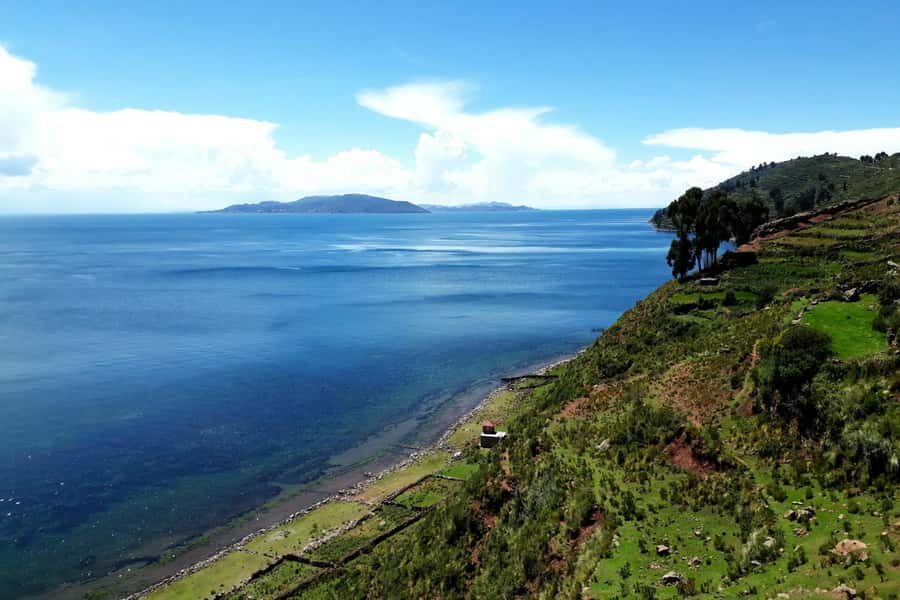
Yes, if the homestay is what attracts you. The sunset from Amantaní, the family meal, and the chance to wake up on the island give this trip more feeling than a same-day tour. Guides such as Bruno have helped make the experience especially smooth, but you should be prepared for variation in guiding style.
Book it if you want the best value for a short Lake Titicaca visit and can manage the walking. Skip it in favor of a more comfortable option if the bathroom situation, cold rooms, or high-altitude climb would spoil the experience. For the right visitor, the extra night is the difference between seeing the lake and spending time in its island communities.
FAQ
How long does the tour last?
The tour lasts two days and includes one night on Amantaní Island.
Which islands does the tour visit?
You visit the Uros Islands, Amantaní Island, and Taquile Island.
Is hotel pickup included?
Yes. Pickup and drop-off are included for hotels located in central Puno. You should wait in the hotel lobby 15 minutes before the scheduled pickup time.
What language does the guide speak?
The tour includes a bilingual guide who speaks English and Spanish.
Where do you sleep?
You spend one night in a local family homestay on Amantaní Island.
Are meals included?
Three meals are included: lunch and dinner on the first day, plus breakfast on the second day. Lunch on Taquile is not included.
How much does the traditional reed boat cost?
The optional reed boat ride at Uros costs 15 soles per person, paid on the spot.
Is the tour suitable for people with mobility impairments?
No. The tour includes walks and uphill sections on Amantaní and Taquile, so it is not suitable for people with mobility impairments.
More 2-Day Trips in Puno
- From Cusco: 2-Day Trip to the Sacred Valley and Machu Picchu
★ 4.6 · 265 reviews - Cusco: Machu Picchu 2-Day Inca Trail with Panoramic Train
★ 4.9 · 260 reviews - 2-Day Tour Colca Canyon in Arequipa with end in Puno
★ 4.6 · 248 reviews - From Cusco: 2-Day Inca Trail to Machu Picchu
★ 4.2 · 244 reviews
Just added around Puno
- From Cusco to Lake Titicaca: 2-Day Homestay Tour★ 4.5 · 56 reviews
- From Cusco: 2-Night Lake Titicaca Excursion★ 3.7 · 62 reviews
- From Puno: 3-Hour Uros Floating Islands Tour★ 4.4 · 67 reviews
- Lake Titicaca, Uros and Taquile Full-Day Tour★ 4.3 · 69 reviews
- From Cusco: 2-Day Lake Titicaca Tour★ 4.4 · 74 reviews
- Cusco: Scenic Route of the Sun to Puno with Buffet Lunch★ 4.8 · 101 reviews
- Floating Islands of the Uros★ 4.2 · 101 reviews
- From Cusco: Titicaca Lake – Full day tour with sleeper bus★ 3.9 · 72 reviews
Lake Titicaca Tours, compared.
La Paz: Full Day Trip to Copacabana and Isla del Sol
Read our review →
From Puno: Floating Islands of the Uros Half-Day Tour
Read our review →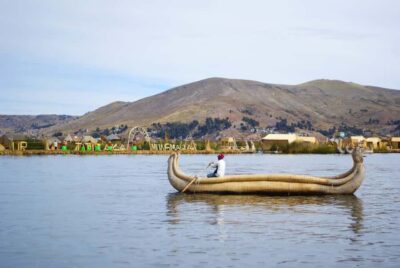
Lake Titicaca 2-Day Tour to Uros, Amantani and Taquile
Read our review →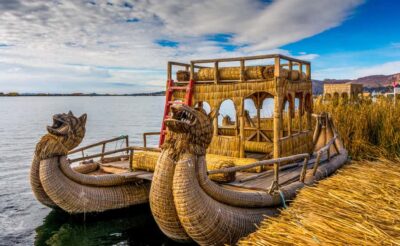
Puno: Full-Day Tour of Lake Titicaca and Uros & Taquile
Read our review →
From La Paz: Titicaca, Copacabana, and Isla del Sol Day-Trip
Read our review →
From Puno: full day tour to Uros and Taquile with Lunch
Read our review →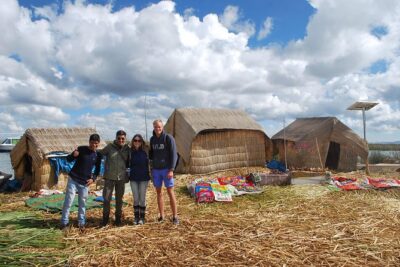
Browse the lists this tour appears in