
Reviewed · HISTORICAL TOURS
Cali: Walking tour of the historic center
Cali’s historic center comes alive when you connect its churches, riverfront, goldwork, salsa, and street art in one walk. This tour traces that story from La Merced Church, linked with the city’s founding, to Jairo Varela Square, where salsa music still shapes local identity.
I like the small maximum of seven people, which gives you a real chance to ask questions. I also like the mix of old stone churches, indigenous goldwork, music, and a typical lulada drink instead of a walk focused only on monuments. The main drawback is simple: you’ll be on your feet for two to three hours, often outdoors, and rain will not cancel the tour.
- Cali’s story in one walk: Cover churches, plazas, bridges, museums, music landmarks, and street art.
- A group capped at seven: Expect a more personal outing than a large city tour.
- A taste of local life: The experience includes a typical soft drink and a lulada is served during the route.
- Strong salsa focus: Calle del Sabor and Jairo Varela Square show why music matters so much in Cali.
- Useful first-day orientation: The route links many central sights and ends back at the starting point.
- Plan for changing weather: Bring sunscreen, water, a hat, comfortable shoes, and an umbrella.
A compact introduction to Cali’s historic center
At $41 per person, this is not the cheapest way to walk around central Cali, but it offers a lot for a two to three-hour outing. You are paying for a local guide, a structured route, access to several historic interiors, and cultural explanation that can be easy to miss when you explore alone.
The tour is run by Valley Adventours and begins at Cra. 5 #3-02 in Comuna 3. It returns to that same meeting point, which makes planning your next stop easier. The route is near public transportation, and most people can take part, though comfortable footwear matters more than the short distance might suggest.
The experience is especially useful early in your stay. You get a broad look at Cali’s central landmarks, then can return later to spend more time at the places that catch your interest. The tour is also a good fit if you want history without giving up local flavor. Churches and government buildings share the route with fruit, music, shaded parks, and painted streets.
The group size is capped at seven, although the general tour description refers to a small group of up to 10. Use seven as the practical maximum. If fewer people book, the guide can give you more room for questions. Julio and Marcela are two guides associated with especially warm feedback. Julio is described as engaging and strong on Cali’s past, while Marcela is praised for connecting culture, food, daily life, and salsa.
La Merced Church and the beginning of Cali
The first stop is Iglesia La Merced, where the tour presents the church as the birthplace of Cali. The story connects the city with seven rivers named Cali, giving the opening stop a clear sense of place rather than treating the church as just another old building.
You’ll have about 15 minutes here. Look closely at the colonial architecture and ask the guide to explain how the building fits into Cali’s early development. The interior also offers a view toward Cristo Rey from the city center, adding one of Cali’s best-known hilltop symbols to the first part of the walk.
This is a good opening because it gives you a historical anchor. Instead of hearing disconnected dates later, you begin with the city’s foundation and then follow its growth through religious, civic, commercial, and cultural landmarks.
More Historical Tours in Colombia
- Shared Tour Cali’s Historical Downtown
★ 4.8 · 143 reviews - Historical Shared Tour Salsa, Graffiti & Resistance in Cali
★ 5.0 · 107 reviews - Chiva Private Cultural Tour with Audio Guide in Buga
★ 5.0 · 49 reviews
Four thousand years of gold at the Calima Museum

The Museo del Oro Calima shifts the focus from Spanish colonial Cali to the indigenous communities who lived in the region long before the city took its modern form. The museum displays pieces described as more than 4,000 years old and helps explain why the El Dorado legend became tied to the skill of indigenous goldworkers.
You receive about 25 minutes here, the longest museum stop on the route. That is enough for a focused introduction, though not enough for a slow museum visit. If ancient metalwork interests you, pay attention to the guide’s explanation of craftsmanship and the difference between historical fact and the later European stories built around gold.
I like this part of the route because it prevents the city’s history from beginning with colonial buildings. The museum places Cali within a much older regional story. It also adds variety early in the walk, before the route moves through theaters, churches, squares, and riverfront spaces.
Theater, government, and the relationship between church and state
The next section moves through the Teatro Municipal Enrique Buenaventura, a five-minute stop at Cali’s Neo-Classical public theater. You should not expect a full theater visit at this point. Instead, the guide introduces the building and its place in the historic center and cultural life of Cali.
From there, you walk toward Plaza de la Gobernación. The route includes the San Francisco Church, with about 10 minutes set aside for the area. The combination of a government square and a church gives the guide a chance to discuss how civic authority and religious power developed side by side.
At St. Peter the Apostle Cathedral, you’ll enter Cali’s main church for another 15-minute stop. The focus here is the relationship between Church and State. That subject can sound abstract, but the surrounding buildings make it easier to understand. You are not only looking at religious decoration. You are seeing how central institutions were placed within the city and how public life was organized around them.
Plaza de Caicedo and the civic heart of Cali
Plaza de Caicedo is Cali’s main square, surrounded by palm trees and framed by the National Palace. You’ll spend about 15 minutes here, likely taking in the open space and the contrast between greenery, formal architecture, and the traffic of central Cali.
This is a useful pause in the route. After several enclosed interiors, the square lets you read the city at street level. Look at how people use the space, how the palm trees shape the view, and how the National Palace helps define the square’s civic role.
The stop also gives you a better sense of orientation. Historic centers can feel like a string of unrelated buildings when you first arrive. A major square helps tie the route together and gives you a reference point for returning on your own.
More Walking Tours in Colombia
- The Cali Street Food Walking Tour
★ 5.0 · 81 reviews - Afro Walking Tour. The colors of Cali.
★ 5.0 · 61 reviews - Cartagena: Historic Center and Getsemaní Shared Walking Tour
★ 4.9 · 2,716 reviews - Bogotá: Guided La Candelaria Walking Tour
★ 4.8 · 1,229 reviews
Salsa on Calle del Sabor
Cali’s history is not only found in churches and colonial streets. On Calle del Sabor, the tour turns toward salsa, the music most closely associated with the city’s public image. The walk lasts about 10 minutes and focuses on the street’s connection with salsa culture, including the clave, trumpets, and bell that shape the sound.
This is one of the tour’s more distinctive sections. A standard historic walk might stop at a cathedral and a government building, then call it a day. Here, the guide shows how music gives the center a living identity. The route also makes clear that Cali’s culture cannot be separated from dance and rhythm.
You might get a short chance to move to the music, as one description of the experience mentions dancing salsa along the way. Do not treat this as a full salsa lesson. It is better understood as a light, social part of a broader walking tour.
Puente Ortiz and the Cali River views
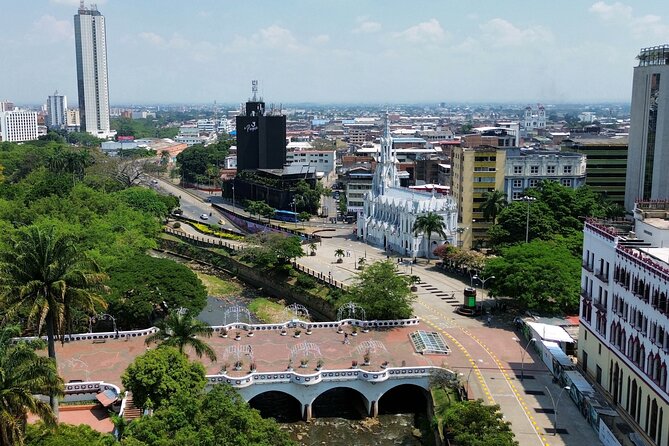
Puente Ortiz is presented as the first bridge built over the Cali River. You’ll spend about 10 minutes crossing and looking along the waterway, with views toward Torre de Cali, the city’s tallest building, and the Three Crosses Hill.
The bridge also offers photo opportunities beneath its arches. This is a welcome outdoor section after the churches and museum. It gives you a chance to see how the river cuts through central Cali and how older structures share the view with modern landmarks.
Keep your camera ready, but do not let the photo stop distract you from the guide’s explanation of the bridge. The value here is not only the view. It is the connection between infrastructure, urban growth, and the river that helped shape the city.
Simón Bolívar, shade, and a cold lulada
At Parque Paseo Bolívar, the tour turns to Colombia’s independence story through the statue of Simón Bolívar. You’ll walk under the shade of ceiba trees for about 20 minutes, making this one of the more comfortable pauses in the route.
The stop includes a typical Cali drink, the lulada caleña. Lulada is made with lulo, a tart local fruit, and is a useful introduction to the flavors of the region. The experience includes a typical soda or soft drink, while any extra food or drink not specifically named is not included.
This is the kind of small detail that makes a city walk feel more local. You are not sitting down for a full meal, but you are getting a taste of a drink associated with Cali while learning about independence. The combination of shade, history, and refreshment also arrives at a sensible point, when you may welcome a brief rest.
Jairo Varela Square and Cali’s musical identity
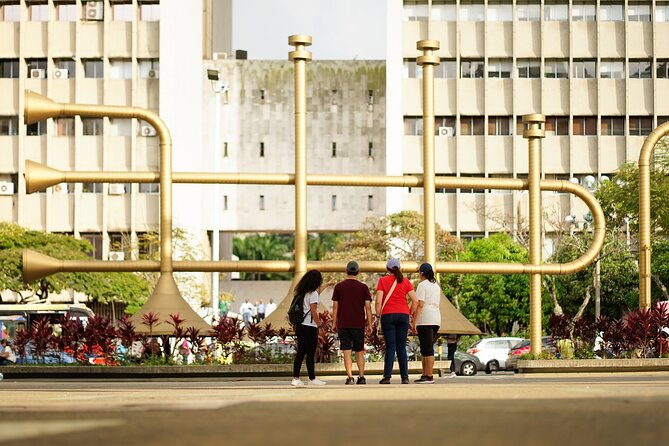
The route continues to Plazoleta Jairo Varela, a 20-minute stop dedicated to Jairo Varela and Grupo Niche. Their influence on salsa in Cali and beyond is explained here, and you’ll enter the trumpet monument, one of the city’s most recognizable music-focused installations.
This is likely the strongest cultural section for anyone visiting Cali because it connects a named artist and group with the city’s wider identity. You are not only hearing that Cali likes salsa. You are learning who helped shape its sound and how that music reached audiences outside Colombia.
The trumpet monument also gives the tour a memorable visual feature. If you are choosing between a traditional architecture walk and this broader route, this stop shows the advantage of the broader route. You get historic buildings, but you also get the cultural symbols that make Cali different from other Colombian cities.
Green spaces and the Boulevard del Río
Parque Simón Bolívar offers a quieter stretch. The stop lasts about 10 minutes and focuses on birds, palm trees, fruit trees, shade, and tributes to Cali’s rivers. After the music and central squares, this small park gives the route a change of pace.
Next comes Bulevar del Río Cali, another 10-minute walk. The boulevard provides views of La Ermita Church, the Coltabaco building, and the Jorge Isaacs Theater. These sight lines help you see several parts of Cali at once: religious architecture, commercial or industrial heritage, and the performing arts.
I appreciate the way these two stops keep the route from becoming a parade of façades. You get open space and river views as well as buildings. Still, the time at each site is short, so note the places you may want to revisit after the tour.
Calle de la Escopeta and a colorful finish
The final named stop is Calle de la Escopeta, described as one of Cali’s most colorful streets. You’ll see street art, a woven roof, and the flavors of the colonial neighborhood during a 10-minute walk.
This is a lively way to finish. The earlier stops explain the city through institutions and famous figures. Calle de la Escopeta brings you back to street-level character, where color, food, craft, and public art shape the experience.
The route then returns to the Valley Adventours meeting point. Since the walk ends where it begins, you do not need to arrange a separate pickup. That is handy if you want to continue exploring central Cali or use public transportation from the same area.
What $41 buys you
The $41 price makes the most sense if you value interpretation and variety. You could walk past many of these sites on your own for less, and most stops have no admission charge. The difference is the guide’s ability to link them: indigenous goldwork to the El Dorado legend, churches to public authority, the river to city growth, and salsa to Cali’s identity.
You also get a small group, a typical drink, and a planned route that covers 13 stops. The tour does not include unspecified food, extra drinks, or paid services, so keep your expectations focused on the walking experience rather than a food tour.
The high rating of 4.9 from 69 reviews and a 97 percent recommendation rate support the tour’s strongest qualities: guide quality, historical explanation, and a friendly mix of culture and sightseeing. Julio and Marcela receive particular praise, but guide assignments can vary, so book for the format and route rather than for a guaranteed individual guide unless the provider confirms it.
Practical advice for the walk
Wear comfortable walking shoes. The route is not presented as difficult, but you will move through central streets, churches, plazas, bridges, parks, and boulevards for up to three hours.
Bring sunscreen, a water bottle, a hat, and an umbrella. Rain does not cancel the tour, and the advice is to bring proper rain clothing if needed. Cali’s weather can make shade and hydration especially welcome, even on a relatively short city walk.
Confirmation is provided at booking. The tour is near public transportation, and most people can participate. Free cancellation is available up to 24 hours before the start time. Cancellations or changes made inside that window are not refunded or accepted.
Who should book this Cali walking tour
I would choose this for a first visit to Cali, especially if you want a clear introduction before exploring the city on your own. It suits you if churches, local history, indigenous art, public squares, music, and street life all sound worthwhile in one outing.
It is also a good choice for solo visitors. A maximum of seven people can make it easier to ask questions, and one booking may even result in a nearly private guide experience, as happened for one participant with Julio.
I would think twice if you dislike outdoor walking, need a slow pace at every museum, or want a dedicated salsa class. This is a fast-moving overview with music woven into the route, not a specialist museum visit or dance workshop.
Should you book it?
Book it if you want Cali explained through its streets rather than reduced to a list of attractions. The route covers an impressive range in two to three hours, and its best feature is the connection between history, local drinks, music, and everyday public spaces.
Skip it only if you prefer exploring independently or want to spend a full morning inside a single museum. For most first-time visitors, the small group, strong guide focus, and unusual mix of goldwork, churches, river views, salsa, and street art make $41 a reasonable price for getting your bearings fast.
FAQ
How long does the Cali historic center walking tour last?
The tour lasts approximately two to three hours.
Where does the tour begin?
It begins at Valley Adventours, Cra. 5 #3-02, Comuna 3, Cali, Valle del Cauca, Colombia.
Where does the tour end?
The activity ends back at the original meeting point.
How many people can join the tour?
The tour has a maximum of seven participants.
Is a drink included?
Yes. A typical soda or soft drink is included. The route also includes a typical Cali drink, lulada caleña, at Parque Paseo Bolívar. Other food or drinks are not included unless specifically stated.
Does the tour enter any buildings?
Yes. The route includes visits inside La Merced Church, the Museo del Oro Calima, San Francisco Church, St. Peter the Apostle Cathedral, and the trumpet monument at Jairo Varela Square.
What should I bring?
Wear comfortable walking shoes and bring sunscreen, a water bottle, a hat, and an umbrella. The tour runs in rainy weather, so bring suitable rain clothing if needed.
Can I cancel for a refund?
You can cancel up to 24 hours before the experience starts for a full refund. Cancellations and changes made less than 24 hours before the start time are not refunded or accepted.
More Walking Tours in Cali
- Rio de Janeiro: Rocinha Favela Walking Tour with Local Guide
★ 4.8 · 3,052 reviews - Rio De Janeiro: Half-Day Rocinha Favela Walking Tour
★ 4.7 · 2,272 reviews - Buenos Aires Hop-On Hop-Off Bus, Free Walking Tours & Discounts
★ 4.5 · 2,218 reviews - Buenos Aires: La Boca Guided Walking Tour in English
★ 4.8 · 1,587 reviews
More Historical Tours in Cali
- Lima’s Vibrant Heritage: Exploring the City’s Landmarks Half-day
★ 4.5 · 581 reviews - Santiago: Guided Walking Tour of the Historical Old Town
★ 4.8 · 459 reviews - Maria Fumaça – Wines and History
★ 4.0 · 242 reviews - Rio de Janeiro: Historic Rio and Santa Teresa Half-Day Tour
★ 4.4 · 228 reviews
Just added around Cali
- Salsa Bar Hopping in Cali★ 4.5 · 43 reviews
- Rivering in The Danube (The Mermaid)★ 5.0 · 40 reviews
- Cristo Rey, Tertulia Museum and Downtown Cali City Tour★ 4.5 · 44 reviews
- Salsa & Music Tour of Cali★ 5.0 · 42 reviews
- San Cipriano Rainforest – River, Waterfalls and Adventure Day★ 5.0 · 73 reviews
- The Cali Street Food Walking Tour★ 5.0 · 81 reviews
- Afro Walking Tour. The colors of Cali.★ 5.0 · 61 reviews
- Cali: City Tour★ 4.9 · 57 reviews
Historical Tours, compared.
Historic Center and Getsemaní Shared Walking Tour
Read our review →
Lima’s Vibrant Heritage: Exploring the City’s Landmarks Half-day
Read our review →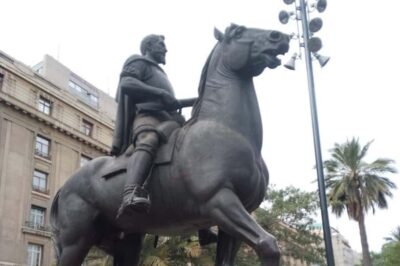



Lima: Historic Center Street Food, Market, and Eateries Tour
Read our review →
Nazis in Buenos Aires: a historical walking tour
Read our review →
Browse the lists this tour appears in