
Reviewed · CITY TOURS
Afro-Brazilian Roots Private City Tour in Salvador
Salvador’s Afro-Brazilian identity is not tucked away in a museum. You meet it at a fishermen’s altar, in the food stalls of São Joaquim Market, in Candomblé practice, and in neighborhoods where everyday life carries centuries of memory. This six-hour private tour gives you a thoughtful way into that world, with guides such as Wilson, Mônia, Vagner, and Ronaldo bringing strong academic and personal insight.
I especially like the private car, which keeps a wide-ranging day comfortable and flexible, and the chance to taste acarajé before lunch rather than treating food as an afterthought. The tour also visits places you would be unlikely to reach on your own, including a seaside favela and a Candomblé temple.
The main consideration is that this is an educational cultural tour, not a light sightseeing drive. Some stops are in favela communities where photography is not allowed, and the experience is not suitable for wheelchair users. Wear comfortable shoes and come ready to listen as much as look.
Key Points at a Glance
- Yemayá at Rio Vermelho: Begin beside the sea at a sacred altar maintained by local fishermen.
- African monuments at Dique do Tororó: Take photographs and learn how public art connects with Afro-Brazilian spirituality.
- São Joaquim Market: See fruits, vegetables, seasonings, and prepared foods tied to Bahia’s African heritage.
- Acarajé tasting: Try one of Bahia’s best-known foods before the main meal.
- Candomblé in an Ewe Fon setting: Approach religious traditions with explanation and respect.
- Private seaside lunch: End with a two-hour stop for food, views, conversation, and free time.
Why This Salvador Tour Goes Beyond the Historic Center
Many first visits to Salvador focus on Pelourinho, the colorful old center. That area matters, but it can leave you with a polished version of the city. This tour shifts the focus to places where Afro-Brazilian culture is practiced, eaten, prayed, and passed on in daily life.
The route connects several parts of Salvador rather than presenting isolated sights. A sea shrine leads to public monuments, then to a market, a religious site, and a working neighborhood by the water. I like that structure because it helps you see culture as something active, not simply something displayed for visitors.
Your guide is central to the experience. The strongest feedback names Wilson as a PhD historian who could answer questions well beyond Salvador. Mônia is praised for her care and passion for Bahia, while Vagner is noted for clear English and careful explanations of African culture in Brazil. Other guides named in the feedback include Leandro, Fernando, Ronaldo, and Monia.
Guide assignments can vary, so you should not book on the assumption that one particular person will lead your outing. Still, the repeated pattern is clear: this tour depends heavily on a guide who can explain connections between African traditions, Indigenous settlement, colonial rule, religion, food, and life in modern Bahia.
More City Tours in Brazil
- City Tour in Salvador discover the first capital of Brazil
★ 5.0 · 69 reviews - São Paulo: Main City Sights in 7 Hours – Shared Group Tour
★ 4.9 · 587 reviews - Rio: Carnival Backstage Tour at Samba City with Cocktail
★ 4.6 · 520 reviews
Rio Vermelho and the Altar of Yemayá
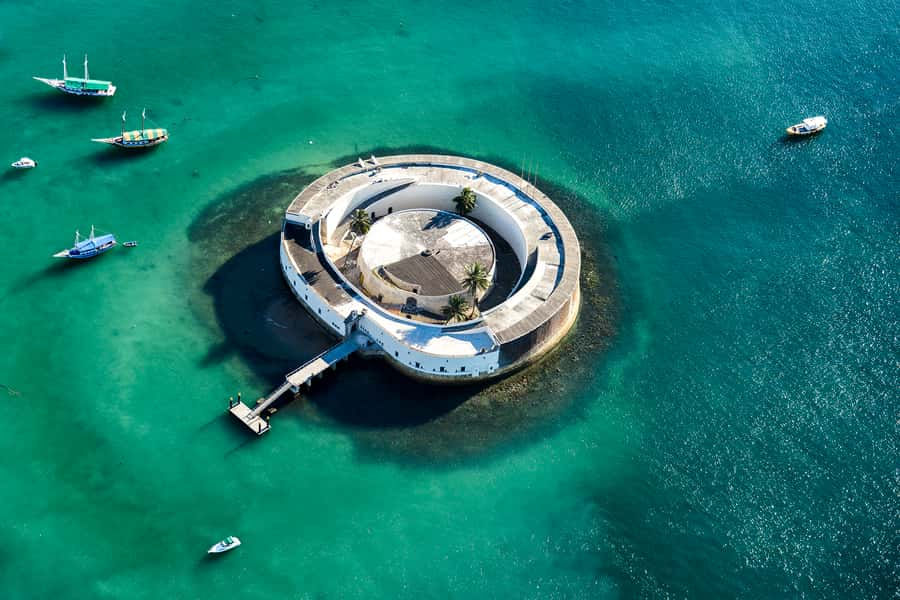
The first cultural stop is Rio Vermelho, a seaside area with a strong connection to Yemayá, the African deity associated with the sea. The altar is maintained by local fishermen, which gives the visit a practical local setting rather than a purely formal religious one.
You can expect a photo stop and guided explanation lasting about 30 minutes. The value here is not the amount of time. It is the chance to understand how faith, work, and the ocean meet in Salvador. Your guide can provide the context that a quick photograph would miss.
Approach the site with the same care you would bring to any active place of worship. Listen before taking pictures, and follow your guide’s instructions. This is a respectful introduction to the tour’s religious theme, not a staged performance.
Dique do Tororó and Salvador’s Public Symbols
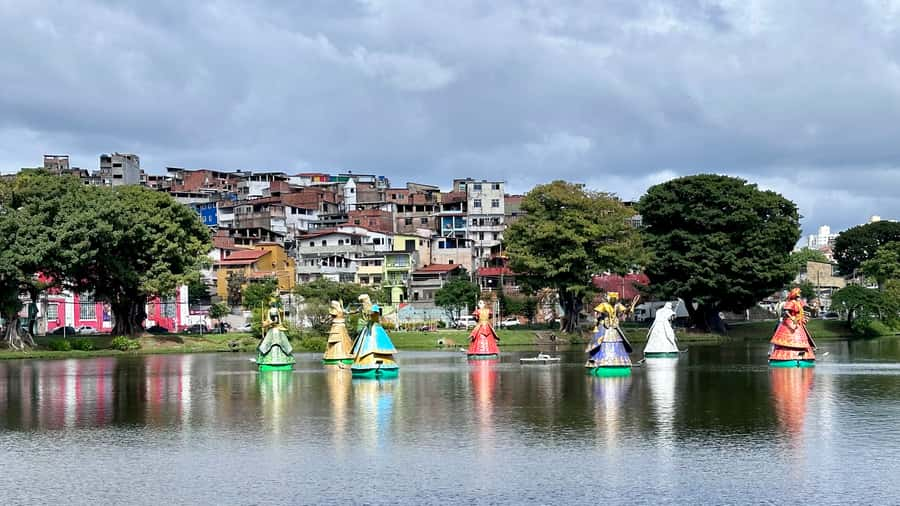
Next comes Dique do Tororó, also called Tororó Dike. The stop lasts about 30 minutes and centers on large African-inspired monuments rising from or around the water.
This is one of the easier parts of the day for photography. The monuments give you a visual way to connect the city’s public spaces with African spiritual traditions. Your guide can explain the figures and their place in Salvador’s cultural life, turning a quick picture stop into something more useful.
The dike also breaks up the day nicely. After the coastal opening at Rio Vermelho, you get a different setting before reaching the market. It is not a long museum visit, so do not expect detailed exhibitions or a large number of formal displays. Think of it as a focused outdoor stop with time for pictures and discussion.
São Joaquim Market: Food, Faith, and Daily Trade
São Joaquim Fair is one of the most rewarding parts of the route for anyone interested in food and local life. The market is described as an intangible heritage site, and its importance comes from more than its size. Its stalls connect ingredients, cooking, ritual, and commerce.
You will see stores filled with tropical fruits, fresh vegetables, seasonings, and typical dishes. The smells and colors make this a sensory stop, but the guide’s explanation is what gives it meaning. Ask about the ingredients used in Bahian cooking and how African traditions shaped the food you see.
The visit lasts around 40 minutes. That is enough for an introduction, some photographs, and a guided walk, but not enough to inspect every corner. Keep your attention on the group and on your surroundings. Markets can be busy, and a private tour does not mean you should wander off without telling the guide.
I like that the market comes before lunch. You see raw ingredients and prepared foods first, then sit down later with a better sense of what belongs on your plate. The meal feels connected to the places you have already visited.
More City Tours in Salvador:
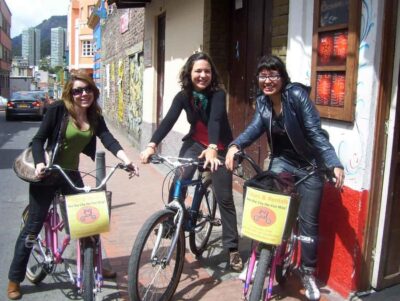
- Bogota: Bicycle City Tour
★ 4.9 · 2,156 reviews - Buenos Aires: City Highlights Guided Tour with Transfer
★ 4.7 · 1,946 reviews - Buenos Aires: Hop-On Hop-Off City Bus Tour
★ 4.2 · 1,855 reviews - Cusco: Half-Day City Tour with Sacsayhuaman and Q’enco
★ 4.6 · 1,129 reviews
Acarajé Before Lunch
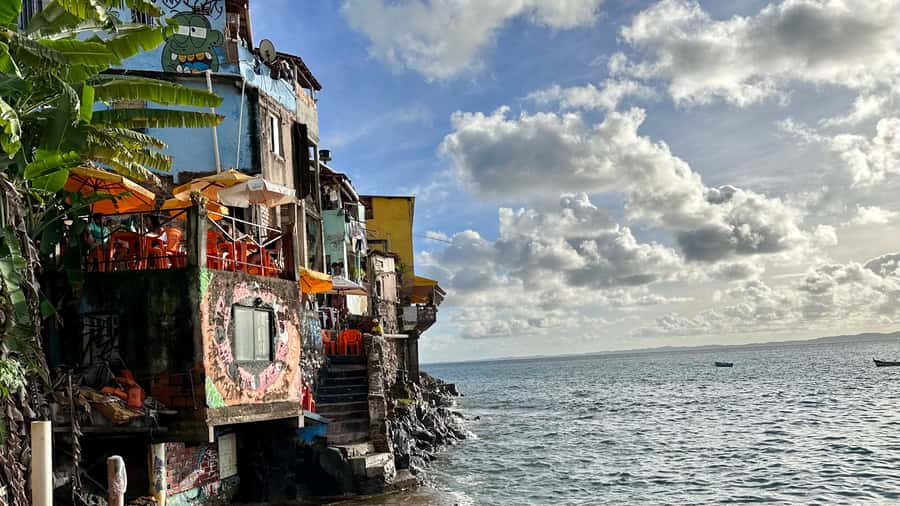
Acarajé tasting is included, and it is an important part of the tour rather than a minor snack. This Bahian food is made from black-eyed peas and is closely linked with Afro-Brazilian culinary traditions.
You will taste it during the day, with your guide explaining its place in local food culture. The tour information does not specify the exact serving or filling, so you should ask your guide what is being offered and how it is traditionally eaten.
Acarajé can be strongly seasoned, and the texture may be unfamiliar if you have not tried it before. That is part of the point. Food gives you a direct, memorable way to connect the historical and cultural themes discussed at the market and religious sites.
A Candomblé Temple in the Ewe Fon Tradition
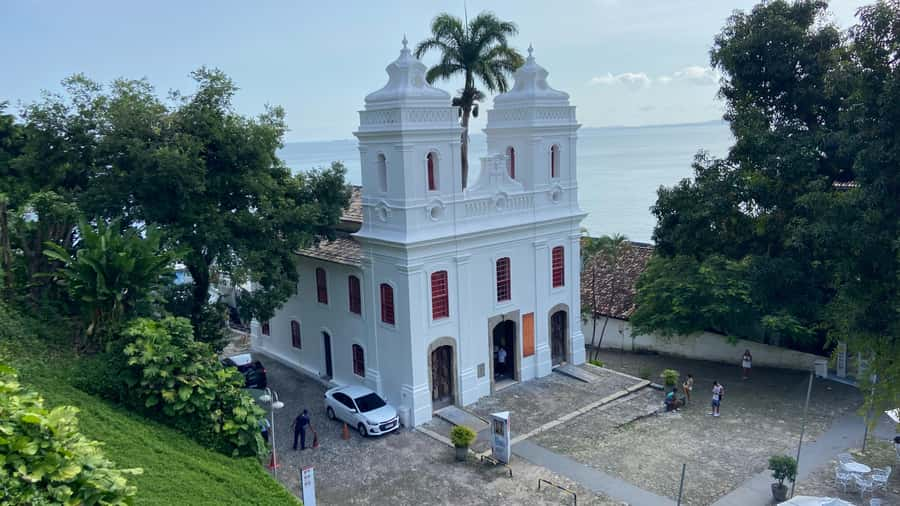
The Candomblé visit is likely to be the most meaningful part of the day for many people. The temple follows the Ewe Fon tradition, and your guide explains the beliefs and practices that shape the community.
Several guides have been praised for handling this subject with care. One visit included a conversation with a member of the house leadership, while another included an unscheduled explanation from a family member connected with the place of worship. These details suggest that the visit can be personal and welcoming, but you should not expect every group to have exactly the same conversation.
Candomblé is a living religion, not a folk display. Photography may be restricted, and you should follow instructions without argument. The tour’s warning about photography in favela communities is especially important, but respect should guide your behavior at the temple as well.
This stop rewards curiosity. If you want a quick, cheerful set of photo opportunities, it may feel serious. If you want to understand how African beliefs survived, adapted, and remain meaningful in Brazil, it is a strong reason to choose this tour.
Lunch Beside the Sea in a Working Neighborhood
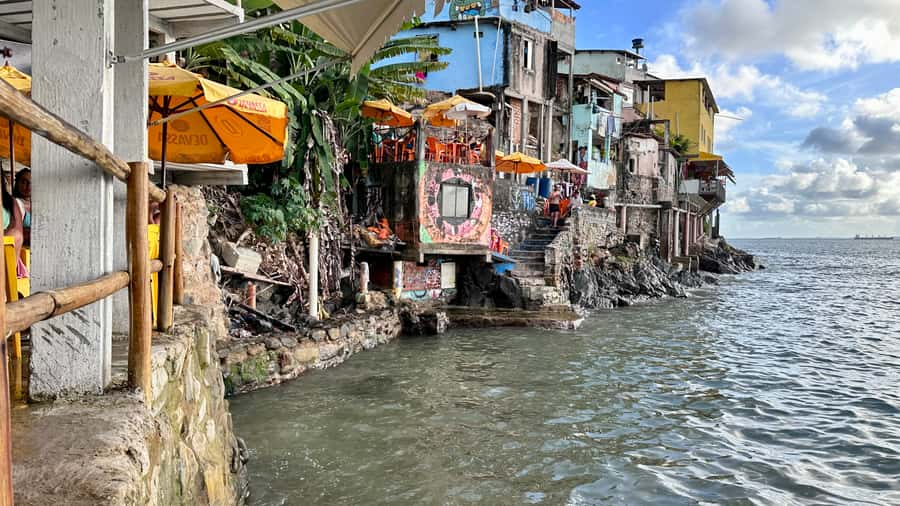
The final major stop takes place in a seaside favela, where you have time for lunch, photographs where permitted, and free time. The stop lasts about two hours, making it the least hurried section of the tour.
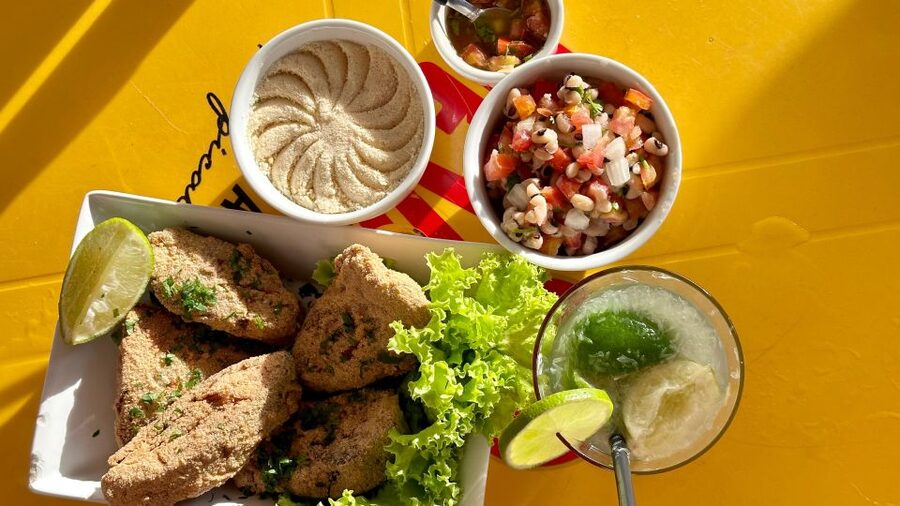
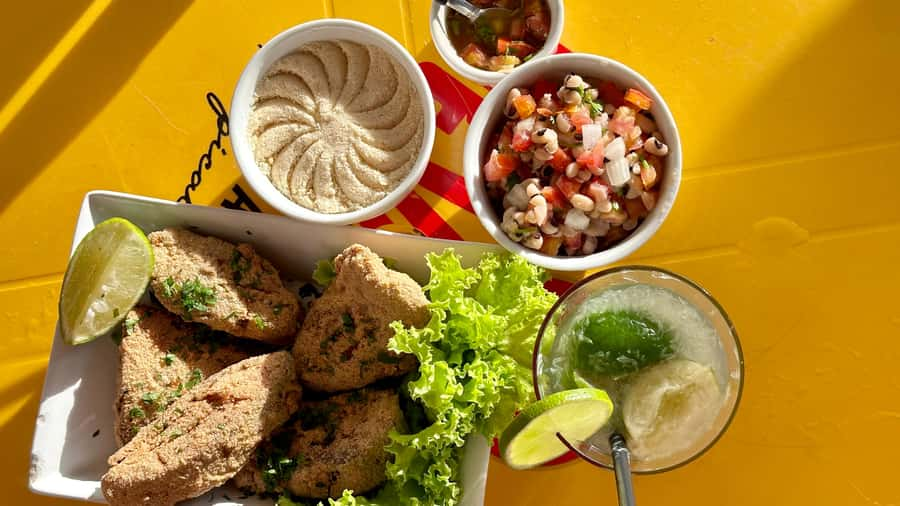
Lunch is included, but drinks are not. A meal at a small seaside restaurant is part of the plan, and one venue named in the feedback is Zanzibar. The setting is a major part of the appeal: you can sit near the water, eat Bahian food, and let the day’s ideas settle.
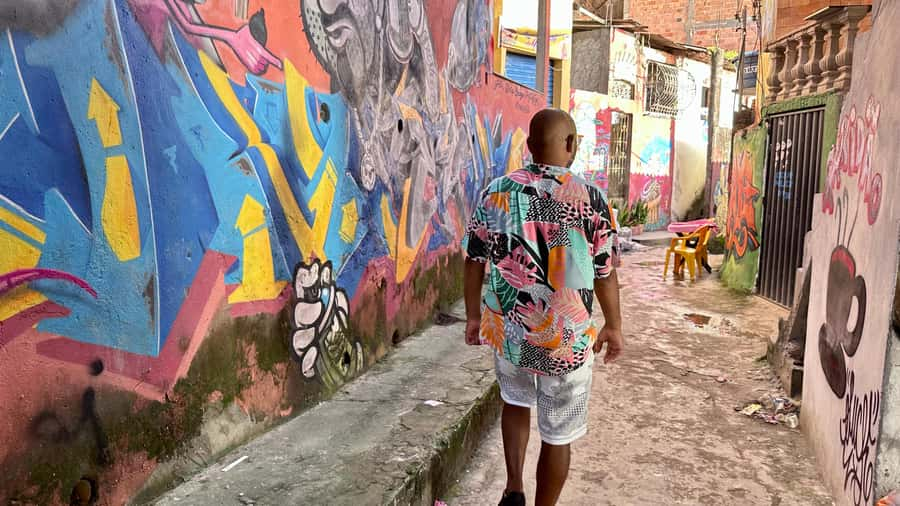
The word favela can make visitors picture only hardship. This stop offers a more grounded view of a community by the sea, but it should not be treated as a photo backdrop. The tour specifically says that photography is not authorized in favela communities. Respect that rule. Ask before photographing people, homes, streets, or private spaces.
I appreciate the long lunch because the rest of the route includes several short stops. You have time to slow down, talk with your guide, and enjoy the view. It also gives the day a natural ending before the private car returns you to Salvador.
What the Private Car Adds to a Six-Hour Day
Pickup is included from your accommodation in Salvador. You should wait in the hotel lobby 10 minutes before the scheduled time. From there, the private car links stops that are spread across the city.
A private vehicle matters here for two reasons. First, the route covers several different areas, so you are not spending the day sorting out local transport between each stop. Second, the guide and driver can adjust the pace. One guide was specifically praised for changing the order or timing to help keep the group cool, and drivers such as Adriano, Victor, and Fabio received praise for careful driving and calm handling of Salvador traffic.
The tour is private, so the day can feel more like a conversation than a fixed group lecture. You can ask about Yoruba connections, food, religion, colonial power, or present-day social life. If you are traveling alone, the private format may also feel more comfortable and personal.
The tradeoff is price. At $150 per person, this is not a budget sightseeing loop. You are paying for six hours, a private car, a guide, lunch, an acarajé tasting, and a donation, not simply for admission to a series of sights. For two or more people, the private format becomes easier to justify, especially if you value flexibility and detailed discussion.
Who Will Get the Most From This Experience
I would choose this tour if you want Salvador explained through its Afro-Brazilian roots rather than only through colonial buildings and postcard views. It suits people who enjoy history, religion, food, community life, and long conversations with a guide.
It is also a good fit if you have African heritage and want to explore connections between Brazil and the African traditions that shaped Bahia. One participant with Yoruba family roots found the discussion especially useful, and the guide was able to answer detailed questions about Yoruba culture and local practices.
You should think twice if you want a relaxed beach day with little commentary. The tour is often described as intellectually serious, and six hours can feel full when each stop opens a new subject. It is also not suitable for wheelchair users, and comfortable shoes are specifically advised.
Guides speak Portuguese, Spanish, English, or French. If language matters to you, confirm the available guide language when booking.
Booking Details That Matter
The tour lasts six hours, with starting times based on availability. The route begins and ends in Salvador, and hotel pickup is included.
You can cancel up to 24 hours before the tour for a full refund. A reserve-now, pay-later option is available, which helps if your Salvador schedule is still shifting.
The package includes:
- Private car
- Live guide
- Lunch
- Acarajé tasting
- Donation
Drinks are extra. Photography restrictions apply in favela communities, and the tour is not wheelchair accessible. Plan for walking at several stops, warm conditions, and a day that combines outdoor time with cultural discussion.
Should You Book the Afro-Brazilian Roots Tour?
Book it if you want Salvador to make more sense. The best feature is not any single monument or meal. It is the way the day links a sea deity, African-inspired public art, market ingredients, acarajé, Candomblé, and life in a seaside community.
At $150 per person, the value depends on your priorities. For a private cultural day with a car, lunch, a tasting, and a guide who can handle serious questions, the price is fair. For a quick overview of Salvador’s famous sights, it is the wrong choice.
I would especially recommend it early in your stay. The food, faith, and social context can sharpen your understanding of later visits around Salvador. Bring comfortable shoes, an open mind, and a willingness to put your camera away when asked. That is how this tour works best.
FAQ
How long is the Afro-Brazilian Roots Private City Tour in Salvador?
The tour lasts six hours, including pickup, guided stops, the Candomblé visit, lunch, and the return to Salvador.
What is included in the price?
The price includes a live tour guide, private car, lunch, an acarajé tasting, and a donation. Drinks are not included.
Where does the tour begin and end?
Pickup and return take place in Salvador. Hotel pickup is included, and you should wait in your hotel lobby 10 minutes before the scheduled pickup time.
Which languages are available?
Guides may speak Portuguese, Spanish, English, or French. Confirm the available language when booking.
Is this a private tour?
Yes. The activity is arranged for a private group rather than a shared public group.
Is the tour suitable for wheelchair users?
No. The tour is listed as unsuitable for wheelchair users.
Can I take photographs throughout the tour?
Photography is not authorized in the favela communities visited on the route. Follow your guide’s instructions at the Candomblé temple and other sacred places as well.
Can I cancel the booking?
You can cancel up to 24 hours in advance for a full refund. A reserve-now, pay-later option is also available.
Just added around Salvador
- 3 DAYS OF CHARM! Booking from 2 people – Chapada Diamantina by Zentur★ 5.0 · 59 reviews
- 2 AMAZING DAYS! Booking from 2 people – Chapada Diamantina by Zentur★ 5.0 · 63 reviews
- Salvador: Walking Tour Through Pelourinho★ 5.0 · 49 reviews
- Salvador de Bahia African Culture Tour★ 4.5 · 60 reviews
- Salvador: Cultural Treasure – Samba de Roda.★ 4.9 · 51 reviews
- Salvador: Praia Do Forte and Guarajuba Beach Day Trip★ 4.1 · 56 reviews
- Salvador Historic Walking Tour – Pelourinho★ 4.8 · 62 reviews
- Transfer Iberostar selection or Iberostar waves go and go★ 5.0 · 76 reviews
City Tours, compared.
Cusco: Half-Day City Tour with Sacsayhuaman and Q’enco
Read our review →
Private City Tour, Monserrate, Emerald and Botero
Read our review →
City Sightseeing Hop-On Hop-Off Bus Tour & Extras
Read our review →
City Tour Cusco Qoricancha Sacsayhuaman y Tambomachay
Read our review →
Main City Sights in 7 Hours – Shared Group Tour
Read our review →Browse the lists this tour appears in