
Reviewed · HISTORICAL TOURS
Sucre: Free Walking tour (History, culture and traditions)
Sucre’s past comes into focus one old street at a time on this 2.5-hour walking tour. You’ll visit the former mayor’s office inside an ancient castle, see the Street of Cats where the city began, and finish with views across the mountains from an old colonial square.
I like the way this route joins famous central sights with less obvious corners, especially the Indigenous art and old university courtyards. I also like the practical local touch: the tour may include a short colectivo ride for 2 bolivianos, giving you an easy first taste of Sucre’s public transport. The main consideration is that this is not suitable for wheelchair users or people with mobility impairments, and Sundays and holidays can bring route changes.
Key things to know before you go
- The ancient castle adds variety: You’ll see the former office of Sucre’s mayor and walk through its gardens, not just admire the building from outside.
- The Street of Cats links the city to its beginnings: This narrow historic route helps explain where Sucre first took shape.
- Manuel and Silvana are named guides: The experience is led in English, with a strong focus on Bolivian history and clear explanations.
- A local bus ride may be part of the route: Bring 2 bolivianos for transport and expect a small but useful lesson in everyday Sucre.
- The Indigenous art stop gives the walk a local focus: You’ll see art connected with communities living near Sucre.
- The price is unusually low: The listed cost is $0.50 per person, but you should still carry cash for the bus and any payment requested for the free-tour format.
Why this Sucre walking tour is worth your morning
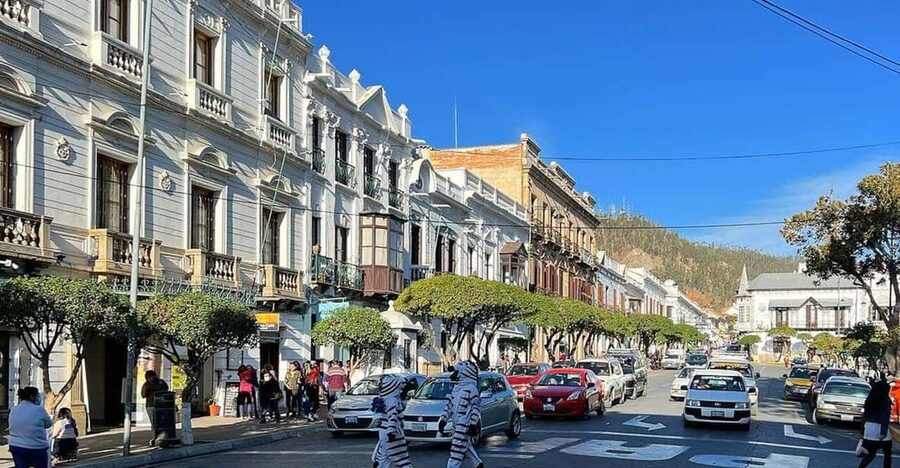
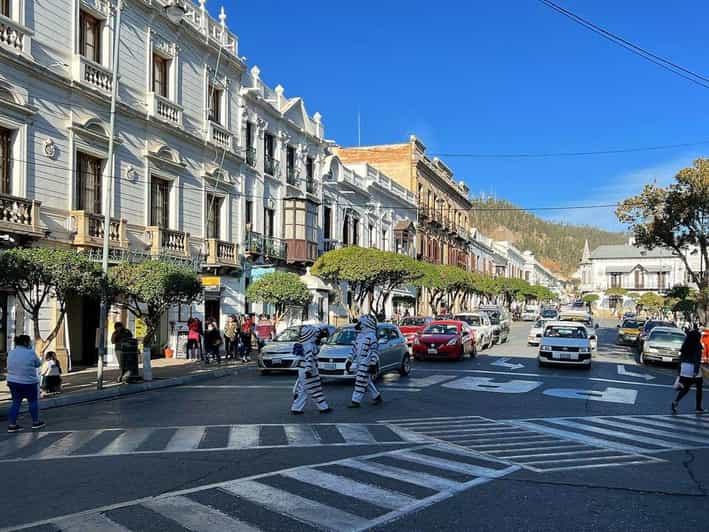
Sucre is easy to admire at street level. White façades, leafy squares, colonial arcades, and distant mountains give the city a pleasant first impression. But the details are easier to understand with someone connecting the buildings to politics, education, Indigenous culture, and local traditions.
That is where this tour earns its place. It does not stay only in the Plaza de Armas, and it does not treat Sucre as a collection of pretty façades. Over roughly two and a half hours, you move between major civic spaces, older streets, cultural displays, and viewpoints.
I would use it early in a stay. You’ll get a basic map of the city, learn which places deserve a closer look, and pick up practical advice for exploring on your own. Manuel is specifically praised for his command of Bolivian history and for offering useful tips about making the most of time in Sucre. Silvana is also named as a strong guide who explains the city clearly.
The tour is conducted in English. That matters here because the best parts are not simply visual. The old university, the main square, the castle, and the Indigenous art all make more sense when you know how they fit into the story of the city.
More Historical Tours in Bolivia:
- Cartagena: Historic Center and Getsemaní Shared Walking Tour
★ 4.9 · 2,716 reviews - Lima’s Vibrant Heritage: Exploring the City’s Landmarks Half-day
★ 4.5 · 581 reviews - Santiago: Guided Walking Tour of the Historical Old Town
★ 4.8 · 459 reviews
Starting at Plaza Cochabamba
The meeting point is in the middle of Plaza Cochabamba. This is a straightforward place to begin, but allow a little extra time to find the exact meeting spot and have your cash ready.
The route begins on foot, so wear shoes that can handle uneven historic streets. The tour lasts 2.5 hours, and the itinerary includes several stops with short visits of around 15 to 20 minutes. That gives you enough time to listen, look around, and take photographs without turning the outing into a long museum visit.
The walk is not designed for complete physical ease. It is specifically unsuitable for wheelchair users and people with mobility impairments. If stairs, uneven paving, or extended walking are difficult for you, this is not the right city introduction.
Plaza de Armas 25 de Mayo and Sucre’s public story
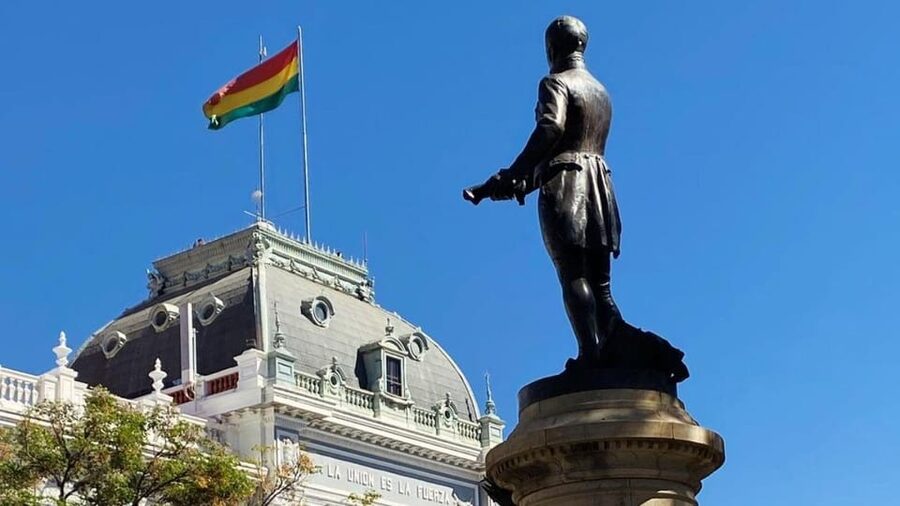
The first formal stop is Plaza de Armas 25 de Mayo, with about 20 minutes set aside for the visit. This is the place to get the broad outline of Sucre’s political and cultural past.
A good guide can make a central square useful rather than merely photogenic. You’ll hear how the city developed, why it matters in Bolivia, and how public life has played out around this central space. The square also gives you a clear reference point for later stops, since the route keeps returning to the relationship between Sucre’s grand civic buildings and its older streets.
I like that the tour gives the main square enough time without letting it swallow the whole morning. You’ll get context, then move on to places where the city feels less formal.
Bring a hat, water, and cash. The supplied information only confirms the need for cash, but those are sensible items for a walk that moves between open plazas and streets.
The university courtyards and an old center of learning
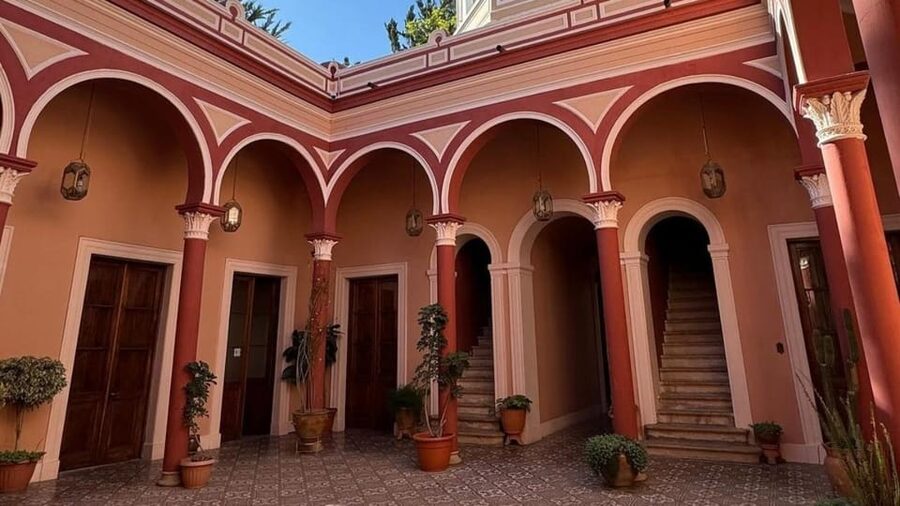
Next comes the Universidad Mayor, Real y Pontificia de San Francisco Xavier de Chuquisaca, commonly called USFX. The visit is listed at around 15 minutes, with attention given to the courtyards of the old public university.
This stop is valuable because it shows another side of Sucre. The city’s story is not only about churches, government, and colonial architecture. Education has also played a major role, and the university courtyards give you a look at the institutional life that developed within the historic center.
Courtyards are often easy to miss when you explore alone. From the street, you may see an entrance but not understand what lies inside. Here, the guide can point out the spaces and explain why the university belongs in a tour about Sucre’s traditions and public life.
The short visit means you should not expect an extended academic or architectural tour. Instead, think of it as one piece of a wider picture. If you enjoy seeing how old institutions still shape a city, this will be one of the more useful stops.
More Walking Tours in Bolivia:
- La Paz and El Alto: Cable Car Rides and Walking Tour
★ 4.8 · 790 reviews - La Paz Half-Day Walking Tour
★ 4.8 · 591 reviews - Rio de Janeiro: Rocinha Favela Walking Tour with Local Guide
★ 4.8 · 3,052 reviews - Rio De Janeiro: Half-Day Rocinha Favela Walking Tour
★ 4.7 · 2,272 reviews
Plaza de la Libertad and the Obelisco
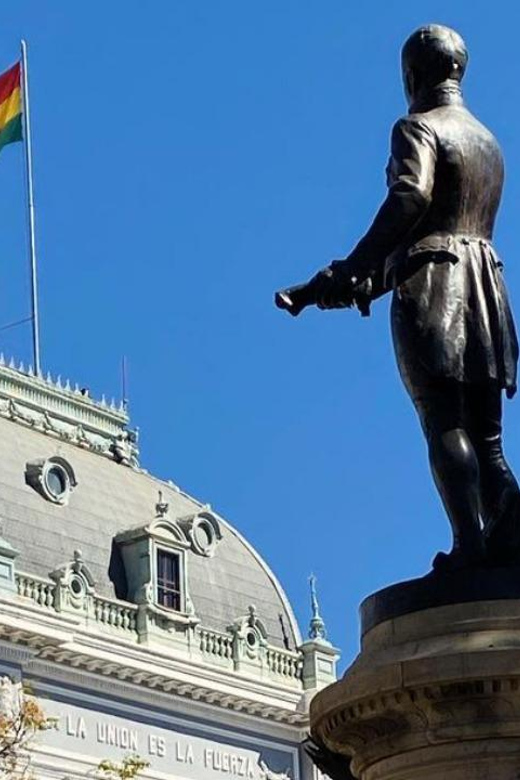
The route continues to Plaza de la Libertad and its Obelisco, with about 15 minutes here. This stop adds another civic space to the walk and helps show how Sucre’s public monuments record the city’s political memory.
The guide’s explanation is important because an obelisk can otherwise become just another photograph. You’ll learn what the space represents and how it connects with the larger story of Bolivia and Sucre.
This part of the walk also gives you a chance to compare the city’s squares. Plaza de Armas has a different role and feel from Plaza de la Libertad, and the route uses both to show how Sucre’s center is organized.
The itinerary moves at a sensible pace, but you should keep your expectations realistic. Fifteen minutes is enough for an explanation and a look around, not a detailed exploration of every nearby building.
The ancient castle and the former mayor’s office
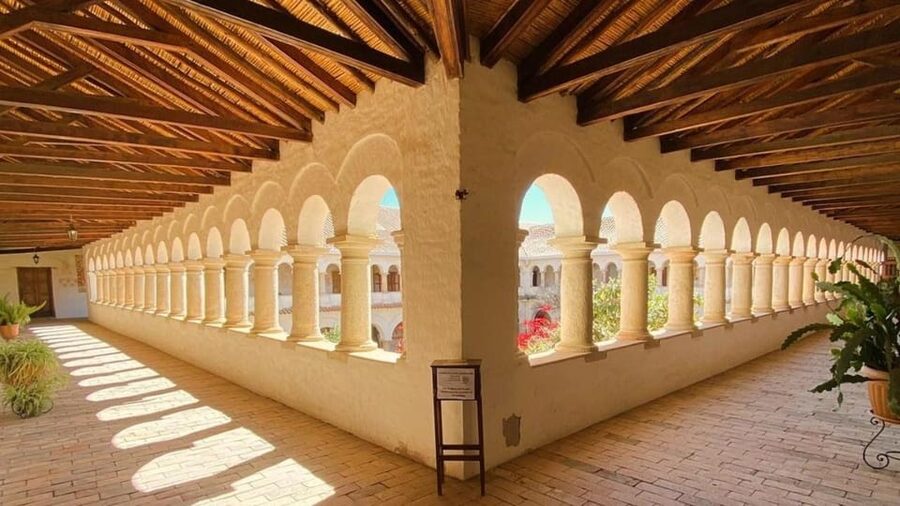
One of the more unusual parts of the route is the visit to an ancient castle. Inside, you’ll see the old office of the Mayor of Sucre and walk through the castle gardens.
This is a welcome change from a standard central-city walk. You are not only hearing about former officials and civic power. You are stepping into a historic setting and seeing where municipal work once took place.
The former mayor’s office gives the building a personal and administrative connection to the city. The gardens provide a quieter contrast to the plazas and streets. I would pay attention to the guide’s explanation here, since the value lies as much in understanding the building’s role as in seeing its rooms and grounds.
The information provided does not name the castle or guarantee how much of the interior will be open on every date. Opening hours affect the Sunday and holiday schedule, so the exact visit may change. That is worth keeping in mind if this stop is your main reason for booking.
The Street of Cats and the city’s beginnings
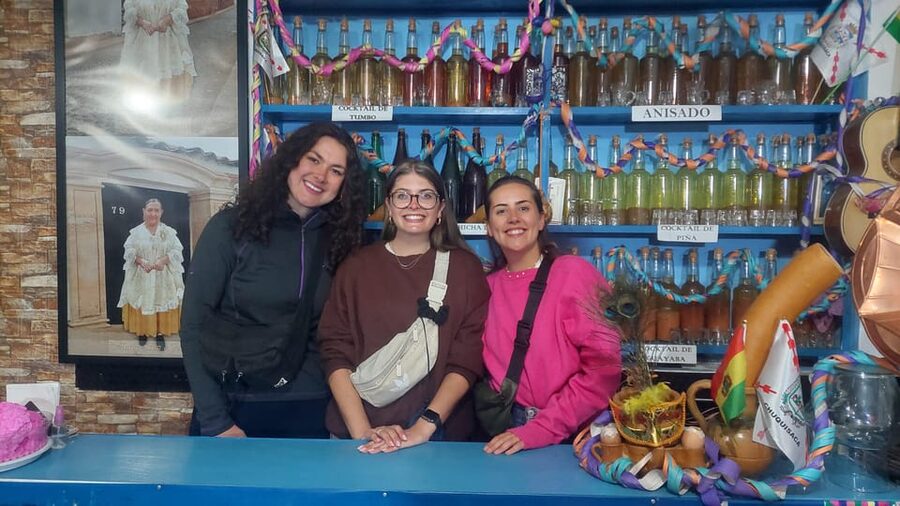
The walk then reaches the Street of Cats, described as the place where the city was born. The name alone makes it memorable, but the historical connection is the real reason to pause here.
Older streets can be more revealing than grand monuments. Their shape, scale, and position often show how a settlement began before later buildings and public squares were added. Your guide will use this street to explain Sucre’s earliest development and connect the modern city with its first foundations.
This is also a good point for photographs, though the guide’s explanation should come first. The street is one of the route’s more distinctive details, and it gives the tour a stronger sense of place than a walk limited to major squares would provide.
Do not expect a long independent stop. The itinerary is guided and fairly compact, so listen closely before moving on to the Indigenous art visit.
Indigenous art and communities near Sucre
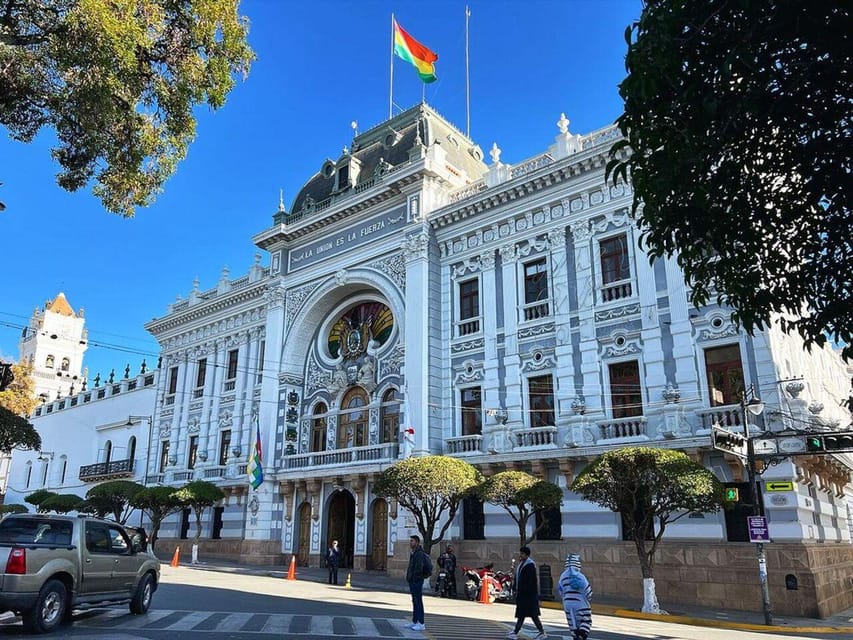
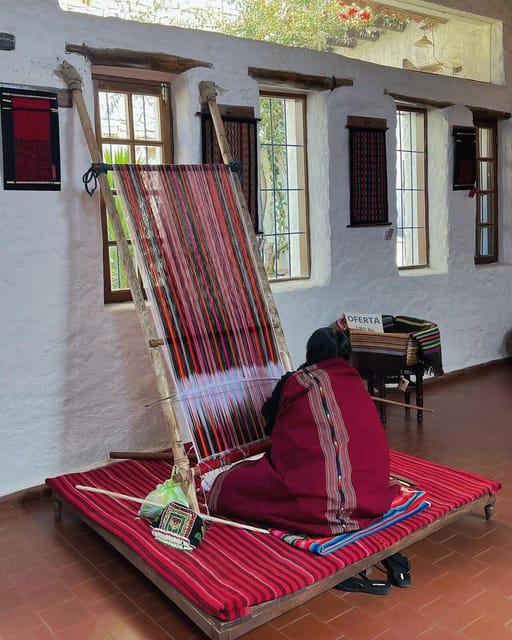
The Museo de Arte Indígena is listed as a 15-minute stop. The tour also includes a look at Indigenous art connected with communities living near Sucre.
This is one of the most important parts of the experience. Sucre can be presented too simply as a colonial city, with white buildings and Spanish-era history taking all the attention. The art stop adds a necessary local and Indigenous perspective.
You’ll have a chance to see artistic traditions rather than only hear about them. A short visit will not cover every detail, but it can help you recognize that the area’s culture is still active and connected to communities around the city.
I would ask questions here if the pace allows. The guide can help explain what you are seeing and place the art within Sucre’s broader cultural life. The tour is especially useful for anyone who wants more than architecture and dates.
The museum visit is also one reason to check the day of your booking. Sundays and holidays may bring changes because some places have different opening hours. The route may be adjusted rather than cancelled, but the exact order or length of this stop can vary.
A viewpoint with mountain views
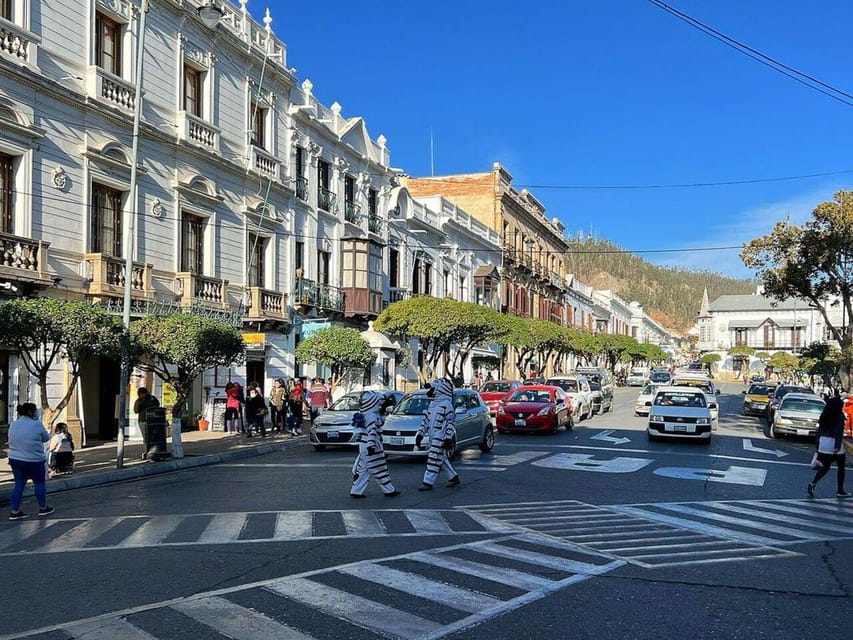
The walk includes a viewpoint near the city where you can look toward the mountains. This creates a welcome pause after the indoor and central-city stops.
The view helps you understand Sucre’s setting. Instead of seeing only streets and façades, you’ll get a wider sense of the hills and mountains around the city. It is also a useful moment to slow down, take photographs, and let the morning’s history settle.
The supplied details do not identify the viewpoint by name or promise a particular altitude. I would therefore treat it as a scenic stop rather than plan the tour around a famous lookout. Its value is in adding space and perspective to a route otherwise focused on historic streets and buildings.
The 2-boliviano local bus ride
A particularly useful detail from the experience is the possible local bus or colectivo ride, priced at 2 bolivianos per person. It may take you toward an older part of Sucre and is included as part of the practical local feel of the route.
This is not a sightseeing bus. It is ordinary public transport, which makes it useful if you want to learn how to get around but have not yet worked out the system. Manuel has been noted for helping visitors understand this part of Sucre.
Keep the fare in small cash. Transportation is not included in the listed tour price, and the amount given is 2 bolivianos. The ride may not appear in exactly the same way on Sundays or holidays, since the program changes with opening hours and the day’s route.
For some people, this will be a highlight. For others, it may feel like a small interruption in a walking tour. I see it as a practical bonus, especially if you are planning to use local transport during the rest of your stay.
Finishing at the old colonial square
The tour ends by exploring an old colonial square, with a view over Sucre. The listed finishing address is Suipacha 202, while the meeting information also says the activity ends back at the meeting point. Confirm the exact final location when you book, particularly if you have a timed onward plan.
Ending with a view is a smart choice. You begin among central civic buildings and finish by looking back across the city, which gives the route a clear visual shape.
The final square also brings the colonial side of Sucre back into focus, but by this stage you have seen more than façades. You have visited a former mayor’s office, walked an early street, entered university courtyards, viewed Indigenous art, and learned how local transport works.
Price, timing, and what to carry
The listed price is $0.50 per person, making this one of the least expensive ways to get an introduction to Sucre. At that price, the value is excellent if the guide is as prepared and engaged as Manuel and Silvana are described to be.
You should still carry cash. The local bus costs 2 bolivianos and transportation is not included. The information also identifies cash as something to bring, so do not rely on a card for every small expense.
The tour lasts about 2.5 hours. Starting times depend on availability, so check the schedule before choosing your day. Free cancellation is available up to 24 hours in advance, and you can reserve without paying immediately if you want to keep your plans flexible.
The format is best for someone who wants a guided overview rather than a slow museum morning. The stops are short, and the route covers a lot of ground. That gives you variety, but it also means you may want to return later to the university, museum, castle, or squares that interest you most.
Who should book this walk?
I would recommend it to first-time visitors who want an affordable introduction to Sucre, especially those interested in history, public spaces, Indigenous culture, and local traditions. It also suits anyone who wants practical orientation, since the local bus ride can help you feel more comfortable getting around.
The English-speaking guide is a major reason to choose it. Manuel and Silvana are named guides, and the strongest praise centers on clear English, strong preparation, useful local advice, and detailed explanations of Bolivian history.
I would hesitate if you need step-free access, dislike walking for several hours, or want guaranteed access to every interior. Sunday and holiday schedules can change, and the tour’s compact timing means no single stop receives a very long visit.
Should you book the Sucre free walking tour?
Yes, if you want a low-cost first look at Sucre that goes beyond the main plaza. The combination of castle gardens, a former mayor’s office, the Street of Cats, Indigenous art, university courtyards, mountain views, and a possible colectivo ride gives you a useful mix of history and everyday culture.
Book it early in your stay, bring cash, and keep your schedule loose on Sundays and holidays. If you can manage the walking and do not need wheelchair access, this is a strong-value way to understand Sucre before exploring its individual sights in greater detail.
FAQ
How long does the Sucre walking tour last?
The tour lasts approximately 2.5 hours. Starting times depend on availability.
Where does the tour start?
The meeting point is in the middle of Plaza Cochabamba in Sucre.
Where does the tour finish?
The activity information gives Suipacha 202, Sucre, Bolivia, as the finishing location and also says the activity ends back at the meeting point. Confirm the exact end point when booking.
Is the tour offered in English?
Yes. The tour includes a live English-speaking guide.
Do I need to pay for transportation?
Yes. Transportation is not included, and the local bus or colectivo costs 2 bolivianos per person.
Can wheelchair users join the tour?
No. The activity is not suitable for wheelchair users or people with mobility impairments.
Just added around Bolivia
- Visit to Uyuni Salt Flats from La Paz Bolivia by Bus★ 5.0 · 55 reviews
- La Paz Uyuni Premium Bus★ 4.5 · 78 reviews
- Private Tiwanaku and Titicaca Day Trip from La Paz★ 4.5 · 62 reviews
- Climbing Huayna Potosí★ 5.0 · 50 reviews
- Cholet Tour – Andean Architecture and Culture – El Alto★ 5.0 · 72 reviews
- Customizable Private City Tour – La Paz★ 5.0 · 69 reviews
- Adelante Mujer Bolivian Cooking Workshops★ 5.0 · 54 reviews
- Santa Cruz: Wildlife Sanctuary and Preservation Park Tour★ 4.7 · 73 reviews
Historical Tours, compared.
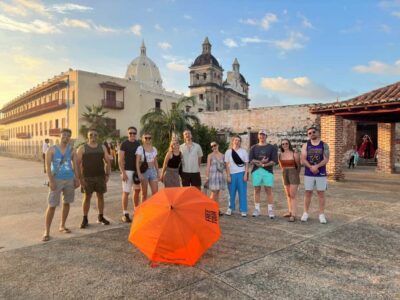
Historic Center and Getsemaní Shared Walking Tour
Read our review →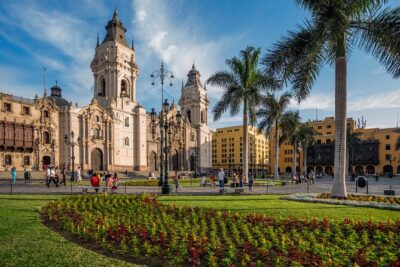
Lima’s Vibrant Heritage: Exploring the City’s Landmarks Half-day
Read our review →



Lima: Historic Center Street Food, Market, and Eateries Tour
Read our review →
Nazis in Buenos Aires: a historical walking tour
Read our review →
Browse the lists this tour appears in