Reviewed · STREET FOOD TOURS
Santa Marta A Historical & Street food Experience
Santa Marta’s best stories are packed into a small walking area, and this tour links them with a useful mix of Tayrona culture, colonial buildings, and Colombian street food. You begin at the Tairona Gold Museum and finish near Parque de los Novios, with stops at churches, squares, the waterfront, and San Miguel Cemetery.
I like the museum visit, which gives you a clear introduction to the indigenous people of the Sierra Nevada, and I like the way the walk connects history with food. Guides such as Sergio have also been praised for explaining clearly, answering basic questions, and offering practical ideas for the rest of your time in Santa Marta.
The main caution is time. It is sold as a two-hour experience, but one outing lasted closer to four hours while others felt hurried and shorter than expected. Food stops may also vary, and the ceviche tasting was not available on one occasion when the chosen place was closed.
Key points to know before booking
- The Tairona Gold Museum anchors the tour: You get a guided museum visit rather than only an outside introduction.
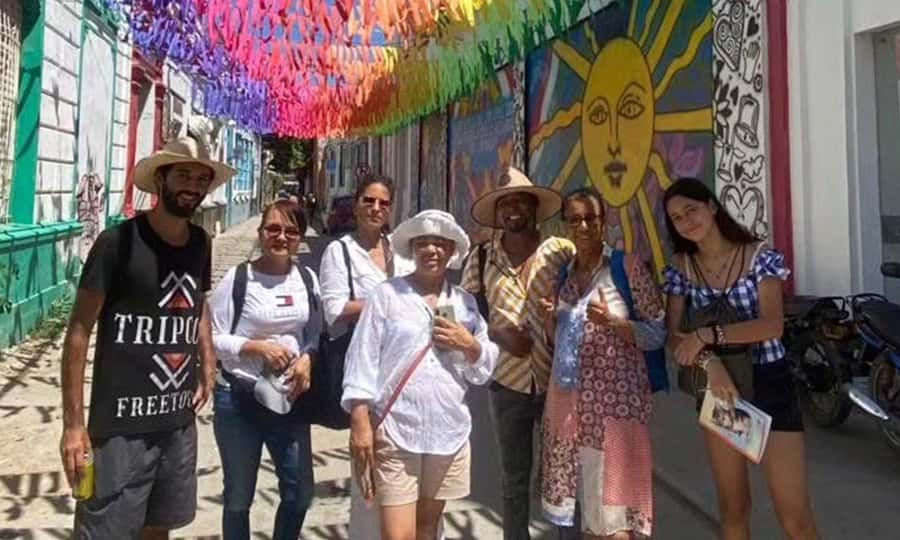
- Santa Marta’s central sights are covered on foot: The route includes Bolivar Park, the cathedral, Camellón Rodrigo de Bastidas, Parque de los Novios, Iglesia San Francisco, and San Miguel Cemetery.
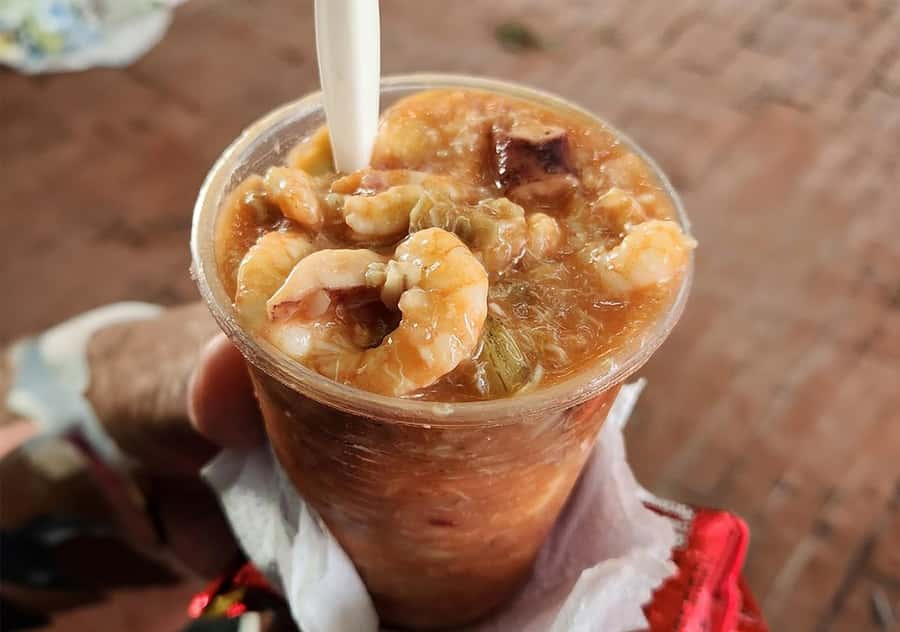
- Food is part of the plan: Expect a local drink, with ceviche, lulo, exotic fruit juice, and empanadas included in the advertised tasting experience.
- Sergio has made a strong impression: He has been praised for his history knowledge, friendly manner, and helpful advice beyond the tour itself.
- The two-hour estimate needs flexibility: Some departures have run long, while others have felt too compressed.
- Late afternoon may be more comfortable: A 4:30 departure was appreciated because the center was cooler.
Starting with gold, Tayrona culture, and Santa Marta’s oldest stories
Meet at the Museo del Oro Tairona, housed in the Casa de la Aduana. This is a smart starting point because the building and museum place you right inside two of Santa Marta’s main stories: Spanish colonial trade and the indigenous cultures of the Sierra Nevada.
The Tairona Gold Museum is not simply a room full of attractive objects. It gives you a way to understand the people who lived in the mountain region before and during the period of Spanish arrival. The experience focuses on artifacts, customs, and the cultural importance of the Tayrona civilization.
The schedule gives the museum roughly 45 minutes in total, including a short guided introduction and a longer visit. That is enough for a useful orientation, though not enough for a slow look at every display. If museums are your main reason for booking, keep your expectations realistic. This is a city walk with a museum component, not a full museum study session.
A guide with a background in history, journalism, or anthropology can make a real difference here. Sergio, in particular, has been praised for explaining the Tayrona people in an approachable way and for handling basic questions without making you feel rushed or uninformed. That matters in a museum where context is more useful than simply moving from one case to the next.
More Food Tours in Colombia
- Medellin: Comuna 13 Graffiti Tour, Cable Car & Street Food
★ 4.8 · 9,046 reviews - Medellín: Comuna 13 True Story and Street Food Tour
★ 4.9 · 1,779 reviews - Cartagena: Guided Street Food Tour with Tastings
★ 4.9 · 833 reviews
Bolivar Park and the colonial center
From the museum, the route moves to Simon Bolivar Park. This is where the tour shifts from indigenous history to the political story of Santa Marta and Colombia. You learn about Simón Bolívar’s connection with the city and why his name appears so often in public spaces across the country.
The park is also a good place to get your bearings. Rather than treating Santa Marta’s center as a string of unrelated buildings, the guide explains how the city’s public spaces connect. The surrounding streets lead toward the cathedral, waterfront, restaurants, bars, and small historic buildings.
You should expect a walking tour rather than a vehicle-based sightseeing trip. The itinerary is compact, but the stops are close enough to make the city feel manageable. Wear shoes suited to cobbled or uneven streets, and bring water. Santa Marta can be hot, particularly during the middle of the day.
The planned photo stop at Camellón Rodrigo de Bastidas adds a different view of the city. Here, the route reaches the waterfront and gives you time for pictures. The stop is listed as about 15 minutes, so it is more a pause for orientation and photographs than a long promenade.
Santa Marta Cathedral and the meaning in its walls
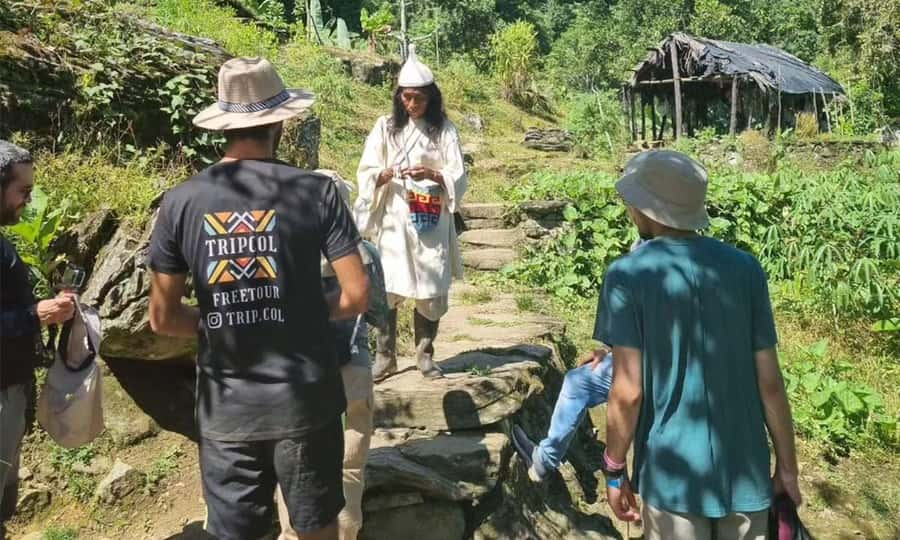
The Cathedral Basilica of Santa Marta is one of the key architectural stops. The visit covers its colonial design and the stories attached to its interior, including the messages found in its frescoes.
This part of the walk is valuable because architecture can make a city’s past easier to grasp. Dates and names quickly blur together, but a church that has watched the city change gives those facts a physical setting. You get a short guided visit rather than a long architectural lecture.
The cathedral stop is planned for around 20 minutes. That is sufficient for the main points, especially if your guide keeps the explanation focused. If you want extended time for quiet viewing or photography, you may wish you had more freedom here.
The walk between sites is part of the experience. You pass through the historic center rather than seeing Santa Marta through a bus window. That lets you notice the change from older civic buildings to the restaurants, pubs, and clubs around the center.
Parque de los Novios, food, and Santa Marta after dark
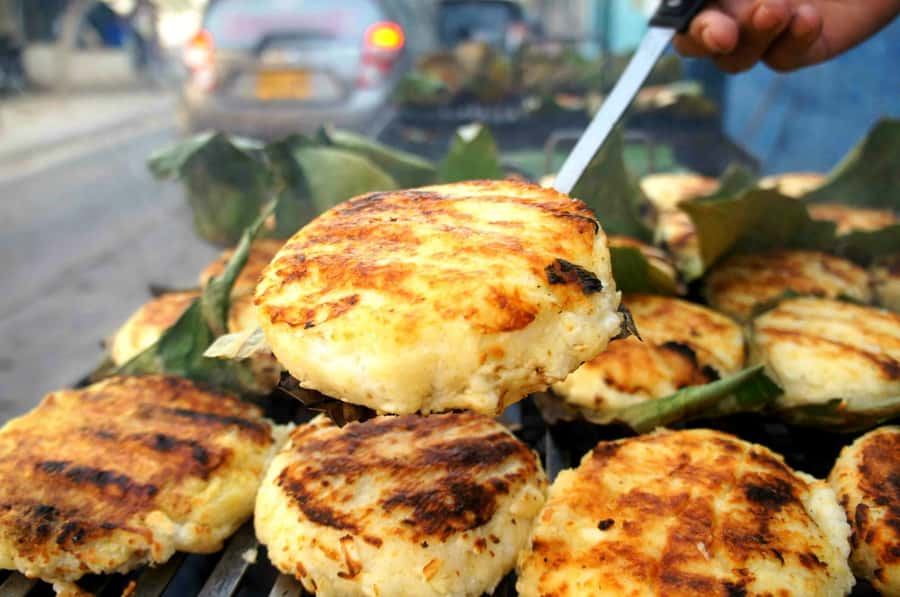
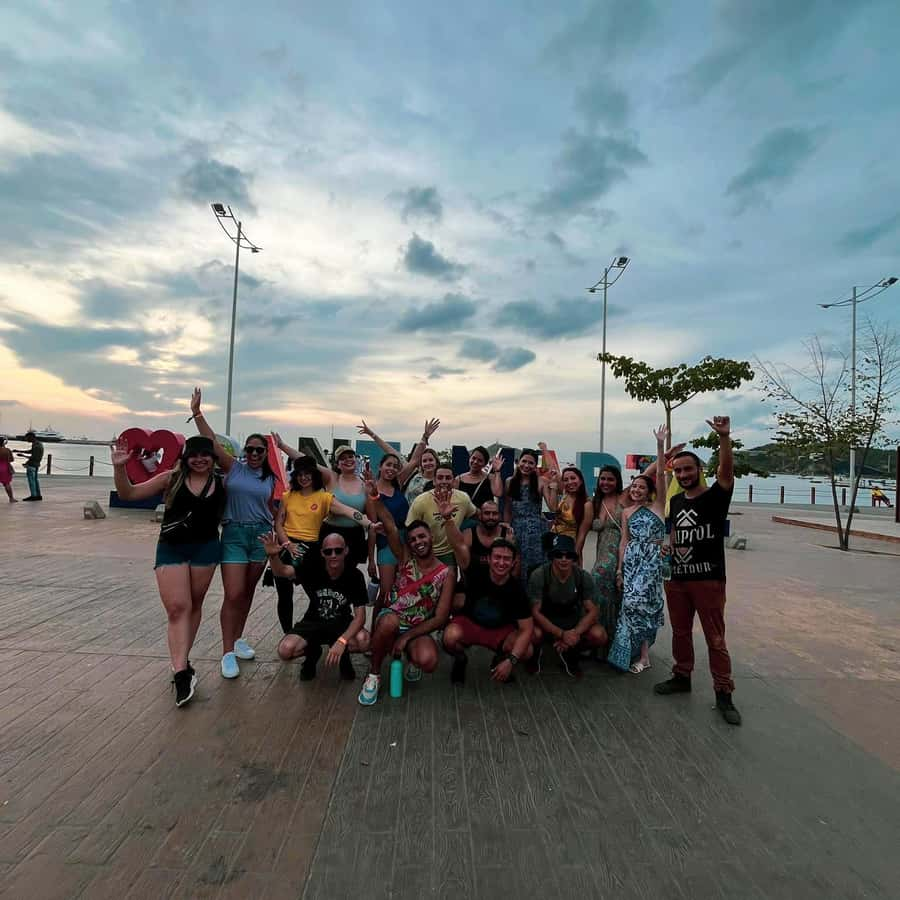
Parque de los Novios receives the longest scheduled stop, about 45 minutes. It is the social center of the route and a useful place to understand modern Santa Marta as well as its older legends and public life.
The park is surrounded by places to eat and drink, so the guide can point out restaurants, pubs, and clubs in the center. This is one of the most practical parts of the tour. You are not just hearing about the city’s past. You are also learning where the central evening scene takes place.
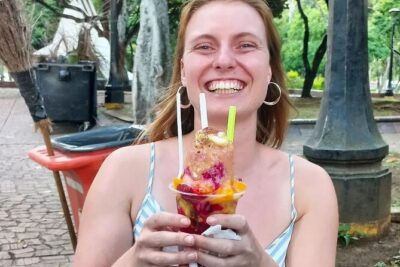
The food tasting is meant to add local flavor to the history lesson. The planned stops include Colombian-style ceviche, lulo in different forms, an exotic fruit juice, and an empanada. A local drink is specifically included.
Lulo is especially useful for first-time visitors because it is a familiar Colombian flavor that many people have not tried before. You may encounter it as juice or in an artisanal preparation. The fruit juice stop may include flavors such as guanábana, maracuyá, or zapote.
The empanada gives you the simplest and most recognizable street-food moment. It is a small, practical taste of everyday Colombian eating rather than a formal restaurant meal. Ceviche brings in the coastal setting, with fresh seafood and a local preparation.
Food availability is the weak point. One departure could not include the ceviche because the selected place was closed, and no replacement stop was made. That does not mean every departure will have the same problem, but you should treat the tastings as part of the plan rather than an absolute guarantee of every listed item.
The tour also cannot replace a full meal. Portions are tastings, so you may still want lunch or dinner afterward. That is not a problem if you view the food as an introduction to flavors and use the guide’s restaurant suggestions for a later meal.
More Historical Tours in Colombia
- Trekking History and Indigenous Heritage in Minca + Cacao & Coffee + Waterfall
★ 4.9 · 63 reviews - Cartagena: Historic Center and Getsemaní Shared Walking Tour
★ 4.9 · 2,716 reviews - Shared Tour Cali’s Historical Downtown
★ 4.8 · 143 reviews - Medellín: History & Local Life Essentials Tour on an E-Bike
★ 4.9 · 130 reviews
San Francisco Church and Santa Marta’s religious architecture
Iglesia San Francisco is another short stop, planned for about 15 minutes. You get a visit, some guided explanation, and time for photographs.
The church helps fill in the religious side of the historic center. Along with the cathedral, it shows how different sacred buildings contribute to Santa Marta’s older streets. Since the stop is brief, the guide’s storytelling is more important than the amount of time inside.
This is also where a tightly scheduled departure may feel rushed. The official route includes several places, food tastings, and museum time in only two hours. If your guide gives each location a proper explanation, the tour may run longer. If the group stays strictly to schedule, some stops may receive only a quick look.
That difference matters. You need to decide if you prefer a compact overview or a slower walk with room for questions. The strongest experiences appear to come when guests ask questions and the guide has time to respond.
San Miguel Cemetery and the final look at local memory
The last major stop is San Miguel Cemetery, planned for about 20 minutes. A cemetery may seem like an unusual tourist stop, but it can add a personal side to city history. Churches and government buildings show public institutions. A cemetery points toward families, remembrance, and the people who shaped the city away from official monuments.
The stop is also another chance for photographs and a quieter change of pace after the central plazas and food stops. Your guide can explain why the cemetery matters within Santa Marta’s story, though the exact focus may depend on the person leading your departure.
The route ends with drop-off at either Parque de los Novios or the Tairona Gold Museum. That is convenient if you want to continue eating or exploring in the center. It also means you are not being taken back to a hotel or a distant transport point, so plan your next move from one of those central locations.
What the guide adds to the walk
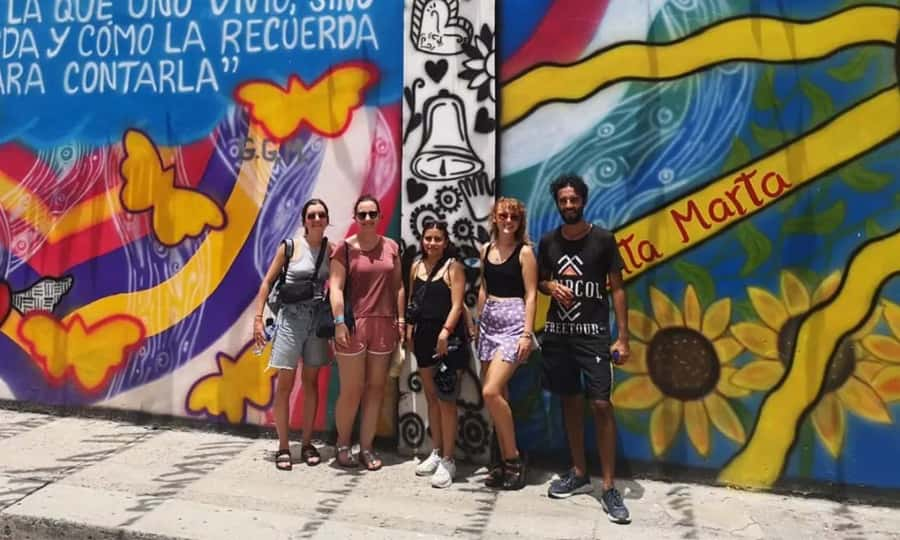
A guide is essential for this experience. Without one, you could still see the cathedral, parks, churches, museum, and waterfront, but the connections between them would be much thinner.
The guides are described as Colombian professionals with backgrounds in history, journalism, and anthropology. Sergio has received especially warm praise for being personable, thoughtful, and easy to talk with. He also helped one person with a hostel problem and offered suggestions for other things to do in the area.
That kind of help is useful at the beginning of a Santa Marta stay. You can ask practical questions about the city, not just listen to a prepared speech. The best approach is to arrive with a few questions of your own, especially about restaurants, pubs, clubs, and places to visit after the walk.
Language is another strength. The tour is offered in English and Spanish. If you want detailed explanations about indigenous culture, architecture, or Colombian history, book the language in which you can ask follow-up questions comfortably.
Is $56 good value for two hours?
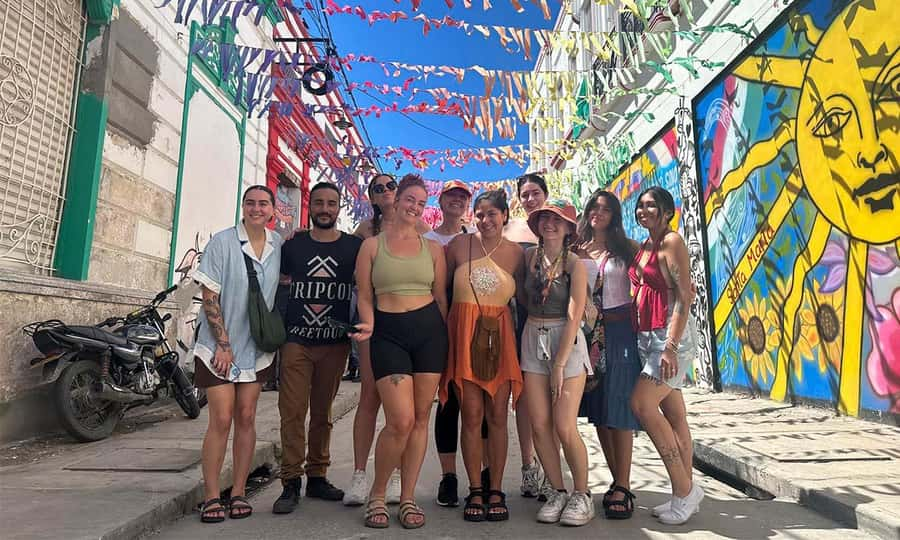
At $56 per person, this is not a cheap orientation walk. The price makes the most sense if you value a professional guide, a museum visit, several historic sites, and included tastings in one package.
The value is strongest when the tour runs at a comfortable pace and the food stops all take place. You receive a broad introduction to Santa Marta without having to plan each location yourself. The museum admission and guided museum time also give the experience more substance than a simple plaza walk.
The value weakens if the route is rushed, finishes much earlier than expected, or misses several food tastings without a substitute. Recent experiences have varied from close to four hours to a much shorter outing. That suggests you should confirm the expected timing at the start and ask what tastings are operating that day.
For a first day in Santa Marta, the price may be easier to justify because the tour helps you choose where to return. You can use the restaurant and nightlife suggestions later, when you are ready to explore independently. If you already know the center well, $56 may feel high for a route covering places you could visit on your own.
You can cancel up to 24 hours before the start for a full refund, and you can reserve now and pay later. Those policies help if your schedule around Santa Marta changes, but they do not change the basic question of value: you are paying for interpretation, organization, and tastings, not transport or a full meal.
Timing, heat, and who should book
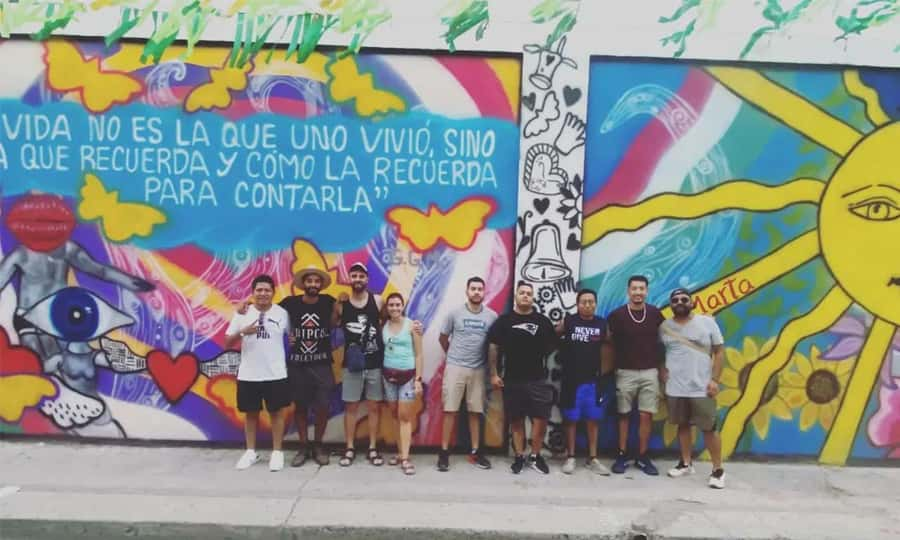
A late afternoon departure is worth considering. The 4:30 tour was appreciated because the temperature was more comfortable, and the route includes outdoor walking and several photo stops. Cooler conditions can make the historic center easier to enjoy.
I would choose this for someone who wants a fast cultural introduction, likes to walk, and enjoys trying small portions of local food. It also suits a first-time visitor who wants help understanding the relationship between Tayrona culture, colonial buildings, and present-day Santa Marta.
Families and curious first-time visitors may appreciate the mix of museum objects, churches, parks, food, and stories. People who need a very exact two-hour schedule should be more cautious. The experience can run long, yet it can also feel rushed if the guide tries to fit every stop into the advertised time.
It is less suitable if you want a long museum visit, a full food tour, or a relaxed photographic walk. The route offers samples and introductions. It does not promise a full meal, extended time at each site, or a detailed exploration of every building.
Should you book the Santa Marta Historical and Street Food Experience?
Book it if you want a guided first look at Santa Marta and you value the combination of Tairona culture, colonial architecture, and local tastes. The museum, cathedral, central parks, churches, cemetery, and food stops give you a useful overview in one outing, and a guide such as Sergio can make the history easier to follow.
Before paying $56, ask how long that day’s tour is expected to last and which tastings are open. If you are comfortable with some variation and want help getting your bearings, this can be a rewarding start to your stay. If you require a strict two-hour schedule or guaranteed ceviche and every listed tasting, the uncertainty may not suit you.
FAQ
Where does the tour start?
The tour starts at the Museo del Oro Tairona, also called the Casa de la Aduana, in Santa Marta.
Where does the tour finish?
The drop-off locations are Parque de los Novios or the Museo del Oro Tairona, Casa de la Aduana.
How long does the tour last?
The advertised duration is two hours. Actual timing can vary, with some departures taking longer and others feeling shorter than expected.
What languages are available?
The live guide is available in English and Spanish.
Is the museum visit included?
Yes. The experience includes a guided tour inside the Tairona Gold Museum.
What food and drinks are included?
A local drink is included. The planned tasting experience includes ceviche, lulo, exotic fruit juice, and empanadas, although individual items may depend on what is open that day.
Which places are visited?
The route includes the Tairona Gold Museum, Simon Bolivar Park, Camellón Rodrigo de Bastidas, the Cathedral Basilica of Santa Marta, Parque de los Novios, Iglesia San Francisco, and San Miguel Cemetery.
Is cancellation allowed?
You can cancel up to 24 hours in advance for a full refund.
Can I reserve without paying immediately?
Yes. The reserve-now-and-pay-later option lets you book your place without paying at the time of reservation.
More Street Food Tours in Santa Marta
- Lima: Historic Center Street Food, Market, and Eateries Tour
★ 4.9 · 216 reviews - Lima Street Food Tour Beyond Netflix
★ 5.0 · 117 reviews - San Telmo: Historical Guided Tour with Street Food & Drinks
★ 5.0 · 87 reviews - São Paulo: Liberdade Street Food Tour
★ 4.9 · 73 reviews
More Street Food Tours in Colombia
- Medellin: Street Food and Poblado Rooftop Tour with a Local
★ 4.8 · 317 reviews - Medellin: Party Bus with DJ & Street Food Tastings
★ 4.5 · 112 reviews - The Cali Street Food Walking Tour
★ 5.0 · 81 reviews - Cali: Street Food Tour
★ 4.8 · 71 reviews
Just added around Santa Marta
- Santa Marta: Multi-Day Trek to The Lost City★ 4.8 · 40 reviews
- Santa Marta: Cape San Juan del Guía Tour in Tayrona Park★ 4.3 · 64 reviews
- Minca: Full-Day Coffee and Cocoa Tour from Santa Marta★ 4.5 · 61 reviews
- Magdalena: Tayrona Park Cruise with Snorkeling & Beaches★ 3.9 · 39 reviews
- From Cartagena: Barranquilla & Santa Marta Guided City Tour★ 3.7 · 46 reviews
- Cartagena: Barranquilla and Santa Marta All-Inclusive Tour★ 3.6 · 38 reviews
- Cacao Experience Tour★ 4.8 · 66 reviews
- A Pearl In The Caribbean-walking tour in English★ 5.0 · 71 reviews
Street Food Tours, compared.

Comuna 13 Graffiti Tour, Cable Car & Street Food
Read our review →
Street Food and Poblado Rooftop Tour with a Local
Read our review →
Lima: Historic Center Street Food, Market, and Eateries Tour
Read our review →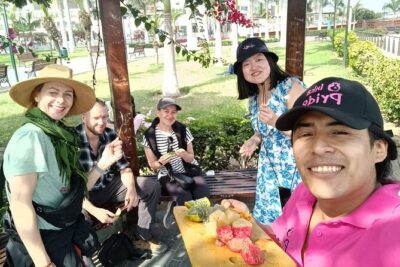
San Telmo: Historical Guided Tour with Street Food & Drinks
Read our review →