
Reviewed · FOOD & DRINK
Guided Market Fruit Tasting in Rio with 15+ Exotic Flavors
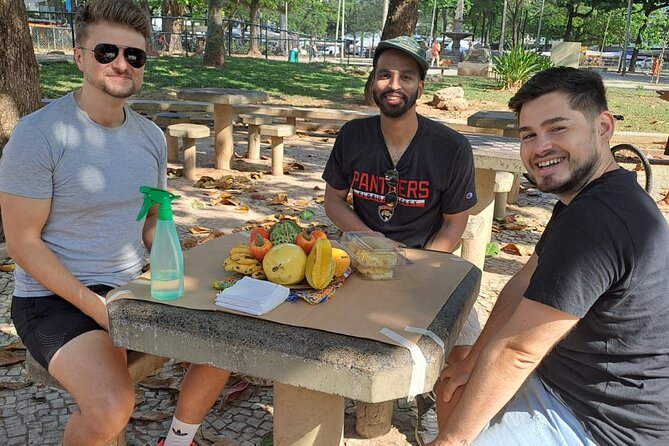
Rio’s farmers markets are at their best when you stop treating them as places to simply pass through. This two-and-a-half-hour fruit tour turns a market visit into a trip around Brazil by taste, from açaí and jabuticaba to cashew apples made into sweets and liqueurs.
I like two things right away: you taste 15 to 20 fruits, not just hear a list of names, and the guide connects each bite to Brazilian life. I also like the small-group limit of 15, which should make it easier to ask questions and get help choosing extra treats. The one thing to consider is that the market’s selection changes with the season, so the exact fruit lineup cannot be promised.
Key points to know before booking
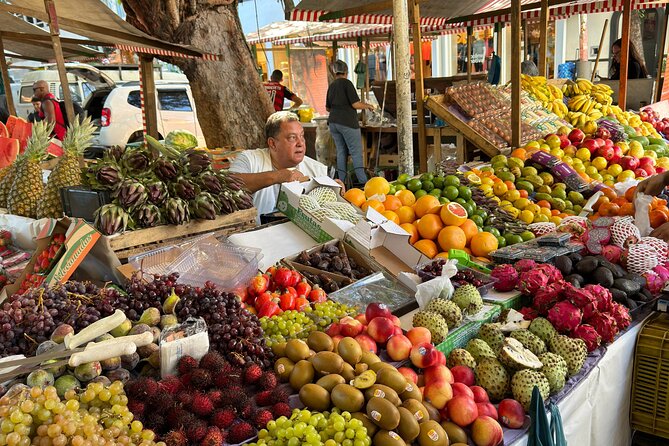
- Taste more than 15 Brazilian fruits: The guided sample usually includes 15 to 20 exotic fruits, with additional juices, nuts, and native ingredients.
- Start in Ipanema at 10:00 am: The walk begins and ends at the same meeting point, making it easy to fit into a Rio morning.
- Learn the story behind the flavor: You’ll hear how açaí, jabuticaba, and cashew apples connect to regions, customs, and daily food habits.
- Shop after the guided tasting: Any extra fruit, food, or drink you want to buy is your responsibility, but you are free to wander the market afterward.
- Expect a small group: The maximum is 15 people, a useful size for a food guide and a shared tasting.
- Plan ahead: The experience is often reserved about 26 days before the date, so leaving it until the last minute may not work.
A market walk that tastes like Brazil
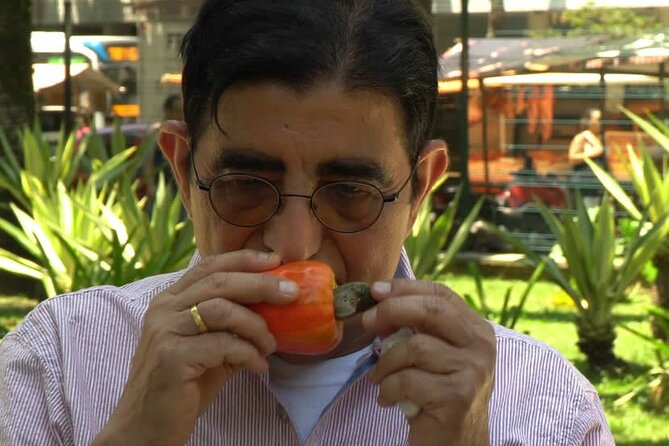
The clever idea here is simple: instead of presenting Brazil as one giant tropical pantry, the guide uses fruit to show how varied the country is. Açaí points toward the Amazon and its role as a source of energy. Jabuticaba gives you a particularly unusual visual story because it grows directly on the tree bark. The cashew apple opens the door to sweets and liqueurs.
Those examples also show why this is more than a produce stop. You are not just sampling something sweet, sour, soft, or strange. You are hearing how ingredients become part of local habits and regional identity. That context gives the food a longer aftertaste, even when the fruit itself is gone.
You should expect a real farmers market rather than a staged food attraction. The setting matters. Local stalls, market products, and the chance to shop on your own give you a closer look at how food is sold and enjoyed in Rio. The market is described as cozy, with a good-natured atmosphere, but you should still come ready for a working market rather than a quiet classroom.
The guide leads the tasting and explains what is in front of you. Hay Za has been praised for being sweet and well informed, while Caterina has led guests through a wide range of fruit and helped them understand what Brazilians like to eat. Erica has also guided the experience, adding local context and helping with market shopping. Your guide depends on the date, but the format remains the same: walk, taste, ask questions, and keep an open mind.
More Food Tours in Brazil
- Rio: Pub Crawl in Lapa with Cachaça Tasting and Live Samba
★ 4.7 · 881 reviews - A socio-educational and gastronomic experience in the Vidigal favela
★ 5.0 · 39 reviews - African Heritage: Gastronomy and Musicality Experience
★ 5.0 · 39 reviews
Your 10:00 am start in Ipanema
The meeting point is in Ipanema, and the activity begins at 10:00 am. It also ends back at the meeting point, which keeps the morning easy to plan. You are not left figuring out a new neighborhood at the end of the tour.
The location is near public transportation, another practical plus in a city where a simple meeting point can save time. The supplied details do not specify a hotel pickup, so plan to make your own way to Ipanema. Give yourself enough time to arrive before 10:00 am, especially if this is your first morning in Rio.
The timing works well for several kinds of plans. You can use the fruit tour as a gentle first activity after breakfast, build the rest of your day around Ipanema, or schedule it before another afternoon plan. At 2 hours and 30 minutes, it is long enough for a proper tasting but not so long that food becomes the only event of the day.
The market setting also means the pace is likely to be conversational. You walk between stalls, stop for samples, hear explanations, and move on. This is a better fit for someone who enjoys trying things as they appear than for someone who wants a tightly timed sequence of formal courses.
What you actually taste
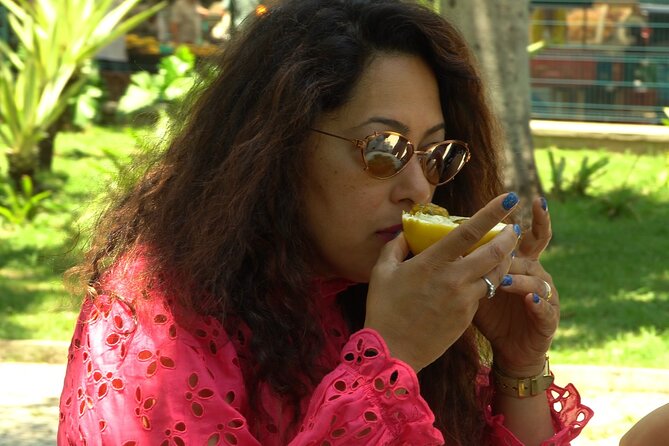
The central promise is a guided tasting of 15 to 20 exotic Brazilian fruits. That range is important. Fifteen samples can feel substantial, while 20 gives the guide room to adjust based on what is available at the market and what is in season.
Açaí is one of the most useful examples because many people know it mainly as a fashionable bowl or smoothie ingredient. Here, you learn about its connection to the Amazon and how it fuels local life. That turns a familiar international food into a Brazilian ingredient with a place and purpose.
Jabuticaba is the kind of fruit that makes the tour memorable before you even taste it. It grows right on the tree bark, an unusual detail that gives the market walk a strong visual moment. The guide’s job is not only to hand you a sample, but also to point out why the fruit is worth noticing.
The cashew apple adds another layer. You may learn how locals use it in sweets and liqueurs, which shows that the fruit is not limited to eating fresh. The tasting can introduce you to the ingredient in more than one form, even though the exact products available on your date may vary.
The selection is not limited to fruit. Included tastings cover local juices, nuts, and native ingredients, along with other farmers market products. That helps break up a long run of sweet samples and gives you a broader idea of Brazilian food culture.
Do not expect every item to suit your taste. Exotic fruit can be intensely sweet, sour, fragrant, creamy, or unfamiliar. The practical advantage of a guided sample is that you can try a small amount before deciding what deserves a second look at the stalls.
Why the guide matters more than the fruit list
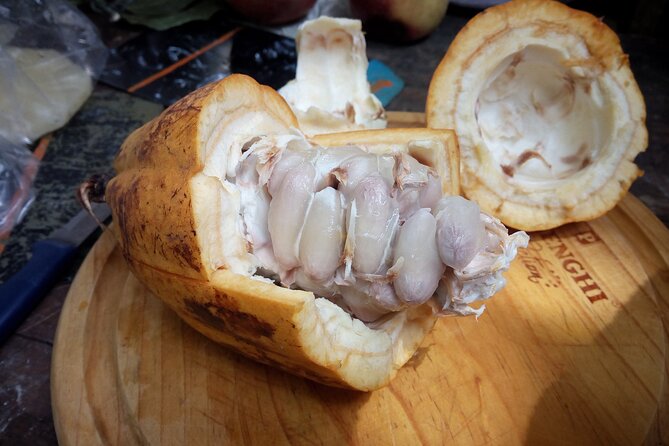
A list of 15 fruits is useful for comparing tours, but it is not the main reason to book this one. The guide supplies the missing links: what the ingredient is, where it fits into Brazil, how locals use it, and what is worth buying for later.
This is where the personal style of the guide matters. Hay Za has been singled out for warmth and for explaining both familiar and unfamiliar fruit. Caterina has led tastings that include a wide range of samples and practical discussion of Brazilian eating habits. Erica has helped people shop after tasting, which can be especially useful if you want to buy something but are not sure what to choose.
You will have room to ask questions because the group is capped at 15 people. That is not the same as a private tour, but it is more manageable than a large food crowd. If you are curious about a fruit, a juice, or a market product, the small-group format gives you a fair chance to ask about it.
The experience also works for Brazilians who want to discover ingredients they have not tried. It is not designed only for international visitors. Even a person familiar with common tropical fruit may encounter something new among the 15 to 20 samples.
More Food Tours in Rio de Janeiro:
- Medellin: Comuna 13 Graffiti Tour, Cable Car & Street Food
★ 4.8 · 9,046 reviews - Medellín: Comuna 13 True Story and Street Food Tour
★ 4.9 · 1,779 reviews - From Mendoza: 3 Wineries, Olive Oil Factory Tour & Tasting
★ 4.6 · 901 reviews - Cartagena: Guided Street Food Tour with Tastings
★ 4.9 · 833 reviews
The market visit beyond the tasting
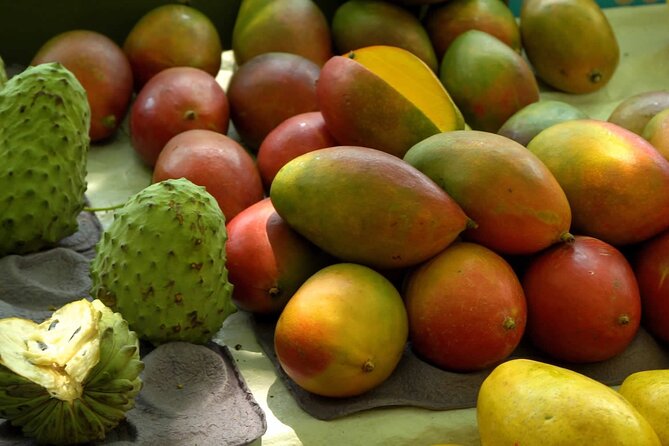
The guided tasting is the organized part, but the market gives you time to look beyond the sample table. You can see other produce, foods, and drinks, then buy anything that catches your eye. Those purchases are not included in the $49 price, so keep some room in your budget if you enjoy bringing snacks back to your apartment or hotel.
This open-ended time is one of the better features of the experience. A guide can help you understand what you are seeing, but you still have the freedom to choose. It keeps the tour from feeling like a food lecture with no chance to act on what you learned.
The market is also a good place to test your own preferences. After tasting several fruits, you may know which flavors you want more of. You can then spend your own money with a better sense of what you are buying instead of relying on a guess based on appearance.
There is a small tradeoff. Since extra food and drinks are not included, the final cost can rise if you get enthusiastic. That is not a flaw in the tour, but it is worth remembering when comparing the price with a package that includes a full meal or take-home goods.
Is $49 a fair price?
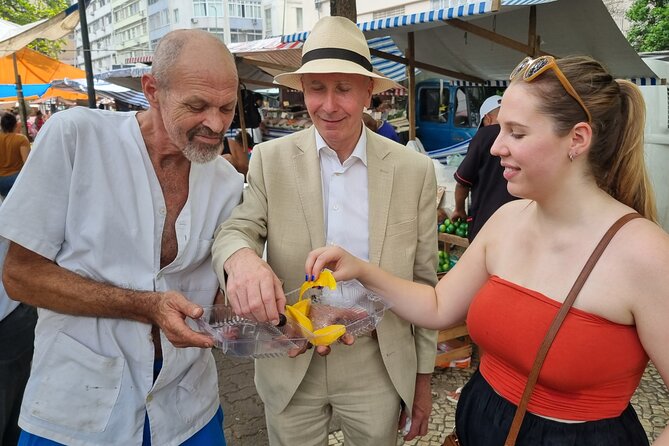
At $49 per person, this is not the cheapest way to visit a market. You are paying for more than the produce itself: a 2 hour and 30 minute guided walk, 15 to 20 fruit samples, local juices, nuts, native ingredients, and cultural explanation.
The value is strongest if you would otherwise wander through the market without knowing what to try. A guide can save you from missing unusual items and can explain why açaí, jabuticaba, or cashew apple matters. The tasting also lets you sample a broad range without buying a full portion of everything.
It is less compelling if you only want to grab a quick juice or shop independently. The tour is built around explanation and comparison, so someone who dislikes group activities or already knows Brazilian produce may prefer to explore alone.
The five-star guarantee offers an added safety net: if the experience is not five-star, you do not pay for four. The wording is part of the booking terms, so read the exact conditions when reserving, but it does show that the provider is placing confidence in the quality of the experience.
Who will enjoy this Rio food tour?
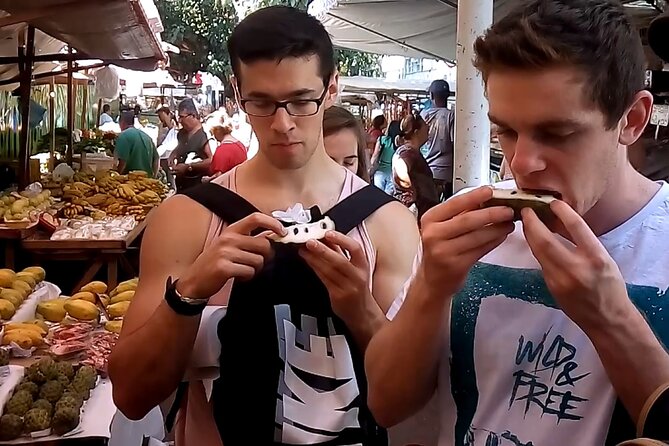
This tour suits you if food is one of the main ways you get to know a place. You do not need to be an expert. You only need enough curiosity to try fruit you may not recognize and listen to the story attached to it.
It is particularly good for:
- Food-focused visitors who want more than a standard restaurant meal.
- First-time Rio visitors looking for a friendly introduction to Brazilian ingredients.
- Repeat visitors who have already seen the major sights and want a local market experience.
- Families, especially those who like tasting games and comparing favorites.
- Shoppers who want help choosing market products after the guided portion.
- Brazilians who are curious about native fruit they may not have encountered before.
You may want to skip it if you are allergic to several kinds of fruit, dislike tasting unfamiliar foods, or want a full sit-down meal. The included food is a series of samples, not a replacement for lunch.
The activity allows service animals and has a maximum of 15 people. The provided details do not explain the walking distance, stall access, or other mobility conditions, so contact the provider before booking if you need specific accessibility information.
Seasonal supply and realistic expectations
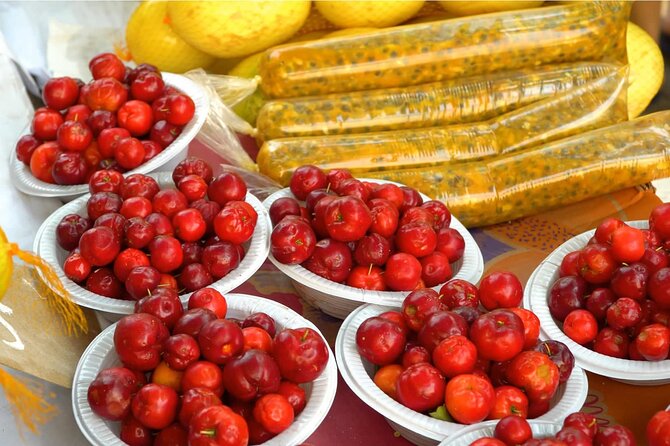
The exact sample list can change. One autumn tasting still reached 18 exotic fruits, which suggests the guide can find a strong selection outside the height of summer, but it does not guarantee a particular item on your date.
That flexibility is part of the charm. A real market reflects what is available, and a guide can work with the day’s supply. It also means you should not book solely because one favorite fruit appears in a description. Think of the promise as a broad Brazilian tasting, not a fixed menu.
The fruit count can also vary between 15 and 20. That range is normal for an experience based on seasonal market stock. You are likely to get plenty of samples, but the exact number and mix may depend on conditions the provider cannot fully control.
Booking, cancellation, and timing tips
The activity is commonly booked about 26 days ahead, so I would reserve early if your Rio dates are fixed. Confirmation is sent at booking, and the minimum group requirement applies. If that minimum is not met, you will be offered another date or experience, or receive a full refund.
You can cancel without charge up to 24 hours before the 10:00 am start time. Cancellation inside that 24-hour window is not refunded, and changes made during that period are not accepted. The cut-off follows Rio local time, so make your decision using the local clock.
Because the tour begins and ends in Ipanema, it is easy to pair with other plans in the same part of the city. I would avoid scheduling a tight appointment immediately afterward. Markets have their own pace, and you will want a little breathing room if you stop to shop.
Should you book the Ipanema fruit tasting?
Book it if you want a guided food story rather than a quick market visit. The strongest reasons are the breadth of the tasting, the local context, the chance to sample ingredients you might never choose alone, and the small maximum group size.
The $49 price makes sense when you value interpretation and variety. You are paying for access to a broad tasting and a guide who can connect the food to Brazil, not simply for a bag of fruit. The experience is also a good choice for people who want something relaxed, social, and different from Rio’s major sightseeing stops.
Skip it if you prefer to browse privately, need a guaranteed menu, or want a substantial meal. For everyone else, this is a smart morning introduction to Brazilian produce, with enough practical market time to keep the experience grounded. Bring curiosity, leave room for extra purchases, and expect the best discoveries to be the fruits you did not know to ask for.
FAQ
Where does the fruit tasting begin?
The activity begins in Ipanema, Rio de Janeiro, at 10:00 am.
Where does the tour end?
It ends back at the meeting point in Ipanema.
How long does the experience last?
The guided market fruit tasting lasts approximately 2 hours and 30 minutes.
How many fruits will I taste?
The included tasting covers 15 to 20 exotic Brazilian fruits.
Are juices and other market products included?
Yes. The experience includes tastings of local juices, nuts, and native ingredients, along with the fruit samples.
Can I buy extra food and drinks at the market?
Yes. You can wander through the market and buy additional fruit, food, or drinks, but those purchases are not included in the tour price.
How large is the group?
The activity has a maximum of 15 travelers.
Are service animals allowed?
Yes. Service animals are allowed.
Can I cancel for a full refund?
Yes. You can cancel at least 24 hours before the experience starts for a full refund. Cancellations or changes made less than 24 hours before the start time are not accepted for a refund.
More Shopping Tours in Rio de Janeiro
- Cusco: Peruvian Cooking Class, Cocktails & Local Market Tour
★ 4.9 · 512 reviews - Pisac Indian Market and Ollantaytambo Fortress with Lunch
★ 4.5 · 395 reviews - Lima: Historic Center Street Food, Market, and Eateries Tour
★ 4.9 · 216 reviews - Cooking class and market tour with a local chef
★ 5.0 · 186 reviews
Just added around Rio de Janeiro
- Walking tour of the bohemian neighborhoods of Santa Teresa and Lapa★ 5.0 · 59 reviews
- Tijuca Forest Hike – Waterfalls & Caves, Nature & Wild Life!★ 5.0 · 51 reviews
- Rio Highlights: Christ, Sugarloaf, and More in a Private Tour★ 5.0 · 36 reviews
- Guided Tour to Favela Santa Marta★ 5.0 · 60 reviews
- Trail and Rappel on Morro Dois Irmãos★ 5.0 · 77 reviews
- Tijuca National Park and all its wonders★ 5.0 · 88 reviews
- City Tour Full VIP – Corcovado Train + Churrascaria Rodízio★ 5.0 · 43 reviews
- Rocinha Walking Tour: Get a Feel for the Brazil’s Largest Favela (Shared Group)★ 5.0 · 37 reviews
Food & Drink, compared.

Comuna 13 Graffiti Tour, Cable Car & Street Food
Read our review →

Jolimont Winery Tour – Visitation and Tasting – Canela RS
Read our review →
Browse the lists this tour appears in