
Reviewed · HISTORICAL TOURS
Cusco: Historical Guided City Tour with 4 Inca Ruins
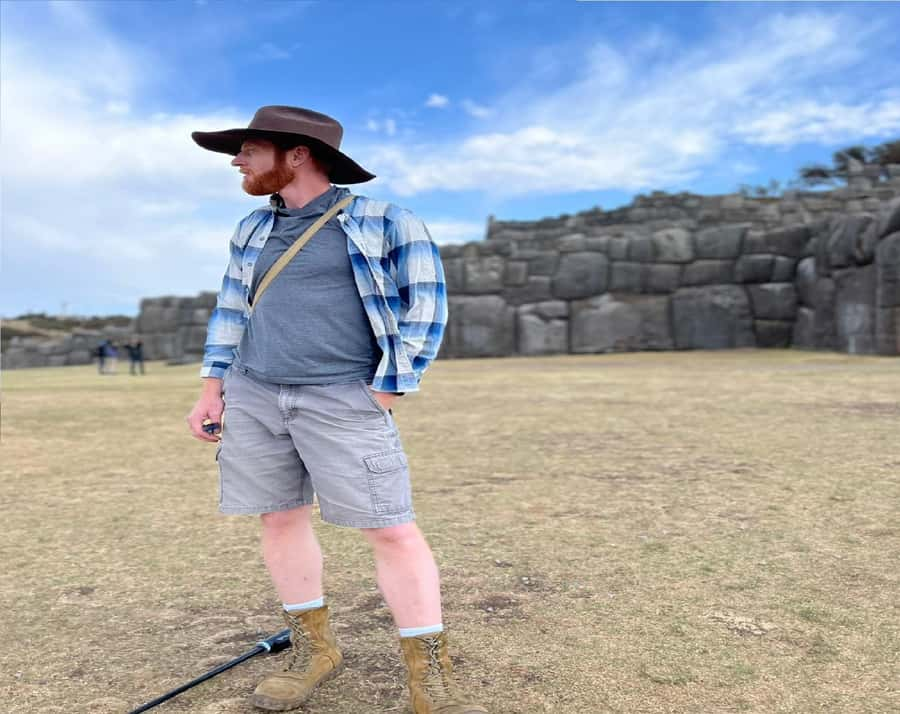
Cusco’s best introduction to the Inca world may be a half-day loop that climbs from the city center to four major ruins. This tour visits Qoricancha, the former Temple of the Sun, then heads to Sacsayhuaman, Qenqo, Puka Pukara, and Tambomachay by vehicle.
I like two things here: you cover sites that are too far apart for a comfortable walk, and a professional guide gives the stones a story instead of leaving you to guess. Guides named Luis, Alfredo, Romulo, and Hyame have been singled out for clear English, useful historical detail, and patient answers.
The main drawback is cost clarity. The $23 tour price does not include the Qoricancha, Cathedral, or archaeological site tickets, so you need extra cash and your passport for the Cusco Tourist Card. The visit also moves quickly, with several stops packed into six hours.
Key points at a glance
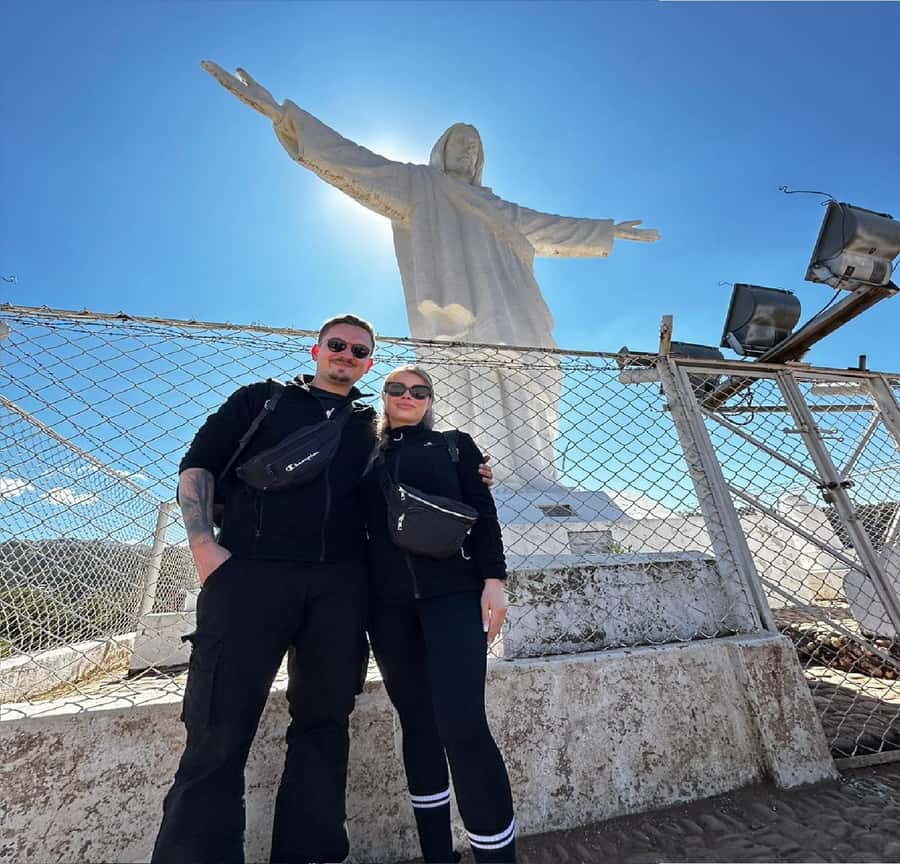
- Four Inca sites in one loop: Sacsayhuaman, Qenqo, Puka Pukara, and Tambomachay are all included.
- Qoricancha adds a city-center highlight: You see the Inca religious center before heading into the hills.
- Three timing choices: Morning departures begin around 8:35 to 9:00 a.m., while the afternoon option meets near the Cathedral at noon.
- Good guide support: English and Spanish are offered, and guides have used facts, myths, photos, and comparisons to explain the sites.
- Extra tickets matter: The listed tour price excludes Qoricancha, archaeological sites, and the Cathedral.
- Useful for short stays: You finish near Cusco’s Plaza de Armas, making this a practical first look at the city.
Why this six-hour route works in Cusco
Cusco is easy to underestimate on a map. Sacsayhuaman sits above the city, while Qenqo, Puka Pukara, and Tambomachay continue along the road into the hills. You can visit them independently, but transport and site interpretation take more planning than the distances suggest.
This tour keeps the route simple. A vehicle links the stops, and the guide explains what you are seeing along the way. That matters at places such as Qenqo and Tambomachay, where the remains can look like bare rock until someone points out the carved channels, ceremonial spaces, and possible uses.
The tour lasts about six hours. The morning version generally finishes near Calle Plateros at around 2:30 p.m., while the afternoon version ends near the main square between 6:00 and 6:30 p.m. I like that final location because you can walk to lunch, return to your hotel, or continue exploring Cusco without arranging another ride.
The route is also useful during your first days at altitude. You still walk at each site, but you are not spending the whole day climbing between them. Bring water, sunscreen, comfortable shoes, and rain gear. Cusco weather can shift quickly, and the tour information specifically advises carrying all four.
More City Tours in Cusco
- Cusco: Half-Day City Tour with Sacsayhuaman and Q’enco
★ 4.6 · 1,129 reviews - City Tour Cusco Qoricancha Sacsayhuaman y Tambomachay
★ 4.7 · 617 reviews - Cusco: Sightseeing Tour of the City on an Open-Top Bus
★ 4.0 · 481 reviews
Starting at Qoricancha, Cusco’s former Temple of the Sun
The morning route begins at Qoricancha, also written as Koricancha or Qorikancha, at about 8:55 a.m. Some morning departures include hotel pickup between 8:35 and 9:00 a.m., while another arrangement may have you meet at the site. Confirm the exact starting point when you book.
Qoricancha was the most important Inca religious construction in Cusco. The visit gives you a useful foundation for the rest of the morning because it places Inca belief and power inside the modern city, rather than only among hillside ruins.
Plan for about an hour here. The tour fee does not cover the 15-sol entrance ticket to Qoricancha. You should carry cash, and your passport or identity card is sensible to have with you because access to the Inca sites requires identification for the Cusco Tourist Card.
This stop can feel more crowded and built-up than the ruins outside town. That is part of its value, not a flaw. You see how the Inca center was later incorporated into colonial Cusco, and the contrast helps you read the rest of the day with more context.
Sacsayhuaman and the stones above Cusco
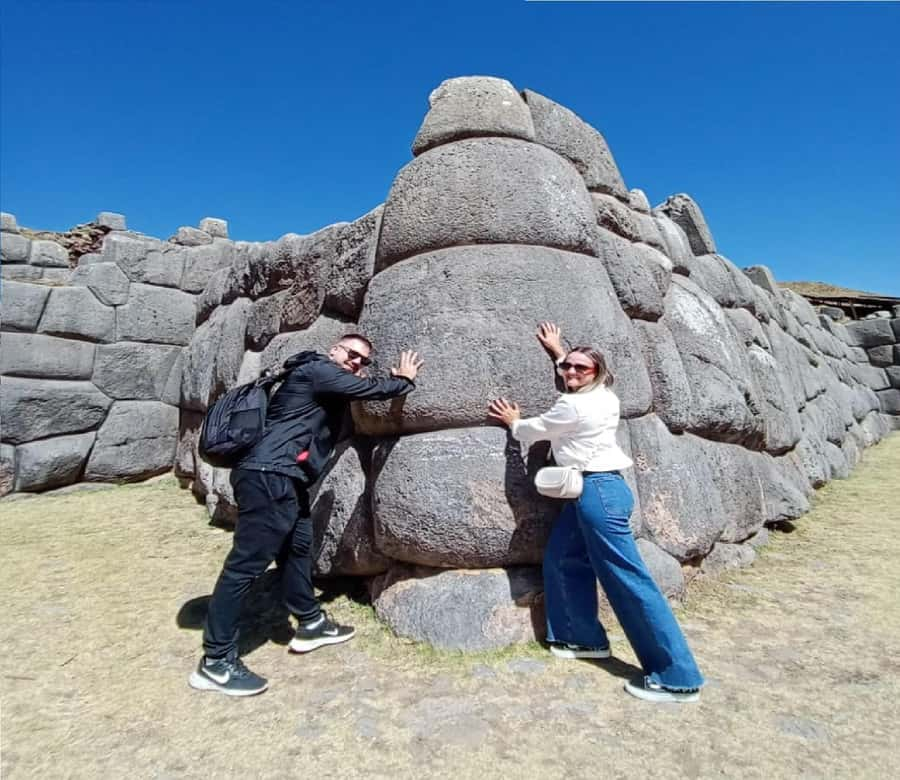
From Qoricancha, the vehicle heads to Sacsayhuaman, the largest and most dramatic site on this route. Its name is commonly translated as puma head, fitting Cusco’s traditional puma-shaped plan.
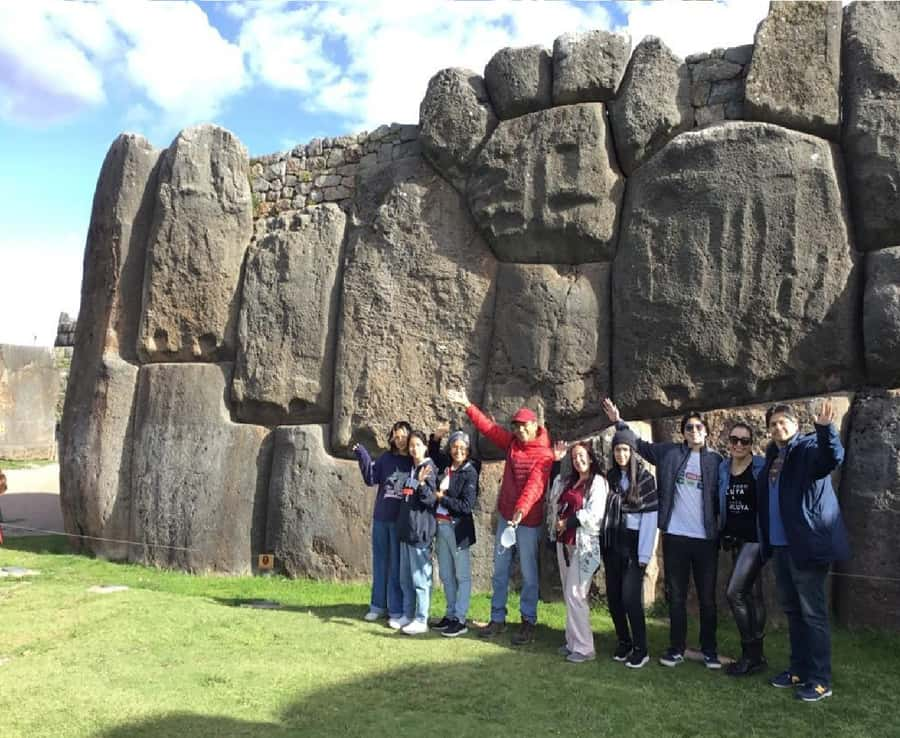
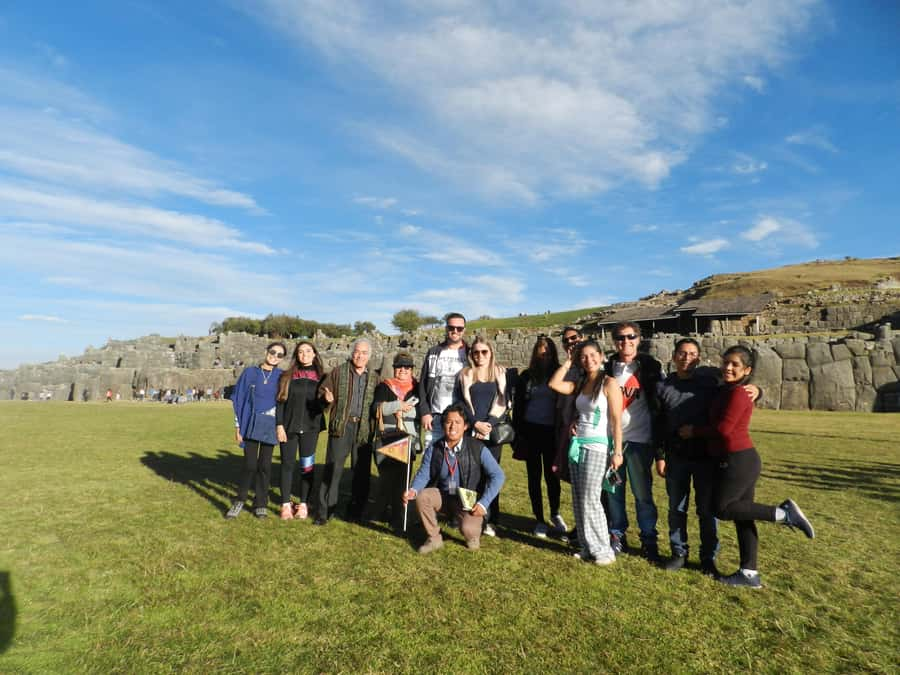
The huge fitted stones are the main event. Some blocks are described as weighing more than 100 tons, and the largest construction pieces rise several meters high. Your guide can help you look at the joins, angles, and scale instead of simply taking a wide photograph and moving on.
The planned visit lasts about an hour and a half. That is enough time for an introduction, photographs, and a walk around the principal area, but not enough for a slow study of every corner. If you want long independent time at Sacsayhuaman, a private visit may suit you better.
Sacsayhuaman is also one of the places where the route can feel physically demanding. You are above Cusco, and the stone paths are uneven. Walk at your own pace, listen for the guide’s meeting instructions, and keep water within reach.
The archaeological entrance ticket is not included. The activity information gives a cost of 70 soles for the archaeological zones, purchased at Sacsayhuaman, with access tied to the Cusco Tourist Card. Confirm current pricing and which sites your ticket covers before setting out, since ticket rules can change.
Qenqo, ceremonies, and the eucalyptus grove
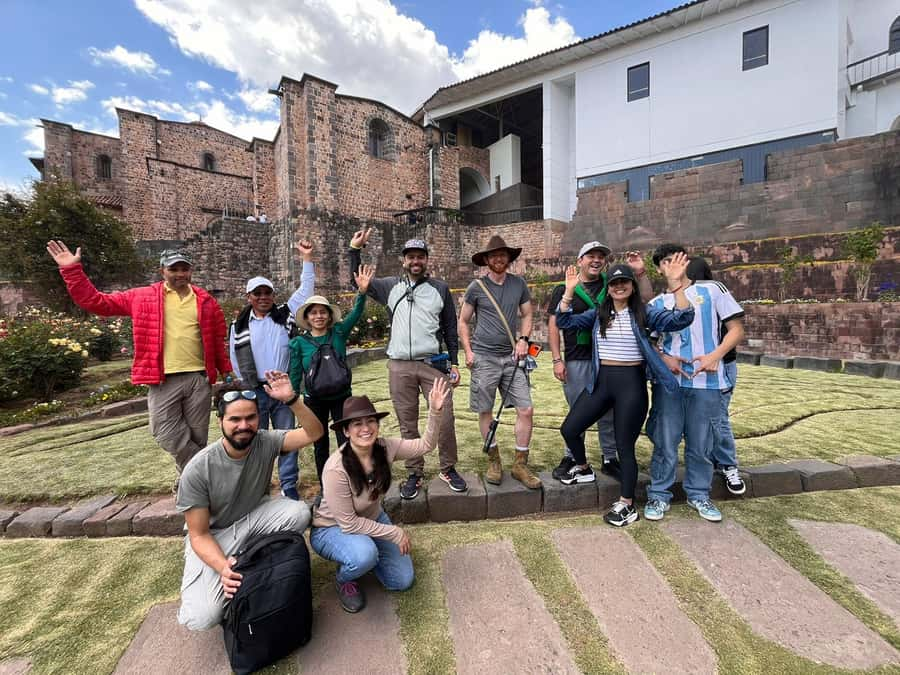
Qenqo is smaller and stranger than Sacsayhuaman. It was a ceremonial center, and one description presents it as an ancient mummification place. The guide may also explain traditions involving sacrifices to the Sun God, while separating established evidence from later stories and local myth.
That balance is one of the strongest reasons to take a guided visit. A guide can tell you what is visible in the stone and what belongs to interpretation. One visitor specifically appreciated explanations that compared facts with myths, which is exactly the right approach at a site where the original meaning is not always certain.
The scheduled time here is about an hour and a half, though the actual stop can feel shorter once walking and transport are included. Expect carved rock, tight passages or ceremonial areas, and time for photographs. Watch your footing and do not rush simply because the site is compact.
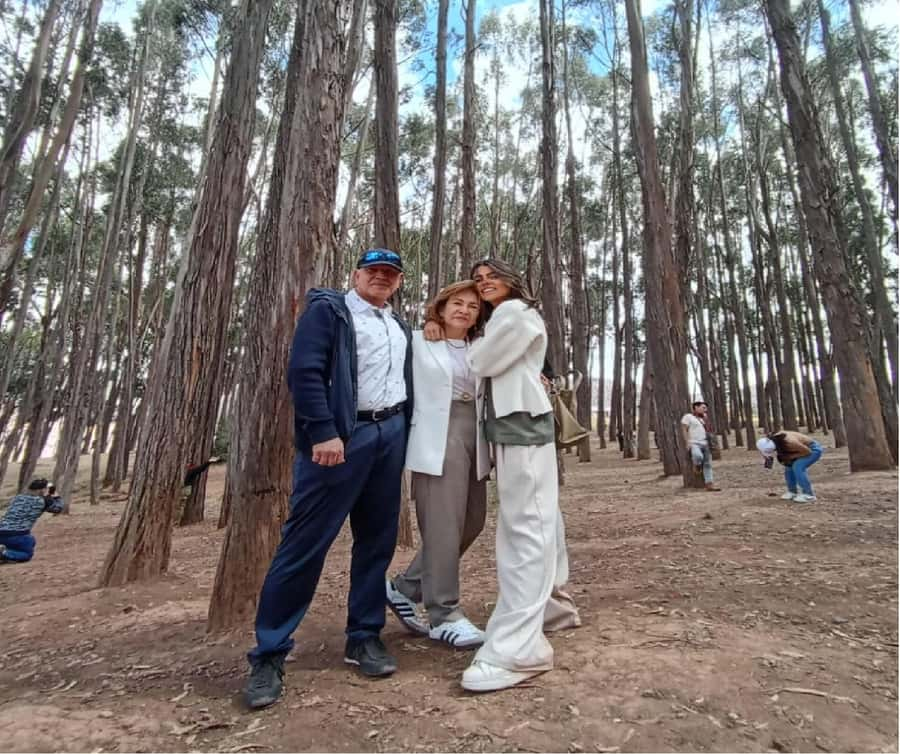
The nearby eucalyptus forest is included as part of the route. It is mainly a photo stop and a change of pace from the stone complexes. Do not expect a separate major archaeological attraction, but it gives you a pleasant break and a chance to see more of the highland surroundings.
More City Tours in Peru
- Open Bus Cusco City Tour
★ 4.5 · 219 reviews - Cusco: City Tour | Half-Day Tour to 4 Archaeological Sites
★ 4.6 · 206 reviews - City Tour in Cusco & visit Museum South American Camelid Private.
★ 5.0 · 147 reviews - Cusco City Sightseeing, San Pedro Market, Cathedral and Qorikancha Temple
★ 4.5 · 139 reviews
Puka Pukara, the red fortress on the road
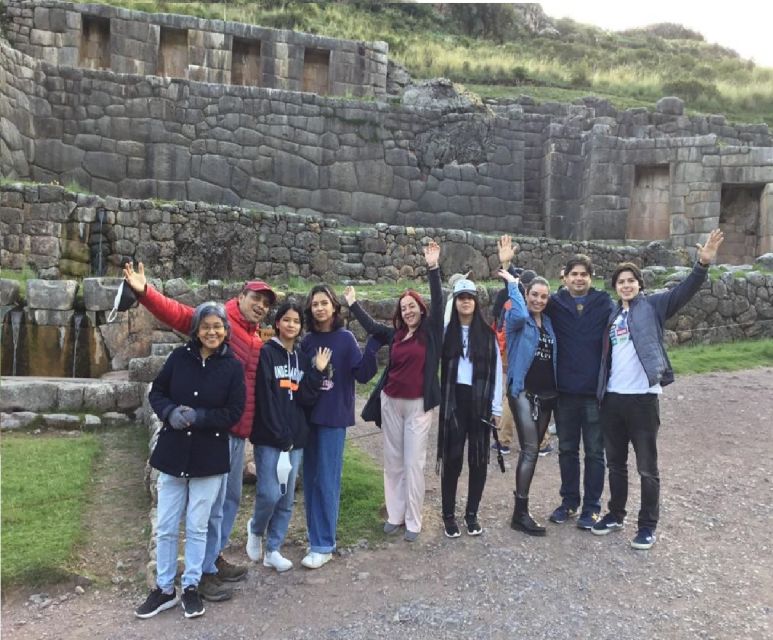
Puka Pukara means Red Fortress, a name linked to the reddish color of its stones. It is described as a surveillance center built high above Cusco to control access to the Inca city.
The site is less imposing than Sacsayhuaman, but its position explains its purpose. You can look across the Andean scenery and understand why a lookout here could monitor movement along the route. Your guide’s explanation turns a collection of low walls into part of a wider system of roads, control, and travel.
Allow about an hour and a half in the published schedule, though that figure appears to include the normal guided stop and site movement rather than a full independent exploration. This is a good place for photographs, especially if the air is clear, but bring sun protection. The high position offers little shelter.
Puka Pukara also helps break up the day. After the scale of Sacsayhuaman and the enclosed feel of Qenqo, this stop opens toward the surrounding hills. I would not rank it as the single most powerful ruin on the route, but I would not skip it either. Its location supplies the explanation.
Tambomachay and the Inca waterworks
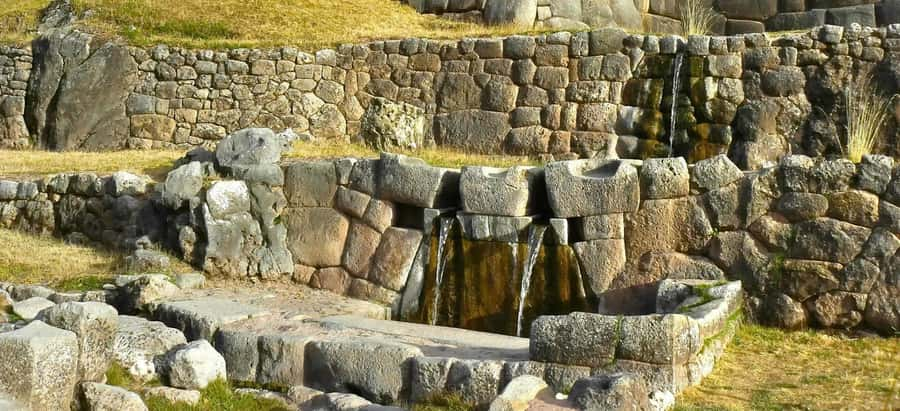
Tambomachay is usually called the Temple of Water. Its fountains and channels are the focus, and water still gives the site a quiet, carefully planned character.
This is the final archaeological stop on the morning circuit. The visit lasts about an hour and a half in the stated schedule, although your exact time depends on the guide, group, transport, and site conditions. Look closely at the stonework around the water channels, then leave time for a final photograph before returning to Cusco.
Tambomachay can feel more peaceful than the larger ruins, but it is not a grand enclosure with huge walls. If you prefer massive masonry, Sacsayhuaman will make the stronger impression. If you like small details and ceremonial design, Tambomachay may be your favorite.
The four ruins work best as a set. Sacsayhuaman shows engineering and power, Qenqo raises questions about ceremony, Puka Pukara suggests military control, and Tambomachay presents water and ritual. None needs to carry the whole day on its own.
Choosing the morning or afternoon option
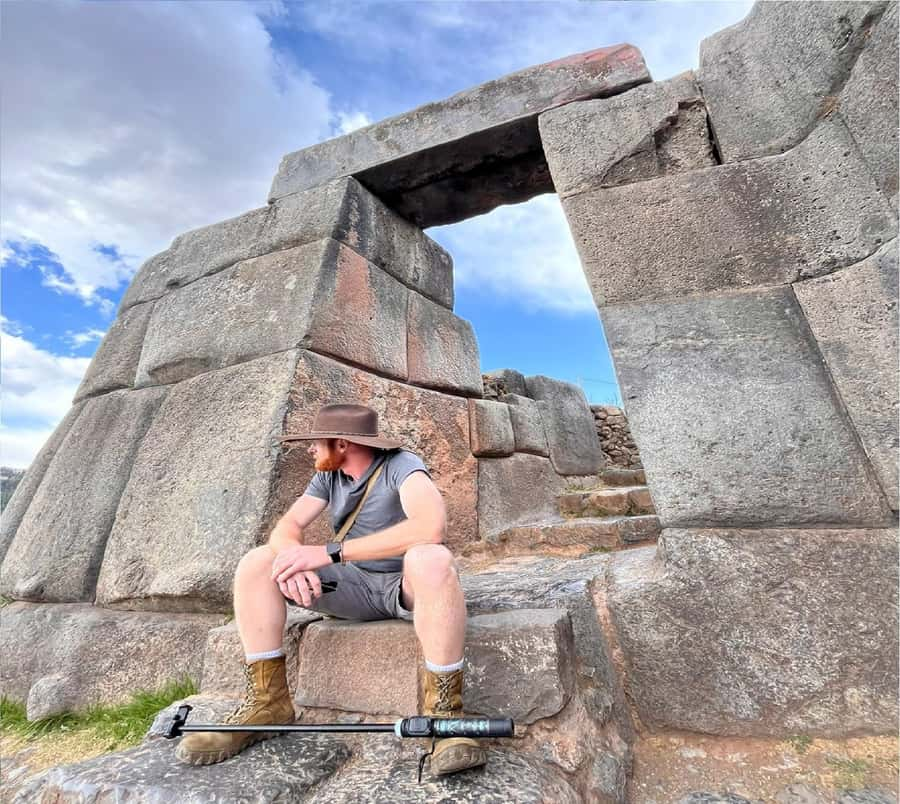
The morning version is the practical choice for most people. It starts around 8:35 to 9:00 a.m., visits Qoricancha, and generally returns you near the Plaza de Armas at about 2:30 p.m. You still have the afternoon for lunch, museums, shopping, or a relaxed walk through central Cusco.
A second morning arrangement includes hotel pickup from hotels close to the main square. You wait in the lobby, then travel to the meeting point. Pickup is not presented as universal, so do not assume a hotel outside the central area is covered.
The afternoon option meets at the entrance to the Cathedral between 11:50 a.m. and noon. It may include the Cathedral, Qoricancha, and the four archaeological sites before returning near the main square around 6:00 to 6:30 p.m.
Cathedral access needs checking. The Cathedral ticket costs 50 soles and is not included, and the instructions say to ask about availability if you want to enter. The afternoon schedule also gives you less free evening time, but it can suit late arrivals or people who want a slower morning.
What the $23 price really covers
At $23 per person, this is a low-cost way to arrange transport, a professional accredited guide, and a full circuit of sites. The value is strongest if you have limited time or do not want to bargain for separate rides between Cusco and the ruins.
The price is not the final cost. Add 15 soles for Qoricancha, 50 soles if you enter the Cathedral, and 70 soles for the archaeological zones as listed. Carry cash because the activity specifically advises it, and remember that the Cusco Tourist Card is bought in person with your passport.
The tour includes permanent assistance, which is useful if you need help with meeting points or route questions. It also includes transportation for all options, but the exact vehicle size and group size are not specified. You should expect a shared tour rather than a private experience unless your booking says otherwise.
At this price, you trade flexibility for convenience. The guide sets the pace, and you move through several places in one day. I think that is a fair exchange for a first visit, especially if your schedule includes Machu Picchu or another trek and you want a clear introduction to Cusco without giving up a full day.
Guide quality and language
The tour operates in English and Spanish. The strongest guide feedback centers on explanation, language ability, and patience rather than entertainment alone.
Luis has been praised for detailed explanations in both English and Spanish, while Alfredo was noted for switching smoothly between the two languages. Hyame helped a visitor with only a few hours in Cusco understand the sites and answered questions clearly. Romulo was also praised for adding value through strong site knowledge.
Your assigned guide may be different, so treat these names as examples rather than a guarantee. Still, the pattern is useful: this tour works best when you ask questions. Bring up the difference between evidence and myth at Qenqo, ask how Sacsayhuaman’s stones fit together, and ask about the water channels at Tambomachay.
Additional images may be used during the explanations. That can help when the surviving walls are difficult to interpret, especially for first-time visitors who do not yet know what details to look for.
Practical limits and who should book
You need reasonable walking ability for uneven archaeological paths, stairs, and high-altitude conditions. The experience is not suitable for people over 95 according to the stated restrictions, and it may not suit anyone who wants a very slow, private, or highly flexible visit.
It is a good match for first-time visitors, short-stay visitors, families with older children, and people preparing for a longer trip around Peru. It is also useful if altitude makes a full walking tour of the hills a poor idea.
You should bring your passport or ID, comfortable shoes, water, sunscreen, a camera, rain gear, and cash. Alcohol and drugs are not allowed, and alcoholic drinks cannot be taken in the vehicle.
Free cancellation is available up to 24 hours before the tour, and you can reserve now and pay later. Those terms help if your Cusco schedule depends on weather, altitude, or another booked activity.
Should you book this Cusco city tour?
Book it if you want a guided first look at Cusco’s major Inca sites for a modest starting price. The route covers the places most visitors want to see, uses transport where walking would be awkward, and finishes near the city center.
Before paying, budget for the extra tickets and confirm your pickup point. Choose the morning if you want the rest of the day free. Choose the afternoon if your morning is occupied, but check Cathedral availability first.
I would choose this tour for convenience and orientation, not for solitude. The stops are short, and the day has a shared-tour rhythm. For $23 plus entrance fees, though, it is a sensible way to understand the city’s Inca foundations before exploring Cusco on your own.
FAQ
How long does the Cusco city tour last?
The tour lasts about six hours. Morning departures generally finish near Cusco’s Plaza de Armas around 2:30 p.m., while the afternoon option ends between 6:00 and 6:30 p.m.
Which archaeological sites are included?
The route includes Sacsayhuaman, Qenqo, Puka Pukara, and Tambomachay.
Is Qoricancha included?
Qoricancha is included in the morning options. Its 15-sol entrance ticket is not included in the tour price.
Is the Cathedral of Cusco included?
The Cathedral is part of the listed afternoon option and may be included in another morning arrangement. You must ask about availability, and the 50-sol entrance ticket is extra.
How much do the archaeological site tickets cost?
The stated cost is 70 soles for the archaeological zones. The ticket can be purchased at Sacsayhuaman, and access requires the Cusco Tourist Card.
Is hotel pickup available?
Hotel pickup is available for selected morning options from hotels close to Cusco’s main square. You should wait in your hotel lobby and confirm that your hotel is covered.
Where does the tour finish?
The tour finishes near Cusco’s Plaza de Armas, usually on Calle Plateros. The afternoon option also drops off near the main square.
What languages are offered?
The tour is offered in English and Spanish with a live guide.
What should I bring?
Bring your passport or ID card, comfortable shoes, water, sunscreen, a camera, rain gear, and cash.
Can I cancel the booking?
You can cancel up to 24 hours in advance for a full refund. The activity also allows you to reserve now and pay later.
More Historical Tours in Cusco
- Cartagena: Historic Center and Getsemaní Shared Walking Tour
★ 4.9 · 2,716 reviews - Santiago: Guided Walking Tour of the Historical Old Town
★ 4.8 · 459 reviews - Maria Fumaça – Wines and History
★ 4.0 · 242 reviews - Rio de Janeiro: Historic Rio and Santa Teresa Half-Day Tour
★ 4.4 · 228 reviews
More Historical Tours in Peru
- Lima’s Vibrant Heritage: Exploring the City’s Landmarks Half-day
★ 4.5 · 581 reviews - Lima: Historic Center Street Food, Market, and Eateries Tour
★ 4.9 · 216 reviews - Walking tour in the Historic Center of Arequipa
★ 4.4 · 180 reviews - Historic Downtown, Miraflores & Catacombs Private Tour
★ 5.0 · 100 reviews
Just added around Cusco
- rainbow mountain full day★ 5.0 · 44 reviews
- Rainbown mountain cusco 1 Day★ 4.5 · 72 reviews
- Manu National Park Tour 4days/3night★ 5.0 · 69 reviews
- Tour to the HUMANTAY LAGOON from CUSCO★ 5.0 · 35 reviews
- Vegan Peruvian Cooking Class Cocktails and Local Market in Cusco★ 5.0 · 46 reviews
- Cusco Private Airport Transfer: Fast, Reliable Hotel Drop-Off★ 5.0 · 80 reviews
- 1 Day Tour to Palccoyo (Alternative Rainbow Mtn) from Cusco, Peru★ 5.0 · 53 reviews
- 5-Day: Salkantay Trek to Machupicchu and Humantay Lake★ 5.0 · 42 reviews
Historical Tours, compared.
Historic Center and Getsemaní Shared Walking Tour
Read our review →
Lima’s Vibrant Heritage: Exploring the City’s Landmarks Half-day
Read our review →



Lima: Historic Center Street Food, Market, and Eateries Tour
Read our review →
Nazis in Buenos Aires: a historical walking tour
Read our review →
Browse the lists this tour appears in