
Reviewed · FARMS
Cusco: Alpaca and Llama Farm Tour w/ Transfer & Weaving Demo
The most memorable part of this Cusco outing is the close look at animals that helped shape Andean life. At Manos de la Comunidad, you can see alpacas, llamas, vicuñas, and huanacos together, feed some of them, and learn why the Incas valued each species.
I like the easy hotel transfer and the way the tour links animals to Peruvian weaving, rather than treating the farm as a quick photo stop. I also like the gentle pace, which makes this a useful first activity while you get used to Cusco’s altitude. The main drawback is the large shop at the end, where prices can be much higher than in Cusco’s ordinary stores.
Key points to know before you go
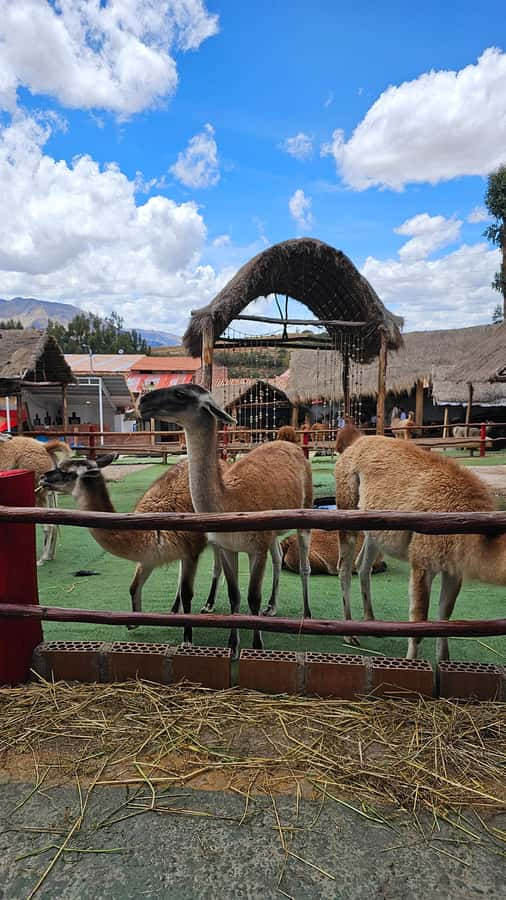
- Four kinds of Andean camelids: See two alpaca varieties, several llama types, vicuñas, and huanacos in one visit.
- A short ride from central Cusco: The farm is about 20 minutes from the historic center, with pickup and return to your hotel.
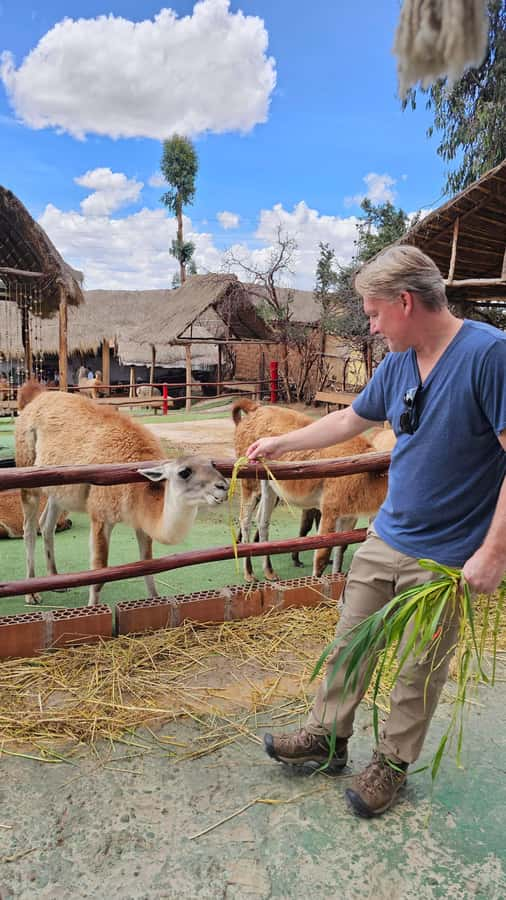
- Hands-on animal time: You may feed and pet the llamas and alpacas, making this more than a viewing stop.
- Weaving with useful buying advice: Watch wool preparation, dyeing, and textile work, and learn how to spot genuine baby alpaca fabric.
- A calm introduction to Cusco: The 150-minute outing involves little exertion and works well early in your stay.
- Allow for a commercial finish: The shop can be interesting, but compare prices before buying.
Why this short farm tour works well in Cusco
Cusco can feel intense at first. The altitude, steep streets, traffic, and busy plazas make a quiet half-day outside the center a sensible change of pace. This tour gives you nature, animals, local craft, and a little Inca-era context without requiring a full day on the road.
The farm is only about 20 minutes from the historic center, though the drive may include winding roads and climbs. One visitor particularly noted the views of Cusco as the vehicle headed upward. You get a change in air and scenery without committing to a long excursion.
The listed price is $34 per person. I consider that fair value if you want a guided activity with hotel transportation, an animal visit, and a weaving presentation. A taxi and independent visit might cost less in some situations, but you would lose the organized explanations and the connection between the animals, wool, and Andean culture.
The total time is 150 minutes, with roughly 80 minutes set aside for the guided visit at Manos de la Comunidad. The rest covers pickup, the drive, and the return to Cusco. One person found the outing shorter and more rushed than expected, so treat the stated duration as the complete activity time, not necessarily two and a half hours spent beside the animals.
More farm and finca visits around Cusco:
- Medellín Coffee Farm Tour with Trolley and Cable Car Ride
★ 4.9 · 277 reviews - Salento: Private Cocora Valley, Salento & Coffee Farm Tour
★ 4.9 · 202 reviews - Medellin: Horseback Riding Coffee Farm Tour with Coffee Spa
★ 4.8 · 151 reviews
The drive from Cusco to Manos de la Comunidad
Pickup begins in Cusco, and the included transfer removes one small but useful travel problem. You do not need to arrange a taxi to an out-of-center farm or work out the return trip after the visit.
The ride takes about 20 minutes from the historic center. Depending on your pickup point and traffic, the timing can vary, but the distance is short enough to fit neatly into a morning or afternoon plan. The drive also gives you views back toward the city as the road rises.
This is not a wilderness outing. You are visiting an organized farm and cultural center, and the commercial side becomes clearer later. Still, the setting offers a welcome break from central Cusco, and the transfer makes the experience especially convenient for families, first-time visitors, or anyone who would rather not deal with local transport right away.
The tour is offered in English or Spanish. Guides named in past bookings include Marileth, also written as Marlith or Maylith in some accounts, along with Holger, Olga, and Olger. The strongest part of the guiding is the clear explanation of animal types, wool, Cusco, Inca culture, and local customs.
Meeting alpacas, llamas, vicuñas, and huanacos
The animal section gives the tour its appeal. You learn about the ancient South American camelids, how people domesticated them, and which species were developed or used by the Incas.
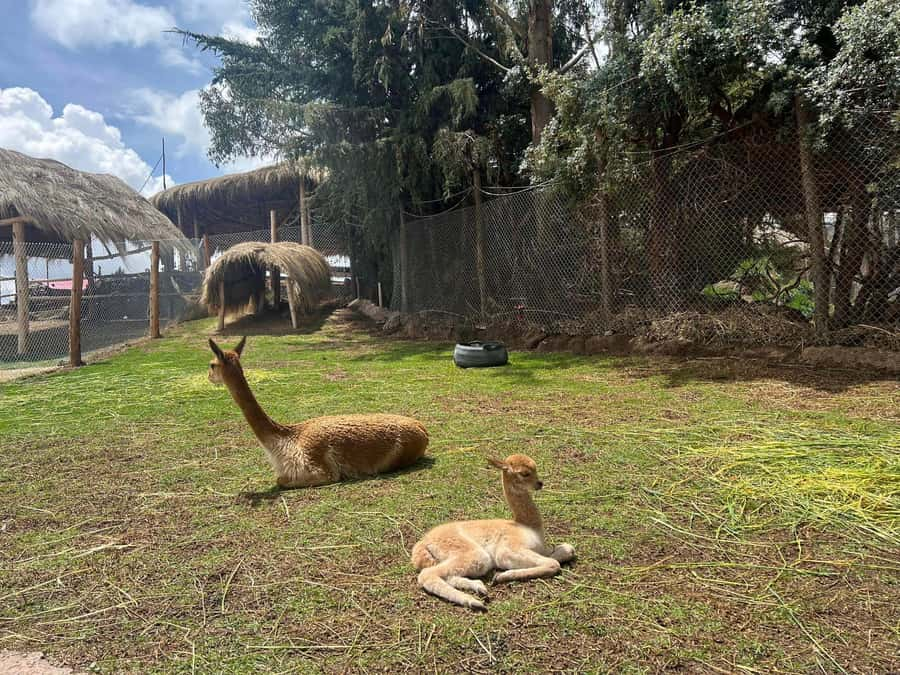
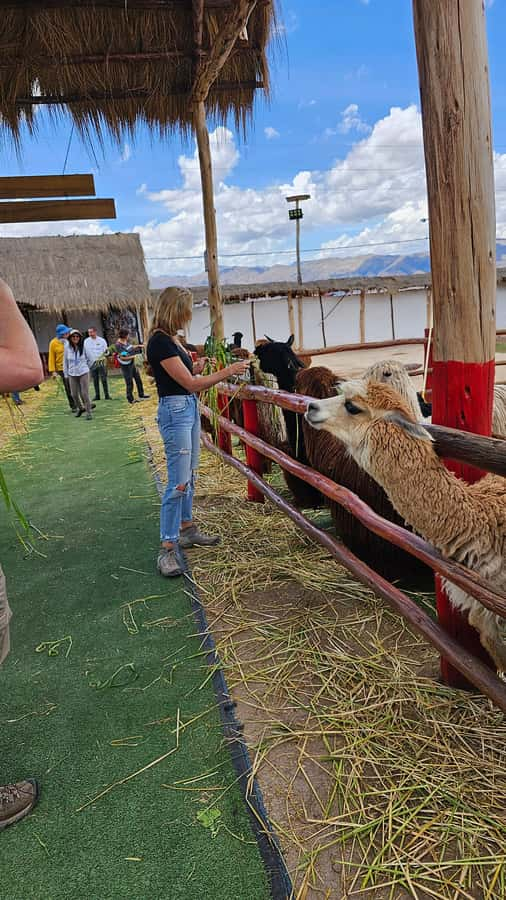
You can see two varieties of alpacas and several kinds of llamas. One account counted four llama types, which gives you a useful reason to pay attention to body shape, coat, face, and coloring instead of treating every fluffy animal as the same.
The differences are not always obvious at first. That is where a good guide matters. Rather than simply pointing out a cute alpaca, the guide explains what sets the animals apart and why their wool, strength, and historical uses mattered in the Andes.
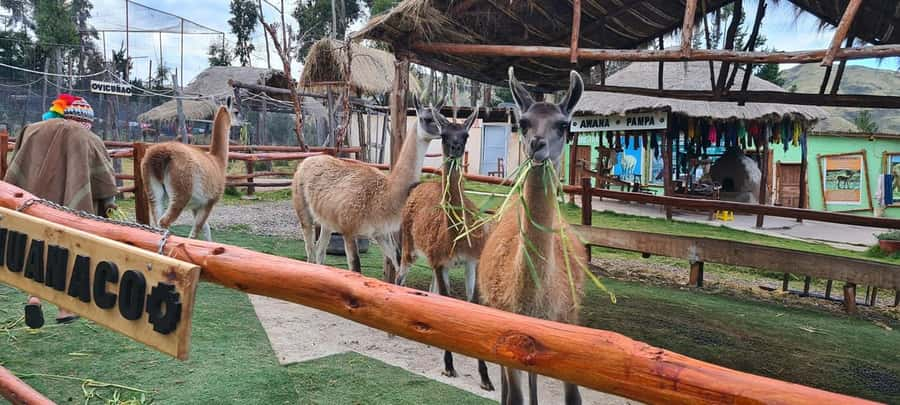
You may also meet vicuñas, often called the gold of the Andes because of their valuable, fine fiber. Huanacos, the wild relatives of llamas, are included as well. Seeing these species in one place helps you understand the family connection between the animals, not just collect photographs of them.
Animal interaction is part of the fun. Several people were able to feed llamas and alpacas by hand and pet them. The experience is still controlled, so you should follow the guide’s instructions and let the animals set the pace. Some may come forward eagerly, while others may be less interested in attention.
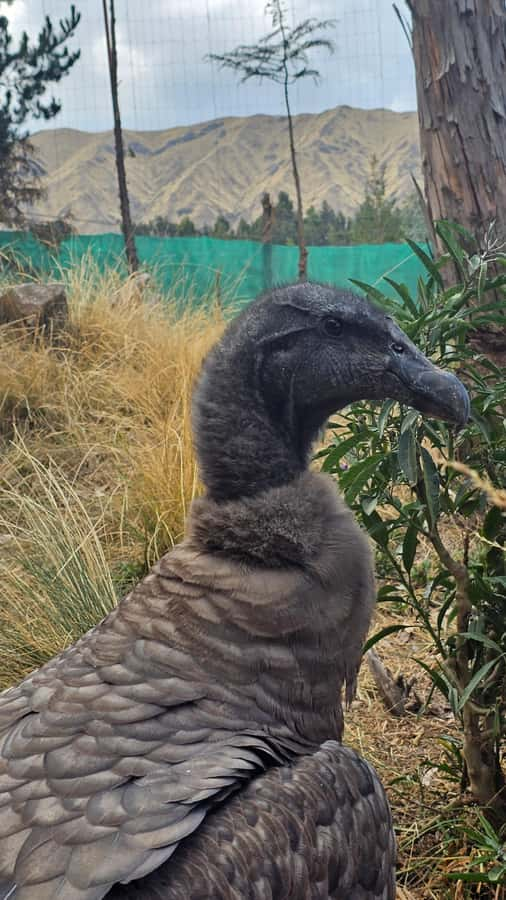
The setting has also been described as a rescue facility, and one account noted that the animals appeared healthy and well cared for. The visit includes more than camelids in some cases. Depending on what is available during your visit, you might also see condors, deer, and guinea pigs. Treat these as added features rather than the main promise of the tour.
Bring a camera, but do not spend the entire visit looking through it. The close contact is more enjoyable when you watch the animals’ behavior and listen to the guide’s explanation. You will have plenty of chances for photographs, and guides such as Marileth have been especially helpful with taking pictures.
The Inca connection gives the animals more meaning
Without the cultural explanation, an alpaca farm could become a simple animal stop. The guide adds useful context by discussing domestication and the animals that the Incas developed and relied upon.
Llamas were important working animals in the Andes, while alpaca fiber became prized for textiles. Vicuña fiber has a different place in the story because of its exceptional fineness and value. The exact details are easier to remember when you are looking directly at the animals involved.
I like this part because it makes the visit relevant to the rest of a Cusco trip. You are not only seeing animals outside the city. You are learning about materials, trade, clothing, labor, and the traditions that still shape Peruvian culture.
The guide also has room to answer broader questions about Cusco and Peru. Holger, Olga, and Marileth have been singled out for friendly explanations and helpful answers. Some guides have also offered practical suggestions about restaurants and pisco sours, though that depends on who leads your group.
This is a good activity for your first or second day. It lets you learn a little about the region while keeping the physical effort low. One person specifically used it as a gentle way to adjust to the elevation, and that is sensible advice. You still need to respect Cusco’s altitude, but this is far less demanding than a long hike.
More transfers and shuttles around Cusco:
- Cusco: Abode of the Gods ATV Tour with Transfer
★ 4.5 · 118 reviews - Cusco Airport Pickup and Private Transfer
★ 5.0 · 82 reviews - Cusco Private Airport Transfer: Fast, Reliable Hotel Drop-Off
★ 5.0 · 80 reviews - Buenos Aires: City Highlights Guided Tour with Transfer
★ 4.7 · 1,946 reviews
Watching Andean weaving from wool to finished cloth
The weaving demonstration is the part that gives the outing depth. You watch local textile techniques and see how native artisans work with wool to produce fabric and garments.
Expect the presentation to cover more than the act of weaving. Accounts of the visit mention explanations of dyeing, textile production, and the differences between genuine baby alpaca products and imitations. That information can help you shop with more confidence later in Peru.
The demonstration also puts the animals into a practical setting. First you see the alpacas and llamas. Then you learn how their fiber becomes something useful and attractive. The connection is straightforward, but it is often missing from quick animal encounters.
Ancient textiles may also be shown, adding a historical layer to the craft presentation. These pieces help you see that Andean weaving is not simply a modern souvenir industry. It is a living skill with older roots, patterns, methods, and cultural meaning.
Pay attention to the guide’s explanation of wool quality. The shop presentation may encourage you to buy, but the information can still be useful even if you purchase nothing. You can take the lessons to other stores in Cusco and compare labels, fiber content, and prices.
The weaving section is also a good reason to choose this outing over a basic farm visit. If you only want animal photographs, the visit may feel longer than necessary. If you want to understand why alpacas and vicuñas matter to Peru, the demonstration makes the price easier to justify.
The shop: useful information, high prices
The tour ends near a large retail outlet. It carries attractive textile products and can function as an additional teaching stop because you have just heard about fibers, weaving, and authenticity.
I would not assume that everything here is a bad buy. You may find a well-made item, and some purchases could support local work or the center’s animal programs. But I would compare prices before spending much money.
One person found yarn in Cusco for 15 soles that was selling for 60 soles in the farm shop. Another person felt watched while browsing, although there was no pressure to buy. That is the clearest practical warning attached to the tour: enjoy the display, ask questions, and walk away if the price does not suit you.
You are not required to purchase souvenirs. The shop should not determine your view of the animal and weaving visit, but it is fair to include the commercial element when judging the experience. If shopping is your main goal, you may do better by comparing several Cusco stores first.
Timing, comfort, and accessibility
The full activity lasts about 150 minutes, and the guided farm visit takes around 80 minutes. That makes it easy to fit around lunch, a museum visit, or an evening reservation in Cusco.
The tour includes water, which is a small but welcome extra at altitude. You should still plan your own basic comfort, especially if you are sensitive to sun or cold. The provided information does not specify a dress code or weather plan, so check the conditions on the day and dress for time outdoors.
The activity is listed as wheelchair accessible. Since the exact surfaces and route details are not provided, you should confirm any specific mobility needs when booking. The separate entrance also means you can skip a general line, which helps keep the visit moving.
The schedule is usually leisurely, but one person found the outing rushed and shorter than expected. If you want a slow, unstructured animal visit, this may not be the right choice. If you prefer a guided experience with a clear beginning, middle, and end, the timing should suit you.
Who will enjoy this Cusco experience most
I would recommend this for families, couples, photographers, craft shoppers, and anyone interested in Peru beyond monuments. Children usually have an obvious reason to pay attention when animals can be fed and petted, while adults get the history and weaving details.
It also suits you if you have only a few days in Cusco. The transfer is short, the total price is moderate, and the outing combines several themes that otherwise might require separate stops.
This is a particularly good choice for your first activity after arrival. You can leave the crowded center, see the surrounding views, and learn basic cultural facts without spending hours hiking or traveling far.
I would be more cautious if you dislike organized shopping stops or expect a large open farm where you can wander alone. Manos de la Comunidad is a managed cultural attraction, and the retail outlet is part of the experience. The animal area can also feel brief if your group is large or the schedule runs tight.
The rating is 4.9 from 151 bookings, and the praise centers on the same features I would use to judge the tour: friendly guides, useful animal explanations, hands-on contact, and the weaving demonstration. The occasional concern is not about the animals or the guide. It is about the shop and the feeling that the visit may be shorter than advertised.
Should you book the alpaca and llama farm tour?
Book it if you want an easy, well-organized introduction to Andean animals and textile traditions. For $34, hotel transfers, a guide, water, animal access, and the weaving presentation make this a solid value, especially when you factor in the short ride from central Cusco.
Go in with realistic expectations. This is a cultural farm visit, not a remote wildlife trip, and the final shop can feel commercial and expensive. Enjoy the animals, listen closely during the weaving demonstration, compare prices, and do not feel obliged to buy.
I would place it near the start of a Cusco stay, particularly if you are still adjusting to the altitude. If you want a relaxed activity that gives you photos, practical cultural context, and a chance to meet the furry side of the Andes, this is an easy recommendation.
FAQ
How long does the Cusco alpaca and llama farm tour last?
The activity lasts 150 minutes in total. The guided visit at Manos de la Comunidad is listed as approximately 80 minutes, with the remaining time used for transfers.
How far is the farm from Cusco?
The farm is about 20 minutes from Cusco’s historic center. Hotel pickup and return transfer are included.
Which animals can I see?
You can see two varieties of alpacas, several types of llamas, vicuñas, and huanacos. Depending on the visit, you might also see condors, deer, and guinea pigs.
Can I feed or pet the animals?
The experience can include feeding llamas and alpacas by hand and petting them. Follow the guide’s instructions around the animals.
Is the tour offered in English?
Yes. Live guides are available in English and Spanish. Guides who have led the activity include Marileth, Holger, Olga, and Olger.
Are souvenirs included in the price?
No. Souvenirs are not included. The tour ends near a retail outlet, and you should compare prices with shops in Cusco before buying.
Just added around Cusco
- rainbow mountain full day★ 5.0 · 44 reviews
- Rainbown mountain cusco 1 Day★ 4.5 · 72 reviews
- Manu National Park Tour 4days/3night★ 5.0 · 69 reviews
- Tour to the HUMANTAY LAGOON from CUSCO★ 5.0 · 35 reviews
- Vegan Peruvian Cooking Class Cocktails and Local Market in Cusco★ 5.0 · 46 reviews
- Cusco Private Airport Transfer: Fast, Reliable Hotel Drop-Off★ 5.0 · 80 reviews
- 1 Day Tour to Palccoyo (Alternative Rainbow Mtn) from Cusco, Peru★ 5.0 · 53 reviews
- 5-Day: Salkantay Trek to Machupicchu and Humantay Lake★ 5.0 · 42 reviews
Farms, compared.
Medellín Coffee Farm Tour with Trolley and Cable Car Ride
Read our review →
Salento: Private Cocora Valley, Salento & Coffee Farm Tour
Read our review →
Horseback Riding Coffee Farm Tour with Coffee Spa
Read our review →
Coffee Tour at Finca El Ocaso Salento: Traditional Spanish Farm
Read our review →
Browse the lists this tour appears in