
Reviewed · COFFEE REGION TOURS
Coffee Tour at Finca El Ocaso Salento: Traditional Spanish Farm
The most interesting part of this 90-minute coffee tour is that it follows the bean all the way from planting to drinking. You move through gardens and coffee plots, see composting and crop care, then visit the mill before learning how roasting changes the final cup. I like the practical farm-to-cup route, and I like that sustainability is treated as part of coffee production rather than as a separate slogan. The main drawback is that the tour is in Spanish, with some content shown in its original language.
I also like the price: $19 per person includes the full farm visit and tasting, not just a quick cup and a souvenir-shop talk. Getting there takes more planning, though. The road is partly unpaved, transportation costs extra, and a low car is a poor choice.
Key points at a glance
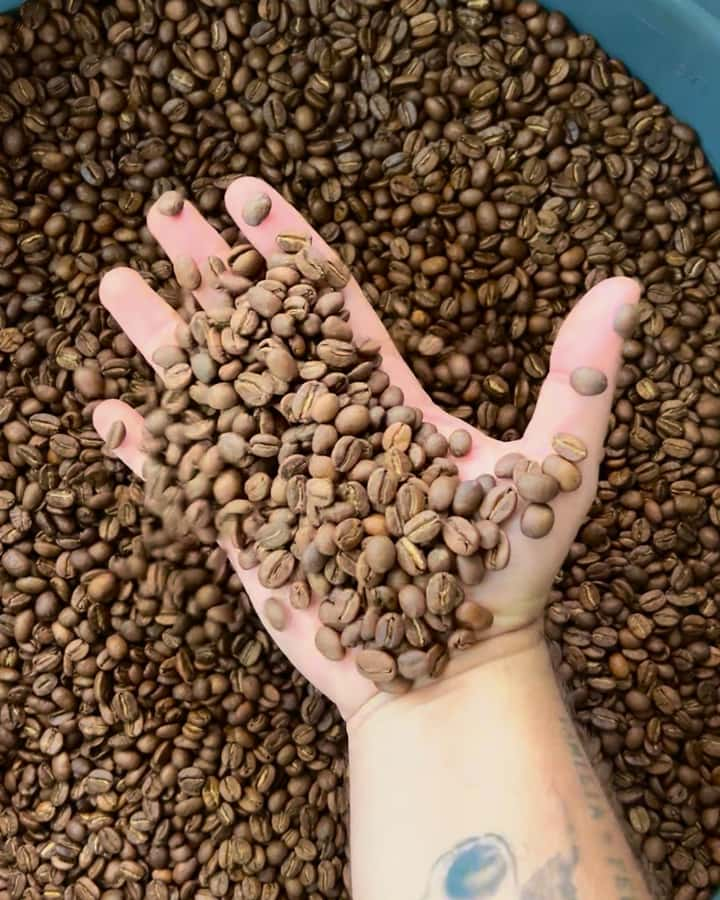
- Coffee from seed to cup: Follow planting, growth, harvesting, milling, drying, storage, roasting, and preparation in one visit.
- A real working farm: The tour includes coffee plots, gardens, a composting station, crop fertilization, and the mill.
- Spanish-speaking guidance: The tour is conducted in Spanish, so basic Spanish helps you get more from the explanations.
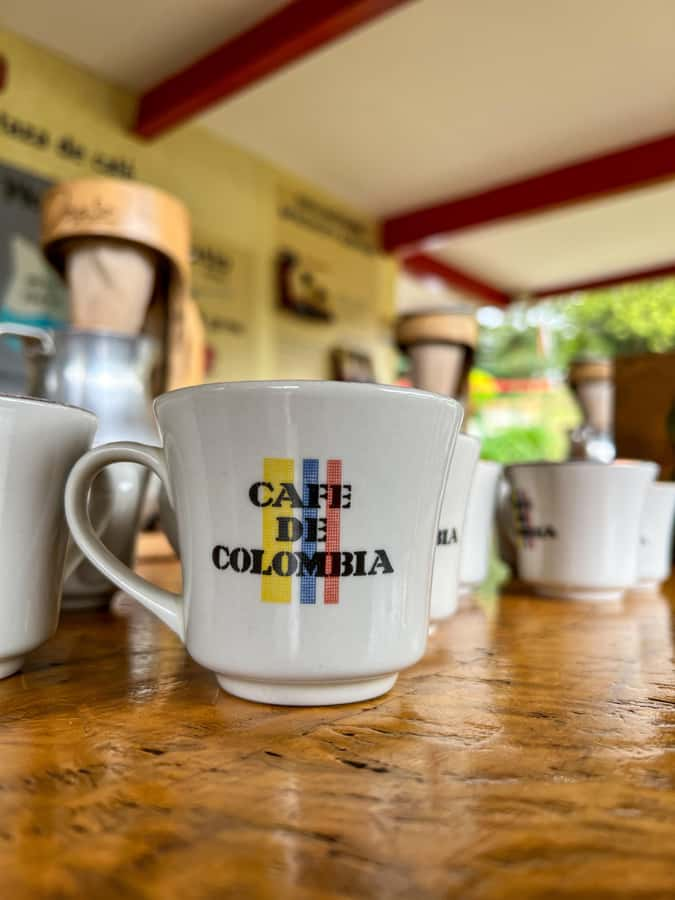
- Traditional final tasting: Coffee is prepared in a cloth strainer and pot, giving the visit a distinctly local finish.
- Rural access matters: Willys Jeeps leave Salento every hour from 8:30 a.m. to 4:30 p.m., but the ride is not included.
- Good value for coffee fans: The $19 fee covers a detailed process tour and tasting, though food, transfers, sun block, and mosquito repellent are extra.
From coffee seed to the first cup
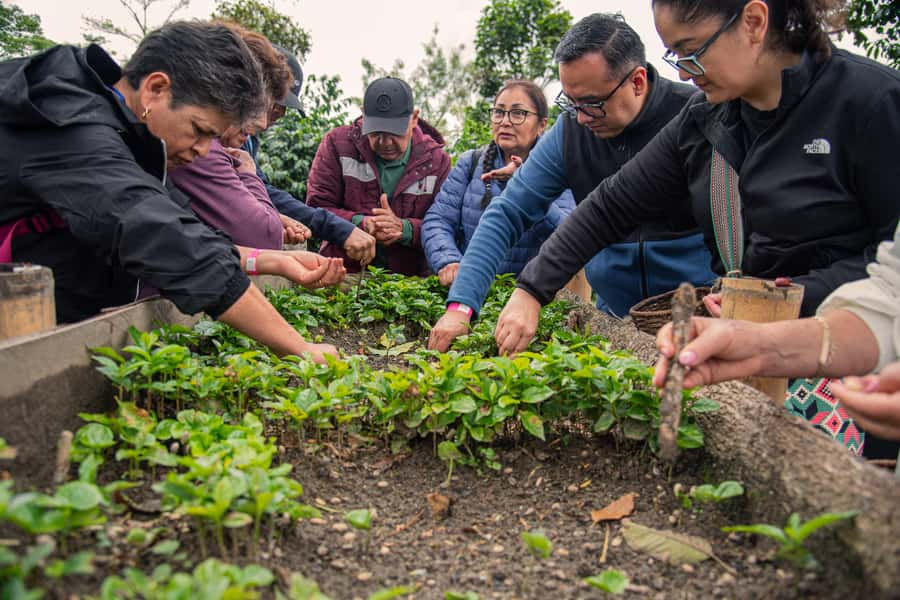
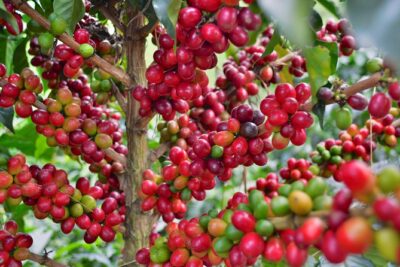
Finca El Ocaso gives you a useful look at coffee as agriculture, not just as a drink. The visit begins with the story of coffee and the species most common in the area, then moves into how coffee trees are planted and cared for as they grow.
That early section matters because coffee quality starts long before roasting. You learn about sowing and harvesting, and you see how the farm’s gardens and coffee plantations fit into the larger production cycle. If you usually think of coffee as something bought in a bag, this helps explain how much work comes before the beans reach a café or kitchen.
The tour is especially well suited to curious coffee drinkers who want more than a tasting. You are not simply told that a bean is specialty coffee. You are shown the stages that affect its quality and the farm decisions that shape the crop.
The exact order can depend on the guide and farm conditions, but the planned visit covers both the growing areas and the processing side. That balance is important. Many short coffee visits focus on plants and skip the machinery, or show the mill without explaining where the coffee began. Here, both ends of the process are part of the 90 minutes.
More Coffee Tours in Coffee Region:
- Coffee Tour at the Finca del Café
★ 5.0 · 213 reviews - Salento: Private Cocora Valley, Salento & Coffee Farm Tour
★ 4.9 · 202 reviews - Coffee Tour Salento-Ocaso Farm- English Tour
★ 4.6 · 88 reviews
Gardens, coffee trees, and working farmland
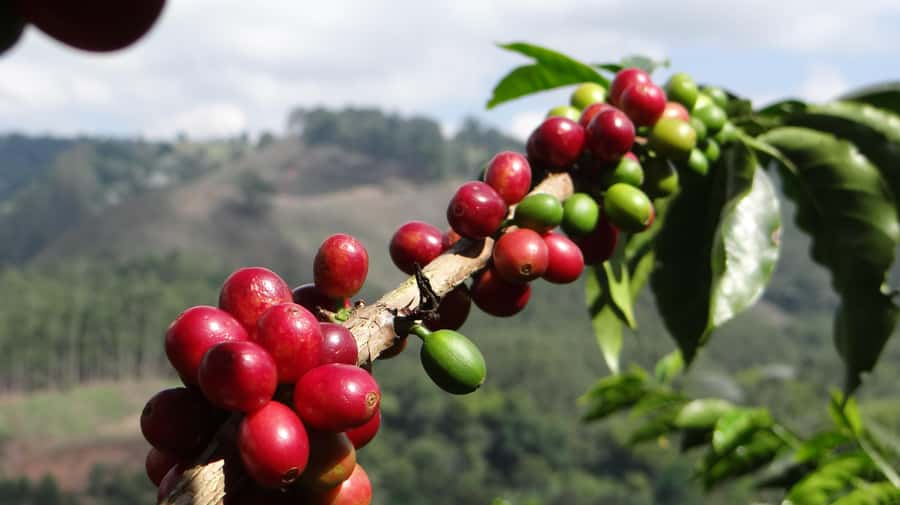
The garden and plantation walk gives you the most direct sense of the farm. You see where coffee trees are planted, how they grow, and where harvesting and sowing fit into the yearly cycle.
This is also where you should expect a rural setting rather than a polished museum. Wear comfortable clothes and shoes that can handle an uneven farm path. The road to the property is not completely paved, and the grounds are agricultural, so practical clothing is more useful than anything stylish.
The tour also covers the farm’s fauna and flora. That subject adds useful context because coffee production does not happen in isolation. The plants around the crop, the surrounding animal life, and the way the farm manages its resources all form part of its approach to sustainability.
Finca El Ocaso identifies itself as a specialty coffee producer with certification in sustainable production. The visit explains sustainability through farm practices, composting, fertilization, and the relationship between the crop and its surroundings. I find that more useful than a brief claim about being green, because you get a clearer idea of what the farm is trying to manage.
Composting and crop fertilization
The composting station is one of the tour’s most practical stops. It shows how organic material can be handled on the farm and how compost relates to crop care.
You also hear how the coffee plants are fertilized. This part may appeal most to gardeners, farmers, and serious coffee fans, but it is worthwhile for anyone interested in the cost and care behind a specialty product. Fertilization is not a glamorous part of the coffee story, yet it has a direct connection to plant health and crop quality.
The sustainability discussion brings these details together. You can ask how the farm handles production while paying attention to the surrounding flora and fauna. Since the tour is in Spanish, your experience will be strongest if you can follow a farm explanation in that language or travel with someone who can translate.
A Spanish-speaking guide leads the activity. One afternoon visit with Nicolás was described as entertaining, which is a useful clue for anyone worried that technical farm information might feel dry. His role appears to combine explanation with an easygoing tone. Guide assignments can change, so you should not book expecting a particular person unless the farm confirms it.
Inside the mill: pulping, drying, and storage
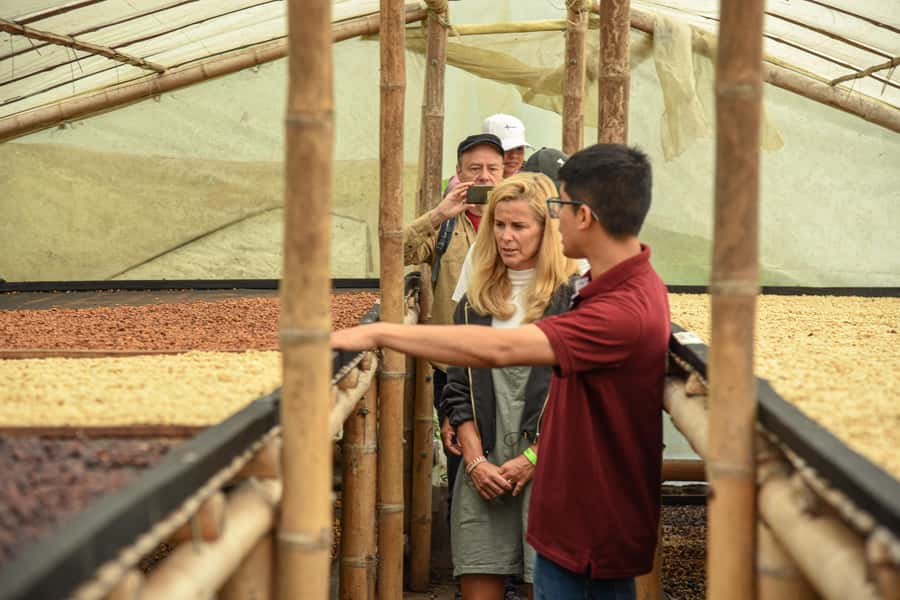
The mill is where the tour becomes more mechanical. You visit the hopper and pulper, then learn about mechanical drying and traditional drying.
These machines and methods help explain the work between picking coffee cherries and preparing beans for roasting. The hopper receives the harvested material, while the pulper removes the fruit around the coffee seed. Drying then reduces moisture so the coffee can be stored and handled properly.
Seeing both mechanical and traditional drying is valuable because it gives you a point of comparison. The tour does not present processing as one simple step. It shows that the way coffee is dried can be part of the farm’s production choices and can affect how the bean moves toward its final quality.
The visit also covers storage, threshing, and commercialization. Threshing removes the remaining outer layers from dried coffee, while commercialization connects the farm’s work to the market. Those steps are often invisible when you buy a finished bag of coffee. Here, you get a clearer picture of how the product changes as it moves from field to sale.
Do not expect a large industrial facility based on the information available. This is a farm visit with a mill stop, not a factory tour. That is part of its appeal, but it also means the experience is tied to the working conditions of a rural property.
More farm and finca visits around Coffee Region:
- Coffee Farm and Salento Walking Tour
★ 5.0 · 47 reviews - Salento: Coffee Farm Tour with Tasting
★ 4.9 · 41 reviews - Medellín Coffee Farm Tour with Trolley and Cable Car Ride
★ 4.9 · 277 reviews - Cusco: Alpaca and Llama Farm Tour w/ Transfer & Weaving Demo
★ 4.9 · 151 reviews
Roasting is where the flavor changes
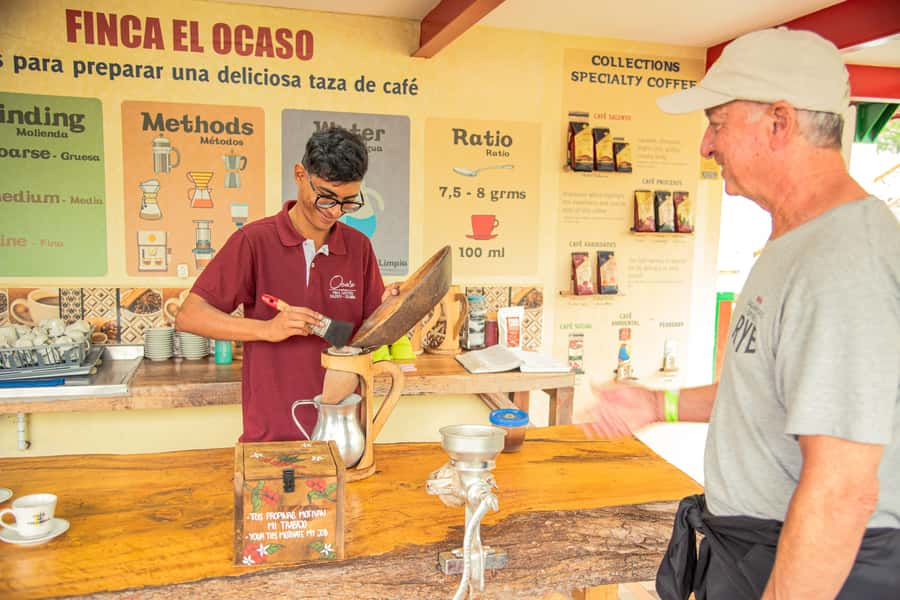
The roasting section explains the types of roasting and why they matter to coffee quality. This is the point where many visitors can connect farm methods with the taste in the cup.
Roasting changes the character of coffee, and the degree of roast can affect how you perceive flavor, aroma, and strength. The tour gives you a framework for understanding those differences rather than treating roast level as a label you simply accept.
I like this part because it links the farm’s earlier work to your own habits at home. If you prefer a particular coffee style, the explanation can help you understand whether that preference comes from the bean, the roast, the preparation method, or a combination of all three.
The presentation remains fairly broad in the supplied details, so you should not assume that the tour includes a full professional roasting workshop. It explains roasting and its importance to quality. The practical demonstration comes at the end, when the farm prepares coffee in a traditional way.
A cloth strainer and pot finish the visit
The final preparation uses a cloth strainer and pot. It is a simple method, but it gives the tasting a clear connection to everyday coffee culture rather than ending with a modern machine or a formal espresso service.
You get to taste the result after learning about the plants, harvest, mill, drying, storage, and roast. That sequence makes the cup more meaningful. You can think back through the process and consider how each stage may affect what you are drinking.
The tasting is included in the $19 price. Food is not included, so plan this as a coffee experience rather than a meal. If you need lunch or a snack, arrange that separately in Salento or elsewhere, since the farm visit itself does not cover it.
The traditional preparation may be particularly appealing if you want a local technique you can remember and repeat. It also keeps the ending relaxed. After the technical sections, you have time to focus on the basic pleasure of drinking the coffee.
What $19 buys you
At $19, this is a solid value if coffee is one of your main interests in the Salento area. You receive a 90-minute guided visit with plantation and garden access, sustainability information, a composting stop, the mill, processing explanations, roasting information, preparation, and a tasting.
The value is strongest for people who want a full process story. You are paying for context, not just a sample. A casual coffee drinker may find some of the farming and processing details more than needed, but anyone who wants to understand specialty coffee should find the format worthwhile.
The price does not include transportation, food, mosquito repellent, or sun block. Those exclusions are easy to overlook when planning the day. Bring your own repellent and sun protection, or buy repellent and rain ponchos at the farm store.
There is also no transfer from Salento. That keeps the ticket price lower, but you need to allow extra time and money for the rural ride. Free cancellation is available up to 24 hours before the activity, and you can reserve now and pay later, which helps if your plans around Salento are still moving.
Reaching the farm from Salento
You must go directly to the farm. The practical public transport option is a Willys Jeep, with departures from Salento every hour from 8:30 a.m. to 4:30 p.m. You can also return to Salento by Willys from the farm.
Transportation costs extra and is not part of the tour ticket. Check the departure time before setting out, since missing a scheduled ride could affect your tour start or your return.
The access road is not completely paved. The farm specifically advises against arriving in a low car, so a higher vehicle is the safer choice if you are driving. This is not a good place to treat the final road as an afterthought.
Rain does not cancel the activity. That can be good news in a wet rural area, but it means you should come prepared. Rain ponchos can be purchased at the farm, and comfortable clothing remains the sensible choice.
Mosquito repellent is recommended. You can bring it or buy it at the farm store. Sun block is not provided, so pack your own. These are small items, but forgetting them can make a short outdoor visit less comfortable.
Language, timing, and who should book
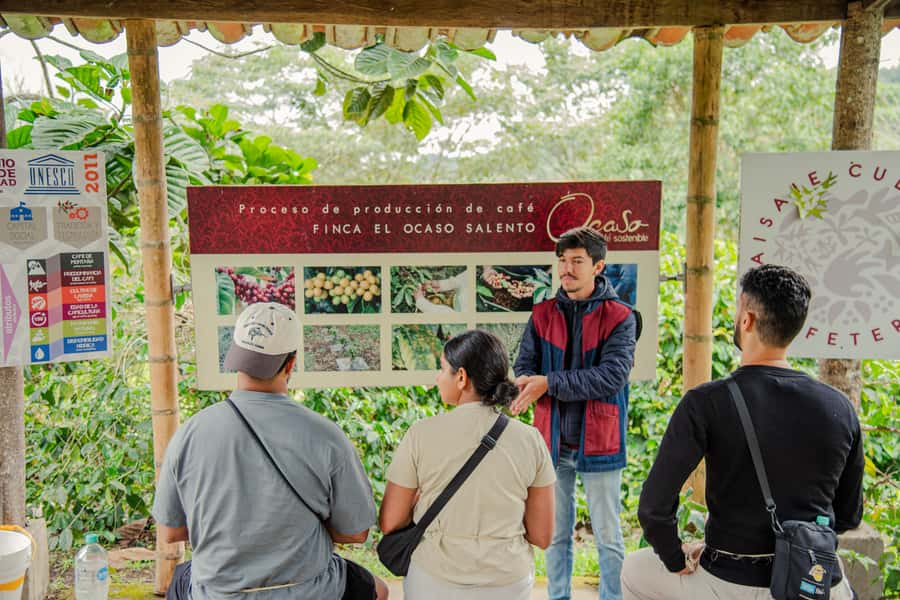
The live guide speaks Spanish, and some content is shown in its original language. You do not need to be a coffee professional, but basic Spanish will help you follow the explanations about plants, machinery, drying, and commercialization.
The 90-minute length works well as part of a day around Salento. It is long enough to cover the full coffee chain without taking over your schedule. At the same time, the number of topics is ambitious, so the pace may feel brisk if you want to linger over every machine or ask many detailed questions.
I would choose this tour for coffee drinkers, people interested in sustainable farming, and anyone who wants a rural activity with a clear educational purpose. Families with older children may also find the machines and farm stages engaging, though the Spanish-only format is worth considering.
I would skip it if you want an English-language tour, a meal, included transport, or a short stop that requires no planning. It is also less suitable if you dislike rough rural roads or do not want to spend time outdoors in changing weather.
The farm does not allow alcohol or drugs. That is straightforward, but it is worth keeping in mind if you are planning several activities in one day.
Should you book Finca El Ocaso?
Book this coffee tour if you want to understand how coffee is grown, processed, dried, roasted, and prepared, and if you are comfortable arranging your own ride to a rural farm. The $19 price is fair for the number of stages covered and the included tasting.
The strongest reasons to go are the full farm-to-cup route, the composting and sustainability focus, and the chance to see both mechanical and traditional drying. The main reasons to hesitate are the Spanish-only guidance, partly unpaved access road, extra transport cost, and lack of included food.
If Nicolás is leading your afternoon, you may get an especially relaxed presentation, but guide assignments can vary. Bring comfortable clothes, insect repellent, and sun block, then leave enough time for the Willys Jeep. For a coffee-centered day near Salento, this is a practical and worthwhile choice.
FAQ
Where is the coffee tour held?
The tour takes place at Finca El Ocaso in the rural area of Salento. You must arrive directly at the farm because transfers are not included.
How long does the activity last?
The tour lasts 90 minutes. Starting times depend on availability.
How much does the tour cost?
The price is $19 per person. Transportation and food are not included.
What language is the tour in?
The live tour guide speaks Spanish. Some content is shown in its original language.
How do I reach the farm from Salento?
Willys Jeeps leave Salento every hour from 8:30 a.m. to 4:30 p.m. You can also return to Salento by Willys from the farm. The transportation cost is separate from the tour price.
What should I bring?
Bring comfortable clothes and insect repellent. Sun block is also useful because it is not provided. Rain ponchos and mosquito repellent can be bought at the farm.
What happens if it rains?
The activity does not cancel because of rain. Rain ponchos can be purchased at the farm.
Just added around Coffee Region
- Salento: Coffee Farm Tour with Tasting★ 4.9 · 41 reviews
- Cocora Valley: Salento & Private Horseback Riding Tour★ 4.8 · 56 reviews
- Coffee Tour Salento-Ocaso Farm- English Tour★ 4.6 · 88 reviews
- Salento/Pereira: Cocora Valley & Salento Hiking Private Tour★ 4.8 · 78 reviews
- Full-Day Private Coffee Tour in Cocora Valley and Salento★ 5.0 · 60 reviews
- Salento, Cocora+Filand PREMIUM PLAN. exit: Pereira/Armenia.★ 5.0 · 47 reviews
- Cocora Valley and Salento Hike Tour★ 5.0 · 76 reviews
- Coffee Farm and Salento Walking Tour★ 5.0 · 47 reviews
Coffee Region Tours, compared.
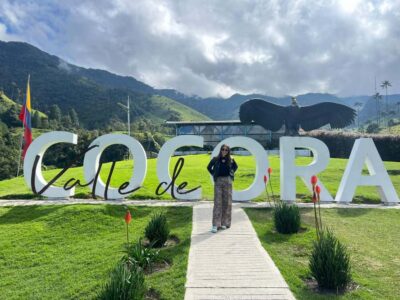
Salento: Private Cocora Valley, Salento & Coffee Farm Tour
Read our review →
Salento, Cocora and Filandia Private Tour from Pereira or Armenia
Read our review →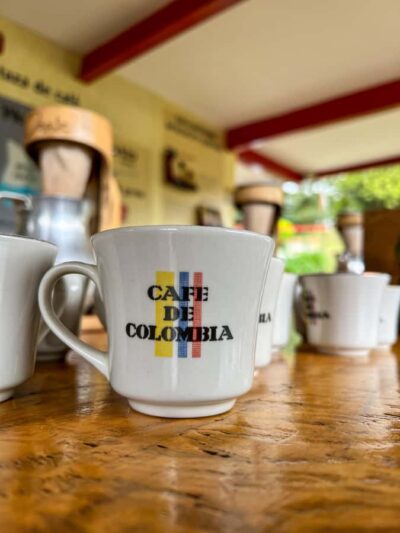
Salento/Pereira: Cocora Valley & Salento Hiking Private Tour
Read our review →
Full-Day Private Coffee Tour in Cocora Valley and Salento
Read our review →Browse the lists this tour appears in