
Reviewed · VOLCANO TOURS
Antisana Volcano Birding & Natural History Condor Tour PRIVATE, all included
Antisana is one of the best places near Quito to look for Andean condors, and this full-day trip adds much more than a quick viewpoint stop. You may see Ecuadorian Hillstars, caracaras, deer, foxes, and, with great luck, a Spectacled Bear. At Tambo Condor, you can also watch hummingbirds around the garden while looking toward condor nesting sites.
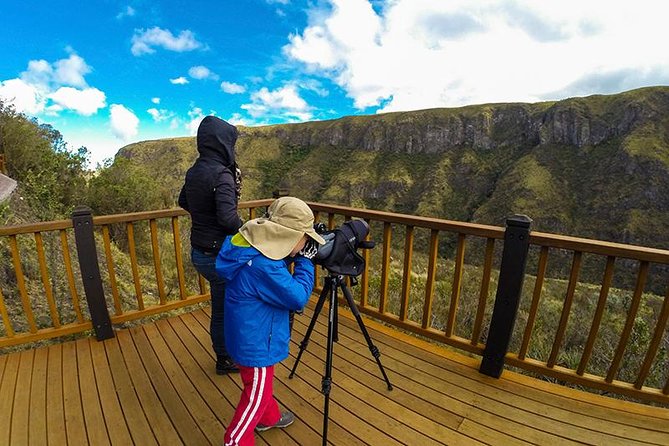
I like the private format, which gives you room to focus on birds, photography, or general nature rather than follow a fixed group pace. I also like the guides’ field skills: Santiago has used a spotting scope to show condors and even an Andean Bear across a ridge, while Gabriel has helped identify more than 30 bird species in one day.
The main drawback is the early start and high altitude. Wildlife sightings are never guaranteed, and one reported departure ran 90 minutes late because of a serious traffic accident. The long day, cold conditions, and uneven trails also require sensible clothing and a little stamina.
Key points at a glance
- Condor viewing at two strong locations: Look for Andean condors at Mirador del Isco and from Tambo Condor near known nesting sites.
- Birding can shape the day: Ask your guide to give extra attention to Ecuadorian Hillstars, hummingbirds, caracaras, antpittas, and other local species.
- Private transport from Quito: Your group receives hotel or airport-area pickup, private transportation, and afternoon drop-off.
- A useful lunch stop: Tambo Condor includes a meal, soft drink, coffee or tea, garden hummingbirds, and broad views toward the condor cliffs.
- Wildlife beyond birds: Antisana may produce sightings of deer, foxes, and the Spectacled Bear, though these animals are wild and unpredictable.
- Good value for a full private day: The $210 per-person rate includes guide service, transport, park fees, lunch, and activities.
Why Antisana makes a strong day trip from Quito
This is not simply a volcano photo stop. Antisana Ecological Reserve protects a high-altitude setting where birds and mammals have adapted to cold, exposed conditions. The appeal comes from the mix: volcanic scenery, a mountain lake, wetland birds, hummingbirds, and the rare chance of seeing Ecuador’s great condor.
You leave Quito at about 7:00 am, which matters for two reasons. First, the reserve is far enough from the city that a late start would squeeze the time available at each stop. Second, morning light can help with photography, especially when birds are active and the sky is clear.
The trip lasts about eight to ten hours. That makes it a full day, not a short outing you can fit between other Quito plans. I would keep the evening free, especially if high altitude affects you.
The private arrangement is a real benefit. You are not sharing the vehicle with strangers, and the guide can spend more time on a bird you want to identify or adjust the pace if someone in your group needs a break. The tour can also be reshaped around birdwatching, which is useful if your main goal is a long species list rather than a quick scenic circuit.
More Volcano Tours in Quito
- Cotopaxi & Quilotoa With Optional Hotel Pick-Up & Drop-Off
★ 4.5 · 170 reviews - Cotopaxi Volcano Quest!
★ 5.0 · 101 reviews - Cotopaxi Volcano Tour from Quito – Day Trip to the Andes
★ 5.0 · 65 reviews
Mirador del Isco and the first condor search
The first major stop is Mirador del Isco in the Chakana Reserve, on the approach to Antisana’s entrance. It is considered one of the better places in this area to look for condors, so your guide may begin scanning the sky and ridges soon after leaving the city.
This is where a guide with sharp field vision can make a large difference. Santiago has been praised for spotting birds from a moving vehicle and identifying them from a brief flash in the sky. A spotting scope can then turn a distant bird into a much clearer sight, giving everyone in your group a chance to watch.
Condors are not guaranteed to appear on cue. You may see them circling high overhead, or you may spend time scanning without a sighting. That uncertainty is part of wildlife watching, but it is also why the stop works best with a guide who knows the area and can explain what you are looking at.
Bring binoculars if you have them, but do not worry if you do not own a serious pair. The guide’s scope is especially helpful for distant birds and cliffside activity. A camera with a long lens can help, but the experience is still worthwhile without one.
Entering Antisana Reserve for high-country wildlife
After Isco, the route continues to the western entrance of Antisana Ecological Reserve. The reserve portion is short on the formal schedule, but the actual value lies in the time spent watching, stopping, and searching along the route.
The bird list can include Ecuadorian Hillstars visiting Chuquiragua bushes, Tawny Antpittas, Tufted Tit-Tyrants, and Carunculated Caracaras. You might also see other local species depending on weather, season, and luck. If your priority is bird photography, say so early. Your guide can give more attention to movement in the bushes, feeding areas, and distant flight paths.
The wildlife search is not limited to birds. The reserve may produce foxes or deer, and the Spectacled Bear is a special possibility. One guide spotted a bear across the opposite side of a ridge, where it settled down for a nap. That kind of sighting is rare and easy to miss without someone constantly scanning the slopes.
You should treat the bear as a fortunate extra, not the purpose of the trip. The same goes for condors. The reserve gives you a strong setting for wildlife watching, but nature does not follow a timetable.
The guide commentary adds value here. Santiago has discussed local life, Quito’s water supply, and the way glacial melt supports the city. That sort of explanation connects the scenery to daily life and shows why the reserve matters beyond its animal list.
Lake La Mica and the choice to walk
Lake La Mica brings a change of pace. Here you scan the shoreline for aquatic species and take in the broad views around the water. If you feel comfortable, you can follow a trail for more scenery and additional chances to watch birds.
The walking is limited unless you request a longer trail, but the ground can be uneven. You do not need to be an avid hiker for the basic version of the tour, though sturdy shoes are a sensible choice. Ask your guide about the walking conditions if anyone in your group has balance or mobility concerns.
Altitude deserves attention at La Mica and throughout the reserve. The tour provider asks you to mention if you are prone to altitude sickness, and you should take that seriously. Move at a comfortable pace, drink water, and tell the guide if you feel unwell.
The lake stop is also a useful pause after the drive. Some visitors arrive from near sea level, and one group found an altitude-adjustment tea at Tambo Condor helpful earlier in the day. Coffee and tea are included, but you should not treat a hot drink as a cure for serious altitude symptoms.
More Bird Watching Tours in Quito:
- Full-Day Mindo Cloud Forest Tour Birdwatching Waterfalls and Hike
★ 5.0 · 84 reviews - Papallacta Hot Springs & Guango Birding Reserve Private Tour
★ 5.0 · 70 reviews - Private Full-Day Mindo Cloud Forest,Butterfly Farm, Chocolate Tour bird watching
★ 5.0 · 62 reviews - Guided Birding Photography Experience
★ 5.0 · 47 reviews
Lunch, hummingbirds, and condor cliffs at Tambo Condor
Tambo Condor is more than a meal stop. It offers a privileged view toward condor nesting sites, plus garden feeders and flowers that attract hummingbirds. The setting gives you a relaxed chance to keep watching wildlife without standing on a rough trail.
The included lunch is a strong part of the value. It comes with a soft drink, and coffee or tea is available. One particularly praised dish was locro, a traditional Ecuadorian potato soup, though the exact meal can vary. Vegetarian food is available if you request it when booking.
The hummingbirds may be the most dependable close-range wildlife of the day. Their speed makes them hard to follow at first, but feeders and flowers bring them near enough for careful viewing and photographs. A guide can help you notice differences between species rather than treating every small bird as the same.
The condor view is more dramatic but less certain. You might see a pair in flight, or a bird near a nest. One especially fortunate visit included two pairs in the air, a nesting adult, and a juvenile. You should see that as an excellent outcome rather than a promise.
Tambo Condor also helps balance the day. After driving and high-altitude viewing, you can sit down, eat, use the grounds, and continue watching birds at an easier pace.
What the private price includes
At $210 per person, this is not a budget bus excursion. The price makes more sense when you count what is bundled into a private full-day outing: hotel or airport-area pickup, private transportation, a bilingual naturalist and birding guide, lunch, a soft drink, park fees, coffee or tea, and the scheduled activities.
For a couple or small group that wants personal attention, the arrangement can be good value. You are paying for transport into a remote reserve as well as the guide’s ability to identify birds, use a spotting scope, and alter the emphasis of the day. It also avoids the compromises of a large shared group.
The value is strongest if you care about wildlife rather than only checking off a volcano viewpoint. A general sightseeing visitor will enjoy the scenery and meal, but a birdwatcher gets more from the guide’s field knowledge and the chance to linger over small species.
Alcohol is not included, though it can be purchased. Any dietary needs should be given at booking, and a copy of one group member’s passport is required for billing and local tax exemption.
Who will enjoy this Antisana tour most
I would recommend this trip to:
- Birdwatchers who want a private day with room for species identification and photography.
- Couples and families who prefer their own vehicle and a flexible pace.
- Nature lovers who want more than Quito’s urban sights.
- Visitors hoping for condors but also interested in hummingbirds and mountain wildlife.
- People comfortable with a long day, cold high-altitude conditions, and some uneven walking.
You do not need to be a serious birder. The scenery, volcano views, lake, lunch, and possibility of seeing a bear or condor can carry the day for a first-time wildlife watcher. Still, you should enjoy quiet observation. This is not an action-packed excursion with guaranteed animal encounters.
Children must be accompanied by an adult. A child rate applies only when sharing with two paying adults. Most people can take part, but anyone with altitude concerns should discuss them before departure.
Practical advice before you go
Wear layers. Quito may feel mild when you leave, while Antisana can be cold and exposed. Bring a waterproof outer layer, sun protection, sturdy shoes, water, and binoculars if you own them.
Tell the guide what matters most to you at the start. If you want condors, ask for extra scanning at Isco and Tambo Condor. If you want a long bird list, say so. If you prefer scenery and a slower walk, the private format lets the day bend toward that preference.
Allow the full eight to ten hours, plus a little flexibility for traffic. A delayed start has happened because of an accident, and road conditions can affect a Quito pickup. The provider offers free cancellation up to 24 hours before the start time. Changes or cancellations within 24 hours are not refunded.
Should you book it?
Book this tour if you want a serious wildlife day from Quito without giving up comfort, a proper lunch, or personal guiding. The strongest reasons are the private vehicle, expert bird identification, spotting scope, Tambo Condor’s hummingbird garden, and the chance to see condors from more than one setting.
Skip it if you want a short, guaranteed sightseeing trip or dislike early starts and high-altitude roads. For everyone else, $210 per person is a fair price for a private, all-included day that combines Antisana’s scenery with real chances to see Ecuadorian birds and mammals.
FAQ
What time does the tour start?
Pickup begins at 7:00 am from your hotel in Quito or the airport area.
How long does the Antisana tour last?
The experience takes approximately eight to ten hours, with a return to Quito in the afternoon.
Is lunch included?
Yes. Lunch and a soft drink are included at Tambo Condor. Coffee and tea are also included.
Can the tour focus mainly on birdwatching?
Yes. The tour can be adjusted to place greater emphasis on birdwatching.
Is this a private tour?
Yes. Only your group participates, and private transportation is included.
Is walking required?
A small amount of walking is involved on trails with irregular ground. Longer hiking trails are available for participants who want more walking, but most people can participate in the basic tour.
More Historical Tours in Quito
- Quito Old Town Tour: History, Market Visit & Ice Cream Tasting
★ 4.5 · 91 reviews - Cartagena: Historic Center and Getsemaní Shared Walking Tour
★ 4.9 · 2,716 reviews - Lima’s Vibrant Heritage: Exploring the City’s Landmarks Half-day
★ 4.5 · 581 reviews - Santiago: Guided Walking Tour of the Historical Old Town
★ 4.8 · 459 reviews
Just added around Quito
- Quilotoa-Baños 2-Day Tour Including All Activities★ 5.0 · 40 reviews
- Walking Tour Quito★ 5.0 · 43 reviews
- Night Tour in Quito with free time at Old Town★ 4.5 · 49 reviews
- Quito Cultural Bike Tour – Group★ 5.0 · 35 reviews
- Quito Oldtown: A Cultural-Gastro Walking Tour and Shopping★ 5.0 · 73 reviews
- Quito City Tour, Mitad del Mundo, Teleferico & Panecillo Included★ 5.0 · 66 reviews
- Daydream in Quilotoa: Laguna’s Enchanting Embrace Awaits★ 5.0 · 50 reviews
- Private Full-Day Mindo Cloud Forest,Butterfly Farm, Chocolate Tour bird watching★ 5.0 · 62 reviews
Volcano Tours, compared.

Cotopaxi & Quilotoa With Optional Hotel Pick-Up & Drop-Off
Read our review →
Tour to the Mud Volcano in Cartagena with Lunch
Read our review →
From Puerto Varas: Osorno Volcano & Petrohue Falls Day Tour
Read our review →
Browse the lists this tour appears in