
Reviewed · WATERFALL TOURS
Tijuca Forest Hike – Waterfalls & Caves, Nature & Wild Life!
Tijuca Forest packs waterfalls, caves, old buildings, and thick Atlantic Rain Forest into one half-day walk. The 35-meter Taunay Waterfall makes a strong opening, but the real pleasure comes from following forest trails to Cachoeira das Almas, Belmiro Cave, Archer Cave, Bats Cave, and several smaller falls.
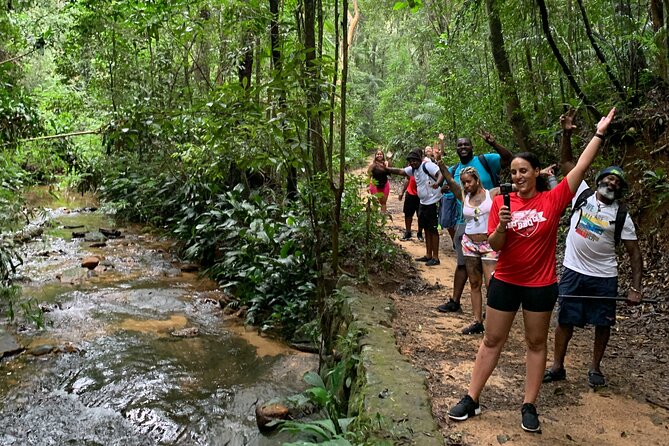
I like the small group cap of 10, which gives guides time to explain plants, insects, animals, and the park’s past. I also like the practical touches: walking sticks and small backpacks are available on request, and guides such as Alli, Lucas, Sergio, and Juliana have been praised for their clear English, patience, park knowledge, and willingness to take photos.
The main consideration is the distance. This is an approximately 5.5-mile hike, not a short waterfall stroll. Most trails are easy, but humid ground and slippery patches call for proper shoes, a moderate fitness level, and sensible pace.
Key points to know before you book
- Taunay Waterfall opens the experience: See Tijuca’s best-known cascade with its 35-meter free fall.
- The route covers more than scenery: Historic buildings, Mayrink Chapel, caves, forest life, and waterfalls all share the schedule.
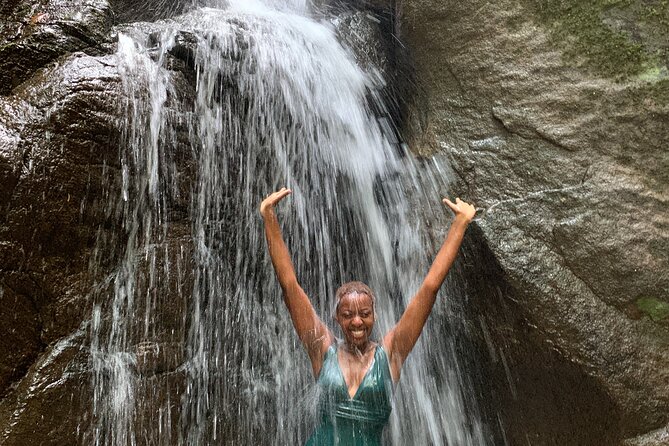
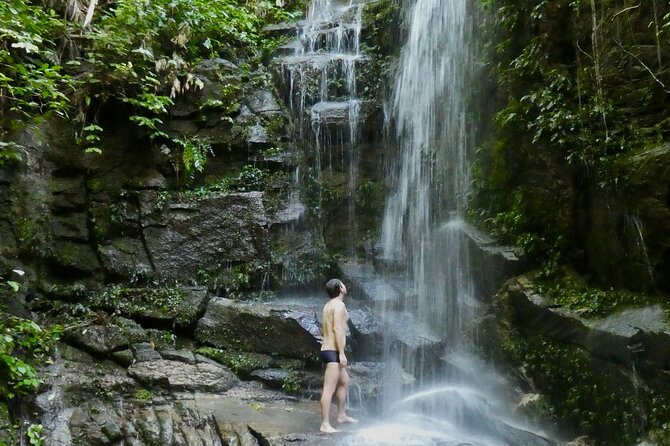
- Cachoeira das Almas allows a cool-off stop: You can bathe beneath the fall if conditions suit you.
- The cave section stays accessible: Belmiro, Archer, and Bats Caves are described as safe, with granite walls and rock formations to inspect.
- The outing takes about four and a half hours: Plan for a steady walk over roughly 5.5 miles, with a different return route.
- A guide adds real value: Guides point out plants, insects, animals, and details about Tijuca’s past that you could easily miss alone.
Why this Tijuca Forest walk is more than a waterfall stop
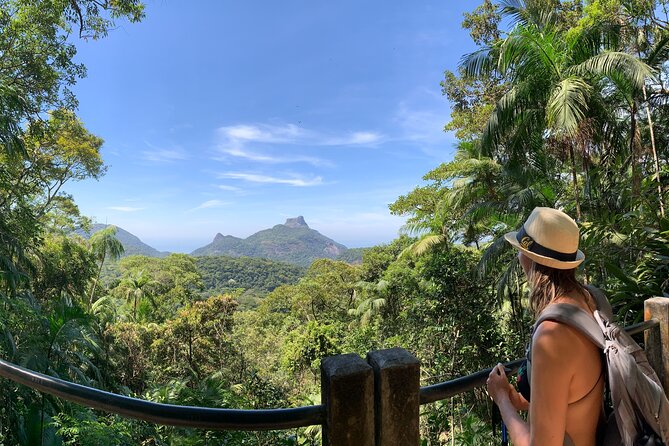
Rio is famous for beaches, viewpoints, and city streets, yet Tijuca National Park gives you a quick change of pace without leaving the city area. This experience is built around movement. You are not simply driven to a waterfall, taking a few photos, and heading back. You follow forest paths, visit several sites, and return by a different route.
That variety is the biggest strength. In one outing, you see a major cascade, a chapel, an old restaurant building, caves, smaller waterfalls, and Atlantic Rain Forest vegetation. I like that the route gives you enough time to feel the forest rather than treating it as a quick backdrop for photographs.
The tour lasts about four and a half hours and covers around 5.5 miles. That makes it a good fit for anyone who wants an active half-day in Rio, but it is not the right choice if you are looking for a very gentle walk with little distance.
More Hiking Tours in Rio de Janeiro
- Rio: Tijuca Forest Small Group Hike to Caves and Waterfalls
★ 4.9 · 536 reviews - Pedra do Telégrafo Hike and Beach Full-Day Tour
★ 4.5 · 417 reviews - Rio de Janeiro: Pedra da Gávea 7-Hour Hike
★ 4.7 · 183 reviews
Taunay Waterfall gives you a dramatic start
The first major sight is Cascatinha Taunay, also called Taunay Waterfall. Its water drops 35 meters in a free fall, making it the most famous cascade in the park and an easy landmark for understanding the scale of Tijuca.
This opening stop works well because it gives you an immediate visual reward before the longer walking begins. You can take in the fall, then continue into the forest with a clear sense that the park is more than a single viewpoint.
The waterfall is also part of the formal stop list, alongside Floresta da Tijuca. Since the tour moves through several parts of the park, the amount of time at each location can vary with the group’s pace and trail conditions. If photographs matter to you, say so early. Guides have been praised for taking excellent pictures, including helping with portraits at waterfalls and caves.
Historic Tijuca appears between the trees
This is not only a nature walk. Along the way, you visit Capela Mayrink and pass the Floresta restaurant, a historic building. These stops add a human layer to the park and break up the natural sights with reminders that Tijuca has a long relationship with Rio’s residents and visitors.
The chapel is listed as one of the main stops, while the Floresta building comes during the route toward the caves. The experience does not present these sites as a separate history tour, so you should expect short visits rather than an extended architectural study.
That balance suits the outing. The forest remains the main event, but the buildings give your guide useful points for explaining the park’s past. Guides have been singled out for making the walk informative, including discussion of Tijuca’s history, animals, plants, and insects.
Cachoeira das Almas is the best place to cool off
The route’s first waterfall stop is Cachoeira das Almas. You can cool off beneath the fall, making this one of the most appealing parts of the day, especially in Rio’s warm climate.
The water is described as natural, clear water rising from the park’s basins. Still, conditions can vary, and you should treat the swim as an option rather than the sole reason to book. Wet rocks and humid soil are part of the setting, so move carefully around the water and bring clothing that can handle getting damp.
This stop also gives the walk a useful change of rhythm. After forest paths and historic points, you have time to pause, take photographs, and enjoy the sound of the water. The experience is active, but it is not meant to be a race from one landmark to another.
More Waterfall Tours in Brazil
- Rio: Tijuca Forest & Horto Waterfalls Circuit Tour
★ 4.7 · 99 reviews - Hiking in the Tijuca Forest : Waterfalls and Caves
★ 5.0 · 72 reviews - Garganta do Céu and Waterfall hike in Pedra da Gávea
★ 5.0 · 71 reviews - Paraty: Jungle Waterfalls and Cachaça Distillery Jeep Tour
★ 4.7 · 491 reviews
The cave trail adds texture and a little adventure
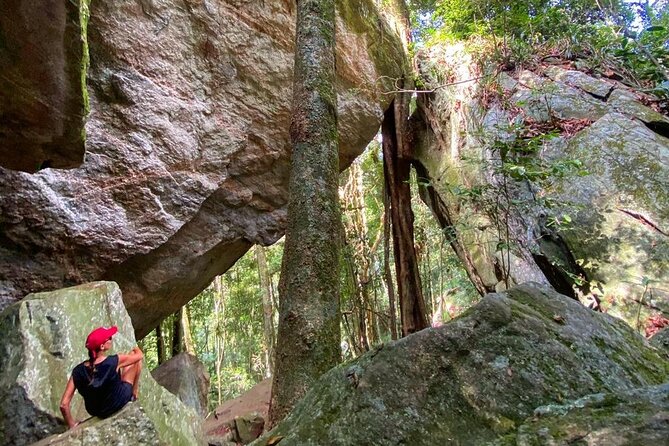
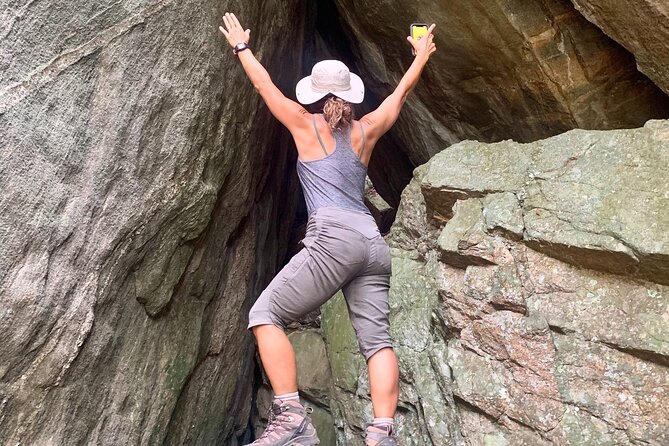
After passing the Floresta restaurant, the route reaches the Caves Trail. You visit Belmiro Cave, Archer Cave, and Bats Cave, with granite walls and unusual rock forms shaping this part of the walk.
The caves are described as safe and not dangerous for participants. Even so, you should expect a natural trail rather than a polished attraction. Small wet or slippery sections are possible, and good footwear matters more here than fashion.
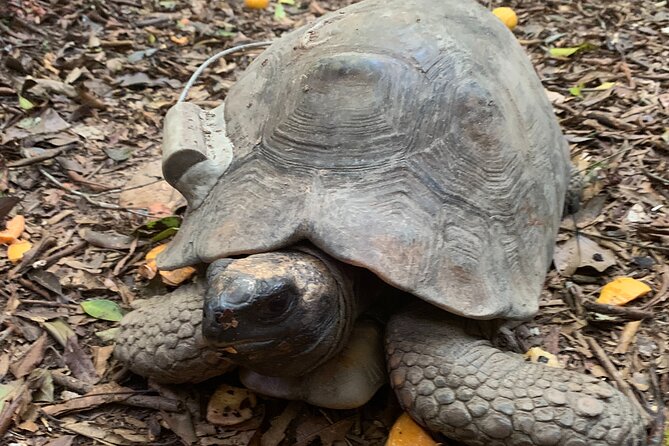
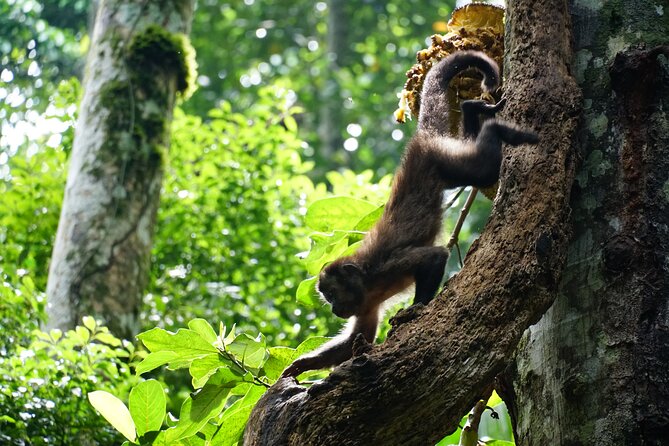
This is one reason the tour feels fuller than a standard waterfall outing. The caves change the scenery and give the guide another chance to point out geology, forest conditions, and the role of animals and insects in the park. The name Bats Cave may sound dramatic, but the provided details do not promise a particular animal sighting, so treat wildlife as a possibility, not a guarantee.
Cristalina, Baronesa, and Gabriela keep the route varied
Once the cave section is complete, the hike continues to Cristalina and Baronesa waterfalls. You then return by another path, with time to visit Gabriela Fall as well.
The different return route is a smart feature. You get more of the park instead of retracing every step, and the changing path helps the four-and-a-half-hour schedule feel like a proper loop. The route also ends with time to relax, have a snack, and sit with the forest rather than rushing straight back to the meeting point.
All of the waterfalls are described as having natural crystal water from the park’s basins. That does not mean every fall will have the same flow at every visit. Weather matters, and the activity requires good conditions. If poor weather cancels the outing, you are offered another date or a full refund.
The guides are a major part of the value
A forest walk can be pleasant on its own, but a good guide changes what you notice. The guide team has included Alli, also referred to as Alessandra, along with Sergio, Lucas, and Juliana. You are not guaranteed a particular person, but the experience includes a certified five-star guide.
Alli has been praised for warm, clear English, park knowledge, and photography help. Sergio has been described as patient, attentive, passionate, and inspiring. Lucas has earned strong marks for his knowledge, calm manner, English, and ability to take photographs. Juliana is associated with the waterfall experience and the idea that bathing beneath a fall can feel like spiritual cleansing.
Those details matter because the trail itself is only part of the product. The guide is expected to help you notice small forest life, explain the area, keep the group moving, and make the stops feel connected. If you care about photos, tell your guide. The repeated praise for phone photography suggests this is a real strength, but it is still wise to keep your own camera ready.
What the walking is really like
The trail difficulty is described as mostly easy, but the distance makes the day more demanding than the word easy might suggest. You cover about 5.5 miles over four hours of walking, with brief stops at waterfalls, caves, historic sites, and rest points.
You should have a moderate fitness level. Small sections of humid, slippery soil can appear, especially near water. Walking sticks are available upon request, which can help if you prefer extra balance on uneven ground.
Wear practical walking clothes and shoes with reliable grip. The supplied information does not specify a required clothing list, but it clearly warns that you are hiking through a real forest for four hours. Plan for damp conditions near the falls, and bring a snack for the later rest period.
The pace appears manageable for someone with basic fitness, but the experience still requires steady walking. If you dislike uneven paths, wet ground, or a half-day outdoors, choose a shorter park visit instead.
Small-group size makes the route easier to enjoy
The maximum group size is 10 people. That is small enough for a guide to answer questions, point out wildlife, and help with photos without turning every stop into a queue.
A small group also matters in the caves. You can listen to the explanation and move through the rock sections without the feel of a large organized procession. It may also make it easier to keep a comfortable pace, although the route still has a set distance and schedule.
The meeting point is Praça Afonso Viseu in Alto da Boa Vista, and the activity returns there at the end. It is near public transportation. Since the tour does not include a separate transfer description, check your route to the meeting point before setting out.
Is $69.59 a fair price?
At $69.59 per person, the value depends on how much structure and explanation you want. You are paying for about four and a half hours, a certified guide, first aid equipment, access to a small group, and a route that combines waterfalls, caves, historic sites, and forest trails.
The price looks strongest for visitors who would not feel confident finding the caves and smaller falls alone. A self-guided walk may cost less, but it would not necessarily give you the same context about plants, animals, insects, and Tijuca’s past. It also would not include the same built-in support on wet sections or the same help with photographs.
Walking sticks and small backpacks are available on request, and a first aid kit is included. These are modest extras, but useful ones for a forest outing. The tour is often booked around 17 days ahead, so I would not leave it until the last minute if your Rio schedule is fixed.
Free cancellation is available up to 24 hours before the start time for a full refund. Changes or cancellations inside that window are not accepted for a refund. The outing also requires a minimum number of participants, so a cancellation for that reason offers a different date or experience, or a full refund.
Who should book this experience?
I would choose this walk if you want an active half-day and prefer several types of sights over one famous viewpoint. It suits people who enjoy waterfalls, forest trails, simple cave exploration, and explanations from a local guide.
Families with older children may enjoy it, especially if the children are comfortable walking 5.5 miles. One guide has been praised for keeping a young family engaged with animals, plants, and insects. Still, the distance and slippery sections mean adults should judge each child’s fitness and footing carefully.
This outing is less suitable for anyone wanting a short, paved nature visit, a guaranteed wildlife encounter, or a deep cave expedition. The caves are safe, but they are part of a hiking route, not a standalone underground tour.
Should you book the Tijuca Forest hike?
Book it if you want Rio nature with real walking involved. The combination of Taunay Waterfall, Cachoeira das Almas, three caves, smaller falls, Mayrink Chapel, and forest interpretation gives you more substance than a quick photo stop.
I especially like the small group, guide-led explanations, alternate return path, and chance to cool off at a waterfall. Just respect the 5.5-mile distance and wet trail conditions. If you arrive with proper shoes, a moderate fitness level, and enough time for a half-day outing, this is a strong way to see a quieter, more natural side of Rio.
FAQ
Where does the Tijuca Forest hike start?
The tour starts at Praça Afonso Viseu in Alto da Boa Vista, Rio de Janeiro.
Where does the activity end?
The activity ends back at the meeting point at Praça Afonso Viseu.
How long does the experience last?
The experience lasts approximately 4 hours and 30 minutes.
How far do you walk?
The hike covers about 5.5 miles.
What level of fitness do I need?
You should have a moderate level of physical fitness. The trails are mostly easy, but the distance is substantial and some ground can be humid and slippery.
Can I swim beneath a waterfall?
You can cool off beneath Cachoeira das Almas. The experience also includes several other waterfalls, but the information does not promise swimming at every fall.
Which waterfalls are included?
The route includes Taunay Waterfall, Cachoeira das Almas, Cristalina Waterfall, Baronesa Waterfall, and Gabriela Fall.
Which caves do I visit?
You visit Belmiro Cave, Archer Cave, and Bats Cave on the Caves Trail.
Is the tour suitable for a small group?
Yes. The activity has a maximum of 10 participants.
What happens if the weather is poor?
The activity requires good weather. If it is canceled because of poor weather, you are offered a different date or a full refund.
More Waterfall Tours in Rio de Janeiro
- Shore Excursion: Petrohue Waterfalls, Frutillar & Puerto Varas
★ 4.5 · 554 reviews - Iguassu Waterfalls: 1 Day Tour Brazil and Argentina’s sides
★ 4.9 · 353 reviews - From Manaus: Presidente Figueiredo Waterfalls Daytrip
★ 4.3 · 149 reviews - Amazing Waterfalls of the Amazon – Presidente Figueiredo
★ 4.5 · 141 reviews
Just added around Rio de Janeiro
- Walking tour of the bohemian neighborhoods of Santa Teresa and Lapa★ 5.0 · 59 reviews
- Guided Market Fruit Tasting in Rio with 15+ Exotic Flavors★ 5.0 · 68 reviews
- Rio Highlights: Christ, Sugarloaf, and More in a Private Tour★ 5.0 · 36 reviews
- Guided Tour to Favela Santa Marta★ 5.0 · 60 reviews
- Trail and Rappel on Morro Dois Irmãos★ 5.0 · 77 reviews
- Tijuca National Park and all its wonders★ 5.0 · 88 reviews
- City Tour Full VIP – Corcovado Train + Churrascaria Rodízio★ 5.0 · 43 reviews
- Rocinha Walking Tour: Get a Feel for the Brazil’s Largest Favela (Shared Group)★ 5.0 · 37 reviews
Waterfall Tours, compared.
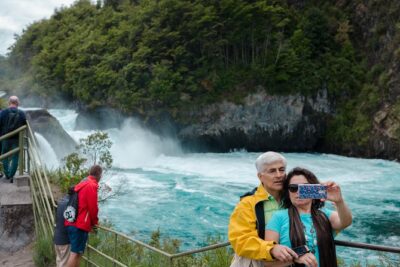
Shore Excursion: Petrohue Waterfalls, Frutillar & Puerto Varas
Read our review →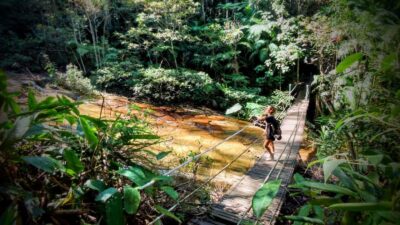
Tijuca Forest Small Group Hike to Caves and Waterfalls
Read our review →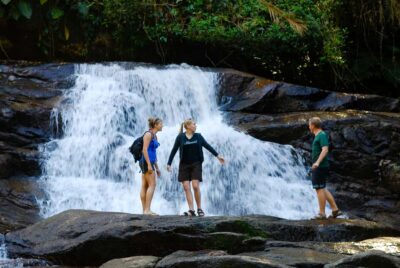
Jungle Waterfalls and Cachaça Distillery Jeep Tour
Read our review →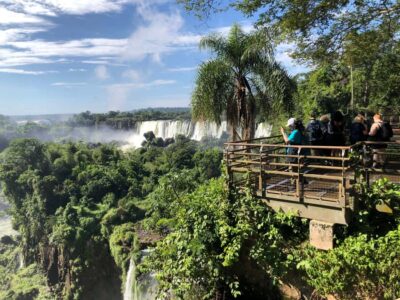
Iguassu Waterfalls: 1 Day Tour Brazil and Argentina’s sides
Read our review →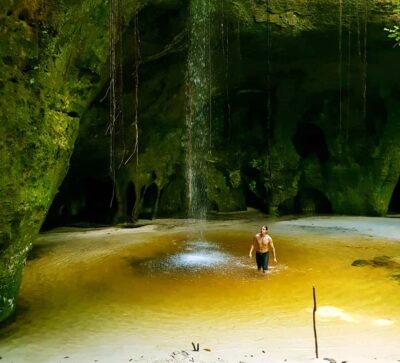

Adventure Day in Arequipa: Pillones Waterfall + Rock Forest
Read our review →
Browse the lists this tour appears in