
Reviewed · HIKING & TREKKING
Rio de Janeiro: Pedra da Gávea 7-Hour Hike
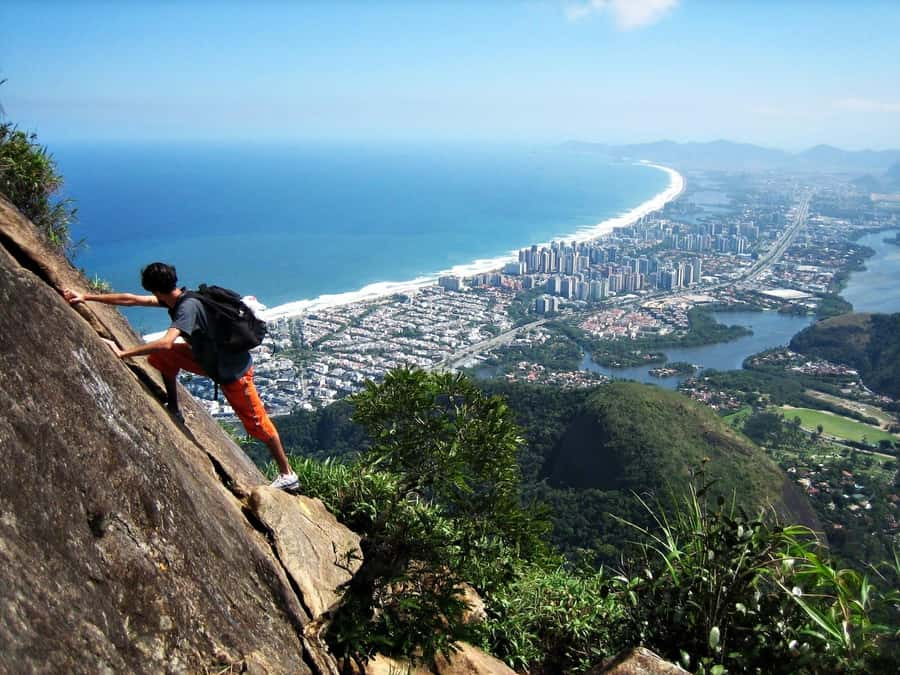
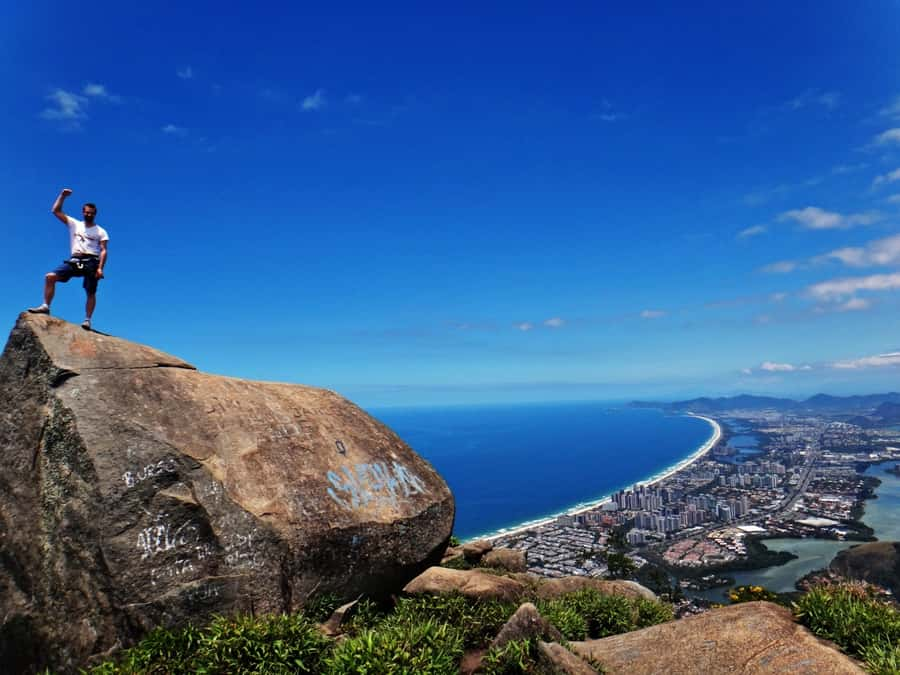
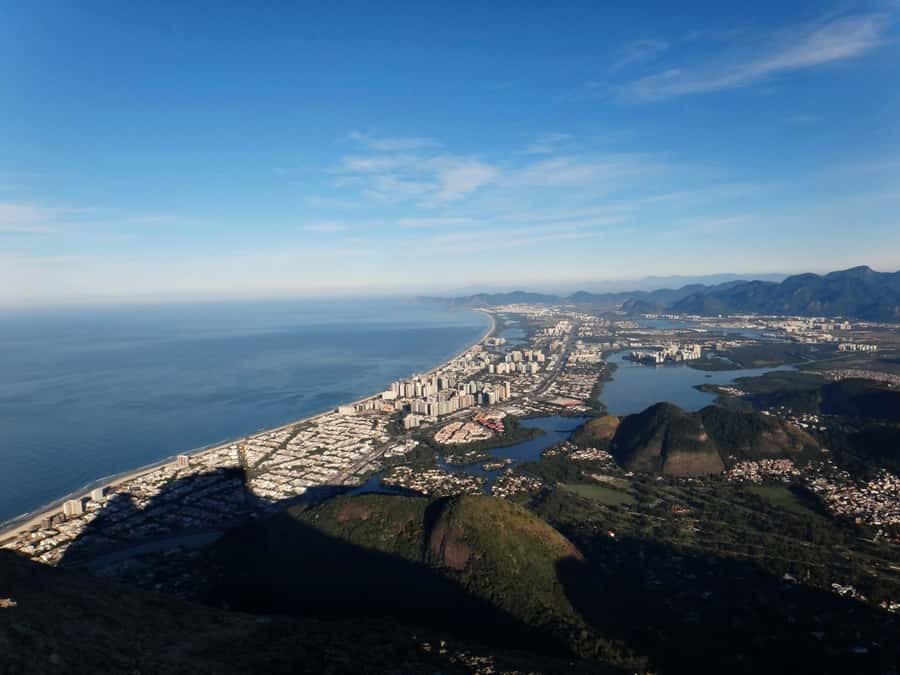
Pedra da Gávea is not a gentle city walk. You start near sea level and work your way up through Tijuca National Park, finishing on one of Rio’s most dramatic viewpoints. The reward is a wide look over the city, coast, and western neighborhoods from about 840 meters above sea level.
I like the small-group format, which gives the guide room to watch your footing during the trickier sections. I also like that the day includes climbing gear and a trained eco-adventure guide, not just directions up a trail. The main drawback is clear: this is a difficult hike with steep ground, scrambling, and a roughly 30-meter rock section. You need fitness, firm shoes, and a calm head around heights.
Key points before you book
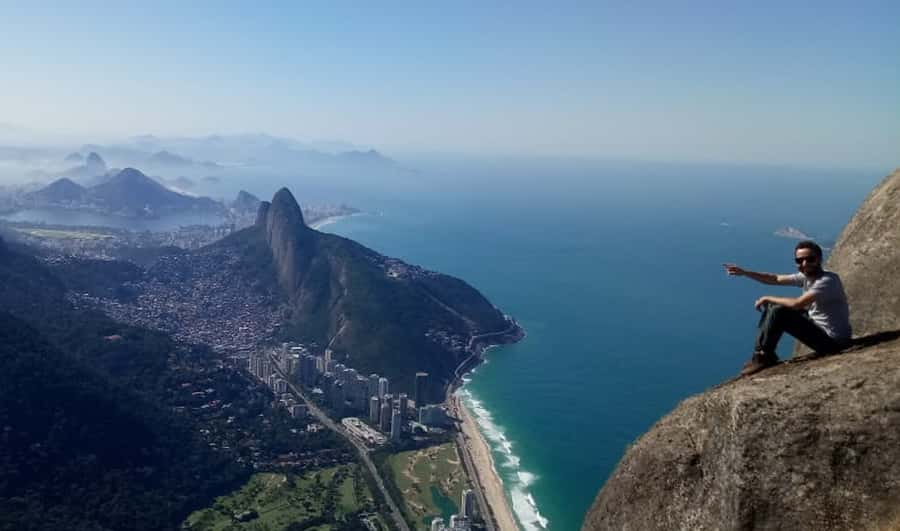
- A real mountain day: The route climbs from sea level to roughly 840 meters, with about three hours of hiking.
- The Carrasqueira section: You use ropes and safety equipment for a basic rock-climbing stretch about 30 meters high.
- The payoff: From the summit, you get broad views toward southern and western Rio.
- Small groups matter: The listed limit is six participants, useful when the climbing sections slow everyone down.
- Guides add value: Eduardo, Lucas, Sergio, Fernando, and other guides are praised for patient safety support and excellent photos.
- Come prepared: Bring at least three liters of water, snacks, sunscreen, insect repellent, and shoes with strong grip.
Why Pedra da Gávea feels different from Rio’s easier viewpoints
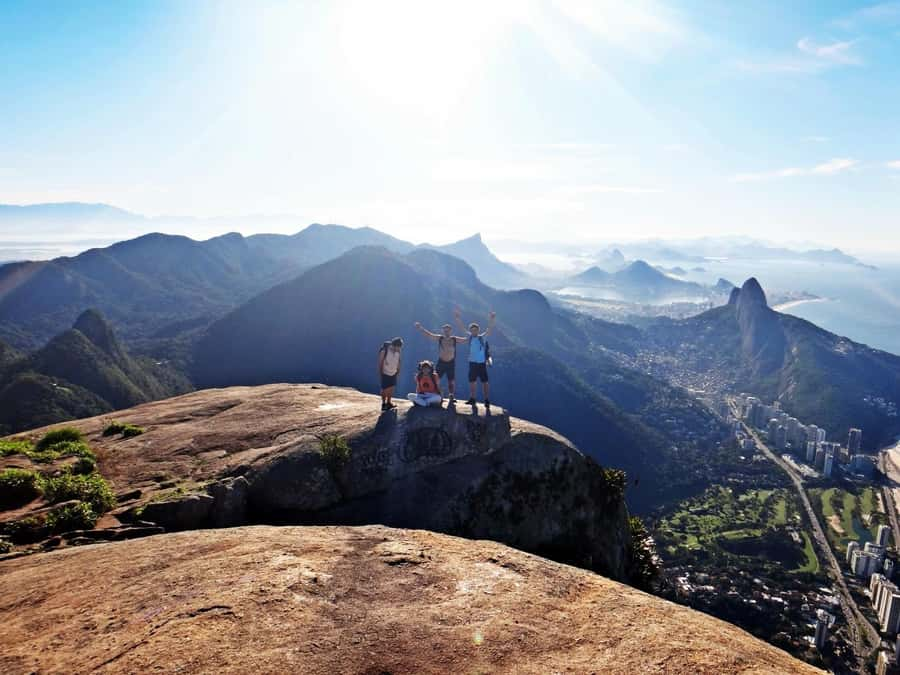
Rio gives you plenty of scenic places that require little effort. Pedra da Gávea is different because the view comes after a demanding climb through the forest, followed by hands-on rock sections. You are not simply stepping out of a vehicle at a lookout.
The mountain is one of Rio’s best-known natural landmarks and is described as the largest monolith in the world. The trail begins at the meeting point on Estrada Sorimã in Itanhangá, then enters Tijuca National Park. The route brings forest, steep slopes, exposed rock, and a sense of height that you do not get from a standard sightseeing stop.
I would think of this as an adventure outing rather than a sightseeing tour with a short walk attached. The advertised activity lasts eight hours, while the actual hike is described as about three hours. The full time allows for meeting, trail progress, the climbing section, time at the summit, and the walk back down. In practice, the pace and queues at the rope section can change the total time.
More Hiking Tours in Rio de Janeiro
- Rio: Tijuca Forest Small Group Hike to Caves and Waterfalls
★ 4.9 · 536 reviews - Pedra do Telégrafo Hike and Beach Full-Day Tour
★ 4.5 · 417 reviews - Rio de Janeiro: Tijuca Forest Challenge Hike Full-Day Trip
★ 4.9 · 163 reviews
Starting in Tijuca National Park
The first part takes you into the forest and uphill. You should expect a warm, physical start, even though much of the route is shaded. The shade helps, but it does not remove the effort. You will still be climbing steadily, and Rio’s heat can make the trail feel harder than the distance suggests.
The forest is part of the appeal. You get a close look at the natural side of Rio rather than only its beaches, roads, and buildings. Guides also provide information about Pedra da Gávea and Tijuca Forest, with some offering extra comments on Brazilian culture, history, language, and local wildlife.
The route is not presented as a long-distance trek, but the steepness makes it demanding. Several people with good fitness found the difficulty manageable, while others described it as one of the hardest hikes in Rio. That difference is useful to understand: the hike may not be extremely long, but it asks a lot from your legs and lungs.
Keep your group’s pace in mind. One guide may move briskly, and the climbing sections can create pauses while everyone waits for assistance. This is not the right choice if you want to stroll slowly with frequent, unplanned stops.
Tackling the Carrasqueira rock section
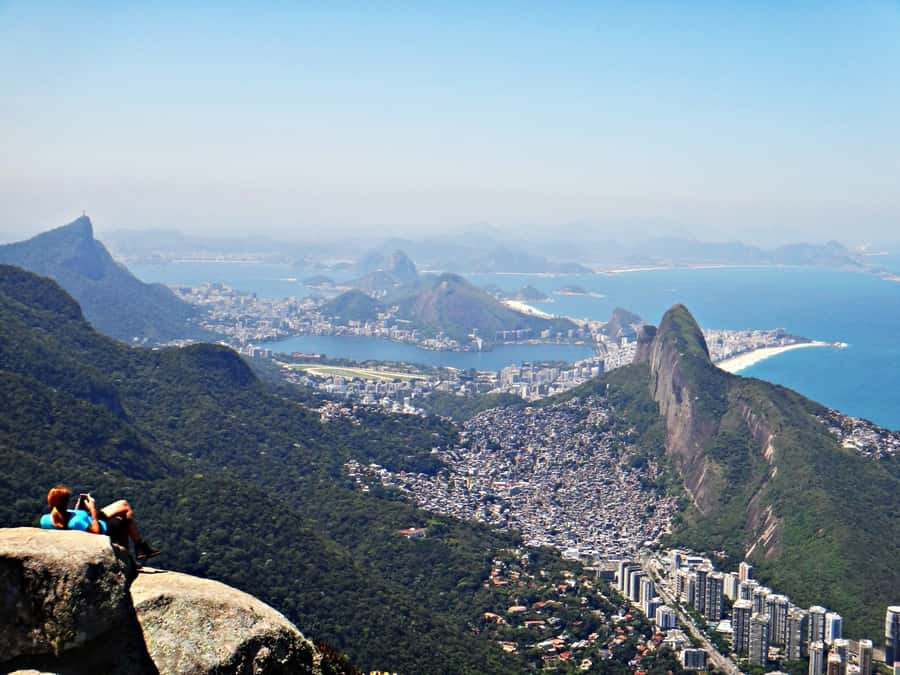
The defining part of the climb is Carrasqueira. Here, the trail changes from steep hiking to basic rock climbing over a section about 30 meters high. You receive climbing equipment and guidance from the instructor, and the guides help you work out where to place your hands and feet.
You do not need previous rock-climbing experience. You do need basic strength, balance, and the ability to follow instructions. The route includes light climbing and, according to the activity details and participant experiences, rope-assisted movement. Some descriptions also refer to descending with ropes and rappelling-style sections, so you should be ready for more than a simple hand-over-hand scramble.
This is the point where a fear of heights matters most. People who are comfortable on steep rock may find the section exciting. If you dislike exposure, the height can feel serious even with a guide and safety gear. The operator asks you to acknowledge the risks when booking, and that is worth taking seriously.
The guides are the strongest part of this section. Eduardo is repeatedly praised for staying attentive and taking care of the group. Lucas, Sergio, Fernando, and Ronald are also singled out for patience, clear instructions, and a steady approach. A past participant described Ronald as knowing exactly where to place each step, while Sergio was praised for making the climbing section feel manageable.
That does not mean the rope section becomes effortless. You still do the physical work. The equipment and guidance reduce the risk and uncertainty, but they do not turn the climb into a casual activity.
Reaching the summit at 840 meters
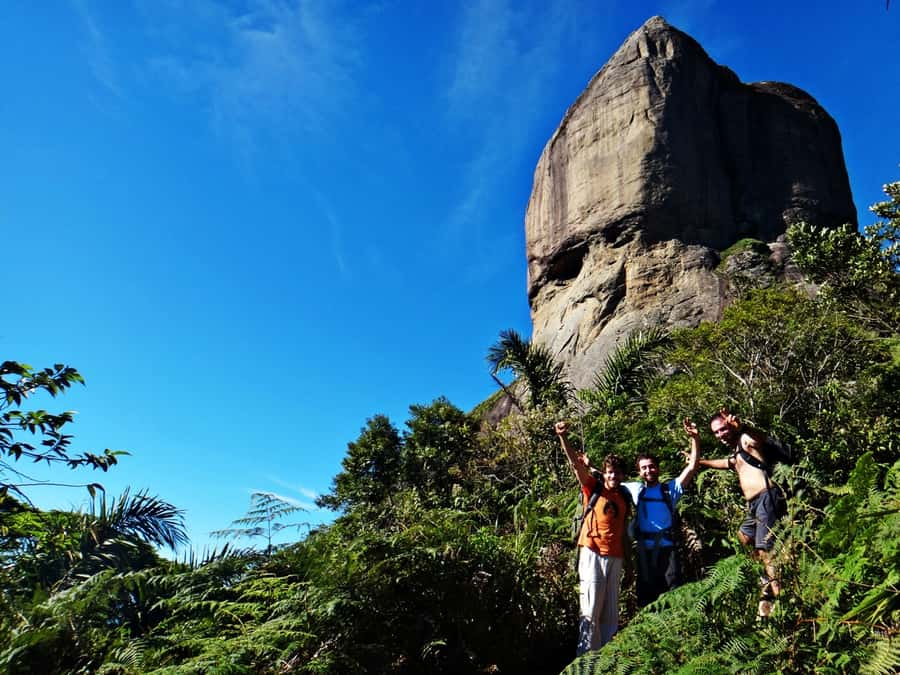
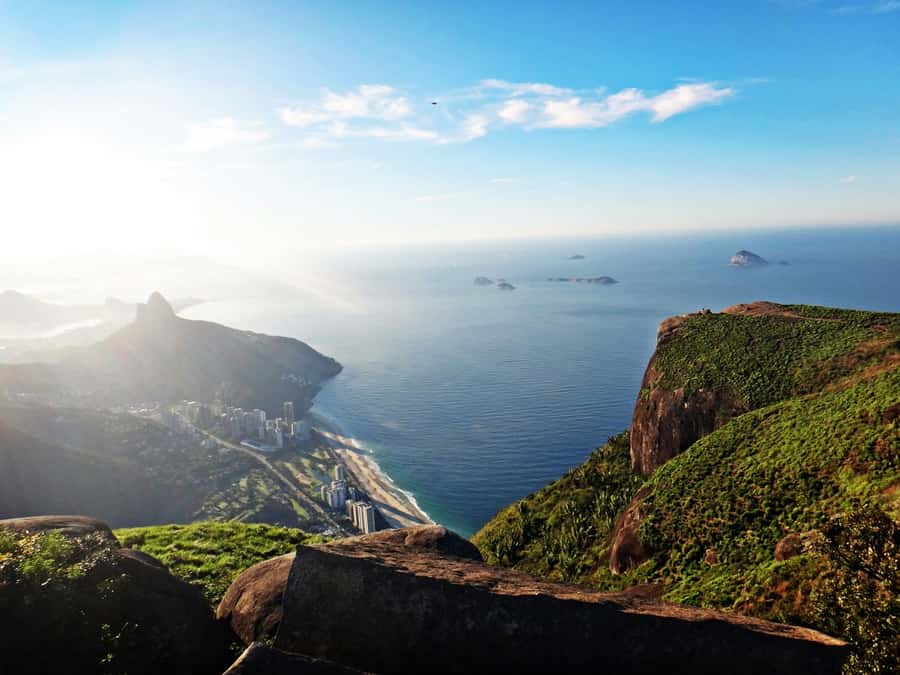
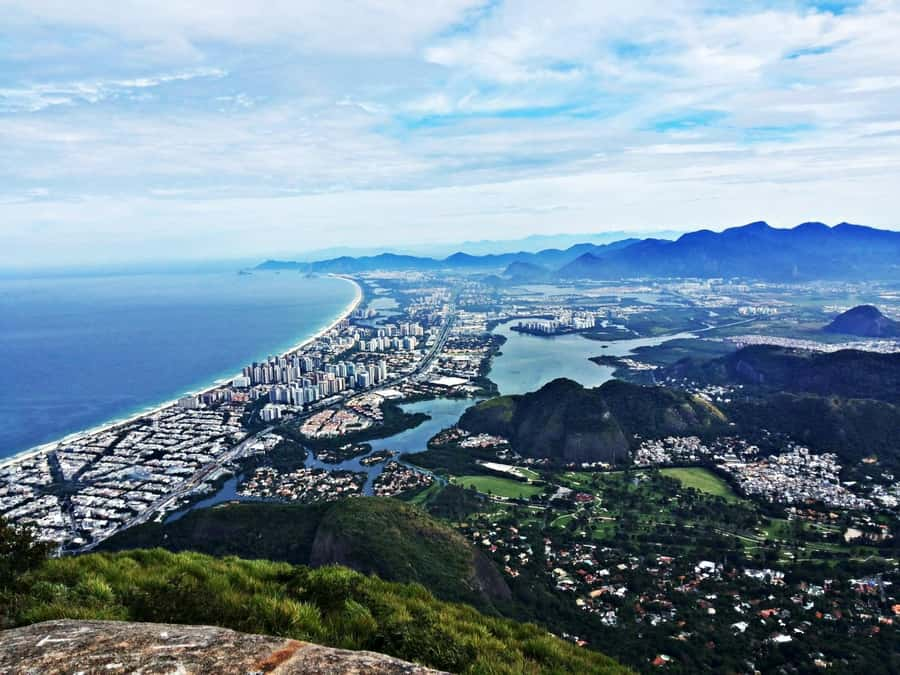
Once past Carrasqueira, you continue toward the top. This final stretch is where the effort starts to make sense. The summit gives you views over the southern and western parts of Rio, with the city and coastline spread below.
The exact view depends on weather. Cloud cover has blocked some summit views, while clear days have produced the full panorama people hope to see. The operator cancels the outing in bad weather, but clouds can still affect visibility on a day when the hike goes ahead.
Give yourself time at the top for the view and photographs. Several guides are excellent photographers, especially Eduardo, who is often praised for taking polished photos and short videos throughout the day. These images are shared after the outing, adding real value if you want a record of the climb without constantly handling your own phone.
There is a tradeoff. Photographing each person at several points can slow the group, particularly if the group is larger. The listed maximum is six people, which is a reasonable limit for this kind of route, but a smaller group can still feel more efficient at the climbing points.
Same trip, a completely different kind of day:
- Rio de Janeiro: 6-Stop Highlights of Rio with Lunch
★ 4.4 · 5,157 reviews - Christ the Redeemer Entry Ticket by Corcovado Train
★ 4.4 · 4,476 reviews - Rio de Janeiro: Rocinha Favela Walking Tour with Local Guide
★ 4.8 · 3,052 reviews - Rio de Janeiro: Sugarloaf Cable Car Official Ticket
★ 4.6 · 2,873 reviews
The walk back down is part of the challenge
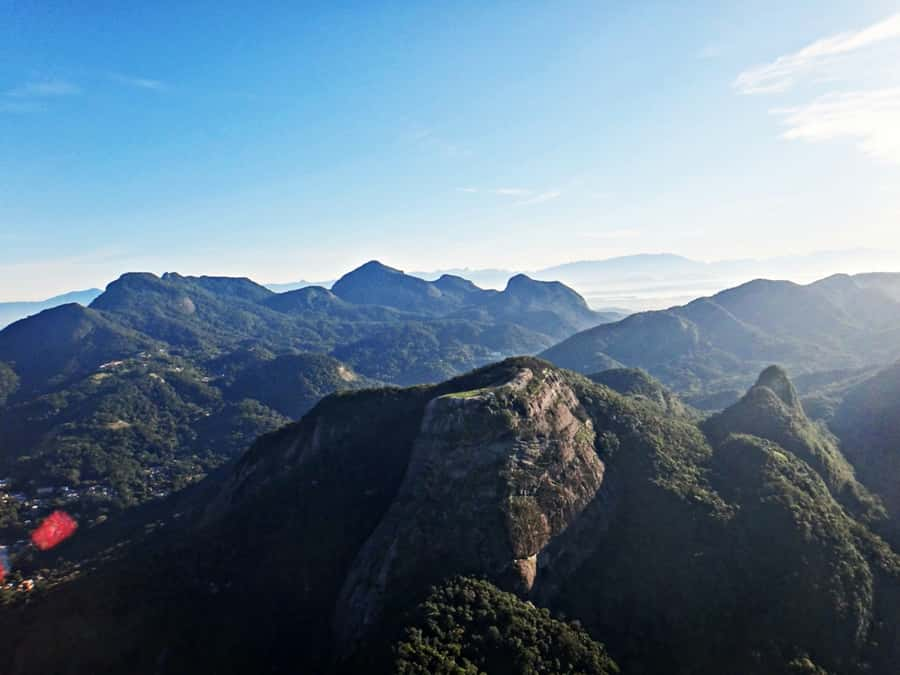
Do not treat the summit as the end of the hard work. The descent brings its own problems, especially on loose, steep, or rocky ground. Your legs may be tired, and careful foot placement matters.
The guides continue to assist on the way down. One person hurt an elbow during the descent and was quickly reassured and helped. That kind of response is important on a route where fatigue can make small slips more likely.
Good shoes matter even more on the descent. Bring closed hiking shoes or athletic shoes with a strong grip. Open-toed shoes are not allowed, and smooth soles are a poor match for the rock and forest trail. Hiking poles are not listed as part of the equipment, so do not assume they will be provided.
What the $56 price gets you
At $56 per person, the price is fair if you want a guided climb rather than simply finding the trail yourself. Your fee covers a specialized eco-adventure guide and the climbing equipment needed for Carrasqueira. It does not include private transportation, so you must arrange your own way to Estrada Sorimã, 932, in Itanhangá.
The value is mainly in route support and safety management. A guide can keep the group together, explain the technical sections, check your steps, and manage the rope equipment. That matters much more here than on a simple forest walk.
You also get the benefit of a small group. A six-person limit allows more direct help than a large coach-style excursion. If photographs are important to you, the guides’ camera work is another useful extra, though it may add time to the outing.
The price is less attractive if you are only looking for a quick viewpoint or an easy introduction to Rio’s nature. You are paying for a demanding physical activity that takes most of a day. If that sounds like the main reason you came to Rio, the cost is sensible. If you want a relaxed sightseeing day, spend the money elsewhere.
Water, clothing, and fitness: prepare properly
The most important instruction is to bring at least three liters of water per person. Do not assume you can get enough water along the route. Add light snacks, since the hike and return take several hours.
Your day pack should include:
- At least three liters of drinking water
- Light snacks
- Lightweight clothing
- Sunglasses and a sun hat
- Sunscreen
- Insect repellent
- Closed shoes with good grip
Large bags and oversize luggage are not allowed. Pets are also not allowed. Keep your pack small enough for climbing and walking, since bulky luggage will get in the way on narrow or technical sections.
You should have a good basic fitness level. Previous climbing experience is not required, but you need to handle a steep hike, use your hands on rock, and take part in a rope-assisted section. You should also be comfortable with heights or at least willing to face them calmly.
Guide quality and group size
The guide can shape the whole day. Eduardo receives especially strong praise for safety, encouragement, and photography. Lucas is described as attentive and energetic, while Sergio is valued for his patience, stories, and skill during the climbing section. Fernando and Ronald are also noted for taking good care of their groups.
English, Portuguese, and Spanish are available. Communication quality can vary by guide, but the activity offers all three languages. One participant managed the outing with a guide who did not speak English fluently, though that is not something I would rely on if detailed verbal instruction is important to you.
The small-group limit is practical rather than decorative. On a normal walk, group size mainly affects conversation. Here, it affects waiting time and personal support. The rock section takes time, and the group may need to pause while each person climbs or descends.
If you prefer a fast, independent pace, the group format may frustrate you. If you want someone to monitor your steps and give hands-on help, it is a strong advantage.
Weather, timing, and flexibility
Weather controls this activity. The hike is canceled in bad conditions, and heavy rain would make the steep rock and forest trail less safe. Cloud can also reduce the views, even if conditions are good enough to proceed.
Start times are subject to availability. Some outings have begun later than expected, so leave room in your day rather than booking a tight follow-up activity. The hike itself may finish sooner or later depending on pace, climbing queues, photo stops, and weather.
The booking terms allow free cancellation up to 24 hours before the activity for a full refund. You can also reserve now and pay later. A minimum of two participants is needed for the outing to operate. If that minimum is not reached, an alternative time or date, or a full refund, is offered.
These terms are useful because Rio weather can change. Still, you should not wait until the last minute to decide if you have a fixed itinerary. Put Pedra da Gávea on a day with some flexibility.
Who should book this hike?
I would recommend it to you if you want:
- A demanding outdoor day inside Rio
- Forest walking combined with basic climbing
- Big views earned through physical effort
- A small group with hands-on guide support
- Professional-looking photos of the experience
- A challenge that does not require previous climbing training
I would be cautious if you have limited fitness, dislike heights, or want a relaxed nature walk. The hike is short enough to sound approachable, but the steep route and rock sections make it serious. Heat, fatigue, and the descent can all add difficulty.
Families with young children are not specifically addressed in the supplied information, so I would not assume the route is suitable for them. The same applies to anyone with a medical condition that could affect strenuous hiking or climbing. Ask the operator before booking if you have concerns.
Should you book Pedra da Gávea?
Book it if you want one of Rio’s most active and memorable days, and you are ready for steep hiking, scrambling, and a 30-meter rope-assisted rock section. The views are a strong payoff, while the guide support and small group make the technical parts more approachable.
Skip it if you are seeking an easy lookout, dislike exposure, or cannot carry enough water and manage a demanding descent. For the right person, $56 is good value because it includes the guide, climbing gear, and the structure needed to tackle a difficult route safely.
FAQ
How long does the Pedra da Gávea activity last?
The booked activity lasts about eight hours. The hike itself is described as approximately three hours, with the rest of the time covering the meeting, climbing sections, summit time, and return.
How difficult is the hike?
It is considered difficult and includes steep trails, light climbing, and a rope-assisted rock section. You should have a good level of fitness.
Do I need previous rock-climbing experience?
No previous rock-climbing experience is required. You do need to follow the guide’s instructions and feel able to manage basic climbing movements.
How high is Pedra da Gávea?
The route reaches an altitude of about 840 meters.
What is the Carrasqueira section?
Carrasqueira is a rock-climbing section approximately 30 meters high. The guide provides climbing equipment and safety support there.
What should I bring?
Bring at least three liters of water, light snacks, light clothing, insect repellent, sunglasses, a sun hat, sunscreen, and shoes with good grip.
Is transportation included?
Private transportation is not included. The meeting point is Estrada Sorimã, 932, in Itanhangá, Rio de Janeiro.
What languages are available?
The guides can conduct the activity in Spanish, English, or Portuguese.
Can the hike be canceled because of weather?
Yes. The activity is canceled in bad weather. If at least two participants are not booked, an alternative date or time, or a full refund, is offered.
Just added around Rio De Janeiro
- Skip the Line: Lagoa Misteriosa Admission Ticket with Scuba Diving Experience★ 5.0 · 81 reviews
- Rio de Janeiro: Tijuca Peak Guided Hike★ 4.7 · 56 reviews
- Rio de Janeiro: Sugarloaf Mountain Hike and Climb★ 5.0 · 45 reviews
- Rio de Janeiro: Sunrise Lookout and Christ the Redeemer Tour★ 5.0 · 121 reviews
- Sugarloaf Mountain Fast-Pass Ticket and Guided Tour★ 4.4 · 62 reviews
- Rio de Janeiro: Samba Class and Samba Night Tour★ 4.6 · 115 reviews
- Rio Surf Experience★ 4.9 · 37 reviews
- Rio Samba Bus: hop-on hop-off city tour in Rio de Janeiro★ 3.8 · 94 reviews
Hiking & Trekking, compared.
Perito Moreno Glacier Trekking Tour and Cruise
Read our review →
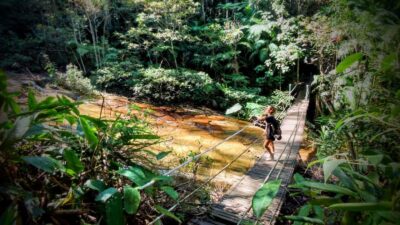
Tijuca Forest Small Group Hike to Caves and Waterfalls
Read our review →
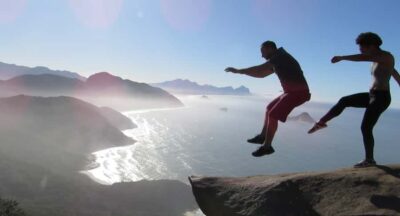
Pedra do Telégrafo Hike and Beach Full-Day Tour
Read our review →
From Cusco: 7 Lakes Ausangate Trek with Breakfast and Lunch
Read our review →
Salinas Grandes, Purmamarca & Los Colorados Hike
Read our review →Browse the lists this tour appears in