
Reviewed · STREET ART
Rio Street Art Tour
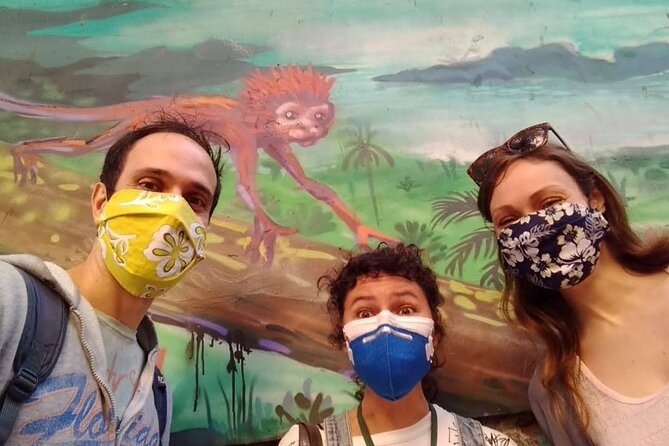
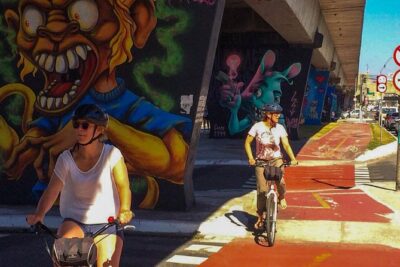
Rio’s street art is not just decoration. On this tour, murals become a way to read the city, from political messages and Afro-Brazilian culture to Carnival, architecture, and the old port’s connection with enslaved Africans. Wellington leads the experience with stories that give the painted walls a human setting.
I like two things right away: the private format, which lets you ask questions and adjust the conversation, and the use of Rio’s subway and VLT. You move through the city as residents do instead of watching it pass from a coach window. The main drawback is simple: three hours includes a lot of walking, several neighborhoods, and public transportation, so this is not a leisurely sit-down tour.
Key points at a glance
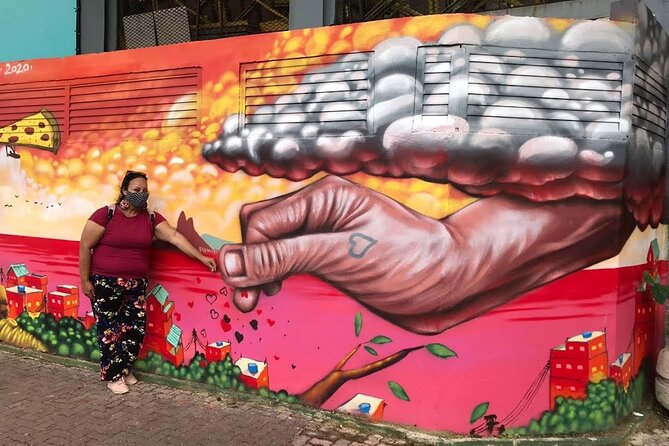
- Murals with meaning: Wellington explains the social, political, and cultural ideas behind the art.
- A real city route: The tour uses the subway, VLT, and walking paths between central Rio neighborhoods.
- Major sights included: See Selarón Steps, Cinelândia, Boulevard Olímpico, the Museum of Tomorrow, and Porto Maravilha.
- Private attention: Only your group takes part, even if you are traveling alone.
- A strong local focus: Expect stories about Carnival, samba schools, Afro-Brazilian culture, architecture, and Rio’s past.
- Bring water: The route is manageable for most people, but it involves plenty of walking.
Why Rio’s murals make such a good city lesson
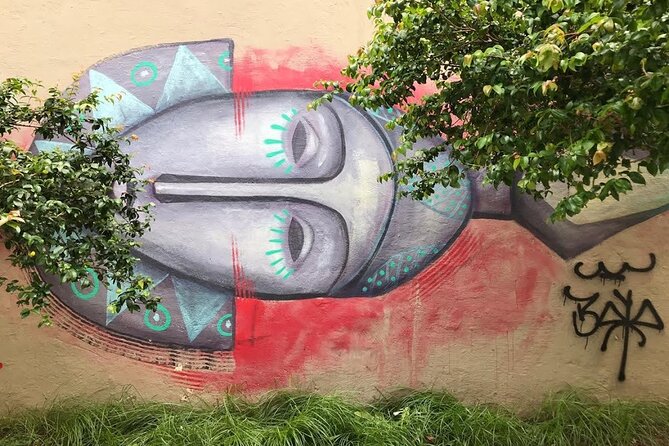
This tour works because it treats street art as a record of Rio’s public life. A mural can point you toward questions about race, politics, memory, religion, neighborhoods, or the way the city presents itself to the outside world.
Wellington’s role is central. He explains not only what you are looking at, but also why certain images matter. His approach includes the people represented in the art and the social issues behind it. He also brings personal knowledge of Rio into the walk, which gives the route more character than a simple list of mural locations.
You will see several styles and settings. Some works are large and highly polished. Others are older, weathered, or tucked into parts of the city you might pass without noticing. One useful point raised during the tour is that some of the graffiti is not new. If you are hoping to see only the latest work, you may find parts of the selection familiar or dated. If you want context, that age becomes useful: the route shows how public art has changed over time.
The tour also reaches beyond art. Expect discussion of European architectural influence in central Rio, Carnival floats, samba schools, politics, and the port district’s connection to the history of slavery in Brazil. That wider view is one of the strongest reasons to choose this experience.
More Street Art Tours in Rio de Janeiro:
- Rio Street Art Tour
★ 5.0 · 76 reviews - Palermo: Graffiti and Street Art Guided Tour in English
★ 4.8 · 684 reviews - Valparaiso: Street Art, Funiculars and Port City Tour
★ 4.8 · 214 reviews
Starting at the Municipal Theater and moving through central Rio
The meeting point is the Municipal Theater of Rio de Janeiro in Praça Floriano, in the Centro district. This puts you in Cinelândia, an area known for important cultural buildings and public spaces.
The tour uses the subway to reach Glória, where the street art walk begins. From there, the route connects central landmarks with mural sites, using public transportation and footpaths. The movement matters. You are not simply being driven from one photo stop to another. You get a feel for how these parts of Rio connect.
The opening section also introduces the city’s architectural mix. The European influence is visible in the grand buildings around the center, while street art adds a more modern and local layer. Wellington uses those contrasts to explain Rio as a place shaped by several eras at once.
Because the tour begins in a central area and uses public transportation, you should arrive ready to walk and board trains or the VLT. The activity is near public transportation, and most people can take part, but it is not designed for someone who wants to avoid walking altogether.
Selarón Steps: the colorful stop everyone recognizes
Escadaria Selarón is one of Rio’s best-known public artworks and one of the tour’s clearest visual highlights. The staircase is covered with colorful tiles and draws plenty of attention, so you will not have this part of the city entirely to yourself.
The stop lasts about 20 minutes. That is enough time to see the staircase, take photographs, and hear how it fits into Rio’s artistic identity. It also provides a useful contrast with the larger murals later in the route. Selarón Steps is intimate and handcrafted, while Porto Maravilha presents art on a huge urban scale.
This is also the point where the route brushes against one of Rio’s busiest tourist sights. That can feel less local than the quieter mural locations. Still, it earns its place because it connects the city’s famous postcard image with the less obvious art and neighborhoods that follow.
The tour may finish near this area on some versions of the route, according to the supplied route details, so listen carefully to Wellington’s recommendations for food nearby. He has pointed out places to eat, and the end of the walk can be a convenient time to ask about lunch.
Cinelândia and Rio’s public face
Cinelândia brings the tour back to architecture and civic life. Here you see major libraries and the city’s main theater, along with buildings that reflect Rio’s older public identity.
The stop is planned for about 30 minutes. That may sound short, but Wellington uses the time to connect the buildings with the city’s wider story. This is where the tour feels less like a gallery visit and more like a lesson in how Rio has represented itself through public institutions.
From Cinelândia, the group takes the VLT toward Boulevard Olímpico. The tram ride is part of the experience rather than dead time. You get a practical look at central Rio’s public transportation and move between neighborhoods in the same way many local residents do.
One detail worth noting: public transit is part of the route, so allow for a little flexibility. The precise rhythm can depend on the day’s conditions and the time needed at each mural. In one account, Wellington purchased a train ticket for a participant, but do not assume fares are always included. Confirm that when booking or bring a way to pay for transportation.
A few more Rio de Janeiro days worth comparing
- Rio de Janeiro: 6-Stop Highlights of Rio with Lunch
★ 4.4 · 5,157 reviews - Christ the Redeemer Entry Ticket by Corcovado Train
★ 4.4 · 4,476 reviews - Rio de Janeiro: Rocinha Favela Walking Tour with Local Guide
★ 4.8 · 3,052 reviews - Rio de Janeiro: Sugarloaf Cable Car Official Ticket
★ 4.6 · 2,873 reviews
Boulevard Olímpico and the Museum of Tomorrow
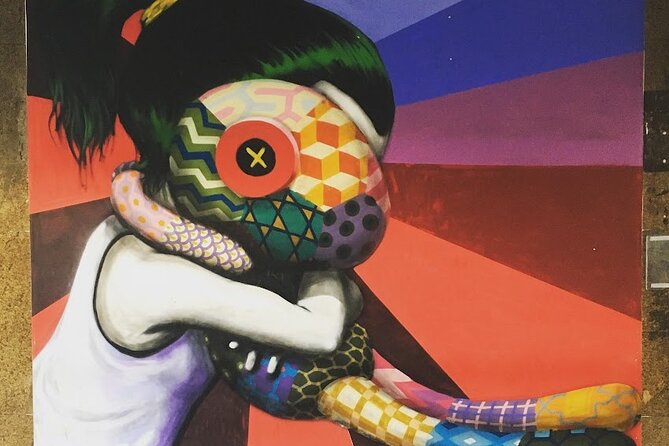
Boulevard Olímpico is home to several of Rio’s major museums and offers a broader public setting for the art. The area was reshaped around the Olympic period, and its open spaces make a dramatic backdrop for large-scale murals.
The tour spends about 30 minutes here. You will see how public art works in a formal redevelopment zone, where museums, transportation, open spaces, and monumental walls share the same area. This helps explain why Rio’s street art is often tied to urban change. The murals are not isolated paintings. They are part of how the city presents and debates itself.
The Museum of Tomorrow is one of the major landmarks along the route. The tour does not list admission to the museum, so think of it as an exterior landmark and part of the surrounding district unless you arrange a separate museum visit.
This stop is a good fit for photographers and for anyone interested in the meeting point between art, architecture, and city planning. It is less suited to you if your main goal is a formal museum tour. The focus stays on the public spaces and murals outside.
Porto Maravilha and the Etnias mural
The final major section takes place in Porto Maravilha, the revitalized port district. This is where you see the Etnias panel, described as the largest graffiti mural in the world.
The mural is the visual centerpiece of the experience. Its scale changes your sense of what graffiti can do. Instead of a work confined to one wall or alley, it becomes part of the identity of an entire district. Wellington explains the messages in the mural and places them alongside the port’s past.
That past includes the area’s connection to enslaved Africans. This is an important part of the route. The tour does not treat the port as a shiny redevelopment zone only. It connects the modern mural and museums with the painful history beneath the district’s public image.
Porto Maravilha is also near Little Africa, an area that adds further context about Afro-Brazilian culture and the history of slavery in Brazil. Some groups have used the private format to spend more time on Little Africa instead of following the standard street art emphasis. If that subject matters to you, ask Wellington about it before the tour begins.
The final stop lasts about an hour, giving you more time with the mural and the surrounding port area than with most earlier locations. That longer pause makes sense. The art is vast, and its meaning needs explanation rather than a quick photograph.
What Wellington adds to the walk
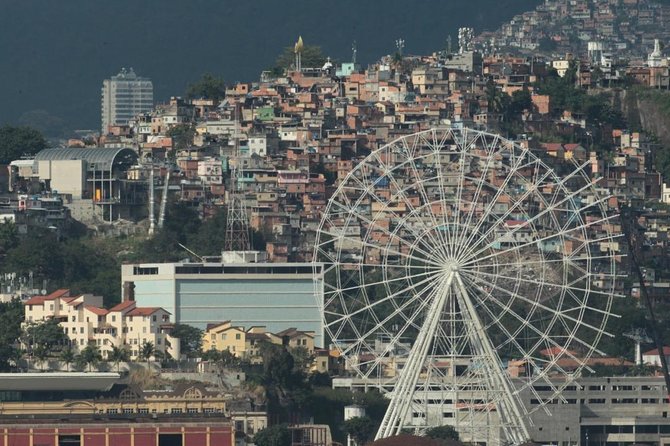
The strongest part of this experience is the guide’s range. Wellington covers art, architecture, history, current politics, Carnival, samba schools, and local customs without treating each subject as a separate lecture.
He also speaks English well, which matters when the subject involves political or historical detail. One participant who was practicing Portuguese found the conversation useful for language practice as well. The private setting makes that kind of exchange easier than it would be in a large group.
You should expect an animated, personal style rather than a dry art-history lecture. Wellington has been described as friendly, open to questions, and eager to show Rio from another angle. That is especially helpful if you are new to the city and want your first central-Rio outing to include more than the standard monuments.
The guide may be Wellington, though one supplied account names Gabriel as the guide. If having a particular guide matters to you, request Wellington when booking and confirm availability.
Walking, transport, and the pace of three hours
The tour lasts about three hours. That is enough time to cover a surprising amount of central Rio, but it also means the pace is active.
You use the subway, VLT, and your own feet. The route includes Glória, Selarón Steps, Cinelândia, Boulevard Olímpico, and Porto Maravilha, with possible attention to Little Africa. You should wear comfortable shoes and bring water.
The walking itself is generally described as easy, but the amount adds up. One account specifically noted lots of walking. The private format helps because you can ask questions or discuss the pace with Wellington, but it does not turn the outing into a short stroll.
Public transportation adds local flavor and saves time between districts. It also means you should be comfortable navigating stations and boarding a tram or subway. Most people can participate, and the tour is near public transportation, but anyone with mobility concerns should ask for current route details before booking.
Is $68.61 a fair price?
The price is $68.61 per person. For a three-hour private tour, that is a reasonable price if you value a guide who can tie art to Rio’s culture and history.
You are paying for more than a list of mural addresses. The route covers several neighborhoods and includes a personal guide, interpretation of the art, architecture, public transportation, and the chance to shape the discussion around your interests. A solo visitor receives the same private format, which is unusual compared with many city tours that require a larger group.
The value is weaker if you only want to photograph the Etnias mural and Selarón Steps. You could see major public artworks on your own, though you would miss much of the explanation and the connections between the port, Little Africa, Carnival, and central Rio.
Remember to check how transportation fares are handled. The tour information mentions public transit, and Wellington has purchased a ticket for a participant, but the price details do not clearly state that all fares are included.
Who should book this Rio street art tour?
I would choose this tour if you want art with a social and historical setting. It suits solo visitors, couples, families, and small groups who prefer questions and conversation over a fixed script.
It is especially useful early in your Rio stay. The route introduces central neighborhoods, transport, architectural landmarks, the port district, and local cultural themes. You can use what you learn here to make better choices about what to see next.
Families can also benefit, provided everyone is ready for walking and public transportation. The murals give younger visitors something visual to focus on, while the guide’s stories add context for adults.
I would think twice if you want a quiet, slow art walk, a museum admission, or a route devoted only to the newest graffiti. Some works are older, and the tour covers a lot of ground in a short time.
The experience is weather dependent. If poor weather cancels the tour, you can choose another date or receive a full refund. You can also cancel for a full refund up to 24 hours before the start time. Changes or cancellations inside that window are not accepted.
Should you book it?
Book this Rio Street Art Tour if you want to understand what the murals are saying, not just see them. Wellington’s route gives you a practical introduction to Rio through public art, central architecture, Afro-Brazilian culture, Carnival, politics, and the port’s difficult past.
Bring water, wear comfortable shoes, and expect a lively three hours with transit and plenty of walking. If you are curious about Little Africa or newer murals, ask about those interests at the start. For an authentic first look at central Rio beyond the usual viewpoints, this is a strong choice.
FAQ
How long does the Rio Street Art Tour last?
The tour lasts approximately three hours.
What is the price?
The listed price is $68.61 per person.
Where does the tour begin?
The meeting point is the Municipal Theater of Rio de Janeiro at Praça Floriano in Centro, Rio de Janeiro.
Where does the tour end?
The activity ends at a different location from the meeting point, in the Porto Maravilha area according to the route details.
Is this a private tour?
Yes. Only your group participates, and the tour can accommodate a group as small as one person.
What happens if bad weather cancels the tour?
You will be offered a different date or a full refund. You can also cancel at least 24 hours before the start time for a full refund.
Just added around Rio de Janeiro
- Rio de Janeiro: Vidigal Favela Tour and Two Brothers Hike★ 4.5 · 121 reviews
- Art Of Wine – Travel Through The So-Called Wine Route Visiting Various Wineries★ 5.0 · 40 reviews
- Walking tour of the bohemian neighborhoods of Santa Teresa and Lapa★ 5.0 · 59 reviews
- Tijuca Forest Hike – Waterfalls & Caves, Nature & Wild Life!★ 5.0 · 51 reviews
- Guided Market Fruit Tasting in Rio with 15+ Exotic Flavors★ 5.0 · 68 reviews
- Rio Highlights: Christ, Sugarloaf, and More in a Private Tour★ 5.0 · 36 reviews
- Guided Tour to Favela Santa Marta★ 5.0 · 60 reviews
- Trail and Rappel on Morro Dois Irmãos★ 5.0 · 77 reviews
Street Art, compared.
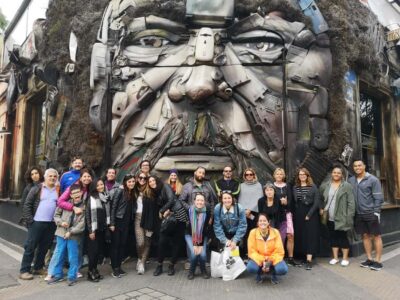
Palermo: Graffiti and Street Art Guided Tour in English
Read our review →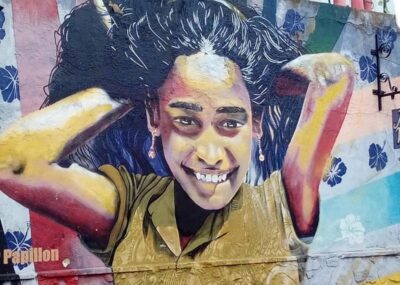
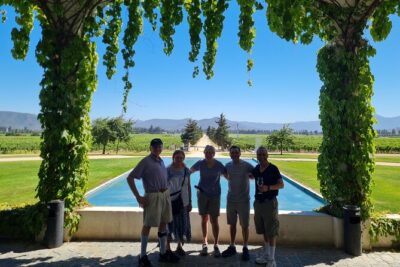
Street Art in Valparaiso and Wines in Casablanca from Santiago
Read our review →
Browse the lists this tour appears in