Reviewed · STREET ART
Palermo: Graffiti and Street Art Guided Tour in English
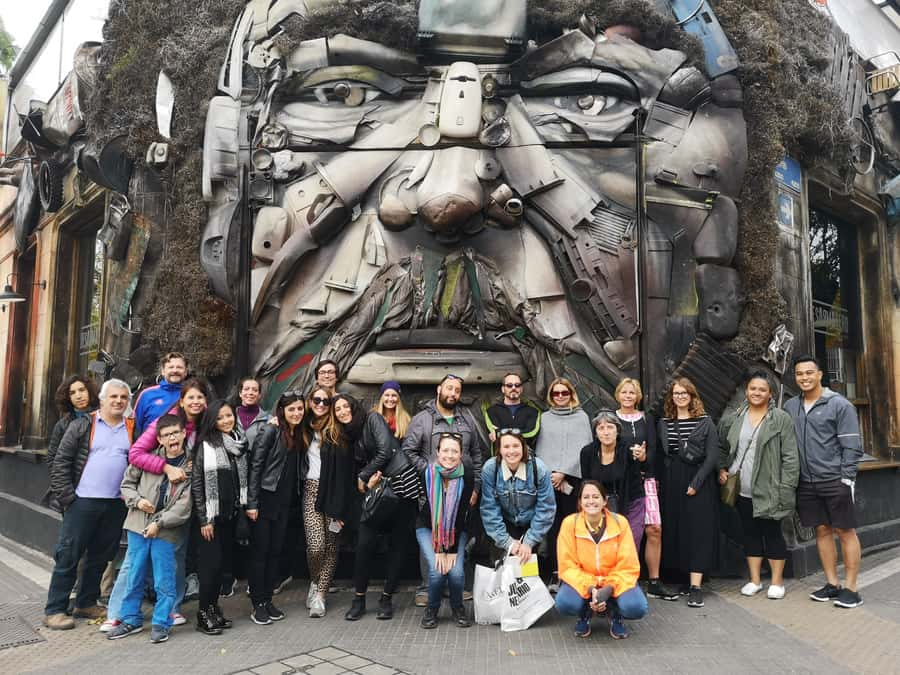
Buenos Aires tells part of its story on walls, and this two-hour Palermo walk shows you how to read it. You’ll move from Plaza Serrano through Palermo’s colorful streets, seeing football murals, political messages, and works you could easily miss on your own.
I like the clear link between art and Argentine history, especially the story of graffiti as political endorsement in the 1920s and the arrival of aerosol paint in 1969. I also like the guides’ personal style. Juan, Vito, Victor, Ailen, and Elina are praised for warmth, humor, and strong command of the subject.
The main thing to consider is that the tour can attract a large group, so you may not get a quiet, gallery-like experience. Guides generally keep people together and audible, but this is a lively street walk, not a private art lesson.
Key points to know before you book
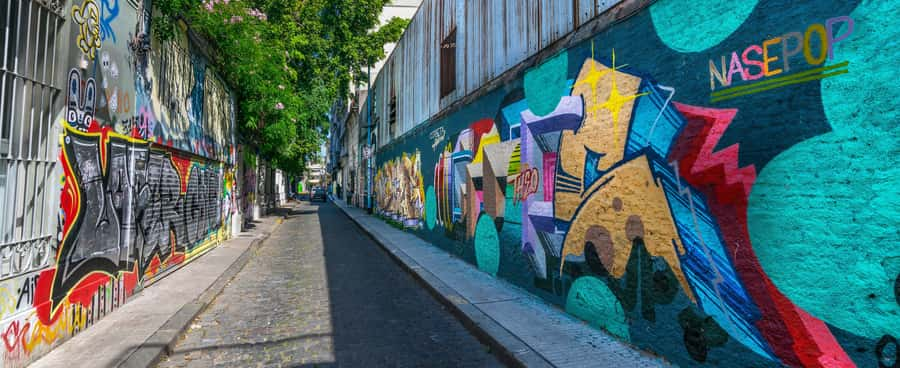
- Political graffiti has a long story: Learn how wall writing moved from election propaganda to protest and social commentary.
- The Trump Wall is a photo stop: See the graffiti at Madison Avenue Bar, one of the tour’s most specific landmarks.
- The route crosses Palermo: Start at Plaza Serrano, also called Plaza Cortazar, and finish at Plaza Inmigrantes de Armenia.
- The guides make the difference: Juan, Vito, Victor, Ailen, and Elina are praised for humor, energy, and clear explanations.
- Two hours is a sensible length: You get a focused look at Palermo without giving up most of your day.
- The price is low: At $13, this is a strong value if you want context, not just photographs.
Reading Palermo through paint and protest
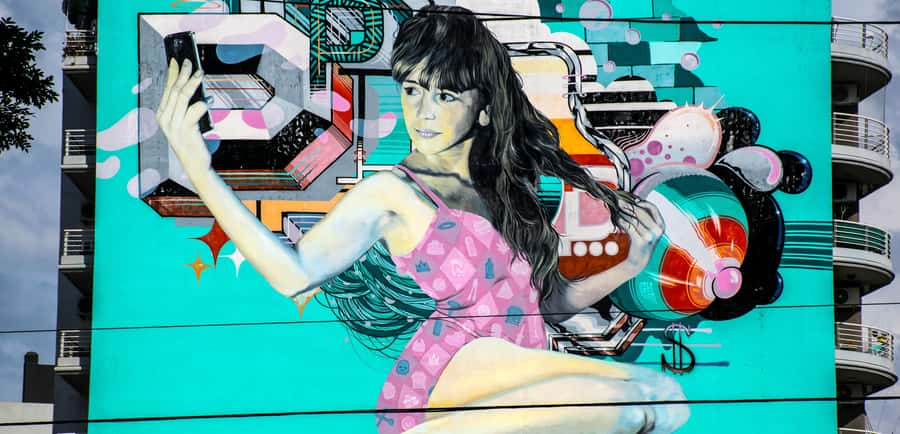
Palermo is one of Buenos Aires’s most eclectic neighborhoods, and its walls give you a useful introduction to the city. The route is not only about finding the biggest mural or the best photo. Your guide explains why certain messages appeared, who used them, and how public art changed as Argentina moved through periods of political tension.
That context matters. Without it, graffiti can look like decoration, vandalism, or a collection of unrelated tags. With a guide, you begin to see the difference between a commissioned mural, a political statement, a campaign message, and an unofficial mark left on a wall.
I like this approach because it treats street art as part of daily life rather than as an art form sealed off from the city. You are walking through ordinary streets while learning how public space became a place for argument, identity, protest, and pride.
The tour also helps you look at Palermo differently after it ends. You may start recognizing artists’ styles, recurring symbols, and the difference between a quick piece of graffiti and a carefully planned mural.
More Street Art Tours in Buenos Aires:
- Valparaiso: Street Art, Funiculars and Port City Tour
★ 4.8 · 214 reviews - São Paulo: Bar and Street Art Crawl with Local Guide
★ 4.9 · 102 reviews - Medellín: Private Comuna 13 Street Art Tour
★ 4.8 · 88 reviews
Starting at Plaza Serrano, also called Plaza Cortazar
The meeting point is Plaza Serrano, at the corner of Jorge Luis Borges and Honduras Street. You are asked to look for a guide wearing an orange T-shirt and a large PALERMO sign, which makes the starting point easier to find in a busy area.
This is a useful place to begin because it puts you in the center of Palermo’s street life before the walking starts. The tour then moves into the surrounding streets, where the guide can point out art that is not always obvious from a taxi or bus window.
You do not need hotel pickup, since the experience begins and ends in Palermo. That keeps the price down, but it also means you should plan your own route to Plaza Serrano and your onward transport from Plaza Inmigrantes de Armenia.
Give yourself enough time to find the corner. The meeting instructions are simple, but plazas and street corners can be confusing if you arrive at the last minute. The orange shirt and PALERMO sign are your main visual clues.
Argentina in the 1920s: when walls became political
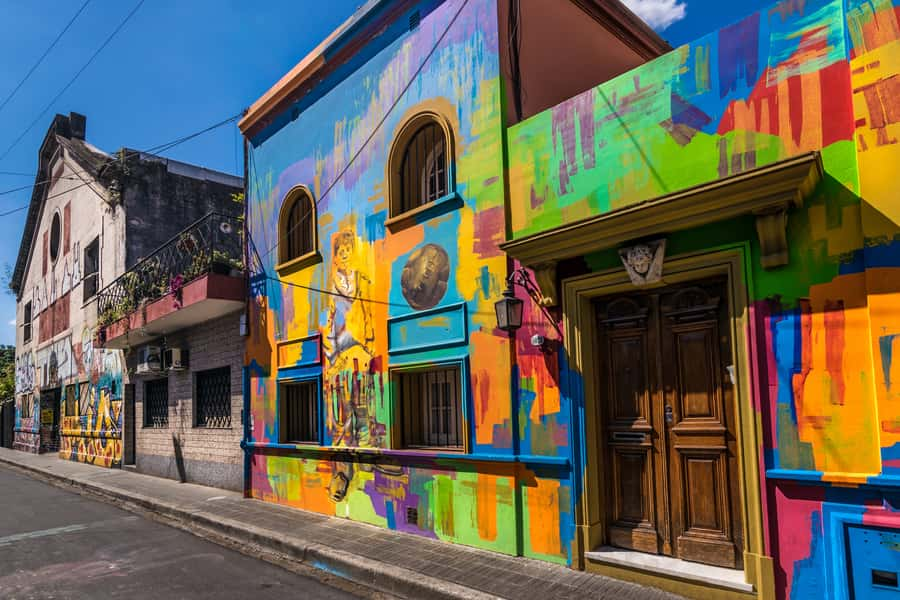
One of the most useful parts of the walk is the early historical section. You go back to the 1920s, when political movements were gaining ground in Argentina and graffiti could serve as public support for a party or candidate.
This helps explain why political writing on walls has such a strong place in Argentine urban culture. Graffiti was not simply an act of personal expression. It could promote a movement, support an election campaign, or spread a message in a city where public opinion was being contested in the streets.
Your guide uses the art around Palermo to connect these older practices with what you see today. That makes the history easier to follow than a long lecture detached from the city.
I would especially recommend this part if you are interested in politics, modern history, or how ordinary people communicate outside official institutions. The tour does not present street art as harmless decoration. It shows you how public walls can become political tools.
Aerosol paint and faster messages after 1969
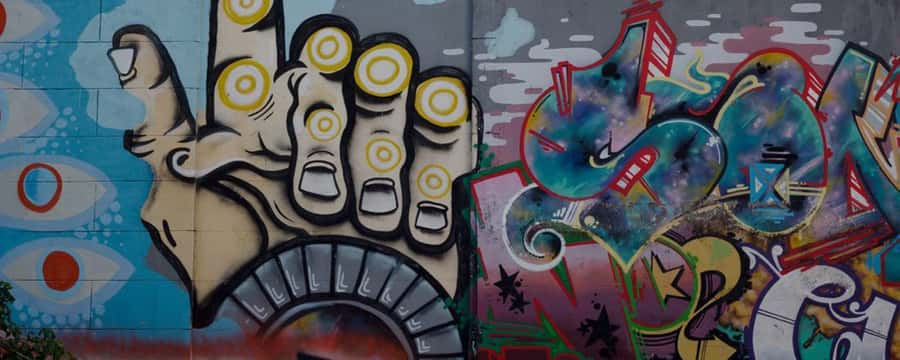
The arrival of aerosol paints in 1969 changed the speed and reach of urban writing. Messages could be put on a wall far faster than before, which mattered during the military government and the social conflicts of the 1970s.
That technical change is easy to overlook. A spray can is not just a different kind of paint. It changes how quickly someone can write, how much ground can be covered, and how difficult it may be for authorities to stop the act.
The guide explains how Argentinians became increasingly involved in protest and how street messages reflected the pressure of the period. You get a sense of why graffiti could be urgent, temporary, and risky rather than carefully polished.
This is where the tour becomes more than a photo walk. You are learning how a material shaped public communication. The story links tools, politics, and street behavior in a way that gives the murals more weight.
A few more Buenos Aires days worth comparing
- Buenos Aires Hop-On Hop-Off Bus, Free Walking Tours & Discounts
★ 4.5 · 2,218 reviews - Buenos Aires: City Highlights Guided Tour with Transfer
★ 4.7 · 1,946 reviews - Buenos Aires: Hop-On Hop-Off City Bus Tour
★ 4.2 · 1,855 reviews - Buenos Aires Hop-On Hop-Off Bus and Exclusive Benefits
★ 4.4 · 1,714 reviews
Palermo’s murals, football symbols, and local identity
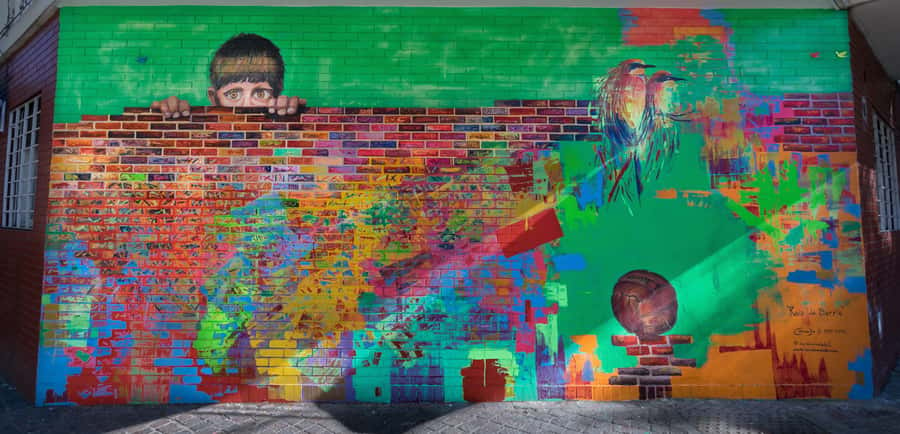
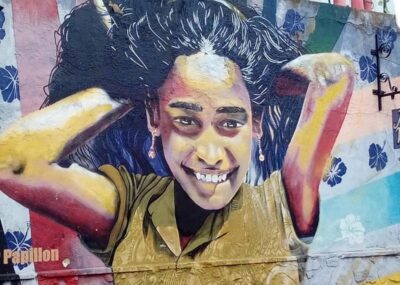
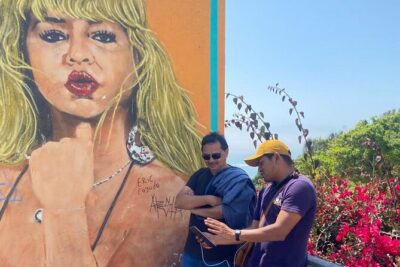
The route includes different styles and subjects. You might see football murals, butterfly imagery, and large works with strong color and graphic detail. Football is especially important in Argentina, and the art reflects the country’s deep connection to clubs, players, and national pride.
The football material also gives the guides a chance to bring in local culture. Several guides are praised for talking about sports and politics with warmth and humor, rather than treating the subjects as dry facts.
You should expect variety rather than one fixed artistic style. Some pieces may be large and easy to photograph. Others may be tucked into side streets or partly covered by newer work. That changing quality is part of street art, but it also means the exact visual selection can shift over time.
The tour is a good fit if you enjoy taking photos but want more than a list of mural locations. Your guide explains what you are seeing, and you can ask questions about artists, symbols, and the line between sanctioned art and vandalism.
The Trump Wall at Madison Avenue Bar
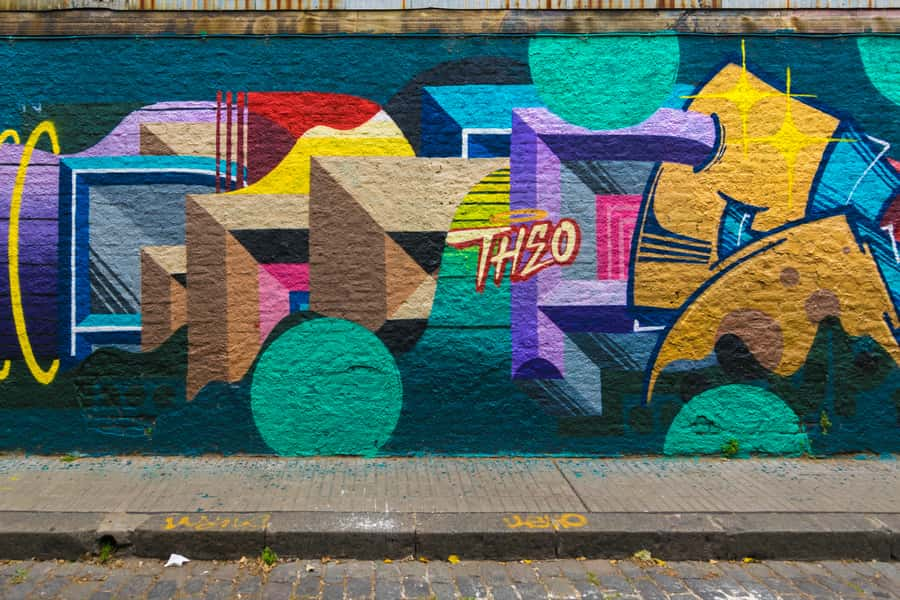
The Trump Wall at Madison Avenue Bar is one of the named stops and a clear photo opportunity. It gives the walk a contemporary reference point while fitting the wider discussion of political images in public spaces.
Your guide can place the piece within the tour’s larger theme: walls have long been used to endorse, criticize, provoke, and start conversations. This is more useful than seeing the work as an isolated curiosity.
Bring a phone or camera if you care about photographs. The tour is designed around things you see on foot, so you will have repeated chances to stop, look, and take pictures. Still, keep your attention on the explanation too. The meaning behind the work is a large part of what you are paying for.
The guides bring the art to life
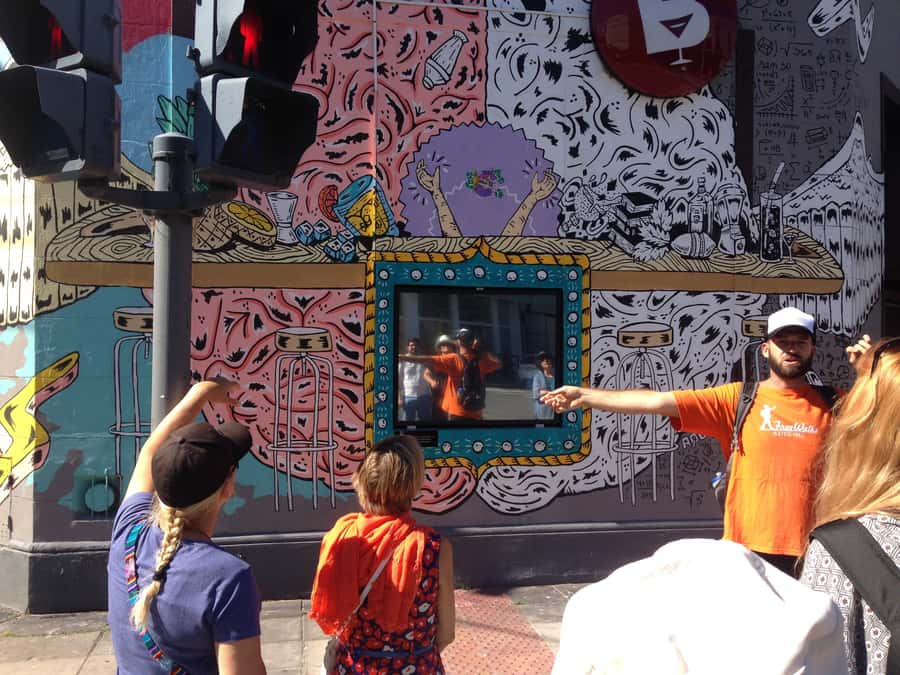
The strongest feature of this experience is the guiding. Juan is repeatedly praised for combining historical facts with personal stories, humor, and an obvious affection for Buenos Aires. Vito is described as energetic and passionate about artists, culture, sports, and politics.
Victor is another name to look for. His approach is described as warm, entertaining, and full of useful information about the Palermo art scene. Ailen is praised for making the history and art accessible, while Elina is noted for being entertaining and well informed.
Guide quality can vary on any walking tour, but the pattern here is encouraging. The experience depends heavily on storytelling, and these guides appear comfortable answering questions and adjusting their tone to the group.
You should not expect a formal art-history seminar. The style is more conversational and street-level. That is a good match for most visitors, especially if you want a clear explanation without heavy academic language.
Group size, pace, and the two-hour format
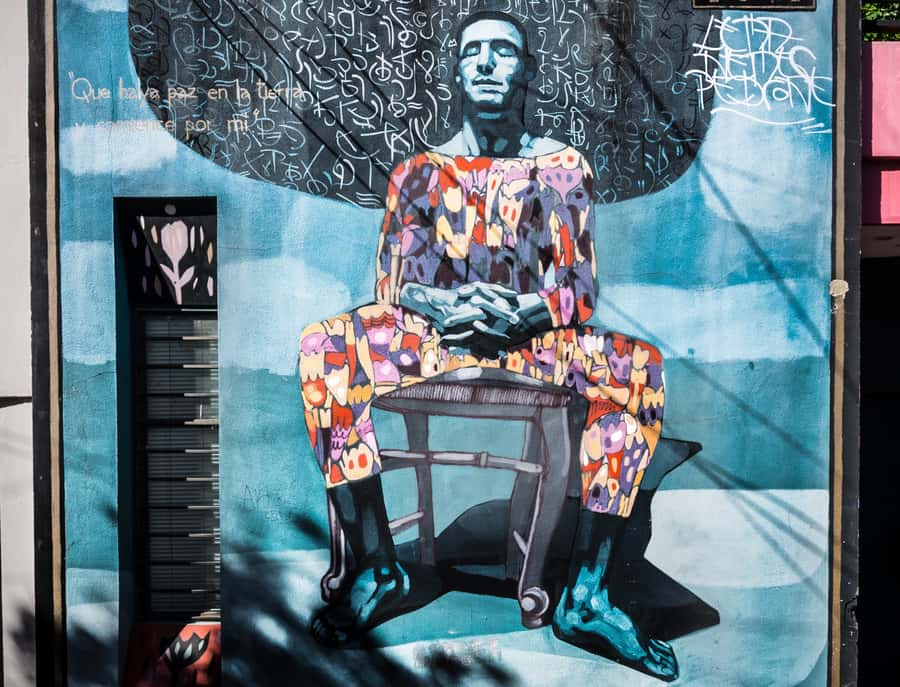
The walk lasts two hours, which is about right for this subject. It is long enough to cover the historical background and several art stops, but short enough to fit beside a museum visit, meal, or another Palermo activity.
The route is a walking tour, so wear comfortable shoes and be ready to spend the full time outdoors. The tour takes place even if it rains. A light rain jacket or umbrella is sensible, since there is no promise of indoor shelter.
Group size may vary. Some sessions are described as small and easygoing, while others can be large. A larger group can make the discussion less intimate, but the guides are praised for keeping people together and speaking clearly enough to be heard.
If you prefer private attention or want to linger over every piece, this may feel brisk. If you want a well-paced introduction to Palermo’s street art, two hours gives you a useful amount of coverage without wearing you out.
The activity is wheelchair accessible, which is an important practical advantage. Since exact street conditions and access around individual works can vary, anyone with specific mobility needs should still check the available details before booking.
Is $13 a good value?
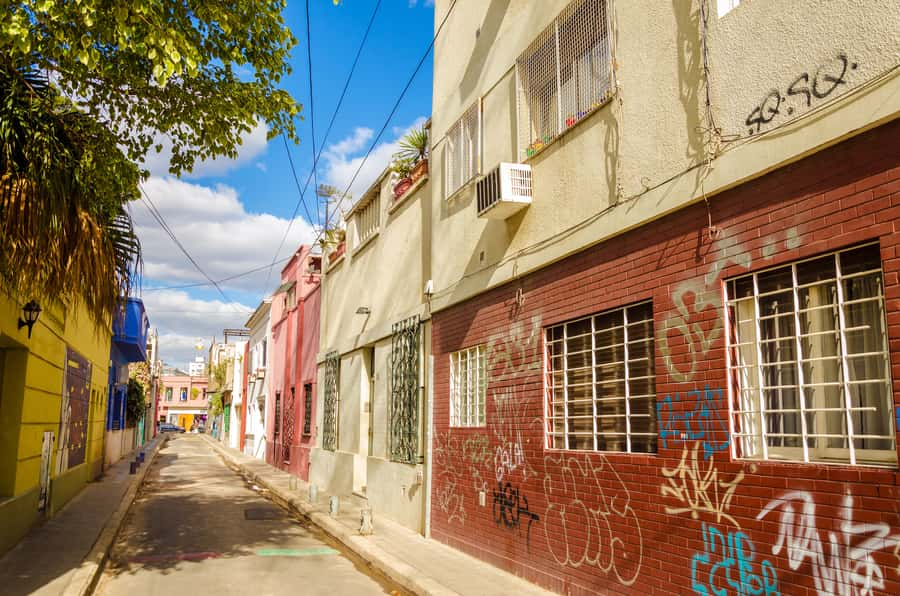
At $13 per person, this is one of the easier Buenos Aires activities to recommend on price alone. But the real value comes from the interpretation. You could walk through Palermo for free, yet you might pass the same walls without understanding their political background, artistic choices, or connection to local culture.
The price includes the two-hour guided walk. Food, drinks, and hotel pickup are not included, so budget for your own refreshments and transport to the meeting point.
I see this as a good first-day activity in Buenos Aires. It gives you a sense of Palermo, introduces you to local themes, and may help you notice details during the rest of your stay. It also works well for anyone who has already seen the main sights and wants a more focused look at city life.
The value is weaker if you have no interest in walking, public art, or Argentine politics. The route is not built around famous monuments. It is about walls, streets, stories, and the people who use public space to speak.
Who should book this Palermo walk?
I would choose this tour if you want:
- A short introduction to Palermo
- Street art explained in English
- Political and cultural context alongside photographs
- A local guide with personality
- An inexpensive activity that fits into an afternoon
- A way to understand Buenos Aires beyond grand buildings and museums
It suits solo visitors, couples, and families with older children who can manage a two-hour walk. The humor and football discussion may appeal to people who enjoy local culture as much as art.
I would think twice if you want a quiet, private experience or a strict list of major masterpieces. Street art changes, and some pieces may be replaced, painted over, or hard to view. The experience is about the city in motion, not a permanent exhibition.
Booking ahead makes sense if you want a particular start time or guide, though guides can vary by day. The activity offers free cancellation up to 24 hours in advance and allows you to reserve now and pay later, which gives you some flexibility.
Final verdict: a smart way to see Palermo
I recommend this walk for most first-time visitors who want more context than a self-guided mural hunt can provide. The best part is the connection between art and public life: election campaigns, military rule, protest, football, and personal expression all appear on the same streets.
The $13 price is modest, the two-hour length is practical, and the route begins and ends in convenient Palermo locations. Choose it if you want an upbeat guide, strong local stories, and a fresh way to look at Buenos Aires.
Skip it only if you dislike walking or want a formal museum-style presentation. For everyone else, this is an easy, useful addition to a Buenos Aires itinerary, especially when guides such as Juan, Vito, Victor, Ailen, or Elina are leading the group.
FAQ
Where does the Palermo street art tour start?
It starts at Plaza Serrano, also called Plaza Cortazar, at the corner of Jorge Luis Borges and Honduras Street. Look for the guide wearing an orange T-shirt with a large PALERMO sign.
Where does the tour finish?
The walk finishes at Plaza Inmigrantes de Armenia in Palermo.
How long is the guided walking tour?
The tour lasts two hours.
Is the tour conducted in English?
Yes. It includes a live English-speaking guide.
What will I learn about Argentine street art?
You will learn about the political origins of graffiti, its use in endorsements, propaganda, and election campaigns, and the effect of aerosol paint after its arrival in 1969. The tour also covers protest, military government, social conflict, football art, and murals.
Is the tour wheelchair accessible?
Yes, the activity is listed as wheelchair accessible.
Does the tour run when it rains?
Yes. The tour still takes place in rainy weather, so bring suitable rain protection.
Just added around Buenos Aires
- Private Airport Transfer In or Out: Aeroparque (AEP)–Buenos Aires★ 5.0 · 73 reviews
- Sailing with Wine Tasting in Buenos Aires★ 5.0 · 50 reviews
- Traditional Argentine FoodTour with optional Michelin Experience★ 4.5 · 56 reviews
- Unique Tailored Tours – The Hummingbird Trip★ 5.0 · 69 reviews
- Experience The Essence of Buenos Aires in San Telmo★ 5.0 · 51 reviews
- Tigre Speedboat – The Delta s Captain – CITYSAILING TIGRE★ 5.0 · 75 reviews
- Private Airport Transfer in or out with english speaking driver.★ 4.5 · 69 reviews
- Tango Porteño Show with Optional Dinner in Buenos Aires★ 4.5 · 58 reviews