
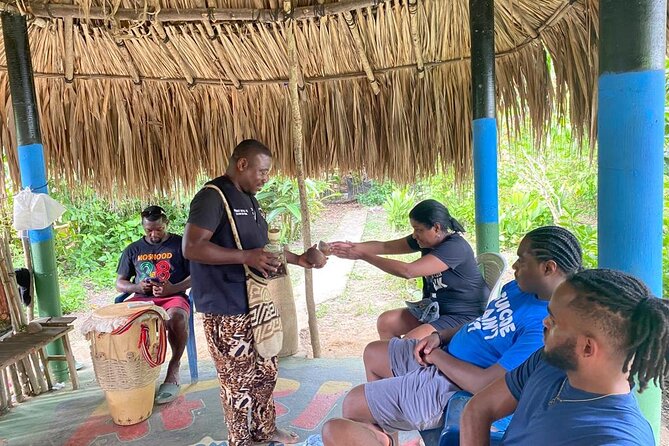
Reviewed · HISTORICAL TOURS
Visit Palenque with natives : history, culture and ancestral legacy
San Basilio de Palenque is not a staged village built for sightseeing. It is a living community with its own language, music, food, medicine, and memories of resistance. This tour takes you into that world through native guides and local residents, from the Benkos Bioho monument to a traditional house, a medicinal patio, a boxing gym, and a home-style lunch.
I especially like the way the experience lets you take part instead of only looking. You may play traditional instruments, try a few boxing moves, learn Palenque words, and hear how local people explain their customs. I also like the personal scale: it is a private activity, and guides such as Neudis, Romeo, Royman, and Victor have been praised for bringing warmth and local knowledge to the day.
The main drawback is the heat and the amount of walking. Buildings generally do not have air-conditioning, and the day can feel tiring in strong sun. The Batata traditional music and dance presentation is not included, so check what musical activity is planned for your date before booking.
Key points at a glance
- Meet Palenque through local voices: The route brings you into contact with residents who explain music, medicine, food, religion, and daily life.
- Learn the story of Benkos Bioho: The founding hero and maroon leader gives the visit its historical starting point.
- Join in with music and boxing: You can try traditional instruments with Kombilesa Mi and finish the Kid Pambelé stop with a short boxing class.
- Eat a proper community lunch: Choices include fish in coconut sauce, fried chicken, steak, stewed pork, and vegetarian food.
- Plan for hot, active sightseeing: Bring a hat, comfortable shoes, and extra ways to cool down.
- Good value for a private day: The $102 price covers transport in an air-conditioned vehicle, lunch, bottled water, and a full six-and-a-half-hour program.
Why San Basilio de Palenque matters
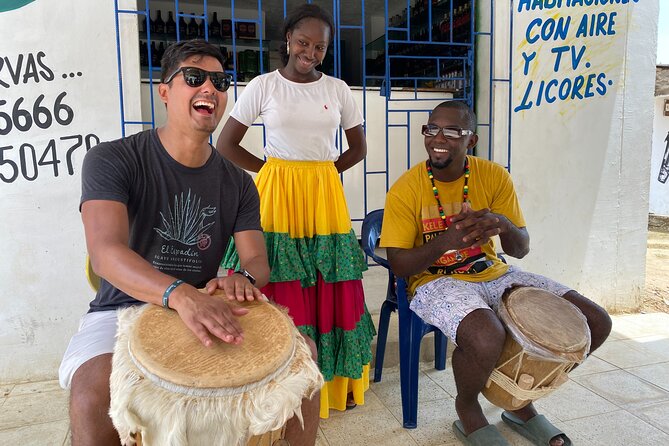
From Cartagena, the visit leads to San Basilio de Palenque, a community known for preserving African customs under difficult conditions. The tour explains Palenque as the first free African village in the Americas, a place formed by people who escaped slavery and built their own systems of defense, language, family, and trade.
That background makes the visit different from a standard Cartagena day trip. You are not simply checking off a colonial monument. You are hearing how freedom was organized, how culture survived, and how those traditions still shape local life.
The story begins with Benkos Bioho. He arrived in Cartagena enslaved at the end of the 16th century, escaped, organized maroon communities, and helped create forms of resistance and negotiation with colonial authorities. At his monument, your guide explains why he is remembered under several names, including the great maroon and the king of the forest in local legend.
This is a useful first stop because it gives meaning to everything that follows. The language, music, traditional medicine, and community customs are not isolated curiosities. They connect to a long effort to remain free and culturally distinct.
More Historical Tours in Colombia
- Cartagena: Historic Center and Getsemaní Shared Walking Tour
★ 4.9 · 2,716 reviews - Shared Tour Cali’s Historical Downtown
★ 4.8 · 143 reviews - Medellín: History & Local Life Essentials Tour on an E-Bike
★ 4.9 · 130 reviews
Arrival at the tourist parador
The tourist parador is the welcome point. Here you receive an introduction to the community and a broad outline of the day. It is a practical beginning, especially if you have little background on Palenque.
Do not expect a large museum or a polished visitor center. The value is in getting your bearings and meeting the people who will guide you through the community. Because this is a private tour, the pace can feel more personal than a large group excursion.
If you are traveling with friends or family, this opening is also a good time to ask about translation. English-speaking support has been provided by interpreters including Gabriel and Liliana on some tours, but the exact guide team can vary.
Traditional life inside the Simankongo House Museum
The Simankongo House Museum represents a traditional Palenque home. You see household elements tied to older ways of living and hear how families organized daily life with fewer modern comforts.
This stop works best when you pay attention to ordinary details. A traditional house tells you about sleeping arrangements, cooking, work, and family life in a way a monument cannot. It helps connect the larger story of resistance to the practical choices people made at home.
The building may also remind you to pace yourself. Reviewers repeatedly note that there is little or no air-conditioning inside the tour buildings. Wear light clothing and use the shade whenever possible.
Ancestral plants at the medicinal patio
At the medicinal patio, traditional doctors explain the role of plants in local care. You learn which plants have been used for different ailments and how ancestral medicine remains part of Palenque identity.
The strength of this stop is the direct exchange. You are not only reading labels or listening to a general explanation. A local practitioner presents the plants and explains their place in community life.
Keep an open mind, but treat the information as cultural education rather than personal medical advice. The tour introduces traditional practices. It does not replace a doctor or promise treatment.
This is also one of the calmer parts of the route. After walking through the streets, the patio offers time to listen and ask questions. If plant knowledge interests you, this can be one of the most rewarding stops.
More Historical Tours in Cartagena:
- Lima’s Vibrant Heritage: Exploring the City’s Landmarks Half-day
★ 4.5 · 581 reviews - Santiago: Guided Walking Tour of the Historical Old Town
★ 4.8 · 459 reviews - Maria Fumaça – Wines and History
★ 4.0 · 242 reviews - Rio de Janeiro: Historic Rio and Santa Teresa Half-Day Tour
★ 4.4 · 228 reviews
Music with Kombilesa Mi
Kombilesa Mi is described as a cultural and musical movement from Palenque. Here you can meet figures connected with the group and try traditional instruments.
This is where the tour becomes especially hands-on. You are encouraged to interpret the music rather than sit quietly at the edge of a performance. You might find that the activity is less polished than a theater show, but that is part of its appeal. The point is contact with the people and sounds of the community.
One important detail: the separate Batata traditional music and dance presentation is not included in the price. The Kombilesa Mi stop is included, but you should not assume it is the same as a full Batata performance.
For many people, music is the emotional center of the day. It lets you understand Palenque culture through rhythm and participation, not just explanation.
Murals that tell the town’s story
The mural route takes you through Palenque’s streets to see identity murals and learn what they represent. You will have time to photograph them, but the pictures are better when you understand the images first.
Ask your guide to explain the symbols, people, and themes in each mural. The route turns a walk through town into a visual lesson about community pride and memory.
This is also a good point to notice the difference between visiting a place and passing through it. The streets are not merely a backdrop for photographs. They are part of daily life, and the murals help show how Palenque presents its own story.
Bring sturdy sneakers. Several people who enjoyed the tour still warned that you walk a lot, and the heat can make a short route feel longer.
Religion, conversion, and Palenque belief
The religiousness stop examines the imposition of Catholicism and the forms of religiosity that developed in Palenque. This section adds needed nuance to the cultural picture.
You learn that religion was not simply adopted in a clean break from earlier beliefs. The discussion looks at pressure from colonial society and at the ways Palenque maintained its own spiritual outlook.
This can be a thoughtful stop, especially if you are willing to listen rather than expect a simple answer. The subject touches power, identity, and survival. Your guide’s ability to explain local views clearly matters here, and the quality of the conversation may depend on the assigned guide and interpreter.
Boxing and the Kid Pambelé monument
At the Kid Pambelé monument, the focus shifts to Antonio Cervantes Reyes, the Colombian boxing champion better known as Kid Pambelé. The tour explains his importance in Colombian boxing and his contribution to Palenque.
The visit ends with a small boxing lesson. It is not a serious training session, but it gives you a physical way to connect with the subject. You may learn a few basic movements and get a sense of why boxing holds such a strong place in local pride.
This is a fun change of pace after the historical and cultural discussions. It also shows how one person’s achievements can affect a whole community. Bring water and do not push yourself in the heat.
Lunch cooked from fire to bijao
The final stop is lunch, described as from the fire pit to the bijao. The meal includes fish in coconut sauce, fried fish, fried chicken, steak, stewed pork, and vegetarian options.
The fish in coconut sauce is the meal to look for if you want the strongest connection to local cooking. It reflects the use of familiar ingredients and home-style methods rather than a restaurant menu designed for outsiders.
Lunch is included in the $102 price, along with bottled water and transport in an air-conditioned vehicle. That matters because the tour lasts about six and a half hours and includes several local stops. You are paying for more than a ride and a guide. You are also supporting a chain of community hosts, musicians, cultural presenters, and food providers.
Still, the value depends on what you want. If you prefer a short sightseeing trip with a major landmark, this may feel expensive. If you want a private, people-focused cultural day with transport from Cartagena, the price is easier to justify.
Guides, translation, and the feel of the day
The strongest part of this activity is the local connection. Guides named Neudis, Romeo, Royman, Victor, and Leo have led different tours, and the day is designed around native voices. Some groups have also worked with English interpreters such as Gabriel and Liliana.
That means the experience can feel personal and conversational. You may hear stories about the guide’s own home, meet residents who explain their work, and ask questions as you go. One practical limitation is that guide quality and translation style can vary by date. One person found the guiding less seasoned than expected, while most descriptions emphasized friendly, clear, and passionate hosts.
The tour is private, so only your group takes part. That is helpful if you want to ask questions or adjust the pace. It also means you should be ready for a less formal presentation. This is community tourism, not a museum tour with scripted audio and numbered displays.
Heat, walking, and what to bring
The day takes place in a hot area, and much of it is on foot. Wear sneakers or other comfortable walking shoes. Pack a hat, sunscreen, and a reusable water bottle, even though bottled water is supplied.
A small umbrella, folding fan, water spritzer, or extra cooling cloth can make a real difference. One group needed an electrolyte drink when someone felt unwell, so take the heat seriously and tell your guide if you need a break.
The vehicle is air-conditioned, but the traditional house, medicinal patio, streets, and other community spaces may not be. Plan on a warm day with limited indoor cooling.
The tour requires good weather and a minimum number of participants. If poor weather or low enrollment causes cancellation, you are offered another date, another experience, or a full refund. You can cancel for a full refund up to 24 hours before the start time. Changes or cancellations inside that window are not refunded.
Who should book this Palenque tour?
I would choose this tour if you want to understand Cartagena’s wider history through the people who carried African traditions forward outside the city. It suits curious adults, solo visitors, couples, and families who enjoy conversation and hands-on activities.
It is especially useful for anyone interested in African diaspora culture, traditional medicine, local food, language, music, or Colombian boxing. You do not need to be a history expert. The guide explains the setting as you go.
I would think twice if you dislike heat, walking, informal cultural visits, or activities that depend on conversation. This is not a polished resort excursion, and the day may feel demanding if you expect constant air-conditioning.
Should you book it?
Book this tour if you want a serious look at San Basilio de Palenque led by people connected to the community. The mix of Benkos Bioho, traditional housing, medicinal plants, music, murals, religion, boxing, and lunch gives you a fuller picture than a quick photo stop.
The best reason to go is the chance to participate and listen. The main cautions are the heat, walking, variable guide and translation arrangements, and the fact that Batata’s traditional music and dance presentation is not included. Bring cash for optional tips to local presenters, confirm the language support available for your date, and leave Cartagena ready for a long but meaningful half-day.
FAQ
How long does the Palenque tour last?
The tour lasts approximately six hours and 30 minutes.
What is included in the $102 price?
The price includes an air-conditioned vehicle, bottled water, and lunch. Lunch options include fish in coconut sauce, fried chicken, steak, stewed pork, and vegetarian food.
Is this a private tour?
Yes. Only your group participates in the private activity.
What happens at the Kid Pambelé monument?
You learn about Antonio Cervantes Reyes, known as Kid Pambelé, his role in Colombian boxing, and his contribution to Palenque. The stop ends with a small boxing class.
Is traditional music and dance included?
A cultural music stop with Kombilesa Mi is part of the itinerary. A Batata traditional music and dance presentation is not included.
What is the cancellation policy?
You can cancel at least 24 hours before the start time for a full refund. Cancellations or changes made less than 24 hours before the start time are not refunded. Poor weather or failure to meet the minimum number of participants may lead to a different date, another experience, or a full refund.
Just added around Cartagena
- Cartagena Fishing & Crabbing • Unique Local Experience with Lunch★ 5.0 · 90 reviews
- Tour a san Basilio de Palenque desde cartagena★ 5.0 · 123 reviews
- 5 islands tour to rosario Islands with snorkeling activity!★ 4.5 · 36 reviews
- Under a sea of adventures, unforgettable diving.★ 5.0 · 62 reviews
- Cartagena Unforgettable: Half Day Private City Tour (Also for Cruisers)★ 5.0 · 77 reviews
- 5 Island Tour with Lunch Snorkel in Cartagena Rosario Island★ 4.5 · 94 reviews
- Tour of the Rosario Islands, Cartagena★ 4.5 · 75 reviews
- Romantic Date Night in the Bay of Cartagena★ 5.0 · 47 reviews
Historical Tours, compared.
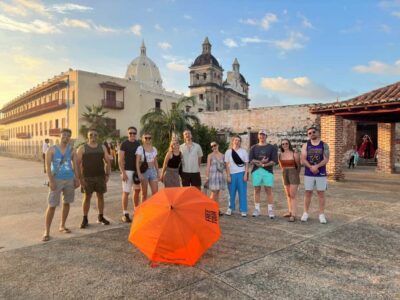
Historic Center and Getsemaní Shared Walking Tour
Read our review →
Lima’s Vibrant Heritage: Exploring the City’s Landmarks Half-day
Read our review →
Lima: Historic Center Street Food, Market, and Eateries Tour
Read our review →
Nazis in Buenos Aires: a historical walking tour
Read our review →
Browse the lists this tour appears in